

Striped wasps are often mistaken for one another due to their bold black, yellow, white, red, or even orange markings. Whether it’s a buzzing visitor in your backyard or a nest tucked under the eaves, identifying these wasps by their color patterns can help you distinguish the harmless from the hostile. In this guide, we’ll explore 25 striking wasp species—from yellowjackets and paper wasps to mason and spider wasps—that match common stripe-related keywords like black wasp with yellow stripes or wasp with white bands. Each profile includes identification tips, behavior, and habitat details to help you recognize them safely and accurately.
1. Yellowjacket Wasp

Yellowjackets are among the most recognizable and widespread wasps, especially known for their black and yellow striped bodies. Often mistaken for bees, these aggressive wasps are notorious for their painful stings and defensive behavior near nests. Yellowjackets are social insects and commonly found in gardens, attics, and outdoor food areas during warmer months.
Identification
- Color: Black wasp with yellow stripes
- Pattern: Yellow and black striped wasp
- Markings: Black with yellow stripes on abdomen
- Size: Medium (0.5 to 0.75 inches)
- Shape: Smooth body with defined waist and no hair
- Wings: Transparent and folded down the back when at rest
Behavior and Sting
Yellowjackets are extremely territorial and will sting multiple times if their nest is disturbed. Unlike bees, they do not lose their stinger. Their sting can cause allergic reactions in sensitive individuals. They are especially active in late summer and early fall.
Habitat and Range
They build nests underground, in wall voids, or inside structures. Common across North America, especially the U.S. and Canada.
2. Eastern Yellowjacket
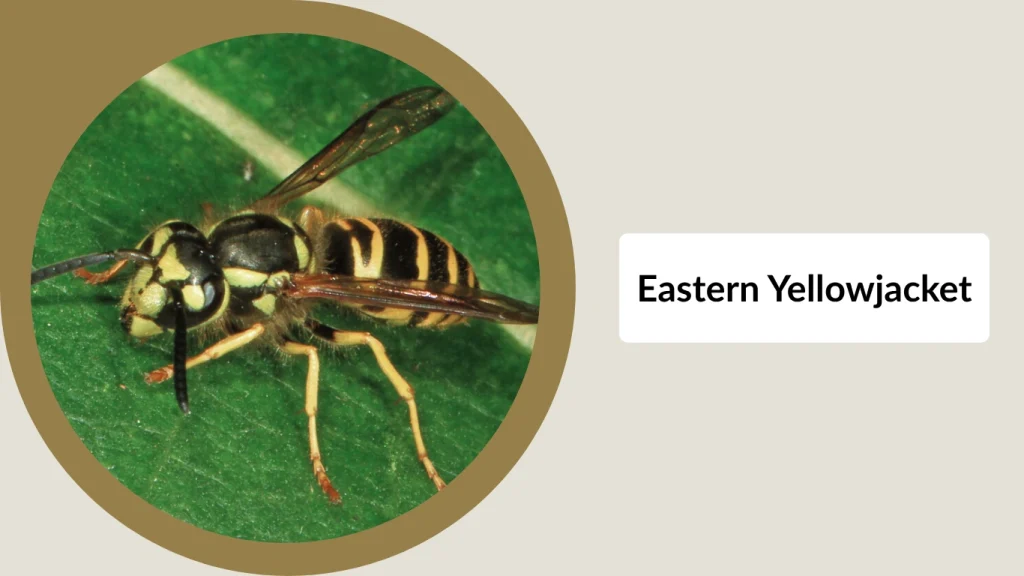
The Eastern Yellowjacket is a common wasp species in the eastern United States, easily identified by its bold yellow and black striped body. These social wasps often build underground nests and are aggressive when disturbed, making them a frequent concern in residential areas during summer and fall.
Identification
- Color: Black with yellow stripes
- Pattern: Yellow and black striped abdomen
- Size: Around 0.5 inches
- Body Type: Sleek, hairless with narrow waist
- Wings: Clear and folded flat over the back
Behavior and Sting
Known for their aggressive defense of nests, Eastern Yellowjackets can sting multiple times. They feed on sugary substances and proteins, often scavenging at picnics or trash bins.
Habitat and Range
Commonly found in wooded areas, lawns, parks, and gardens across the eastern U.S., especially from spring to late autumn.
3. German Yellowjacket

German Yellowjackets are an invasive species in many regions but widely spread throughout the U.S. and Europe. They are black wasps with vivid yellow stripes and are known for nesting inside buildings and wall voids, making them a serious pest near homes.
Identification
- Color: Black wasp with yellow markings
- Markings: Broad yellow bands and three black dots on the face
- Size: 0.5 to 0.6 inches
- Shape: Slim, defined body without hair
- Wings: Transparent with a slight amber tint
Behavior and Sting
They are highly aggressive and can sting repeatedly, especially when defending their nests. They frequently forage for sugary liquids and meat-based food.
Habitat and Range
They often build aerial nests in attics, eaves, sheds, and wall cavities. Found throughout North America and native to Europe.
4. Southern Yellowjacket

The Southern Yellowjacket is a native North American wasp recognized by its black body with vivid yellow stripes. Unlike many other yellowjackets, this species often includes multiple queens in a single colony, resulting in massive nests and increased aggression.
Identification
- Color: Black with bright yellow stripes
- Pattern: Bold yellow bands on abdomen and thorax
- Size: 0.5 to 0.6 inches
- Body: Smooth with narrow waist
- Wings: Clear, slightly dark-tinted
Behavior and Sting
Extremely defensive and will swarm intruders quickly. Their sting is painful and dangerous to those allergic to wasp venom. Colonies can contain thousands of workers, especially in the southern U.S. due to longer warm seasons.
Habitat and Range
Prefers ground nests in lawns, wooded areas, and roadside embankments. Found mainly in southeastern parts of the United States.
5. European Paper Wasp

The European Paper Wasp is often mistaken for a yellowjacket due to its black and yellow stripes, but it has longer legs and a slimmer body. It builds open, umbrella-shaped paper nests and is less aggressive than true yellowjackets.
Identification
- Color: Black with yellow markings
- Pattern: Stripes on abdomen and thorax
- Size: 0.6 to 0.8 inches
- Shape: Slender with long legs hanging in flight
- Wings: Narrow and amber-colored
Behavior and Sting
Generally not aggressive unless the nest is disturbed. They prey on caterpillars and other insects, making them helpful in gardens. Their sting is less painful than that of yellowjackets.
Habitat and Range
Builds nests in sheltered areas like roof eaves, window corners, and wall crevices. Found throughout Europe and now common in North America due to introduction.
6. Northern Paper Wasp
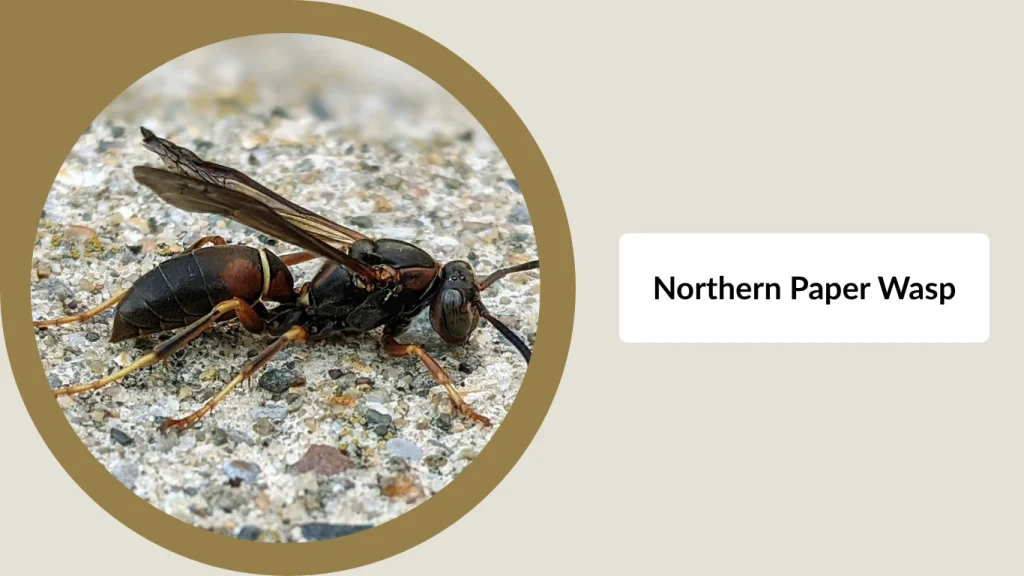
The Northern Paper Wasp is a native species to North America, often seen around gardens and homes. It has a darker, reddish-brown or black body with yellow stripes, giving it a less vibrant but still noticeable striped appearance.
Identification
- Color: Dark brown to black with yellow markings
- Pattern: Thin yellow stripes across abdomen
- Size: 0.7 to 0.9 inches
- Shape: Slender, long-legged body
- Wings: Brownish-transparent, held folded at rest
Behavior and Sting
Typically non-aggressive unless threatened. Northern Paper Wasps are beneficial predators of garden pests like caterpillars. They can sting, but prefer to avoid conflict.
Habitat and Range
Commonly build umbrella-shaped paper nests under eaves, decks, or window ledges. Found throughout the northern and central U.S. and parts of Canada.
7. Guinea Paper Wasp

The Guinea Paper Wasp is native to the southern U.S. and is known for its more pronounced reddish-brown coloring combined with yellow banding. It resembles other paper wasps but tends to have a slightly stockier appearance.
Identification
- Color: Reddish-brown with yellow stripes
- Pattern: Yellow bands on the abdomen
- Size: 0.7 to 0.9 inches
- Body: Thick thorax, long legs
- Wings: Semi-transparent with a brownish tint
Behavior and Sting
Moderately aggressive near the nest. The sting is painful but usually non-lethal unless allergic. They are also valuable in gardens due to their insect-hunting habits.
Habitat and Range
Builds exposed paper nests in sunny, dry spots such as building corners and fence posts. Most common in the southeastern United States.
8. Red Paper Wasp

The Red Paper Wasp is a striking species, easily identified by its reddish body and occasional yellow or black striping. Found mainly in the southeastern U.S., it is a larger and more noticeable paper wasp species.
Identification
- Color: Deep reddish body with some yellow or black markings
- Pattern: May have yellow or black bands on the abdomen
- Size: 0.8 to 1 inch
- Shape: Slender with long legs and elongated wings
- Wings: Reddish or amber-hued
Behavior and Sting
Moderately aggressive, especially near their nests. Red Paper Wasps sting to protect their colonies but are generally calm when foraging. Their sting can cause significant pain and swelling.
Habitat and Range
They prefer to nest in sheltered spots such as eaves, sheds, and attics. Most common in the southern U.S., especially in warmer and humid areas.
9. Red Wasp

The Red Wasp is often confused with the Red Paper Wasp, but this term commonly refers to several large red-bodied wasps with dark wings and occasional yellow markings. They are found across much of the southern and central U.S.
Identification
- Color: Bright red or reddish-brown body, sometimes with yellow bands
- Pattern: Red body with faint stripes or darker segments
- Size: 1 inch or more
- Build: Long, lean body with narrow waist and long legs
- Wings: Dark or reddish-brown and long
Behavior and Sting
Can be aggressive when disturbed. The sting is painful and may cause allergic reactions. These wasps hunt caterpillars and other small insects to feed their larvae.
Habitat and Range
Typically builds paper nests in high, sheltered areas like barns, porches, and trees. Widespread in southern and central parts of the U.S.
10. Metric Paper Wasp

The Metric Paper Wasp is a North American species known for its black body with yellow and reddish markings. Its appearance often leads to confusion with yellowjackets, but its behavior is generally less aggressive.
Identification
- Color: Black with yellow and reddish-orange markings
- Pattern: Thin yellow bands on the abdomen
- Size: 0.7 to 1 inch
- Shape: Slender body, long legs that dangle during flight
- Wings: Brown-tinted and semi-transparent
Behavior and Sting
Slightly defensive if the nest is approached, but not usually aggressive. Their sting is painful but not life-threatening unless allergic. They are helpful predators in gardens.
Habitat and Range
Builds paper nests under eaves, tree branches, or inside sheds. Found across the eastern and central United States.
11. Bald-Faced Hornet
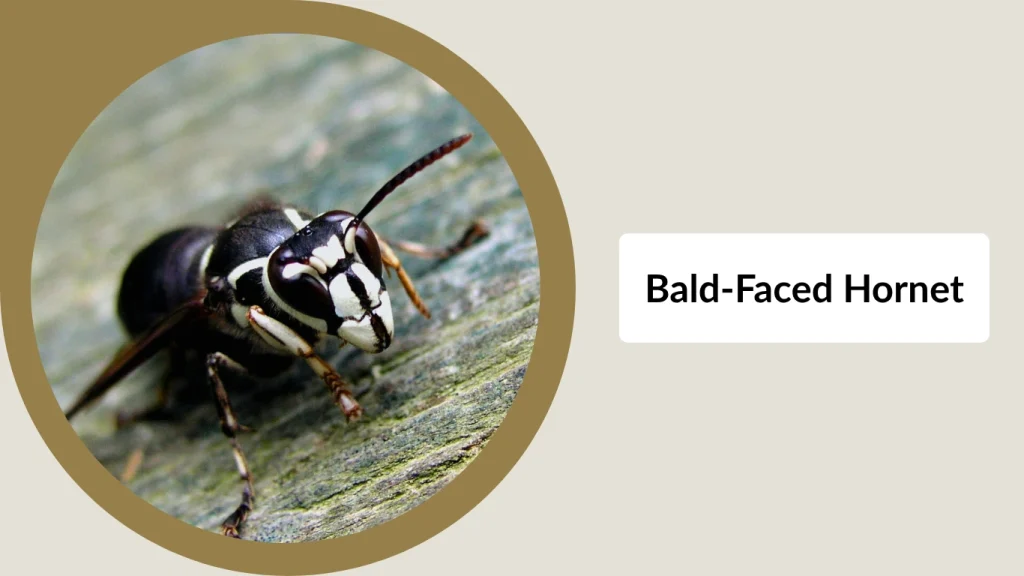
The Bald-Faced Hornet is actually a type of yellowjacket, but it’s easily identified by its black body and white markings. Its large size and distinctive face give it a striking look. This wasp is highly protective of its nest.
Identification
- Color: Black with white face and white stripes
- Pattern: White bands on abdomen and thorax
- Size: 0.75 to 1 inch
- Shape: Robust body with smooth texture
- Wings: Dark and clear with a glossy finish
Behavior and Sting
Extremely aggressive near their paper nests, which are usually built high above ground in trees or under eaves. They can sting repeatedly and release alarm pheromones to signal others.
Habitat and Range
Found throughout North America, especially in forests, suburban areas, and wooded neighborhoods.
12. Black and Yellow Mud Dauber
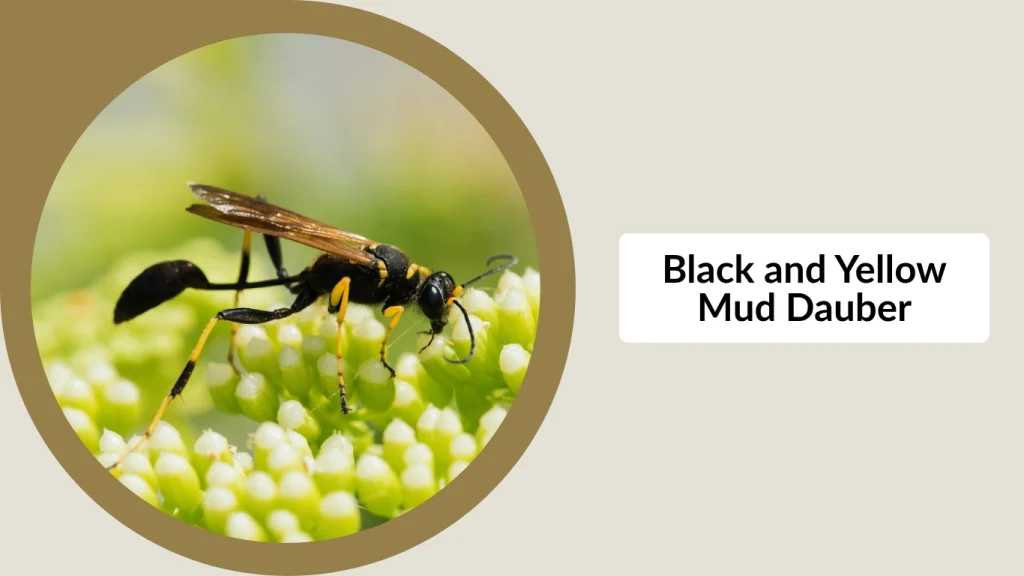
The Black and Yellow Mud Dauber is a solitary wasp known for its sleek black body and bold yellow markings. Unlike social wasps, it does not live in colonies and is rarely aggressive toward humans.
Identification
- Color: Glossy black with bright yellow bands
- Pattern: Yellow stripes mainly on the thorax and legs
- Size: 0.75 to 1 inch
- Build: Slender body with an extremely thin “waist”
- Wings: Transparent with a light amber tint
Behavior and Sting
Generally non-aggressive and rarely stings. These wasps are excellent at controlling spider populations, especially black widows, which they paralyze and store in mud nests for their larvae.
Habitat and Range
Often builds mud tube nests on walls, ceilings, and inside garages or sheds. Found throughout the U.S., particularly in rural and suburban environments.
13. Four-Toothed Mason Wasp

The Four-Toothed Mason Wasp is a solitary wasp with a black body and striking white bands. It’s known for nesting in cavities and using mud to seal brood chambers. Despite its intimidating look, it’s typically not aggressive.
Identification
- Color: Black with distinct white or pale bands
- Pattern: Broad white stripe across the abdomen
- Size: 0.6 to 0.8 inches
- Build: Robust and shiny body
- Wings: Dark and slightly iridescent
Behavior and Sting
This wasp is calm and avoids confrontation. It preys on caterpillars and other soft-bodied insects for its larvae. It can sting but usually doesn’t unless handled.
Habitat and Range
Nests in old wood holes, hollow stems, and sometimes man-made holes like keyholes or window frames. Found across the eastern United States.
14. White-Striped Mason Wasp (Symmorphus spp.)

The White-Striped Mason Wasp includes several species under the genus Symmorphus, characterized by black bodies with crisp white or pale markings. These solitary wasps are beneficial predators and use mud or plant material to seal their nests.
Identification
- Color: Black with white or pale yellow stripes
- Pattern: White bands on the abdomen and sometimes on the thorax
- Size: 0.5 to 0.7 inches
- Build: Stocky, smooth body with a blunt rear
- Wings: Dark, translucent with a slight sheen
Behavior and Sting
Rarely aggressive and not known to sting unless provoked. These wasps help control pest caterpillar populations and are important pollinators in native ecosystems.
Habitat and Range
Typically nest in wood crevices, hollow stems, or artificial tubes. Found in woodlands, gardens, and meadows across North America and parts of Europe.
15. Parancistrocerus perennis
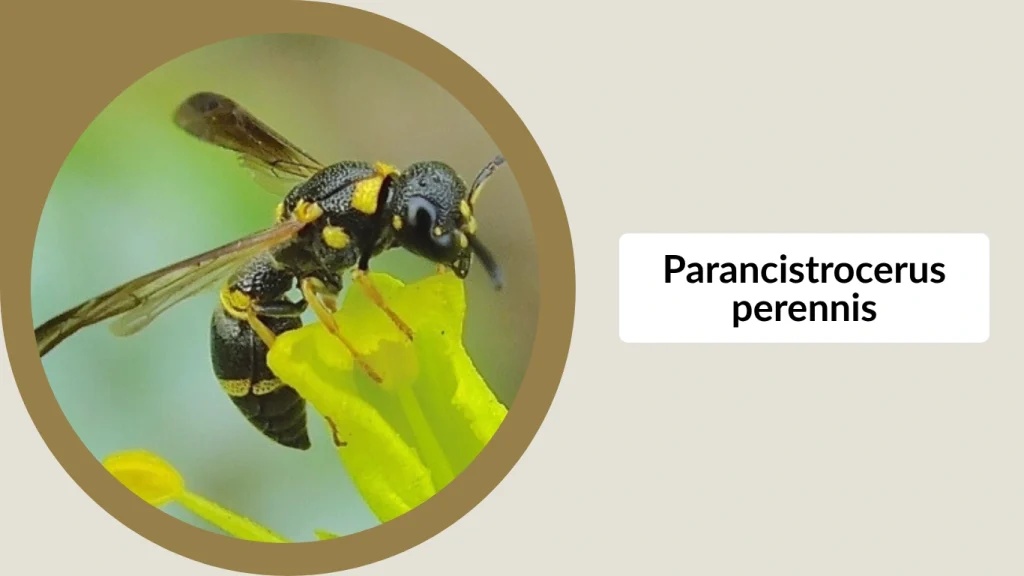
Parancistrocerus perennis is a type of potter wasp with a striking appearance—black with pale yellow or white bands. This solitary wasp is less known than others but plays an important role in garden pest control.
Identification
- Color: Black with white or pale yellow stripes
- Pattern: Narrow light bands on the abdomen
- Size: Around 0.5 inches
- Build: Compact and smooth with a defined waist
- Wings: Brownish-transparent
Behavior and Sting
Solitary and non-aggressive. It paralyzes small caterpillars and places them in cells for its larvae. The sting is mild and rarely delivered.
Habitat and Range
Nests in plant stems, cavities, or even man-made objects like window tracks or mailboxes. Found in gardens, fields, and forest edges across North America.
16. Ancistrocerus spp.
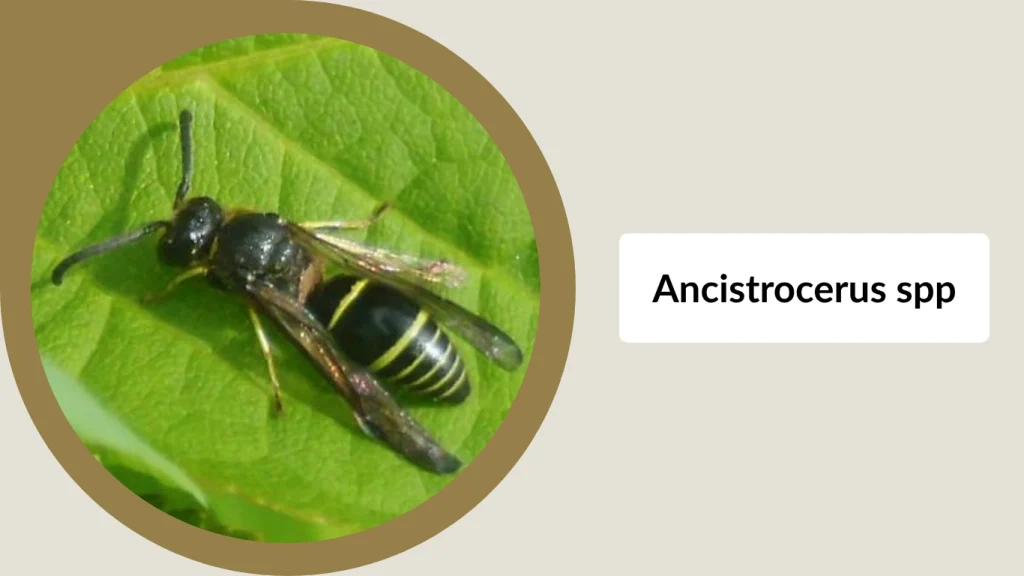
Ancistrocerus is a genus of potter wasps with several species that display black bodies marked with white, yellow, or even orange stripes. These wasps are solitary and beneficial, especially in natural pest control.
Identification
- Color: Black with white or yellow stripes
- Pattern: Thin bands on the abdomen and occasional markings on the thorax
- Size: 0.4 to 0.6 inches
- Build: Compact and tubular with a narrow waist
- Wings: Dark and folded flat over the back
Behavior and Sting
Not aggressive toward humans. Females sting and paralyze caterpillars to feed their larvae. The sting is mild and unlikely unless handled.
Habitat and Range
Builds nests in plant stems, pre-existing cavities, or artificial trap-nest tubes. Found widely across Europe, North America, and Asia in gardens and woodland areas.
17. Zeta argillaceum
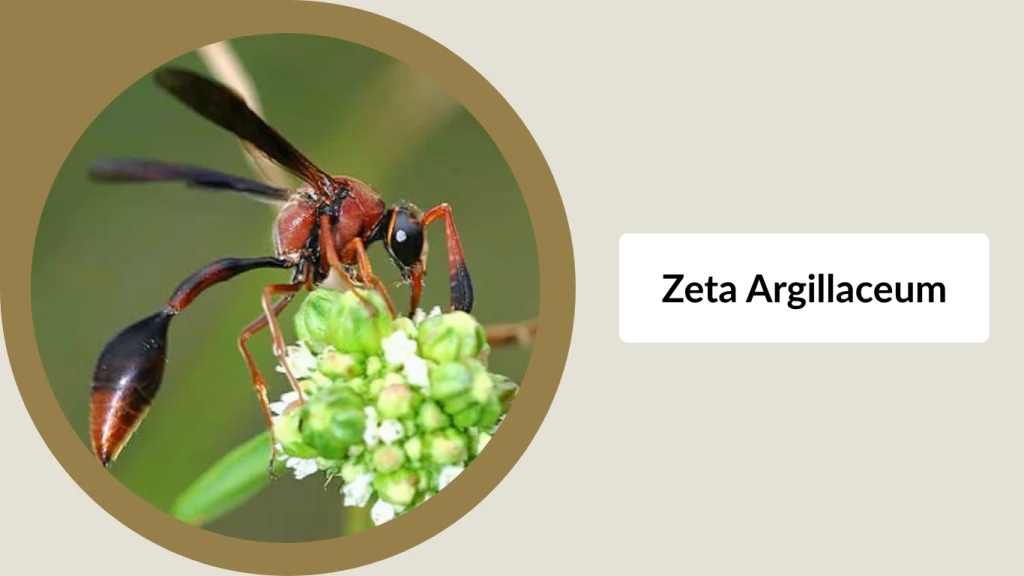
Zeta argillaceum is a species of potter wasp native to Central and South America, now also found in parts of the southern U.S. This wasp is recognizable by its black body and white markings, often confused with other mason or potter wasps.
Identification
- Color: Glossy black with white or pale cream-colored bands
- Pattern: Broad white stripe on the abdomen
- Size: 0.5 to 0.7 inches
- Build: Sturdy body with a noticeable pot-shaped rear end
- Wings: Transparent with a smoky tint
Behavior and Sting
Generally docile and rarely stings. Females build distinctive mud pot nests and provision them with paralyzed caterpillars for their offspring.
Habitat and Range
Nests on walls, ceilings, and sheltered outdoor areas. Common in Central and South America, and increasingly seen in the southern parts of the U.S., especially Florida and Texas.
18. Great Golden Digger Wasp (Sphex ichneumoneus)
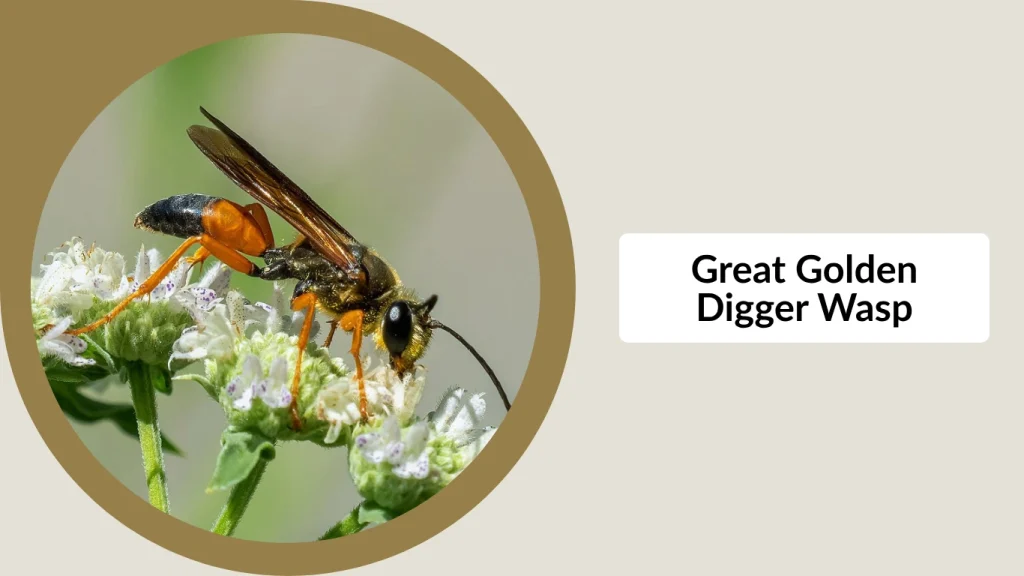
The Great Golden Digger Wasp is a large, solitary wasp with a striking appearance. Its black and orange-yellow body makes it stand out, especially while digging in sandy soil. Despite its size, it is not aggressive and is considered beneficial for controlling pests.
Identification
- Color: Black head and thorax with orange legs and abdomen
- Pattern: Reddish-orange banding on segments of the body
- Size: 1 to 1.25 inches
- Build: Slender with a long body and bright golden hairs on thorax
- Wings: Smoky transparent with an amber hue
Behavior and Sting
Very unlikely to sting unless handled. These wasps dig burrows in soil and paralyze katydids or crickets to feed their larvae. Their presence helps manage garden pest populations.
Habitat and Range
Found in fields, gardens, and meadows with loose, sandy soil. Common across North America, especially in the eastern and central U.S.
19. Cicada Killer Wasp (Sphecius speciosus)
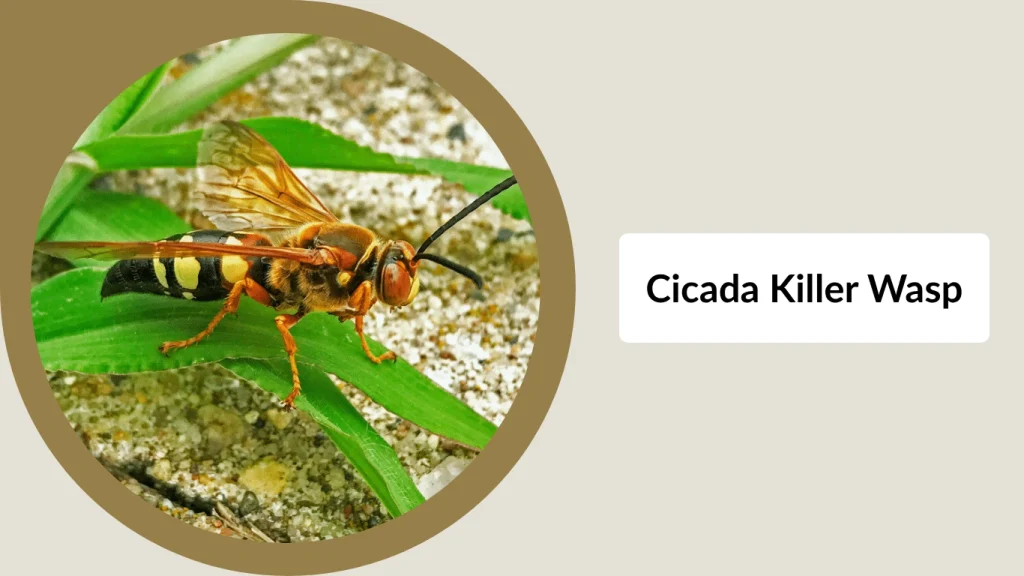
The Cicada Killer is one of the largest wasps in North America, easily recognized by its bold black and yellow striped abdomen. Despite its intimidating size, it’s generally non-aggressive toward humans.
Identification
- Color: Black and yellow striped abdomen, reddish thorax
- Pattern: Alternating yellow and black bands on the lower body
- Size: 1.5 to 2 inches
- Build: Large, robust body with strong legs
- Wings: Amber-colored and elongated
Behavior and Sting
Females sting and paralyze cicadas to place in underground burrows for their larvae. They rarely sting humans unless provoked. Males are territorial but do not sting.
Habitat and Range
Prefer loose soil in sunny areas like lawns, gardens, and woodland edges. Widely distributed throughout the United States, especially in the East and Midwest.
20. Tarantula Hawk Wasp (Pepsis spp.)
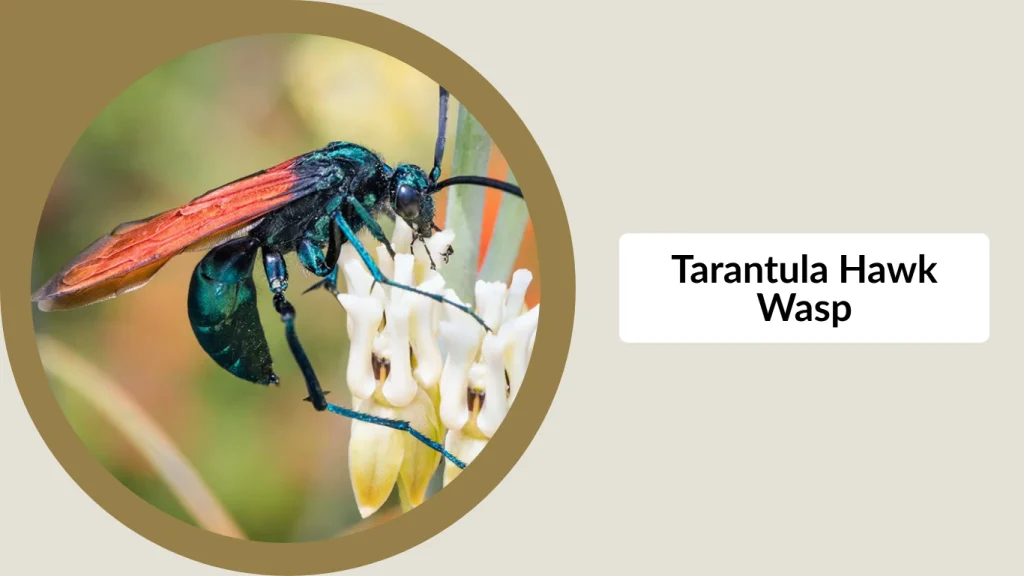
The Tarantula Hawk is a massive and striking wasp with black or blue-black bodies and vivid orange wings. It is best known for hunting tarantulas, which it paralyzes and uses as a living food source for its larvae.
Identification
- Color: Black or metallic blue-black with bright orange wings
- Pattern: May have orange or reddish striping near the abdomen or wings
- Size: 1.5 to 2 inches or more
- Build: Long-legged with an elongated body and large wings
- Wings: Bright orange and semi-transparent
Behavior and Sting
Extremely painful sting but rarely aggressive unless handled. Their sting ranks among the most painful of all insects but subsides quickly without serious damage.
Habitat and Range
Often found in deserts, scrublands, and arid regions. Common in the southwestern U.S., Mexico, and parts of Central and South America.
21. Large Four-Spotted Scoliid Wasp (Pygodasis quadrimaculata)

This wasp is large and bold, with a black body and four distinct yellow spots on its abdomen. It’s a solitary wasp often seen hovering low over the ground in search of beetle larvae to parasitize.
Identification
- Color: Black with four bright yellow spots on the abdomen
- Pattern: Spot-based rather than striped; often confused with striped wasps
- Size: 1 to 1.2 inches
- Build: Heavy-bodied and strong-looking
- Wings: Dark blue to purplish and shiny
Behavior and Sting
Solitary and not aggressive. Females locate and sting beetle grubs underground, laying an egg on the host. Their sting is rarely used on humans.
Habitat and Range
Found in sandy or grassy open habitats across the southern and eastern U.S., especially in warm summer months.
22. Blue-Winged Scoliid Wasp (Scolia dubia)

The Blue-Winged Scoliid Wasp is a solitary wasp that is both beautiful and beneficial. It has a black body with two bold yellow bands on the abdomen and striking metallic blue wings, making it easy to recognize in gardens and fields.
Identification
- Color: Black body with two yellow bands; metallic blue wings
- Pattern: Yellow stripes across the middle of the abdomen
- Size: 0.8 to 1 inch
- Build: Stout and hairy, especially near the thorax
- Wings: Iridescent blue and broad
Behavior and Sting
Not aggressive and rarely stings humans. It parasitizes scarab beetle larvae by laying eggs in the soil near the host. Adults are often seen feeding on nectar and help with pollination.
Habitat and Range
Common in gardens, fields, and meadows with soft soil. Found throughout the eastern and southern United States.
23. Ichneumon Wasp (Various Species)
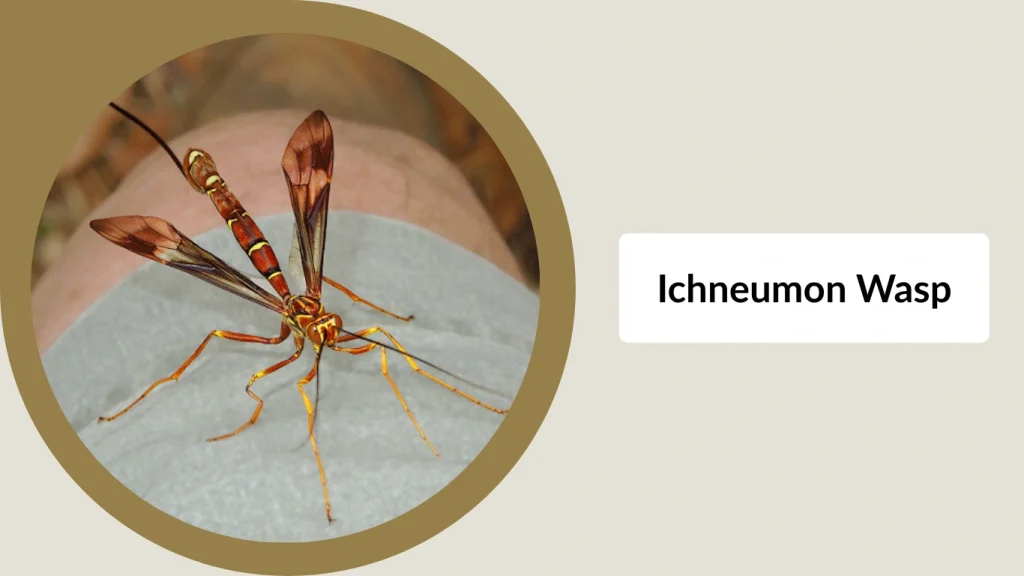
Ichneumon Wasps are a large group of parasitoid wasps with thousands of species. Many display black, yellow, orange, or red striped patterns, and their long, slender bodies often make them look intimidating. However, they do not sting humans.
Identification
- Color: Combinations of black, yellow, orange, or red
- Pattern: Banding varies widely by species—striped abdomens are common
- Size: Ranges from 0.5 to 1.5 inches depending on the species
- Build: Slender with extremely long antennae and sometimes long ovipositors
- Wings: Transparent or brownish
Behavior and Sting
Do not sting humans. Females use their ovipositors to lay eggs inside caterpillars or other insect larvae. They are excellent for natural pest control.
Habitat and Range
Found globally in forests, gardens, and agricultural areas. Common throughout North America, especially in areas with high insect populations.
24. Spider Wasp (Anoplius spp.)

Spider Wasps are solitary hunters known for their black or dark blue bodies and orange or reddish wings. Some species also show faint striping or colored markings. They specialize in paralyzing spiders to feed their young.
Identification
- Color: Black or metallic dark blue body; some have orange-tinted wings
- Pattern: Subtle striping or reddish tinge on segments in certain species
- Size: 0.8 to 1.5 inches
- Build: Slender with long legs and curved antennae
- Wings: Reddish-orange to dark brown depending on species
Behavior and Sting
They rarely sting humans unless provoked. Their sting is powerful and used primarily to subdue spiders. Females dig shallow burrows to bury the paralyzed prey.
Habitat and Range
Found in dry, sandy areas, gardens, and wooded regions. Common in North America, Europe, and other temperate regions worldwide.
25. European Hornet (Vespa crabro)
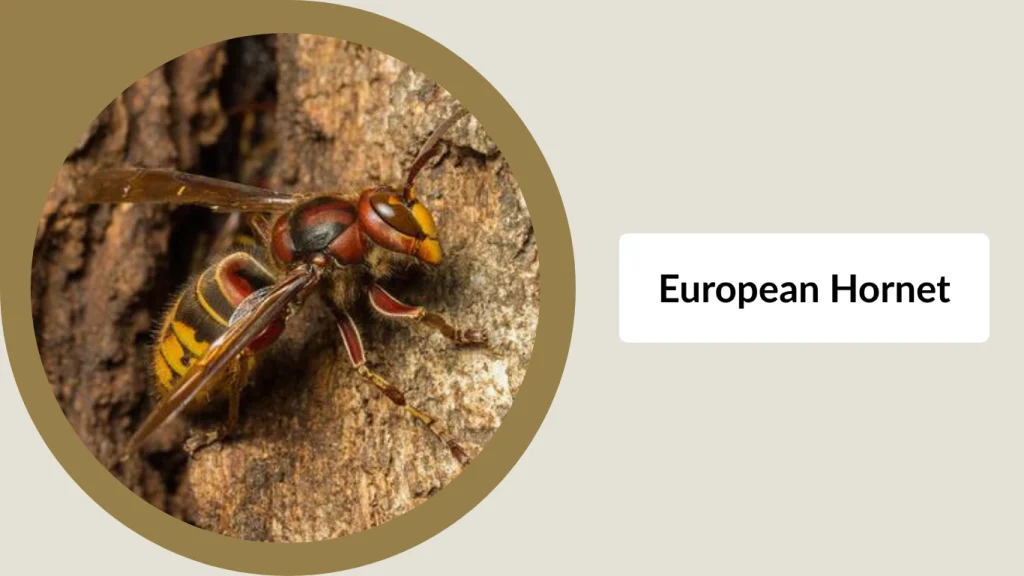
The European Hornet is the only true hornet in North America and is larger than most wasps. It has a black and yellow striped abdomen with a reddish thorax, giving it a bold and intimidating look.
Identification
- Color: Yellow and black striped abdomen; reddish-brown thorax and head
- Pattern: Wide yellow and black bands with some reddish tones
- Size: 1 to 1.5 inches
- Build: Large, broad body with powerful mandibles
- Wings: Amber-colored and long
Behavior and Sting
Defensive near their nests and capable of delivering multiple painful stings. They also bite and spray venom. Their sting can cause severe reactions in sensitive individuals.
Habitat and Range
Nests in hollow trees, wall cavities, and sometimes attics or sheds. Native to Europe but now established in parts of the eastern U.S., especially in wooded or semi-rural areas.
