
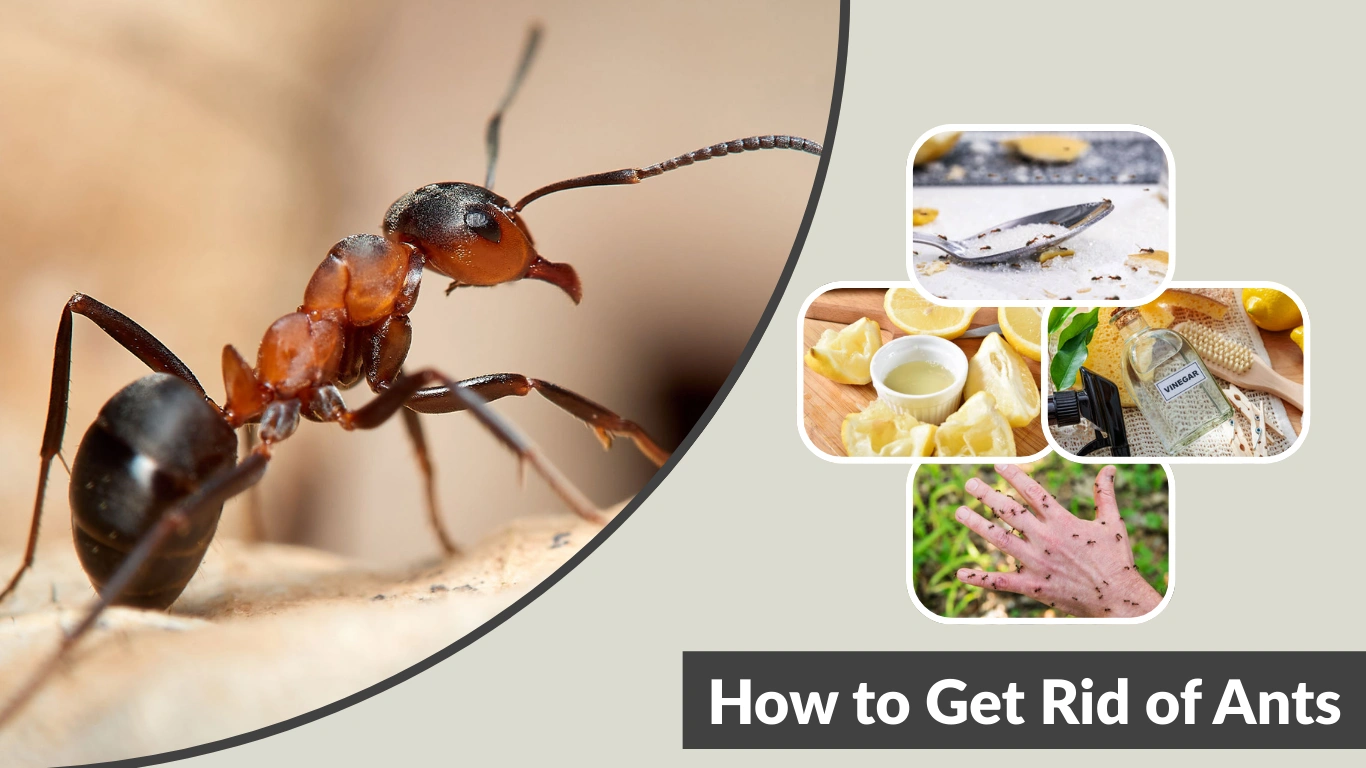
Ants are one of the most common household pests, and once they find food or water inside your home, they can quickly become a serious nuisance. From tiny black ants in the kitchen to sugar ants invading food containers, ant infestations can happen in any house, regardless of cleanliness. Many people try quick sprays, but ants often return because the root cause isn’t addressed. This guide explains how to get rid of ants fast, naturally, and permanently using proven methods that work for homes, kitchens, and indoor spaces.
Why Ants Invade Homes
Ants usually enter homes in search of food, water, and shelter. Even small crumbs, sugar spills, or uncovered pet food can attract an entire ant colony. Kitchens are the most common target because they provide easy access to food and moisture.
Moisture is another major reason ants invade houses. Leaky pipes, damp sinks, bathrooms, and water spills create ideal conditions for ants to survive. During rainy seasons or extreme heat, ants may move indoors to escape harsh outdoor conditions.
In many cases, ants don’t live inside the house but travel from nearby outdoor nests. Cracks in walls, gaps around doors, windows, and utility lines give ants easy entry points. If the nest isn’t eliminated, ants will continue to return no matter how many you kill.
How to Identify the Type of Ants
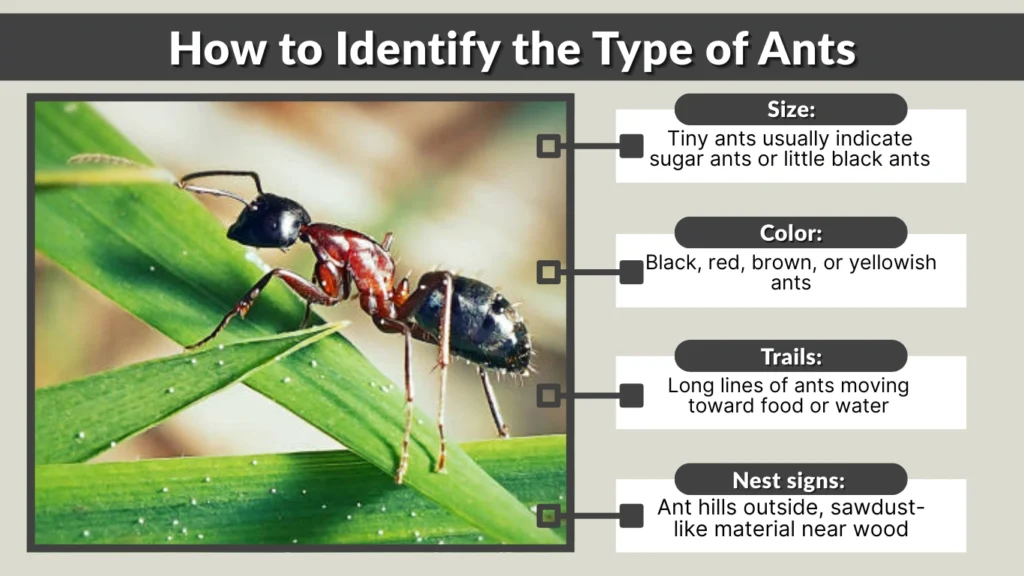
Correctly identifying ants is important because different ant species require different treatment methods. Some ants are only a nuisance, while others can damage property or cause painful bites.
Common Signs to Look For
- Size: Tiny ants usually indicate sugar ants or little black ants, while larger ants may be carpenter ants
- Color: Black, red, brown, or yellowish ants
- Trails: Long lines of ants moving toward food or water
- Nest signs: Ant hills outside, sawdust-like material near wood, or wall cracks
Knowing whether you’re dealing with tiny house ants or larger carpenter ants helps determine whether natural remedies will work or professional treatment is needed.
How to Get Rid of Ants in the House Fast
If you need immediate relief from ants, fast-action methods can help control the visible problem. These methods work best for small infestations or temporary control.
A simple vinegar and water solution is one of the quickest ways to kill ants on contact. Mix equal parts white vinegar and water and spray directly on ants, trails, and entry points. Vinegar destroys the scent trails ants use to navigate.
Soapy water is another effective option. Dish soap breaks down the ants’ protective outer layer, killing them quickly. Spray directly on visible ants and wipe them away.
Commercial ant sprays can also eliminate ants instantly, but they only kill what you see. Sprays do not reach the nest, so ants often return within days. After killing ants, thoroughly clean the area to remove food residue and scent trails that attract more ants.
How to Get Rid of Ants Naturally
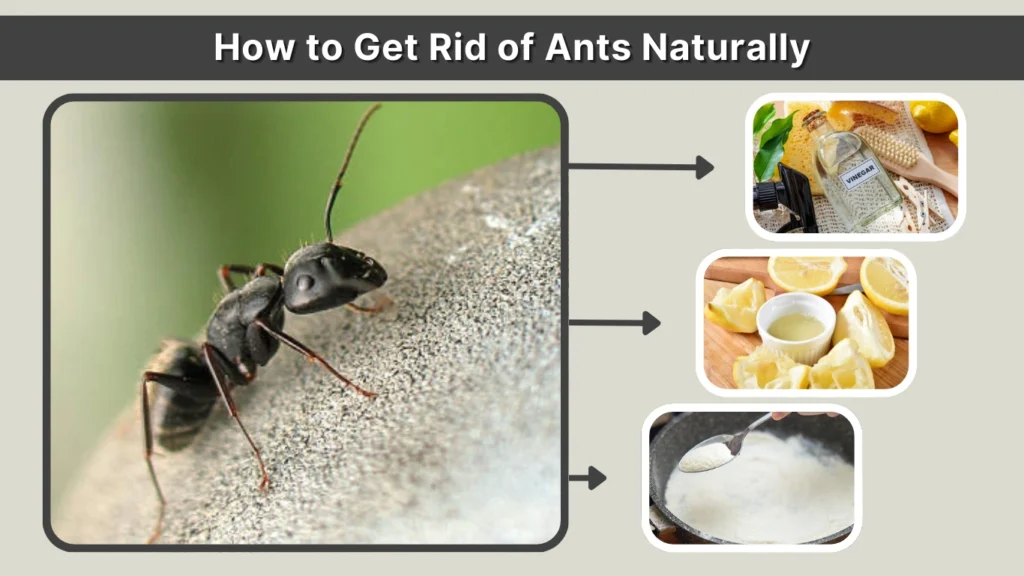
Natural remedies are ideal for homes with children or pets and work best for light to moderate infestations. While they may not eliminate large colonies instantly, they are effective when used consistently.
Effective Natural Remedies
- Vinegar: Repels ants and removes scent trails
- Lemon juice: Disrupts ant trails and acts as a natural deterrent
- Baking soda and sugar: Sugar attracts ants, baking soda kills them
- Cinnamon: Strong smell repels ants from entry points
- Peppermint oil: Natural ant repellent when mixed with water
Natural solutions are most effective when combined with proper cleaning and sealing entry points. They help prevent ants from returning rather than just killing them temporarily.
How to Get Rid of Ants Permanently
Permanent ant control requires eliminating the colony, not just the ants you see. The most effective long-term solution is using ant bait instead of sprays. Ant bait allows worker ants to carry poison back to the nest, killing the entire colony over time.
Sealing cracks, gaps around doors and windows, and holes near plumbing prevents ants from re-entering. Removing food sources, storing food in airtight containers, and cleaning spills immediately also reduce attraction.
Many people fail to get rid of ants permanently because they rely only on sprays. Without destroying the nest, ants will keep coming back again and again.
Room-by-Room Ant Control
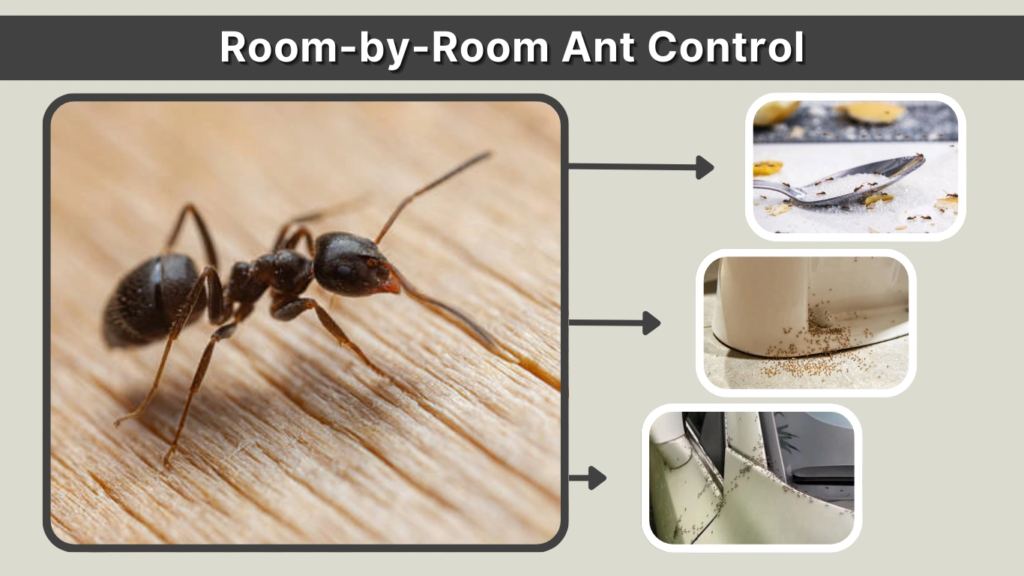
Different areas of the home attract ants for different reasons, so treating each space properly improves results and prevents repeat infestations.
Ants in the Kitchen
The kitchen is the most common place for ants because it provides easy access to food and water. Start by wiping down counters, tables, and floors daily to remove crumbs and spills. Store sugar, flour, rice, and snacks in airtight containers. Clean under appliances and inside cabinets where food particles often collect.
Pay special attention to sinks and trash bins, as moisture and food waste attract ants. Use vinegar spray along baseboards and near entry points, and place ant bait near ant trails to eliminate the colony.
Ants in the Bathroom and Bedroom
Ants in bathrooms are usually attracted to moisture. Fix leaky faucets, dry sinks after use, and improve ventilation. Seal small cracks near tiles, drains, and pipes where ants may enter.
In bedrooms, ants may be drawn to food, spills, or moisture near windows. Avoid eating in bed, vacuum regularly, and inspect walls, beds, and window frames. Diatomaceous earth can be applied along baseboards as a safe, long-term barrier.
Ants in Car
Ants often enter cars due to leftover food, sugary drinks, or crumbs. Remove all food items, vacuum seats and floor mats thoroughly, and wipe surfaces with vinegar. Place ant bait near door edges or under seats to stop ants from returning.
How to Get Rid of Ants Outside and in the Yard
Outdoor ants often create nests in soil, lawns, gardens, or near house foundations. Ant hills are a clear sign of active colonies. Pouring boiling water directly into the nest can kill ants instantly, though it may require multiple treatments.
Food-grade diatomaceous earth is effective for outdoor use and can be sprinkled around nests, walkways, and garden beds. Keeping your yard clean, trimming vegetation away from the house, and removing wood piles reduce nesting areas. Sealing outdoor cracks and entry points also helps prevent ants from moving indoors.
How to Treat Ant Bites
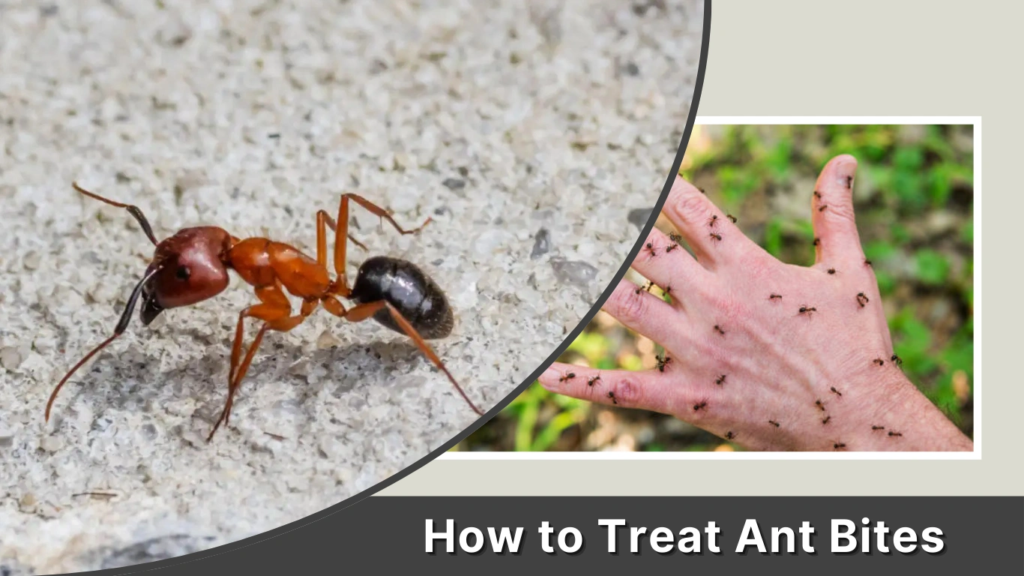
Most ant bites cause mild irritation, itching, or redness. Wash the affected area with soap and water as soon as possible. Applying a cold compress can reduce swelling and discomfort.
A paste made from baking soda and water helps relieve itching, while antihistamine or hydrocortisone creams reduce inflammation. Avoid scratching, as it can lead to infection. Seek medical attention if you experience severe swelling, allergic reactions, or signs of infection.
When to Call a Professional Exterminator
While many ant problems can be handled at home, some situations require professional help. Carpenter ants, for example, can damage wooden structures and should not be ignored. Large infestations, repeated ant problems, or nests hidden inside walls are also signs that DIY methods may not be enough.
A licensed pest control professional can identify the ant species, locate hidden nests, and apply targeted treatments that eliminate the infestation completely and safely.
FAQs
How do I get rid of ants permanently?
To get rid of ants permanently, you must eliminate the entire colony, not just the ants you see. Use ant bait so worker ants carry poison back to the nest, seal entry points, remove food sources, and keep your home clean to prevent ants from returning.
What kills ants instantly at home?
Vinegar, soapy water, and commercial ant sprays can kill ants instantly on contact. However, these methods only provide temporary relief because they do not destroy the nest. For long-term control, combine instant killers with ant bait and prevention steps.
Why do ants keep coming back to my house?
Ants return when food, moisture, or entry points remain available. Even small crumbs or unsealed cracks can attract them. If the nest is not eliminated, ants will continue to reappear despite repeated cleaning or spraying.
Are natural remedies effective for killing ants?
Natural remedies like vinegar, lemon juice, cinnamon, and peppermint oil work well for repelling ants and controlling small infestations. However, large or hidden colonies may require ant bait or professional treatment for complete elimination.
When should I call a pest control professional?
You should call a professional if ants keep returning, nests are hidden inside walls, or you suspect carpenter ants. Large infestations and structural damage are also signs that DIY methods may not be effective enough.
