
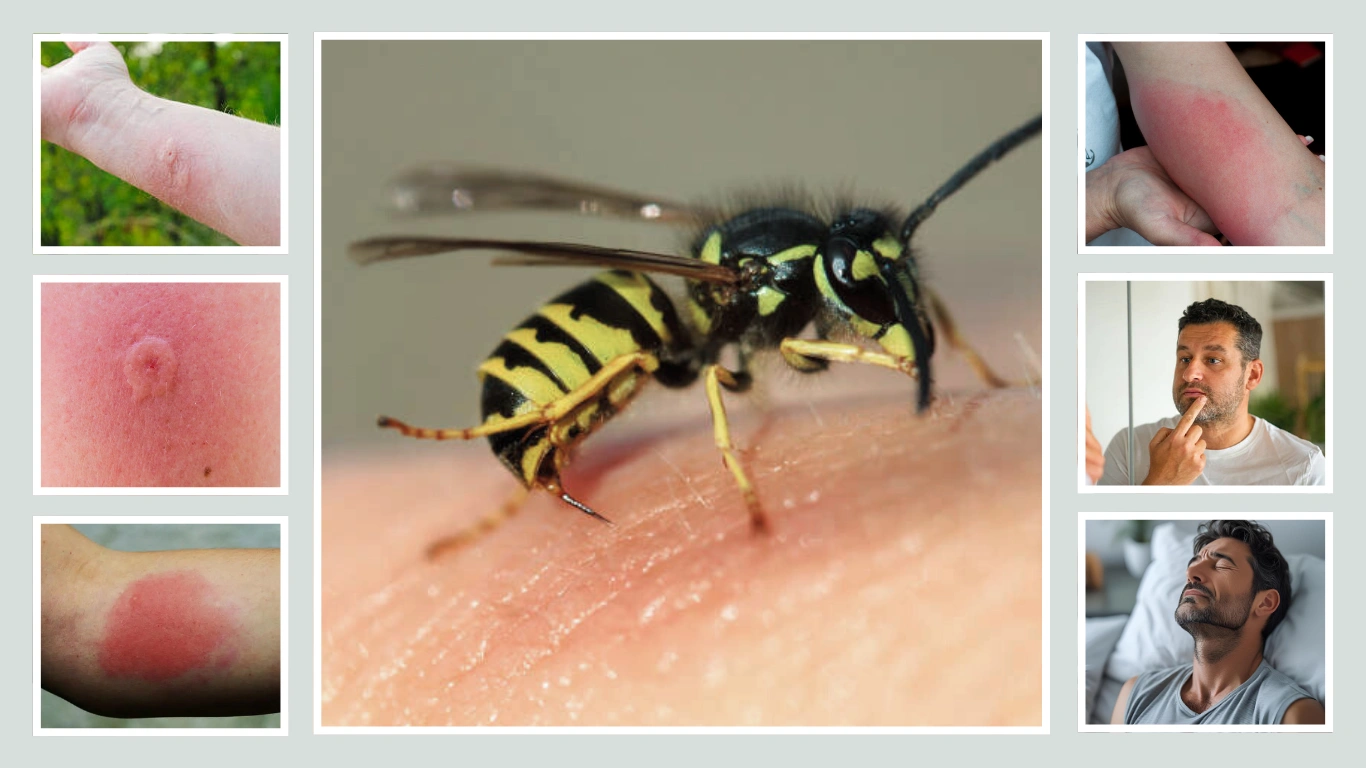
A wasp sting can hurt a lot, but in most cases, it’s not serious and heals within a few days. You might feel pain, swelling, or itching for a short time. But sometimes, a sting can cause more than just discomfort. In this guide, we’ll explain when a wasp sting is normal—and when it’s a sign of something more serious that needs medical attention.
What’s a Normal Reaction to a Wasp Sting?
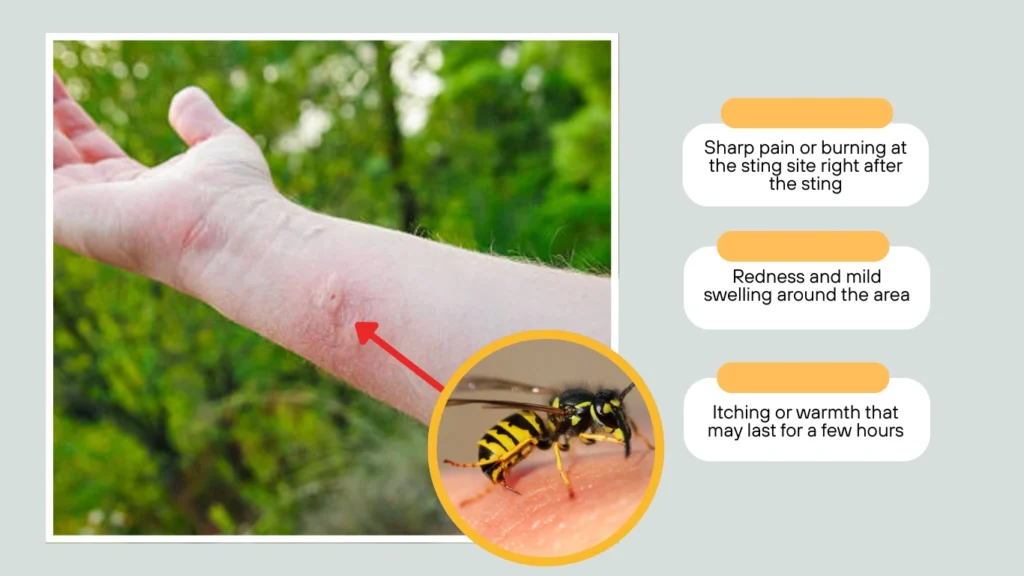
Before you worry, it’s good to know what’s normal. Most people have a mild reaction to a wasp sting, and the discomfort goes away on its own. Here’s what you can usually expect:
Common Symptoms to Expect
- Sharp pain or burning at the sting site right after the sting
- Redness and mild swelling around the area
- Itching or warmth that may last for a few hours
These symptoms are common and happen as your body reacts to the venom.
How Long They Typically Last
- Pain usually fades within a few hours
- Swelling and redness may last 1–3 days
- Mild itching can last up to 5 days, especially if the sting is scratched
What’s Considered Mild Irritation
If the symptoms stay close to the sting area and slowly improve, that’s considered a mild, normal reaction. You likely won’t need medical help—just rest, cold compresses, and some over-the-counter cream or antihistamines.
When Is a Wasp Sting a Cause for Concern?
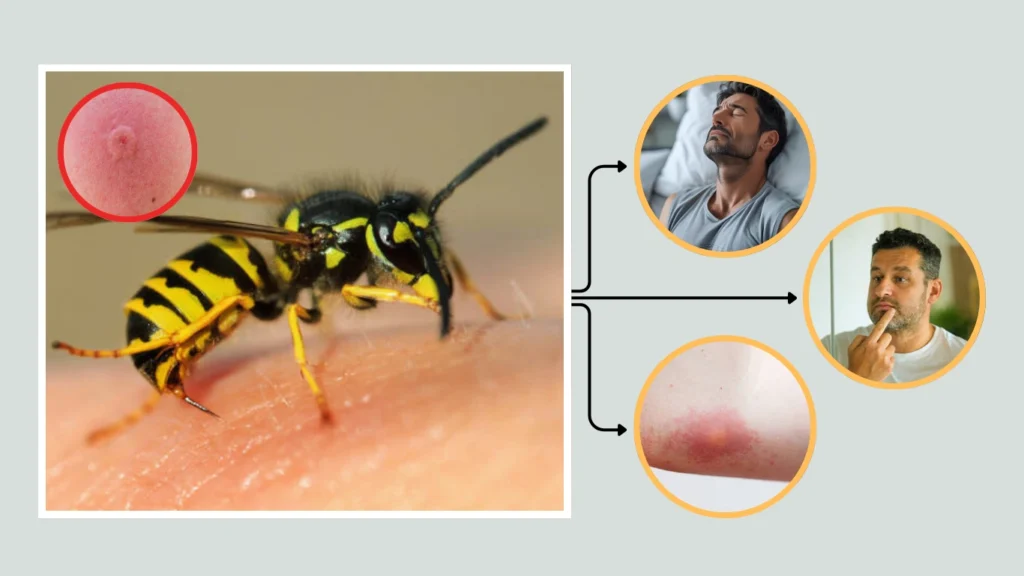
While most stings are minor, some symptoms should not be ignored. Certain signs mean the sting may be more serious than it first seemed.
Severe Pain or Swelling Beyond the Sting Site
If the pain is intense and spreads beyond the sting area, or the swelling continues to grow after a day or two, that’s a red flag. For example, if your whole hand or leg swells from one sting, you may be having a more serious reaction.
Symptoms Lasting More Than 3–5 Days
If pain, redness, or itching doesn’t get better after a few days—or starts getting worse—something more may be going on, like a delayed allergic reaction or an infection.
Signs of an Allergic Reaction (Anaphylaxis)
Some people react badly to wasp stings and need immediate help. Watch for:
- Difficulty breathing
- Swelling in the face or throat
- Hives or rash beyond the sting site
- Dizziness or a fast heartbeat
Signs of a Serious Allergic Reaction
A serious allergic reaction, called anaphylaxis, can happen within minutes after a wasp sting. It’s rare, but life-threatening. If you or someone else shows any of the signs below, seek emergency help right away.
Difficulty Breathing or Tight Chest
Struggling to breathe, wheezing, or feeling like your chest is tight are signs of a severe reaction. This can happen if your airways begin to swell, making it hard to get enough air.
Swelling of the Face, Lips, Tongue, or Throat
Swelling in these areas is dangerous because it can block your airway. Even if the swelling seems small at first, it can get worse quickly and needs urgent care.
Hives, Dizziness, or Fainting
Raised, red, itchy bumps on your body (hives), feeling lightheaded, or fainting can mean your body is reacting badly to the sting. These symptoms may spread fast and affect multiple systems in the body.
Fast Heartbeat or Anxiety
A racing heartbeat, chest tightness, or feeling panicked without a clear reason could be your body’s response to an allergic reaction. These signs can come before more serious symptoms.
Nausea, Vomiting, or Confusion
If you feel sick to your stomach, throw up, or feel confused after being stung, don’t ignore it—these could also be signs of a systemic allergic reaction that needs emergency attention.
Signs of Infection to Watch For

Not all sting problems are allergic reactions. Sometimes, the sting site becomes infected, especially if it’s been scratched or not kept clean. Here’s what to look for:
Redness Spreading from the Sting Site
If the redness grows larger day by day, that could mean bacteria have entered the skin. This kind of infection needs attention before it gets worse.
Warmth, Pus, or Discharge
Feeling heat around the sting or seeing yellow or white fluid means the area may be infected. These signs usually show up a few days after the sting.
Fever or Body Chills
Getting a fever or chills a few days after the sting is a sign your body may be fighting off an infection. Don’t wait—call a doctor if this happens.
Increasing Pain After a Few Days
If the pain is getting worse instead of better after 3–4 days, the sting site may not be healing properly and could be infected or inflamed. This also calls for medical advice.
When to Call a Doctor

While most wasp stings don’t need professional treatment, there are times when calling a doctor is the smartest move. Knowing when to get help can prevent bigger problems later.
Symptoms Are Getting Worse Instead of Better
If the pain, redness, or swelling increases after 2–3 days or doesn’t improve with home care, it’s time to see a doctor. This could mean the sting area is infected or your body is having a delayed reaction.
Reaction Involves More Than One Body Area
If the reaction spreads beyond the sting site—for example, you notice rashes, swelling, or hives in other parts of the body—that’s a sign your immune system is reacting more strongly than usual.
History of Allergies or Severe Sting Reactions
If you’ve had a serious reaction to a sting before, don’t wait for symptoms to worsen. Even if this sting seems mild at first, your body could respond differently next time. Call your doctor or allergist for advice.
You Were Stung in the Mouth, Throat, or Eye
Stings in sensitive areas like the mouth, throat, or near the eyes can be dangerous, even if you’re not allergic. Swelling in these places can quickly affect your ability to see, eat, or breathe and should be checked immediately.
What to Do in Case of an Emergency
If you or someone nearby is having a serious allergic reaction, acting fast can save a life. Here’s what to do:
Call Emergency Services (911 or 999)
Don’t wait to see if things improve. If someone has trouble breathing, swelling in the throat, or faints after a sting, call emergency help right away.
Use an Epinephrine Auto-Injector (EpiPen) if Prescribed
If the person has an EpiPen, use it immediately. It can reverse symptoms long enough for emergency help to arrive. Always inject into the outer thigh and hold it in place for a few seconds.
Keep the Person Calm and Lying Down
Help them stay as calm as possible. Lay them down and elevate their legs if they feel faint. Don’t give them anything to eat or drink in case breathing becomes harder.
Monitor Breathing and Pulse Until Help Arrives
Keep a close watch on the person’s breathing and pulse. If they stop breathing, begin CPR if you are trained to do so.
How to Avoid Future Complications
Preventing future problems from wasp stings is possible with a few simple precautions. Especially if you’ve had a reaction before, planning ahead is key.
Carry an EpiPen if Allergic
If you’ve ever had a serious sting reaction, ask your doctor for an epinephrine auto-injector. Carry it at all times and make sure friends or family know how to use it in case of emergency.
Wear Protective Clothing Outdoors
When hiking, gardening, or spending time near trees or flowers, wear long sleeves, pants, and shoes. This reduces your risk of getting stung on bare skin.
Don’t Swat at Wasps—Stay Calm
Swatting or waving your arms can make wasps more aggressive. If one gets close, stay still or move away slowly instead of panicking.
Check Your Surroundings Before Eating Outside
Wasps are attracted to sweet drinks and food. Keep food covered, and always check straws, cups, and open cans before taking a sip.
FAQs
Is it okay if my sting still hurts after 3 days?
Yes, mild pain or soreness can last up to 3 days, especially if the area was swollen. But if the pain worsens or swelling grows after the third day, it might be infected or irritated. Keep it clean, use a cold pack, and see a doctor if it doesn’t improve.
Can a wasp sting cause delayed allergic reactions?
Yes, delayed allergic reactions can happen hours or even days later. Symptoms may include itching, swelling beyond the sting site, rash, or fatigue. If symptoms spread or become more serious, it’s best to contact your doctor.
What if I got stung multiple times?
Multiple stings can cause a stronger reaction—even in people who aren’t allergic. You may feel more pain, swelling, or feel unwell. If you were stung many times at once or start feeling dizzy or sick, get medical help right away.
Are children more at risk from stings?
Yes, children are smaller and may react more strongly to venom. Watch them closely after a sting, especially if they’re stung near the face or throat. Call a doctor if they show signs of allergy, fever, or unusual behavior.
What should I do if I get stung in the throat?
A sting in the throat or mouth is an emergency. Swelling can block the airway quickly. Call emergency services right away, and if the person has an EpiPen, use it immediately while waiting for help.
