

Bed bugs are tough pests that can survive in a range of conditions, but extreme temperatures can kill them effectively. Both heat and cold treatments are proven methods to eliminate bed bugs and their eggs when applied correctly. Understanding the right temperature levels and exposure times helps ensure complete eradication from your home or belongings.
Understanding How Temperature Affects Bed Bugs

Bed bugs thrive in moderate indoor environments, usually between 20°C and 30°C (68°F–86°F). At these temperatures, they breed and feed efficiently. However, when exposed to temperatures outside their comfort zone—either too hot or too cold—their survival rate drops significantly. Heat damages their proteins and cells, while cold slows metabolism and eventually freezes body fluids, leading to death. This makes temperature control one of the most reliable non-chemical solutions for bed bug infestations.
Minimum and Maximum Survival Temperatures
Bed bugs can survive short-term exposure to mild temperature extremes. They start to die when the temperature exceeds 45°C (113°F) or drops below -17°C (1°F) for extended periods. However, instant death occurs only at higher heat or lower freezing points. Environmental factors like humidity, exposure time, and hiding spot insulation also affect how fast they die. For example, bugs hidden deep inside mattresses or walls need longer heat exposure than those on the surface.
Heat Treatment: The Best Temperature to Kill Bed Bugs

Heat is the most efficient and commonly used method to kill bed bugs and their eggs. Studies show that bed bugs die when exposed to 118°F (48°C) for 90 minutes or instantly at 122°F (50°C). Professional exterminators use industrial heaters to raise entire room temperatures to about 130°F–140°F (54°C–60°C) for several hours.
At home, smaller infestations can be treated using dryers, steamers, or portable heat chambers. It’s essential to maintain consistent heat across all infested areas since even a small cool spot can allow bed bugs to survive and reproduce later.
Killing Bed Bugs Instantly with High Heat
For instant results, temperatures above 122°F (50°C) are most effective. Steam treatments reaching 200°F–230°F (93°C–110°C) can kill bed bugs on contact. This method works well for fabric surfaces, mattresses, and furniture cracks where bugs hide. However, it requires careful handling to avoid damaging delicate materials or causing burns.
When using a clothes dryer, set it to the highest heat setting for at least 30 minutes. Portable heaters and professional heat treatments can also achieve fast, thorough results. Remember that uneven heat distribution reduces effectiveness, so monitoring temperature levels throughout the space is crucial.
What Temperature Kills Bed Bug Eggs

Bed bug eggs are more resistant than adult bugs, requiring slightly higher temperatures or longer exposure times. The eggs die when exposed to 118°F (48°C) for 90 minutes, or 122°F (50°C) for 30 minutes. Heat penetrates the eggshell, destroying the developing embryo inside.
Since eggs are often hidden deep in furniture seams or behind wall outlets, a single short burst of heat may not reach them all. That’s why professional treatments maintain high temperatures for several hours to ensure every egg and nymph is destroyed.
Cold Treatment: What Freezing Temperatures Kill Bed Bugs
Cold can also kill bed bugs, but it must be applied correctly. Bed bugs and their eggs die when exposed to 0°F (-18°C) for four days or longer. This method is ideal for items like clothes, shoes, or electronics that cannot withstand heat. Place them in sealed plastic bags before freezing to avoid moisture damage.
However, cold treatments require consistency—fluctuating temperatures or short exposures won’t work. Ordinary winter weather is rarely cold enough to kill bed bugs outdoors unless it remains well below freezing for several days.
Washing and Drying Clothes to Kill Bed Bugs
Laundering infested clothes and bedding at the right temperature is a simple, effective approach. Wash items in 60°C (140°F) water and dry them on high heat for at least 30 minutes. The combination of hot water and heat drying ensures that both bugs and eggs are destroyed. For delicate fabrics, consider dry cleaning or using a heat-safe garment steamer instead.
Avoid overloading the washer or dryer, as this can prevent even heating. It’s also wise to store freshly washed clothes in sealed bags until the infestation is fully eliminated.
Steam Treatment for Bed Bug Control
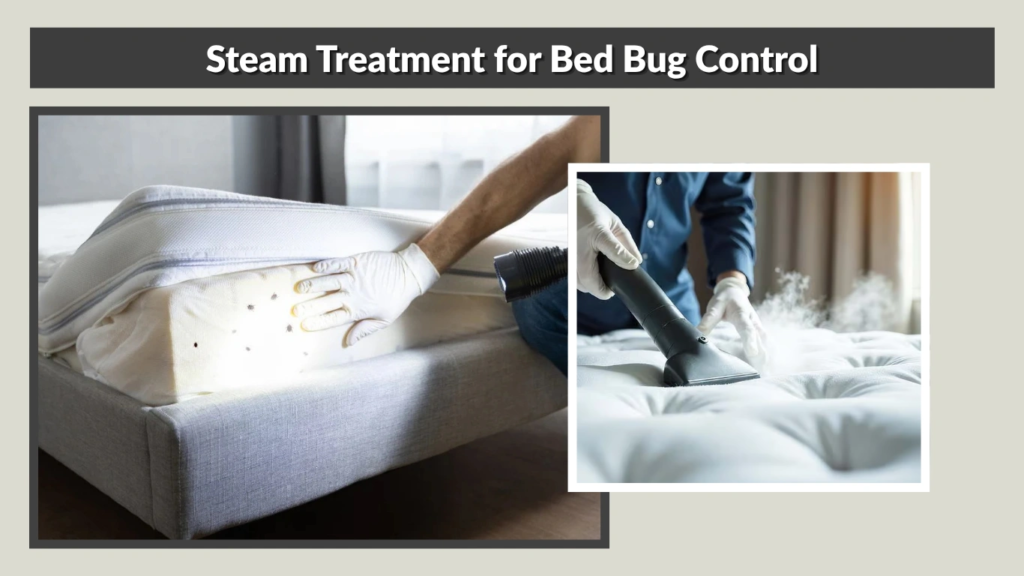
Steam treatment is one of the most eco-friendly and effective ways to kill bed bugs instantly. Steamers produce temperatures between 200°F and 230°F (93°C–110°C), which are lethal to both adult bugs and eggs. When applied correctly, steam penetrates cracks, crevices, and fabric layers that are often missed by other methods.
To use steam safely, move the nozzle slowly—about one inch per second—across surfaces like mattresses, furniture seams, and carpets. Avoid over-saturating areas, as excess moisture can damage wood, fabric, and electronics. For larger infestations, multiple steam sessions may be necessary to reach deeply hidden bugs and ensure total elimination.
How Long to Maintain Temperature for Complete Elimination
The effectiveness of temperature-based treatments depends not only on how hot or cold it gets but also on how long the exposure lasts. To kill bed bugs completely, heat must be sustained at 118°F (48°C) for 90 minutes or at 122°F (50°C) for 30 minutes. Professional treatments often last 4–6 hours, ensuring that heat penetrates every layer of furniture and walls.
For cold treatments, freezing temperatures below 0°F (-18°C) must be maintained for at least four consecutive days. Any shorter exposure allows bugs to survive and recover once they warm up. Always use thermometers to confirm the correct temperature throughout the process, especially when treating items in freezers or enclosed rooms.
Comparing Heat vs. Cold for Bed Bug Removal
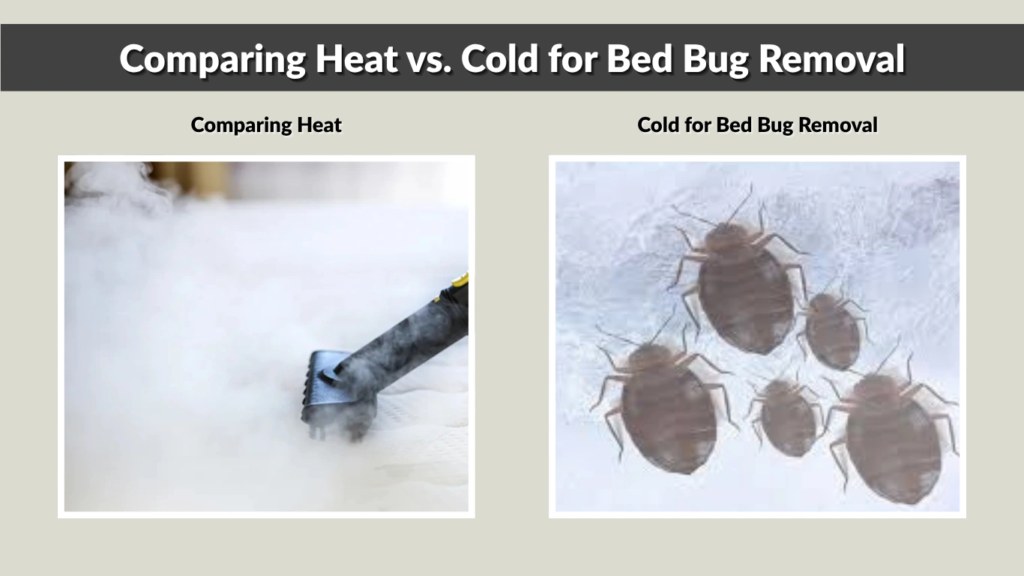
Both heat and cold are effective, but heat treatment generally works faster and more thoroughly.
- Heat Treatment Advantages:
- Kills all life stages, including eggs, within hours
- Suitable for entire rooms or large furniture
- No chemical residue or risk to pets
- Kills all life stages, including eggs, within hours
- Cold Treatment Advantages:
- Ideal for delicate items or electronics
- No risk of heat damage
- Affordable when using home freezers
- Ideal for delicate items or electronics
However, heat treatments require professional-grade equipment and can be costly. Cold treatments are cheaper but take longer and may not penetrate well-insulated hiding spots. In many cases, combining both approaches—heat for rooms and freezing for small items—offers the best results.
Safety Tips During Temperature Treatments
Handling extreme temperatures requires care. Always follow safety measures to protect yourself and your belongings:
- Use heat-resistant gloves when handling hot equipment or steamers.
- Avoid exposing electronics, vinyl, or leather to prolonged heat.
- Seal items properly before freezing to prevent moisture buildup.
- Keep children and pets away during heat treatments.
Maintaining safety ensures that you eliminate bed bugs effectively without damaging household items or risking burns.
Monitoring and Verification
After treatment, it’s vital to confirm that all bed bugs and eggs have been eliminated. Use temperature sensors or thermometers during heat treatments to ensure every area reaches at least 122°F (50°C). For cold treatments, place monitoring devices inside sealed bags to verify continuous freezing.
Once the process is complete, inspect common hiding spots such as mattress seams, furniture joints, and wall cracks. If you notice any signs of activity—like small reddish spots or molted shells—repeat the process or contact a professional exterminator for follow-up treatment.
FAQs
What temperature kills bed bugs instantly?
Bed bugs die instantly at 122°F (50°C) or higher. Direct heat from steamers, dryers, or professional heaters is effective for immediate results. Consistent exposure to this temperature ensures all adult bugs and eggs are completely eradicated.
Can freezing temperatures kill bed bugs and their eggs?
Yes. Bed bugs and their eggs die at 0°F (-18°C) or below if exposed for at least four days. However, short exposures or fluctuating temperatures won’t kill them completely, so maintaining steady freezing conditions is essential.
What temperature kills bed bugs in a dryer?
A clothes dryer set to the highest heat setting (about 120°F–140°F or 49°C–60°C) for 30 minutes kills both bed bugs and their eggs. For thicker fabrics, extending the drying time to 40–50 minutes ensures full heat penetration.
At what temperature should I wash clothes to kill bed bugs?
Wash infested clothes in hot water at 60°C (140°F) or higher. This temperature kills bed bugs instantly. Combine it with high-heat drying afterward for the most effective treatment against both adults and eggs.
How long should heat be applied to ensure bed bug eggs are dead?
To kill bed bug eggs, maintain heat at 118°F (48°C) for 90 minutes or 122°F (50°C) for 30 minutes. For large spaces or heavy furniture, professionals extend treatment for several hours to ensure even heat distribution and total extermination.
