

Stink bugs are common household and agricultural pests known for their shield-shaped bodies and unpleasant odor. Their diet plays a major role in their survival, reproduction, and migration patterns. While some species feed on plants, others are predatory and consume insects. Understanding what stink bugs eat helps homeowners and farmers manage infestations more effectively.
Overview: What Are Stink Bugs?
Stink bugs belong to the family Pentatomidae and are native to Asia, though they’ve spread worldwide. The most recognized species is the brown marmorated stink bug (Halyomorpha halys), but others like the green stink bug and southern green stink bug are also widespread. They feed by piercing surfaces with their needle-like mouthparts to suck juices from plants, fruits, or insects.
Their feeding can cause significant crop damage, particularly in fruits and vegetables. Some predatory varieties, such as the Florida predatory stink bug, are actually beneficial since they prey on harmful garden pests.
General Diet of Stink Bugs

Most stink bugs are plant feeders, relying on vegetation for nutrition. They prefer:
- Fruits: apples, peaches, cherries, and pears
- Vegetables: beans, corn, peppers, and tomatoes
- Crops: soybeans, rice, and cotton
- Seeds and stems: used for moisture and nutrients
They use their piercing-sucking mouthparts to draw sap from fruits and stems. This feeding leaves behind small puncture marks, discoloration, or sunken spots on fruits. Over time, affected crops become unmarketable, making stink bugs a serious concern for agriculture.
While they don’t “drink” water like mammals, they get moisture from plant fluids, fruit juice, or condensation when indoors.
What Do Brown Marmorated Stink Bugs Eat?

The brown marmorated stink bug is one of the most destructive pest species. Its diet includes:
- Tree fruits: apples, peaches, plums, and cherries
- Field crops: soybeans, corn, and wheat
- Vegetables: peppers, cucumbers, tomatoes, and beans
They prefer ripe or nearly ripe produce, using their mouthparts to feed beneath the surface, causing internal damage. In orchards, their feeding can ruin entire harvests by deforming fruits and leaving scars. When food outdoors becomes scarce, they may enter homes but eat very little inside.
What Do Green Stink Bugs Eat?
Green stink bugs (Nezara viridula) are another widespread species, particularly in southern and tropical climates. Their feeding targets:
- Legumes like soybeans, peanuts, and peas
- Cotton and corn, especially young pods and kernels
- Ornamental plants such as hibiscus and sunflowers
They use the same piercing-sucking technique to feed on plant juices, causing yellowing, shriveling, and premature fruit drop. Because of their wide host range, green stink bugs are often found in both farmlands and backyard gardens.
What Do Stink Bugs Eat in the House?

Once indoors, stink bugs primarily seek warmth and shelter — not food. They enter homes during the fall and stay hidden until spring. However, if food sources are available, they might pierce soft fruits such as:
- Apples
- Peaches
- Tomatoes
- Berries
They do not eat stored human food, fabrics, or furniture. Instead, they become inactive, conserving energy until outdoor conditions improve. Occasionally, they may sip moisture from condensation on windows or damp surfaces.
If you notice them indoors, it’s likely due to temperature changes rather than food attraction.
What Do Stink Bugs Eat in Winter?

During the cold months, stink bugs enter a survival phase called diapause. This is similar to hibernation, where their metabolic rate drops drastically.
- They do not eat or drink during winter.
- Instead, they rely on stored body fats for survival.
- Most stay hidden in walls, attics, or under bark until spring.
Once temperatures rise, they re-emerge and resume feeding on new plant growth. In regions with mild winters, some may stay slightly active but still consume very little.
What Do Stink Bugs Eat in the Garden?
In gardens, stink bugs are known for damaging both vegetables and ornamental plants. Their favorite foods include:
- Tomatoes: They puncture the skin, leaving white or yellow spots.
- Peppers: Feeding causes distorted fruits.
- Beans: Pods become shriveled and discolored.
- Cucumbers and squash: Show scarring and sunken areas after feeding.
Besides vegetables, they also feed on fruit trees, including pear and apple varieties, and even flowering plants. Gardeners often spot them on sunny days resting on leaves or fruit.
A single adult stink bug can damage dozens of plants in a short time, which is why early detection and control are crucial.
Predatory Stink Bugs: What Insects Do They Eat?
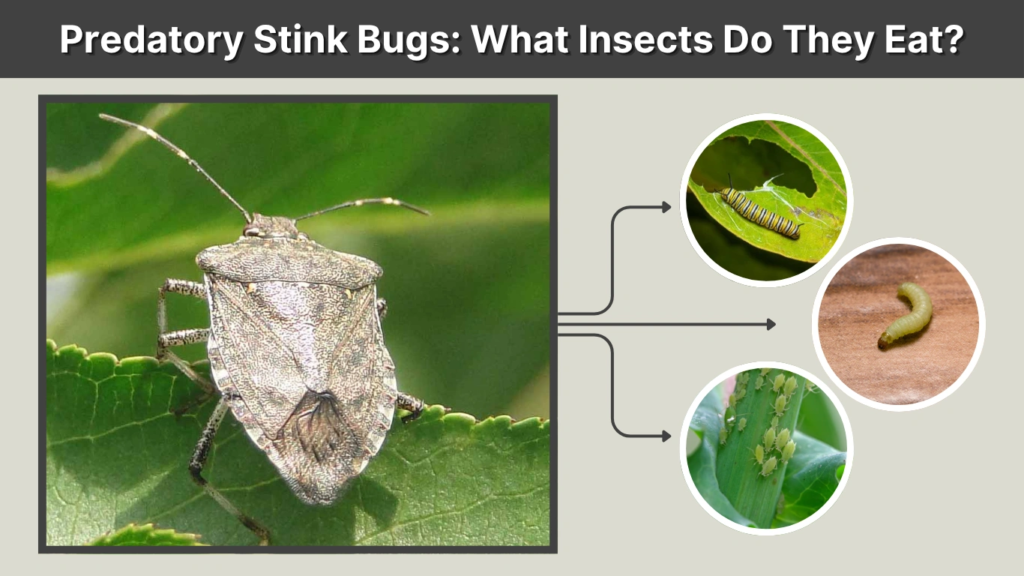
While most stink bugs are plant feeders, some species, like the Florida predatory stink bug and the two-spotted stink bug, are beneficial predators. These insects help control garden pests by eating:
- Caterpillars and moth larvae
- Beetle grubs
- Aphids and other soft-bodied insects
Predatory stink bugs pierce their prey using sharp mouthparts, sucking out bodily fluids. Gardeners often welcome these species since they naturally reduce pest populations and promote ecological balance.
What Do Baby (Nymph) Stink Bugs Eat?
After hatching, stink bug nymphs start feeding within a few hours. Their diet depends on the species:
- Plant-feeding nymphs: Consume soft tissues of fruits, vegetables, and stems.
- Predatory nymphs: Hunt small insect larvae or eggs.
Nymphs go through five instar stages, growing larger and developing wings over time. They feed constantly during warm months, helping populations multiply quickly before winter arrives.
What Do Stink Bugs Eat and Drink Indoors?

Inside homes, stink bugs don’t have much to feed on. They may nibble at:
- Soft fruits left on counters
- Indoor plants with thin leaves or tender stems
- Moisture droplets from condensation or sinks
However, stink bugs don’t require frequent feeding indoors. Most enter houses to overwinter and remain inactive. They don’t eat furniture, fabrics, or crumbs, making them a nuisance rather than a destructive pest.
Regional Diet Variations
Different species of stink bugs have specific diets depending on their habitat:
- Southern Green Stink Bugs (U.S. South): Feed on soybeans, peanuts, and cotton.
- Brown Marmorated Stink Bugs (Northeast & Midwest): Target fruit trees and vegetable crops.
- Asian and Chinese Stink Bugs (Asia & Pacific): Eat rice, citrus, and orchard crops.
- Australian Stink Bugs: Feed on macadamia trees and native fruit species.
Environmental conditions influence what’s available for them to eat, which explains their adaptability and global spread.
What Do Stink Bugs Eat in Different Seasons?
Stink bug diets change throughout the year:
- Spring: Fresh plant shoots, flowers, and new fruits.
- Summer: Ripe fruits, vegetables, and seeds.
- Fall: Late-season crops and soft plants.
- Winter: They stop feeding entirely and rely on stored energy.
Their flexibility allows them to survive seasonal changes and thrive in diverse environments.
What Do Stink Bugs Eat in My Garden?

In home gardens, stink bugs focus on:
- Tomatoes – cause cloudy spots and distorted fruits.
- Cucumbers and zucchini – puncture marks and surface blemishes.
- Beans and peas – shriveled pods.
- Corn – feed on developing kernels.
They also suck juices from decorative plants, weakening their stems and causing wilting. To prevent damage, gardeners can use neem oil sprays or attract natural predators like lady beetles and praying mantises.
What To Do If a Dog or Cat Eats a Stink Bug
If your pet eats a stink bug, there’s usually no need to panic. The odor-producing chemicals can cause mild drooling, vomiting, or irritation, but they aren’t toxic.
- Offer fresh water to rinse the taste.
- Clean your pet’s mouth with a damp cloth.
- If symptoms persist beyond 24 hours, contact a veterinarian.
To prevent future incidents, keep windows and pet areas sealed during stink bug season.
What To Do If a Human Accidentally Eats a Stink Bug
Accidentally ingesting a stink bug is unpleasant but not dangerous. Their defensive chemicals may cause:
- A bitter taste
- Mild nausea or throat irritation
Rinse your mouth thoroughly, drink water, and avoid eating strong-smelling foods immediately after. Seek medical advice only if an allergic reaction occurs, such as swelling or difficulty breathing.
Impact of Stink Bug Feeding on Crops and Ecosystems
Stink bugs pose a major threat to agriculture because they pierce crops and feed on juices, leaving deformities that make produce unsellable. In the U.S. alone, millions of dollars in crop losses occur annually due to brown marmorated stink bugs.
Despite their destructive potential, predatory stink bugs play an ecological role by controlling other pest populations. This balance is why biological control research focuses on managing pest species without harming beneficial ones.
FAQs
What fruits do stink bugs eat the most?
They prefer soft, juicy fruits like apples, peaches, pears, and cherries. They also feed on tomatoes and berries, leaving tiny scars or yellow spots on the skin of the fruit.
Do stink bugs eat other bugs or insects?
Only predatory species such as the Florida predatory stink bug do. These types feed on caterpillars, beetles, and aphids, helping to naturally control garden pests.
What do stink bugs eat in my house during winter?
They rarely eat indoors in winter. Instead, they enter a resting state, relying on stored energy. Some may sip condensation or nibble soft fruits if available.
Do stink bugs drink water or any liquid?
They extract moisture from plant sap, fruits, and occasionally condensation. They don’t drink from open water sources like animals do.
Are stink bugs dangerous if eaten by pets or humans?
No, stink bugs are not poisonous. However, their odor can cause mild irritation, nausea, or digestive upset. Symptoms are temporary and rarely require medical treatment.
