

Bed bugs are stubborn and resilient pests that can infest homes, hotels, and furniture. Eliminating them requires more than just cleaning — it requires using the right chemicals to destroy both adult bugs and their eggs. This guide explores the most effective chemicals for killing bed bugs and their eggs, how they work, and safe ways to apply them for long-term results.
What Chemicals Kill Bed Bugs and Their Eggs?

Different chemicals target bed bugs in different ways. Some kill on contact, while others affect their reproduction or prevent eggs from hatching. The most effective treatments combine multiple approaches for full eradication.
Pyrethroids and Pyrethrins
Pyrethroids and pyrethrins are among the most widely used chemicals for killing bed bugs. Pyrethrins are derived from chrysanthemum flowers, while pyrethroids are their synthetic versions. Both work by attacking the insect’s nervous system, leading to paralysis and death.
- Effectiveness: These chemicals kill live bed bugs quickly upon contact but may not fully penetrate the eggs. For best results, they’re often combined with other agents.
- Usage: Apply pyrethroid sprays around baseboards, bed frames, mattresses, and other infested areas. Use only as directed to prevent overexposure or chemical resistance.
- Caution: Bed bugs in some regions have developed resistance to pyrethroids, making them less effective on their own.
Insect Growth Regulators (IGRs)
Insect Growth Regulators (IGRs) work differently than contact sprays. Instead of killing instantly, they interfere with the bug’s growth and reproduction cycle, preventing eggs from developing into adults.
- Common IGRs: Methoprene and pyriproxyfen are two popular types used in bed bug control.
- How They Work: These chemicals mimic natural hormones that regulate insect development, effectively stopping bed bugs from maturing or reproducing.
- Effectiveness: IGRs do not immediately kill bed bugs but prevent future generations from hatching and growing. They are most effective when combined with fast-acting insecticides.
- Best For: Long-term control and preventing reinfestation.
Diatomaceous Earth (DE)
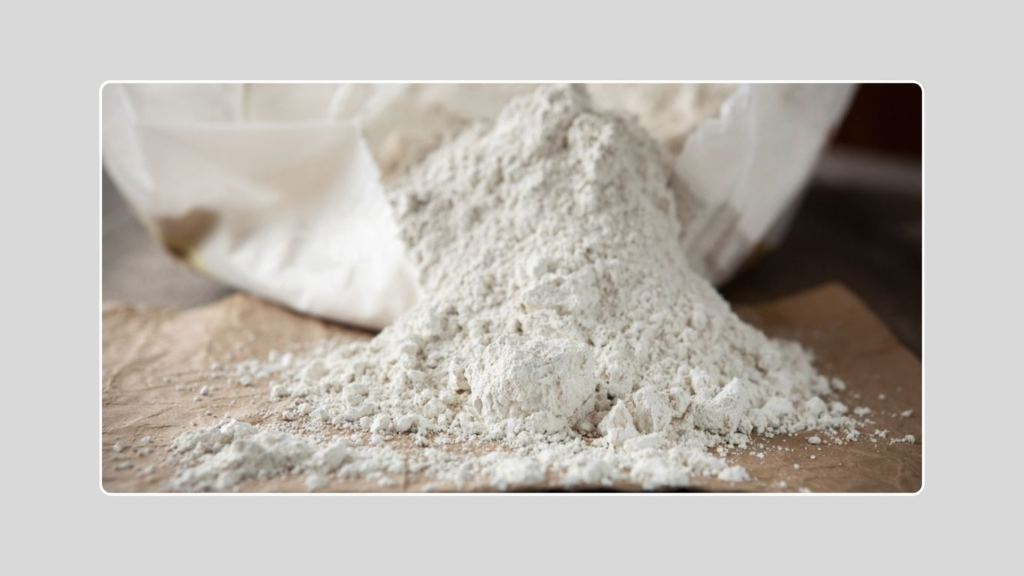
Diatomaceous Earth is a natural, non-toxic option for killing bed bugs and their eggs. It’s made from fossilized algae and works by dehydrating insects on contact.
- How It Works: When bed bugs crawl through DE, the fine powder clings to their exoskeletons, absorbing moisture and causing them to dry out.
- Effectiveness on Eggs: DE can help dry and destroy eggs when applied to infested areas, but it works slowly — taking several days to kill.
- Usage: Lightly dust cracks, seams, under furniture, and around bed legs. Use food-grade DE to ensure safety for pets and humans.
- Safety: Non-toxic and safe for home use, though wearing a mask during application is recommended to avoid inhalation.
Chlorfenapyr
Chlorfenapyr is a professional-grade chemical used to kill both adult bed bugs and their eggs. It disrupts the insect’s ability to produce energy, leading to death within a few days.
- How It Works: Once bed bugs absorb or ingest this chemical, it interferes with their metabolism, eventually killing them.
- Effectiveness: Highly effective against resistant bed bug populations and capable of killing eggs.
- Usage: Typically applied by pest control professionals as a residual spray in cracks, crevices, and furniture joints.
Fipronil
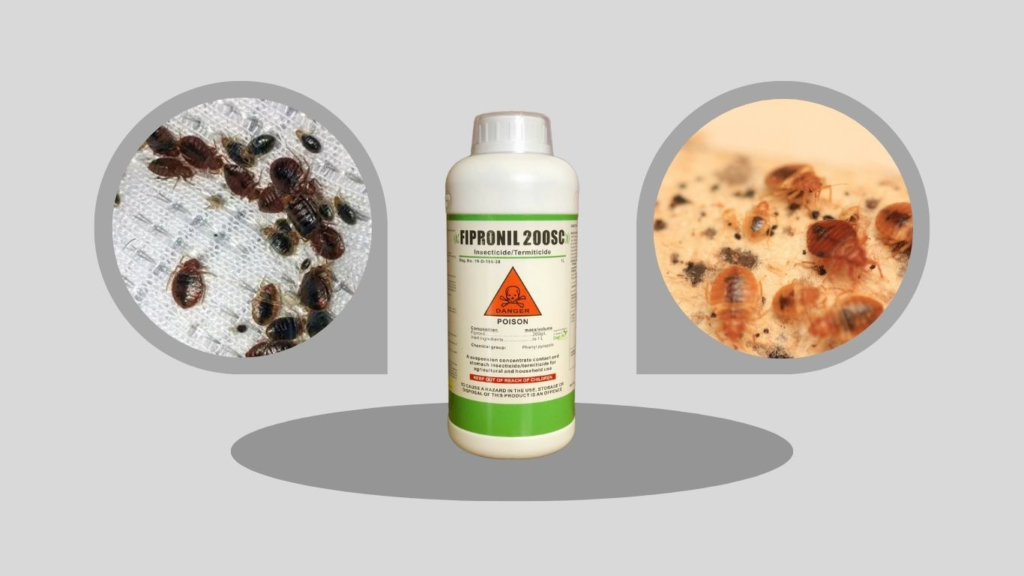
Fipronil is a powerful insecticide used in various pest control products. It works by disrupting the central nervous system of bed bugs, resulting in paralysis and death.
- Effectiveness: Fipronil kills bed bugs and their eggs upon contact and provides lasting protection when applied correctly.
- Usage: Commonly found in liquid sprays and bait formulations. Should be applied carefully in targeted areas to avoid exposure to pets or humans.
- Caution: It’s best handled by professionals due to its potency.
How to Use Chemicals Effectively
Even the most powerful chemicals won’t work if they’re applied incorrectly. Successful bed bug eradication requires proper preparation, technique, and repetition.
Preparation Before Treatment
Before applying any chemical treatment, follow these essential steps to improve effectiveness:
- Declutter the Space: Remove unnecessary items from bedrooms, closets, and under beds. Bed bugs thrive in cluttered environments where they can hide easily.
- Vacuum Thoroughly: Use a high-suction vacuum to remove adult bed bugs, eggs, and debris from carpets, mattresses, and furniture crevices. Dispose of the vacuum bag immediately after use.
- Launder Fabrics: Wash bedding, curtains, and clothing in hot water (above 120°F/49°C) and dry them on high heat for at least 30 minutes to kill any bed bugs or eggs.
- Seal Cracks and Crevices: Use caulk or sealant around baseboards, electrical outlets, and furniture joints to eliminate hiding places before applying chemicals.
Application Tips
When using chemical treatments, precision and consistency are key:
- Apply Directly to Infested Areas: Spray or dust chemical products along baseboards, mattress seams, bed frames, and furniture joints where bed bugs are most likely hiding.
- Follow Label Instructions: Every product has specific directions for safe and effective use. Avoid over-applying chemicals, as it can create resistance or health hazards.
- Repeat Treatments: Bed bugs are persistent, and eggs may hatch after the first application. A second or third treatment after 7–10 days is often required to kill newly hatched nymphs.
- Monitor Progress: Use bed bug traps or interceptors under bed legs to check if any bugs remain active after treatment.
Natural Alternatives for Killing Bed Bugs and Their Eggs

Not everyone is comfortable using strong insecticides, especially around children or pets. Fortunately, several natural substances can help control bed bugs without harsh chemicals.
Essential Oils
Certain essential oils are known to repel or kill bed bugs:
- Tea Tree Oil: Has insecticidal properties that disrupt bed bugs’ nervous systems.
- Lavender Oil: Works as a natural repellent and can soothe bites.
- Eucalyptus Oil: Helps suffocate bed bugs when used in concentrated sprays.
These oils can be mixed with water and sprayed directly onto infested areas, but they are best for mild infestations, as they may not fully destroy eggs.
Neem Oil
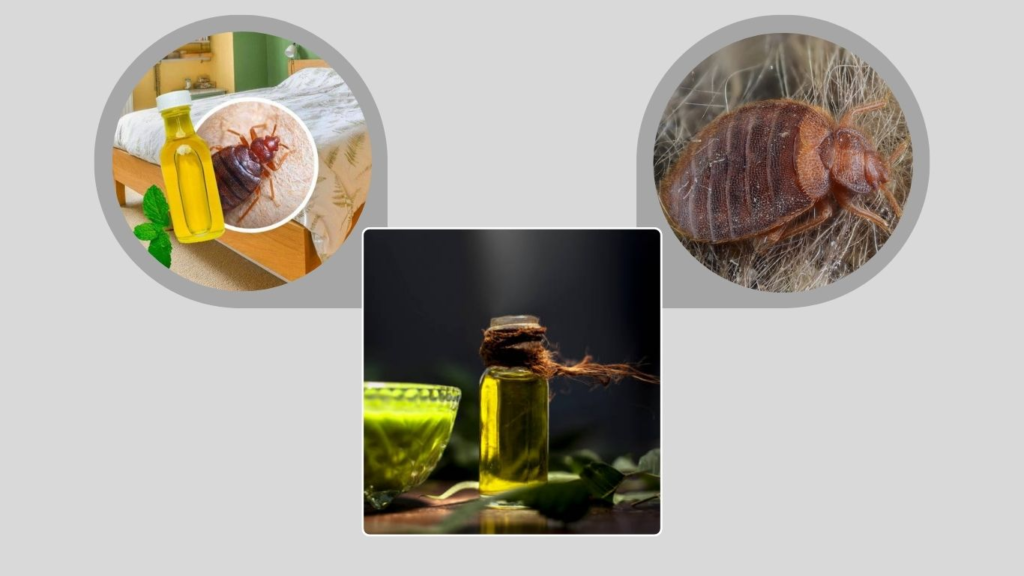
Neem oil, derived from the neem tree, acts as a natural pesticide and insect growth inhibitor.
- How It Works: It disrupts bed bugs’ reproductive and feeding cycles, preventing eggs from hatching.
- Usage: Mix neem oil with water and spray on affected surfaces. It is safe for fabrics, furniture, and bedding.
Diatomaceous Earth (Revisited)
Though technically not a chemical, Diatomaceous Earth is often used alongside natural remedies. It’s safe, inexpensive, and effective at killing bed bugs through dehydration. Sprinkle it in infested areas and leave it for several days before vacuuming.
Bed Bug Chemical Treatment in Different Regions
In Kenya, Nigeria, and India
The chemicals mentioned—such as pyrethroids, chlorfenapyr, and IGRs—are widely used globally, but availability can vary by region. In Kenya and Nigeria, pest control companies often use locally approved brands of pyrethroid-based sprays combined with growth regulators. In India, both chemical and natural options like neem-based sprays are common due to environmental preferences and accessibility. Always ensure any chemical is registered and approved by local health authorities before use.
FAQs
What chemical kills bed bugs and their eggs permanently?
The most effective chemicals are pyrethroids, chlorfenapyr, and fipronil, especially when combined with IGRs to stop egg development. For long-lasting results, follow-up treatments and proper sanitation are essential.
Can natural chemicals kill bed bug eggs?
Yes, natural options like diatomaceous earth and neem oil can kill eggs and prevent hatching, though they may act slower than synthetic chemicals.
How long does it take for chemical treatments to work?
Most chemical treatments begin killing bed bugs within a few hours, but full eradication may take 2–3 weeks with repeated applications.
Are bed bug chemicals safe to use at home?
Yes, when used according to instructions. Always ventilate rooms after application and avoid direct skin contact with treated surfaces until dry.
What is the best chemical for severe infestations?
For heavy infestations, chlorfenapyr or fipronil-based sprays are highly effective. Professional exterminators often use these combined with IGRs for complete control.
