

Wasps come in various shapes, sizes, and color patterns, with some of the most striking varieties displaying black bodies adorned with bold stripes. Whether it’s the classic yellow and black stripes or the more unique black and white or red combinations, these wasps play an important role in ecosystems while also being recognized for their territorial behavior. In this article, we will explore different types of wasps with black and striped patterns, helping you identify them, understand their behavior, and know how to safely coexist with these fascinating creatures.
1. Black Wasp with White Stripes
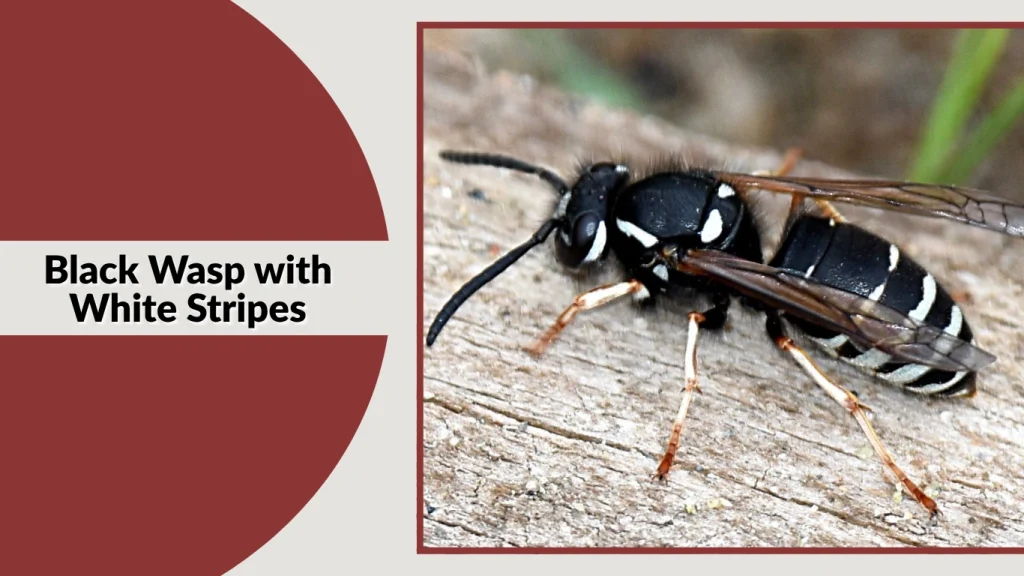
A black wasp with white stripes is a striking and somewhat uncommon sight. These wasps typically have dark black bodies contrasted by distinct white bands, making them easily recognizable. While they are not known for aggressive behavior, they can become defensive if threatened, particularly around their nests.
Species That Match This Description
- Paper Wasps (Polistes spp.) – A common genus of wasps that often feature this black and white striping pattern, though variations in the intensity of the stripes exist.
- Vespid Wasps – Some species within this group, particularly those found in temperate regions, may also show a similar appearance.
Identification
- Body Color: Black with clear white stripes across the abdomen.
- Size: 1 to 2 inches in length.
- Wings: Transparent with a smoky tint.
- Head and Thorax: Dark with some lighter markings.
Behavior
Typically non-aggressive, black wasps with white stripes tend to avoid human interaction but can become defensive when protecting their nests. They may sting if threatened or disturbed.
Habitat
These wasps are commonly found in gardens, forests, and suburban areas. They often build their nests in sheltered areas, such as under eaves, in tree branches, or hidden within dense foliage.
2. Black and White Striped Wasp

The black and white striped wasp is easily identifiable due to its contrasting color pattern. These wasps typically have black bodies with alternating white or light-colored stripes, which makes them stand out in their natural environment. They are generally non-aggressive, though they can sting if their nests are disturbed.
Species That Match This Description
- Polistes fuscatus – A species of paper wasp known for its black body and white-striped abdomen.
- Vespula vulgaris – Commonly known as the common yellowjacket, this species may exhibit variations of black and white striping.
Identification
- Body Color: Black body with white stripes.
- Size: 1 to 1.5 inches long.
- Wings: Transparent with a slight dark tint.
- Head and Thorax: Dark with lighter markings along the thorax and head.
Behavior
Black and white striped wasps are typically social and will protect their nests if disturbed. They are not as aggressive as some other wasp species, but their sting can be painful if they feel threatened. These wasps play an important role in pollination and pest control.
Habitat
They often build their nests in secluded locations such as under eaves, inside wall cavities, or in trees. These wasps are commonly found in wooded areas, gardens, and suburban regions.
3. Yellow and Black Wasp
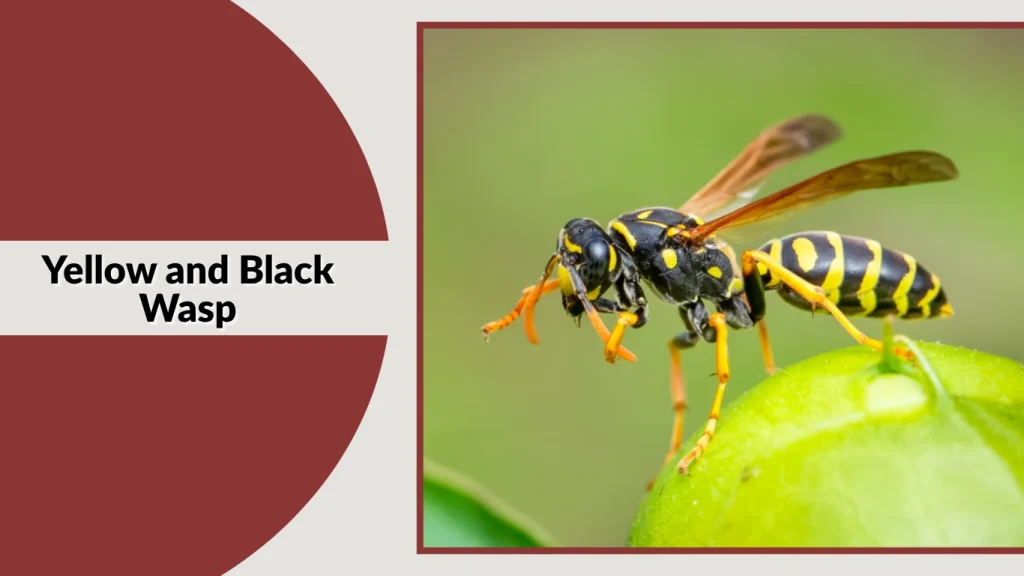
The yellow and black striped wasp is one of the most recognizable species due to its vibrant colors. Commonly associated with aggressive behavior, these wasps tend to be more territorial and defensive of their nests compared to other species.
Species That Match This Description
- Yellowjackets (Vespula spp.) – The most well-known yellow and black wasps, recognized for their bold coloration and aggressive nature.
- Hornets (Vespa spp.) – Some hornet species also exhibit yellow and black stripes, though they tend to be larger than yellowjackets.
Identification
- Body Color: Bright yellow and black stripes along the abdomen.
- Size: 0.5 to 1 inch long.
- Wings: Transparent, with a slight smoky or yellowish tint.
- Head and Thorax: Yellow markings on a black body, with a large, wide head.
Behavior
Yellow and black wasps are known for their aggressive nature, especially when defending their nests. They are more likely to sting if they feel threatened, and their stings can be painful, with some species capable of stinging multiple times. Despite their aggression, they are beneficial to the environment, controlling pest populations.
Habitat
Yellow and black wasps prefer to build nests in enclosed spaces such as wall cavities, attics, or underground burrows. They are commonly found in gardens, parks, and near human dwellings, particularly during the late summer and fall.
4. Black Wasp with Yellow Stripes

The black wasp with yellow stripes is easily recognized by its dark body and bold yellow markings. These wasps are often seen in gardens and wooded areas, where they are both beneficial and occasionally a nuisance. While generally non-aggressive, they can become defensive if their nests are threatened.
Species That Match This Description
- Cicada Killers (Sphecius spp.) – Large wasps that often have black bodies with yellow markings, particularly around the abdomen.
- Vespula spp. (Yellowjackets) – While not always this specific pattern, some yellowjackets can show black and yellow striping.
Identification
- Body Color: Black with bright yellow stripes across the abdomen.
- Size: 1.5 to 2 inches long.
- Wings: Transparent, slightly tinted.
- Head and Thorax: Black with light yellow markings.
Behavior
Black wasps with yellow stripes are not typically aggressive unless provoked. They are solitary creatures and are often seen hunting for prey, especially cicadas. They use their stings to immobilize prey, which they then transport to their nests for larvae to feed on.
Habitat
These wasps are commonly found in gardens, near flowering plants, and in open fields. Cicada killers tend to nest underground, while yellowjackets often build nests in trees, under eaves, or in hollow spaces.
5. Black and Red Wasp

The black and red wasp is a striking species, known for its bold coloration of deep black and vivid red markings. These wasps are generally larger than most others and can be quite aggressive, especially when defending their nests. Their red coloring makes them stand out in their environment, and they are often feared due to their territorial behavior.
Species That Match This Description
- Vespula rufa (Red Wasp) – Known for its red body and black wings, this species is more aggressive when defending its nest.
- Polistes carolina – A species of paper wasp with a reddish tint to its body and dark black markings.
Identification
- Body Color: Predominantly black with red markings across the abdomen.
- Size: 1 to 1.5 inches long.
- Wings: Transparent with a slight dark tint.
- Head and Thorax: Red markings on the abdomen, with a darker head and thorax.
Behavior
Black and red wasps are known to be more aggressive than others, particularly when they feel their nests are in danger. They will sting multiple times if threatened. While they play an important role in controlling insect populations, their painful sting can make them a concern in areas where people frequent.
Habitat
These wasps are typically found in wooded areas, fields, and gardens. They tend to build their nests in secluded spots, like tree branches, under eaves, or inside hollow structures.
6. Large Wasp with Yellow Stripes

Large wasps with yellow stripes are among the most recognizable and often feared species due to their size and bold color pattern. These wasps are known for their aggressive behavior and territorial instincts, especially when protecting their nests.
Species That Match This Description
- European Hornet (Vespa crabro) – A large wasp with yellow and brownish markings across its body.
- Yellowjackets (Vespula spp.) – Some species, particularly those with yellow stripes, can grow quite large.
Identification
- Body Color: Yellow and black stripes across the abdomen, with some species having brownish or reddish tones.
- Size: 1.5 to 2 inches long, often appearing bulky.
- Wings: Transparent with a slight yellowish tint.
- Head and Thorax: Broad head with distinctive yellow markings.
Behavior
Large wasps with yellow stripes are aggressive and will protect their nests at all costs. Their sting can cause significant pain and, in some cases, allergic reactions. They are scavengers and also predators, feeding on insects, fruits, and other small animals.
Habitat
These wasps can be found in wooded areas, near orchards, and in suburban environments. They typically build their nests in trees, high on structures, or in sheltered areas. They are more active during late summer and fall when their colonies are at their largest.
7. White and Black Wasp
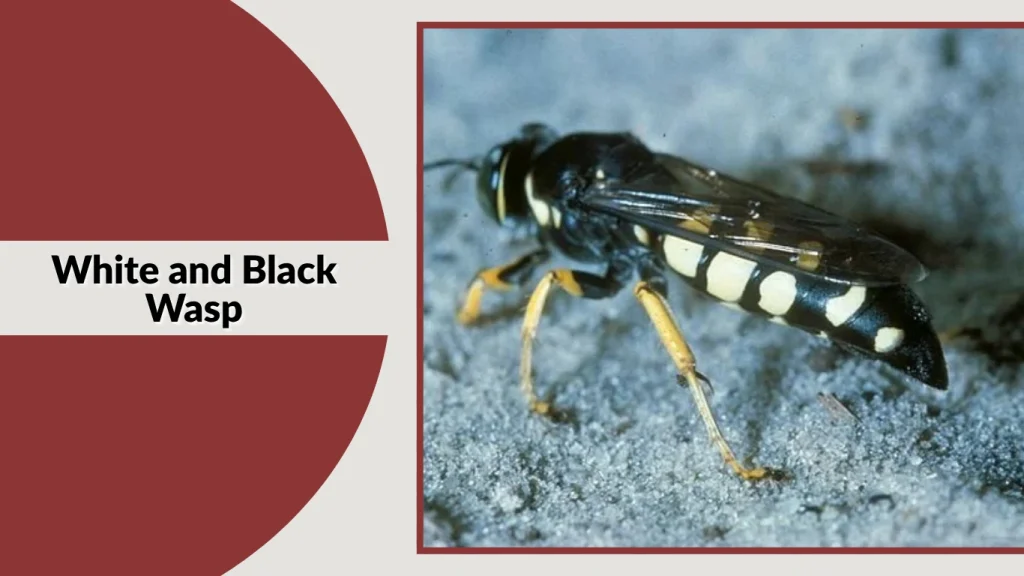
The white and black wasp features an eye-catching contrast of dark black with white markings along its body. These wasps, while not as commonly encountered as other striped varieties, are notable for their distinctive color patterns. They tend to be more solitary, with less aggressive behavior compared to some other wasp species.
Species That Match This Description
- Polistes dominula (European Paper Wasp) – This species features a striking combination of black and white stripes and is found in urban and rural environments.
- Vespula germanica (German Yellowjacket) – While typically yellow and black, some variations may exhibit more pronounced white markings.
Identification
- Body Color: Black with white or pale markings on the thorax and abdomen.
- Size: 0.75 to 1 inch long.
- Wings: Transparent with a faint smoky tint.
- Head and Thorax: Dark head with pale white or cream markings.
Behavior
These wasps are not overly aggressive but will defend their nests if provoked. They tend to be more docile compared to yellowjackets or hornets but still have a painful sting. They help control pest populations by preying on small insects.
Habitat
White and black wasps are often found in gardens, parks, and wooded areas. They typically nest in sheltered spots like under eaves, in tree branches, or within dense foliage.
8. Black Wasp with Orange Stripe
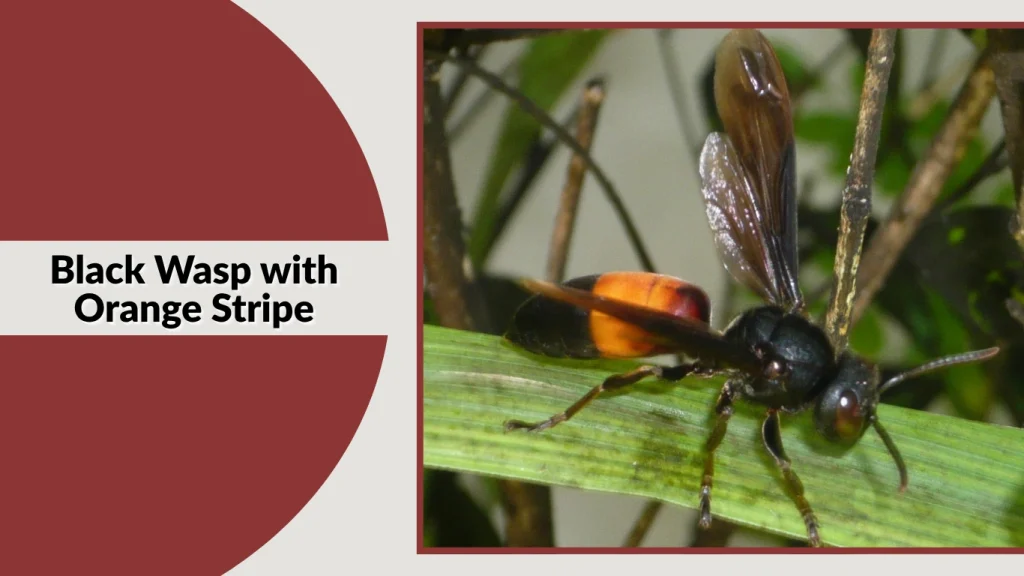
The black wasp with an orange stripe is a striking species, known for its dark body contrasted with vibrant orange markings along the abdomen. These wasps are generally solitary and are not as aggressive as yellowjackets, but they will sting when threatened or provoked.
Species That Match This Description
- Sphex pensylvanicus (Great Black Wasp) – A large species with a black body and orange markings on its abdomen.
- Polistes spp. (Paper Wasps) – Some paper wasp species exhibit dark bodies with orange or reddish markings.
Identification
- Body Color: Black with a bold orange stripe across the abdomen.
- Size: 1 to 1.5 inches in length.
- Wings: Transparent with a slight dark tint.
- Head and Thorax: Dark, with some orange highlights along the thorax.
Behavior
Black wasps with orange stripes are not aggressive by nature and are often observed hunting for food such as caterpillars. However, if their nest is disturbed, they can become defensive and may sting to protect their territory.
Habitat
These wasps are commonly found in open fields, gardens, and around flowering plants. They often build their nests in secluded, protected areas, such as under leaves, inside hollow logs, or in crevices in trees.
9. Black Wasp with Thin Yellow Stripes

The black wasp with thin yellow stripes is a distinctive species, characterized by its dark black body and delicate yellow lines across its abdomen. These wasps are often seen in gardens and natural landscapes, and while they are generally non-aggressive, they may sting if provoked.
Species That Match This Description
- Cerceris spp. (Tangled-winged Wasps) – Known for their slender bodies and fine yellow striping, these wasps are solitary hunters.
- Polistes spp. (Paper Wasps) – Certain species of paper wasps may exhibit thin yellow bands on their black bodies.
Identification
- Body Color: Black with narrow yellow stripes on the abdomen.
- Size: 0.5 to 1 inch long.
- Wings: Transparent with a faint tint.
- Head and Thorax: Dark body with light yellow or golden markings along the thorax and abdomen.
Behavior
Black wasps with thin yellow stripes are not particularly aggressive and usually avoid human interaction. They are solitary and typically hunt for small insects and spiders, which they use to feed their larvae. They may become defensive if their nest is disturbed.
Habitat
These wasps are typically found in gardens, meadows, and wooded areas. They are often seen foraging around flowers or resting on plants. Nests are usually built in sheltered spots like under leaves or within tree branches.
10. Black and White Striped Wasp Picture

While not a specific species, the black and white striped wasp is often captured in pictures due to its distinctive and attractive color pattern. These wasps, often mistaken for bees, have contrasting black and white stripes and can vary in size and behavior depending on the species.
Species That Match This Description
- Polistes spp. (Paper Wasps) – The most common species to feature the black and white striped appearance.
- Vespula spp. (Yellowjackets) – Some yellowjacket species show varying patterns that may include black and white striping.
Identification
- Body Color: Black and white striped pattern along the abdomen.
- Size: Ranges from 0.75 to 1.5 inches.
- Wings: Transparent with a dark tint.
- Head and Thorax: Black with pale markings, sometimes appearing white or grayish.
Behavior
These wasps are generally not aggressive unless provoked. They may sting if threatened, but they are more likely to avoid human contact. They play an essential role in controlling pests in gardens and agricultural areas.
Habitat
Black and white striped wasps are commonly found in gardens, parks, and wooded areas. They prefer to nest in sheltered spots, such as under the eaves of buildings, inside hollow trees, or hidden within dense foliage.
11. Green and Black Wasp

The green and black wasp is a unique species, known for its vibrant greenish-black body. This striking color combination makes it easy to identify in the wild. While less aggressive than other wasp species, the green and black wasp can sting if its nest is threatened.
Species That Match This Description
- Chrysididae (Cuckoo Wasps) – These wasps are known for their metallic green sheen and are often seen around flowers.
- Sphex spp. (Digger Wasps) – Some species of digger wasps have metallic green bodies with black markings.
Identification
- Body Color: Metallic green with dark black markings on the abdomen.
- Size: 0.5 to 1 inch long.
- Wings: Transparent, slightly tinted.
- Head and Thorax: Shiny green head with black segments on the abdomen.
Behavior
Green and black wasps are generally solitary and are often seen hunting for insects. They tend to avoid human interaction but will defend their nests if disturbed. These wasps play a role in pollination and controlling pest populations.
Habitat
These wasps are commonly found in open fields, gardens, and areas with plenty of flowers. They often nest in the ground, burrowing into sandy or loose soil to create their nests.
12. Large Black and White Wasp
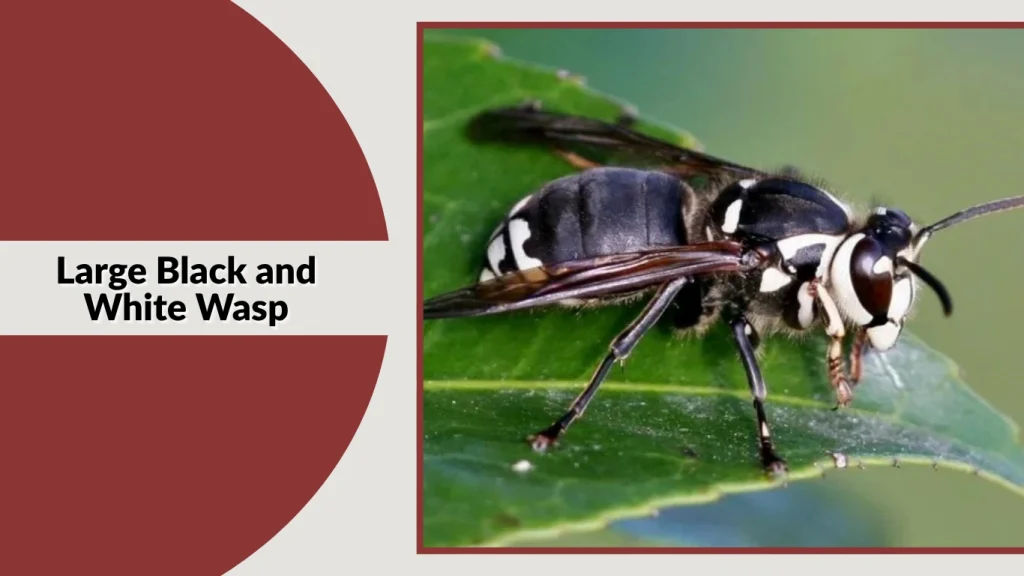
The large black and white wasp is easily recognized by its contrasting black and white markings. These wasps are larger than many other species and can be intimidating due to their size. They are typically non-aggressive, but will defend their nests if provoked.
Species That Match This Description
- Vespa crabro (European Hornet) – A large wasp with black and white markings, typically found in Europe and parts of Asia.
- Polistes spp. (Paper Wasps) – Some paper wasps may exhibit large bodies with striking black and white stripes.
Identification
- Body Color: Black and white stripes across the abdomen.
- Size: 1.5 to 2 inches long.
- Wings: Transparent with a dark tint.
- Head and Thorax: Black with white markings along the thorax and abdomen.
Behavior
Large black and white wasps are more territorial than other species and can become aggressive when defending their nests. Their sting can be painful, but they generally only attack when provoked. These wasps are important in controlling pest insect populations.
Habitat
These wasps typically nest in large colonies in trees, eaves, or under structures. They prefer wooded areas, gardens, and suburban locations with access to food sources.
13. Black and Blue Wasps
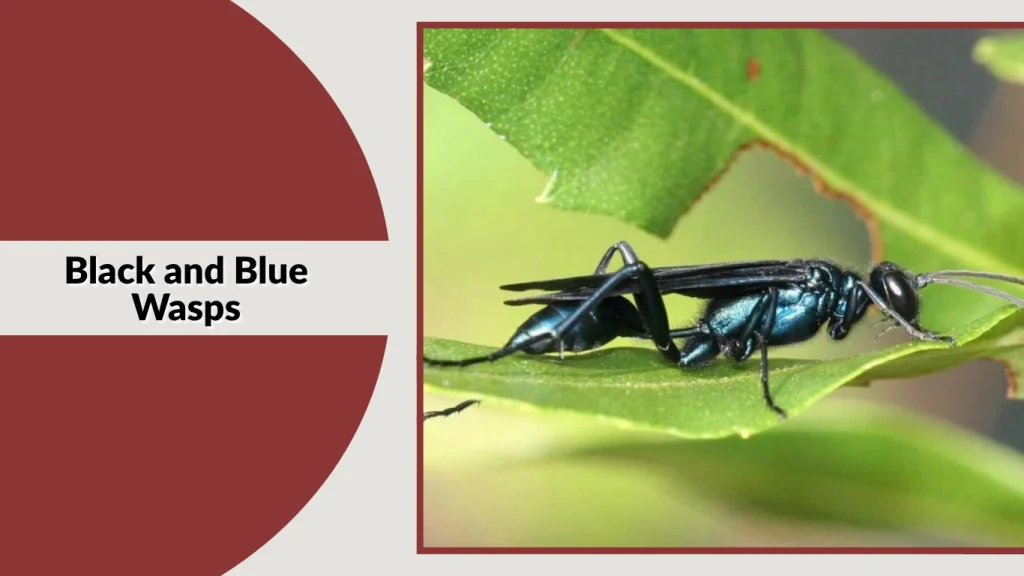
The black and blue wasp is a unique species with a striking contrast of deep black and blue coloration. These wasps are relatively rare but can be seen in some regions. They are not overly aggressive and are primarily focused on hunting for prey to feed their larvae.
Species That Match This Description
- Pepsis grossa (Tarantula Hawk Wasp) – Known for its large size and metallic blue-black body, this species is famous for hunting tarantulas.
- Chrysis spp. (Cuckoo Wasps) – Some cuckoo wasp species display blue and black coloration.
Identification
- Body Color: A deep black body with metallic blue highlights, especially on the abdomen.
- Size: 1 to 2 inches long, making them one of the larger wasp species.
- Wings: Transparent with a slight blue tint.
- Head and Thorax: Blue-black with shiny, reflective body segments.
Behavior
Black and blue wasps, especially species like the Tarantula Hawk, are solitary and typically hunt tarantulas. While they are capable of stinging, they are not aggressive and usually only attack if directly provoked. Despite their intimidating appearance, their sting is not usually fatal to humans, though it is very painful.
Habitat
These wasps can be found in arid or desert areas, often in places with sparse vegetation. They build their nests in the ground, using it to store prey for their larvae.
14. Black and White Colored Wasp

The black and white colored wasp stands out with its striking black and white body pattern. These wasps are often mistaken for bees due to their similar appearance, though their behavior and nesting habits are different. They are typically non-aggressive but will defend their nests if disturbed.
Species That Match This Description
- Polistes spp. (Paper Wasps) – Known for their distinctive black and white striped patterns.
- Vespula spp. (Yellowjackets) – Certain species of yellowjackets may have variations of black and white markings on their bodies.
Identification
- Body Color: Black with white stripes or markings along the abdomen.
- Size: 0.75 to 1.5 inches long.
- Wings: Transparent, slightly darkened.
- Head and Thorax: Dark body with pale white or light markings along the thorax and abdomen.
Behavior
Black and white colored wasps are generally non-aggressive unless their nests are threatened. They may sting if provoked, but typically avoid human contact. These wasps contribute to pollination and help control insect populations.
Habitat
They are typically found in gardens, forests, and near flowering plants. They prefer to build nests in sheltered areas such as under eaves, inside tree hollows, or among dense vegetation.
15. Black Wasp with Thin White Stripes
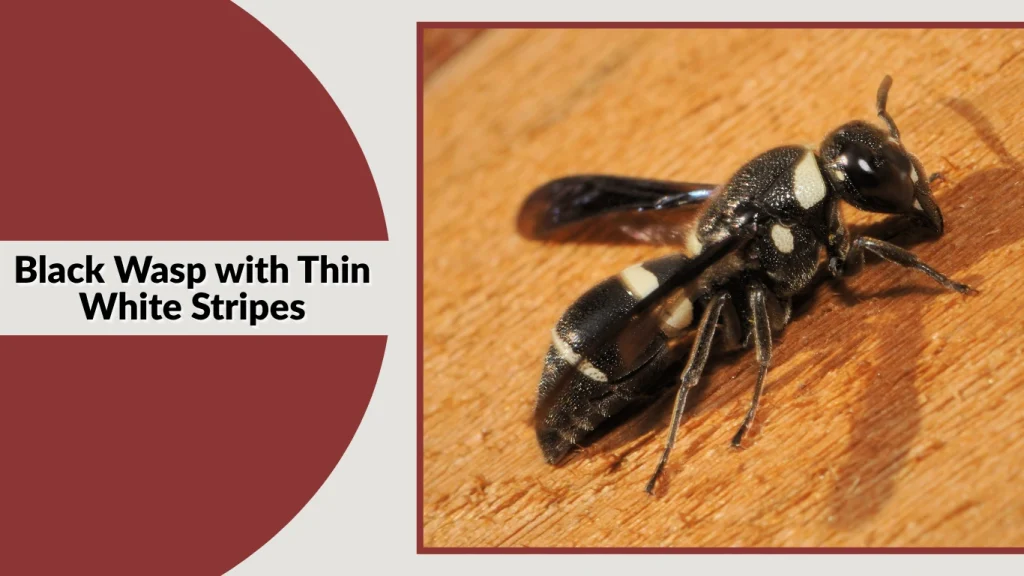
The black wasp with thin white stripes is easily recognizable due to its delicate white markings contrasting against its dark black body. These wasps are generally solitary, hunting for insects to feed their larvae, and are less likely to sting unless provoked.
Species That Match This Description
- Sphex pensylvanicus (Great Black Wasp) – A large wasp with thin white markings along its black body.
- Polistes spp. (Paper Wasps) – Some species show thin white stripes along their dark body.
Identification
- Body Color: Black with thin white stripes across the abdomen.
- Size: 1 to 1.5 inches long.
- Wings: Transparent with a smoky tint.
- Head and Thorax: Dark with minimal white markings, usually along the abdomen.
Behavior
These wasps are not aggressive and will avoid human interaction if left undisturbed. They are solitary hunters and are beneficial for controlling pest populations, especially caterpillars.
Habitat
Black wasps with thin white stripes are commonly found in gardens, meadows, and forests. They nest in protected spots such as under leaves or in tree crevices, often in areas with abundant prey for their larvae.
16. Black Wasp with White Stripes on Body
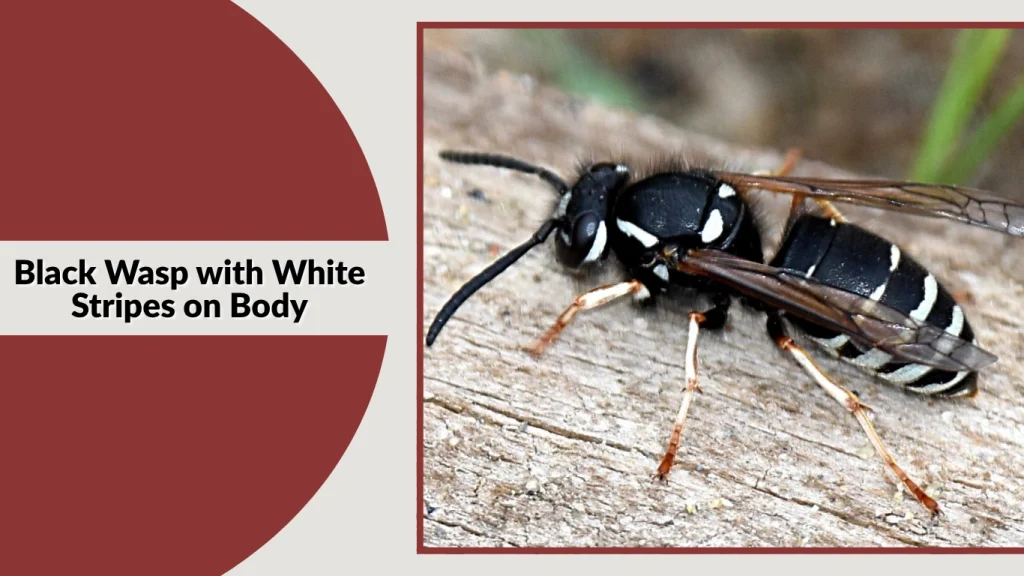
The black wasp with white stripes on the body features dark coloration with distinct white bands running along its abdomen. This appearance makes it stand out among other wasps, and while it can be defensive when protecting its nest, it generally avoids human conflict.
Species That Match This Description
- Polistes exclamans (Common Paper Wasp) – Known for its black body with white markings.
- Vespula maculifrons (White-Faced Hornet) – Exhibits a white face and distinct white markings along its body.
Identification
- Body Color: Black with white stripes that extend along the abdomen.
- Size: 0.75 to 1.5 inches long.
- Wings: Transparent with a slightly tinted or cloudy appearance.
- Head and Thorax: Black with clear white markings on the face and thorax.
Behavior
Black wasps with white stripes on their body are more defensive of their nests and will sting if they feel threatened. While they are capable of stinging, they usually reserve their aggression for when they are protecting their home.
Habitat
These wasps can be found in gardens, wooded areas, and around human dwellings. They typically build their nests in sheltered places, such as inside tree branches, under roofs, or within dense foliage.
