
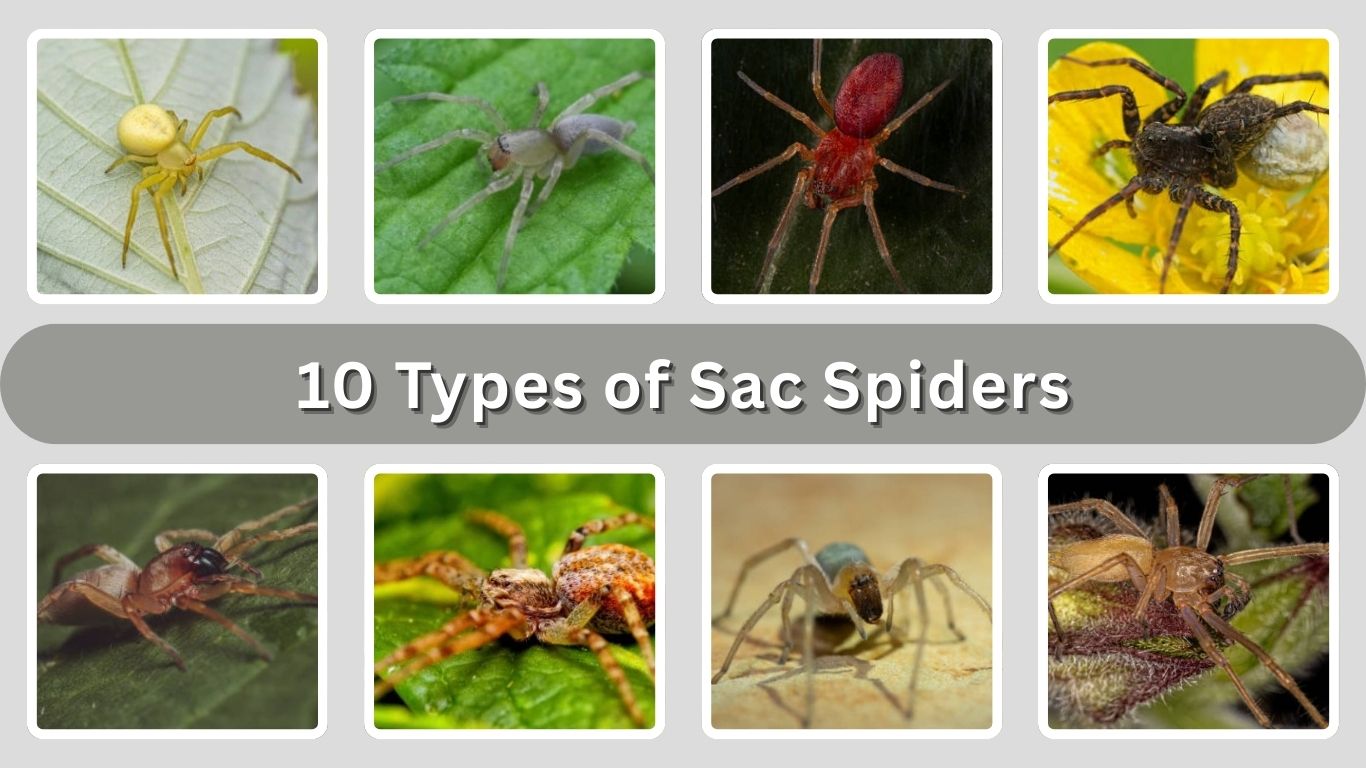
Sac spiders are a diverse group of small, agile spiders known for building silk “sacs” used as shelters rather than capture webs. Found in gardens, forests, and even inside homes, these spiders are active hunters that help control insect populations. While some species are commonly encountered by humans, most sac spiders are shy, fast-moving, and pose little risk. Below is a clear, species-by-species overview of ten notable types of sac spiders, highlighting their identification, habitat, behavior, and general significance.
1. Yellow Sac Spider
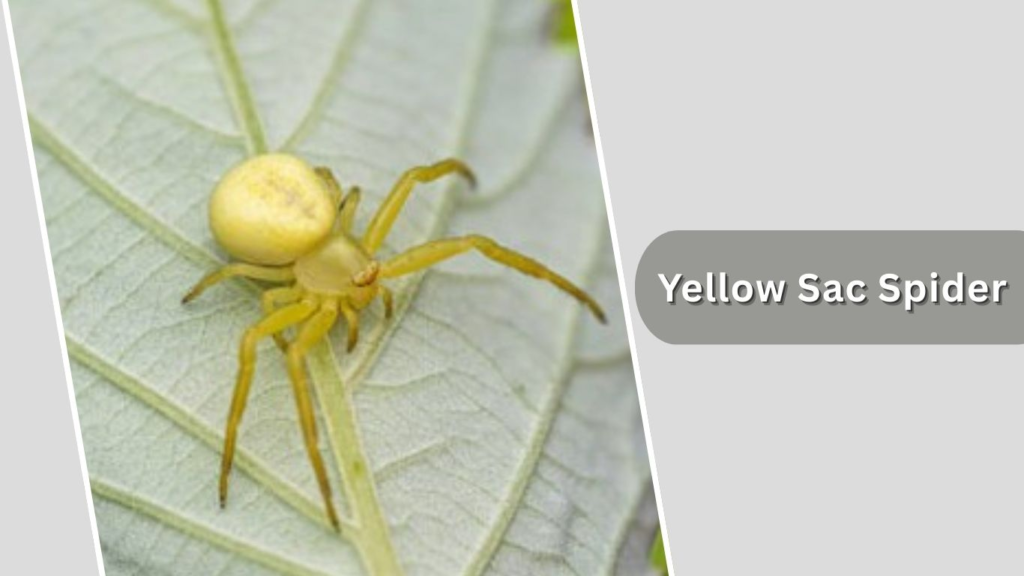
Yellow sac spiders are small, pale-colored hunting spiders known for their habit of building silken “sacs” for shelter rather than traditional webs. They are commonly found around homes and gardens and are active predators, roaming at night in search of insects. Because they often wander indoors, they are among the most frequently encountered spiders in human spaces.
Identification
- Pale yellow to light green body
- Slightly darker mouthparts
- Slender legs with darker tips
- Body length usually 5–10 mm
Habitat & Range
Yellow sac spiders are widespread across North America and parts of Europe. Outdoors, they live on shrubs, tall grass, tree bark, and garden plants. Indoors, they may be found on walls, ceilings, window frames, and behind furniture. They create small silk sacs in corners or folds where they rest during the day.
Behavior
Unlike web-building spiders, yellow sac spiders actively hunt. They are mostly nocturnal and rely on speed rather than traps to catch prey such as flies, ants, and small beetles. They can be territorial and may bite defensively if trapped against skin, such as in bedding or clothing.
Medical Significance
Bites from yellow sac spiders are uncommon but can occur. When they do, symptoms are usually mild, including redness, itching, or slight pain. Serious reactions are rare, and these spiders are not considered dangerous, though their reputation often exceeds their actual risk.
2. Broad-Faced Sac Spider
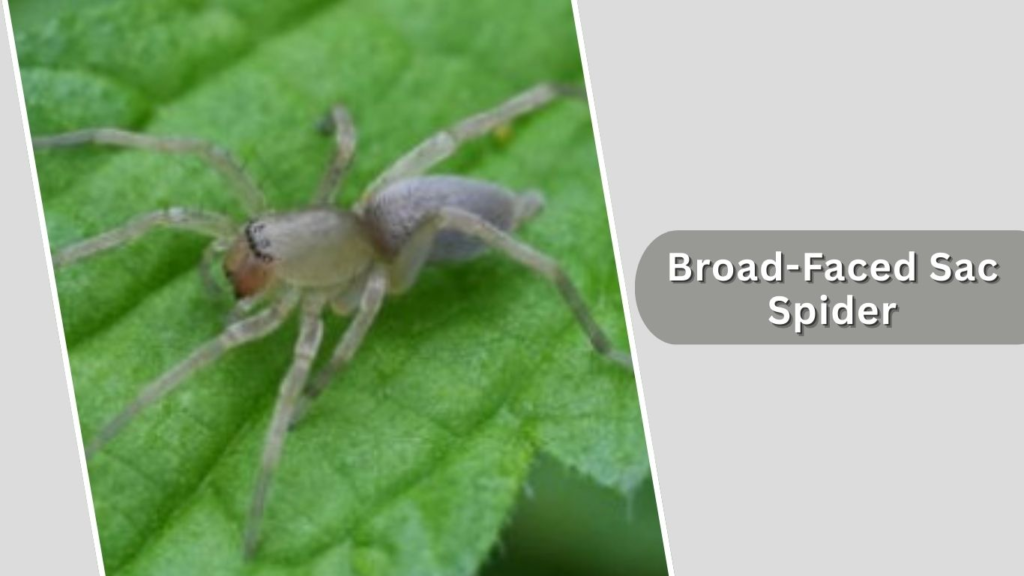
The broad-faced sac spider is a compact, ground-dwelling spider recognized for its stout build and strong hunting behavior. Unlike many sac spiders that roam vegetation, this species is more often found at ground level, where it actively searches for prey rather than relying on webs.
Identification
- Dark reddish-brown to gray body
- Broad, flat front (cephalothorax)
- Thick, powerful legs
- Body length around 6–11 mm
Habitat & Range
Broad-faced sac spiders are commonly found across North America. They prefer leaf litter, under rocks, logs, and mulch, and are frequent residents of gardens and wooded areas. Occasionally, they may wander indoors, especially into basements or ground-floor spaces, but they are not true house spiders.
Behavior
This spider is a fast, aggressive hunter that relies on strength and speed to overpower prey such as insects and other small arthropods. It does not spin capture webs but may create a small silk retreat for resting. When disturbed, it may raise its front legs in a defensive posture.
Medical Significance
Bites are rare and typically occur only when the spider is handled or trapped. If a bite happens, it usually causes localized pain, redness, or swelling. Symptoms are generally mild and short-lived, and the broad-faced sac spider is not considered medically dangerous.
3. Common Sac Spider

The common sac spider is a small, agile spider frequently encountered in gardens, fields, and around buildings. It gets its name from the small silk sacs it builds for daytime shelter. Active and adaptable, this spider is a successful hunter and often goes unnoticed due to its size and coloration.
Identification
- Pale yellow, cream, or light tan body
- Slightly darker head region
- Slender, elongated legs
- Body length typically 4–9 mm
Habitat & Range
Common sac spiders are widely distributed across North America and parts of Europe. Outdoors, they inhabit grasses, shrubs, crops, and tree foliage. Indoors, they may be found in corners of rooms, along ceilings, window frames, or behind curtains. Their silk sacs are often tucked into folded leaves or wall edges.
Behavior
This species is primarily nocturnal and hunts without a web, actively roaming surfaces in search of insects. During the day, it retreats into its silk sac for protection. Common sac spiders are quick-moving and may flee when disturbed, though they can act defensively if trapped.
Medical Significance
Bites are uncommon and usually occur through accidental contact. Most bites result in mild symptoms such as redness, itching, or slight swelling. Serious reactions are rare, and the common sac spider poses little risk to humans, despite occasional concern due to its indoor presence.
4. Garden Sac Spider
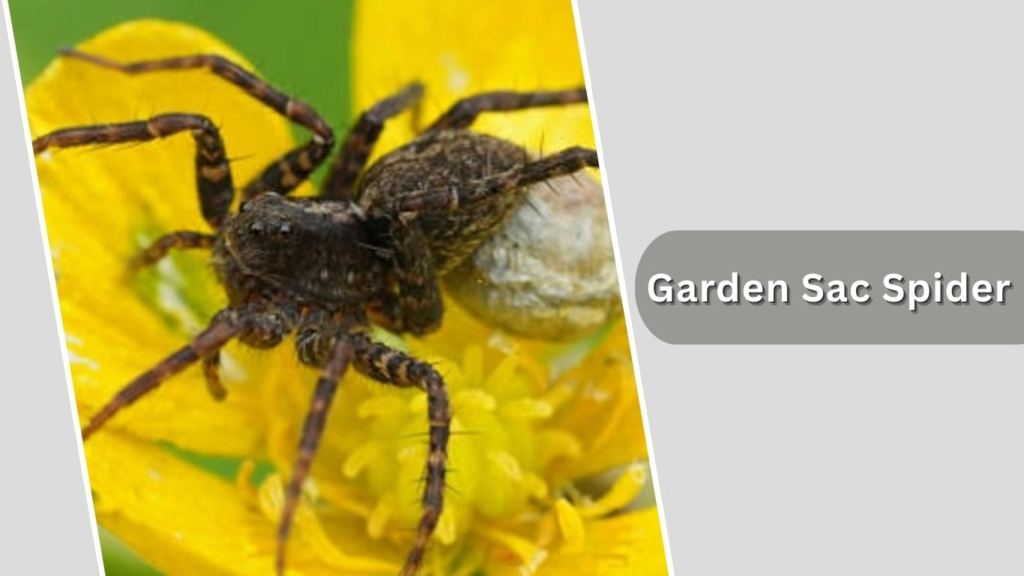
The garden sac spider is a small, active hunter commonly found among plants and low vegetation. It plays a helpful role in gardens by preying on a variety of pest insects. Because of its outdoor lifestyle and subtle coloring, it often goes unnoticed unless closely observed.
Identification
- Light yellow to pale green body
- Smooth, slightly shiny appearance
- Long, thin legs with faint dark tips
- Body length usually 5–10 mm
Habitat & Range
Garden sac spiders are widely distributed in temperate regions, especially across North America. They prefer outdoor environments such as gardens, hedges, tall grass, flower beds, and shrubs. During warmer months, they may occasionally wander into homes through open windows or doors but generally remain outdoors.
Behavior
This species does not build capture webs. Instead, it actively hunts at night, relying on speed and stealth to catch prey like aphids, flies, and small beetles. During the day, it rests inside a silk sac attached to leaves, stems, or garden structures. It is quick to retreat when disturbed.
Medical Significance
Bites from garden sac spiders are rare and usually defensive. When they occur, symptoms are typically mild, including slight pain, redness, or itching. They are not considered dangerous to humans and are generally beneficial due to their role in controlling garden pests.
5. Northern Sac Spider
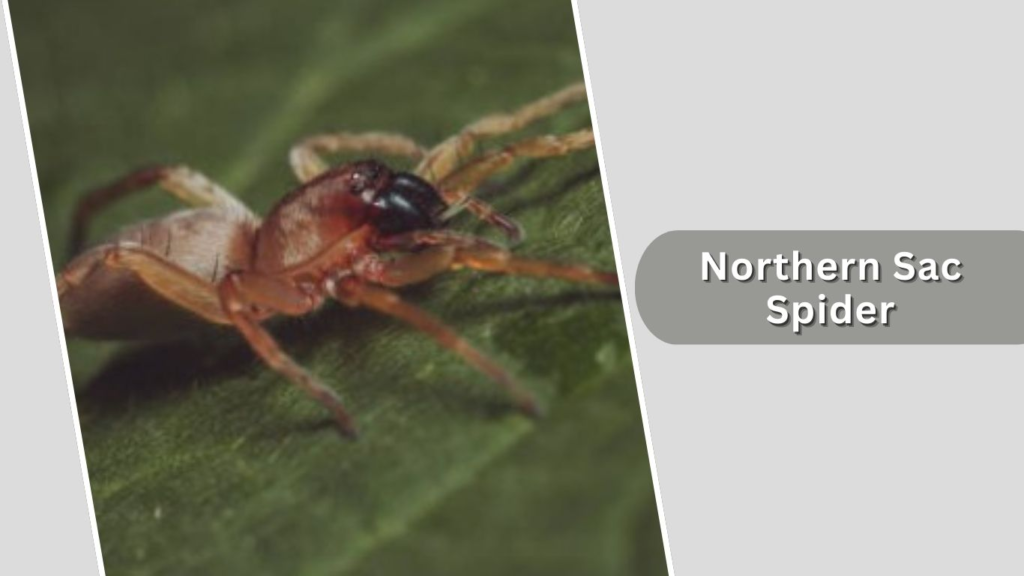
The northern sac spider is a hardy species adapted to cooler climates, where it thrives in both natural and human-altered environments. It is an active predator and an important part of local ecosystems, helping control insect populations in forests, fields, and residential areas.
Identification
- Pale yellow to light brown body
- Slightly darker head and jaws
- Slender legs, often darker at the joints
- Body length typically 5–9 mm
Habitat & Range
Northern sac spiders are commonly found across northern regions of North America. Outdoors, they inhabit trees, shrubs, tall grass, and woodland edges. Indoors, they may occasionally appear on walls, ceilings, or near windows, especially as temperatures drop. They create small silk sacs in sheltered spots for resting.
Behavior
This spider is primarily nocturnal and does not rely on webs to catch prey. Instead, it actively hunts insects such as flies, moths, and ants. During daylight hours, it remains hidden inside its silk sac. When disturbed, it usually retreats quickly but may act defensively if pressed against skin.
Medical Significance
Bites are uncommon and generally occur only through accidental contact. Symptoms are usually mild and may include localized pain, redness, or itching. Serious reactions are rare, and the northern sac spider is not considered medically significant, posing minimal risk to humans.
6. Black-Footed Sac Spider
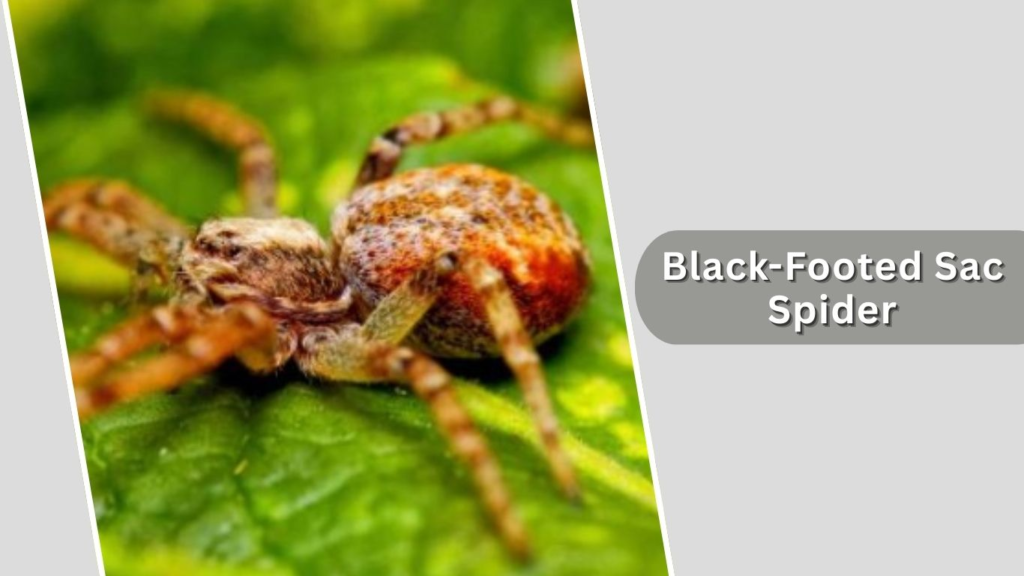
The black-footed sac spider is a small but distinctive species known for the darker coloration on its legs. It is an efficient nocturnal hunter and is often found near human dwellings, where it helps reduce populations of household insects.
Identification
- Pale yellow to light tan body
- Noticeably darker, almost black feet
- Slender legs and oval abdomen
- Body length usually 4–8 mm
Habitat & Range
Black-footed sac spiders are widely distributed across North America. Outdoors, they live on trees, shrubs, and garden plants. Indoors, they are commonly seen on walls, ceilings, and near windows or light sources. They build small silk sacs in corners, behind frames, or in folded leaves for daytime shelter.
Behavior
This species does not spin webs to capture prey. Instead, it actively hunts at night, feeding on flies, mosquitoes, ants, and other small insects. During the day, it hides inside its silk sac. It is fast-moving and typically avoids confrontation, though it may bite if trapped.
Medical Significance
Bites are rare and usually mild. When they occur, symptoms may include slight pain, redness, or itching at the bite site. Serious reactions are uncommon, and the black-footed sac spider is not considered dangerous to humans.
7. Mediterranean Sac Spider
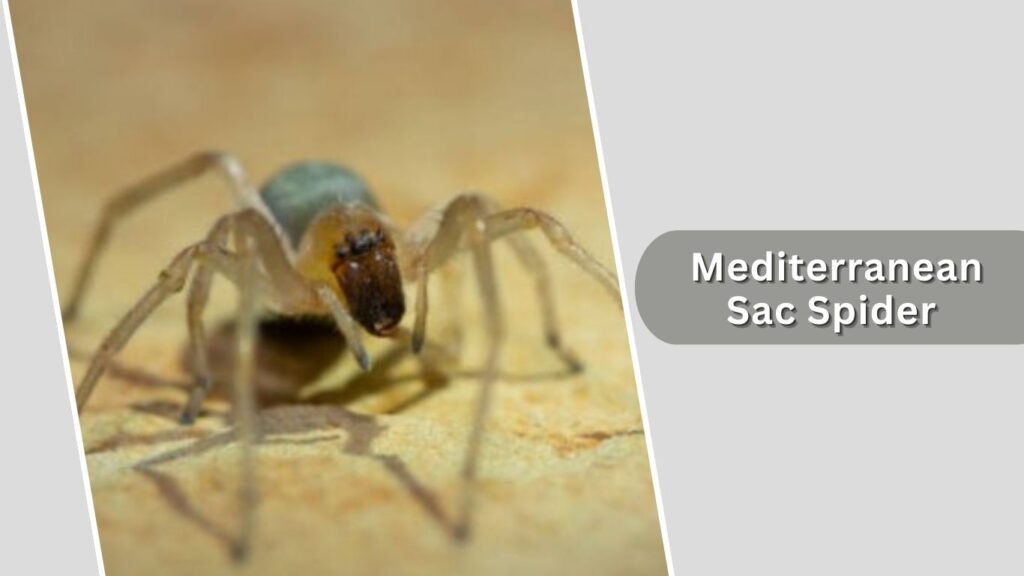
The Mediterranean sac spider is a warm-climate species that has successfully expanded beyond its native range. It is known for its adaptability and frequent association with buildings, where it hunts insects attracted to lights and sheltered structures.
Identification
- Pale yellow to creamy white body
- Slightly darker orange-brown mouthparts
- Long, slender legs with fine hairs
- Body length typically 5–10 mm
Habitat & Range
Originally native to the Mediterranean region, this sac spider is now found in parts of southern Europe, North America, and other temperate zones. Outdoors, it lives on trees, shrubs, and garden plants. Indoors, it is often seen on walls, ceilings, and near windows, especially in warmer climates. Silk sacs are built in corners and cracks for daytime resting.
Behavior
Mediterranean sac spiders are nocturnal hunters and do not rely on webs to catch prey. They actively roam surfaces at night, feeding on flies, moths, and other small insects. During the day, they remain hidden inside their silk sacs. They are fast-moving and usually retreat when disturbed.
Medical Significance
Bites are uncommon and typically occur only when the spider is trapped against skin. Most bites cause mild symptoms such as redness, slight pain, or itching. Serious reactions are rare, and this species is not considered medically dangerous.
8. Long-Legged Sac Spider
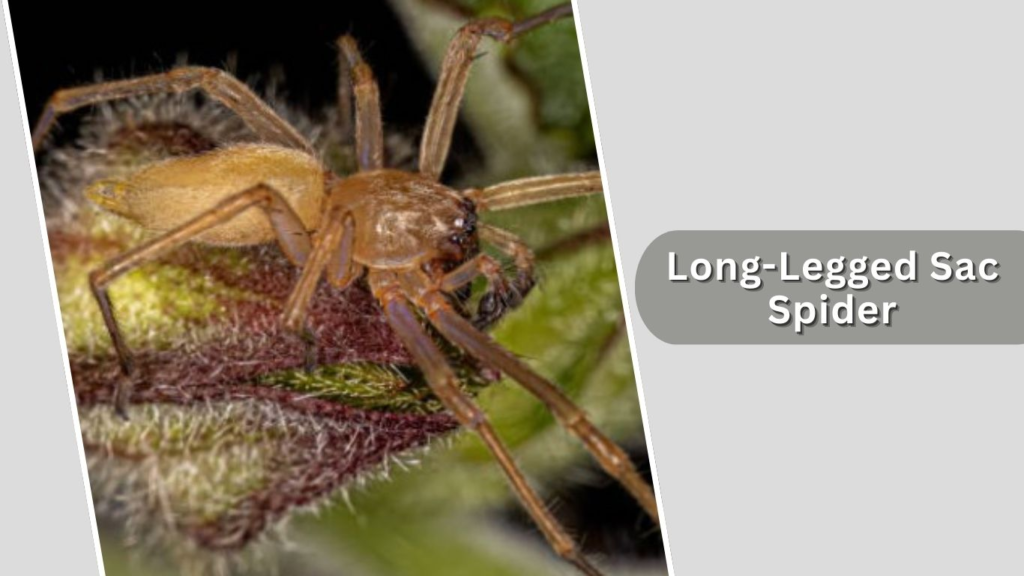
The long-legged sac spider is easily recognized by its slender build and noticeably extended legs. Its delicate appearance contrasts with its active hunting style, making it an efficient predator in both outdoor vegetation and indoor spaces. It often goes unnoticed due to its light coloration and quiet behavior.
Identification
- Pale yellow to light tan body
- Very long, thin legs relative to body size
- Smooth abdomen with little to no patterning
- Body length usually 4–8 mm
Habitat & Range
Long-legged sac spiders are found across many temperate regions. Outdoors, they live on shrubs, tall grass, tree branches, and garden plants. Indoors, they may appear on ceilings, corners, and window frames, especially during warmer months. They construct small silk sacs in sheltered spots for resting.
Behavior
This species is primarily nocturnal and does not build webs to capture prey. Instead, it actively hunts insects such as flies, gnats, and small moths. During the day, it hides inside its silk sac. When disturbed, it tends to flee quickly rather than act aggressively.
Medical Significance
Bites are rare and usually accidental. If a bite occurs, symptoms are typically mild, including minor pain, redness, or itching. The long-legged sac spider is not considered dangerous and poses minimal risk to humans.
9. Forest Sac Spider
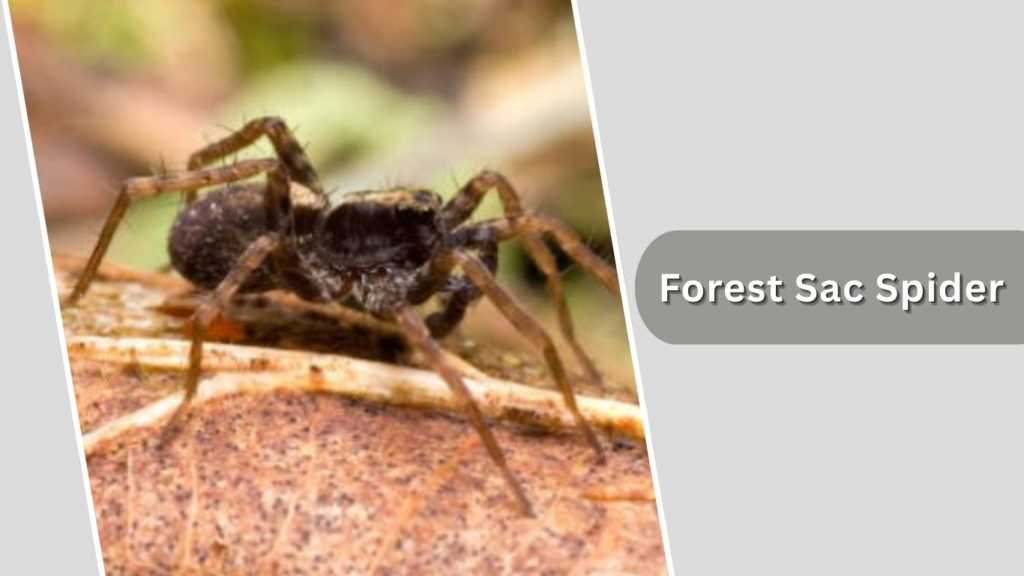
The forest sac spider is a discreet, fast-moving species most often encountered in wooded and semi-natural environments. It plays an important ecological role by controlling insect populations on forest floors and vegetation. Due to its outdoor habits, it rarely comes into contact with humans.
Identification
- Light yellow to pale brown body
- Slightly darker head region
- Slender legs adapted for quick movement
- Body length typically 5–9 mm
Habitat & Range
Forest sac spiders are commonly found in wooded areas, forest edges, and nature reserves across temperate regions. They live among leaf litter, tree bark, shrubs, and low vegetation. While primarily outdoor spiders, they may occasionally wander into cabins or homes located near forests, especially during seasonal changes.
Behavior
This species is an active nocturnal hunter and does not rely on webs to catch prey. It hunts insects and other small arthropods by roaming forest vegetation and the ground at night. During daylight hours, it shelters inside a silk sac hidden under leaves, bark, or debris. It is shy and quick to retreat when disturbed.
Medical Significance
Bites are extremely rare and usually occur only if the spider is accidentally handled. Any bite is typically mild, causing slight redness or irritation. The forest sac spider is not considered medically significant and poses little to no risk to humans.
10. House Sac Spider
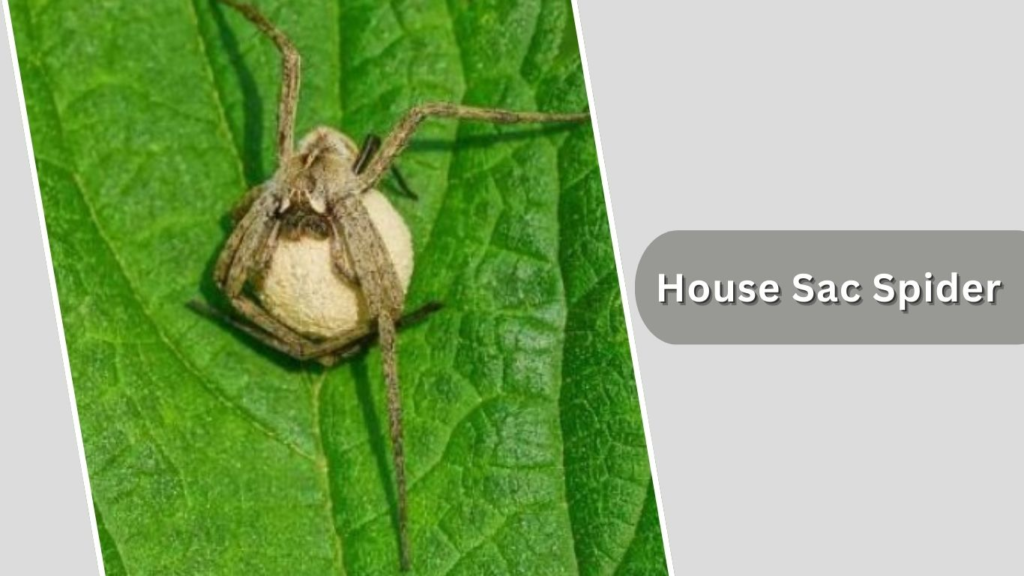
The house sac spider is a small, adaptable species that commonly lives in close association with humans. It is frequently found indoors, where it benefits from stable temperatures and a steady supply of insects. Despite its presence in homes, it is generally unobtrusive and beneficial.
Identification
- Pale yellow to light beige body
- Slightly darker head and jaws
- Slim, elongated legs
- Body length usually 4–8 mm
Habitat & Range
House sac spiders are widely distributed across temperate regions. They are most often found indoors on walls, ceilings, behind picture frames, curtains, and near windows or light fixtures. Outdoors, they may live on exterior walls, under eaves, or in nearby vegetation. They build small silk sacs in corners and crevices for daytime shelter.
Behavior
This spider is nocturnal and does not spin webs to trap prey. Instead, it actively hunts at night, feeding on flies, mosquitoes, and other household insects. During the day, it remains hidden inside its silk sac. It is fast-moving and typically avoids human contact.
Medical Significance
Bites are uncommon and usually accidental, such as when the spider is trapped in bedding or clothing. Most bites cause mild symptoms like redness or itching. Serious reactions are rare, and the house sac spider is not considered dangerous to humans.
