
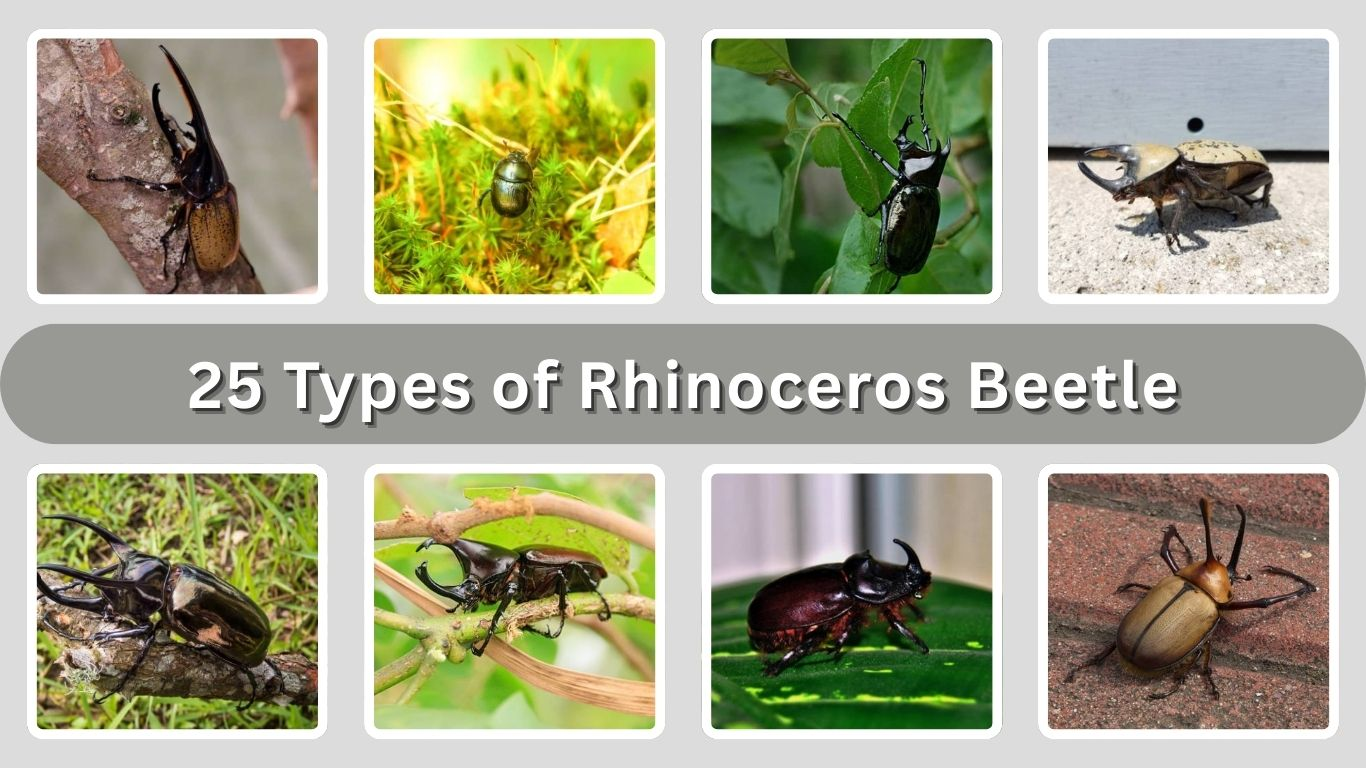
Rhinoceros beetles are among the largest and most impressive insects in the beetle world, easily recognized by the horn-like structures found on males. These powerful beetles belong to the scarab family and are found mainly in tropical and subtropical regions. Although some species are agricultural pests, many play an important ecological role by breaking down decaying wood and recycling organic matter in natural habitats.
1. Hercules Beetle
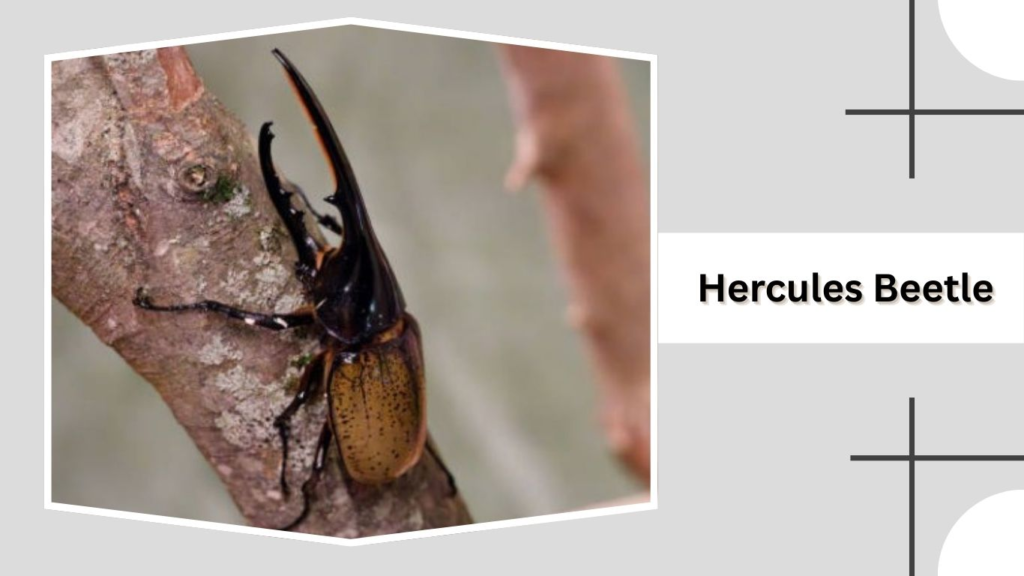
The Hercules beetle is one of the largest and most powerful rhinoceros beetles in the world. Famous for its massive size and long horn-like structures, this beetle is named after the mythical hero Hercules. It is mainly found in the tropical regions of Central and South America and is admired for its strength rather than considered a pest.
Identification
- Extremely large, heavy-bodied beetle
- Body length ranges from 50–70 mm, excluding horns
- Males have long, curved horns on the head and thorax
- Color varies from olive green to yellowish with black spots
- Females are smaller and lack horns
Habitat
Hercules beetles live primarily in tropical rainforests where humidity is high. They are commonly found near rotting logs, forest floors, and areas rich in decaying wood. These environments provide shelter for adults and ideal conditions for larval development.
Behaviors
This beetle is mostly nocturnal and becomes active at night. Males use their large horns to wrestle with rivals over food sources or breeding sites. Despite their intimidating appearance, Hercules beetles are not aggressive toward humans.
Diet
Adult Hercules beetles feed on rotting fruit, tree sap, and plant juices. Their larvae consume decaying wood and organic matter, playing an important role in breaking down forest debris.
Life Cycle
The life cycle includes egg, larva, pupa, and adult stages. Larval development can take one to two years due to their large size. Pupation occurs in soil or rotting wood, and adults typically live for several months.
2. Eastern Hercules Beetle
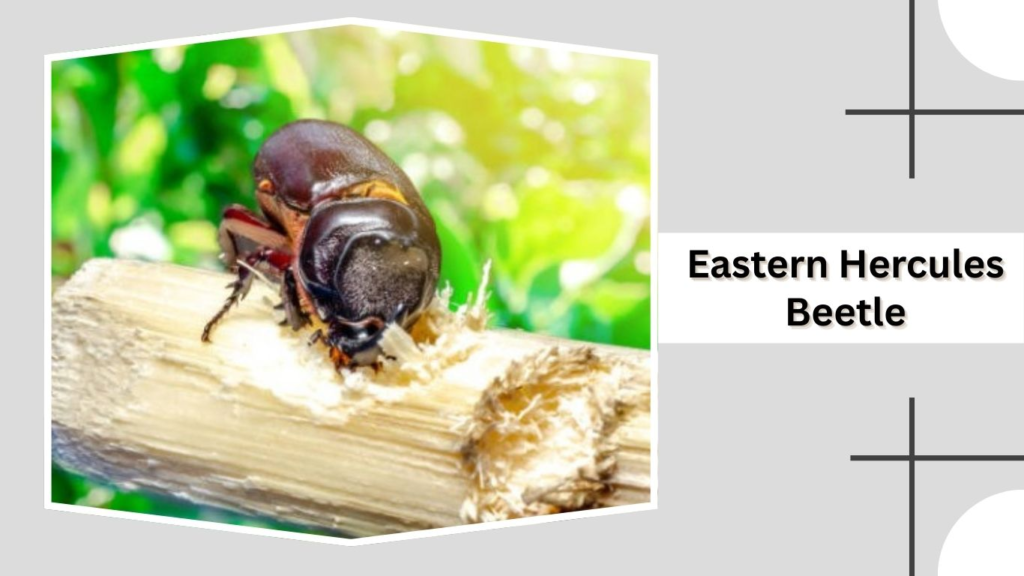
The Eastern Hercules beetle is one of the largest beetles native to North America and a close relative of the Hercules beetle. Known for its impressive horn length and striking coloration, this species is often found in wooded areas of the eastern United States. Despite its size, it is harmless to humans and plays a role in forest ecosystems.
Identification
- Large, robust body often 45–65 mm long
- Males have long, curved horns on the head and thorax
- Color ranges from yellowish-green to tan with black spots
- Females lack horns and have a darker, heavier body
- Thick legs and strong exoskeleton
Habitat
Eastern Hercules beetles are commonly found in deciduous forests, wooded neighborhoods, and areas with abundant dead or decaying trees. Larvae develop inside rotting logs and stumps, making mature forests an important habitat for this species.
Behaviors
This beetle is mainly nocturnal and is attracted to lights at night. Males use their horns to fight rivals, lifting and pushing them away from breeding sites. During the day, adults usually remain hidden under bark or leaf litter.
Diet
Adults feed on tree sap and fermenting fruit, especially from oak, ash, and maple trees. Larvae consume decaying hardwood, which helps recycle nutrients back into the forest soil.
Life Cycle
The life cycle consists of egg, larva, pupa, and adult stages. Larval development may last one to two years inside rotting wood. Pupation occurs within a wooden chamber, and adults typically emerge in summer.
3. Atlas Beetle
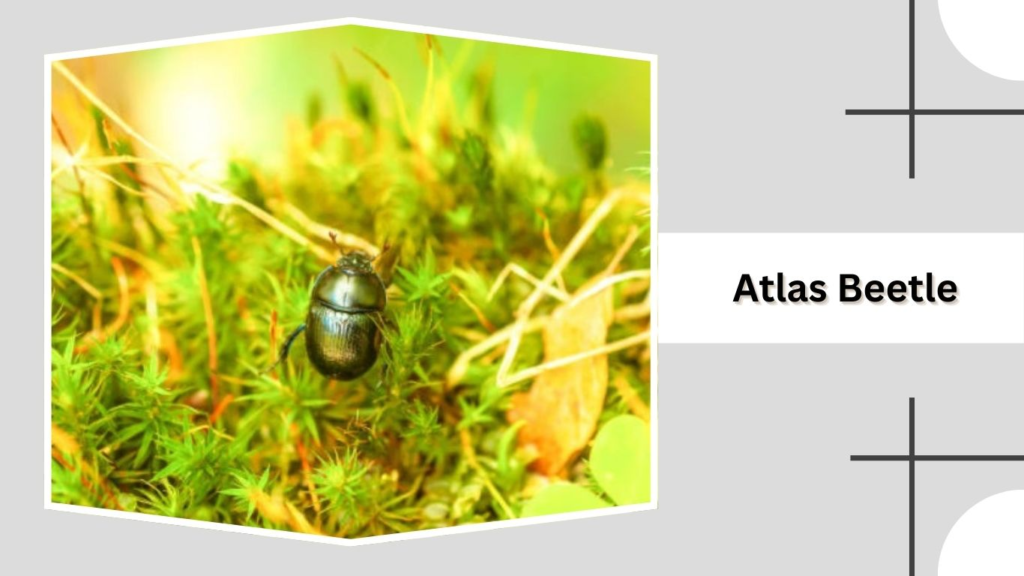
The Atlas beetle is a large and impressive rhinoceros beetle named after the Titan Atlas from Greek mythology. It is known for the prominent horns found on males, which are used in combat with rivals. This species is native to Southeast Asia and is often admired for its strength and striking appearance.
Identification
- Large, glossy, heavy-bodied beetle
- Body length usually 30–60 mm
- Males have three horns: one on the head and two on the thorax
- Dark brown to black coloration
- Females are smaller and lack horns
Habitat
Atlas beetles inhabit tropical forests, forest edges, and plantations. They prefer warm, humid environments with abundant decaying wood, which provides suitable conditions for larval growth and development.
Behaviors
This beetle is mostly nocturnal and becomes active at night. Males use their horns to wrestle competitors for access to food or mates. During the day, adults typically hide under bark or within forest debris.
Diet
Adult Atlas beetles feed mainly on tree sap, overripe fruit, and plant juices. Larvae live in rotting wood and organic debris, where they feed and grow.
Life Cycle
The life cycle includes egg, larva, pupa, and adult stages. Larval development can take several months to over a year. Pupation occurs in soil or decaying wood, and adults usually live for a few months.
4. Elephant Beetle
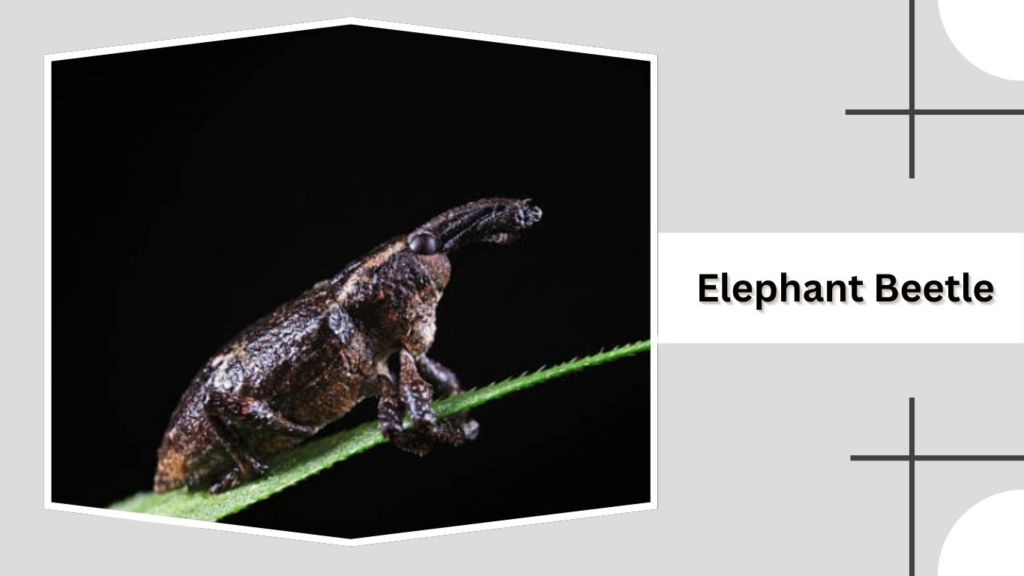
The elephant beetle is a massive rhinoceros beetle named for its thick body and long horn that resembles an elephant’s trunk. It is one of the heaviest beetles in the world and is native to Central and South America. This species is admired for its strength and dramatic appearance.
Identification
- Very large, heavy-bodied beetle
- Body length typically 50–70 mm
- Males have a long, downward-curving horn on the head
- Dark brown to black coloration
- Females lack horns and have a broader body
Habitat
Elephant beetles are commonly found in tropical rainforests, plantations, and wooded areas. They prefer warm, humid environments with plenty of decaying wood and organic matter where larvae can safely develop.
Behaviors
This beetle is mostly nocturnal and becomes active after sunset. Males use their horns to fight rivals over breeding sites. During the day, adults usually remain hidden under logs, leaf litter, or soil.
Diet
Adult elephant beetles feed on tree sap, soft fruits, and plant juices. Larvae consume decaying wood and organic material, contributing to nutrient recycling in forest ecosystems.
Life Cycle
The life cycle includes egg, larva, pupa, and adult stages. Larval development may take over a year due to their large size. Pupation occurs in soil or rotting wood, and adults typically live for several months.
5. Japanese Rhinoceros Beetle
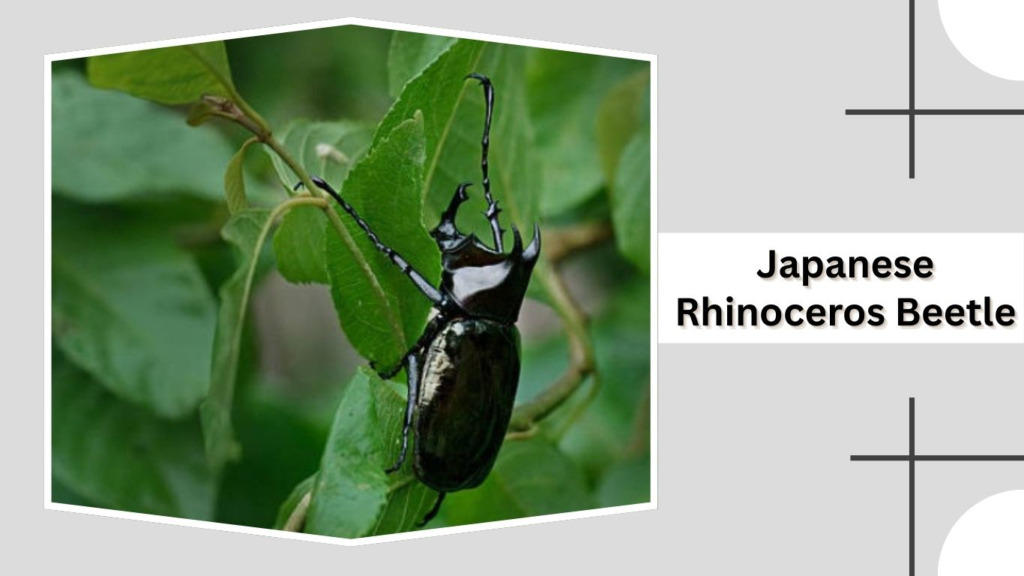
The Japanese rhinoceros beetle is one of the most famous horned beetles in East Asia, especially in Japan, where it is admired and commonly kept as a pet. Known for its strong body and single prominent horn, this beetle is a symbol of strength and resilience in popular culture.
Identification
- Medium to large, robust body
- Body length typically 30–50 mm
- Males have a single Y-shaped horn on the head
- Dark brown to black glossy coloration
- Females lack horns and are smaller
Habitat
Japanese rhinoceros beetles are found in forests, woodlands, and suburban green areas. They prefer environments with oak and other sap-producing trees, as well as decaying wood for larval development.
Behaviors
This species is mostly nocturnal and becomes active at night. Males use their horns to push rivals away from sap sites. They are often attracted to tree sap and can be seen competing on tree trunks.
Diet
Adult Japanese rhinoceros beetles feed mainly on tree sap and fermented fruits. Larvae live in decaying wood and organic matter, where they feed and grow.
Life Cycle
The life cycle includes egg, larva, pupa, and adult stages. Larvae develop over several months, pupate in soil or wood chambers, and adults usually emerge during summer and live for a few months.
6. Coconut Rhinoceros Beetle
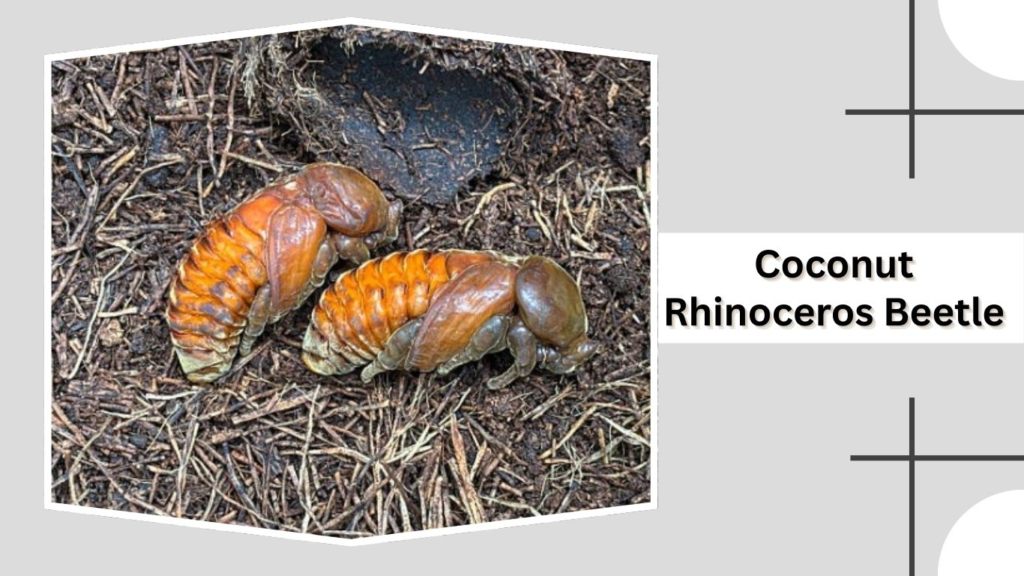
The coconut rhinoceros beetle is a destructive rhinoceros beetle species best known for damaging coconut palms and other palm trees. Native to Southeast Asia, it has spread to many Pacific regions, where it is considered a serious agricultural pest. Adults bore into palm crowns, weakening trees and reducing crop yields.
Identification
- Large, stout-bodied beetle
- Body length typically 30–40 mm
- Shiny dark brown to black coloration
- Males have a single curved horn on the head
- Strong forelegs adapted for digging and boring
Habitat
Coconut rhinoceros beetles are commonly found in coconut plantations, palm groves, gardens, and areas with decaying plant material. They prefer warm tropical environments where palms are abundant and organic debris is available for breeding.
Behaviors
Adults are mostly nocturnal and fly at night to locate palm trees. They bore into the crowns of palms to feed, creating characteristic V-shaped cuts in emerging leaves. During the day, they hide in soil, compost, or rotting logs.
Diet
Adult beetles feed on sap and soft tissues of coconut palms, oil palms, and other palm species. Larvae develop in decaying plant matter, rotting logs, manure, or compost, where they feed on organic material.
Life Cycle
The life cycle includes egg, larva, pupa, and adult stages. Eggs are laid in decaying organic matter, larvae develop over several months, pupation occurs in the soil, and adults can live for several months, causing repeated damage to palms.
7. Western Hercules Beetle
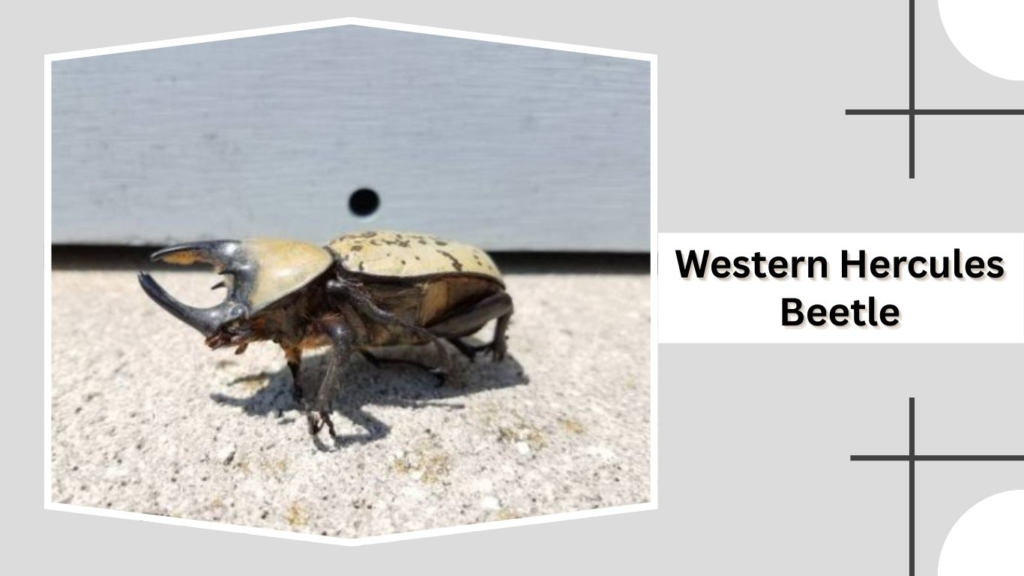
The Western Hercules beetle is a close relative of the Eastern Hercules beetle and is known for its impressive horn length and large body size. It is native to parts of the southwestern United States and nearby regions. Despite its intimidating appearance, this beetle is harmless and plays a role in forest decomposition.
Identification
- Large, heavy-bodied beetle
- Body length typically 40–65 mm
- Males have long, curved horns on the head and thorax
- Color ranges from olive green to yellowish with dark spots
- Females lack horns and are darker and broader
Habitat
Western Hercules beetles are found in wooded areas, forests, and regions with decaying hardwood trees. Larvae develop inside rotting logs and stumps, making mature forests essential for their survival.
Behaviors
This species is mainly nocturnal and is often attracted to lights at night. Males use their horns to wrestle rivals for access to feeding or breeding sites. During daylight hours, adults remain hidden under bark or forest debris.
Diet
Adults feed on tree sap and fermenting or overripe fruits. Larvae consume decaying wood, helping break down organic material and recycle nutrients into the soil.
Life Cycle
The life cycle includes egg, larva, pupa, and adult stages. Larval development may last one to two years within rotting wood. Pupation occurs inside a wooden chamber, and adults usually emerge during warm summer months.
8. Dynastes tityus
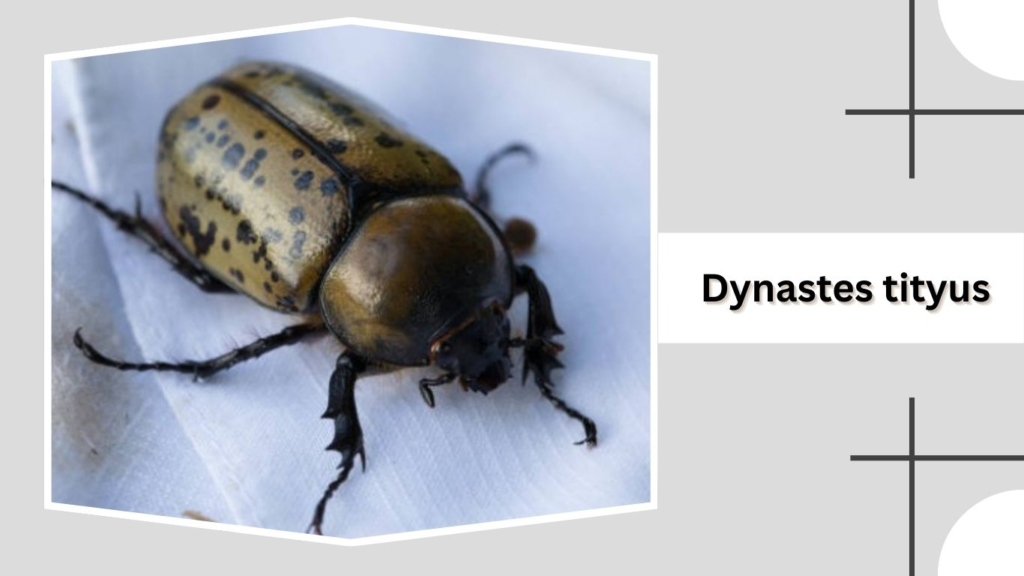
Dynastes tityus, commonly known as the Eastern Hercules beetle by its scientific name, is one of the largest rhinoceros beetles in North America. It is well known for its dramatic horn structure in males and its strong, armored body. This species is often encountered in forested regions with abundant decaying wood.
Identification
- Large, thick-bodied beetle
- Body length ranges from 45–65 mm
- Males possess long opposing horns on head and thorax
- Color varies from yellowish-green to brown with black spots
- Females lack horns and have a darker body
Habitat
This species is commonly found in deciduous forests, wooded areas, and regions with fallen logs and tree stumps. Larvae develop inside rotting hardwood, making forest floors an ideal environment.
Behaviors
Dynastes tityus is nocturnal and most active during warm summer nights. Males use their horns to lift and push rivals away from sap flows or breeding sites. Adults often hide during the day.
Diet
Adults feed on tree sap and fermenting fruit. Larvae consume decaying wood, helping recycle nutrients back into the forest ecosystem.
Life Cycle
The life cycle includes egg, larva, pupa, and adult stages. Larval development can take one to two years. Pupation occurs within a chamber made of wood fibers, and adults emerge in summer.
9. Chalcosoma atlas
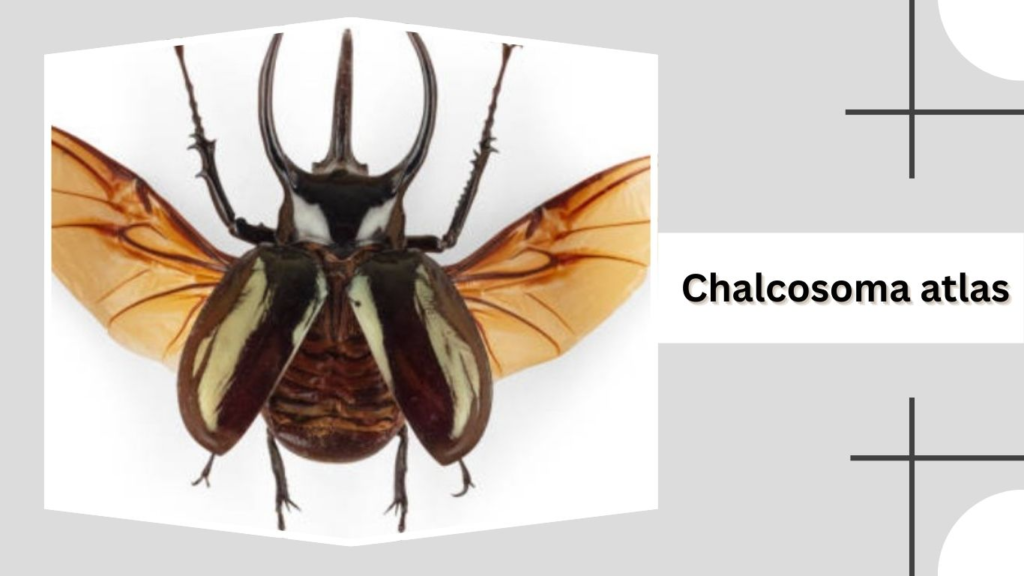
Chalcosoma atlas is a large and powerful rhinoceros beetle famous for its impressive horn structure and glossy black body. Native to Southeast Asia, this beetle is often admired by insect enthusiasts for its strength and dramatic appearance. Males use their horns to compete with rivals during mating.
Identification
- Large, heavy-bodied beetle
- Body length typically 45–65 mm
- Males have three prominent horns (one on the head, two on the thorax)
- Shiny black or dark brown coloration
- Females are smaller and lack horns
Habitat
This species is commonly found in tropical rainforests, forest edges, and plantations. It prefers warm, humid environments with abundant decaying wood, which supports larval development.
Behaviors
Chalcosoma atlas is mainly nocturnal and becomes active at night. Males aggressively use their horns to wrestle rivals for territory or access to food sources such as tree sap.
Diet
Adult beetles feed on tree sap and fermenting fruits. Larvae live in rotting wood and organic debris, where they feed and grow.
Life Cycle
The life cycle includes egg, larva, pupa, and adult stages. Larval development may last several months to over a year. Pupation occurs in soil or decayed wood, and adults usually live for a few months.
10. Chalcosoma caucasus
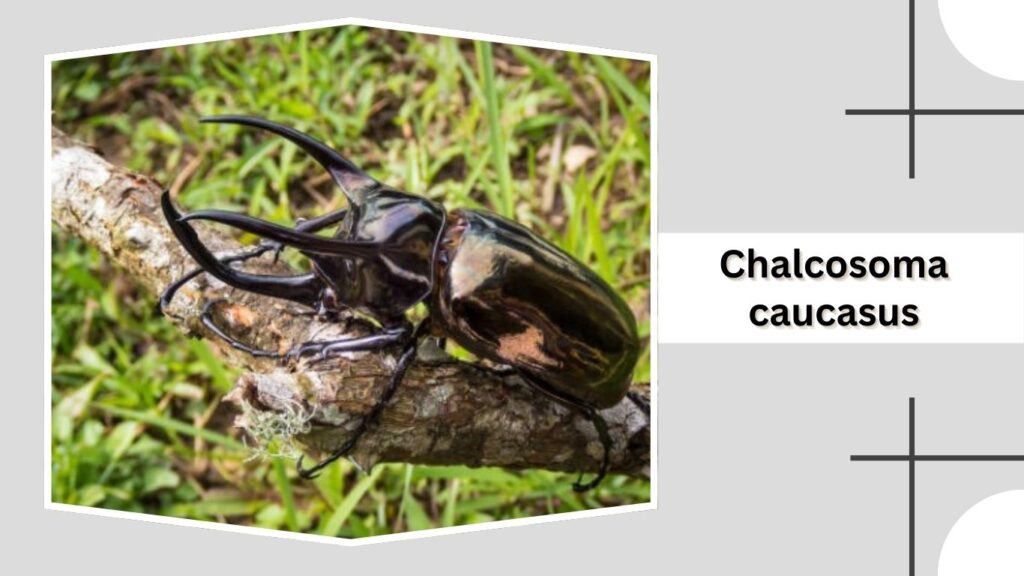
Chalcosoma caucasus is one of the largest and most powerful rhinoceros beetles in the world, closely related to the Atlas beetle. It is well known for its massive horns and glossy dark body. Native to Southeast Asia, this species is highly admired by collectors and researchers for its strength and size.
Identification
- Very large, heavy-bodied beetle
- Body length typically 50–80 mm
- Males have three long horns (one head horn, two thoracic horns)
- Shiny black to dark brown coloration
- Females are smaller and hornless
Habitat
This beetle inhabits tropical rainforests, lowland forests, and forest edges. It prefers warm, humid environments with abundant decaying wood and organic matter, which provide ideal conditions for larval growth.
Behaviors
Chalcosoma caucasus is primarily nocturnal. Males use their long horns to lift, push, and overpower rivals during fights over food sources or breeding areas. Adults usually remain hidden during daylight hours.
Diet
Adult beetles feed mainly on tree sap, plant juices, and fermenting fruits. Larvae develop in rotting wood and organic debris, where they consume decomposing material.
Life Cycle
The life cycle includes egg, larva, pupa, and adult stages. Larval development can last several months to over a year. Pupation occurs in soil or decayed wood, and adults generally live for a few months.
11. Chalcosoma moellenkampi
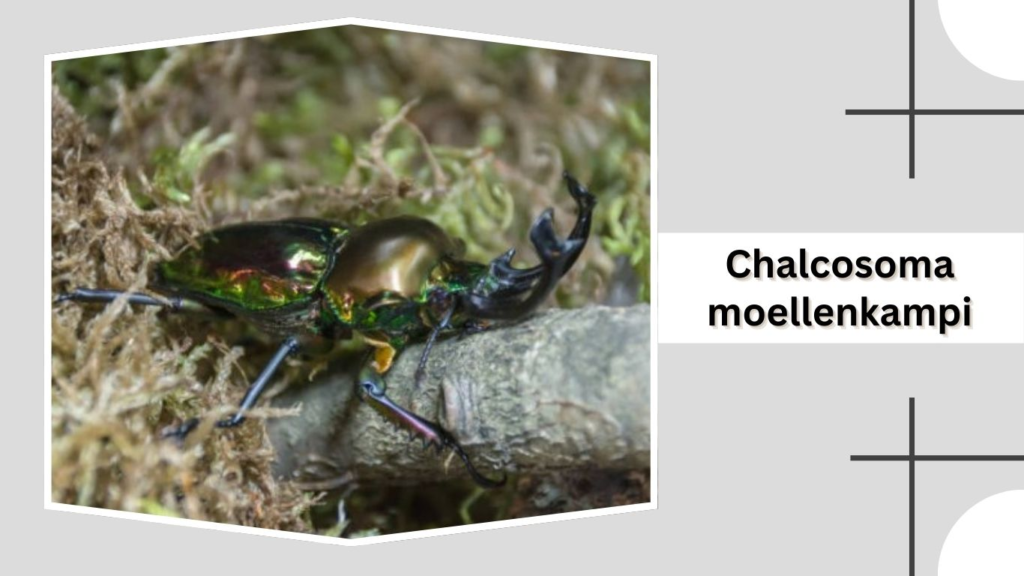
Chalcosoma moellenkampi is a striking rhinoceros beetle species closely related to other Chalcosoma beetles. It is known for its powerful build and impressive horn structure in males. Native to parts of Southeast Asia, this beetle is admired for its strength and glossy appearance rather than regarded as a pest.
Identification
- Large, thick-bodied beetle
- Body length usually 45–70 mm
- Males have three well-developed horns
- Shiny black to very dark brown coloration
- Females are smaller and lack horns
Habitat
This species is mainly found in tropical rainforests and lowland forest regions. It prefers warm, humid environments with plenty of decaying wood, which supports larval development and provides shelter for adults.
Behaviors
Chalcosoma moellenkampi is primarily nocturnal and becomes active at night. Males use their horns to fight rivals for access to sap sites and mates. During the day, adults typically hide under logs or within forest debris.
Diet
Adult beetles feed on tree sap and fermenting fruits. Larvae develop in rotting wood and organic matter, where they feed continuously until pupation.
Life Cycle
The life cycle consists of egg, larva, pupa, and adult stages. Larval development can take several months to over a year. Pupation occurs in soil or decayed wood, and adults usually live for a few months.
12. Oryctes nasicornis
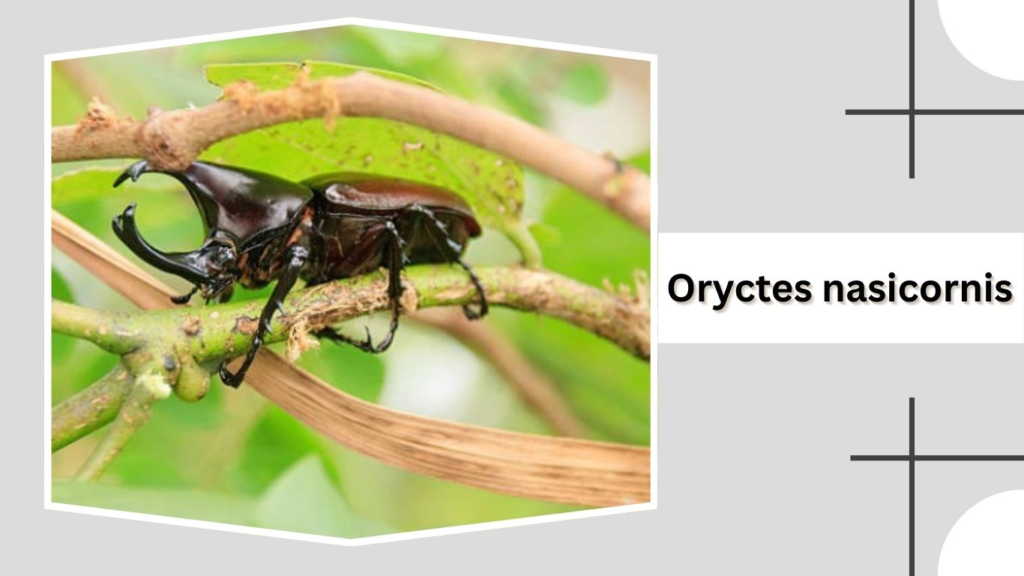
Oryctes nasicornis, commonly known as the European rhinoceros beetle, is a large and well-known rhinoceros beetle native to Europe. It is easily recognized by the single curved horn on the male’s head and its dark, glossy body. This species plays an important role in breaking down decaying wood.
Identification
- Large, robust oval body
- Body length typically 25–40 mm
- Males have a single curved horn on the head
- Shiny dark brown to black coloration
- Females lack horns and are slightly smaller
Habitat
This beetle is commonly found in forests, woodlands, gardens, compost heaps, and sawmills. It prefers areas with decaying wood, mulch, or compost, which provide ideal conditions for larval development.
Behaviors
Oryctes nasicornis is mostly nocturnal and becomes active at night. Adults are strong fliers and may be attracted to lights. During the day, they hide under logs, soil, or organic debris.
Diet
Adult beetles feed on tree sap and plant juices. Larvae develop in rotting wood, compost, and organic matter, where they help decompose dead plant material.
Life Cycle
The life cycle includes egg, larva, pupa, and adult stages. Larval development can take two to four years. Pupation occurs in soil or organic matter, and adults usually live for several months.
13. Oryctes rhinoceros
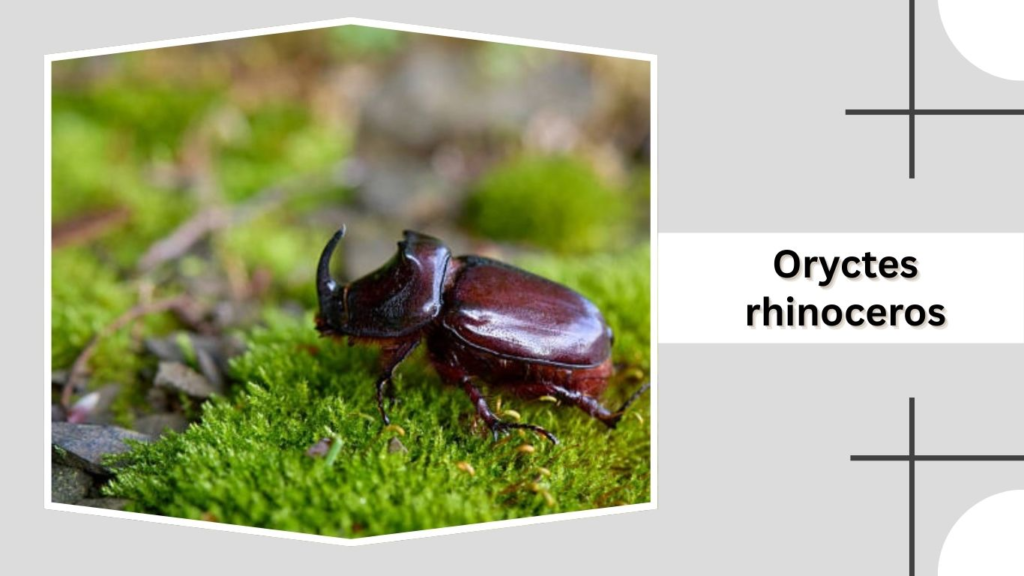
Oryctes rhinoceros, commonly known as the coconut rhinoceros beetle, is a large and powerful rhinoceros beetle native to Southeast Asia. It is widely known for its impact on coconut palms and other palm species. This beetle is strong, resilient, and well adapted to tropical environments.
Identification
- Large, stout-bodied beetle
- Body length usually 30–40 mm
- Males have a single, upward-curving horn on the head
- Shiny dark brown to black coloration
- Females lack horns and have a slightly rounder body
Habitat
This species is commonly found in coconut plantations, palm groves, gardens, and forest edges. It prefers warm, humid tropical regions with plenty of decaying plant material, which supports larval development.
Behaviors
Oryctes rhinoceros is mainly nocturnal and flies at night to locate host plants. Adults bore into the crowns of palm trees to feed, often leaving visible damage. During the day, they hide in soil, compost, or rotting logs.
Diet
Adult beetles feed on sap and soft tissues of coconut palms, oil palms, and other palm species. Larvae develop in decaying organic matter such as rotting wood, manure, or compost.
Life Cycle
The life cycle includes egg, larva, pupa, and adult stages. Larvae develop over several months in organic material, pupate in the soil, and adults may live for many months, causing repeated feeding damage.
14. Xylotrupes gideon
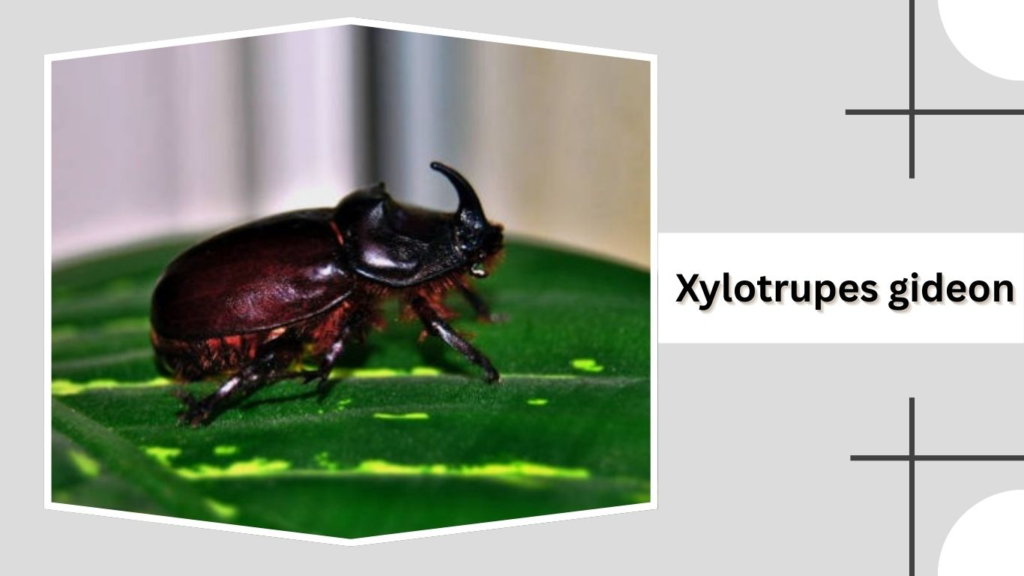
Xylotrupes gideon, commonly known as the giant rhinoceros beetle, is a widespread and powerful species found across Southeast Asia and Australia. It is well known for the long, forked horn of males and its strong flying ability. This beetle is often seen around lights at night.
Identification
- Large, sturdy body
- Body length typically 35–55 mm
- Males have a long, forked horn on the head
- Dark brown to black glossy coloration
- Females lack horns and are smaller
Habitat
This species inhabits forests, woodlands, plantations, and agricultural areas. It prefers warm climates with plenty of decaying wood and organic matter where larvae can develop safely.
Behaviors
Xylotrupes gideon is mainly nocturnal and becomes active after sunset. Males use their horns to fight rivals over food and mating sites. Adults are strong fliers and are frequently attracted to artificial lights.
Diet
Adult beetles feed on tree sap, plant juices, and soft fruits. Larvae live in rotting wood and organic debris, where they consume decomposing material.
Life Cycle
The life cycle includes egg, larva, pupa, and adult stages. Larval development lasts several months, pupation occurs in soil or decaying wood, and adults usually live for a few months.
15. Xylotrupes ulysses
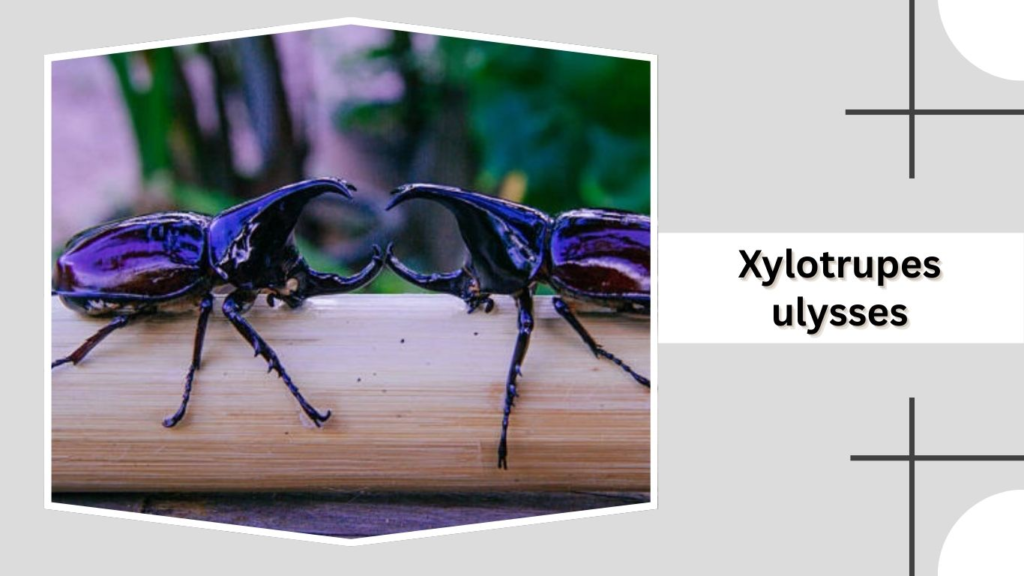
Xylotrupes ulysses is a large and impressive rhinoceros beetle closely related to Xylotrupes gideon. It is known for the long horn of the male and its strong body structure. This species is commonly found in parts of Southeast Asia and nearby regions, where it thrives in warm, forested environments.
Identification
- Large, solid-bodied beetle
- Body length usually 35–55 mm
- Males have a long, straight to slightly curved horn
- Dark brown to black glossy coloration
- Females are smaller and lack horns
Habitat
This beetle inhabits tropical forests, forest edges, plantations, and wooded agricultural areas. It prefers regions with abundant decaying wood and organic matter that support larval growth.
Behaviors
Xylotrupes ulysses is mainly nocturnal and becomes active at night. Males use their horns to compete with rivals for access to food and mates. Adults are strong fliers and are often attracted to lights.
Diet
Adult beetles feed on tree sap, plant juices, and overripe fruits. Larvae develop in rotting wood and organic debris, where they consume decomposing material.
Life Cycle
The life cycle includes egg, larva, pupa, and adult stages. Larval development lasts several months, pupation occurs in soil or decaying wood, and adults usually live for a few months.
16. Trypoxylus dichotomus
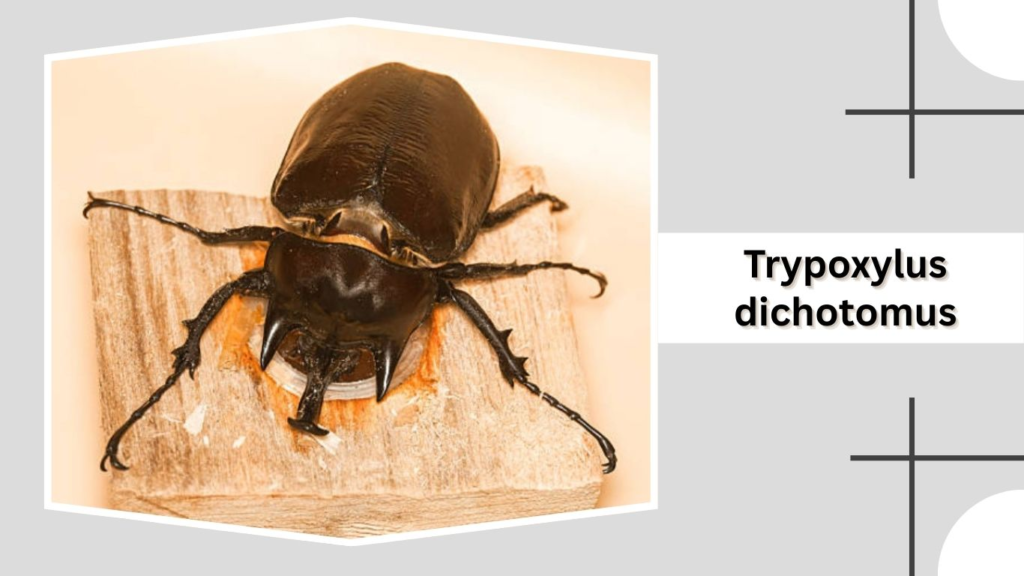
Trypoxylus dichotomus, commonly known as the Japanese rhinoceros beetle or kabutomushi, is one of the most popular and recognizable rhinoceros beetles in East Asia. It is widely admired for its strength, glossy appearance, and prominent horn in males. This species is often kept as a pet in Japan and surrounding countries.
Identification
- Medium to large, robust body
- Body length typically 30–55 mm
- Males have a long, curved horn with forked tips
- Shiny dark brown to black coloration
- Females are smaller and hornless
Habitat
This beetle is commonly found in deciduous forests, woodlands, and suburban green areas. It prefers environments with oak and other sap-producing trees, as well as decaying wood and leaf litter for larval development.
Behaviors
Trypoxylus dichotomus is nocturnal and becomes active at night, especially during summer. Males use their horns to wrestle rivals over sap sites. During the day, adults usually hide under soil, bark, or leaf litter.
Diet
Adults feed mainly on tree sap and fermented fruits. Larvae live in decaying wood and organic matter, where they feed continuously until pupation.
Life Cycle
The life cycle includes egg, larva, pupa, and adult stages. Larval development lasts several months to over a year. Pupation occurs in soil chambers, and adults typically live for a few months during the warm season.
17. Golofa porteri
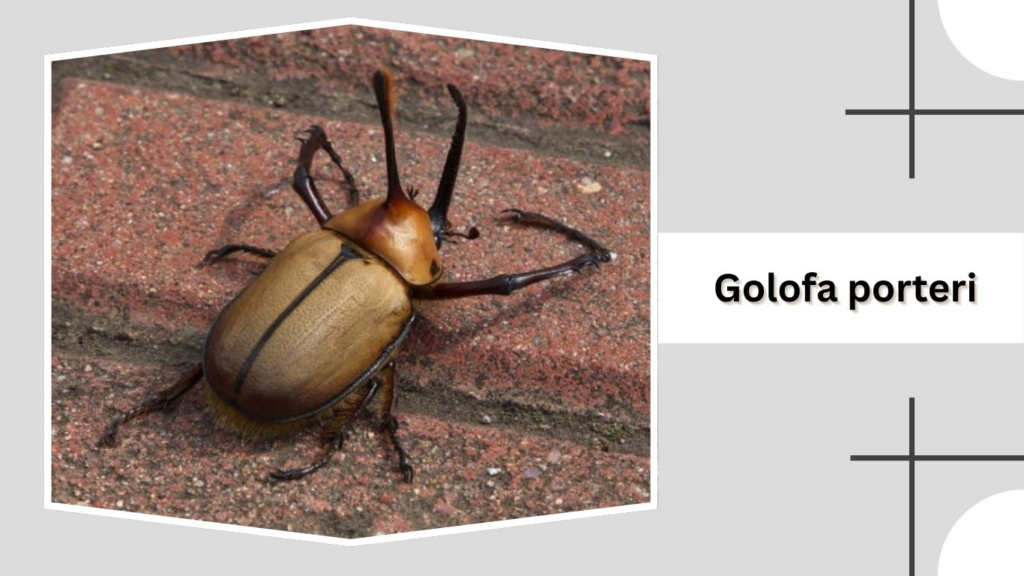
Golofa porteri is a striking rhinoceros beetle species native to Central and South America. It is known for its long, forward-curving horn in males and its slender but strong body. This beetle is less commonly seen than some larger species but is admired for its unique appearance.
Identification
- Medium to large, elongated body
- Body length usually 35–60 mm
- Males have a long, forward-curving horn on the head
- Dark brown to black coloration
- Females are smaller and lack horns
Habitat
This species inhabits tropical forests, cloud forests, and forest edges. It prefers humid environments with decaying wood and organic matter where larvae can safely develop.
Behaviors
Golofa porteri is primarily nocturnal and becomes active at night. Males use their horns to fight rivals over breeding sites. Adults often hide during the day in leaf litter or under logs.
Diet
Adult beetles feed on tree sap and plant juices. Larvae develop in decaying wood and organic debris, where they feed and grow.
Life Cycle
The life cycle includes egg, larva, pupa, and adult stages. Larval development can take several months to over a year. Pupation occurs in soil or decayed wood, and adults usually live for a few months.
18. Golofa pizarro
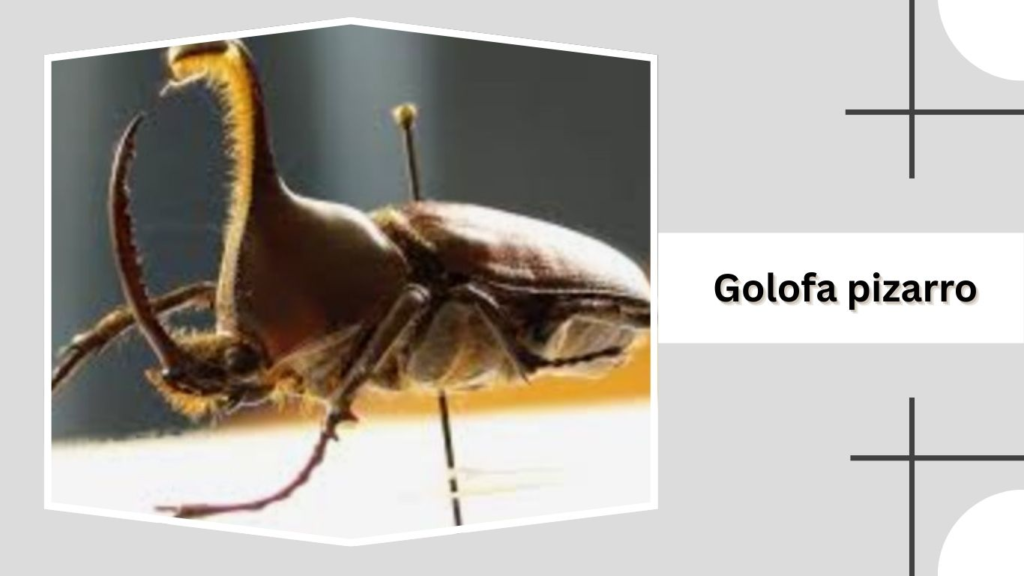
Golofa pizarro is a distinctive rhinoceros beetle species found in parts of Central and South America. It is recognized for the long, curved horn of males and its robust yet streamlined body. This species is less well known than some larger rhinoceros beetles but is valued by collectors for its appearance.
Identification
- Medium to large, solid-bodied beetle
- Body length typically 40–60 mm
- Males have a long, upward-curving horn on the head
- Dark brown to black coloration
- Females are smaller and lack horns
Habitat
This beetle inhabits tropical forests and forest edges, particularly in mountainous or humid regions. It prefers environments with plenty of decaying wood and organic matter, which support larval development.
Behaviors
Golofa pizarro is mainly nocturnal and becomes active at night. Males use their horns to compete with rivals for mating opportunities. During the day, adults usually remain hidden under logs or leaf litter.
Diet
Adult beetles feed on tree sap and plant juices. Larvae develop in rotting wood and organic debris, where they consume decomposing material.
Life Cycle
The life cycle includes egg, larva, pupa, and adult stages. Larval development may last several months to over a year. Pupation occurs in soil or decayed wood, and adults typically live for a few months.
19. Golofa eacus
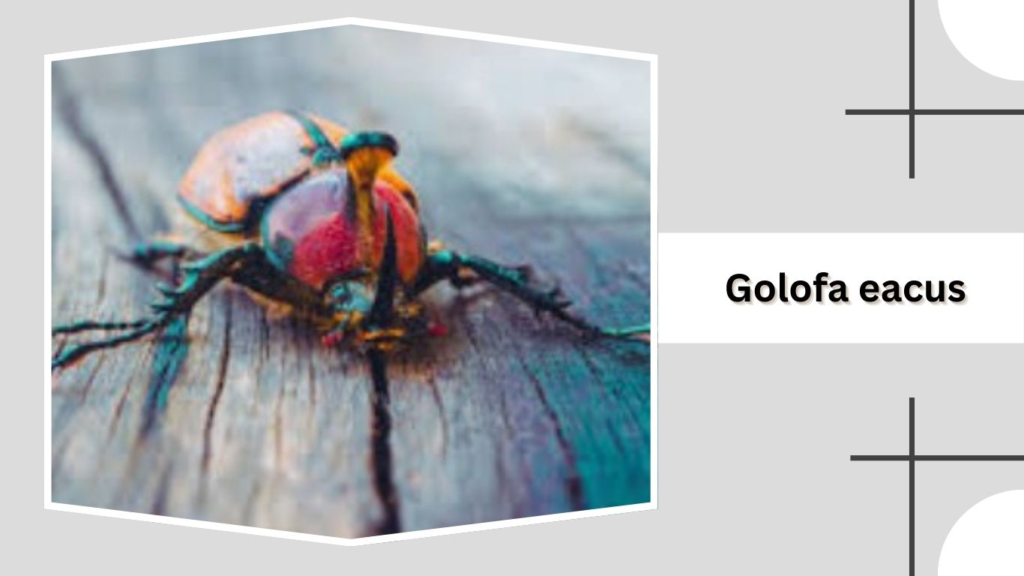
Golofa eacus is a notable rhinoceros beetle species native to parts of Central America. It is known for the prominent horn of males and its sturdy body structure. This species is admired for its balanced size and aggressive horn displays during mating competitions.
Identification
- Medium-sized, robust beetle
- Body length usually 35–55 mm
- Males have a long, slightly curved horn on the head
- Dark brown to black coloration
- Females are smaller and hornless
Habitat
This beetle is typically found in tropical forests, forest margins, and humid woodland areas. It prefers environments with decaying wood, leaf litter, and rich organic matter that support larval development.
Behaviors
Golofa eacus is primarily nocturnal and becomes active at night. Males use their horns to wrestle and push rivals away from breeding sites. Adults hide under forest debris during daylight hours.
Diet
Adult beetles feed on tree sap and plant juices. Larvae live in decaying wood and organic matter, where they feed continuously until pupation.
Life Cycle
The life cycle includes egg, larva, pupa, and adult stages. Larval development can take several months to over a year. Pupation occurs in soil or decomposed wood, and adults generally live for a few months.
20. Megasoma elephas
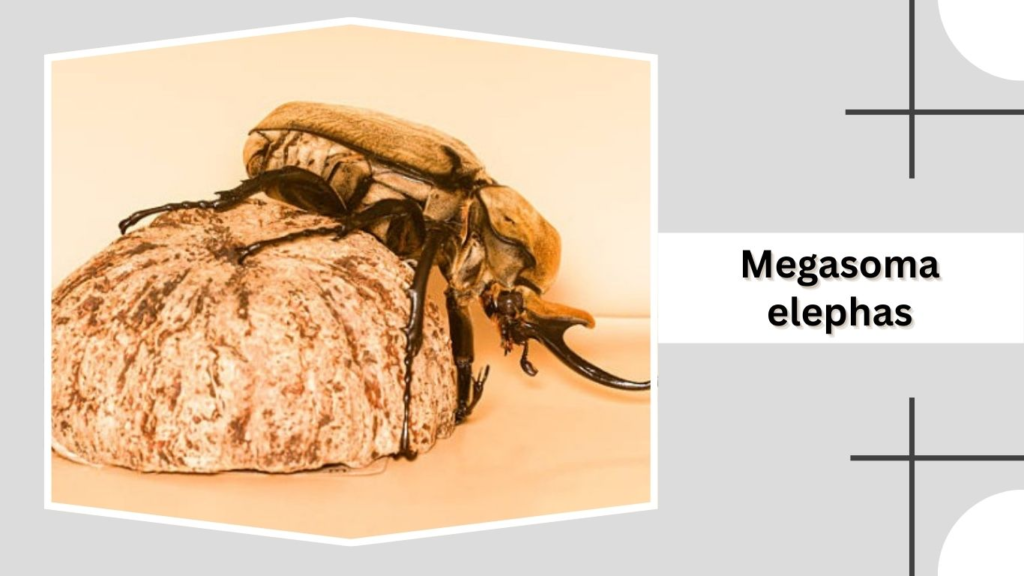
Megasoma elephas, commonly known as the elephant beetle, is one of the heaviest rhinoceros beetles in the world. It is native to Central America and parts of northern South America. This species is well known for its thick body, dense hair covering, and impressive horn in males.
Identification
- Very large, heavy-bodied beetle
- Body length typically 45–70 mm
- Males have a thick, curved horn on the head
- Dark brown to black coloration with fine hairs
- Females are smaller and lack horns
Habitat
This beetle inhabits tropical rainforests, lowland forests, and wooded areas. It prefers warm, humid environments with abundant decaying wood and organic matter, which provide ideal conditions for larval development.
Behaviors
Megasoma elephas is mostly nocturnal and becomes active at night. Males use their horns to compete with rivals over breeding sites. Adults usually hide during the day under logs, soil, or forest debris.
Diet
Adult beetles feed on tree sap, soft fruits, and plant juices. Larvae develop in decaying wood and organic material, helping break down forest debris.
Life Cycle
The life cycle includes egg, larva, pupa, and adult stages. Larval development can last one to two years. Pupation occurs in soil or rotting wood, and adults typically live for several months.
21. Megasoma actaeon
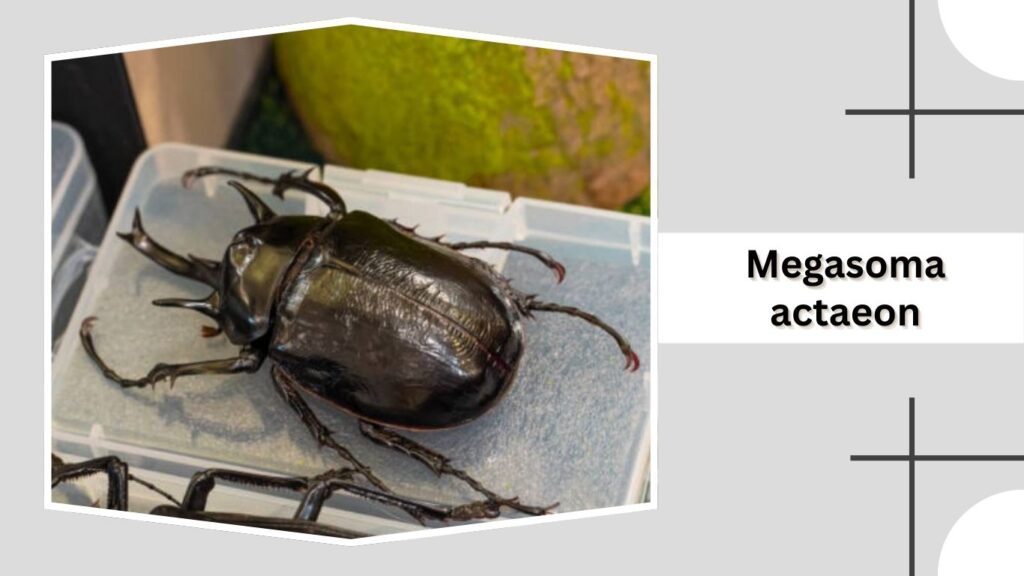
Megasoma actaeon is one of the largest rhinoceros beetles in the world and is closely related to other Megasoma species. Native to South America, this beetle is famous for its massive size, thick body, and strong horn in males. It is admired for its strength and impressive appearance.
Identification
- Extremely large and heavy-bodied beetle
- Body length typically 55–80 mm
- Males have a long, thick horn on the head
- Dark brown to black coloration with dense hair on the body
- Females are smaller and lack horns
Habitat
This species inhabits tropical rainforests and dense woodland areas. It prefers warm, humid environments with plenty of decaying wood and organic matter, which support larval growth and development.
Behaviors
Megasoma actaeon is mainly nocturnal and becomes active at night. Males use their horns to fight rivals for mating opportunities. During the day, adults usually hide under logs, soil, or leaf litter.
Diet
Adult beetles feed on tree sap, fermented fruits, and plant juices. Larvae develop in rotting wood and organic debris, where they consume decomposing material.
Life Cycle
The life cycle includes egg, larva, pupa, and adult stages. Larval development can take one to two years. Pupation occurs in soil or decayed wood, and adults generally live for several months.
22. Megasoma vogti
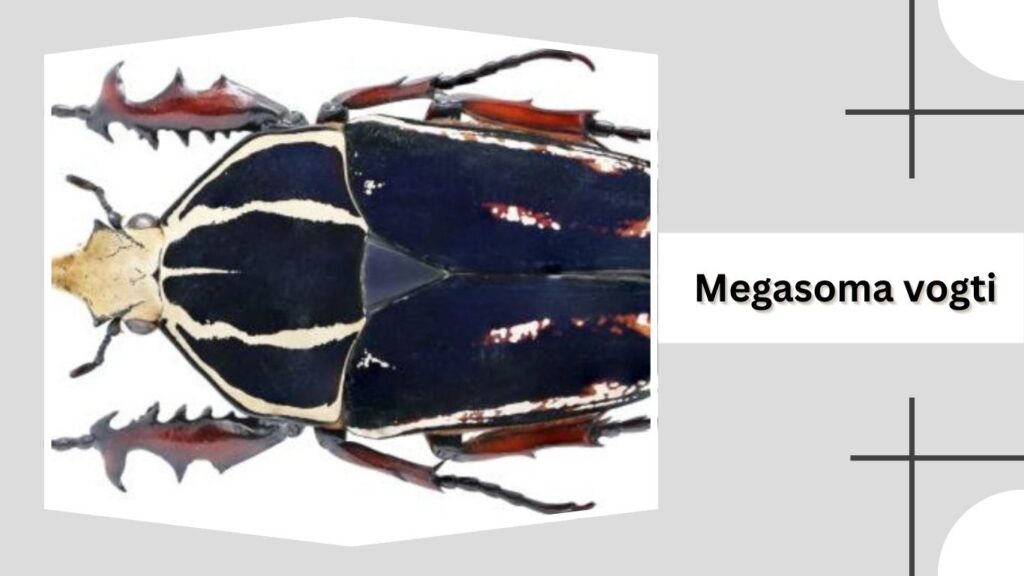
Megasoma vogti is a rare and lesser-known rhinoceros beetle species closely related to other Megasoma beetles. Native to parts of Central America, it is recognized for its solid build and distinctive horn structure in males. Due to its limited distribution, it is mainly studied by specialists and collectors.
Identification
- Large, robust-bodied beetle
- Body length typically 45–65 mm
- Males have a thick, forward-curving horn
- Dark brown to black coloration with fine body hairs
- Females are smaller and lack horns
Habitat
This species is found in tropical forests and wooded regions with high humidity. It prefers environments rich in decaying wood and organic matter, which provide suitable conditions for larval development.
Behaviors
Megasoma vogti is primarily nocturnal and becomes active at night. Males use their horns to compete with rivals for mating opportunities. During the day, adults usually remain hidden under logs, soil, or forest debris.
Diet
Adult beetles feed on tree sap, fermented fruit, and plant juices. Larvae live in rotting wood and organic material, where they feed and grow.
Life Cycle
The life cycle includes egg, larva, pupa, and adult stages. Larval development can last over a year. Pupation occurs in soil or decayed wood, and adults typically live for several months.
23. Strategus aloeus
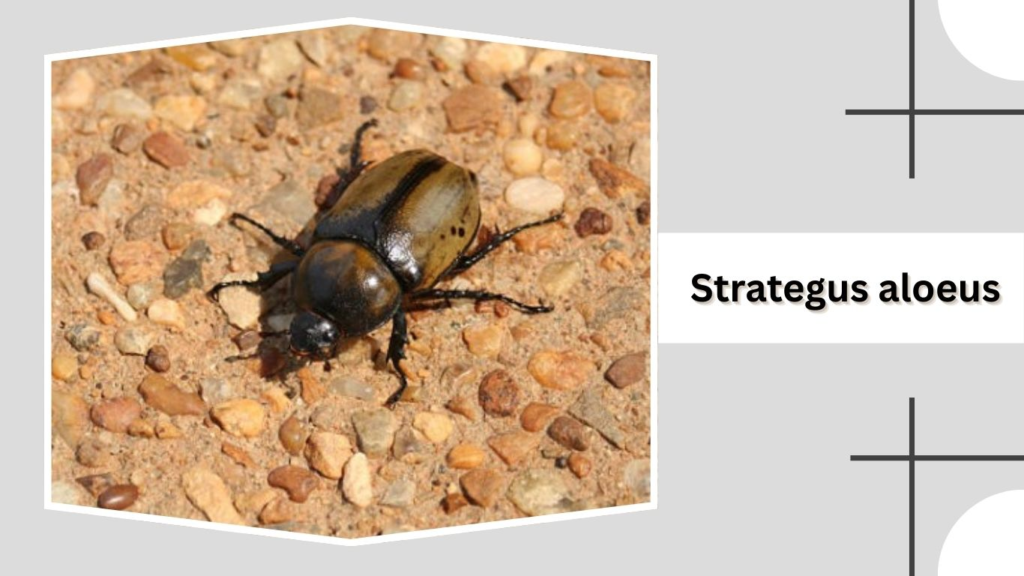
Strategus aloeus, commonly known as the ox beetle, is a large and powerful rhinoceros beetle native to the Americas. It is well known for the strong horns of males and its association with agricultural landscapes. Despite its intimidating appearance, it is generally harmless to humans.
Identification
- Large, robust-bodied beetle
- Body length typically 30–45 mm
- Males have a long central horn with two shorter side horns
- Dark brown to black glossy coloration
- Females are smaller and lack horns
Habitat
This beetle is commonly found in agricultural fields, grasslands, gardens, and forest edges. It prefers warm regions with loose soil and decaying plant material that support larval development.
Behaviors
Strategus aloeus is mostly nocturnal and is often attracted to lights at night. Males use their horns to fight rivals during the breeding season. Adults usually remain hidden in soil or debris during the day.
Diet
Adult beetles feed on plant roots, stems, and sometimes decaying vegetation. Larvae develop underground, feeding on organic matter and plant roots.
Life Cycle
The life cycle includes egg, larva, pupa, and adult stages. Larval development occurs underground and may last several months. Pupation takes place in soil chambers, and adults emerge during warm seasons.
24. Strategus antaeus
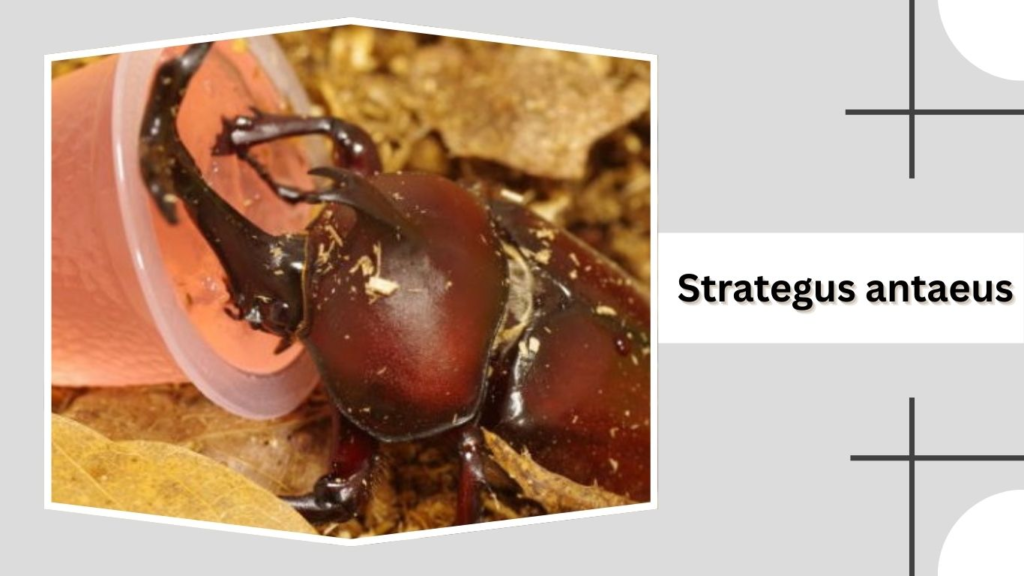
Strategus antaeus, commonly known as the eastern ox beetle, is a large rhinoceros beetle native to the southeastern United States. It is closely related to Strategus aloeus and is recognized for the impressive horn arrangement of males. This species is often encountered in agricultural areas and open woodlands.
Identification
- Large, heavy-bodied beetle
- Body length typically 30–45 mm
- Males have a long central horn with two shorter lateral horns
- Reddish-brown to dark brown coloration
- Females are smaller and lack horns
Habitat
This beetle is commonly found in sandy soils, agricultural fields, gardens, pine forests, and open woodlands. It prefers warm environments where loose soil and organic matter allow larvae to develop underground.
Behaviors
Strategus antaeus is mainly nocturnal and becomes active at night. Males use their horns to wrestle rivals during the breeding season. Adults are strong fliers and are often attracted to lights.
Diet
Adult beetles feed on plant material, roots, and sometimes decaying vegetation. Larvae live underground and feed on plant roots and organic matter.
Life Cycle
The life cycle includes egg, larva, pupa, and adult stages. Larval development may take one to two years. Pupation occurs in soil chambers, and adults typically emerge during warm months.
25. Strategus titanus
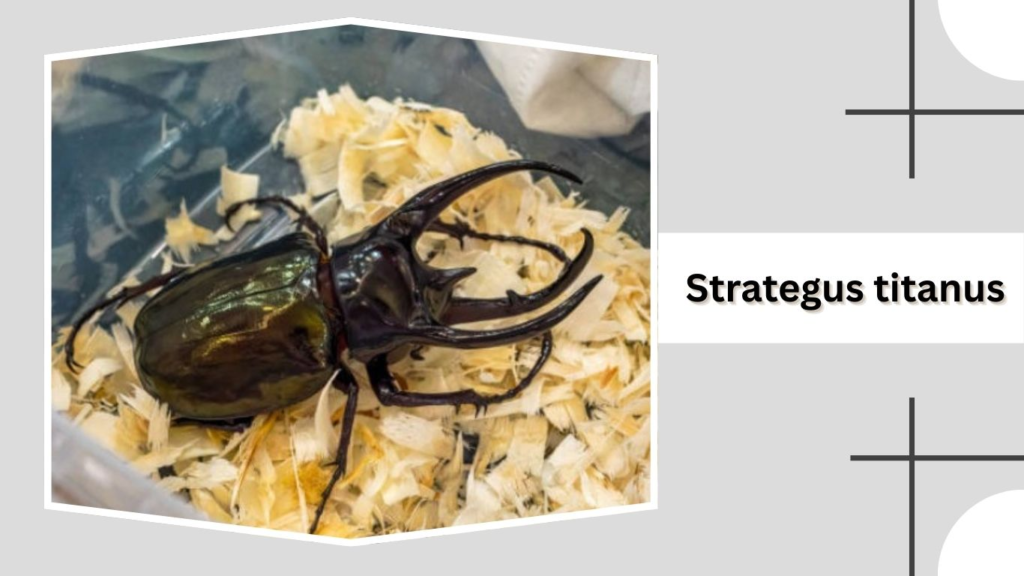
Strategus titanus is a large and powerful rhinoceros beetle species found in parts of Central and South America. It is known for its thick body and strong horn structure in males, which are used during intense mating competitions. This beetle is less commonly encountered but is admired for its impressive size.
Identification
- Large, robust-bodied beetle
- Body length typically 35–50 mm
- Males have a long central horn with two shorter side horns
- Dark brown to black coloration
- Females are smaller and lack horns
Habitat
This species inhabits tropical forests, forest edges, and agricultural landscapes. It prefers warm climates with loose soil and abundant organic matter for larval development.
Behaviors
Strategus titanus is primarily nocturnal and becomes active at night. Males use their horns to fight rivals for mating opportunities. During the day, adults usually hide under soil, logs, or plant debris.
Diet
Adult beetles feed on plant roots, stems, and decaying vegetation. Larvae develop underground and feed on organic matter and plant roots.
Life Cycle
The life cycle includes egg, larva, pupa, and adult stages. Larval development can last several months to over a year. Pupation occurs in soil chambers, and adults generally live for a few months.
FAQs
What is a rhinoceros beetle?
Rhinoceros beetles are large beetles belonging to the scarab family, known for the horn-like structures on the heads of males. These horns are used mainly for fighting rivals during mating. Despite their fierce appearance, most species are harmless to humans.
Are rhinoceros beetles dangerous to humans?
Rhinoceros beetles are not dangerous to humans. They do not bite or sting and are generally calm insects. Their horns are used only in battles with other beetles, not for attacking people.
What do rhinoceros beetles eat?
Adult rhinoceros beetles usually feed on tree sap, plant juices, and overripe or fermenting fruits. Their larvae live in soil or decaying wood and feed on organic matter, helping recycle nutrients in natural ecosystems.
Where are rhinoceros beetles commonly found?
Rhinoceros beetles are found worldwide, especially in tropical and subtropical regions. They live in forests, woodlands, plantations, gardens, and agricultural areas where decaying wood and organic matter are available.
How long do rhinoceros beetles live?
Rhinoceros beetles spend most of their life in the larval stage, which can last from several months to over two years. The adult stage is shorter, usually lasting a few months, mainly for feeding and reproduction.
