

Planthoppers are fascinating insects that can be found in various ecosystems, from forests to agricultural fields. Though they might look harmless with their unique wing shapes and vibrant colors, some planthopper species can be quite destructive to crops by feeding on plant sap and transmitting diseases. In this article, we explore 15 different types of planthoppers, highlighting their identification, behavior, and ecological roles.
1. Sharp-nosed Planthopper (Acanalonia conica)
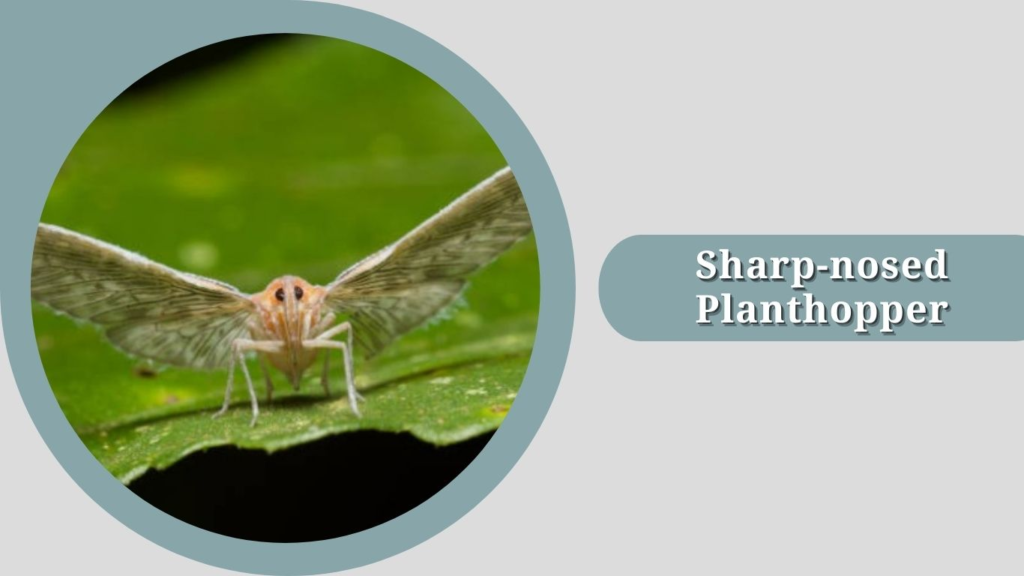
The Sharp-nosed Planthopper, scientifically known as Acanalonia conica, is a distinctive species of planthopper recognized for its unique shape and feeding habits. These insects are often found in grasslands and agricultural fields, where they feed on the sap of plants, sometimes causing damage. Their sharp, conical projections make them stand out among other planthoppers.
Identification
- Shape: The Sharp-nosed Planthopper is characterized by a sharp, pointed projection extending from its head, resembling a cone or a spike.
- Color: Typically, this planthopper is green, which helps it blend in with plant foliage, although it can vary slightly in color depending on its environment.
- Size: It is small, generally measuring around 5-7 mm in length.
- Wings: The wings are translucent, with a faint green hue and a delicate structure that allows them to glide silently.
Behavior and Habitat
Sharp-nosed Planthoppers prefer areas with dense vegetation such as grasslands and agricultural fields. They tend to feed on a wide range of plants, particularly grasses and cereals. Their feeding habits can sometimes lead to minor damage to crops, especially in large numbers. These insects are known for their ability to blend into their surroundings, making them difficult to spot.
Reproduction
The reproductive cycle of the Sharp-nosed Planthopper involves the laying of eggs on plant stems or leaves. The nymphs that hatch from the eggs are similar in appearance to adults, but they lack wings. As they mature, they develop wings and gain the ability to hop and fly short distances.
Ecological Role
This planthopper plays a role in the ecosystem by serving as prey for various predators, such as birds and other insects. However, its presence can also be indicative of certain plant health issues, as the feeding process may stress plants.
2. Rice Planthopper (Nilaparvata lugens)
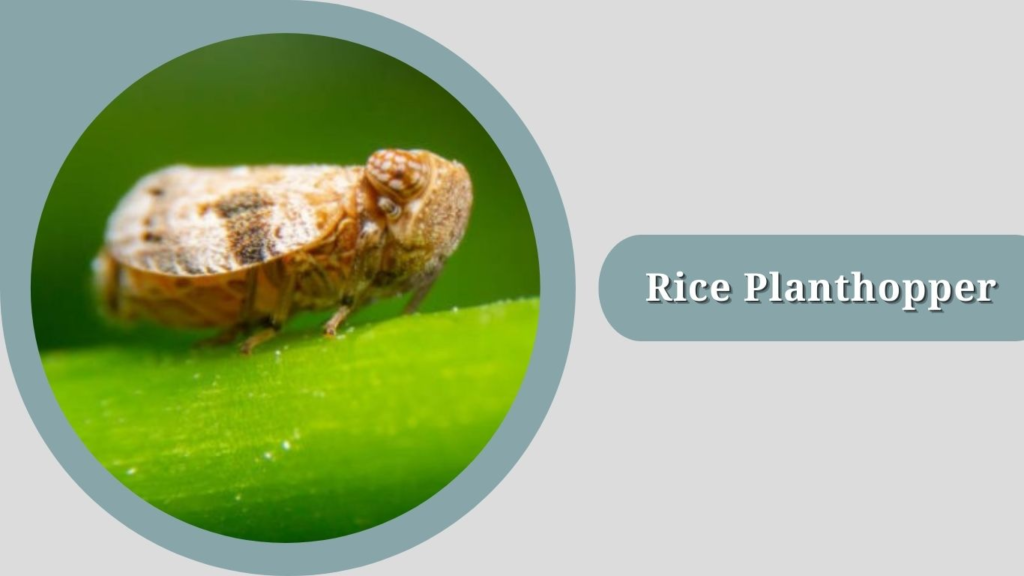
The Rice Planthopper, Nilaparvata lugens, is a significant pest in rice-growing regions, particularly in Asia. It is known for transmitting plant viruses and causing substantial damage to rice crops. These insects are notorious for their ability to reproduce rapidly and adapt to various environmental conditions, making them a challenge for rice farmers.
Identification
- Color: The body is typically pale green, but it can sometimes appear yellowish or brownish depending on the age of the insect.
- Size: Adult rice planthoppers measure about 4-5 mm in length.
- Shape: The insect has a small, slender body with wings that are slightly spread.
- Wings: The wings are delicate and translucent with a slight brownish tint on the edges, which is a distinguishing feature.
Behavior and Habitat
Rice planthoppers are typically found in rice paddies, where they feed on the sap of rice plants. They are particularly harmful to the rice plant’s vascular system, leading to stunted growth and yellowing of the leaves. In large numbers, they can lead to the collapse of rice crops. These insects are known for their migration patterns, often moving from one paddy to another.
Reproduction
The Rice Planthopper lays its eggs on rice stems, and the nymphs that hatch are initially wingless. Over time, they develop wings and mature into adults capable of reproducing. The reproductive cycle is highly prolific, which is one reason for their rapid population growth in infested areas.
Ecological Role
Although they are primarily known for their role as pests in agriculture, Rice Planthoppers are also an important food source for many predators in the rice ecosystem. Their presence can sometimes signal imbalances in the plant-health ecosystem, especially when their populations spike.
3. Brown Planthopper (Laodelphax striatella)
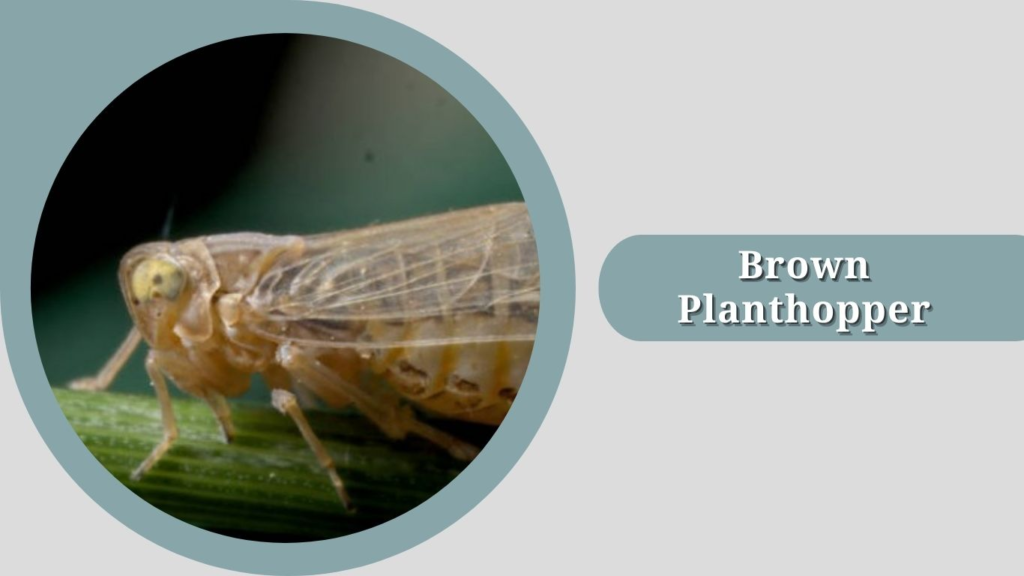
The Brown Planthopper, Laodelphax striatella, is another significant pest in agricultural areas, particularly in rice fields. Known for its ability to cause damage to rice crops, this insect feeds on the sap of rice plants and can transmit various plant pathogens, leading to reduced crop yields. It is considered a major pest in many parts of Asia and is often the subject of pest management studies.
Identification
- Color: As the name suggests, the Brown Planthopper is typically brown, with a slightly reddish hue that darkens towards the back of the body.
- Size: The adult measures approximately 4-5 mm in length.
- Shape: It has a flat, somewhat rounded body that tapers at the back.
- Wings: The wings are long and slightly pointed, with a dark edge, and they help the insect move from plant to plant efficiently.
Behavior and Habitat
The Brown Planthopper prefers wetland areas, particularly rice fields, where it can feed on the sap of rice plants. Infestations can lead to significant damage to crops, as the insect sucks sap from the plant, weakening it and making it more susceptible to disease. Like the Rice Planthopper, the Brown Planthopper can migrate between fields, contributing to its rapid spread.
Reproduction
The Brown Planthopper lays eggs on the stems of rice plants. After hatching, the nymphs develop wings and transition into adulthood, completing a full life cycle. This reproductive cycle can be very rapid, which makes managing its population in rice paddies a challenging task for farmers.
Ecological Role
While the Brown Planthopper is mostly viewed as a pest, it is also part of the food web, serving as prey for natural predators. Its population dynamics can provide insight into the health of rice crops and the surrounding ecosystem. However, large infestations can result in crop loss, impacting the local agriculture economy.
4. Green Planthopper (Cixidia pseudonigra)
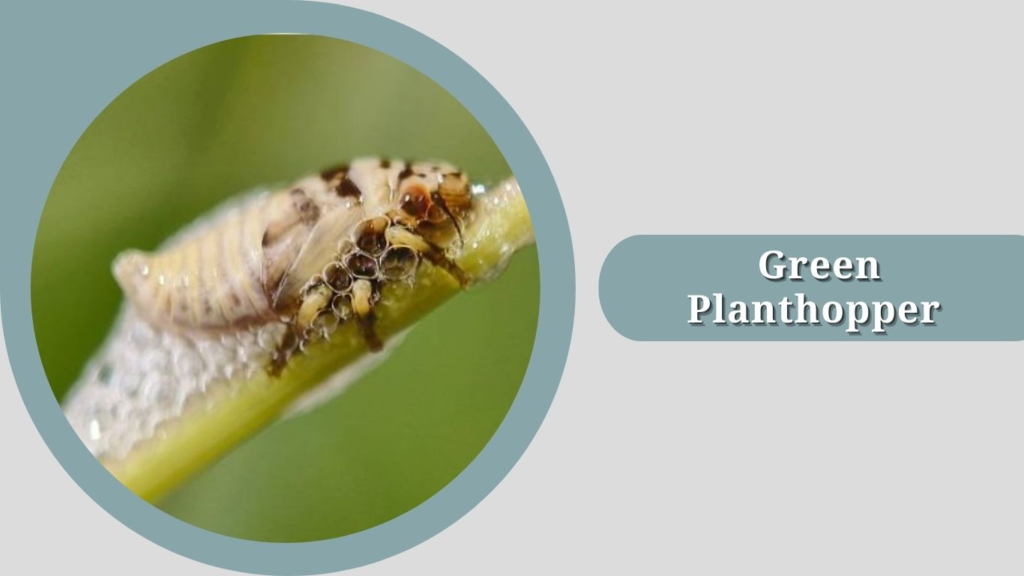
The Green Planthopper, Cixidia pseudonigra, is a lesser-known but important pest in certain agricultural ecosystems. Known for its feeding behavior on various crops, it can cause damage by depleting plant nutrients, leading to a decline in crop quality and growth. The Green Planthopper is often found in tropical and subtropical regions.
Identification
- Color: As the name implies, the Green Planthopper is predominantly green, with subtle variations in shade depending on the stage of life.
- Size: Adult insects typically measure around 5-7 mm in length.
- Shape: This planthopper has a slender body with slightly rounded wings that cover most of its body.
- Wings: The wings are translucent with faint greenish veins, giving them a delicate appearance.
Behavior and Habitat
The Green Planthopper is typically found in environments with abundant vegetation, such as fields, gardens, and orchards. Its feeding primarily targets the sap of various plants, weakening them over time. While it is not as devastating as some other planthoppers, it can still cause noticeable damage in areas where crops are grown intensively.
Reproduction
Similar to other planthoppers, the Green Planthopper lays its eggs on the surface of plant stems or leaves. The nymphs that hatch from these eggs resemble the adults but are smaller and lack wings. As they grow, they develop wings and mature into fully-fledged adults capable of reproduction.
Ecological Role
Although not as notorious as other planthopper species, the Green Planthopper plays a role in the local ecosystem by acting as prey for insectivorous animals. However, it can still present challenges for farmers, especially in crop monocultures, where the lack of biodiversity may lead to more concentrated pest populations.
5. White-backed Planthopper (Sogatella furcifera)
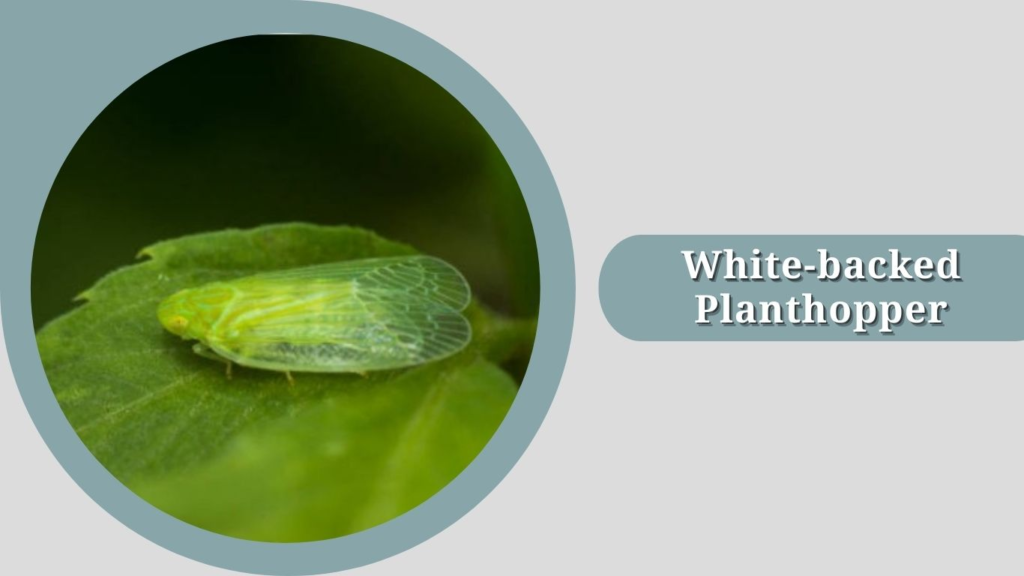
The White-backed Planthopper, Sogatella furcifera, is a major pest in rice cultivation, particularly in Southeast Asia. This insect is notorious for its ability to transmit plant diseases and cause significant damage to rice crops. It feeds on plant sap, weakening the plant and potentially leading to crop failure when present in large numbers.
Identification
- Color: The White-backed Planthopper is characterized by its pale, almost translucent white body with a distinct dark stripe running down its back.
- Size: Adults are typically about 3-4 mm long.
- Shape: It has a narrow, elongated body with wings that are held flat over the body.
- Wings: The wings are transparent with a slight golden tinge at the edges, which is a distinguishing feature.
Behavior and Habitat
The White-backed Planthopper thrives in rice paddies and other wetland environments. It feeds by piercing plant cells and sucking the sap from the rice plants, leading to reduced plant vigor. When the insect population grows too large, it can lead to widespread damage. The White-backed Planthopper also spreads various rice viruses, exacerbating its impact on crops.
Reproduction
The reproductive cycle of the White-backed Planthopper involves the female laying eggs in the plant tissue, often on the undersides of leaves. The nymphs that emerge from the eggs are initially wingless and resemble small, soft-bodied adults. They undergo several stages of development before maturing into winged adults.
Ecological Role
The White-backed Planthopper plays a role in the rice ecosystem, but it is primarily seen as a pest due to its destructive feeding habits and role in virus transmission. In its natural habitat, it serves as prey for various predators. However, its impact on agriculture is significant, especially in regions where rice farming is prevalent.
6. Fulgora laternaria
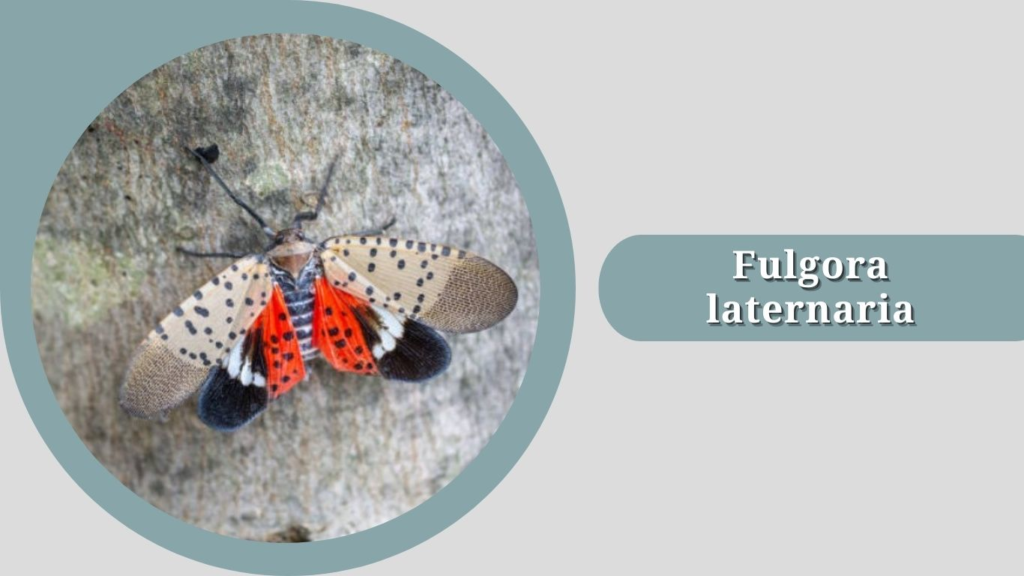
The Fulgora laternaria, commonly known as the Lanternfly or the Giant Planthopper, is an eye-catching insect native to Central and South America. Known for its large size and striking appearance, it is often recognized by its lantern-like protrusion on its head. Despite its fascinating appearance, it can be a pest in certain agricultural settings.
Identification
- Color: The body of the Lanternfly has a vibrant color pattern, usually yellow or orange with black markings.
- Size: This planthopper is large, with adults reaching about 5-7 cm in length.
- Shape: The insect has a bulky, oval body with a prominent, long, cone-shaped projection extending from the head, resembling a lantern.
- Wings: The wings are broad and veined, with a transparent section and a striking pattern, typically light brown or pale yellow.
Behavior and Habitat
The Lanternfly is typically found in tropical and subtropical environments, often living in forests or other areas with abundant vegetation. They feed on the sap of trees, particularly those in the genus Ficus. While they are not as destructive as some other planthoppers, they can weaken trees over time and make them more susceptible to diseases.
Reproduction
The Lanternfly lays its eggs in clusters on the bark of trees or other hard surfaces. The nymphs that hatch from these eggs are initially wingless and resemble small, soft-bodied versions of the adult. As they grow, they develop wings and transition into fully mature adults.
Ecological Role
The Fulgora laternaria is an important part of its ecosystem, as it serves as prey for various predators. Additionally, by feeding on tree sap, it plays a role in nutrient cycling. However, when found in large numbers, it can weaken trees and cause localized damage.
7. Red Planthopper (Acanalonia trilineata)
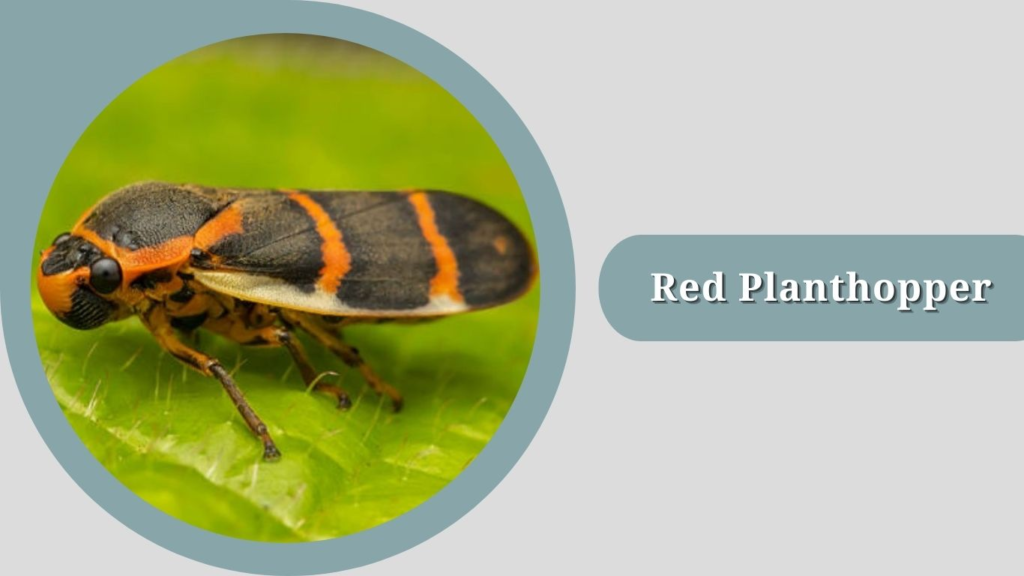
The Red Planthopper, Acanalonia trilineata, is a distinctive species found primarily in the Americas. Known for its bright red coloration and its hopping behavior, this insect feeds on a variety of plants and can sometimes be a nuisance in agricultural settings, although it is not as widely recognized as other planthoppers.
Identification
- Color: The Red Planthopper is notable for its vibrant red body, which makes it easy to identify.
- Size: It typically measures about 5-6 mm in length.
- Shape: The body is elongated and slightly tapered at the rear end.
- Wings: The wings are transparent with a faint reddish tint, extending past the body in a delicate manner.
Behavior and Habitat
Red Planthoppers are typically found in tropical and subtropical regions where they inhabit areas with dense vegetation such as forests, fields, and orchards. They feed by sucking sap from various plants, which can lead to stunted growth, yellowing, and leaf damage in susceptible species. While they are not as devastating as other pests, they can still affect plant health, particularly in monoculture settings.
Reproduction
The Red Planthopper lays eggs on the leaves or stems of plants, and the nymphs hatch after a short incubation period. These nymphs are initially wingless and resemble miniature adults. They mature by passing through several developmental stages before acquiring wings and becoming fully functional adults.
Ecological Role
The Red Planthopper plays a minor but important role in its ecosystem. While it is not as destructive as more aggressive plant pests, it serves as food for a variety of predators, including birds and other insects. Its presence in a habitat can indicate the health of the vegetation, as it tends to thrive in well-established areas with healthy plant growth.
8. Homalodisca vitripennis (Glassy-winged Sharpshooter)
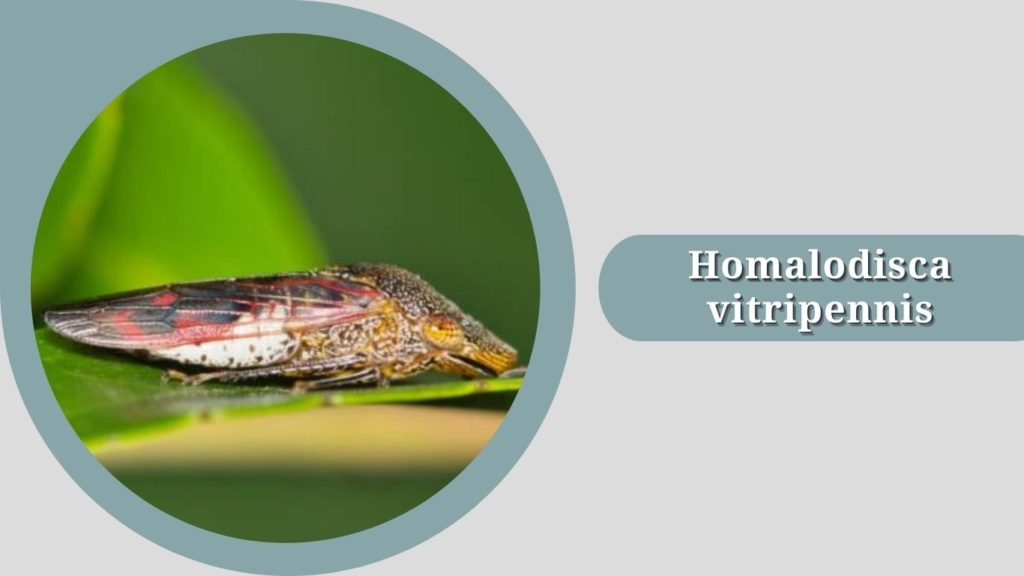
The Glassy-winged Sharpshooter, Homalodisca vitripennis, is a well-known planthopper native to the southern United States and parts of Mexico. This insect is notorious for its ability to transmit plant diseases, particularly Xylella fastidiosa, the bacterium responsible for Pierce’s disease in grapes. Its impact on agriculture makes it a significant pest in certain regions.
Identification
- Color: The body of the Glassy-winged Sharpshooter is dark with a characteristic light, almost transparent, “glass-like” wings that distinguish it from other planthoppers.
- Size: Adults are relatively large, measuring about 10-12 mm in length.
- Shape: The body is somewhat elongated and narrow, with wings held flat over the body when not in flight.
- Wings: The wings are clear with a slight milky or glassy appearance and have dark veins running through them, which give them a distinctive look.
Behavior and Habitat
The Glassy-winged Sharpshooter is commonly found in vineyards, orchards, and areas with abundant woody vegetation. It feeds on the xylem of plants, particularly grapevines, causing stress and stunted growth. Its ability to transmit plant pathogens makes it a serious threat to crops, particularly in regions where grape cultivation is prevalent.
Reproduction
Female Glassy-winged Sharpshooters lay their eggs in plant stems, and once the nymphs hatch, they begin feeding on the sap of the host plant. The nymphs go through several instars before maturing into adults, capable of both reproduction and further pathogen transmission.
Ecological Role
The Glassy-winged Sharpshooter plays a role in the ecosystem by serving as prey for various predators, such as birds and other insects. However, its tendency to transmit harmful plant pathogens makes it an economically significant pest. The spread of these diseases can lead to large-scale crop losses, particularly in the grape industry.
9. Stilt-legged Planthopper (Acanalonia acuta)
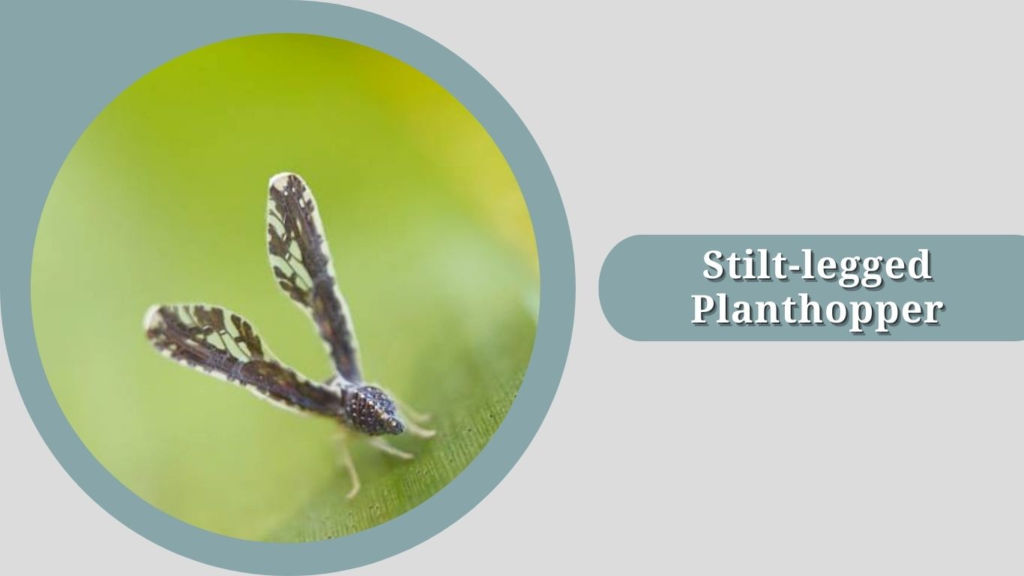
The Stilt-legged Planthopper, Acanalonia acuta, is a unique species of planthopper recognized for its long, slender legs that resemble stilts. Native to the Americas, it is typically found in a variety of habitats, from grasslands to agricultural areas. Despite its striking appearance, it is not a significant agricultural pest compared to some other planthoppers.
Identification
- Color: The body is typically green, but it can also exhibit brownish hues depending on environmental conditions.
- Size: The body length is around 4-5 mm, with notably long legs.
- Shape: The insect has a slender, elongated body with legs that extend much longer than its body, giving it a distinctive “stilted” appearance.
- Wings: The wings are translucent and veined, with a faint green tint.
Behavior and Habitat
The Stilt-legged Planthopper is typically found in tall grasses, shrubs, and occasionally in agricultural fields. It feeds on plant sap by piercing the plant’s vascular system. Though not particularly destructive, it can still cause some damage by weakening the plants over time. Its unique, elongated legs are useful for navigating dense vegetation and escaping predators.
Reproduction
Like other planthoppers, the Stilt-legged Planthopper lays its eggs on plant stems or leaves. The nymphs that hatch from these eggs resemble miniature adults but lack wings. Over time, they mature and develop wings as they transition into adulthood.
Ecological Role
The Stilt-legged Planthopper contributes to the food web as prey for insectivorous animals, though its impact on agriculture is generally minimal. Its feeding behavior can stress plants, but it is not considered a major pest in most environments. Nonetheless, its distinctive appearance makes it a fascinating subject for entomologists and nature enthusiasts.
10. Leafhopper Planthopper (Erythroneura spp.)
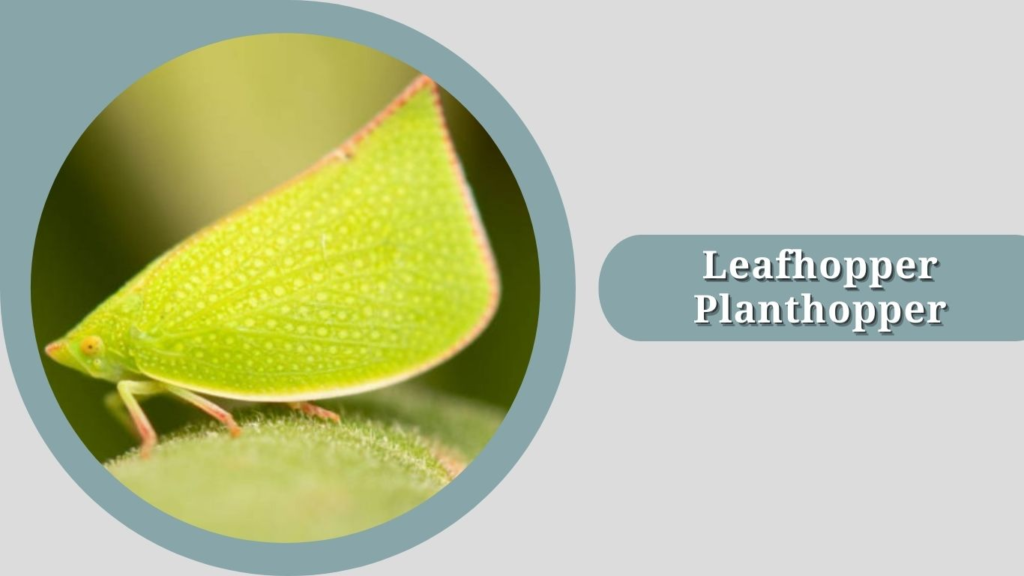
The Leafhopper Planthopper, belonging to the genus Erythroneura, is a small but widespread species found in various ecosystems, particularly in gardens, vineyards, and orchards. Though not as well-known as other planthoppers, this insect can still cause damage to plants by feeding on their sap and transmitting diseases.
Identification
- Color: Typically green, with variations that may include red or yellow markings depending on the species.
- Size: The Leafhopper Planthopper is small, measuring around 3-4 mm in length.
- Shape: The body is somewhat cylindrical, and the insect has a distinctive flat appearance when viewed from the side.
- Wings: The wings are clear, with delicate veins running through them, making the insect almost transparent at a distance.
Behavior and Habitat
Leafhopper Planthoppers are commonly found on a variety of plants, particularly on the undersides of leaves where they feed by sucking sap. Although they are small, their feeding can cause wilting, yellowing, and stunted growth in susceptible plants. They are especially common in vineyards, where they can damage grapevines and spread plant pathogens.
Reproduction
The Leafhopper Planthopper lays its eggs on the leaves or stems of plants. After hatching, the nymphs are initially wingless and resemble tiny adults. As they develop, they gain wings and become capable of feeding on more plants and reproducing.
Ecological Role
Although considered a pest in agricultural settings, particularly in vineyards, the Leafhopper Planthopper serves an important role in its ecosystem by acting as prey for other insects and birds. Its presence can indicate the health of plants in a given area, especially in regions where it can transmit harmful viruses.
11. Coffee Planthopper (Antestia spp.)
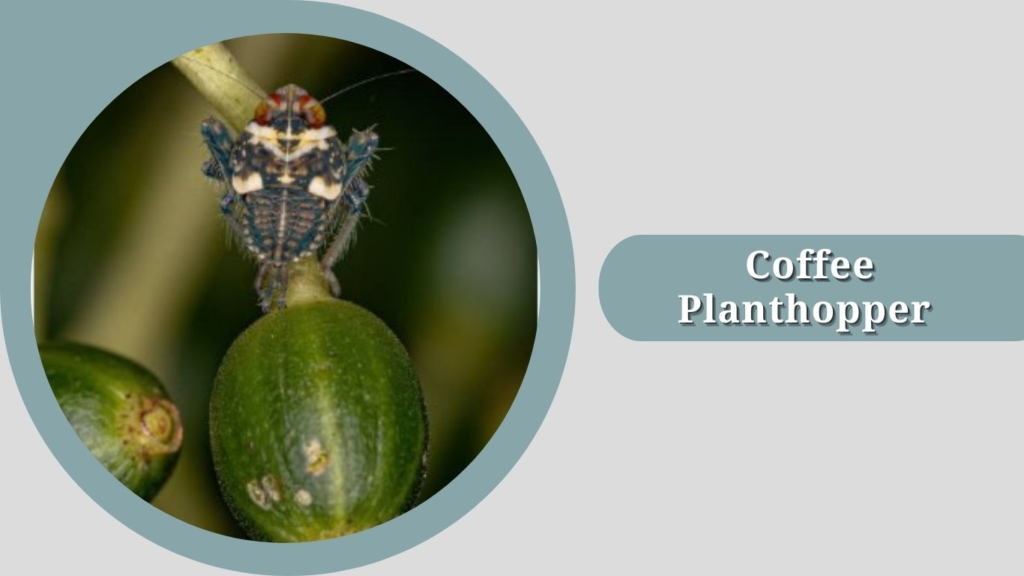
The Coffee Planthopper, Antestia spp., is a notable pest primarily found in coffee plantations. These insects are known for feeding on the sap of coffee plants, which can lead to a decline in the quality of coffee beans. While they are not the most destructive pest in coffee cultivation, their presence is still a concern for coffee farmers.
Identification
- Color: The body of the Coffee Planthopper is typically brown with a slightly reddish hue, blending well with the coffee plant’s leaves and branches.
- Size: The adult coffee planthopper measures around 4-6 mm in length.
- Shape: The body is small, oval, and flattened, with a subtle taper towards the rear.
- Wings: The wings are clear but may have a slight brownish tint, and they are held flat over the body.
Behavior and Habitat
The Coffee Planthopper is found in coffee plantations, where it feeds on the sap of coffee plants. Its feeding can weaken the plants, causing yellowing of leaves and potentially impacting the overall health of the crop. In large numbers, they can damage coffee trees, leading to decreased yields and quality.
Reproduction
The Coffee Planthopper lays its eggs on the stems or leaves of coffee plants. Once the eggs hatch, the nymphs feed on the plant’s sap and gradually grow into adults. The insects undergo several stages of development before becoming fully mature and capable of reproduction.
Ecological Role
While the Coffee Planthopper can cause damage to coffee crops, it also plays a role in the food web, providing prey for various insectivores and predators. In coffee-growing regions, monitoring its population is important for managing its impact on crop health.
12. Greenhouse Planthopper (Siphanta acuta)
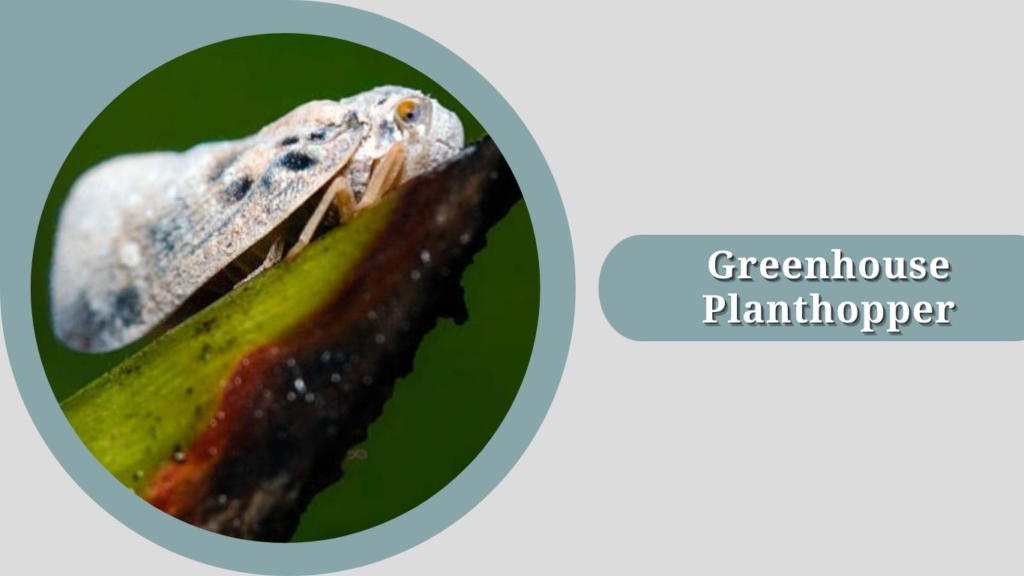
The Greenhouse Planthopper, Siphanta acuta, is a commonly encountered pest in greenhouse environments, where it can cause damage to a variety of plants. Although it is not as damaging as some other planthoppers, its ability to reproduce quickly in controlled environments makes it a pest to watch out for in greenhouses and indoor gardens.
Identification
- Color: The Greenhouse Planthopper is generally bright green, with slight variations in hue depending on the environmental conditions.
- Size: Adults are small, typically measuring 3-5 mm in length.
- Shape: The body has a somewhat rounded appearance with a smooth surface.
- Wings: The wings are transparent and slightly veined, giving them a delicate, translucent appearance.
Behavior and Habitat
The Greenhouse Planthopper is typically found in warm, humid environments, which makes greenhouses and indoor gardens ideal habitats. It feeds on the sap of a variety of plants, including ornamental and fruit-bearing species. While it is not as destructive as some other planthoppers, it can cause some weakening of the plant by feeding on the vascular system. In greenhouses, it can reproduce rapidly, leading to high population densities.
Reproduction
The Greenhouse Planthopper lays its eggs in the soft tissues of plants, and the nymphs that hatch from these eggs are small and wingless. As they mature, the nymphs develop wings and transition into adults. The lifecycle is relatively short, and this rapid reproduction can lead to an infestation if not controlled.
Ecological Role
Although not a significant pest outdoors, the Greenhouse Planthopper plays a role in the ecosystem within greenhouses. It is part of the food web, serving as prey for insectivorous creatures. However, it can be a nuisance in commercial plant production systems, and its presence is often monitored to prevent crop damage.
13. Tropical Planthopper (Fulgora laternaria)
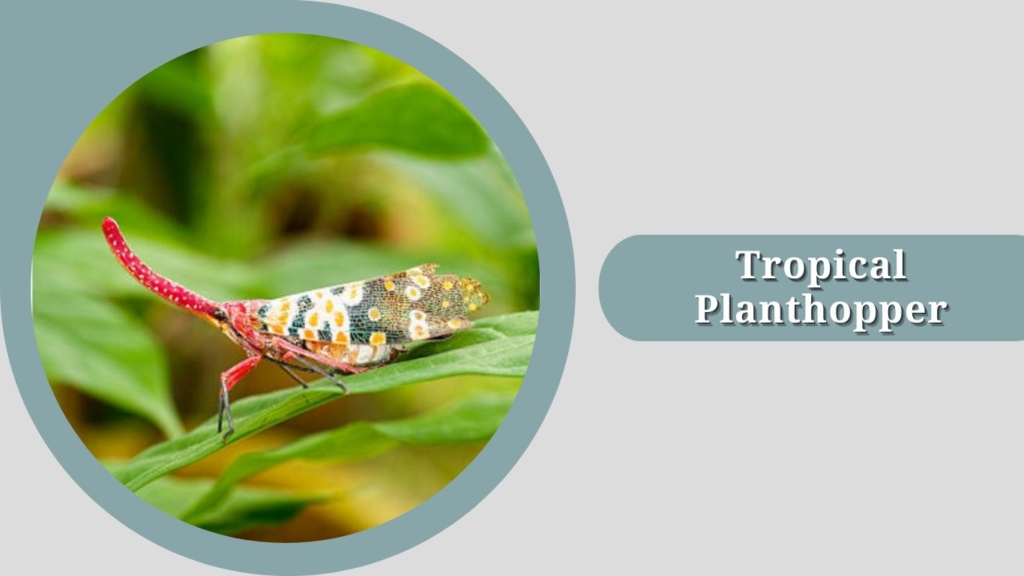
The Tropical Planthopper, Fulgora laternaria, also known as the Lanternfly, is a large and striking species native to tropical regions of Central and South America. Known for its distinctive lantern-like protrusion on its head, it is a fascinating insect that draws attention due to its unique appearance. While not considered a major agricultural pest, its presence in tropical environments can still affect plant health.
Identification
- Color: The Tropical Planthopper has vibrant color patterns, including yellow, orange, and brown, which help it blend with its environment.
- Size: It is a large planthopper, measuring approximately 5-7 cm in length.
- Shape: The insect has a bulky body with a large, conical protrusion extending from its head that resembles a lantern.
- Wings: The wings are broad and veined, with a translucent appearance, often displaying a pale yellow or brownish tint.
Behavior and Habitat
The Tropical Planthopper is typically found in tropical and subtropical forests, where it feeds on the sap of various plants, including trees and shrubs. While its feeding does not usually cause severe damage, large populations can weaken plants over time. It is most commonly seen in areas with abundant vegetation and is known for its ability to blend into its surroundings due to its coloration.
Reproduction
The Tropical Planthopper lays eggs in clusters on tree bark or other hard surfaces. The nymphs that hatch from these eggs are initially wingless and resemble smaller versions of the adult. As they grow, they develop wings and begin to feed and mature, completing their lifecycle.
Ecological Role
In its natural habitat, the Tropical Planthopper plays an important role in the ecosystem by contributing to the local food web. It serves as prey for a variety of predators, including birds and other insects. While it does not pose a significant threat to agriculture, its presence is an indicator of the health of tropical plant ecosystems.
14. Cotton Planthopper (Jadera haematoloma)
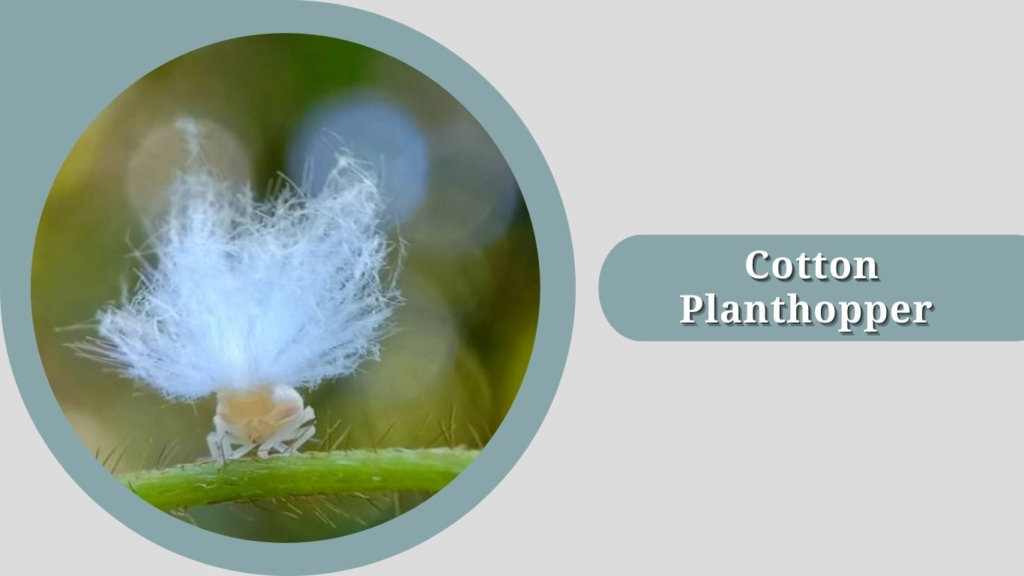
The Cotton Planthopper, Jadera haematoloma, is a species of planthopper typically found in cotton fields and other crops. Although not as widespread or notorious as some other planthoppers, it can still cause damage to cotton crops by feeding on the plant’s sap, weakening the plants over time. This insect is particularly notable for its striking coloration.
Identification
- Color: The Cotton Planthopper is bright red with black markings on its wings and body, giving it a distinctive appearance.
- Size: This planthopper measures about 4-6 mm in length.
- Shape: The body is somewhat oval and flattened, and it has a slightly tapered rear end.
- Wings: The wings are transparent with red and black markings, making it easy to identify.
Behavior and Habitat
The Cotton Planthopper is primarily found in cotton fields and other agricultural environments. It feeds by piercing the plant tissues and sucking sap, which can lead to weakened plants and reduced yields. While it is not typically as destructive as some other pests, it can still cause noticeable damage when present in large numbers, particularly in monoculture crops like cotton.
Reproduction
The Cotton Planthopper lays eggs on cotton plants and other host plants, and the nymphs that hatch are initially wingless. Over time, the nymphs mature, develop wings, and become capable of further feeding and reproduction. The cycle is relatively short, which can lead to multiple generations in a growing season.
Ecological Role
Though considered a pest in cotton cultivation, the Cotton Planthopper is part of the local ecosystem and serves as prey for various predators. Its feeding can indicate plant health issues, especially in crops that are stressed or overexploited. Farmers in affected areas often manage their population to prevent crop loss.
15. Rhododendron Planthopper (Graphocephala fennahi)
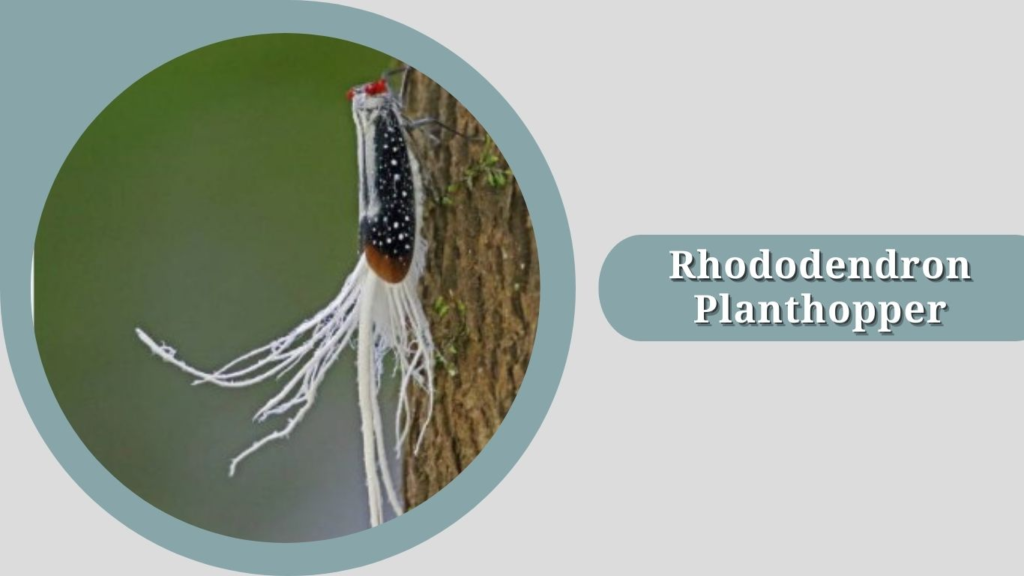
The Rhododendron Planthopper, Graphocephala fennahi, is a striking planthopper species commonly found in areas with rhododendron bushes. While it is not a major pest, it can cause localized damage to ornamental plants, particularly rhododendrons, by feeding on the sap and weakening the plant.
Identification
- Color: This planthopper is easily recognizable by its vibrant green body with blue markings, often giving it a jewel-like appearance.
- Size: The adult Rhododendron Planthopper measures around 4-5 mm in length.
- Shape: It has a slender, slightly flattened body with distinct markings.
- Wings: The wings are clear with a greenish tint, and they have dark veins that give them a net-like appearance.
Behavior and Habitat
The Rhododendron Planthopper prefers areas where rhododendron plants thrive, feeding on their sap. While it is not a significant agricultural pest, it can cause damage to ornamental plants by weakening them, making them more susceptible to other diseases and stress. It typically feeds on the undersides of leaves, making it difficult to spot unless carefully examined.
Reproduction
The Rhododendron Planthopper lays its eggs on the leaves or stems of rhododendrons. After hatching, the nymphs feed on the sap of the plant, gradually growing into adults with wings. The reproductive cycle is relatively short, allowing for multiple generations within a growing season.
Ecological Role
While it is not a major pest in agricultural systems, the Rhododendron Planthopper plays a role in the local ecosystem by acting as prey for other insects and birds. Its presence in ornamental gardens and rhododendron-rich environments can indicate the health of the plants, and managing its population is important for maintaining plant vitality.
FAQs
1. What are planthoppers and what do they do?
Planthoppers are small, jumping insects that feed on the sap of plants. They use their piercing-sucking mouthparts to extract sap from various plant species, which can cause damage like wilting, yellowing, or stunted growth. Some planthoppers also transmit plant pathogens, making them important pests in agriculture.
2. How do planthoppers affect crops?
Planthoppers damage crops by feeding on plant sap, weakening the plants and reducing their overall health. Some species also spread plant diseases, further affecting crop yields. In large numbers, they can cause significant crop loss, especially in monoculture farming environments.
3. Are all planthoppers harmful to plants?
While many planthoppers can be harmful to plants, especially in high numbers, not all species are significant pests. Some species are more of an aesthetic concern or cause minor damage, while others, like the Rice Planthopper or Glassy-winged Sharpshooter, can cause major damage to crops and transmit diseases.
4. How can you control planthopper infestations?
Controlling planthopper infestations typically involves integrated pest management (IPM) strategies. These may include using insecticides, introducing natural predators, and rotating crops to break the pest lifecycle. Monitoring plant health and addressing environmental factors that favor planthopper populations, like excessive humidity, can also help manage infestations.
5. What plants are most vulnerable to planthoppers?
Planthoppers are particularly harmful to crops like rice, cotton, and coffee, as well as ornamental plants like rhododendrons. They are attracted to plants with soft tissue that is easy to pierce with their mouthparts. In agricultural settings, monoculture crops are more susceptible to planthopper infestations due to the lack of plant diversity.
