

Orange and black spiders are some of the most eye-catching arachnids found in gardens, forests, fields, and around homes. Their bold colors often serve as warning signals to predators, while also making them easier for people to notice. These spiders include web builders, active hunters, and clever mimics, many of which are harmless and beneficial. Below are 16 common types of orange and black spiders, each with unique traits, behaviors, and habitats.
1. Black-and-Yellow Garden Spider
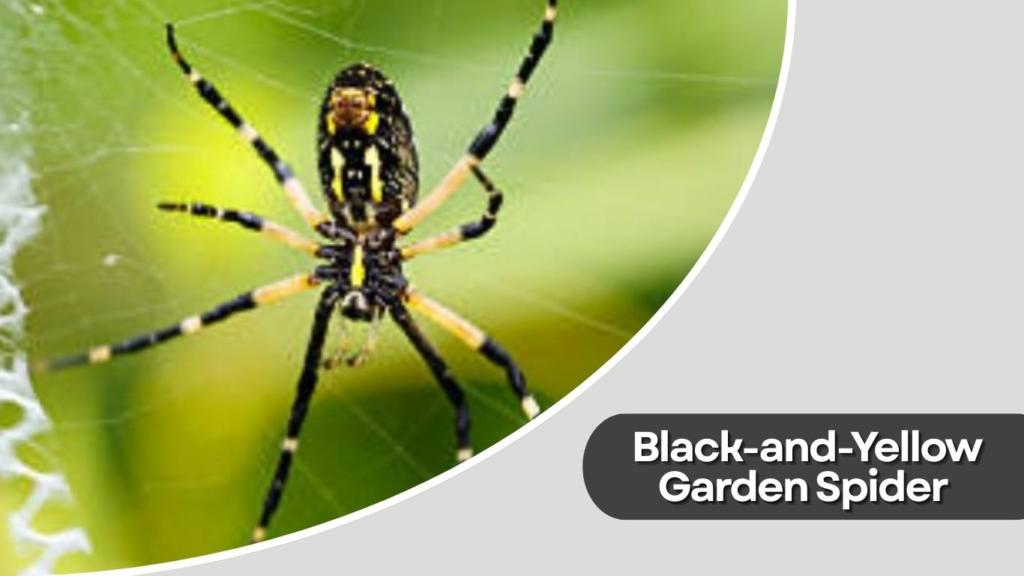
The black-and-yellow garden spider is one of the most recognizable orange-and-black spiders due to its bold coloring and large size. Often seen in late summer, it builds impressive orb-shaped webs and is harmless to humans despite its striking appearance.
Identification
- Black abdomen with bright yellow or orange markings
- Long legs with alternating dark and light bands
- Females much larger than males
- Large, circular orb web with a zigzag silk pattern
Habitat
This spider is commonly found in gardens, meadows, fields, and along forest edges. It prefers open, sunny areas where it can anchor its large web between plants or structures.
Behavior
Black-and-yellow garden spiders are mostly active during the day and typically sit at the center of their web. When threatened, they may vibrate the web rapidly or drop to the ground as a defense.
Diet
Their diet includes grasshoppers, flies, bees, wasps, and other large insects that become trapped in their strong, sticky webs.
Lifecycle
Females produce egg sacs in late summer or early fall, attaching them to nearby vegetation. Adults usually die after the first frost, while spiderlings overwinter inside the egg sac and emerge in spring.
2. Marbled Orb Weaver

The marbled orb weaver is a striking orange-and-black spider known for its rounded abdomen and bold, marbled patterns. Its coloration can range from bright orange to deep yellow with black markings, making it especially noticeable in autumn.
Identification
- Rounded abdomen with orange, yellow, and black marbled patterns
- Stocky body shape
- Legs often banded with light and dark colors
- Females significantly larger than males
Habitat
This spider is commonly found in gardens, woodlands, forest edges, and near buildings. It prefers areas with shrubs, trees, or tall plants where it can build large orb-shaped webs.
Behavior
Marbled orb weavers are mostly nocturnal. They usually hide nearby during the day and move to the center of their web at night. When disturbed, they may drop from the web or retreat into surrounding vegetation.
Diet
Their diet consists of flies, moths, beetles, and other flying insects that become caught in their sticky orb webs.
Lifecycle
Females lay egg sacs in late summer or fall, attaching them to protected surfaces such as leaves or bark. Adults typically die before winter, while eggs survive the cold and hatch the following spring.
3. Banded Garden Spider

The banded garden spider is a bold orange-and-black spider closely related to other large orb weavers. Its vivid banded coloration and large, decorative web make it easy to spot in open landscapes, especially during warm months.
Identification
- Orange, yellow, and black banded abdomen
- Long legs with alternating dark and light bands
- Females much larger than males
- Large orb-shaped web with a visible zigzag silk pattern
Habitat
This spider is commonly found in gardens, meadows, grasslands, and along fence lines. It prefers sunny, open areas where tall vegetation or structures can support its wide web.
Behavior
Banded garden spiders are typically active during the day and remain at the center of their web. When threatened, they may shake the web vigorously or drop to the ground to escape predators.
Diet
Their diet includes grasshoppers, flies, bees, wasps, and other large insects that become trapped in their strong, sticky webs.
Lifecycle
Females lay egg sacs in late summer or early fall, attaching them to nearby plants. Adults usually die with the onset of cold weather, while spiderlings overwinter in the egg sac and emerge in spring.
4. Orange Garden Spider
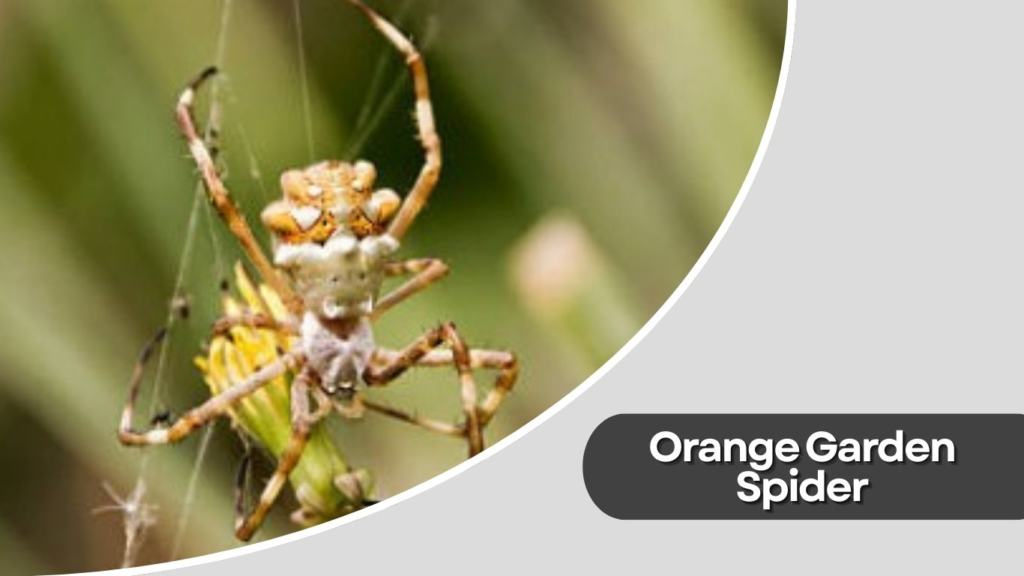
The orange garden spider is an eye-catching orb weaver known for its vivid orange and black coloration. Often seen in late summer and early fall, it builds large, symmetrical webs and is frequently mistaken for more dangerous spiders, despite being harmless to humans.
Identification
- Bright orange abdomen with black markings
- Long, slender legs often banded with dark and light colors
- Females significantly larger than males
- Large, circular orb-shaped web
Habitat
This spider is commonly found in gardens, fields, meadows, forest edges, and suburban yards. It prefers open areas with shrubs, tall plants, or structures that can support its web.
Behavior
Orange garden spiders are mostly diurnal and tend to sit at the center of their web during the day. When disturbed, they may vibrate the web rapidly or drop to the ground to avoid threats.
Diet
Their diet consists of flies, grasshoppers, bees, wasps, moths, and other flying insects captured in their sticky webs.
Lifecycle
Females produce egg sacs in late summer or early fall and attach them to nearby vegetation. Adults typically die after the first frost, while spiderlings overwinter in the egg sac and emerge in spring.
5. Spotted Orb Weaver
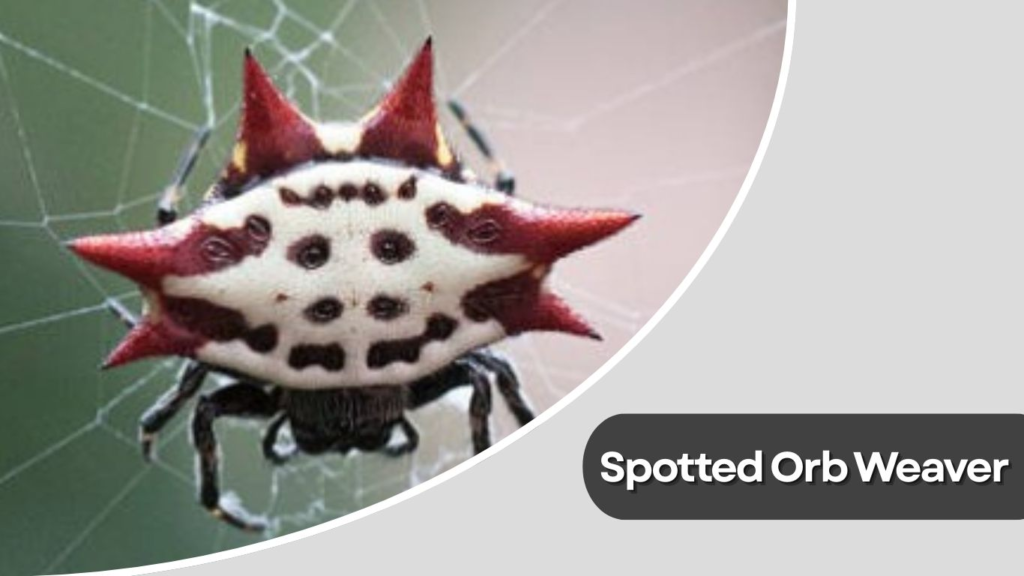
The spotted orb weaver is a common orange-and-black spider recognized for the dark spots scattered across its brightly colored abdomen. Its bold patterning and large web make it a frequent sight in gardens and around outdoor structures.
Identification
- Orange or yellow abdomen with distinct black spots
- Rounded body shape
- Legs often banded with dark and light colors
- Females larger and more noticeable than males
Habitat
This species is commonly found in gardens, backyards, forest edges, fences, and near buildings. It prefers open spaces where it can stretch its orb-shaped web between plants or structures.
Behavior
Spotted orb weavers are mostly nocturnal. They typically rebuild their webs in the evening and rest nearby during the day. When disturbed, they may drop from the web or retreat into nearby vegetation.
Diet
Their diet includes flies, moths, mosquitoes, beetles, and other flying insects that become trapped in their sticky webs.
Lifecycle
Females lay egg sacs in late summer or early fall, attaching them to leaves, bark, or sheltered surfaces. Adults usually die before winter, while spiderlings overwinter in the egg sac and emerge in spring.
6. Shamrock Orb Weaver
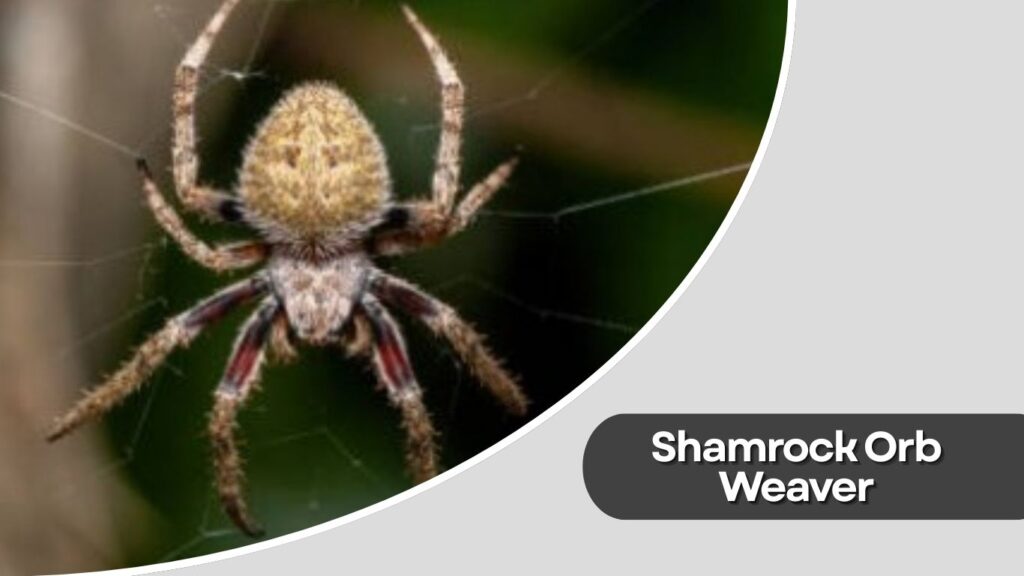
The shamrock orb weaver is a small but vividly colored orange-and-black spider best known for the clover-shaped markings on its abdomen. Its coloration can vary widely, but orange forms with dark markings are especially noticeable in late summer and fall.
Identification
- Orange abdomen with dark, shamrock-like markings
- Small to medium body size
- Rounded abdomen shape
- Females larger than males
Habitat
This spider is commonly found in gardens, woodlands, forest edges, and around buildings. It prefers areas with shrubs, trees, or tall vegetation where it can anchor its orb-shaped web.
Behavior
Shamrock orb weavers are mostly nocturnal. They typically hide during the day in curled leaves or nearby vegetation and move to the center of their web at night to hunt.
Diet
Their diet consists of flies, moths, beetles, mosquitoes, and other flying insects caught in their sticky orb webs.
Lifecycle
Females produce egg sacs in late summer or early fall and attach them to leaves or sheltered surfaces. Adults usually die before winter, while eggs overwinter and hatch in spring.
7. Barn Spider
The barn spider is a classic orange-and-black orb weaver often seen around buildings, fences, and barns, especially in late summer. Its bold coloration and large web make it highly visible, though it is completely harmless and beneficial.
Identification
- Orange to brown abdomen with black and pale markings
- Rounded, slightly elongated body
- Legs banded with dark and light colors
- Females significantly larger than males
Habitat
Barn spiders are commonly found on barns, sheds, fences, gardens, forest edges, and around outdoor lights. They prefer quiet areas where large orb-shaped webs can remain undisturbed.
Behavior
This species is mostly nocturnal. It typically rebuilds its web in the evening and rests nearby during the day. When threatened, it may drop from the web or hide in surrounding structures.
Diet
Their diet includes moths, flies, beetles, mosquitoes, and other flying insects trapped in their sticky webs.
Lifecycle
Females lay egg sacs in late summer or fall, attaching them to protected surfaces. Adults die before winter, while spiderlings overwinter in egg sacs and emerge in spring.
8. Cross Orb Weaver
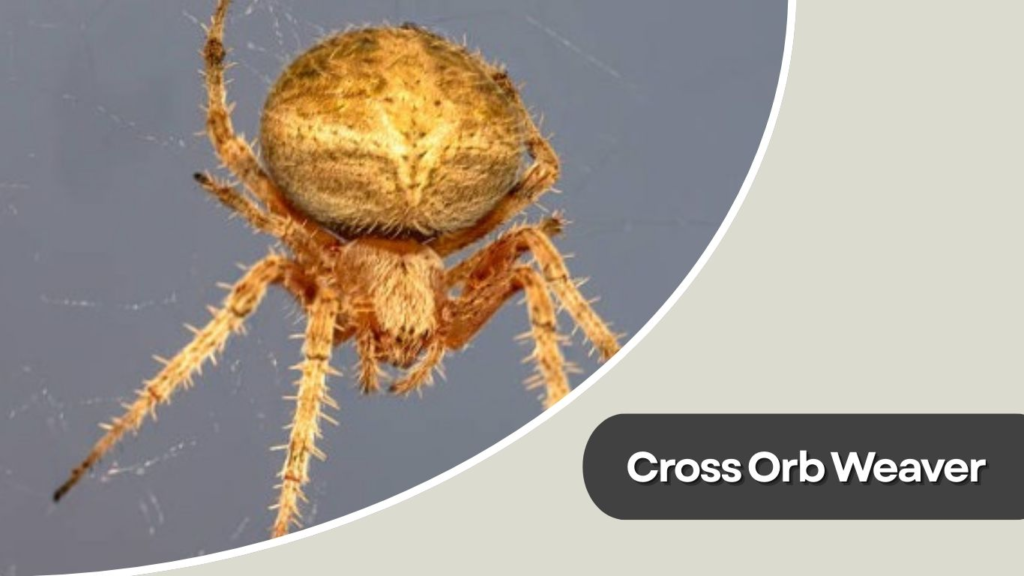
The cross orb weaver is a well-known orange-and-black spider recognized by the distinctive cross-shaped marking on its abdomen. Its coloration can range from bright orange to brown with dark accents, making it especially noticeable in gardens during late summer and fall.
Identification
- Orange or brown abdomen with a pale cross-shaped marking
- Rounded, bulky body
- Legs banded with light and dark colors
- Females much larger than males
Habitat
This spider is commonly found in gardens, yards, forest edges, parks, and around buildings. It prefers areas where it can anchor its large orb-shaped web between trees, shrubs, or man-made structures.
Behavior
Cross orb weavers are mostly nocturnal. They typically rebuild their webs in the evening and hide nearby during the day. When disturbed, they may drop from the web or retreat into surrounding vegetation.
Diet
Their diet includes flies, moths, mosquitoes, beetles, and other flying insects caught in their sticky webs.
Lifecycle
Females lay egg sacs in late summer or early fall, attaching them to leaves, bark, or sheltered areas. Adults usually die before winter, while eggs survive cold conditions and hatch in spring.
9. Cat-Faced Spider
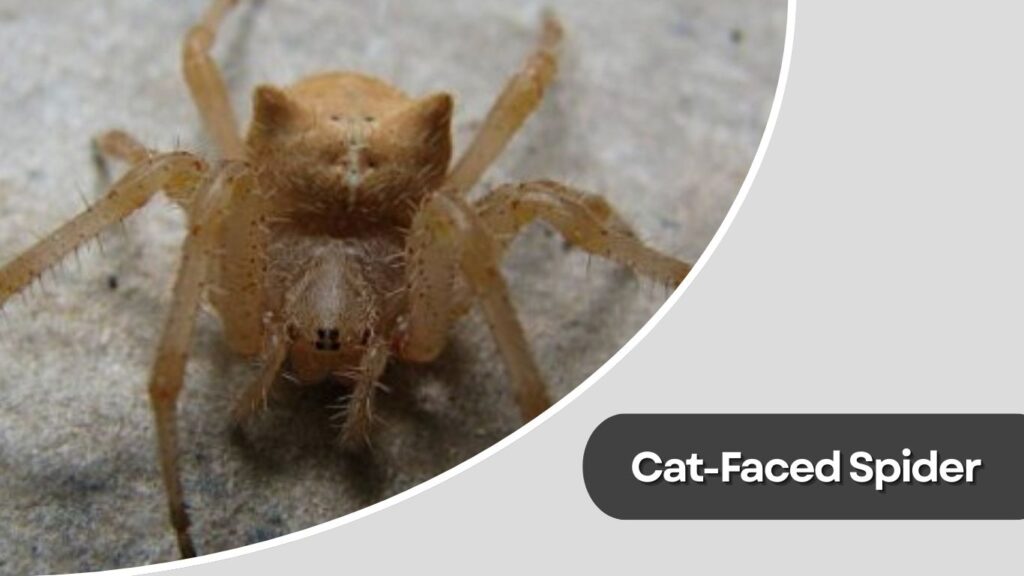
The cat-faced spider is a unique orange-and-black orb weaver named for the two horn-like bumps on its abdomen that resemble a cat’s face. Its unusual shape and autumn coloration make it a memorable sight in gardens and wooded areas.
Identification
- Orange, yellow, or brown abdomen with black markings
- Two distinct horn-like projections on the abdomen
- Rounded, bulky body
- Females much larger than males
Habitat
This spider is commonly found in gardens, woodlands, forest edges, parks, and around buildings. It prefers quiet locations where it can build large orb-shaped webs between trees, shrubs, or structures.
Behavior
Cat-faced spiders are mostly nocturnal. They rebuild their webs in the evening and hide nearby during the day. When threatened, they may drop from the web or remain motionless to avoid detection.
Diet
Their diet includes flies, moths, beetles, mosquitoes, and other flying insects captured in their sticky webs.
Lifecycle
Females lay egg sacs in late summer or fall, attaching them to protected surfaces such as leaves, bark, or buildings. Adults die before winter, while eggs overwinter and hatch in spring.
10. Pumpkin Spider
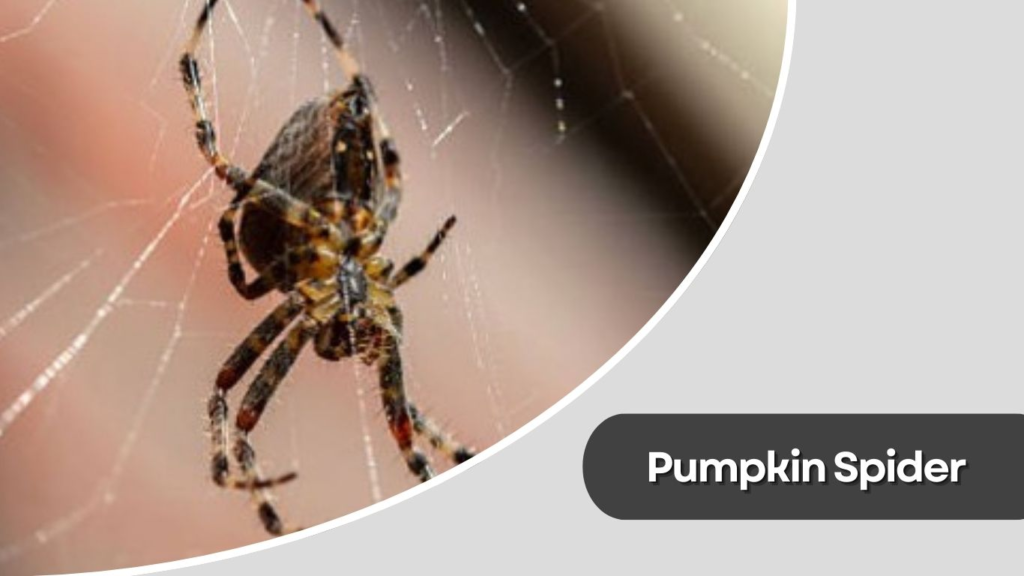
The pumpkin spider is a brightly colored orange-and-black orb weaver most commonly seen in autumn, when its pumpkin-like coloration becomes especially vivid. Its round body and seasonal appearance make it a familiar sight around gardens and wooded areas.
Identification
- Bright orange abdomen with black markings
- Rounded, pumpkin-like body shape
- Legs banded with dark and light colors
- Females much larger than males
Habitat
Pumpkin spiders are commonly found in gardens, forest edges, shrubs, parks, and near homes. They prefer areas where they can build large orb-shaped webs between branches, plants, or structures.
Behavior
This species is mostly nocturnal. It typically hides during the day and moves to the center of its web at night to catch prey. When disturbed, it may drop from the web or retreat into nearby vegetation.
Diet
Their diet consists of flies, moths, beetles, mosquitoes, and other flying insects that become trapped in their sticky webs.
Lifecycle
Females lay egg sacs in late summer or early fall, attaching them to leaves or sheltered surfaces. Adults usually die before winter, while eggs survive the cold and hatch in spring.
11. Red-Spotted Ant-Mimic Spider
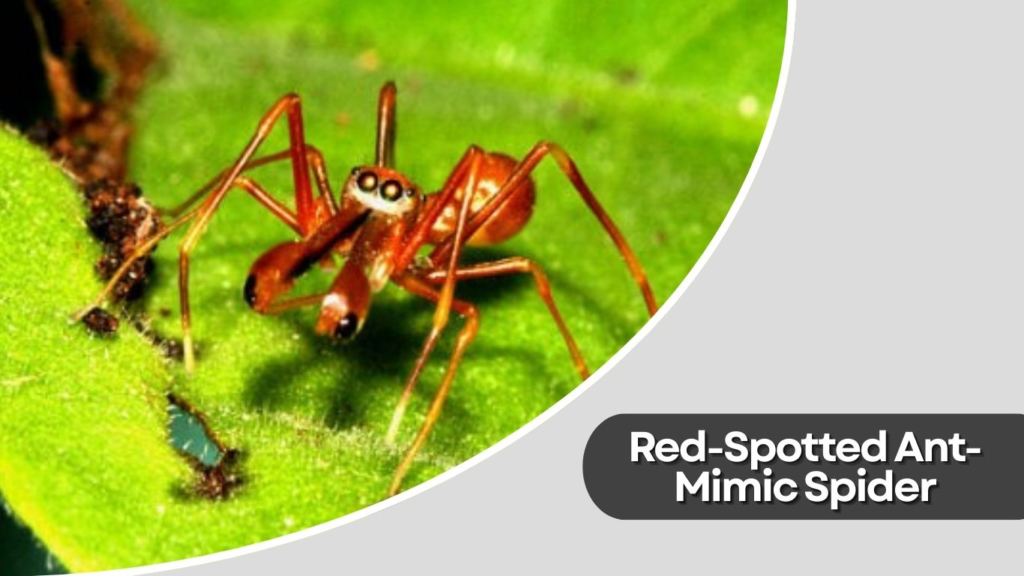
The red-spotted ant-mimic spider is a small but fascinating orange-and-black spider that closely resembles ants in both appearance and movement. This mimicry helps protect it from predators and allows it to move unnoticed among real ants.
Identification
- Slender black body with orange or red spots
- Narrow waist that mimics an ant’s body shape
- Long front legs often held like antennae
- Small overall size
Habitat
This spider is commonly found on the ground, tree bark, leaf litter, and low vegetation. It prefers areas where ants are abundant, such as gardens, forests, and woodland edges.
Behavior
Red-spotted ant-mimic spiders are active during the day. They walk in a jerky, ant-like manner and often mingle with ants. Instead of building webs, they rely on speed, mimicry, and stealth to survive.
Diet
Their diet includes small insects and sometimes ants or ant larvae. They hunt by quickly seizing prey rather than trapping it with silk.
Lifecycle
Females lay eggs in small silk retreats hidden under bark or debris. Spiderlings hatch and already display ant-like behavior, improving their chances of survival as they mature.
12. Golden Orb Weaver
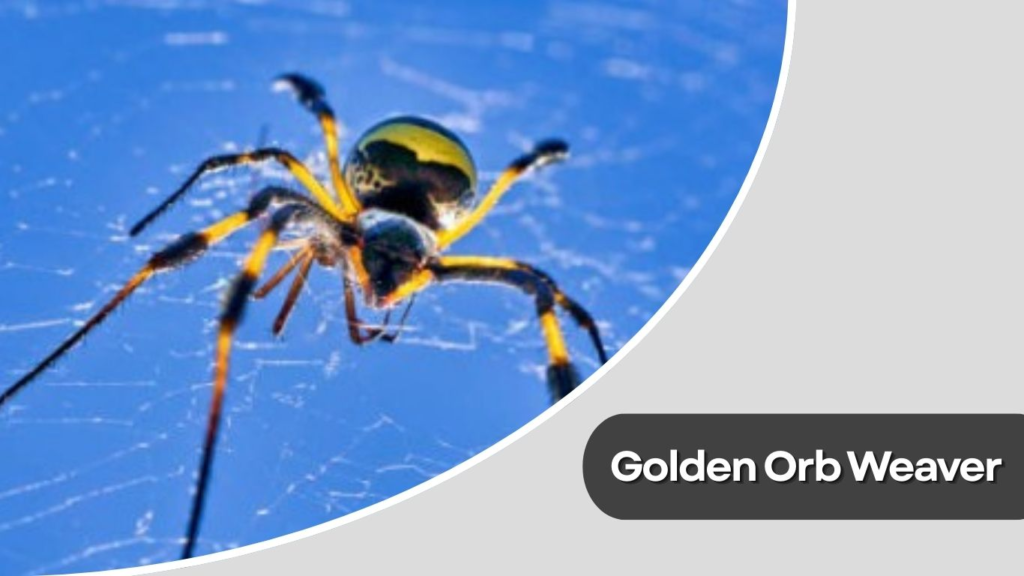
The golden orb weaver is a large, striking spider known for its orange-and-black body and the distinctive golden sheen of its web. Its impressive size and vivid coloring often draw attention, but it is generally calm and harmless to humans.
Identification
- Orange to golden abdomen with dark markings
- Very long legs, often with dark bands
- Females much larger than males
- Large orb-shaped web with a golden tint
Habitat
This spider is commonly found in forests, gardens, parks, and wooded edges. It prefers warm areas with trees or tall vegetation that can support its massive webs.
Behavior
Golden orb weavers are mostly nocturnal and remain in or near their webs for long periods. They are non-aggressive and may retreat or stay still when disturbed.
Diet
Their diet includes flies, moths, beetles, grasshoppers, and other large flying insects trapped in their strong webs.
Lifecycle
Females lay egg sacs on nearby vegetation in late summer or fall. Adults typically die before winter, while eggs survive colder months and hatch in spring.
13. Tiger Wolf Spider
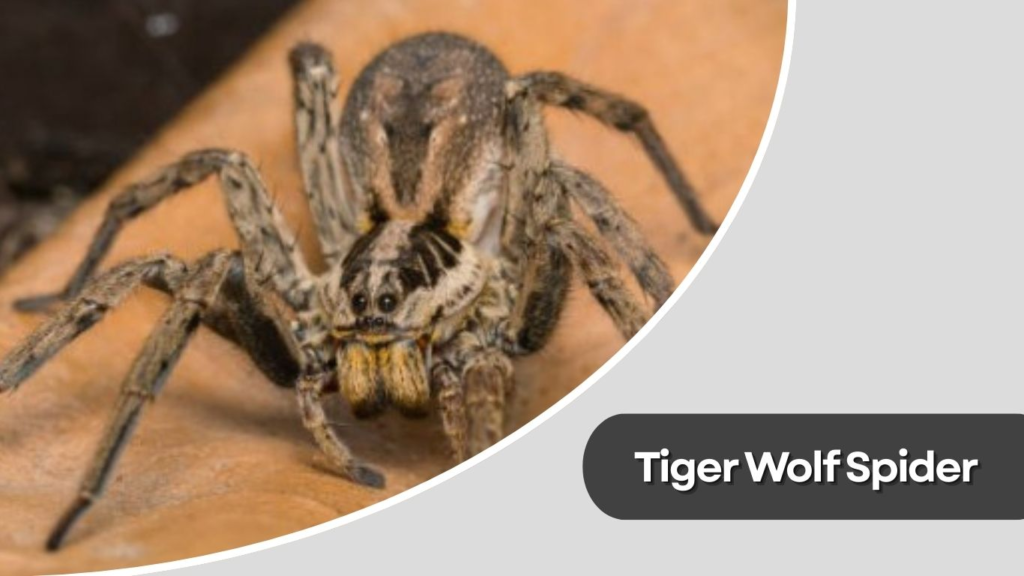
The tiger wolf spider is a fast-moving orange-and-black spider known for its striped, tiger-like pattern and ground-hunting lifestyle. Unlike orb weavers, it does not rely on webs to catch prey and is often seen actively running across the ground.
Identification
- Orange-brown body with dark black or brown stripes
- Robust, muscular build
- Long legs adapted for running
- Large eyes arranged in three rows
Habitat
This spider is commonly found on the ground in grasslands, gardens, forest floors, and open fields. It prefers dry to moderately moist areas with leaf litter or low vegetation for cover.
Behavior
Tiger wolf spiders are mostly nocturnal but may be active during the day. They are solitary hunters that rely on speed and good eyesight. When threatened, they typically flee rather than defend themselves.
Diet
Their diet includes insects such as ants, beetles, grasshoppers, and other spiders. They actively chase and overpower prey instead of trapping it.
Lifecycle
Females carry their egg sac attached to the abdomen and later carry spiderlings on their back after hatching. Spiderlings disperse after a short time and mature through several molts.
14. Orange Jumping Spider
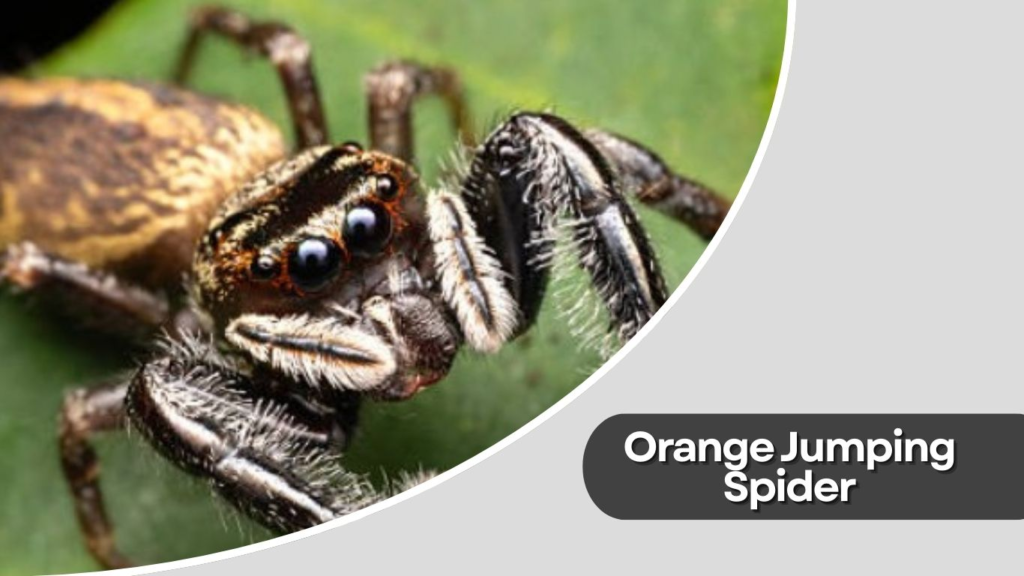
The orange jumping spider is a small, energetic spider recognized for its bright orange-and-black coloration and quick, agile movements. As a jumping spider, it relies on excellent vision and precise leaps rather than webs to capture prey.
Identification
- Bright orange body with black markings
- Compact, slightly fuzzy appearance
- Large forward-facing eyes
- Short, powerful legs adapted for jumping
Habitat
This spider is commonly found on leaves, shrubs, garden plants, fences, and walls. It prefers sunny areas where it can actively hunt during the day.
Behavior
Orange jumping spiders are diurnal and highly alert. They stalk prey carefully before making sudden, accurate jumps. They are curious spiders and often turn to face movement rather than flee immediately.
Diet
Their diet includes small insects such as flies, gnats, aphids, and tiny moths. They may also prey on other small spiders.
Lifecycle
Females lay eggs in silk retreats hidden under leaves, bark, or crevices. Spiderlings hatch and remain briefly in the shelter before dispersing and maturing through several molts.
15. Bold Jumping Spider
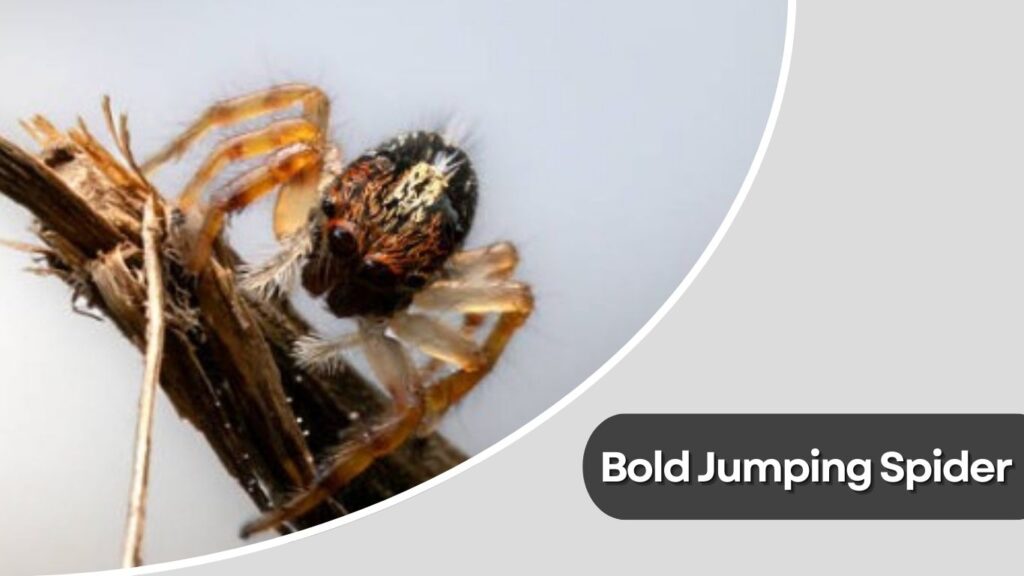
The bold jumping spider is a compact, energetic spider often recognized by its black body with bright orange markings. Known for its excellent vision and curious behavior, it is one of the most commonly encountered jumping spiders and is harmless to humans.
Identification
- Black body with orange or red markings on the abdomen
- Compact, slightly fuzzy appearance
- Large forward-facing eyes
- Short, muscular legs built for jumping
Habitat
This spider is commonly found on walls, fences, tree trunks, garden plants, and inside buildings near windows. It prefers sunny areas where insects are active.
Behavior
Bold jumping spiders are diurnal and very alert. They actively stalk prey and leap with precision. They often pause to observe movement, giving them an inquisitive appearance.
Diet
Their diet includes flies, mosquitoes, moths, aphids, and other small insects, as well as occasional small spiders.
Lifecycle
Females lay eggs in silk retreats hidden in crevices or under bark. Spiderlings hatch and remain briefly in the retreat before dispersing and growing through multiple molts.
16. Woodlouse Spider
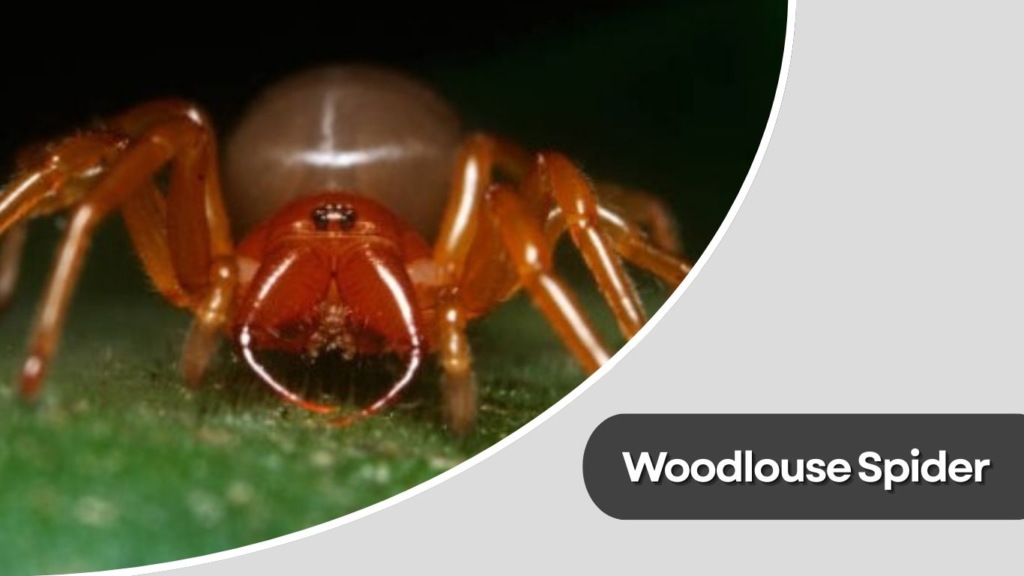
The woodlouse spider is a distinctive orange-and-black spider best known for its large jaws and preference for hunting woodlice. Its smooth body and powerful fangs give it a unique appearance compared to web-building spiders.
Identification
- Reddish-orange head and legs with a dark gray or black abdomen
- Smooth, shiny body
- Large, forward-facing fangs
- Medium-sized, sturdy build
Habitat
This species is commonly found under rocks, logs, leaf litter, and in damp basements or crawl spaces. It prefers dark, moist environments where woodlice are abundant.
Behavior
Woodlouse spiders are nocturnal hunters and do not build webs to catch prey. They rely on strength and strong jaws to overpower woodlice and other small invertebrates.
Diet
Their diet mainly consists of woodlice, along with insects and other small ground-dwelling arthropods.
Lifecycle
Females lay eggs in underground silk chambers and guard them until hatching. Spiderlings remain with the female for a short time before dispersing and maturing through several molts.
FAQs
1. Are orange and black spiders dangerous to humans?
Most orange and black spiders are harmless. While some can bite if threatened, their venom is generally mild and not medically significant.
2. Why do many spiders have orange and black colors?
These colors often act as warning signals to predators, making spiders appear more dangerous than they are and reducing the chance of attack.
3. Are orange and black spiders beneficial?
Yes, they help control populations of flies, mosquitoes, grasshoppers, and other insects, making them beneficial in gardens and natural ecosystems.
4. Where are orange and black spiders commonly found?
They are commonly found in gardens, meadows, forests, fields, and around buildings, especially where insects are abundant.
5. What should I do if I find one in my home or garden?
It’s best to leave them alone or gently relocate them outdoors. They are not aggressive and play an important role in pest control.
