
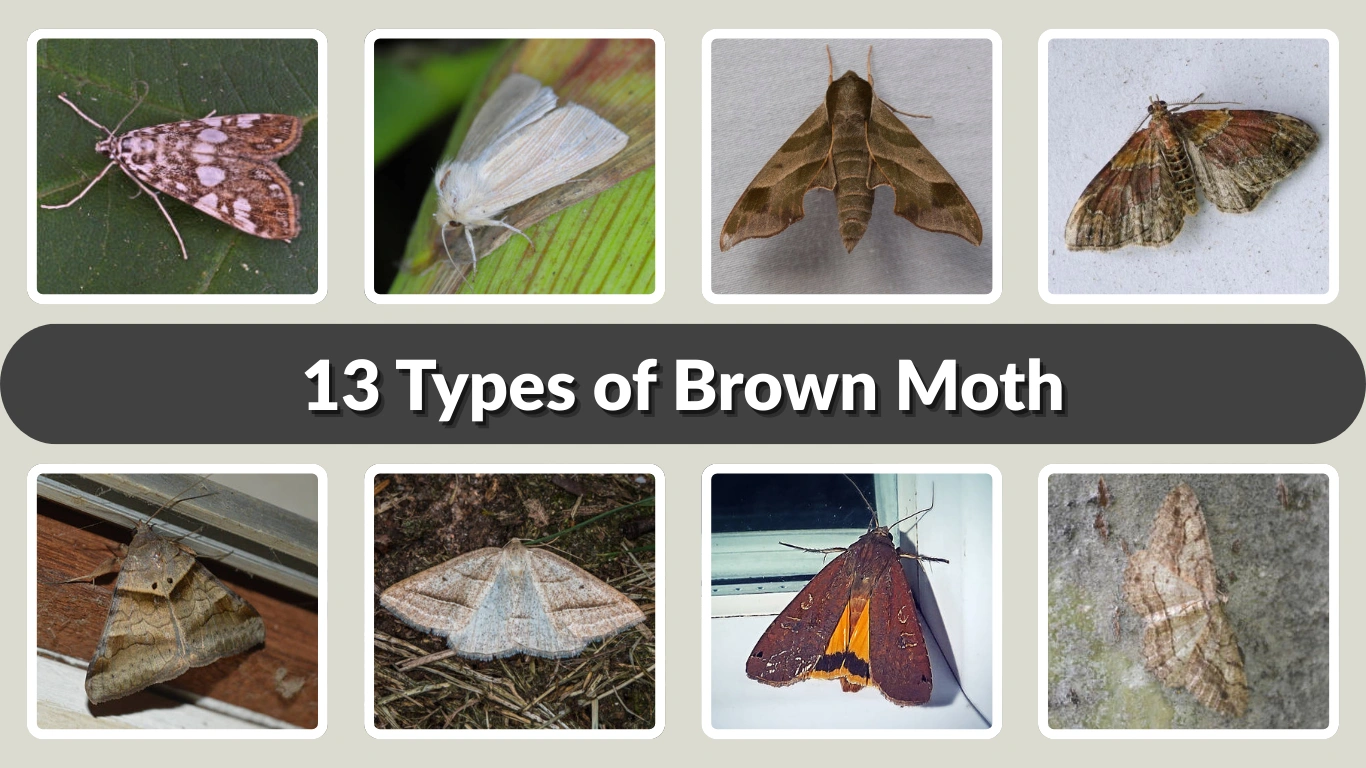
Brown moths are some of the most widespread and diverse moth species, ranging from tiny indoor pests to beautifully patterned woodland fliers. Their earthy tones help them blend seamlessly into bark, soil, and leaves, making them experts in camouflage. This guide highlights thirteen unique brown moth species, offering clear identification details, habitat insights, behaviors, and lifecycle notes to help you recognize and understand these subtle yet fascinating insects.
1. Brown House Moth

The Brown House Moth (Hofmannophila pseudospretella) is one of the most common indoor moths, frequently found in kitchens, pantries, and storage spaces. Its mottled brown appearance helps it blend into household environments, making infestations easy to overlook until damage occurs.
Identification
- Mottled brown wings with darker flecks
- Wingspan: 15–26 mm
- Stout body with golden-brown scales
- Larvae are creamy white with brown heads
- Pupae often hidden in cracks, crevices, or fabrics
Habitat
Brown House Moths thrive indoors, especially in areas with stored food, moisture, and organic debris. They are commonly found in pantries, cupboards, basements, attics, and textile storage areas.
Behaviors
These moths are nocturnal and often fly toward lights at night. Adults rest on walls and dark corners during the day, while larvae remain hidden as they feed. Infestations may grow quickly due to their broad feeding habits.
Diet and Lifecycle
Adults do not feed, but larvae feed on a wide variety of materials such as grains, cereals, flour, wool, feathers, and stored organic matter. Their lifecycle includes egg, larva, pupa, and adult, with multiple generations per year in warm indoor environments.
2. Brown Tail Moth
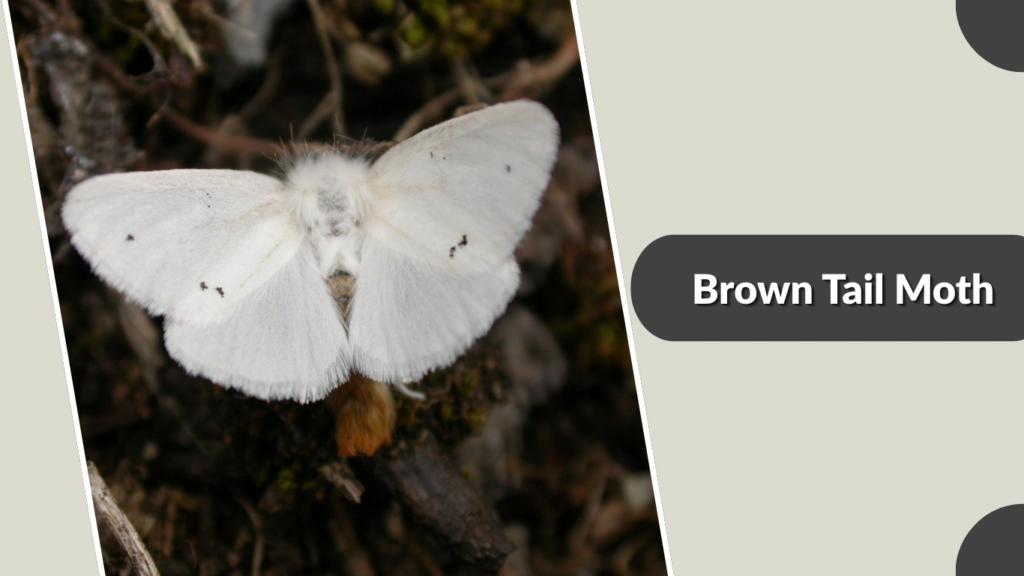
The Brown Tail Moth (Euproctis chrysorrhoea) is a distinctive brown-and-white moth known for its destructive caterpillars and their irritating hairs. Found across Europe and parts of North America, it often appears in coastal areas, woodlands, and gardens.
Identification
- White wings with a brown-tipped abdomen (“brown tail”)
- Wingspan: 30–40 mm
- Furry body with subtle brown markings
- Caterpillars are dark with white stripes and orange spots
- Larvae covered in irritating hairs
Habitat
Brown Tail Moths inhabit coastal regions, woodlands, gardens, and shrubs. They frequently gather on fruit trees, hedges, and broadleaf trees where their caterpillars feed heavily.
Behaviors
These moths are nocturnal and attracted to lights. Caterpillars form communal webs in trees, feeding in groups before dispersing. Their hairs can cause skin irritation and allergic reactions in humans.
Diet and Lifecycle
Adults do not feed. Caterpillars feed on oak, apple, cherry, hawthorn, and various shrubs. The lifecycle includes egg masses laid on leaves, larval feeding, overwintering in silk nests, pupation, and adult emergence. Typically, one generation occurs per year.
3. Brown Rustic Moth
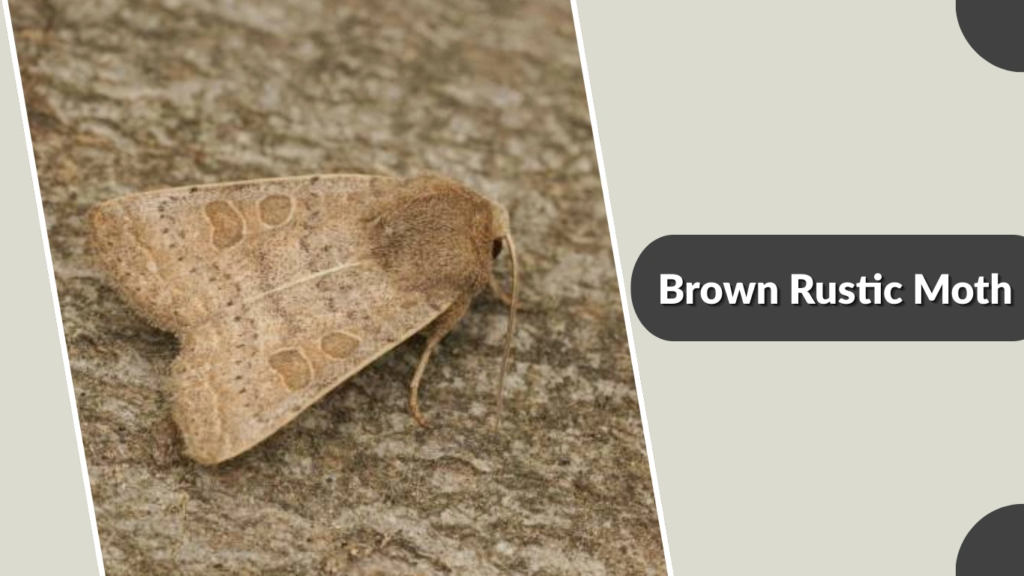
The Brown Rustic Moth (Rusina ferruginea) is a medium-sized, uniformly brown moth commonly found across Europe. Its rich, earthy coloration provides excellent camouflage against bark and leaf litter, making it a subtle but widespread species.
Identification
- Uniform warm brown wings with faint darker shading
- Wingspan: 28–36 mm
- Slender, smooth-bodied appearance
- Subtle kidney-shaped mark on forewings
- Caterpillars are brown or gray with fine striping
Habitat
Brown Rustic Moths inhabit woodlands, gardens, grasslands, and rural fields. They are especially common in areas with abundant herbaceous vegetation and shaded groundcover.
Behaviors
These nocturnal moths are strongly attracted to light and often appear in late summer. They rest low on vegetation or soil during the day, blending easily into their surroundings. Their flight is steady and low to the ground.
Diet and Lifecycle
Adults rarely feed. Caterpillars consume a wide range of low-growing plants such as dandelions, docks, and plantains. The lifecycle includes egg, larva (overwintering in soil), pupa, and adult, typically producing one generation per year.
4. Brown-Lined Looper Moth

The Brown-Lined Looper Moth (Neoalcis californiaria) is a slender, patterned moth recognized for the fine brown lines that mark its wings. Found mainly in North America, it frequents forested and shrubby areas where its larvae feed on a variety of vegetation.
Identification
- Light brown to tan wings with fine dark-brown crosslines
- Wingspan: 30–38 mm
- Forewings narrow with scalloped edges
- Resting posture flat with wings spread
- Caterpillars are looping inchworms, typically green or brown
Habitat
Brown-Lined Looper Moths inhabit deciduous forests, woodland edges, gardens, and shrubby clearings. They prefer shaded, humid environments with abundant undergrowth.
Behaviors
These moths are nocturnal and strongly attracted to light. Their flight is soft and fluttery, often close to vegetation. Caterpillars exhibit a classic “looping” motion and blend well with twigs and stems.
Diet and Lifecycle
Adults do not feed. Caterpillars consume leaves of various shrubs and trees, including alder, willow, and maple. The lifecycle includes egg, larva, pupa (in soil or leaf litter), and adult, producing one generation yearly.
5. Brown Plume Moth
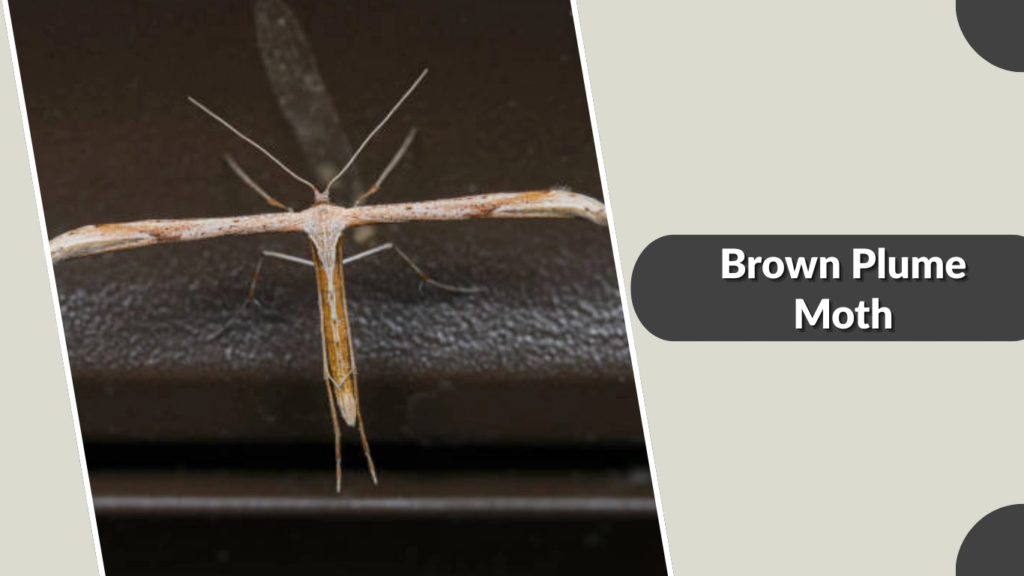
The Brown Plume Moth (Stenoptilia pterodactyla) is a delicate, slender moth known for its distinct T-shaped resting posture and feathery wings. Found in Europe and parts of Asia, it is often seen in grassy and shrubby environments.
Identification
- Brown, deeply divided “plume-like” wings
- Wingspan: 18–22 mm
- Thin, stick-like body
- Long legs and narrow resting posture forming a T shape
- Caterpillars are pale green or yellowish and feed inside plant tissues
Habitat
Brown Plume Moths inhabit meadows, grassy fields, hedgerows, and lightly wooded areas. They prefer sunny habitats with plenty of low-growing plants.
Behaviors
These moths are mostly nocturnal but may fly at dusk. They rest with wings rolled and extended, blending easily with twigs or stems. Adults flutter lightly above vegetation and are mildly attracted to lights.
Diet and Lifecycle
Adults seldom feed. Caterpillars feed within flower heads, stems, and leaves of plants such as plantain and other herbaceous species. The lifecycle includes egg, internal-feeding larva, pupa (within plant material), and adult, usually producing one generation yearly.
6. Large Yellow Underwing (Brown Morph)
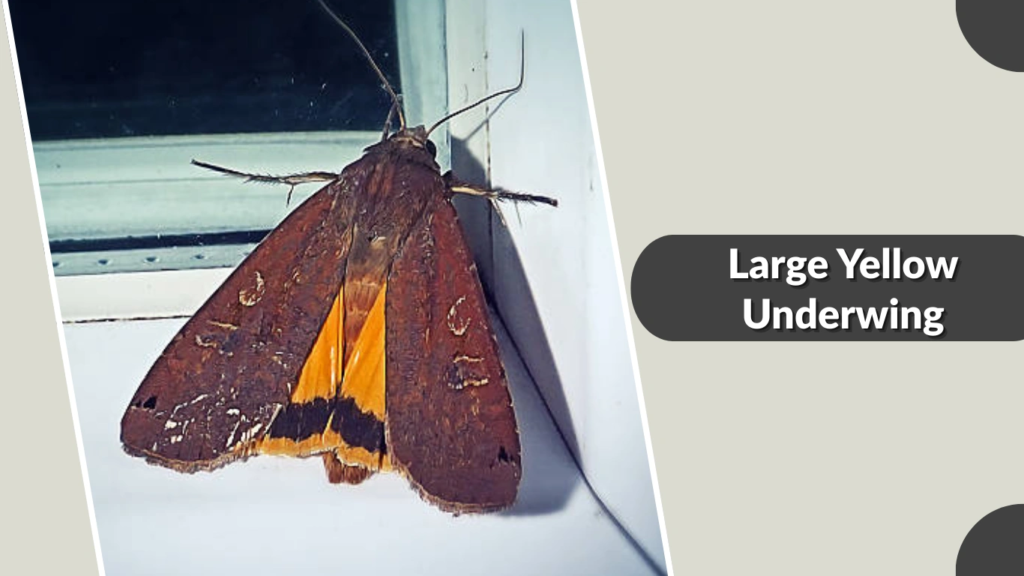
The Large Yellow Underwing (Noctua pronuba) is typically recognized for its bright yellow hindwings, but many individuals display a brown-dominant forewing morph. This brown form is common in gardens and fields, where the moth blends easily with soil and vegetation.
Identification
- Brown to dark tan forewings with mottled patterns
- Hidden hindwings bright yellow with a bold black band
- Wingspan: 50–60 mm
- Stout body with smooth scales
- Caterpillars (cutworms) are green or brown with faint stripes
Habitat
This species thrives in gardens, meadows, grasslands, forest edges, and urban areas. The brown morph is especially well-camouflaged in dry or earthy habitats.
Behaviors
Large Yellow Underwings are strong nocturnal fliers and highly attracted to lights. When disturbed, they flash their bright hindwings to scare predators, then quickly hide. Caterpillars feed at night and hide in soil during the day.
Diet and Lifecycle
Adults may sip nectar occasionally. Larvae feed on a wide range of grasses and garden plants, including clover, dandelions, and vegetables. The lifecycle includes egg, larva (overwintering), pupa in soil, and adult, generally producing one generation per year.
7. Brown Silver-line Moth
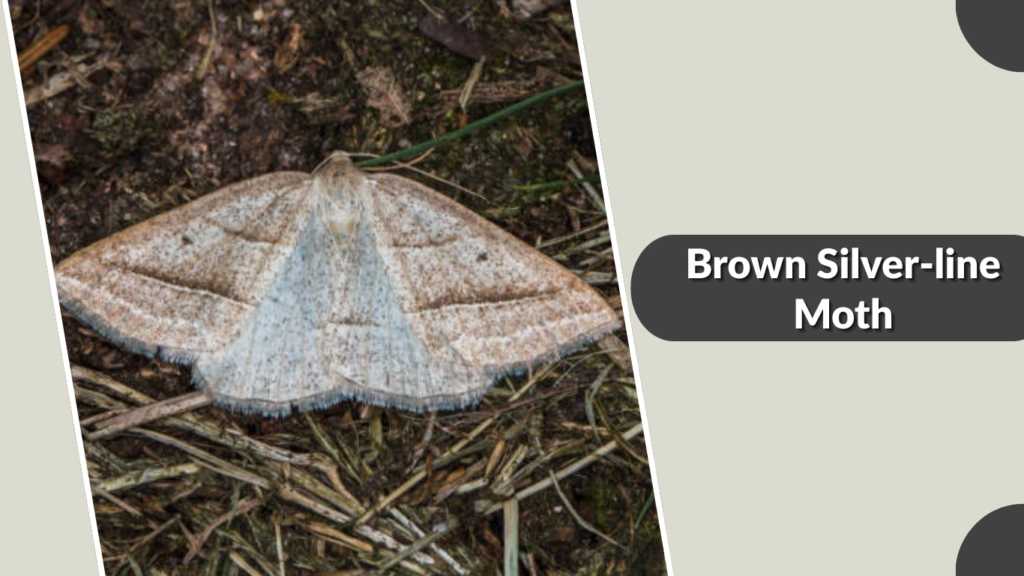
The Brown Silver-line Moth (Petrophora chlorosata) is a graceful moth with warm brown wings highlighted by a shiny, silver-white streak. Common across Europe and parts of Asia, it is typically encountered in heathland and woodland environments.
Identification
- Light to medium brown wings
- Distinct silvery-white line running across each forewing
- Wingspan: 28–32 mm
- Slender body with fine scales
- Caterpillars green or yellowish with subtle striping
Habitat
Brown Silver-line Moths inhabit heathlands, woodland clearings, moorlands, and shrubby areas. They prefer places where bracken (their primary larval food plant) grows abundantly.
Behaviors
These moths are mostly nocturnal but may also be flushed during the day. Their flight is light and fluttery, and they are modestly attracted to lights. Adults rest low in vegetation, blending into their surroundings.
Diet and Lifecycle
Adults do not feed. Caterpillars feed primarily on bracken, hiding among fronds during the day. The lifecycle includes egg, larva, pupa (in soil or debris), and adult, generally producing one generation per year.
8. Brown Shield Moth
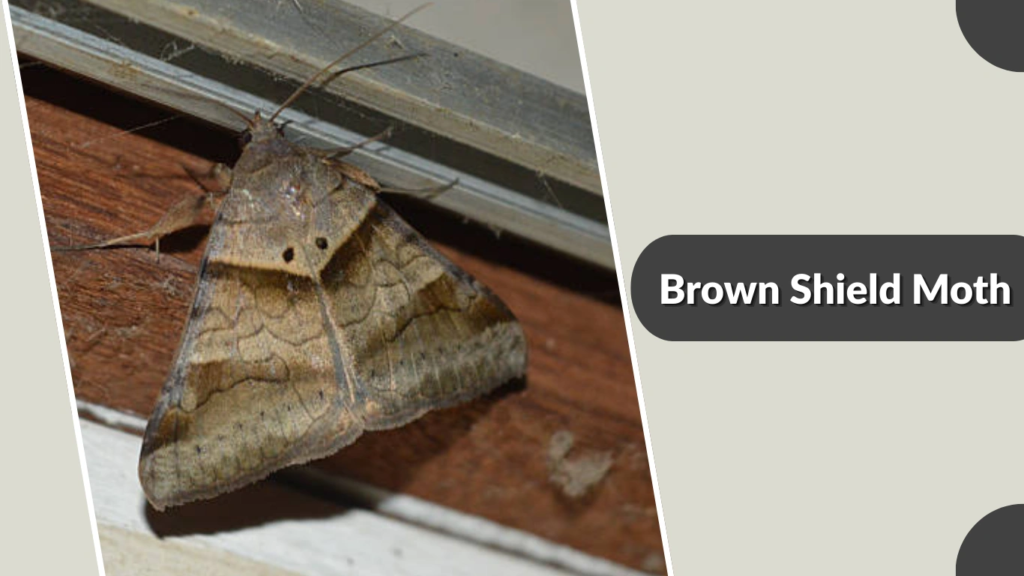
The Brown Shield Moth (Diathrausta harlequinalis) is a small but distinctive moth known for the shield-like dark patches on its wings. It is commonly found in warm regions of North and Central America, especially around grassy or weedy areas.
Identification
- Light brown to tan wings
- Dark brown, shield-shaped patches on the forewings
- Wingspan: 15–20 mm
- Delicate, slender body
- Caterpillars are small, greenish, and feed on low plants
Habitat
Brown Shield Moths inhabit meadows, fields, roadsides, gardens, and woodland edges. They prefer sunny, warm environments with abundant herbaceous plants.
Behaviors
These moths are nocturnal and readily attracted to lights. They fly quickly and erratically, often staying close to ground vegetation. Adults appear mainly in late spring through summer.
Diet and Lifecycle
Adults do not feed. Caterpillars consume a variety of low-growing plants, often feeding within protected leaf folds. The lifecycle includes egg, larva, pupa (within leaf litter), and adult, producing multiple generations per year in warm climates.
9. Brown Carpet Moth
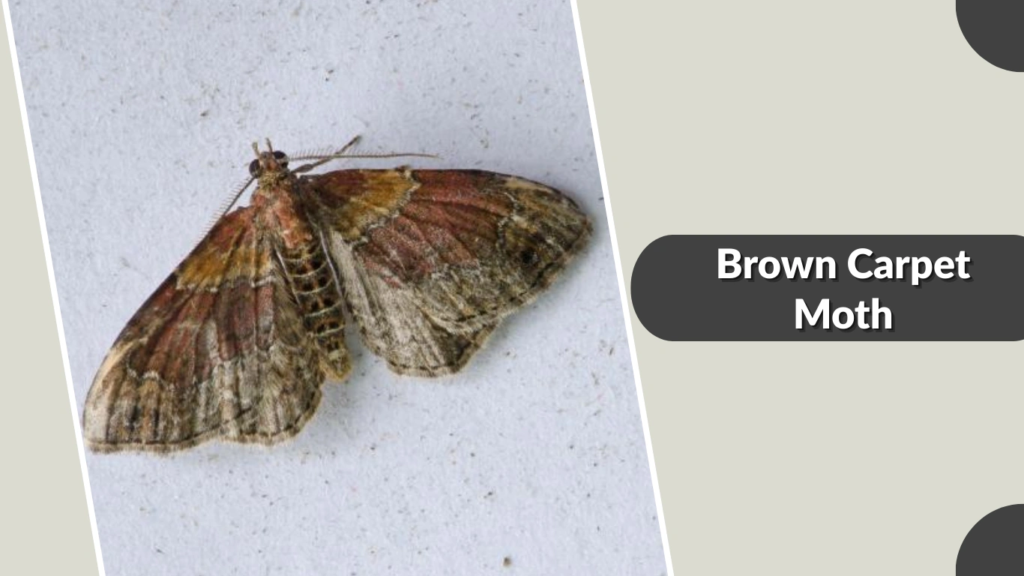
The Brown Carpet Moth (Ligdia adustata) is a beautifully patterned moth with warm brown shades and contrasting pale bands. Common throughout Europe and parts of Asia, it prefers woodland edges and areas rich in shrubs.
Identification
- Warm brown wings with creamy or pale yellow crossbands
- Forewings show fine dark speckles and curved lines
- Wingspan: 24–28 mm
- Slender body with intricate wing markings
- Caterpillars are green or brown with fine striping
Habitat
Brown Carpet Moths inhabit woodland borders, gardens, hedgerows, and shrubby clearings. They are especially common where spindle plants grow, as these are the primary food source for their larvae.
Behaviors
These moths are nocturnal and moderately attracted to lights. They rest on leaves and branches during the day, blending well with their surroundings. Adults are most active from late spring through early autumn.
Diet and Lifecycle
Adults do not feed. Caterpillars feed mostly on spindles (Euonymus) but may also use related shrubs. The lifecycle includes egg, larva, pupa (in soil or debris), and adult, usually with two generations per year in warmer regions.
10. Brown Creeper Moth
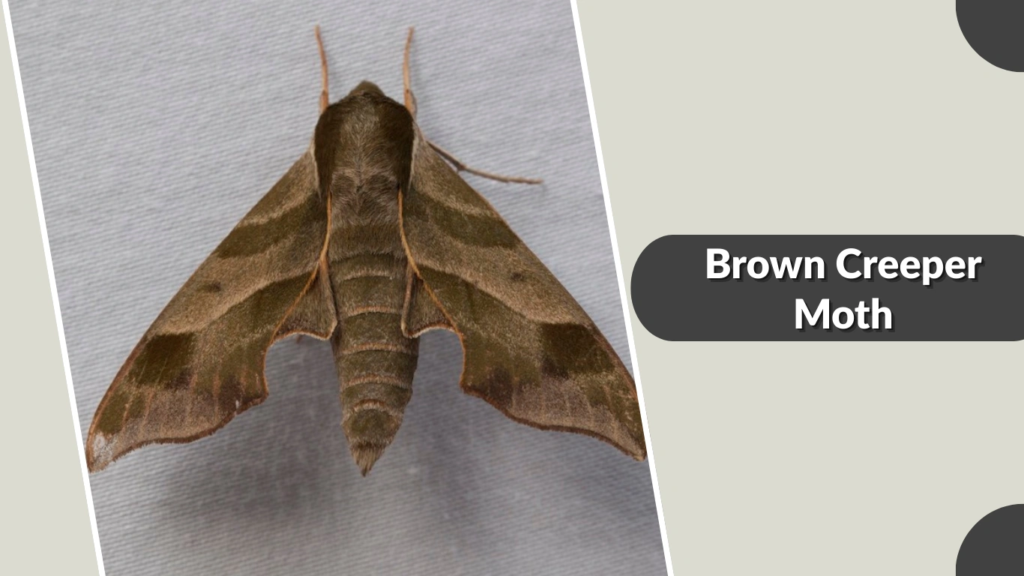
The Brown Creeper Moth (Selenodes karelica) is a small, subtly patterned moth known for its tree-bark camouflage and creeping, stealthy movements. Found mainly in Europe and parts of Asia, it thrives in forested environments.
Identification
- Brown, bark-like forewings with darker mottling
- Wingspan: 18–24 mm
- Slender body with narrow wings
- Resting posture flat against tree bark
- Caterpillars are greenish or brown with fine striping
Habitat
Brown Creeper Moths inhabit deciduous and mixed forests, woodland edges, and shaded areas with mature trees. They are commonly seen resting on trunks where their camouflage is highly effective.
Behaviors
These moths are nocturnal and come to lights but prefer staying hidden during the day. They often move slowly and cling tightly to bark, resembling small patches of lichen or debris. Adults fly from spring into late summer.
Diet and Lifecycle
Adults do not feed. Caterpillars consume leaves of various trees and shrubs, including birch, willow, and alder. The lifecycle includes egg, larva, pupa (often in bark crevices or soil), and adult, usually producing one generation per year.
11. Brown Wainscot Moth

The Brown Wainscot Moth (Arenostola phragmitidis) is a sleek, narrow-winged moth commonly found in wetland areas. Its smooth brown wings allow it to blend perfectly with reeds and grasses, making it well-adapted to marshy environments.
Identification
- Smooth, uniform light brown wings
- Subtle darker streaks along the forewings
- Wingspan: 32–38 mm
- Elongated body with narrow wings
- Caterpillars are pale with faint lines, often concealed in stems
Habitat
Brown Wainscot Moths inhabit marshes, reed beds, wet meadows, and lakeside vegetation. They are especially common where common reed (Phragmites) grows, as it serves as their primary food source.
Behaviors
These moths are nocturnal and often found resting deep within reeds during the day. They are moderately attracted to lights and fly steadily among tall grasses at night. Adults appear mainly in late summer.
Diet and Lifecycle
Adults do not feed. Caterpillars feed inside the stems of reeds and sometimes other marsh plants. The lifecycle includes egg, larva (stem-feeding), pupa (within stems), and adult, usually with one generation per year.
12. Brown China-mark Moth

The Brown China-mark Moth (Elophila nymphaeata) is a unique aquatic-associated moth found near ponds, lakes, and slow-moving water. Its larvae are fully aquatic, making it one of the most unusual brown moth species.
Identification
- Brown wings with creamy white patches forming delicate patterns
- Wingspan: 20–28 mm
- Males are more brightly patterned; females duller
- Caterpillars are aquatic and create leaf “cases”
Habitat
Brown China-mark Moths inhabit wetlands, ponds, marshes, and lakeshores. They are often seen resting on vegetation near water.
Behaviors
Adults are nocturnal and drawn to lights but may also be seen near water surfaces. Larvae live underwater, using plant fragments to build protective cases. Adults fly during summer months.
Diet and Lifecycle
Adults do not feed. Aquatic larvae feed on submerged plants such as water lilies and pondweeds. The lifecycle includes egg, aquatic larva, pupa (in floating cases), and adult, usually producing one generation per year.
13. Brown Tiger Moth
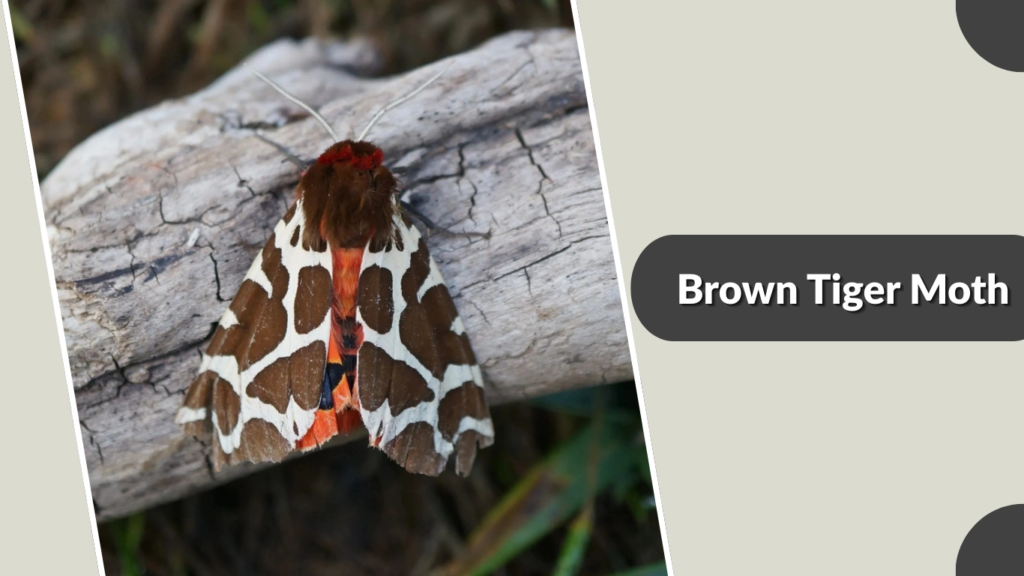
The Brown Tiger Moth (Spilosoma lutea – brown-toned variations) is a striking moth with warm brown or tan forms. Known for its fuzzy body and contrasting wing spots, it is found across Europe and parts of Asia.
Identification
- Brown to tan wings with dark speckling or spots
- Wingspan: 28–38 mm
- Fuzzy thorax and abdomen
- Hindwings may have pale yellow or cream tones
- Caterpillars are hairy and brownish
Habitat
Brown Tiger Moths inhabit gardens, meadows, forests, and open grassy areas. They prefer places rich in herbaceous plants that support their larvae.
Behaviors
These moths are nocturnal and readily attracted to lights. Their flight is soft and fluttering. Caterpillars are solitary feeders and roam widely before pupating.
Diet and Lifecycle
Adults do not feed. Caterpillars feed on a range of low plants, including dandelions, nettles, and clovers. The lifecycle includes egg, larva, pupa (in a silken cocoon), and adult, typically with one generation per year.
FAQs
1. Why are so many moths brown in color?
Many moths are brown because it provides excellent camouflage. Brown shades blend naturally with tree bark, soil, dead leaves, and wood, helping moths avoid predators. This coloration is especially important for species that rest during the day on natural surfaces.
2. Are brown moths harmful to humans?
Most brown moths are completely harmless to humans. They do not bite or sting. The only potential issue is with certain species whose larvae may damage clothing, carpets, or stored foods—but the adult moths themselves pose no danger.
3. Do brown moths eat anything as adults?
Many adult brown moths do not feed at all. They rely on stored energy from their caterpillar stage. Some species may sip nectar, tree sap, or rotting fruit, but feeding is minimal compared to the larval stage, which is the primary feeding period.
4. Why are brown moths attracted to lights?
Brown moths, like many nocturnal insects, navigate using natural light sources such as the moon. Artificial lights disrupt this instinct, causing moths to fly toward lamps, windows, and porch lights. This behavior is known as positive phototaxis.
5. Where are brown moths commonly found?
Brown moths can be found in a wide range of habitats—gardens, forests, meadows, marshes, and even inside homes. Their camouflage allows them to thrive on tree trunks, leaf litter, wooden structures, and soil-rich environments across many regions.
