
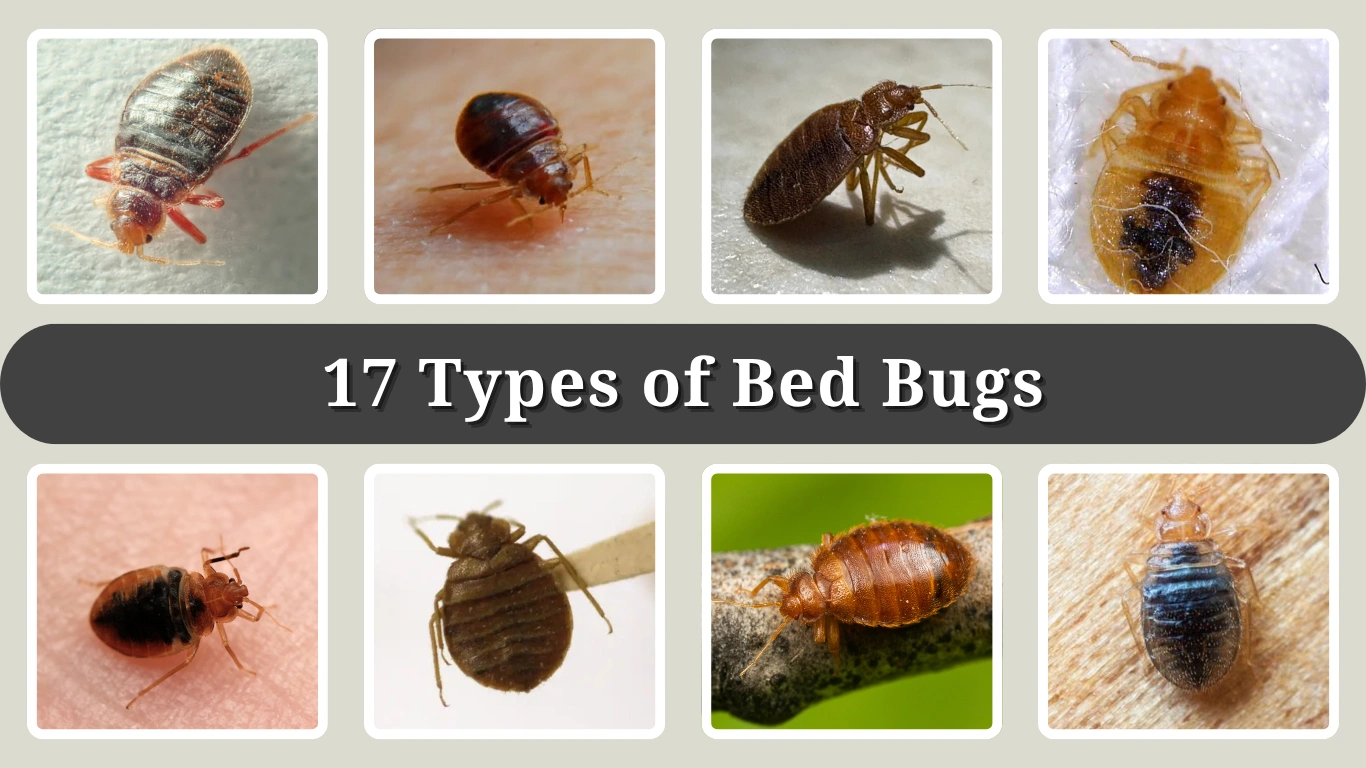
Bed bugs are small, blood-feeding insects that infest homes, hotels, and even wildlife habitats. While most people know the common bed bug, there are actually several related species worldwide. These insects differ slightly in appearance, preferred hosts, and habitats. Understanding the different types of bed bugs helps in proper identification and effective pest control, especially when infestations spread between humans, birds, and bats.
1. Common Bed Bug (Cimex lectularius)
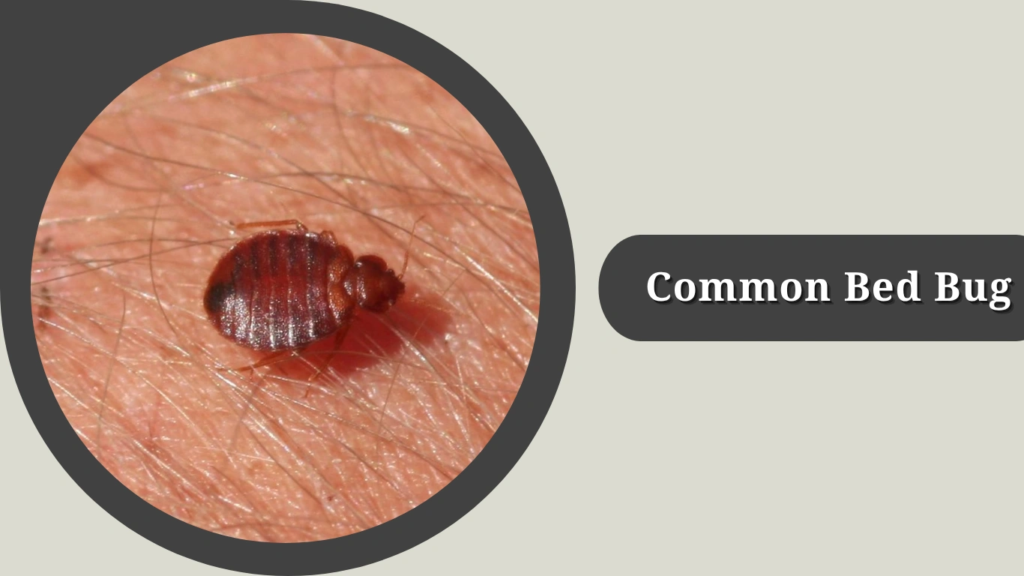
The Common Bed Bug (Cimex lectularius) is the most widespread and well-known species that infests homes, hotels, and public spaces worldwide. These pests are highly adaptable, capable of surviving months without feeding, and are mainly active at night when they feed on human blood.
Identification
- Color: Reddish-brown and flat when unfed; swollen and darker after feeding
- Size: Adult bed bugs measure about 4–5 mm in length
- Shape: Oval and wingless, with small antennae and visible segmentation
- Odor: Emits a musty, sweet scent when present in large numbers
- Eggs: White, about 1 mm long, and often found in mattress seams or furniture cracks
Habitat and Behavior
Common bed bugs thrive in warm environments near sleeping areas. They hide in mattresses, bed frames, and cracks during the day and emerge at night to feed. They are attracted to body heat and carbon dioxide from humans.
Bite Characteristics
Their bites appear as small, red, itchy welts often arranged in clusters or lines on exposed skin. Reactions vary, with some people developing severe irritation while others show little to no symptoms.
Prevention and Control
Regular cleaning, vacuuming, and inspecting furniture help prevent infestations. Heat treatment, encasing mattresses, and using approved insecticides are effective control measures. Early detection is crucial for successful eradication.
2. Tropical Bed Bug (Cimex hemipterus)

The Tropical Bed Bug (Cimex hemipterus) is closely related to the common bed bug but thrives in warm, humid climates such as those found in Asia, Africa, and South America. It has recently re-emerged in urban areas due to increased travel and insecticide resistance.
Identification
- Color: Dark brown or reddish-brown
- Size: Adults measure about 5–6 mm, slightly larger than the common bed bug
- Shape: Oval and flattened, with a more elongated pronotum (neck area)
- Eggs: Small, white, and sticky, usually laid in mattress seams or wall cracks
- Distinctive Feature: Slightly longer legs and antenna segments than the common species
Habitat and Behavior
Tropical bed bugs prefer temperatures above 25°C and are commonly found in densely populated areas. They hide in beds, furniture, clothing, and luggage, coming out at night to feed on human blood. They cannot fly but move quickly over surfaces.
Bite Characteristics
Bites from tropical bed bugs are similar to those of the common species—red, itchy welts often appearing in lines or clusters. They can cause skin irritation, allergic reactions, or secondary infections if scratched excessively.
Prevention and Control
Controlling tropical bed bugs requires maintaining hygiene, using heat treatments, and applying residual insecticides. Regular inspections of bedding, travel items, and furniture help detect infestations early, reducing the spread.
3. West African Bed Bug (Leptocimex boueti)

The West African Bed Bug (Leptocimex boueti) is a lesser-known species found mainly in West Africa and parts of South America. Unlike common bed bugs, it can feed on both humans and bats, making it more adaptable to different habitats, especially rural and tropical regions.
Identification
- Color: Light to medium brown
- Size: Adults reach about 5–6 mm in length
- Shape: Oval and flat, similar to other bed bugs but slightly broader
- Eggs: Creamy-white, oval, and attached to hidden surfaces
- Distinctive Feature: Can survive in both human homes and bat roosts
Habitat and Behavior
West African bed bugs are often found in walls, roofs, and ceilings where bats roost. When bats leave, they may move to human sleeping areas in search of blood meals. They are nocturnal, hiding during the day and feeding at night.
Bite Characteristics
Their bites cause red, itchy welts and mild allergic reactions. People living near bat colonies may experience recurring infestations if roosting areas are not properly sealed or cleaned.
Prevention and Control
Eliminating bat roosts near homes and sealing entry points are crucial. Regular cleaning, using heat treatments, and applying insecticides in cracks and bat-inhabited areas help prevent infestations.
4. Bat Bug (Cimex pilosellus)

The Bat Bug (Cimex pilosellus) is a close relative of the common bed bug, primarily feeding on bats. However, when bats leave roosting areas, these bugs may move into nearby human homes and bite people, though they cannot reproduce as effectively without their natural hosts.
Identification
- Color: Pale brown to reddish-brown
- Size: About 4–5 mm long, similar to common bed bugs
- Shape: Oval, flat, and wingless
- Hair Length: Slightly longer body hairs than those of common bed bugs
- Eggs: White, sticky, and laid in secluded bat roosting areas
Habitat and Behavior
Bat bugs are mostly found in attics, wall voids, or old buildings where bats roost. When the bats migrate or die, these bugs seek new hosts, occasionally biting humans but rarely infesting beds permanently.
Bite Characteristics
Their bites are indistinguishable from common bed bug bites—red, itchy welts that appear in clusters. However, infestations tend to resolve once the bat source is removed.
Prevention and Control
To control bat bugs, remove and seal bat roosting sites, vacuum affected areas, and apply residual insecticides. Proper insulation and bat-proofing of homes prevent future infestations.
5. Eastern Bat Bug (Cimex adjunctus)
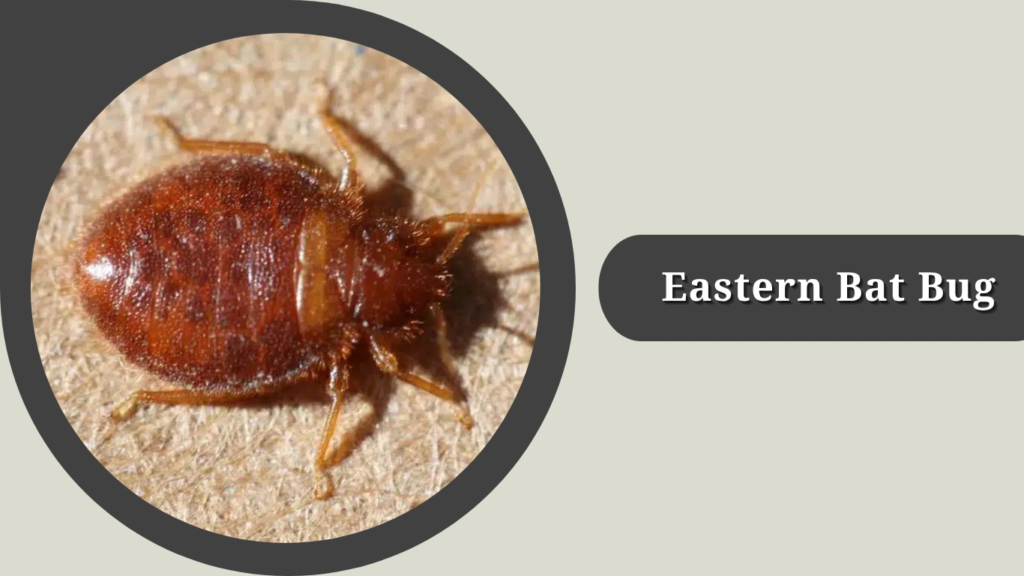
The Eastern Bat Bug (Cimex adjunctus) closely resembles the common bed bug but is primarily associated with bat colonies. Found across North America, especially in attics and abandoned structures, it may occasionally bite humans but does not typically establish long-term infestations indoors.
Identification
- Color: Brown to dark reddish-brown
- Size: Adults measure about 5 mm
- Shape: Oval and flattened, with slightly longer pronotum hairs
- Eggs: White, oval, and glued to rough surfaces
- Distinctive Feature: Dense hair covering and association with bats
Habitat and Behavior
Eastern bat bugs live close to bat roosts in attics, walls, and eaves. They prefer bat blood but can survive on human blood for short periods. Their spread is limited to areas near bat populations.
Bite Characteristics
Their bites result in small, itchy bumps similar to those from bed bugs. However, infestations are usually minor and temporary once bats are excluded from the area.
Prevention and Control
Removing bat colonies, sealing cracks, and cleaning affected spaces are the most effective measures. Vacuuming, steam treatments, and insecticides can eliminate residual bugs after bat removal.
6. Australian Bat Bug (Cimex antennatus)
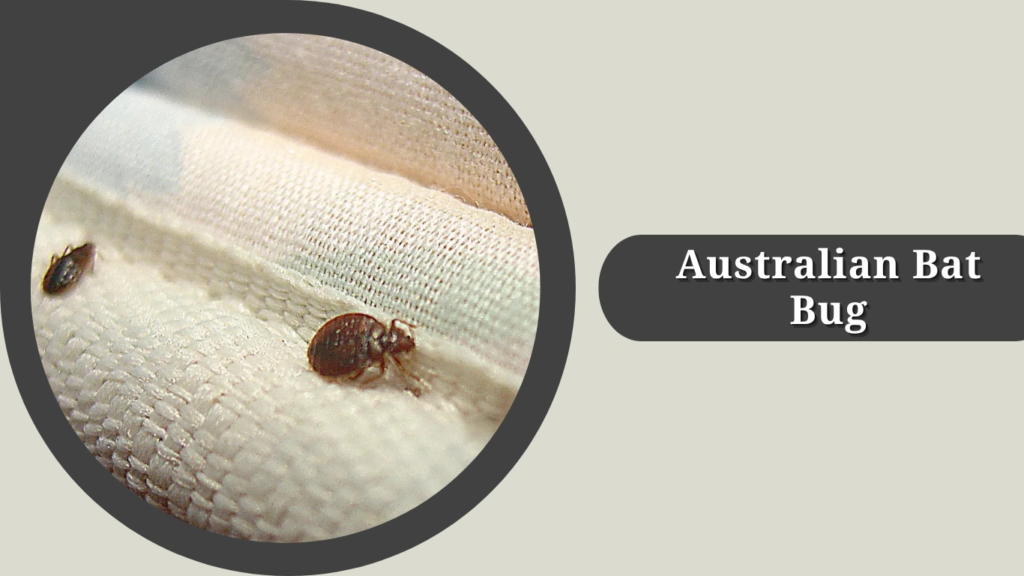
The Australian Bat Bug (Cimex antennatus) is native to Australia and primarily feeds on bats but occasionally targets humans when its main hosts are absent. Though closely related to common bed bugs, it is rarely found in typical household environments.
Identification
- Color: Light brown with a slightly reddish hue
- Size: Around 4.5–5.5 mm long
- Shape: Oval, flat, and wingless like other bed bug species
- Hair Length: Noticeably longer on the upper body than in human bed bugs
- Eggs: Cream-colored and hidden in bat roosting sites
Habitat and Behavior
Australian bat bugs live in caves, old buildings, or roofs where bats are present. They are nocturnal and feed on bat blood but may bite humans when displaced. These bugs cannot thrive without their bat hosts for long.
Bite Characteristics
Their bites appear as small red welts that may cause itching or mild irritation. Infestations are rare and typically short-lived once bats are removed.
Prevention and Control
Sealing bat roosting points, cleaning attics, and using targeted insecticides effectively control infestations. Maintaining bat-free roofs and inspecting old structures regularly help prevent re-entry.
7. Thick-Bodied Bed Bug (Cimex incrassatus)
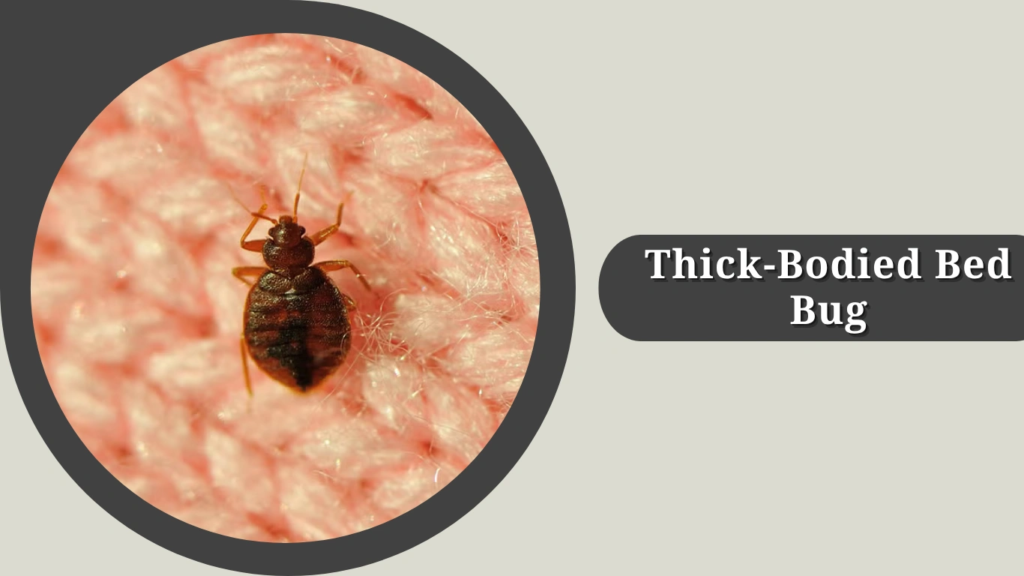
The Thick-Bodied Bed Bug (Cimex incrassatus) is found mainly in Eastern Europe and parts of Asia. It resembles the common bed bug but has a more robust body and is known for its ability to survive cooler environments.
Identification
- Color: Dark reddish-brown
- Size: Approximately 5–6 mm long
- Shape: Broad and oval with a thicker body than most Cimex species
- Eggs: White and laid in hidden cracks or seams
- Distinctive Feature: Slightly wider thorax and deeper color tone
Habitat and Behavior
This species inhabits older buildings, wooden furniture, and sleeping areas. It can tolerate colder temperatures and go without food for extended periods, making infestations harder to detect and control.
Bite Characteristics
Their bites cause red, inflamed spots, often leading to mild allergic reactions. The bites are typically arranged in clusters along exposed skin areas.
Prevention and Control
Regular inspection of bedding, cracks, and wall joints is vital. Heat treatment and professional pest control are effective, especially in colder regions where they remain dormant for long periods.
8. Japanese Bed Bug (Cimex japonicus)
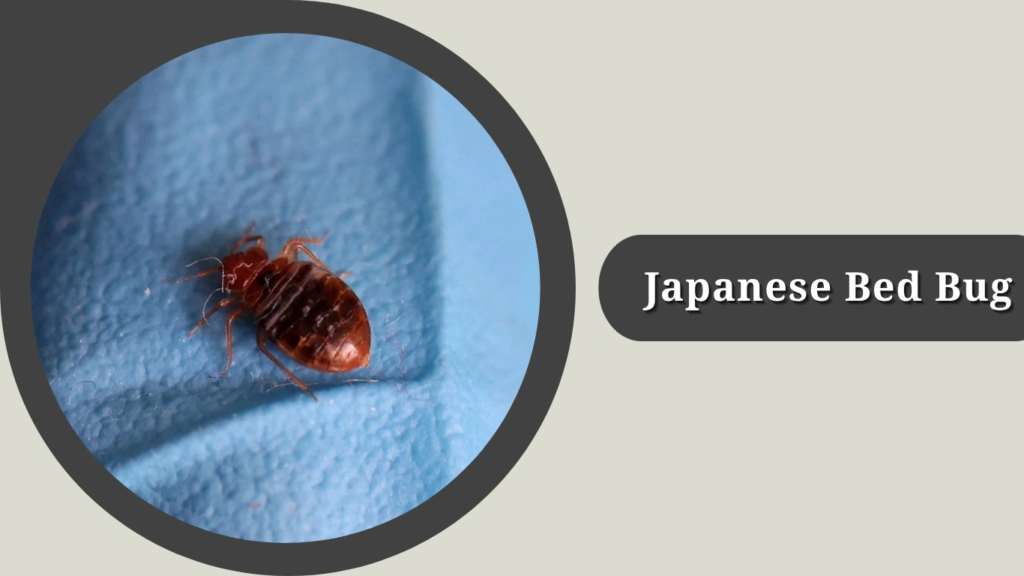
The Japanese Bed Bug (Cimex japonicus) is native to Japan and parts of East Asia. It thrives in both urban and rural environments and has become increasingly common due to global travel. Though similar to the common bed bug, it is slightly smaller and better adapted to temperate climates.
Identification
- Color: Light to medium brown
- Size: Around 4–5 mm in length
- Shape: Oval, flattened body with a broad thorax
- Eggs: White, oval, and often laid in clusters near sleeping areas
- Distinctive Feature: Slightly shorter antennae and lighter coloration than other species
Habitat and Behavior
Japanese bed bugs typically hide in mattresses, wooden furniture, and wall crevices. They are nocturnal and drawn to human body heat and carbon dioxide. Their resilience allows them to survive months without feeding, making infestations persistent.
Bite Characteristics
Bites appear as red, swollen welts in clusters or lines. Some individuals may experience severe itching and allergic reactions, especially after multiple exposures.
Prevention and Control
Regular cleaning, vacuuming, and sealing cracks are essential. Heat treatment and steam cleaning effectively eliminate infestations, especially in densely populated residential areas.
9. European Bat Bug (Cimex pipistrelli)
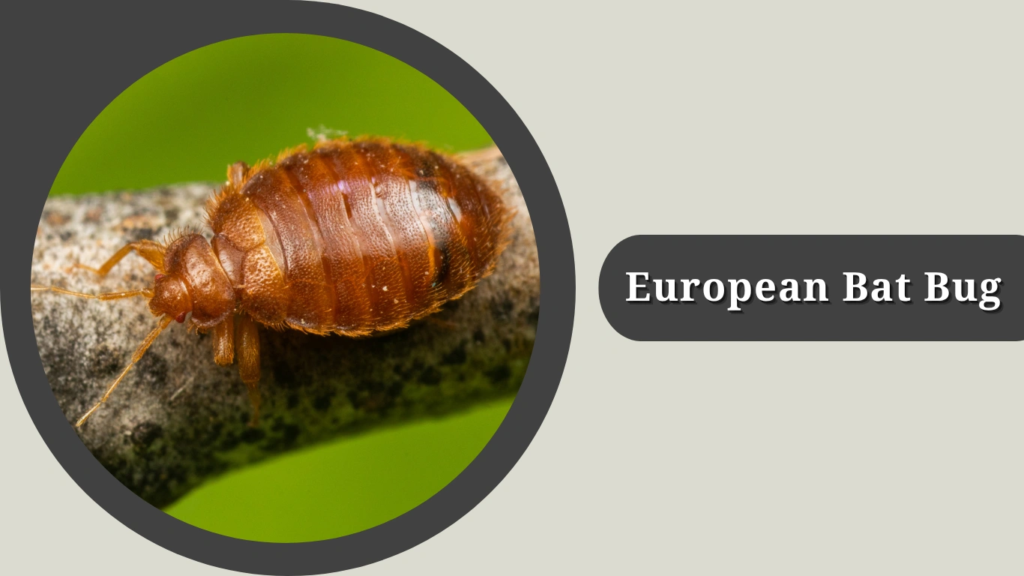
The European Bat Bug (Cimex pipistrelli) is found across Europe and parts of Asia. It primarily feeds on bats but can occasionally bite humans when its natural hosts are absent. It looks almost identical to the common bed bug, making identification challenging without microscopic inspection.
Identification
- Color: Reddish-brown to dark brown
- Size: Adults measure about 5 mm long
- Shape: Oval and wingless with a flat body
- Hair Length: Longer body hairs than common bed bugs
- Distinctive Feature: Commonly found in buildings with bat populations
Habitat and Behavior
European bat bugs reside in attics, roofs, and wall voids near bat colonies. When bats migrate or are removed, these bugs may enter homes seeking new hosts. However, they do not reproduce efficiently on human blood.
Bite Characteristics
Bites resemble typical bed bug bites—itchy, red bumps that may form in small clusters. Reactions differ depending on skin sensitivity.
Prevention and Control
Eliminate bat access points, clean nesting areas, and use residual insecticides in affected spaces. Once bats are removed and entry points sealed, infestations usually disappear naturally.
10. Mexican Chicken Bug (Haematosiphon inodorus)
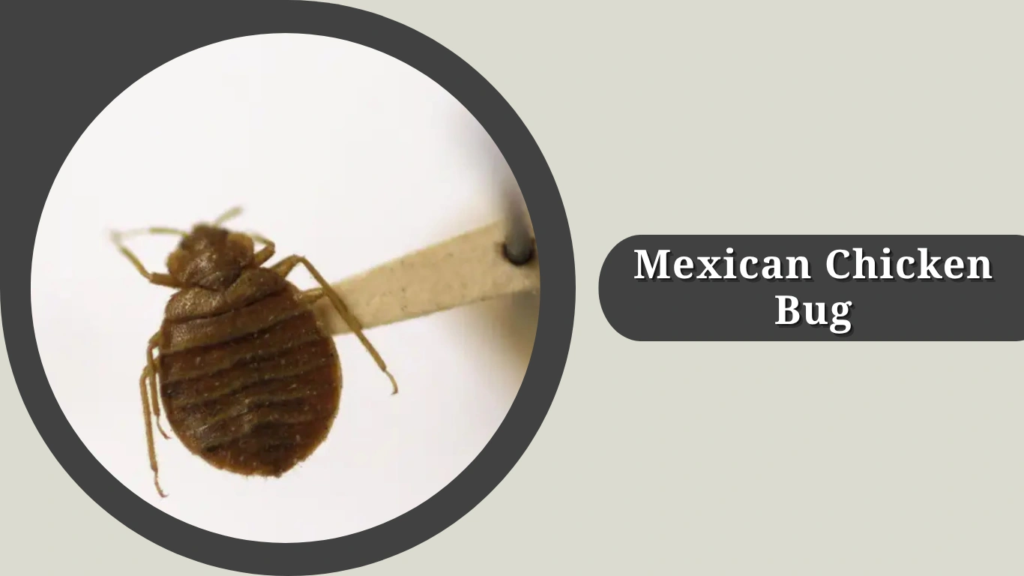
The Mexican Chicken Bug (Haematosiphon inodorus), also known as the Poultry Bug, primarily infests poultry farms but occasionally bites humans. It belongs to the same family as bed bugs (Cimicidae) and shares similar feeding habits, relying on the blood of birds and mammals.
Identification
- Color: Dark brown or blackish-brown
- Size: Larger than typical bed bugs, measuring 6–7 mm
- Shape: Oval but slightly elongated with short antennae
- Eggs: White, oval, and laid in crevices of coops or nesting boxes
- Distinctive Feature: Found mostly in poultry environments rather than bedrooms
Habitat and Behavior
This species lives in poultry houses, coops, and barns, hiding in wooden structures during the day. At night, it feeds on chickens, other birds, or nearby mammals. It can survive months without feeding, making eradication challenging in neglected farm areas.
Bite Characteristics
Bites cause swelling, redness, and itching similar to bed bug bites. Humans bitten near poultry areas may experience mild allergic reactions.
Prevention and Control
Cleaning coops, replacing wooden roosts with metal, and applying poultry-safe insecticides help control infestations. Heat treatment and sealing gaps are also effective.
11. Swallow Bug (Oeciacus hirundinis)
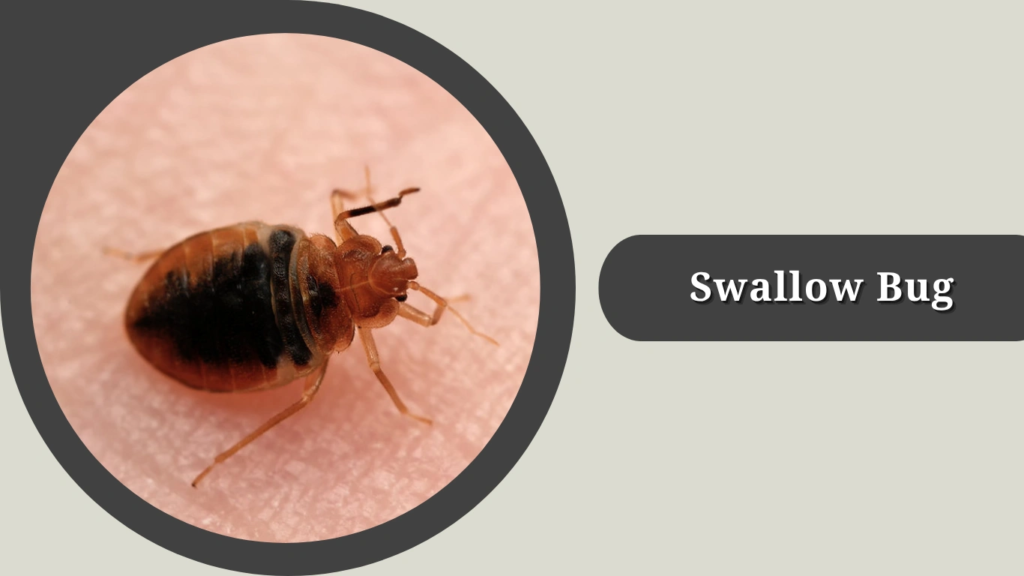
The Swallow Bug (Oeciacus hirundinis) is a bird-associated species that primarily feeds on swallows but occasionally bites humans when birds vacate their nests. Though similar in appearance to bed bugs, it is slightly more robust and hairy.
Identification
- Color: Grayish-brown to dark brown
- Size: About 4.5–5.5 mm long
- Shape: Broad and flattened body with dense hair
- Eggs: White and attached to nesting materials
- Distinctive Feature: Closely linked with bird nests, especially swallows and martins
Habitat and Behavior
Swallow bugs live in and around bird nests, particularly those built on homes or barns. When birds migrate, these bugs may enter living areas in search of alternative hosts like humans.
Bite Characteristics
Bites are painful and cause red welts, itching, or mild inflammation. Infestations tend to fade once bird nests are removed.
Prevention and Control
Removing old bird nests and sealing gaps around windows or eaves is key. Cleaning infested areas and applying insecticides help eliminate residual bugs. Regular nest removal prevents reinfestation.
12. Cave Bed Bug (Primicimex cavernis)
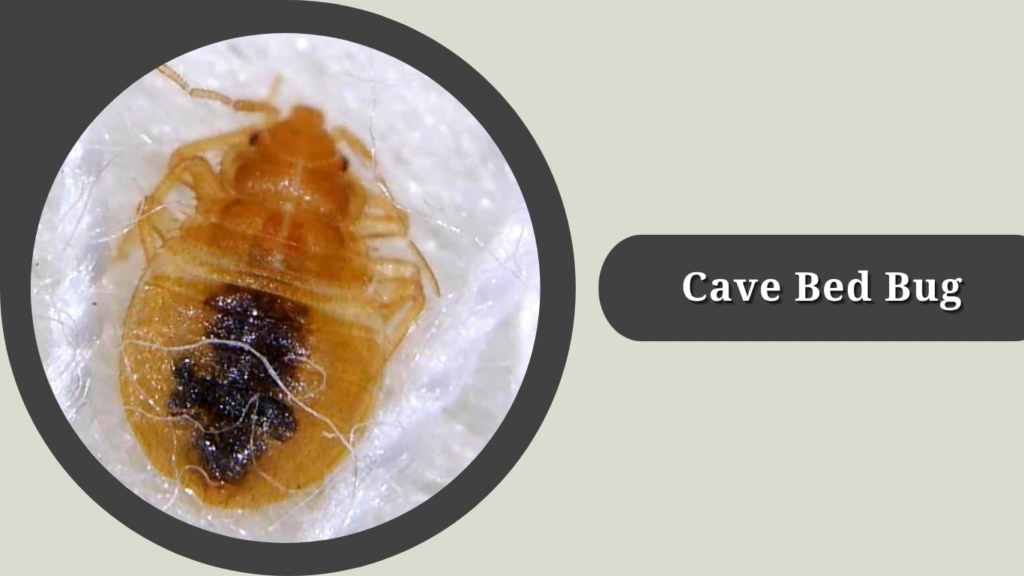
The Cave Bed Bug (Primicimex cavernis) is a rare species primarily found in caves across North America. It mainly feeds on bats and other cave-dwelling animals but can occasionally bite humans exploring or working in these environments. It is one of the largest species in the bed bug family.
Identification
- Color: Reddish-brown to dark brown
- Size: 6–7 mm, larger than most bed bug species
- Shape: Oval, broad, and wingless
- Hair Length: Longer and thicker hairs than common bed bugs
- Distinctive Feature: Adapted for dark, humid cave environments
Habitat and Behavior
Cave bed bugs are found in caves, attics, or mines inhabited by bats. They are nocturnal feeders that rely primarily on bat colonies for survival. When bats migrate, they may temporarily bite humans but do not establish indoor infestations.
Bite Characteristics
Their bites resemble those of common bed bugs—small, red, and itchy—but may cause stronger allergic reactions due to their larger size and deeper feeding.
Prevention and Control
Avoiding bat-inhabited caves, sealing entry points in buildings, and removing bat colonies prevent infestations. Once the host source is gone, these bugs generally die out naturally.
13. Pigeon Bug (Cimex columbarius)
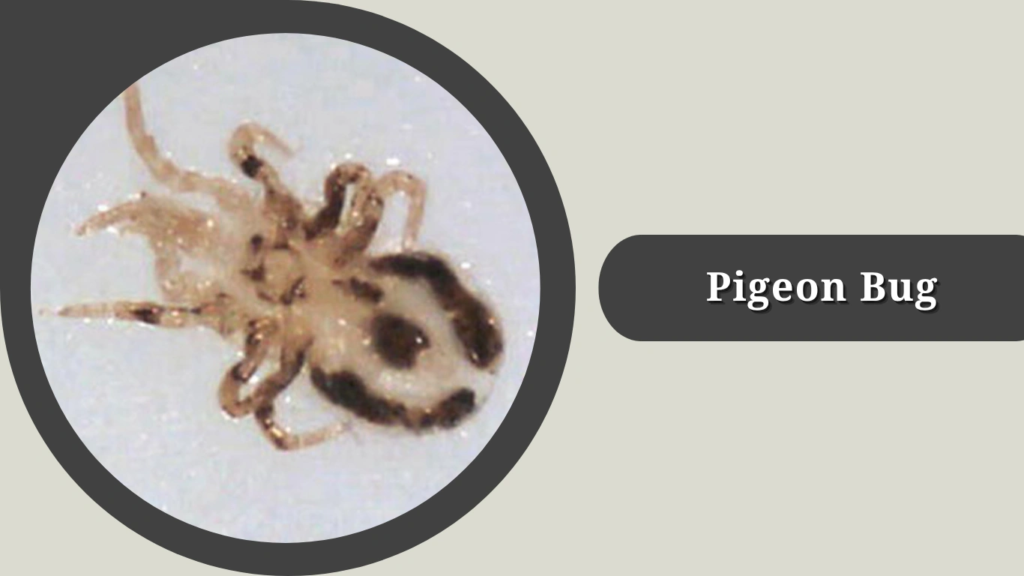
The Pigeon Bug (Cimex columbarius) is a parasitic insect that feeds primarily on pigeons and other nesting birds. It is commonly found in urban areas where pigeons roost on buildings and can migrate indoors to bite humans when their bird hosts are absent.
Identification
- Color: Light to medium brown
- Size: 4–5 mm in length
- Shape: Oval, flat, and wingless with a compact body
- Eggs: White and glued to nesting surfaces or cracks
- Distinctive Feature: Strong association with pigeon nests on rooftops or ledges
Habitat and Behavior
Pigeon bugs live in bird nests located on window sills, ledges, or under roofs. They hide in cracks or under debris near nests and emerge at night to feed. Infestations typically begin when birds abandon their nests.
Bite Characteristics
Their bites are red and itchy, sometimes more inflamed than typical bed bug bites. They tend to occur near windows or walls close to bird roosts.
Prevention and Control
Removing pigeon nests, cleaning nesting areas, and sealing entry points help eliminate pigeon bugs. Insecticidal treatments around infested ledges or attics can prevent recurrence.
14. Broad-Winged Bat Bug (Cimex latipennis)
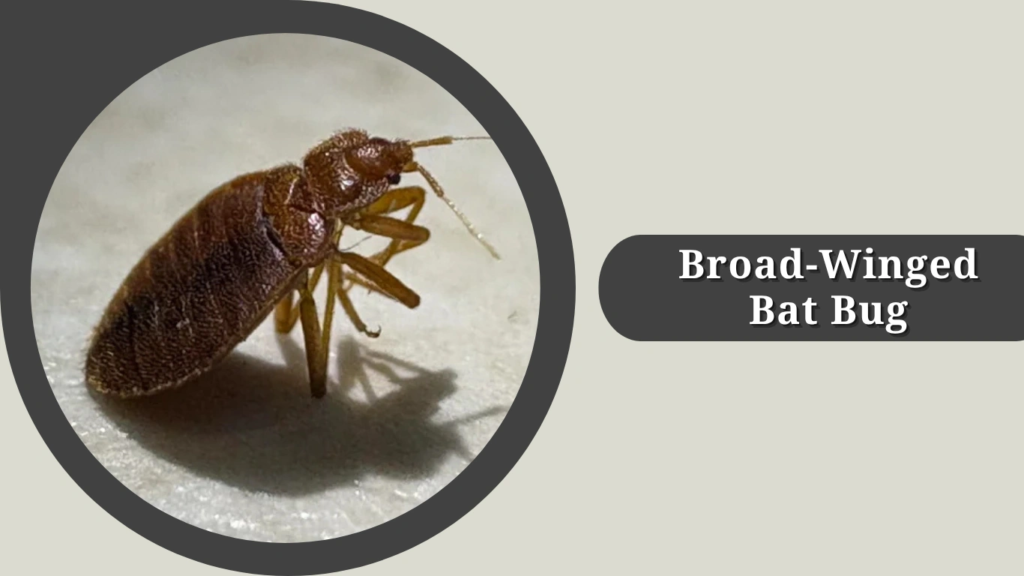
The Broad-Winged Bat Bug (Cimex latipennis) is a bat-associated species primarily found in Asia and Oceania. Although it resembles the common bed bug, it has broader wing pads and is more robust. It feeds mainly on bats but occasionally bites humans when its hosts are scarce.
Identification
- Color: Medium to dark brown
- Size: Around 5–6 mm long
- Shape: Broad oval body with noticeably wide thorax
- Eggs: White, sticky, and often laid near roosting bats
- Distinctive Feature: Shorter antennae and broader body than most bed bugs
Habitat and Behavior
Broad-winged bat bugs inhabit caves, old buildings, and roof cavities where bats roost. They are nocturnal and emerge to feed on blood during the night. Though capable of biting humans, they cannot reproduce efficiently without bat hosts.
Bite Characteristics
Bites appear as red, swollen welts that may cause mild itching. These bites are temporary nuisances and typically stop once bats are excluded.
Prevention and Control
Eliminate bat colonies, seal roosting areas, and clean infested structures. Heat treatment or residual insecticides near attics and roofs help eliminate lingering bugs.
15. African Bed Bug (Afrocimex constrictus)
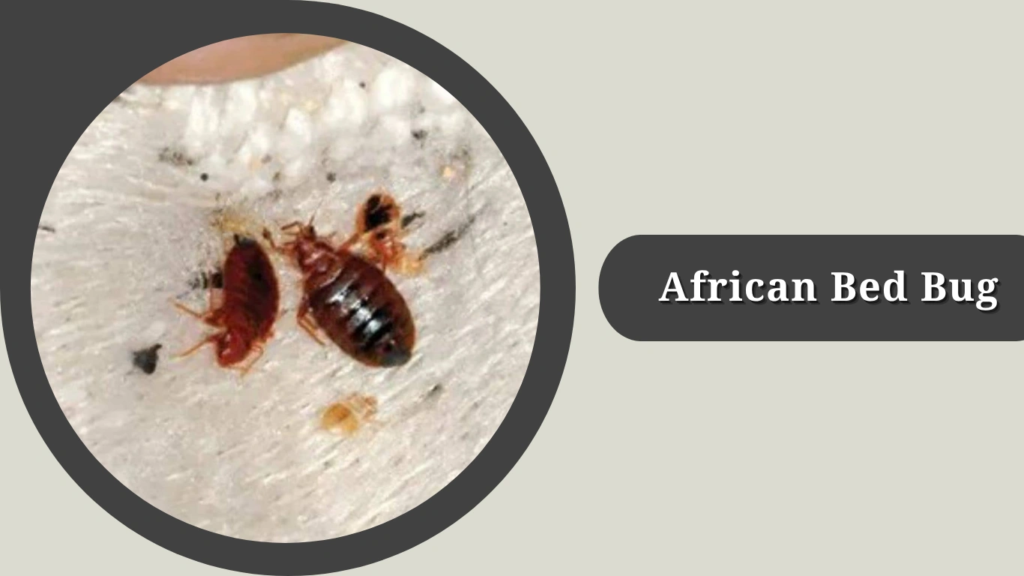
The African Bed Bug (Afrocimex constrictus) is native to tropical Africa and primarily found in rural regions. Though it prefers bats as hosts, it can infest human dwellings and bite people when populations are dense or bat habitats are nearby.
Identification
- Color: Dark reddish-brown
- Size: Approximately 5–6 mm in length
- Shape: Oval, broad, and flattened
- Eggs: Cream-colored and hidden in wall cracks or wooden structures
- Distinctive Feature: Found predominantly in African tropical zones and near bat colonies
Habitat and Behavior
African bed bugs thrive in warm, humid environments, particularly in thatched roofs, barns, and caves. They feed mostly on bat blood but can switch to humans when bats migrate or abandon the site.
Bite Characteristics
Their bites result in red, inflamed patches with intense itching. In sensitive individuals, bites can lead to swelling or mild allergic reactions.
Prevention and Control
Controlling nearby bat colonies and sealing roofs or walls is crucial. Applying heat treatments or insecticides around roosting areas effectively reduces infestations. Regular cleaning and monitoring help maintain control.
16. Caribbean Bed Bug (Cimex brevis)
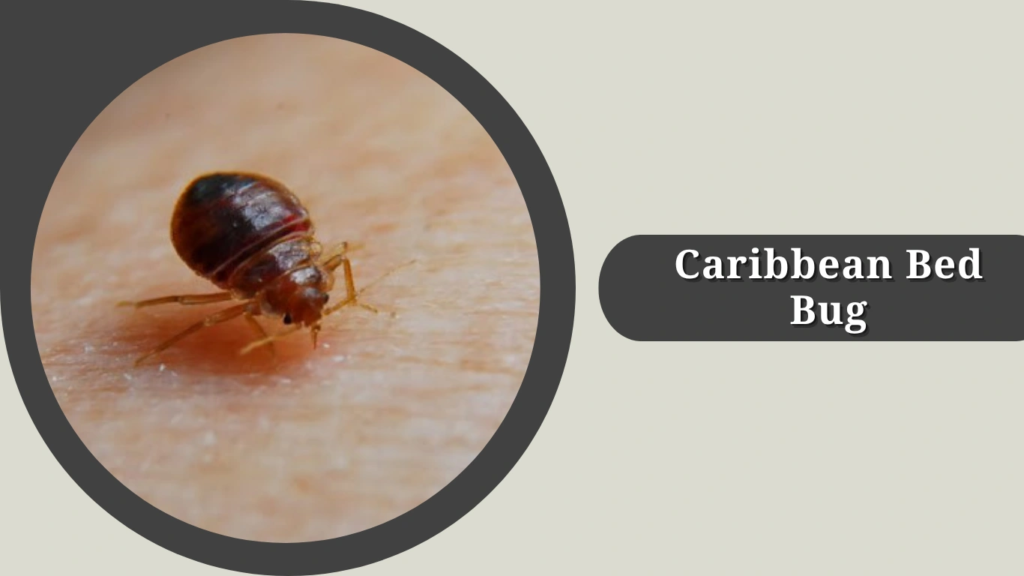
The Caribbean Bed Bug (Cimex brevis) is found mainly in Central America and the Caribbean islands. It shares many traits with the common bed bug but is more resilient in humid and tropical environments. Though less widespread, it can infest homes, hotels, and transport facilities in coastal regions.
Identification
- Color: Light reddish-brown
- Size: Around 4.5–5.5 mm long
- Shape: Oval and flattened, with slightly shorter legs than common species
- Eggs: White, oval, and sticky, attached to cracks or fabrics
- Distinctive Feature: Prefers high humidity and warm temperatures for breeding
Habitat and Behavior
Caribbean bed bugs hide in beds, furniture, and wall joints, emerging at night to feed on human blood. They reproduce rapidly in tropical climates, spreading easily through travel and second-hand furniture.
Bite Characteristics
Bites cause red, itchy marks that may form in straight lines or clusters. The irritation can last several days and, in humid environments, may lead to minor skin infections if scratched.
Prevention and Control
Maintaining cleanliness, using bed encasements, and performing regular heat treatments are effective. Inspecting luggage and clothing after travel helps prevent new infestations.
17. Australian Bed Bug (Cimex australicus)
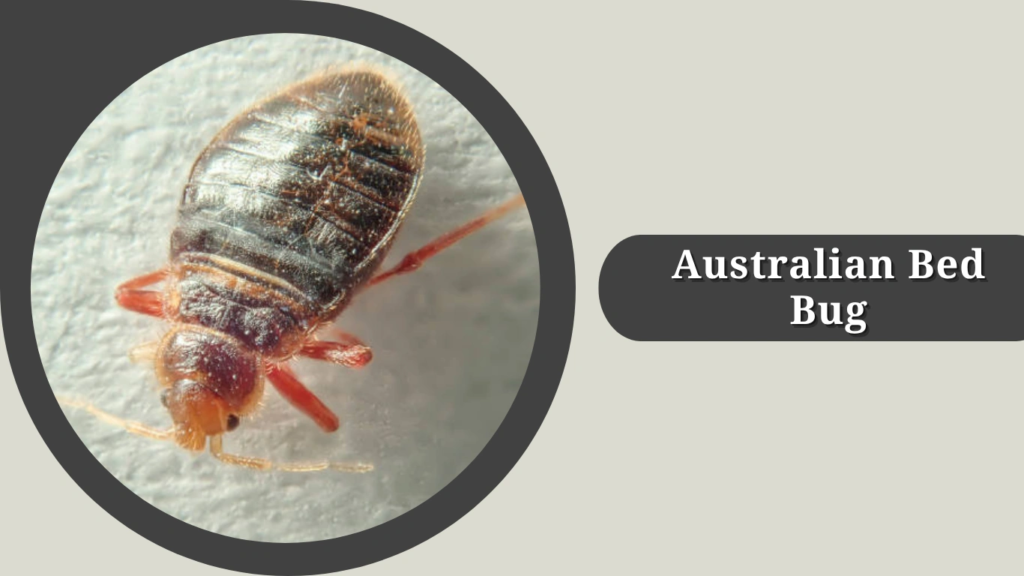
The Australian Bed Bug (Cimex australicus) is native to Australia and known for its preference for warm, coastal regions. It is similar to the tropical bed bug but slightly smaller and less common, typically found in older buildings and hotels.
Identification
- Color: Dark brown to reddish-brown
- Size: 4–5 mm long, slightly smaller than the tropical species
- Shape: Oval, flat, and wingless
- Eggs: White and laid in hidden crevices near beds or furniture
- Distinctive Feature: Found mostly in Australian regions with mild winters
Habitat and Behavior
Australian bed bugs thrive in warm, indoor environments. They hide in cracks, mattresses, and wall joints during the day and feed on blood at night. Their resilience makes them challenging to eliminate without professional treatment.
Bite Characteristics
Their bites appear as red welts with noticeable itching and slight swelling. Multiple bites often occur in lines along exposed skin areas.
Prevention and Control
Frequent cleaning, steam treatments, and sealing hiding spots are essential. Professional pest control using heat and chemical treatments provides the most reliable elimination.
