
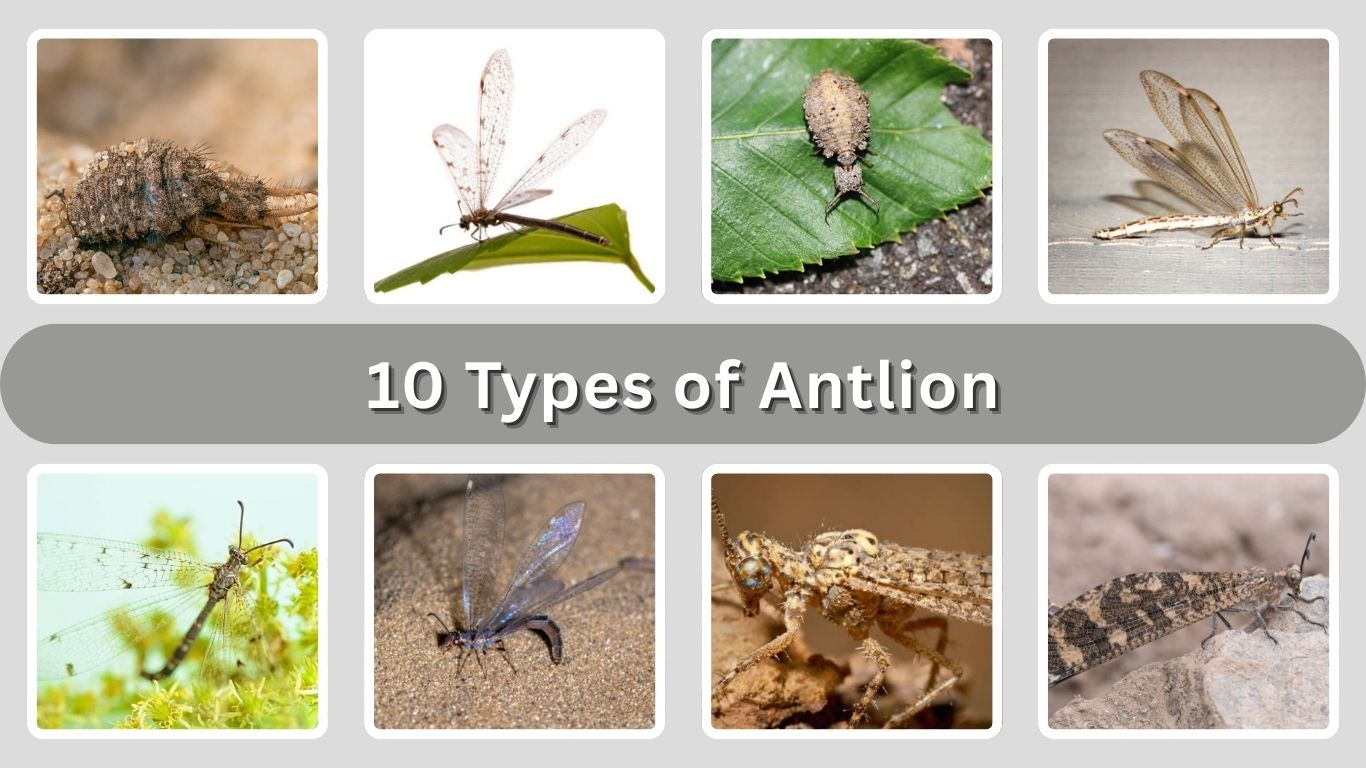
Antlions are fascinating insects best known for their predatory larvae, which dig cone-shaped pits in loose sand to trap ants and other small insects. Belonging to the family Myrmeleontidae, antlions are found in dry, sandy habitats around the world, from deserts and riverbanks to forest edges. While the adults resemble delicate dragonflies, the larvae are powerful ambush hunters. Antlions play an important role in controlling insect populations and are a classic example of nature’s ingenious hunting strategies.
1. Doodlebug Antlion
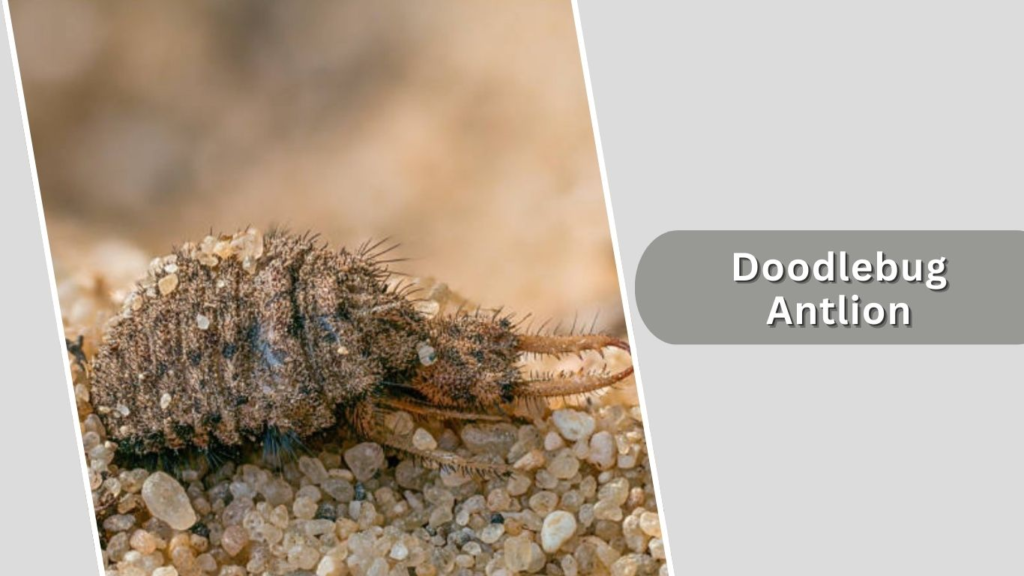
The doodlebug antlion is the common name for several antlion species whose larvae dig cone-shaped pits in loose sand. These insects are famous for their hidden, predatory larvae, often called doodlebugs, which trap ants and other small insects. Adult antlions look somewhat like slender dragonflies, but their life underground as larvae is what makes them especially fascinating.
Identification
- Adults slender with long, narrow, transparent wings
- Wings heavily veined and held roof-like at rest
- Body soft, brown to gray in color
- Antennae short and slightly clubbed
- Larvae stout, flattened, with very large sickle-shaped jaws
- Larvae usually found buried at the bottom of sandy pits
Habitat
Doodlebug antlion larvae live in dry, sandy environments such as riverbanks, deserts, sandy forest edges, beaches, and under building eaves where rain cannot wash away their pits. They require fine, loose sand to construct stable traps. Adults are usually found resting on vegetation near these sandy areas.
Behaviors
Larvae dig funnel-shaped pits and bury themselves at the bottom, waiting for insects to fall in. When prey slips into the pit, the larva flicks sand to prevent escape and quickly grabs it with powerful jaws. Adults are mostly nocturnal, weak fliers, and are often attracted to lights at night.
Diet and Lifecycle
Larvae feed mainly on ants and other small ground-dwelling insects. They may remain in the larval stage for months or even years, depending on food and climate. When fully grown, they spin a sandy cocoon and pupate. Adults emerge, mate, lay eggs in sandy soil, and usually live only a few weeks.
2. Euroleon nostras (European Antlion)
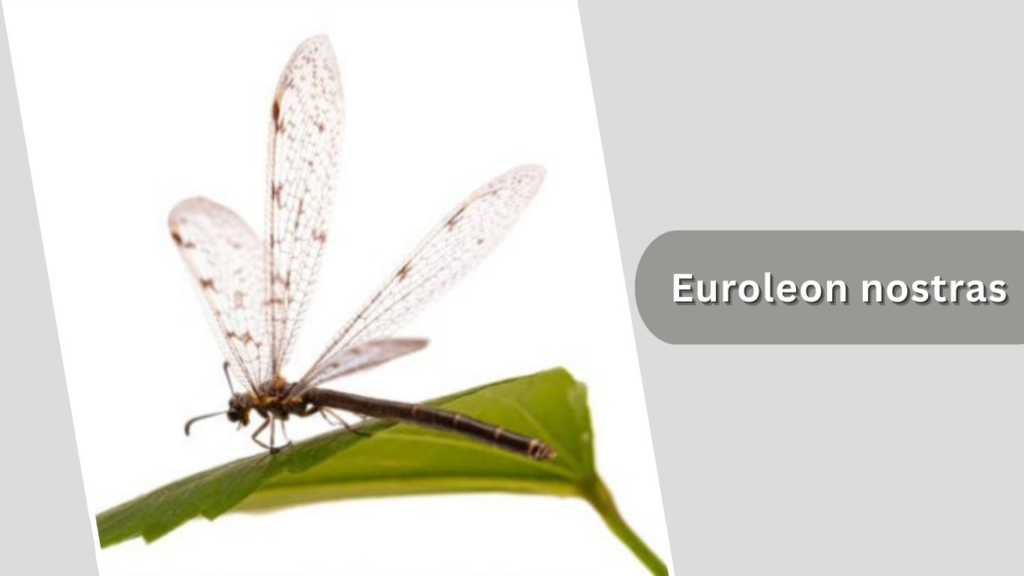
Euroleon nostras is one of the most well-known antlion species in Europe. Its larvae are classic pit builders, famous for constructing neat, funnel-shaped traps in dry sand. Because it often lives close to human dwellings, under roofs or in sandy corners, it is one of the antlions most commonly observed by people.
Identification
- Adults slender with narrow, transparent wings
- Body light brown to gray with darker markings
- Antennae short with a slight club at the tip
- Wings long, finely veined, and held roof-like
- Larvae stout, pale to brown, with very large curved jaws
- Larvae usually found hidden in sandy pits
Habitat
Euroleon nostras larvae prefer dry, sheltered sandy places such as under rock overhangs, cliffs, tree roots, and building eaves. They need loose, fine sand that is protected from rain. Adults are found in warm, dry habitats like open woodlands, sandy grasslands, and rocky slopes.
Behaviors
Larvae are classic ambush predators, remaining buried at the bottom of pits and waiting for ants to fall in. They skillfully throw sand at struggling prey to cause it to slide downward. Adults are mostly nocturnal and are often attracted to lights, resting quietly during the day.
Diet and Lifecycle
Larvae feed primarily on ants and other small insects that wander into their pits. The larval stage can last several months to a few years. Pupation takes place in a round sandy cocoon. Adults emerge, mate, lay eggs in sandy soil, and usually live for a short adult period.
3. Myrmeleon formicarius (Common Antlion)
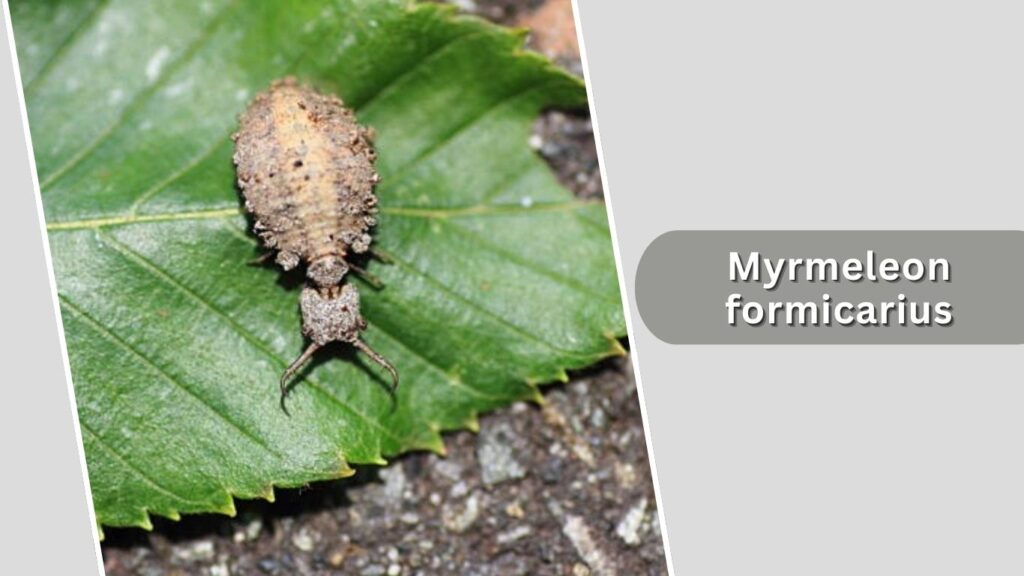
Myrmeleon formicarius is one of the most widespread and well-studied antlion species in Europe and parts of Asia. It is often called the common antlion because its pit-building larvae are frequently found in sandy habitats. This species is a classic example used to explain antlion behavior and pit construction.
Identification
- Adults slender with long, narrow, transparent wings
- Body brown to gray with darker markings
- Antennae short and slightly clubbed
- Wings finely veined and held roof-like
- Larvae stout, flattened, with very large sickle-shaped jaws
- Larvae commonly found at the base of funnel-shaped pits
Habitat
Larvae of Myrmeleon formicarius inhabit dry, sandy environments such as forest edges, riverbanks, sandy slopes, and sheltered areas under rocks or roots. They prefer fine, loose sand that allows stable pit construction. Adults are found in warm, open habitats and often rest on grasses and shrubs.
Behaviors
Larvae dig funnel-shaped pits and bury themselves at the bottom, with only their jaws visible. When ants or other insects fall in, larvae flick sand to destabilize prey and pull it under. Adults are mainly nocturnal and fly at dusk or night, often attracted to lights.
Diet and Lifecycle
Larvae feed mainly on ants and small insects. They may remain as larvae for one to three years, molting several times. When ready, they build a sandy cocoon and pupate. Adults emerge, mate, lay eggs in sandy soil, and usually live only a few weeks.
4. Myrmeleon immaculatus (Spotted Antlion)
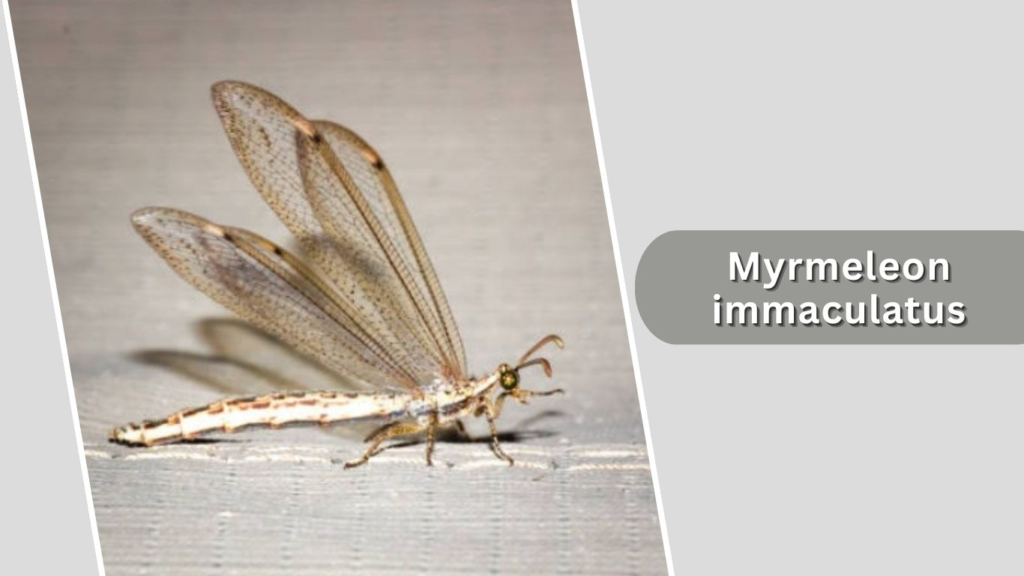
Myrmeleon immaculatus is a well-known North American antlion species, often referred to as the spotted antlion. It is famous for its pit-building larvae, which are commonly seen in sandy areas. This species is frequently used in educational examples because its life cycle and hunting behavior are easy to observe.
Identification
- Adults slender with long, narrow, clear wings
- Body pale brown to gray with darker spots
- Antennae short, slightly clubbed
- Wings finely veined and held roof-like
- Larvae stout, flattened, with large curved jaws
- Larvae usually hidden at the bottom of sandy pits
Habitat
Myrmeleon immaculatus larvae live in dry, sandy habitats such as beaches, riverbanks, deserts, open woodlands, and sheltered sandy patches. They prefer loose, fine sand protected from heavy rain. Adults are found resting on vegetation near sandy areas, often in warm, open environments.
Behaviors
Larvae are ambush predators that build cone-shaped pits and wait buried beneath the sand. When prey falls in, they flick sand to cause it to slide down and then seize it. Adults are mostly nocturnal and weak fliers, often attracted to lights at night.
Diet and Lifecycle
Larvae feed on ants, beetles, and other small ground insects. The larval stage can last several months to years. Pupation occurs in a sandy cocoon beneath the surface. Adults emerge, mate, lay eggs in sandy soil, and typically live only a few weeks.
5. Myrmeleon crudelis (Cruel Antlion)
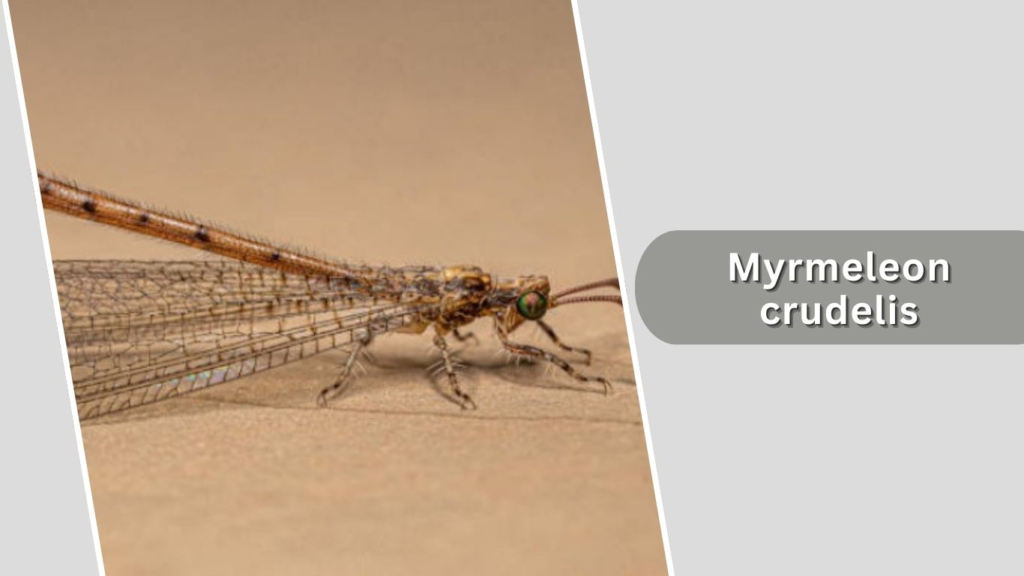
Myrmeleon crudelis is a lesser-known antlion species found mainly in parts of Asia. Like other members of the genus Myrmeleon, it is known for its pit-building larvae and ambush hunting style. Although not as commonly observed as some species, it follows the same fascinating antlion lifestyle.
Identification
- Adults slender with long, narrow, transparent wings
- Body brown to dark brown with subtle markings
- Antennae short with slight clubs
- Wings finely veined and held roof-like
- Larvae stout, flattened, with very large curved jaws
- Larvae typically hidden beneath sandy pit surfaces
Habitat
Larvae of Myrmeleon crudelis inhabit dry, sandy environments such as sandy forest edges, open fields, and riverbanks. They prefer loose, fine sand sheltered from strong rain and wind. Adults are usually found resting on grasses, shrubs, and low vegetation near these sandy zones.
Behaviors
Larvae dig cone-shaped pits and bury themselves at the bottom. When prey slips in, they throw sand to destabilize it before capturing it. Adults are mainly nocturnal, flying during warm evenings and often coming to lights.
Diet and Lifecycle
Larvae feed on ants and other small insects. Development may take one to several years depending on food and climate. When mature, larvae spin sandy cocoons and pupate. Adults emerge, mate, lay eggs in sand, and generally live only a short time.
6. Myrmeleon inconspicuus (Inconspicuous Antlion)
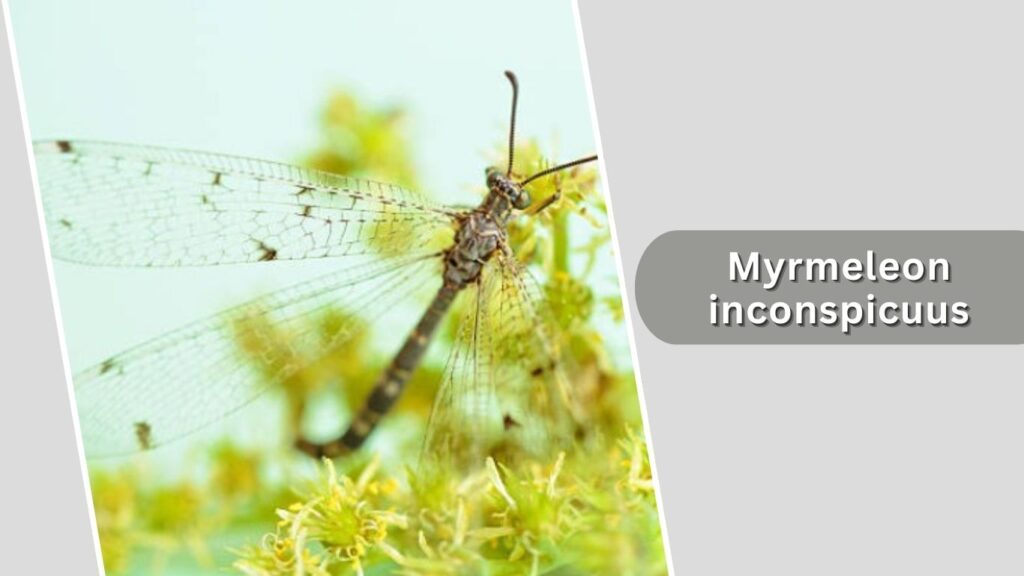
Myrmeleon inconspicuus is a small, subtle antlion species commonly found in parts of Europe, North Africa, and Asia. As its name suggests, it is less noticeable than many other antlions, but its larvae still build classic funnel-shaped pits in sand. It plays the same important ecological role as other antlions by controlling ground-dwelling insect populations.
Identification
- Adults slender with narrow, transparent wings
- Body light brown to gray, often with faint markings
- Antennae short and slightly clubbed
- Wings finely net-veined and held roof-like
- Larvae stout, flattened, with very large curved jaws
- Larvae usually hidden at the bottom of sandy pits
Habitat
Larvae live in dry, sandy habitats such as dunes, riverbanks, sandy forest edges, and sheltered areas under rocks. They prefer fine, loose sand protected from heavy rain. Adults are usually found resting on grasses, shrubs, and low vegetation near sandy zones.
Behaviors
Larvae construct cone-shaped pits and remain buried, waiting for ants or other insects to fall in. When prey struggles, they flick sand to cause it to slide down. Adults are mainly nocturnal, flying at dusk and night and sometimes coming to lights.
Diet and Lifecycle
Larvae feed primarily on ants and small ground insects. The larval stage may last several months to a few years. Pupation occurs in a sandy cocoon beneath the surface. Adults emerge, mate, lay eggs in sand, and usually live only a few weeks.
7. Myrmeleon bore (Northern Antlion)
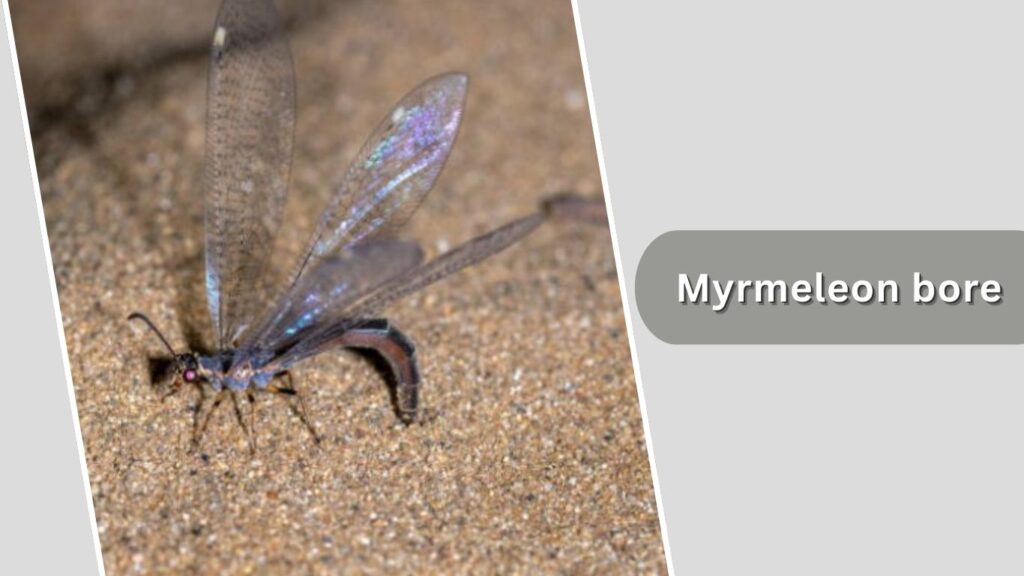
Myrmeleon bore is a cold-adapted antlion species found in northern Europe and parts of Asia. Unlike many antlions that prefer warm, dry regions, this species can survive in cooler climates. Its larvae still build the classic funnel-shaped pits and use the same ambush hunting technique seen in other antlions.
Identification
- Adults slender with narrow, transparent wings
- Body grayish-brown to dark brown
- Antennae short with slight clubs
- Wings finely veined and held roof-like
- Larvae stout, flattened, with large sickle-shaped jaws
- Larvae usually hidden at the bottom of sandy pits
Habitat
Myrmeleon bore larvae live in dry, sandy areas within cooler regions, such as sandy forest floors, riverbanks, dunes, and sheltered slopes. They often choose places protected from rain and wind. Adults are found nearby on low vegetation, grasses, and shrubs.
Behaviors
Larvae construct pits and wait buried beneath the sand. When insects fall in, they flick sand to prevent escape and seize prey. Adults are mainly nocturnal and are active during warm evenings in summer, sometimes coming to lights.
Diet and Lifecycle
Larvae feed mainly on ants and other small insects. Because of cooler temperatures, larval development may take several years. Pupation occurs in a round sandy cocoon. Adults emerge in summer, mate, lay eggs in sand, and usually live only a short time.
8. Glenurus gratus (Spotted-Wing Antlion)
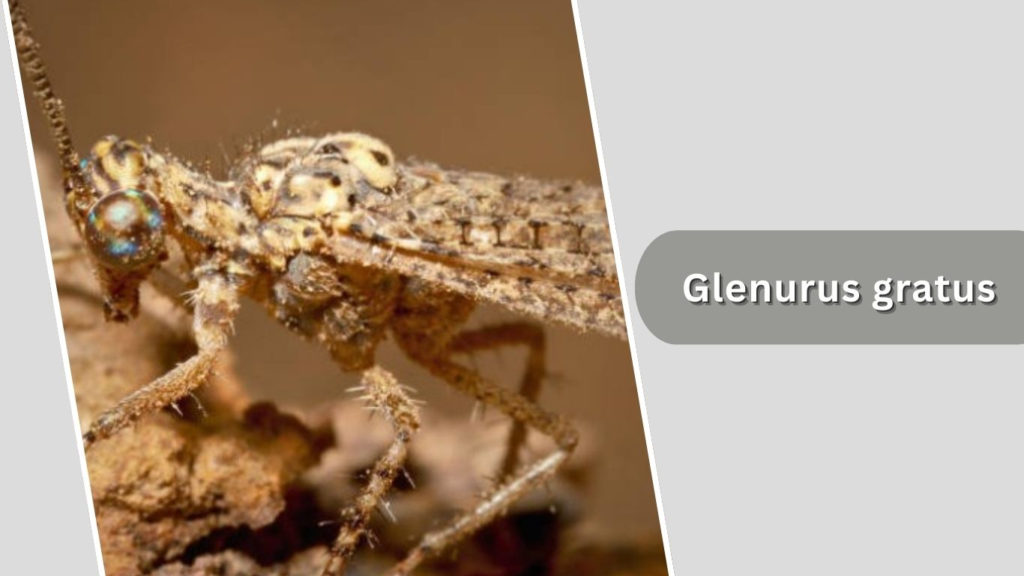
Glenurus gratus is a large and striking antlion species native mainly to North America. Unlike many Myrmeleon antlions, its larvae do not usually dig classic cone-shaped pits. Instead, they hide in loose sand or debris and ambush prey. Adults are notable for their spotted wings and strong flight.
Identification
- Adults large with long, broad wings marked by dark spots
- Body brown to dark brown, fairly robust
- Antennae moderately long with slight clubs
- Wings heavily veined and often patterned
- Larvae stout, flattened, with powerful curved jaws
- Larvae usually hidden under sand or debris rather than in pits
Habitat
Glenurus gratus larvae live in sandy areas, dry forest floors, dunes, and sandy riverbanks, often under leaf litter or debris. They prefer sheltered, loose substrates. Adults are found in open woodlands, sandy habitats, and near forest edges, resting on vegetation.
Behaviors
Larvae are ambush predators that bury themselves and wait for insects to pass rather than building pits. They strike quickly when prey touches them. Adults are mostly nocturnal and are often attracted to lights, where their large size and spotted wings make them noticeable.
Diet and Lifecycle
Larvae feed on ants, beetles, and other small ground insects. Development may take one to several years. When mature, larvae form a sandy cocoon and pupate. Adults emerge, mate, lay eggs in sandy soil, and usually live only a few weeks.
9. Distoleon tetragrammicus (Four-Spotted Antlion)
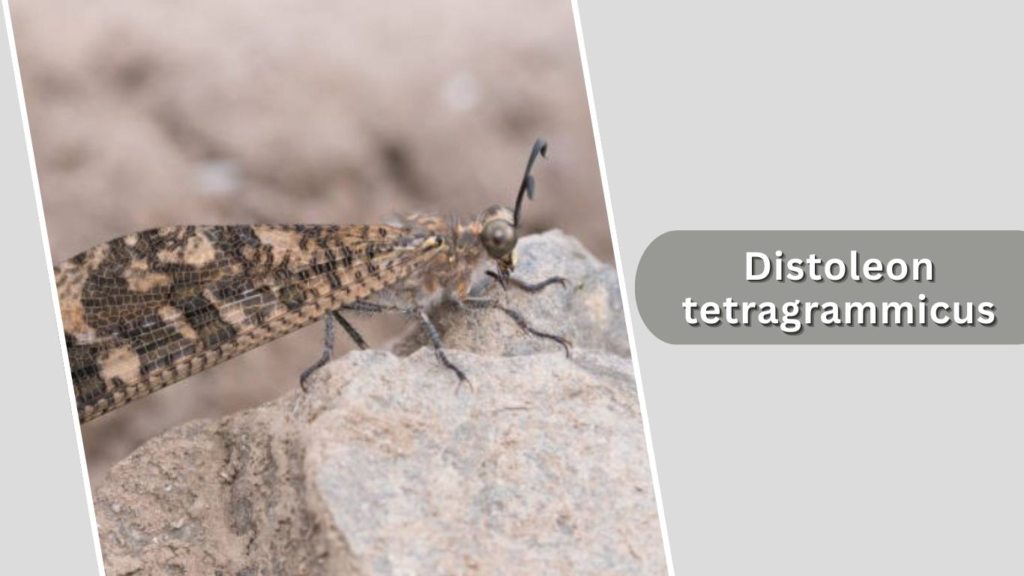
Distoleon tetragrammicus is a European antlion species known for the dark markings on its wings. Its larvae are classic pit builders and are commonly found in dry, sandy environments. This species is less well known than Myrmeleon but follows the same fascinating ambush lifestyle.
Identification
- Adults slender with transparent wings marked by dark spots
- Body light brown to gray
- Antennae short and slightly clubbed
- Wings finely veined and patterned
- Larvae stout, flattened, with large curved jaws
- Larvae typically found at the bottom of sandy pits
Habitat
Larvae live in dry, sandy areas such as dunes, sandy slopes, forest edges, and sheltered spots under rocks. They prefer fine, loose sand protected from rain. Adults rest on grasses and low plants in open, warm habitats.
Behaviors
Larvae build cone-shaped pits and bury themselves to ambush ants and small insects. When prey struggles, they flick sand to cause it to slide into their jaws. Adults are mostly nocturnal and may be attracted to lights.
Diet and Lifecycle
Larvae feed mainly on ants and small ground insects. The larval stage may last several months to a few years. Pupation takes place in a sandy cocoon. Adults emerge, mate, lay eggs in sand, and usually live only a short time.
10. Brachynemurus longicaudus (Long-Tailed Antlion)
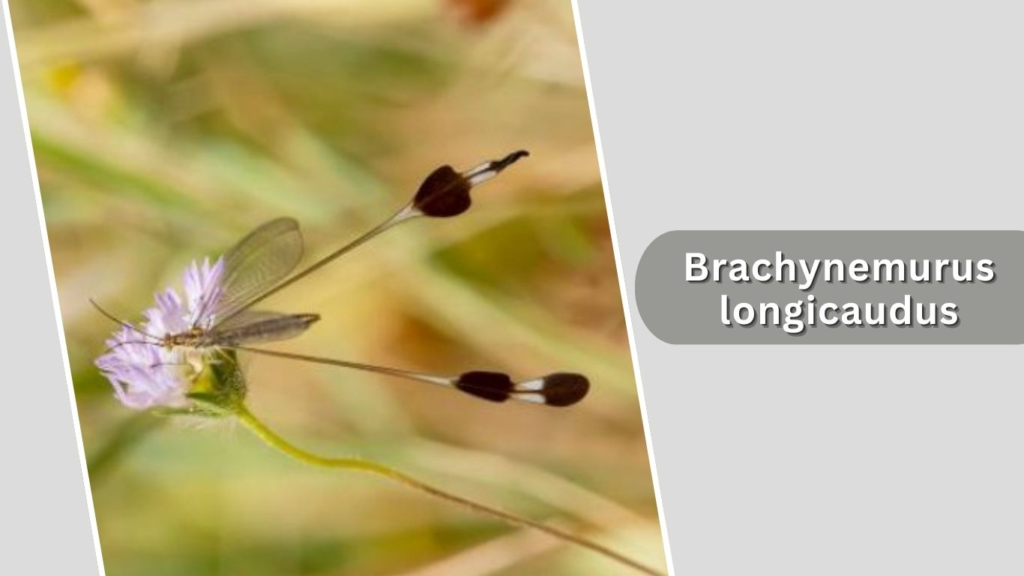
Brachynemurus longicaudus is a North American antlion species known for its slender appearance and relatively long abdomen. Its larvae are pit builders and are common in warm, sandy habitats. This species is often encountered in open, dry landscapes.
Identification
- Adults slender with narrow, transparent wings
- Body light brown to gray with a long, thin abdomen
- Antennae short with slight clubs
- Wings finely veined and held roof-like
- Larvae stout, flattened, with very large curved jaws
- Larvae usually hidden at the bottom of sandy pits
Habitat
Larvae inhabit dry, sandy environments such as open fields, pine forests, dunes, and riverbanks. They prefer loose, fine sand in sheltered places. Adults are commonly found resting on grasses, shrubs, and low vegetation near these sandy areas.
Behaviors
Larvae dig funnel-shaped pits and wait buried beneath the sand. When prey falls in, they flick sand to prevent escape and seize it. Adults are mainly nocturnal and weak fliers, often attracted to lights at night.
Diet and Lifecycle
Larvae feed on ants and other small insects. The larval stage may last many months or even years. Pupation occurs in a sandy cocoon. Adults emerge, mate, lay eggs in sandy soil, and usually live only a few weeks.
FAQs
What is an antlion?
An antlion is an insect belonging to the family Myrmeleontidae, best known for its predatory larvae that dig cone-shaped pits in sand to trap ants and other small insects. Adults look similar to slender dragonflies and are mostly active at night.
Why are antlion larvae called doodlebugs?
Antlion larvae are called doodlebugs because of the winding, doodle-like trails they leave in sand while searching for a place to build a pit. The name is commonly used in North America and refers to their underground, pit-building lifestyle.
Where do antlions live?
Antlions are found worldwide, mainly in dry, sandy habitats such as deserts, riverbanks, beaches, forest edges, and sheltered sandy areas. Larvae need fine, loose sand to build pits, while adults live on nearby vegetation.
What do antlion larvae eat?
Antlion larvae feed mainly on ants, beetles, and other small ground-dwelling insects. They are ambush predators that wait at the bottom of pits or buried under sand, seizing prey that comes within reach.
How long do antlions live?
Antlions spend most of their lives as larvae, which can last from several months to a few years depending on conditions. The adult stage is short, usually only a few weeks, and is mainly focused on mating and laying eggs.
