

During the cold months, stink bugs often vanish from gardens but reappear inside homes, confusing homeowners. These insects, best known for their pungent odor, seek warmth and shelter as temperatures drop. Although they seem inactive, many survive winter by hiding in attics, basements, or behind walls. Understanding how they endure the cold and invade homes can help in managing their presence during the winter season.
Identification
Winter Appearance
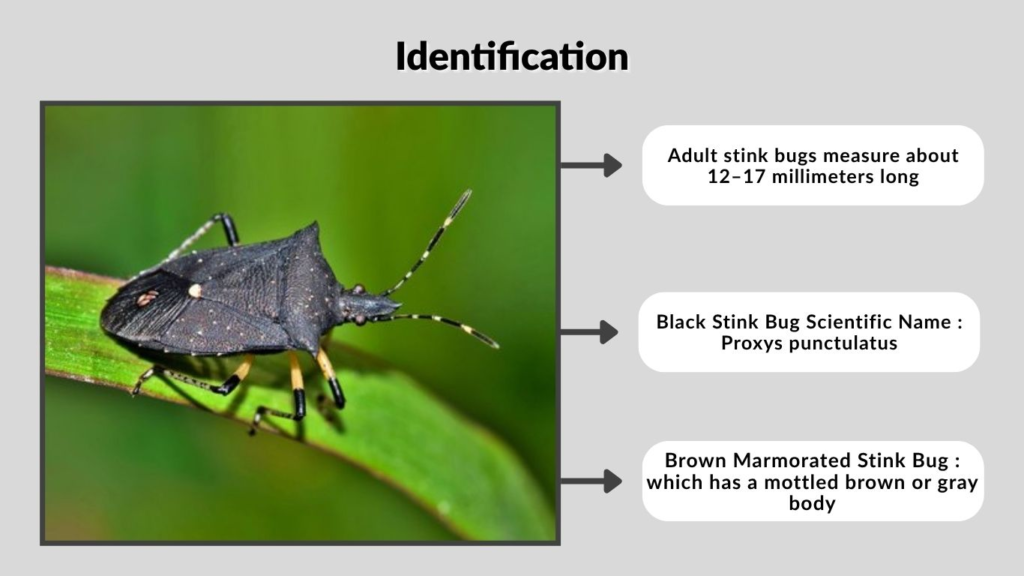
Stink bugs maintain their familiar shield-shaped bodies throughout the winter months. The most common winter invader is the Brown Marmorated Stink Bug (Halyomorpha halys), which has a mottled brown or gray body and white bands on its antennae. Adult stink bugs measure about 12–17 millimeters long, with broad, flattened backs and distinctive triangular markings on their upper thorax.
Even in winter, their bodies remain intact and functional, allowing them to reactivate once temperatures rise. You might also spot black or green variants that resemble the brown species, but all share similar size, odor, and behavior patterns.
Common Winter Species
| Common Name | Scientific Name | Notable Features |
| Brown Marmorated Stink Bug | Halyomorpha halys | Brown-gray body, white-banded antennae |
| Black Stink Bug | Proxys punctulatus | Jet-black with glossy surface |
| Green Stink Bug | Chinavia hilaris | Bright green with sharp shoulders |
These species differ in color and markings but exhibit nearly identical overwintering habits and survival instincts.
Winter Behavior and Adaptation
Dormancy and Hibernation
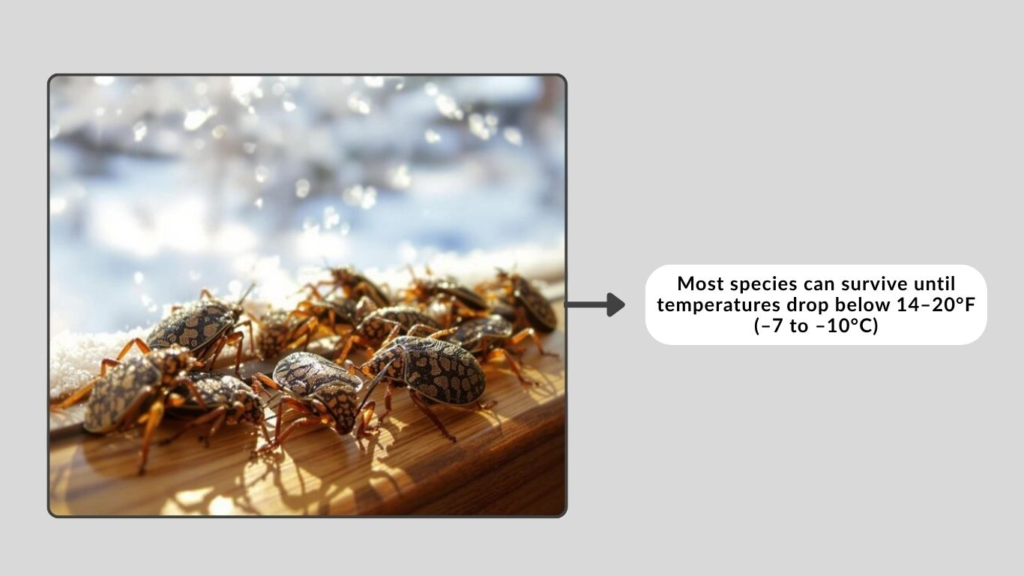
When late autumn arrives, stink bugs enter diapause—a state similar to hibernation. Their activity levels drop, feeding stops, and metabolism slows significantly. They instinctively search for warm, dry, and hidden locations such as wall cavities, attics, and basements. In nature, they overwinter under tree bark or leaf litter, but homes offer far better protection from the cold.
In diapause, they conserve energy and remain motionless for months. Once indoor heating or sunlight increases the surrounding temperature, they may awaken and start flying clumsily around lights or windows, looking for a way out.
Temperature Tolerance
Stink bugs are cold-hardy but not immune to freezing. Most species can survive until temperatures drop below 14–20°F (–7 to –10°C). Outdoors, prolonged cold spells can kill many, especially those exposed to moisture or wind. Indoors, however, central heating keeps them alive, though sluggish.
Occasional warm days during winter may cause temporary reactivation, leading to sightings of live bugs crawling on walls or ceilings, even in mid-January. They don’t breed indoors, but they can linger until spring.
Habitat and Indoor Invasions

Where They Go in Winter
As temperatures fall, stink bugs seek protection in cracks, siding, shingles, window frames, and attics. Homes, barns, and garages mimic their natural shelters. They are especially attracted to sun-facing walls that absorb heat during the day. Once inside, they remain hidden in tiny crevices and behind insulation or furniture until the warmer months return.
Why They Enter Homes
Shorter daylight hours in fall signal stink bugs to migrate toward warmth. They detect heat leaks and light sources from human dwellings, entering through vents, chimneys, and poorly sealed windows. Because of their flattened bodies, they squeeze through narrow openings unnoticed.
By late winter, many homeowners find clusters of these insects near curtains, ceilings, and attics, especially on sunny days. This behavior often sparks alarm, but the bugs are simply waking up from dormancy and trying to escape outdoors.
Feeding and Activity During Winter
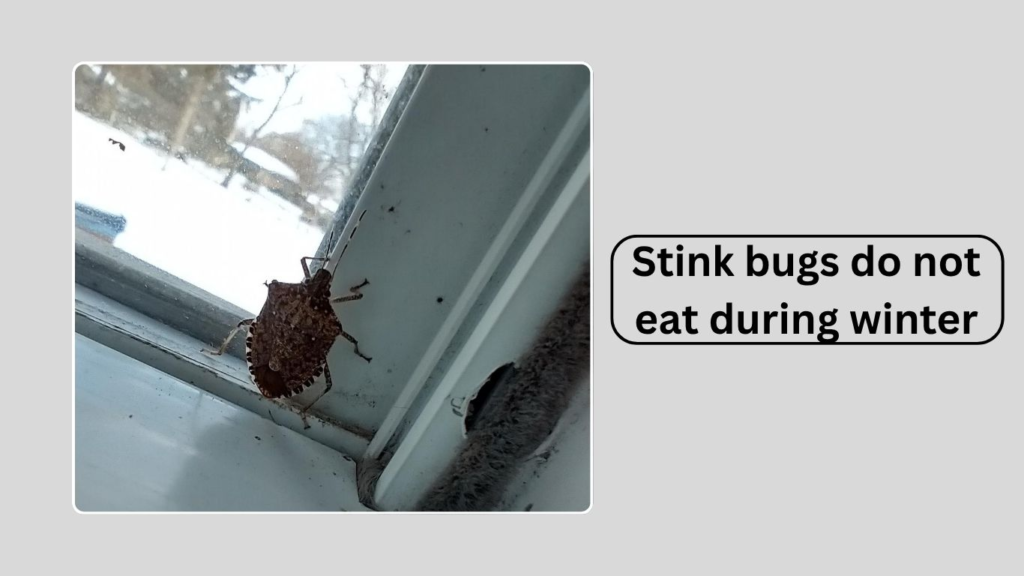
Stink bugs do not eat during winter. Their digestive systems shut down during diapause, and they survive on stored energy reserves. When awakened inside homes, they may crawl slowly or fly toward windows but remain uninterested in food or reproduction.
In outdoor environments, their survival depends on body fat accumulated during summer feeding. They can live for several months without any sustenance, making them remarkably resilient to starvation and dehydration. Once spring arrives, they become fully active again and resume feeding on fruits, vegetables, and garden plants.
Survival Strategies
Stink bugs have evolved several adaptations that allow them to survive harsh winters. Their hard, waxy exoskeleton helps prevent water loss and protects against cold damage. Some species produce natural antifreeze compounds that stop their body fluids from freezing. In addition, stink bugs often cluster together in hidden spaces, which helps them conserve warmth and humidity. This collective behavior increases their overall survival rate during long, freezing months.
Even though they appear lifeless, most overwintering stink bugs are simply dormant, waiting for environmental cues like longer daylight hours or warmer air to reactivate. Once awakened, they immediately begin searching for food and mates, marking the start of a new reproductive cycle in spring.
Control and Prevention
Before Winter (Fall Preparation)
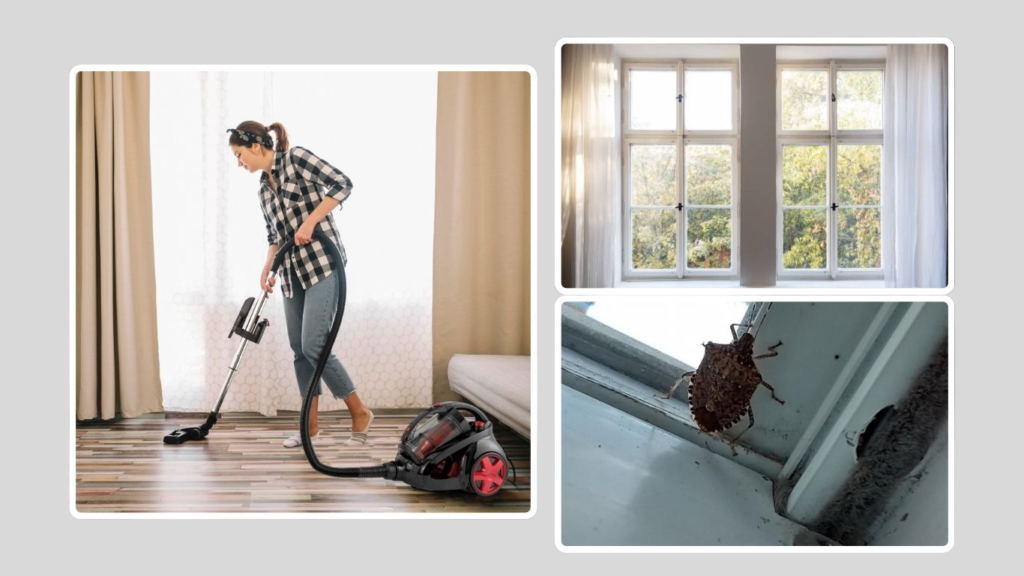
The best way to prevent stink bugs from invading is to seal entry points before winter begins. Check around doors, windows, chimneys, vents, and siding for cracks or gaps and close them with silicone caulk or weather stripping. Install door sweeps and repair torn window screens. Keeping outdoor lights off at night can also reduce attraction, as stink bugs are strongly drawn to warmth and illumination.
Regularly removing fallen leaves, weeds, and plant debris near the foundation reduces outdoor hiding spots. Homeowners in heavily infested regions can also apply residual insecticides around windows and attic openings in early autumn as a preventive measure.
During Winter
If you notice stink bugs indoors, avoid crushing them, as this releases their signature foul odor. Instead, use a vacuum cleaner to collect and dispose of them outdoors. Some people place a dish of soapy water under a lamp — the bugs are drawn to the light, fall in, and drown. Sticky traps and pheromone lures can also help manage indoor populations in attics or basements.
After Winter
Once the season ends, inspect attics, walls, and crawl spaces for leftover clusters. Spring cleaning is an ideal time to remove any overwintering bugs and apply a fresh barrier treatment around entry points. Encouraging natural predators such as birds, spiders, and assassin bugs outdoors helps maintain long-term control without chemicals.
Signs of Infestation
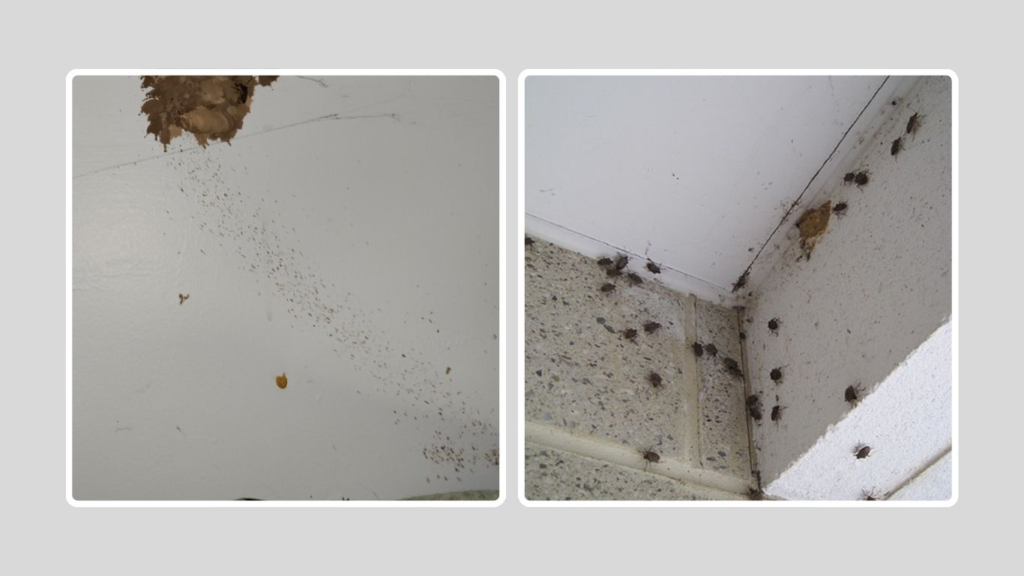
Stink bugs in winter often remain hidden, but there are several telltale signs:
- Slow-moving bugs crawling on walls or windows on sunny winter days.
- A musty, unpleasant odor near curtains, vents, or light fixtures.
- Finding clusters in attics or wall cavities during repairs or insulation work.
- Small entry points visible around window frames, siding, or roofing edges.
Noticing these indicators early can help prevent a larger spring infestation when overwintered bugs reemerge to breed.
Interesting Facts
- Stink bugs were introduced to the U.S. from Asia in the 1990s and have since spread across most states.
- They can survive for months without food or water by lowering their metabolism during dormancy.
- The foul smell they emit is due to trans-2-decenal and trans-2-octenal, chemicals also found in cilantro.
- A single female can lay over 200 eggs once spring arrives.
- Warm indoor conditions can prematurely awaken stink bugs, causing midwinter sightings.
FAQs
Do stink bugs die in the winter?
Most stink bugs survive the winter by entering dormancy rather than dying. Those that remain outdoors may freeze during extreme cold, but many survive indoors or under tree bark where temperatures stay milder.
Where do stink bugs go in the winter?
They hide in attics, basements, walls, and crawl spaces inside homes. Outdoors, they shelter beneath tree bark, stones, and leaf litter, waiting for spring’s warmth to awaken them.
Can stink bugs survive cold temperatures outside?
Yes, but only to a point. Stink bugs can endure brief cold spells, but temperatures below 14°F (–10°C) for extended periods usually kill them, especially if they lack shelter or moisture protection.
Why are there stink bugs in my house in winter?
They enter homes seeking warmth and protection during autumn. Once inside, they stay dormant in small crevices. Heating or sunlight can awaken them, which is why you may spot them moving around in winter.
How can I get rid of stink bugs during winter?
Use a vacuum to remove visible bugs and seal cracks to prevent entry. Avoid crushing them to stop odor release. Place soapy water traps near light sources or use natural repellents like mint or neem oil for long-term prevention.
