
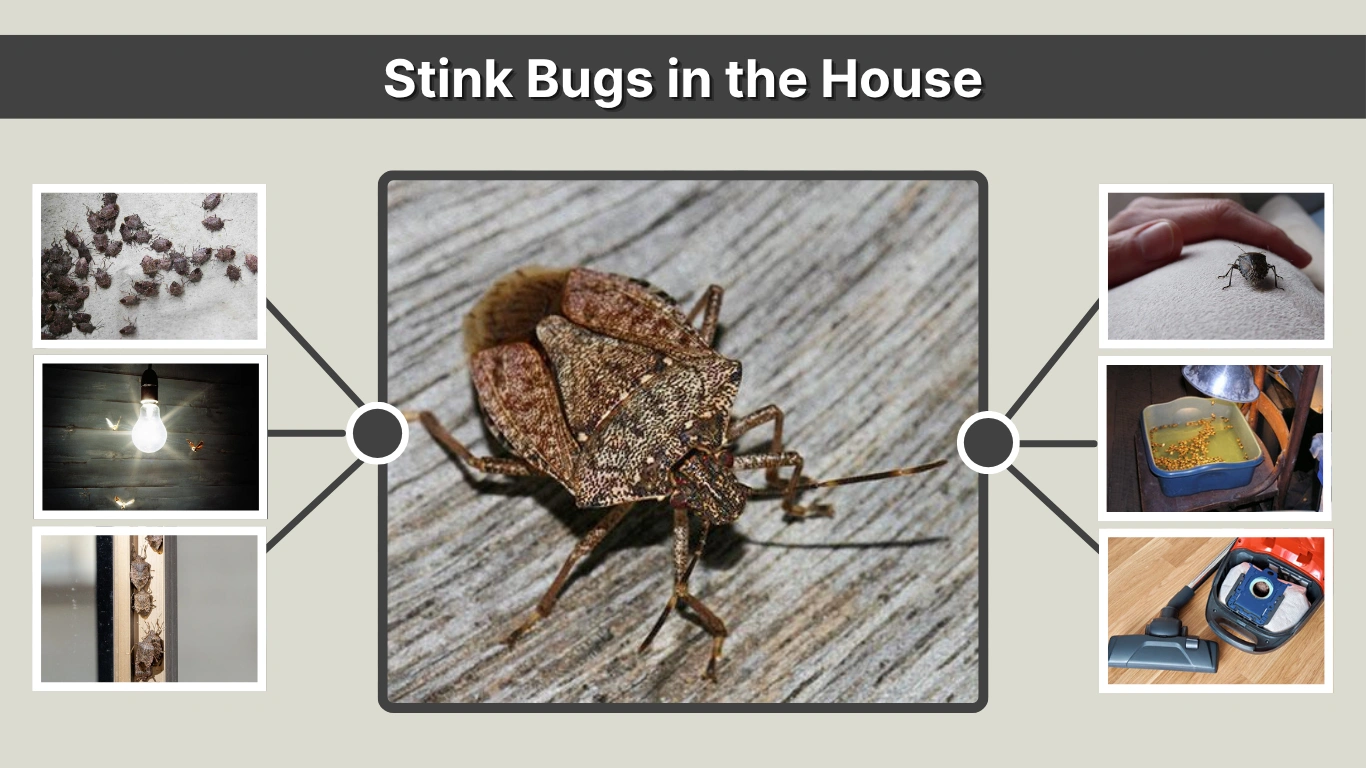
Finding stink bugs in your home can be both frustrating and confusing. These small, shield-shaped insects often appear suddenly — crawling along walls, buzzing around windows, or hiding behind curtains. Known for their unpleasant odor, stink bugs don’t bite or sting but can quickly become a nuisance during cooler months. Understanding why they enter your home, where they hide, and how to stop them is the key to keeping your space pest-free.
Understanding Stink Bugs Indoors

What Are Stink Bugs?
Stink bugs belong to the Pentatomidae family, a group of insects commonly called “shield bugs” because of their distinct body shape. The most widespread species in North America is the Brown Marmorated Stink Bug (Halyomorpha halys), an invasive pest that originated in Asia. Other varieties include Green Stink Bugs and Black Stink Bugs, though they are less likely to infest homes.
These insects earned their name from the foul-smelling chemical they release when threatened or crushed — a defense mechanism that deters predators but makes them unpleasant houseguests.
Basic Behavior
- Feed primarily on plants, fruits, and crops.
- Attracted to warmth, light, and sheltered spaces.
- Emit odor when handled or disturbed.
- Capable of flight but often crawls indoors to hide.
How Do Stink Bugs Get in the House?

Common Entry Points
Stink bugs are experts at sneaking into homes through the smallest gaps. They typically enter:
- Cracks around doors, windows, siding, and chimneys.
- Attic vents or exhaust fans.
- Loose-fitting door sweeps or window screens.
- Openings near pipes and electrical outlets.
Once inside, they spread throughout the house, searching for dark, quiet hiding places to spend the winter.
Seasonal Entry Behavior
Stink bugs invade homes primarily in late summer and fall. As outdoor temperatures drop, they seek warm shelter for overwintering. Once one stink bug enters, it releases a chemical signal (pheromone) that attracts others, leading to large infestations seemingly overnight.
Why Are There So Many Stink Bugs in My House?

It can feel like stink bugs appear out of nowhere, but their indoor presence follows a predictable pattern.
Main Causes
- Seasonal Migration: Cooler temperatures push them indoors.
- Heat and Shelter: Homes provide ideal overwintering sites.
- Bright Lights: Attracted to artificial lights in the evening.
- Nearby Vegetation: Houses near orchards or gardens often experience more infestations.
Environmental Triggers
Warm, mild winters and humid summers often lead to population booms. When crops are harvested or plants die off, stink bugs lose their food sources and instinctively migrate toward houses and buildings.
Where Do Stink Bugs Hide in the House?
Common Hiding Spots
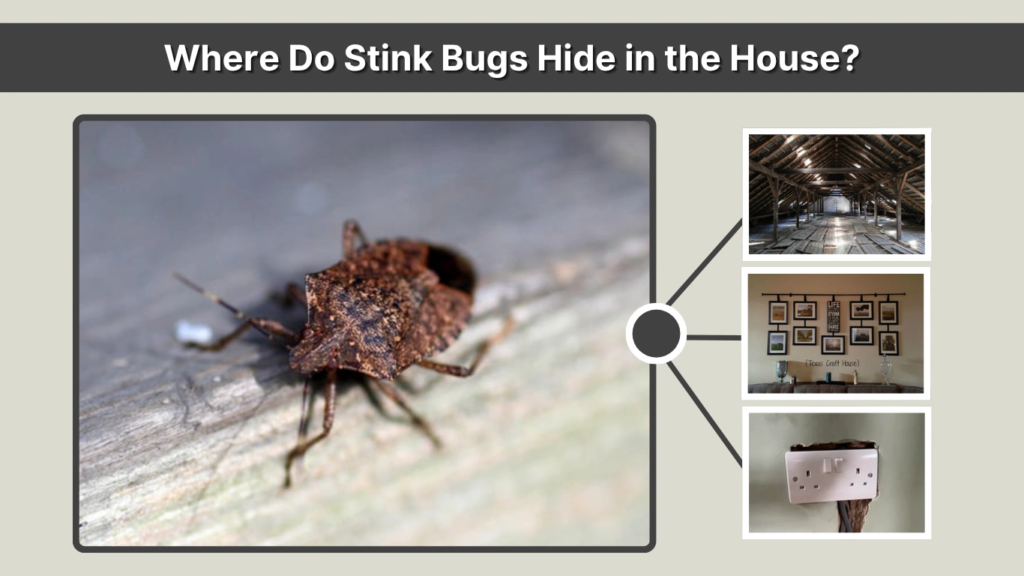
Once inside, stink bugs prefer quiet, hidden areas that mimic natural outdoor crevices. Typical spots include:
- Attics, basements, or crawl spaces
- Behind picture frames or curtains
- Inside wall voids or electrical outlets
- Window frames, vents, and ceiling corners
They remain mostly inactive through winter but may crawl or buzz toward light on warm days.
Signs of Indoor Activity
- Finding live or dead bugs near windows, especially on sunny mornings.
- Faint odor near light fixtures or curtains.
- Buzzing sounds as they attempt short, clumsy flights indoors.
Do Stink Bugs Lay Eggs or Nest Indoors?
Reproduction Facts
Despite popular belief, stink bugs do not reproduce inside houses. They only lay eggs outdoors on plant leaves during spring and summer. Female stink bugs deposit clusters of 20–30 pale green eggs, which hatch into nymphs after a few days.
Indoors, adult stink bugs are simply overwintering — resting until temperatures outside rise again.
Winter Dormancy
During winter, stink bugs enter a hibernation-like state known as diapause. In this state, they don’t eat, breed, or move much. When indoor heating or sunlight warms their hiding spots, they may become temporarily active, leading to midwinter sightings.
Why Do I Keep Finding Stink Bugs in My House?
Pheromone Attraction
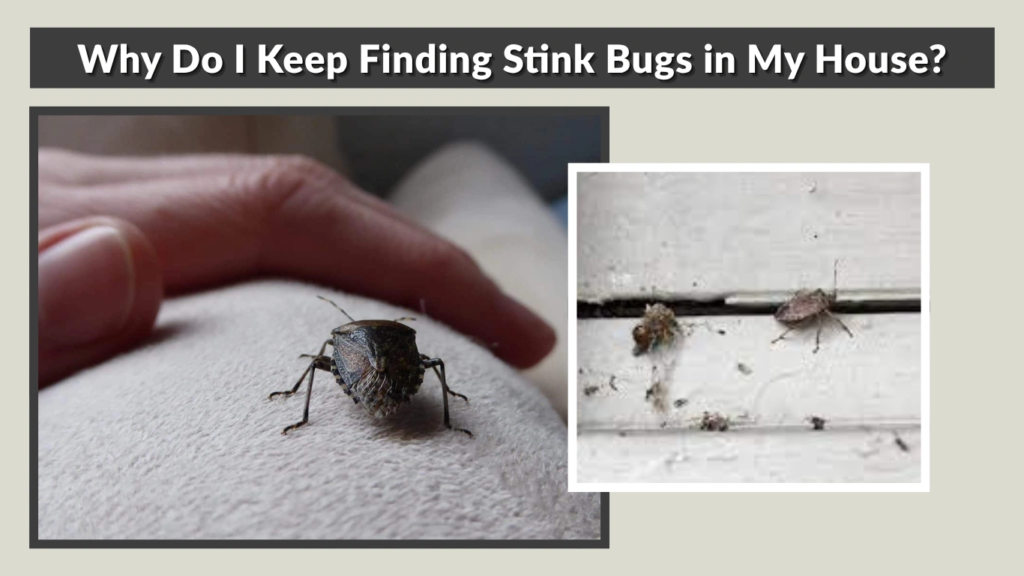
Once a stink bug finds a cozy hiding place, it emits a scent trail that guides other stink bugs to the same location. This is why you may notice them appearing in groups or returning year after year — even if you think you’ve sealed entry points.
Temperature Changes
Stink bugs respond to warmth. During cold spells, they remain hidden in walls or attics. When indoor heating or mild outdoor weather warms them, they become active again, moving toward light sources or windows.
Stink Bugs in the House During Winter
When temperatures drop, stink bugs transition from outdoor pests to uninvited houseguests. Their entry into homes is part of a survival instinct — not a breeding or feeding behavior.
Overwintering Behavior
- Stink bugs begin seeking shelter in late autumn, often clustering on warm exterior walls before slipping inside.
- Once indoors, they find dark, undisturbed spaces like attics, wall cavities, and crawl spaces.
- They remain in a dormant state for months, conserving energy and waiting for spring.
What Happens Indoors
During this period, they don’t reproduce or cause damage. However, when indoor heating systems create warmth, stink bugs may wake prematurely, leading to sightings around windows, lamps, or ceilings. While harmless, their presence can be unpleasant — especially if disturbed, as they release their trademark odor.
What Do Stink Bugs Eat in the House?

Despite their name, stink bugs aren’t dirty insects. They’re plant feeders, not scavengers.
Diet Indoors
- They feed on fruits, vegetables, and plants, not crumbs or stored food.
- Indoors, they may nibble on potted plants, herbs, or fruit bowls.
- Most survive weeks without eating by entering a semi-dormant state.
Outdoor Diet
When outside, stink bugs target:
- Tomatoes, beans, corn, peaches, and apples.
- Their piercing-sucking mouthparts damage crops and fruit skin, leaving discolored spots.
Inside the home, food sources are minimal — meaning they’re simply waiting out the cold.
Are Stink Bugs Harmful to Have Indoors?
Health Concerns
Stink bugs are harmless to humans and pets. They don’t bite, sting, or spread disease. However, the strong odor they emit when threatened can cause mild irritation or headaches for some people.
Damage and Odor Issues
- The smell lingers on fabrics, walls, or curtains if bugs are crushed.
- Some individuals experience allergic reactions to the scent’s compounds.
- A large indoor population may create a persistent, musty odor.
Despite the discomfort they cause, stink bugs are not dangerous — just inconvenient.
How to Get Rid of Stink Bugs in the House
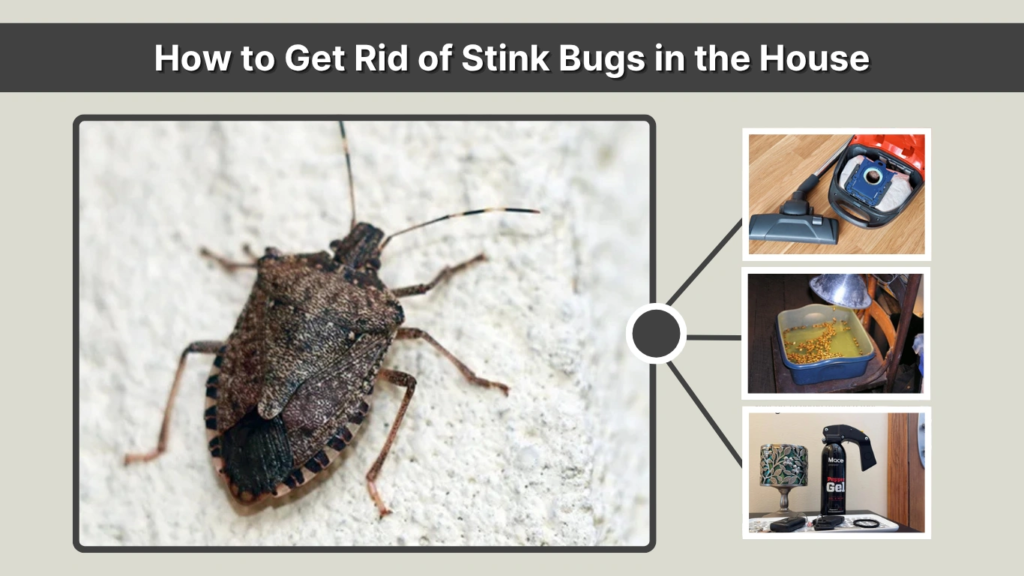
When you spot stink bugs indoors, the goal is to remove them safely without spreading their odor.
Immediate Removal
- Vacuum Method: Use a handheld or hose vacuum and dispose of the bag immediately.
- Light Trap: Place a small lamp over a bowl of soapy water; bugs fly toward the light and drown.
- Avoid Crushing: This triggers their defensive spray and attracts more stink bugs.
Natural Repellents
- Peppermint Oil: Mix 10 drops with water in a spray bottle; apply to doorways and windows.
- Clove or Eucalyptus Oils: Strong scents mask pheromones that attract other stink bugs.
- Vinegar Solution: Equal parts water and white vinegar can repel them without harming surfaces.
Professional Extermination
For large infestations or recurring problems:
- Pest control experts can apply targeted residual insecticides in cracks and entry points.
- Technicians often treat exterior walls and attic spaces where bugs gather in fall.
- Safe, long-term sealing prevents future invasions.
How to Prevent Stink Bugs from Entering
The best way to deal with stink bugs is to keep them out before they settle in.
Seal Entry Points
- Caulk around windows, doors, vents, and siding gaps.
- Install door sweeps and replace torn window screens.
- Check for openings around pipes, chimneys, and attic vents.
Reduce Outdoor Attractants
- Turn off porch or garden lights at night, especially during fall.
- Move fruit bowls and indoor plants away from windows.
- Keep the area around your home clear of weeds, tall grass, and debris.
Maintain Seasonal Checks
- Inspect the attic and basement each fall for clusters of bugs.
- Vacuum or wipe down window sills to remove any pheromone residue.
- Consider using yellow “bug lights” that don’t attract insects as strongly.
Dead or Dormant Stink Bugs Indoors
What It Means
Finding dead stink bugs during winter or spring is common. These are typically individuals that entered months earlier and didn’t survive the cold. Their presence doesn’t indicate active breeding or new infestations.
How to Dispose of Them
- Sweep or vacuum gently to avoid crushing.
- Use gloves to handle large numbers — odor can transfer to skin.
- Clean affected areas with mild detergent to remove residual scent.
When to Call an Exterminator
While a few stink bugs are manageable, a large-scale infestation may require professional help.
Call an expert if:
- You find multiple bugs daily in several rooms.
- The odor persists despite cleaning and vacuuming.
- Sealing and DIY prevention fail to reduce sightings.
Professionals can pinpoint hidden entry points, seal them permanently, and treat outdoor nesting areas to stop new arrivals.
FAQs
Why are stink bugs in my house?
They enter homes seeking warmth and shelter when outdoor temperatures drop, especially in late fall.
Do stink bugs reproduce indoors?
No. They only lay eggs outside on plant leaves during spring and summer.
Where do stink bugs hide inside?
Common hiding spots include attics, behind baseboards, inside walls, and near window frames.
Do stink bugs fly indoors?
Yes, adult stink bugs can fly short distances, usually toward lights or warm windows.
How do I stop stink bugs from coming in?
Seal cracks, use essential oil repellents, and reduce exterior lighting.
What kills stink bugs instantly?
A mix of dish soap and water sprayed directly on them suffocates without spreading odor.
Are stink bugs dangerous?
No — they don’t bite, sting, or transmit disease, though their smell can be unpleasant.
