

Tarantula hawk wasps are striking insects, easily recognized by their metallic blue-black bodies and bright orange wings. But what makes them truly infamous is their sting—ranked among the most painful in the insect world. While terrifying in reputation, the sting is rarely dangerous to humans. If you ever find yourself stung by one of these fearsome wasps, knowing the immediate steps to take can make the difference between minutes of unbearable pain and a smoother recovery.
Understanding the Tarantula Hawk Wasp Sting

Why the Sting Hurts So Much
The tarantula hawk’s sting has been described as blinding, electrifying, and excruciating. On the Schmidt Sting Pain Index, it ranks at the very top, alongside the bullet ant. The pain is immediate and overwhelming, often leaving the victim unable to do anything but stop and endure the sensation until it passes.
This intense reaction is due to the wasp’s venom, which evolved specifically to paralyze tarantulas. The venom attacks the spider’s nervous system, leaving it alive but immobilized so the wasp’s larvae can feed on it. When injected into humans, the venom does not cause lasting damage, but the nerve shock results in several minutes of agony.
Venom vs Human Health
For humans, the venom is not designed to be lethal. Unlike tarantulas, whose nervous systems are highly vulnerable, our bodies process the sting with only temporary effects. Most people recover fully within 24–48 hours, though the pain itself peaks sharply for the first few minutes.
Still, as with any insect sting, individual reactions vary. Allergic people or those with compromised immune systems may experience stronger symptoms and should be cautious.
Immediate First Aid Steps After a Sting

When stung by a tarantula hawk, your first instinct may be to panic, but taking the right steps immediately will help reduce pain and prevent complications.
Stay Calm and Safe
The first priority is to move away from the wasp. While they rarely sting more than once, staying near the insect could provoke further attacks. Breathe deeply and keep movements controlled; panicked flailing can increase blood circulation and spread venom more quickly through the tissues.
Clean the Sting Area
Once safe, wash the sting site with soap and cool water. This simple step reduces the risk of infection and helps soothe the skin. Unlike bee stings, there is no stinger left behind, so you don’t need to remove anything from the wound.
Apply Cold Therapy
Cold compresses or ice packs wrapped in cloth should be applied to the sting site for 10–15 minutes at a time. This reduces swelling, numbs the nerves, and provides relief from pain. Avoid placing ice directly on the skin, as it may cause frostbite.
Manage Pain
Over-the-counter medications like ibuprofen or acetaminophen can help with lingering soreness. Topical treatments such as aloe vera gel or antihistamine creams may also ease itching or inflammation. Importantly, avoid scratching or rubbing the sting site, as this may worsen irritation.
Symptoms You May Experience

Being stung by a tarantula hawk wasp comes with immediate, unmistakable symptoms. While alarming, most are temporary and fade within a short period:
- Intense, burning pain: The hallmark symptom, often described as an electric shock coursing through the body.
- Localized swelling and redness: The skin around the sting site may puff up and appear irritated.
- Temporary numbness or weakness: Some people experience tingling or muscle weakness near the sting.
- Mild dizziness or sweating: The body’s response to sudden pain can cause temporary lightheadedness.
- Rare severe reaction: In uncommon cases, allergic individuals may develop hives, difficulty breathing, or swelling in areas beyond the sting site. This can indicate a dangerous condition known as anaphylaxis.
For most healthy adults, the pain subsides in 5–10 minutes, leaving only mild soreness for a few hours.
When to Seek Medical Attention
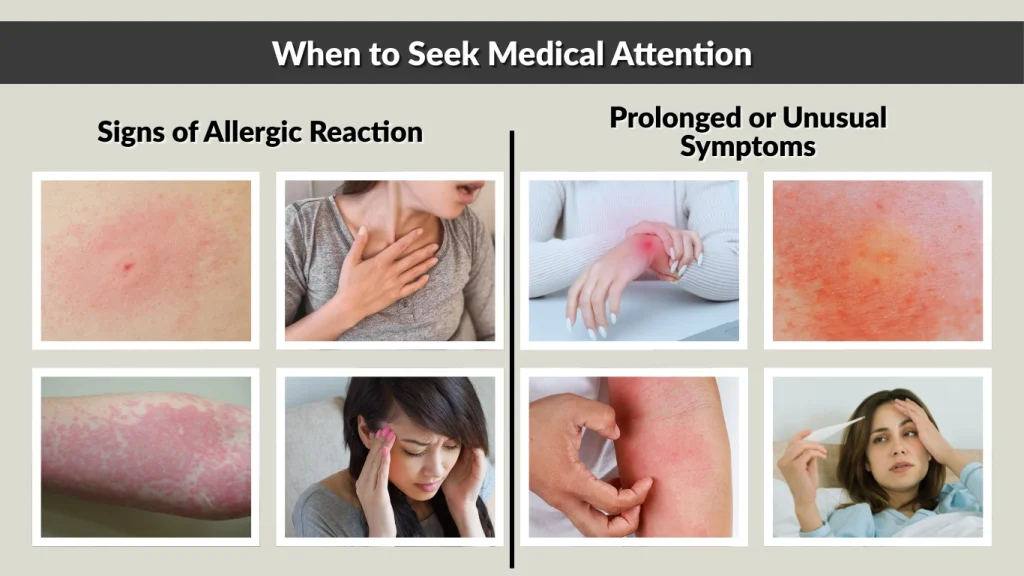
Signs of Allergic Reaction
Although most tarantula hawk stings are not life-threatening, certain symptoms require immediate medical care. If you experience:
- Severe swelling spreading beyond the sting site
- Difficulty breathing or chest tightness
- Hives or widespread skin rashes
- Rapid heartbeat or dizziness
These may indicate anaphylaxis, a rare but serious allergic reaction. In such cases, call emergency services right away and, if available, use an epinephrine auto-injector (EpiPen) until professional help arrives.
Prolonged or Unusual Symptoms
In some situations, the sting may lead to complications. Seek medical attention if:
- Pain lasts longer than one hour
- Swelling continues for more than two days
- Redness spreads, suggesting infection
- Fever or general weakness develops
Even though tarantula hawk venom is not fatal, secondary issues like infection or allergy can make treatment necessary.
Recovery Timeline
The recovery process from a tarantula hawk sting is usually straightforward.
- First 5 minutes: Peak pain, often described as unbearable and immobilizing.
- 30 minutes to 1 hour: Pain intensity drops sharply, leaving soreness or burning.
- 12–24 hours: Redness and swelling begin to fade.
- 24–48 hours: Most people are fully recovered with no lasting effects.
For some, mild tenderness may persist for another day, but beyond that, no permanent damage occurs. Unlike venomous snake bites or scorpion stings, tarantula hawk venom does not destroy tissue or affect internal organs.
Preventing Tarantula Hawk Wasp Stings

Since the sting is so painful, the best approach is to avoid it altogether. Practical prevention steps include:
- Do not disturb wasps: Tarantula hawks are generally non-aggressive. They sting only when threatened or handled.
- Wear protective clothing: When hiking, gardening, or exploring deserts, long sleeves and gloves reduce sting risk.
- Be cautious near spider burrows: Female wasps are most aggressive when dragging prey into burrows.
- Avoid swatting them: They are large, fast fliers, and attempting to strike them may provoke an unnecessary sting.
Remember, these wasps are beneficial pollinators and important for ecosystem balance. Observing them from a safe distance is the best way to admire their role in nature.
Myths vs Facts About the Sting
- Myth: A tarantula hawk sting is deadly to humans.
Fact: The sting is agonizing but not fatal. Healthy individuals recover within a day or two. - Myth: The venom causes long-term health problems.
Fact: There are no lasting medical effects. Pain and swelling are temporary. - Myth: They attack humans aggressively.
Fact: Tarantula hawks are defensive, not aggressive. They avoid stinging unless provoked. - Myth: They can sting multiple times in one attack.
Fact: They can sting more than once, but it is extremely rare since they usually retreat after defending themselves.
FAQs
1. How painful is a tarantula hawk sting compared to other insects?
It is considered one of the most painful stings in the world, comparable to the bullet ant. The pain is sharp, intense, and immobilizing, but it peaks quickly and fades within minutes.
2. Can children or elderly suffer more from the sting?
Yes, vulnerable individuals like children, elderly, or those with health conditions may experience stronger reactions. Medical observation is recommended in such cases.
3. Do tarantula hawk wasps sting multiple times?
They are capable of stinging more than once, but in most cases, they sting only when threatened and then fly away.
4. Should I carry an epinephrine auto-injector in tarantula hawk habitats?
If you have a history of severe allergic reactions to insect stings, carrying an epinephrine auto-injector is strongly recommended.
5. Can pets be harmed by tarantula hawk stings?
Yes, pets like dogs or cats may suffer significant pain and swelling. While rarely fatal, a veterinarian should be consulted immediately if a pet is stung.
