

Pepsis wasps, more commonly known as tarantula hawk wasps, are among the largest wasps in the world. They are striking in appearance, often with metallic blue-black bodies and bright orange wings, but they’re even more famous for something else—their sting. Ranked as one of the most painful stings on the Schmidt Pain Index, a Pepsis wasp sting is something few forget. Although not deadly to most people, the sheer intensity of pain makes it a serious concern, especially for those allergic to insect venom.
In this article, we’ll break down what happens when you’re stung, how to identify symptoms, and what immediate steps you should take for treatment and relief.
What is a Pepsis Wasp?
Pepsis wasps belong to the Pepsis genus, with more than 300 species spread across the Americas, especially in deserts, grasslands, and tropical areas. Their most famous prey is the tarantula, which they paralyze and use as a host for their larvae—hence the name tarantula hawk wasp.
Despite their fearsome reputation, these wasps are not aggressive toward humans. Most stings occur when they feel threatened, accidentally stepped on, or handled.
How Dangerous is a Pepsis Wasp Sting?
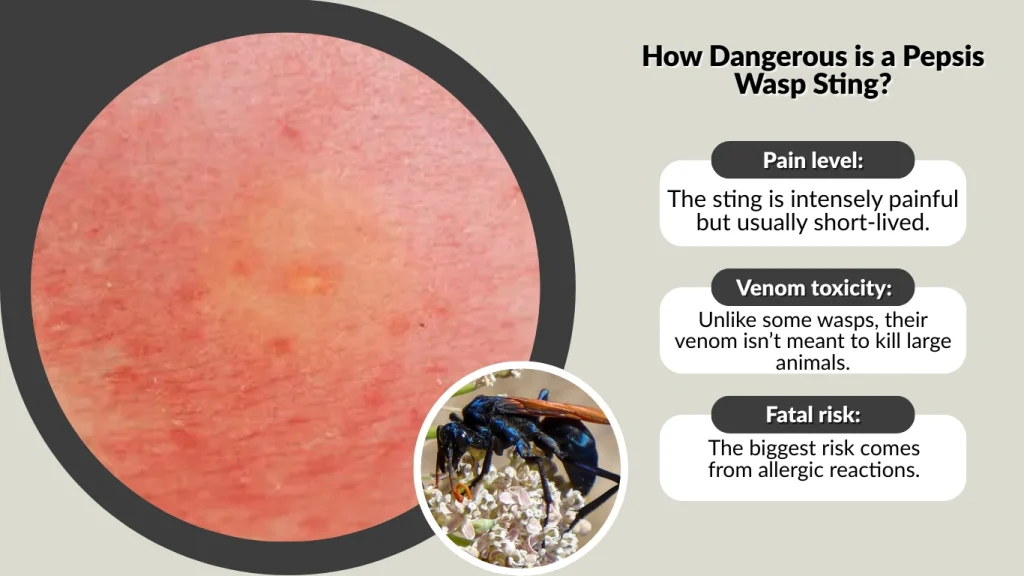
Compared to other wasps, hornets, or even bullet ants, the Pepsis wasp ranks at the very top of sting pain charts. Entomologist Justin O. Schmidt, who created the Pain Index, described the sting as “blinding, fierce, and shockingly electric.”
- Pain level: The sting is intensely painful but usually short-lived.
- Venom toxicity: Unlike some wasps, their venom isn’t meant to kill large animals—it’s primarily designed to paralyze tarantulas.
- Fatal risk: For healthy adults, it is not fatal. The biggest risk comes from allergic reactions such as anaphylaxis, which require emergency care.
Symptoms of a Pepsis Wasp Sting
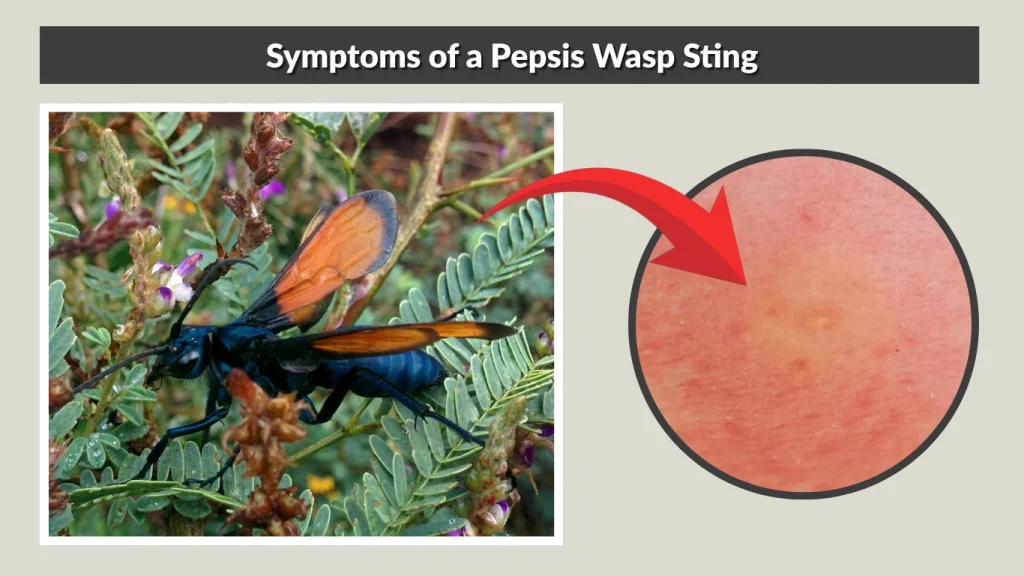
Immediate Symptoms
The moment the stinger punctures the skin, the pain is overwhelming. It’s described as sharp, burning, and radiating.
- Intense pain that peaks immediately.
- Redness and swelling at the sting site.
- Muscle twitching or spasms around the affected area.
Short-Term Effects (First Few Hours)
Once the initial surge of pain eases—usually within 5 to 10 minutes—other symptoms may follow:
- Lingering soreness and throbbing.
- Mild swelling and localized redness.
- Temporary weakness or dizziness in some cases.
Severe or Allergic Reactions (Rare Cases)
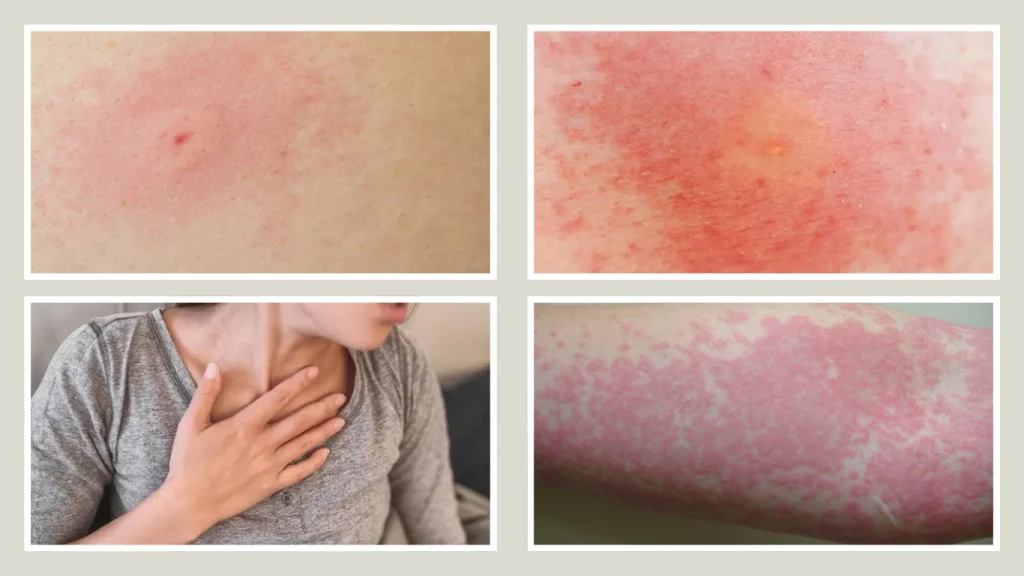
Though uncommon, some people experience strong immune reactions:
- Difficulty breathing or swallowing.
- Swelling in the face, lips, or throat.
- Hives spreading across the skin.
- Sudden drop in blood pressure or shock (anaphylaxis).
First Aid Treatment for a Pepsis Wasp Sting

What to Do Immediately
The first few minutes are crucial for controlling pain and preventing complications.
- Stay calm – sudden panic can make symptoms worse.
- Move to safety – avoid provoking more wasps in the area.
- Clean the wound – wash with soap and water to prevent infection.
- Apply a cold compress – ice helps reduce pain and swelling.
Pain Relief Methods
While the pain is incredibly intense, it fades faster than many other insect stings. Still, additional care can help:
- Take over-the-counter pain relievers such as ibuprofen or acetaminophen.
- Use antihistamine creams or hydrocortisone ointments to reduce itching.
- Natural remedies like a baking soda paste or diluted vinegar may provide soothing relief.
When to Seek Medical Attention
Most stings only require simple first aid, but medical help is essential in certain situations:
- If pain does not subside within a few hours.
- If swelling spreads beyond the sting site.
- If you notice difficulty breathing, dizziness, or fainting.
- If you have a known allergy to wasp or bee venom.
Doctors may recommend epinephrine injections, antihistamines, or observation depending on the reaction’s severity.
Medical Treatment Options
In severe cases, medical professionals may use:
- Epinephrine (adrenaline): For patients experiencing anaphylaxis.
- Antihistamines: To manage hives, rashes, or mild allergic reactions.
- Corticosteroids: To reduce intense swelling or inflammation.
- Hospital observation: For monitoring breathing and blood pressure in allergic patients.
Even though fatalities are extremely rare, professional treatment ensures safety against complications.
Long-Term Effects of a Pepsis Wasp Sting
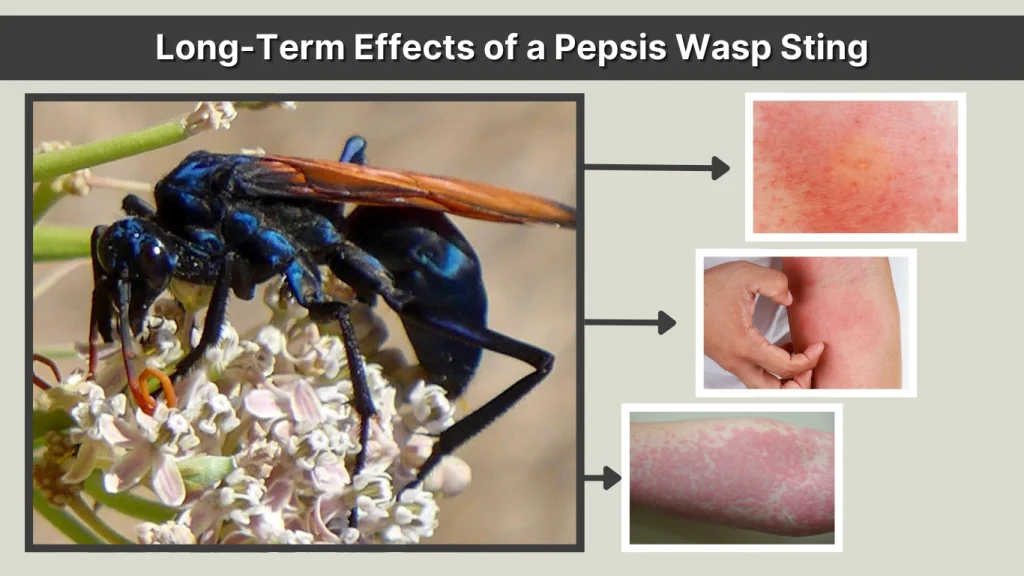
For most people, symptoms resolve within hours to a day. However, in rare cases:
- Infections can occur if the wound isn’t cleaned properly.
- Scarring may remain on sensitive skin.
- Psychological effects, such as fear of insects, can persist after experiencing the extreme pain.
Preventing Pepsis Wasp Stings
The best approach is prevention. Since these wasps prefer avoiding humans, encounters are uncommon, but you can lower risks by:
- Avoiding brightly colored clothing when hiking in desert or tropical areas.
- Wearing long sleeves and protective gear in regions where they’re active.
- Staying alert near areas where tarantulas live, as wasps often hunt there.
- Never attempting to catch or handle them—their sting is purely defensive.
Myths vs Facts About Pepsis Wasp Stings
- Myth: The sting is fatal.
Fact: Pain is extreme, but death is highly unlikely unless severe allergy is present. - Myth: They attack humans frequently.
Fact: They are generally non-aggressive and sting only when threatened. - Myth: They sting multiple times in one encounter.
Fact: A sting usually happens once, as it’s used mainly for defense.
FAQs
How long does the pain from a Pepsis wasp sting last?
The sharpest pain usually peaks instantly and fades within 5–10 minutes, though soreness and mild swelling may last several hours.
Can a Pepsis wasp sting kill you?
Not directly. The venom is not lethal to humans, but allergic reactions can cause life-threatening complications without treatment.
What should I avoid after being stung?
Avoid scratching the sting site, applying heat, or drinking alcohol, as these can worsen swelling and delay healing.
Do Pepsis wasps sting multiple times?
No, they rarely sting more than once. They only sting when provoked and then retreat quickly.
Are children at higher risk from a Pepsis wasp sting?
Yes, children may experience stronger reactions due to their smaller body size. If a child is stung, monitoring closely or seeking medical advice is highly recommended.
