
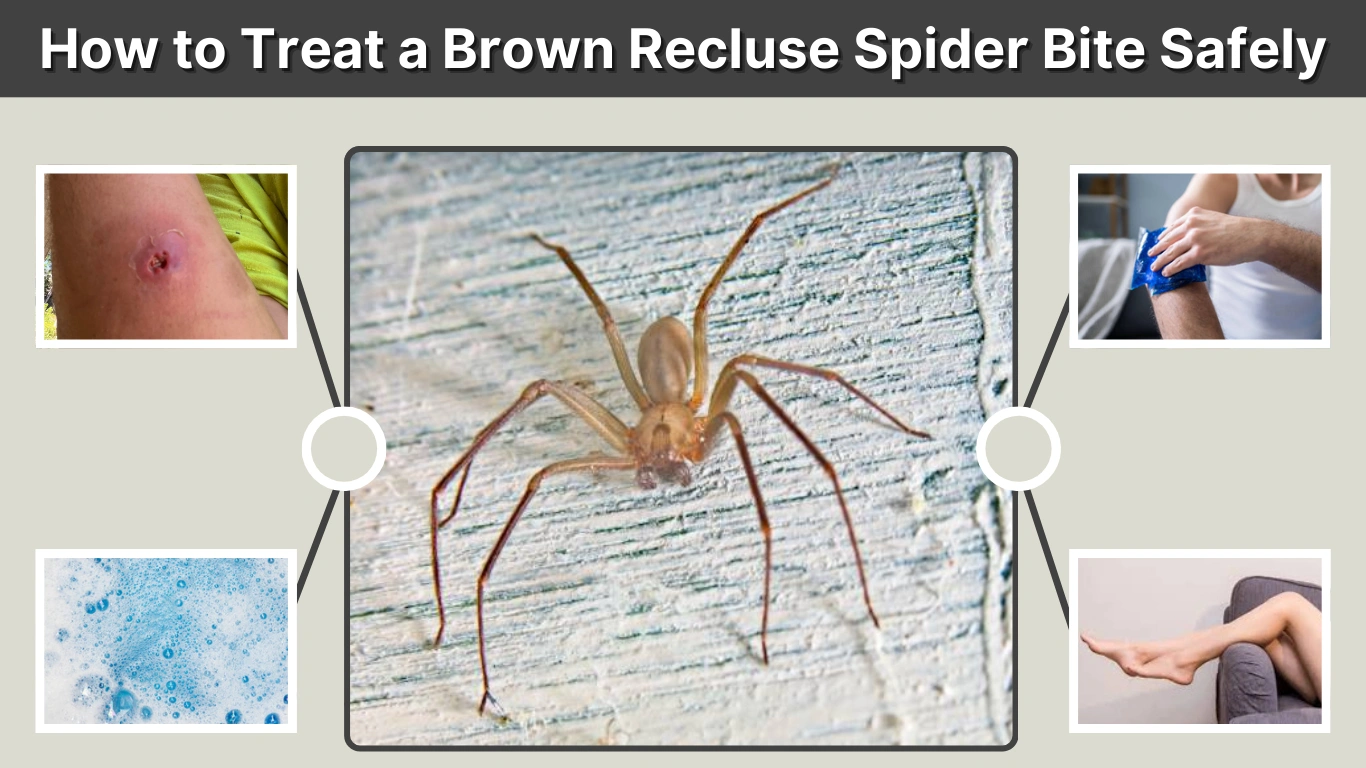
A brown recluse spider bite can be frightening, especially when skin changes appear hours or days later. Many people immediately search for home treatments or natural remedies, unsure whether the bite is serious. While most brown recluse bites are mild and heal on their own, some can worsen without proper care. Knowing how to treat a brown recluse spider bite correctly—starting from first aid to safe home care—can reduce complications and help you recognize when medical attention is needed.
What Is a Brown Recluse Spider Bite?
A brown recluse spider bite usually occurs when the spider is accidentally pressed against the skin, such as inside clothing, shoes, bedding, or gloves. Unlike many insect bites, a brown recluse bite is often painless at first, which is why people may not notice it immediately.
Symptoms can take several hours to appear, and many bites are misdiagnosed as pimples, allergic reactions, or skin infections. Not every bite causes severe damage, but proper early care is important to prevent complications.
How to Treat a Brown Recluse Spider Bite (Overview)
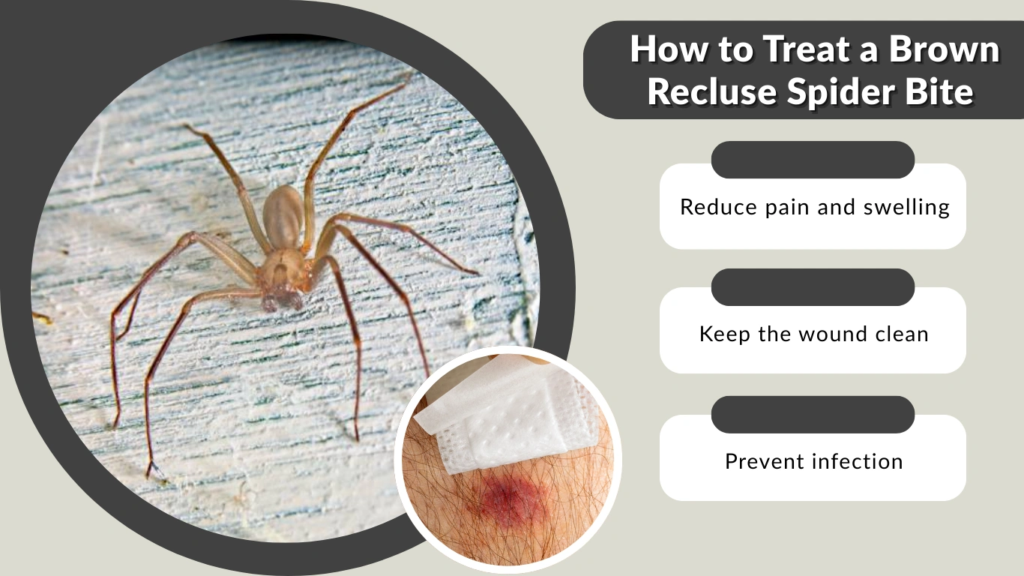
The main goals of treatment are to:
- Reduce pain and swelling
- Keep the wound clean
- Prevent infection
- Monitor for worsening symptoms
Most bites can be managed with careful home treatment, but knowing what to do—and what not to do—makes a significant difference in healing.
First Aid: How to Treat a Brown Recluse Spider Bite Immediately
- Wash the bite area gently with soap and clean water
- Apply a cold compress for 10–15 minutes at a time
- Elevate the affected area if possible
- Avoid touching, scratching, or squeezing the bite
Cold compresses help slow inflammation and reduce venom activity in the early stages. Heat should be avoided, as it can worsen tissue damage.
How to Treat a Brown Recluse Spider Bite at Home
After initial first aid, most brown recluse bites can be treated safely at home with regular care. Apply a cold pack several times a day during the first 24–48 hours to control swelling. Over-the-counter pain relievers such as acetaminophen or ibuprofen may help reduce discomfort.
If itching occurs, an oral antihistamine may provide relief. Keep the bite area clean and dry, and cover it lightly with a clean bandage if needed. Avoid tight dressings that restrict airflow, as the skin needs oxygen to heal properly.
At this stage, mild redness, slight swelling, and tenderness can still be normal.
How to Treat a Brown Recluse Spider Bite Naturally
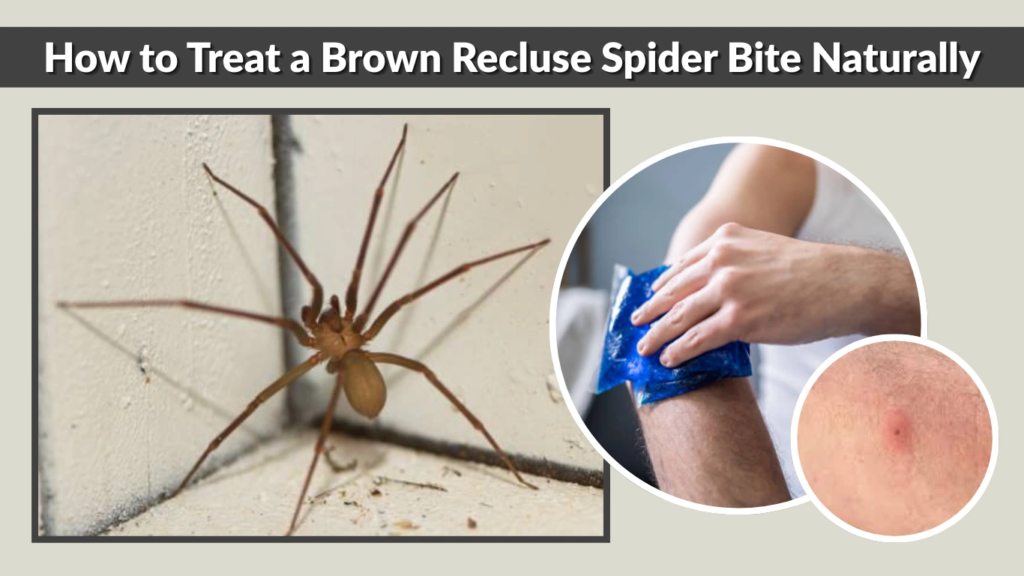
Many people search for natural ways to treat a brown recluse spider bite. While natural options may help soothe the skin, they do not neutralize spider venom and should only be used as supportive care.
A cold compress remains the most effective natural method for reducing inflammation. Aloe vera gel may help calm irritated skin, and medical-grade honey can be used topically for its antibacterial properties if the skin is intact.
Natural remedies should never replace medical treatment if the bite worsens, becomes painful, or shows signs of tissue damage.
How to Treat a Spider Bite from a Brown Recluse Over Time
First 24 Hours After the Bite
During the first day, symptoms may remain mild. Continue cleaning the area, using cold compresses, and monitoring for changes. Pain may increase slightly, but severe symptoms are uncommon this early.
2–7 Days After the Bite
In some cases, the bite may darken, blister, or develop a pale center surrounded by redness. Continue gentle wound care and avoid breaking any blisters. If the wound becomes more painful, swollen, or shows signs of infection, medical advice should be sought.
Healing during this stage varies greatly between individuals.
Medical Treatment for a Brown Recluse Spider Bite
Most brown recluse spider bites do not require prescription medication. However, a doctor may recommend stronger pain relief if discomfort increases. Antibiotics are not routinely used unless a secondary bacterial infection develops.
In rare severe cases, wound care specialists may be involved to manage slow-healing skin or tissue damage. Antivenom is not commonly used and is rarely necessary.
When to See a Doctor for a Brown Recluse Spider Bite
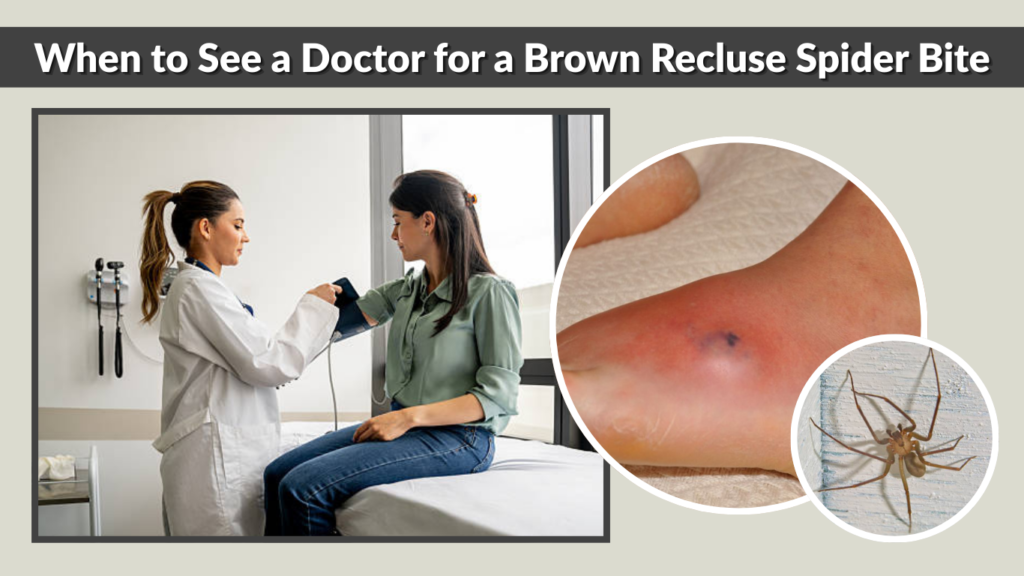
You should seek medical care if:
- Pain or swelling continues to worsen
- The skin turns dark or forms an open sore
- You develop fever, chills, or nausea
- The bite does not improve after several days
Early medical evaluation helps rule out infection and ensures proper wound management.
What NOT to Do When Treating a Brown Recluse Spider Bite
There are many harmful myths about treating spider bites. Avoiding these mistakes is just as important as proper care.
- Do not cut or slice the bite area
- Do not apply heat to the bite
- Do not use bleach, alcohol, or harsh chemicals
- Do not try to suck out venom
- Do not pop blisters or scabs
These actions can increase tissue damage, delay healing, and raise the risk of infection. Brown recluse venom does not respond to cutting or heat, and aggressive treatment often makes wounds worse.
Treating Brown Recluse Spider Bites in Children and High-Risk Individuals
Children, older adults, and people with weakened immune systems may react more strongly to brown recluse spider bites. In these groups, even mild bites should be monitored closely.
Parents and caregivers should seek medical advice sooner rather than waiting for symptoms to worsen. Children may have difficulty explaining pain or discomfort, making early evaluation especially important.
High-risk individuals should avoid home-only treatment if symptoms progress.
How Long Does a Brown Recluse Spider Bite Take to Heal?

Healing time depends on the severity of the bite and individual health factors.
- Mild bites may heal within a few days to two weeks
- Moderate bites can take several weeks
- Severe bites involving tissue damage may take months
Keeping the wound clean and protected helps prevent scarring and speeds recovery. Healing may be slower if infection develops or if the bite is repeatedly irritated.
Preventing Infection During Treatment
Preventing infection is a critical part of brown recluse bite care. Clean the wound gently once or twice daily with soap and water. Apply a light bandage if the skin is open, and change dressings regularly.
Watch for signs of infection, including increasing redness, warmth, pus, swelling, or worsening pain. If these symptoms appear, medical evaluation is necessary.
Avoid applying multiple products to the wound at the same time, as this can irritate healing skin.
Can a Brown Recluse Spider Bite Be Misdiagnosed?
Yes, misdiagnosis is common. Many conditions look like spider bites, including:
- Bacterial skin infections
- Ingrown hairs
- Allergic reactions
- Other insect bites
Because brown recluse spiders live only in specific regions and bites are rare, doctors often consider other causes first. Capturing the spider for identification is helpful but not always possible.
How to Reduce the Risk of Future Brown Recluse Spider Bites
While bites are uncommon, simple precautions can reduce risk:
- Shake out shoes, gloves, and clothing before wearing
- Reduce clutter in storage areas
- Seal cracks and gaps in walls
- Use gloves when handling stored items
Brown recluse spiders avoid humans and bite only when trapped, so reducing hiding places lowers risk significantly.
FAQs
Can I treat a brown recluse spider bite at home?
Yes, most mild bites can be treated at home with cleaning, cold compresses, and monitoring. Medical care is needed if symptoms worsen.
Do natural remedies really work for brown recluse bites?
Natural remedies may soothe skin but do not neutralize venom. They should only be used as supportive care, not as a replacement for medical treatment.
Should I pop a blister from a brown recluse bite?
No. Popping blisters increases infection risk and delays healing. Blisters should be left intact unless treated by a medical professional.
Do all brown recluse spider bites become severe?
No. Most bites remain mild and heal without complications. Severe reactions are uncommon.
What if I’m not sure it was a brown recluse bite?
If the bite worsens, shows signs of infection, or you are unsure of the cause, seek medical advice rather than self-diagnosing.
