

Bee stings are an all-too-common outdoor hazard, especially in warmer months when bees are most active. While the sting itself is painful, swelling often follows within minutes and can last hours or even days. This reaction occurs because the immune system responds to venom proteins by releasing histamine, which causes redness and puffiness. Fortunately, quick treatment can reduce swelling and speed recovery. Knowing the right steps helps ease discomfort and lowers the risk of complications.
Why Bee Stings Cause Swelling

The Sting Process
When a bee stings, it injects venom through a barbed stinger that often remains lodged in the skin. Unlike wasps, which can sting repeatedly, honeybees lose their stinger after one sting. The venom continues to pump into the skin until the stinger is removed, which explains why swelling can worsen in the first minutes after being stung.
Venom Effects
Bee venom contains a mixture of proteins, enzymes, and toxins such as melittin and phospholipase. These compounds break down cell membranes, damage tissues, and activate pain receptors. The immune system responds by releasing histamine, which widens blood vessels and allows fluid to collect around the sting site. This process creates the classic symptoms of redness, heat, itching, and swelling.
Immediate First Aid Steps

Remove the Stinger Quickly
The first step in reducing swelling is to remove the stinger as fast as possible. The longer it stays embedded, the more venom enters the skin. Scraping it out with a fingernail, credit card, or dull knife is better than pinching it, which can squeeze additional venom into the wound.
Clean the Sting Site
Once the stinger is out, wash the area with soap and water. This simple step lowers the risk of bacteria entering the puncture wound and developing into an infection. Gently pat the area dry before applying treatments.
Apply Cold Compress
Cold therapy is one of the most effective ways to minimize swelling. Applying an ice pack wrapped in a cloth for 10–15 minutes at a time reduces blood flow and slows inflammatory reactions. Cold compresses also numb the area, helping with pain relief. Repeating the process several times during the first few hours after the sting is highly effective.
Home Remedies to Reduce Swelling

Natural Options
- Baking Soda Paste: Mixing baking soda with a small amount of water creates a paste that neutralizes venom acids. Applying it to the sting can reduce irritation and swelling.
- Aloe Vera Gel: Known for its cooling properties, aloe vera soothes inflamed skin and helps reduce redness. Fresh gel from a plant works best, though store-bought versions are also effective.
- Honey: With natural antibacterial and anti-inflammatory qualities, honey not only eases swelling but also helps protect against infection.
Household Items
- Ice Packs or Frozen Vegetables: These provide the same benefits as cold compresses and are especially useful if commercial ice packs are unavailable.
- Vinegar or Lemon Juice: Their mild acidity may help neutralize venom proteins, offering temporary relief from itching and swelling.
- Meat Tenderizer Solution: Some meat tenderizers contain papain, an enzyme that helps break down venom proteins. Mixing it with water to form a solution and applying it to the sting can reduce discomfort.
Effectiveness and Caution
Home remedies can make a noticeable difference in swelling, particularly when applied early. However, they should not replace medical care in cases of severe reactions. People with a history of allergies to insect stings should always be alert to signs of anaphylaxis, such as difficulty breathing or swelling beyond the sting site.
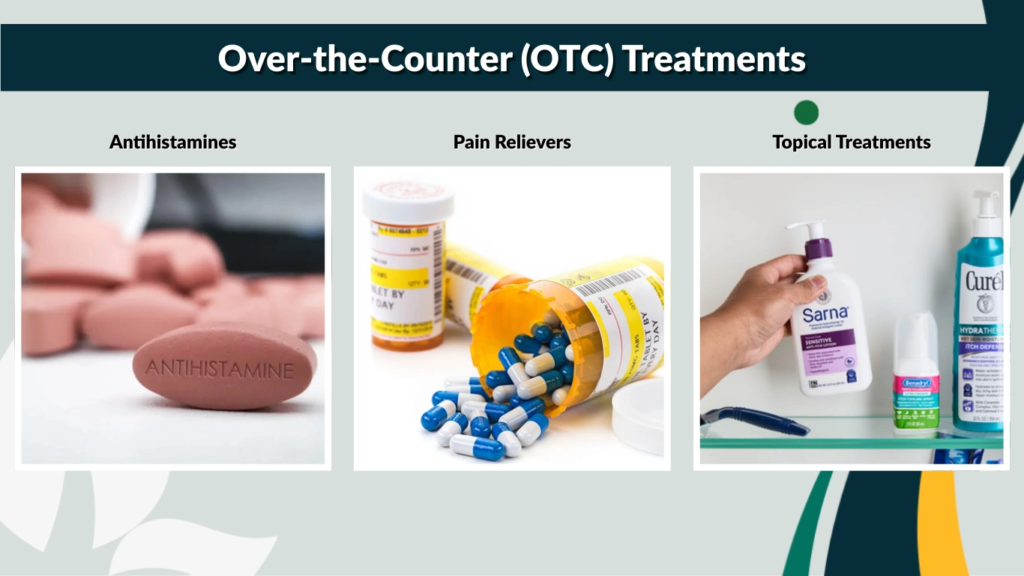
Over-the-Counter (OTC) Treatments
Antihistamines
Antihistamines are among the most effective treatments for reducing bee sting swelling. Drugs like diphenhydramine (Benadryl), loratadine (Claritin), and cetirizine (Zyrtec) block histamine, the chemical that causes itching, redness, and swelling. Non-drowsy versions are best for daytime, while older formulations may help at night when itching interferes with sleep.
Pain Relievers
Ibuprofen and acetaminophen are helpful for managing pain and tenderness. Ibuprofen also reduces inflammation, making it particularly effective for controlling swelling. Always follow dosage instructions, and consult a doctor before giving these medications to children.
Topical Creams
Hydrocortisone cream provides targeted relief for inflammation and itching. Calamine lotion is another widely available option that soothes irritation. These can be applied several times a day to help the sting site heal faster.
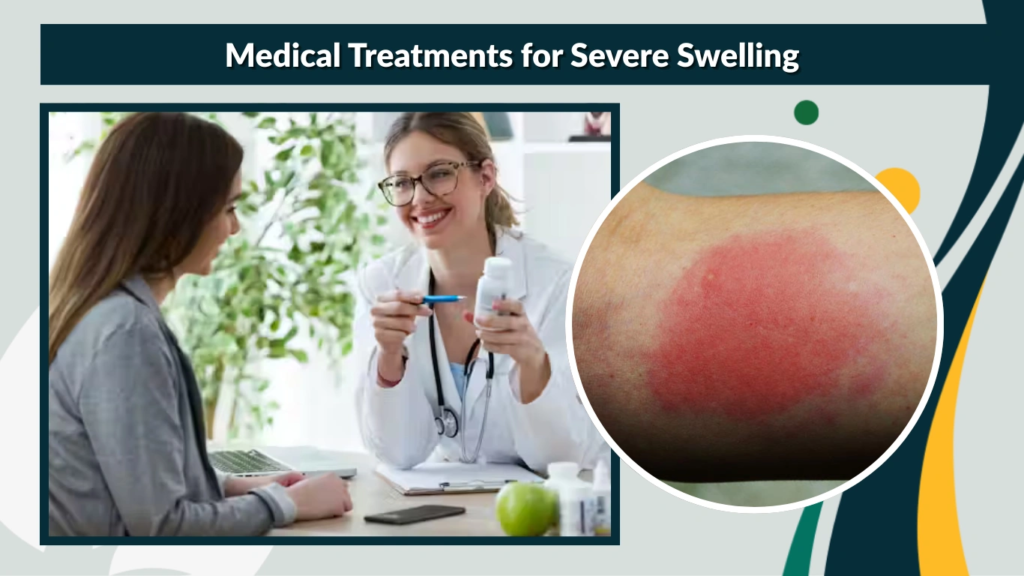
Medical Treatment for Severe Swelling
Large Local Reactions
If swelling spreads several inches from the sting site and affects mobility—such as swelling on the hand that extends up the arm—medical care may be needed. Doctors sometimes prescribe stronger corticosteroid creams or short courses of oral steroids to reduce inflammation.
Systemic Allergic Reactions
Anaphylaxis is the most serious risk from bee stings, though rare. Warning signs include hives far from the sting site, throat or tongue swelling, dizziness, or difficulty breathing. In such cases, immediate emergency care is critical. People with known allergies should always carry an epinephrine auto-injector (EpiPen) and ensure others know how to use it in an emergency.
Special Situations
Children
Children often develop more dramatic redness and swelling than adults. While this is usually harmless, parents should monitor closely for allergic reactions. Mild swelling can be managed with cold compresses, antihistamines, and rest. Medical advice is recommended if swelling worsens after two days or spreads excessively.
Multiple Stings
A single sting typically causes only localized symptoms, but multiple stings deliver a higher venom load that can overwhelm the body. This is especially concerning in children, elderly individuals, or those with chronic illnesses. Multiple stings should always be evaluated by a healthcare professional.
Pets
Dogs and cats can also experience swelling after bee stings. Mild reactions are usually managed with cold compresses, but stings around the mouth, nose, or throat can obstruct breathing. Veterinary attention is essential if your pet shows drooling, pawing at the face, or difficulty breathing.
Prevention Tips
The best way to reduce bee sting swelling is to avoid stings altogether. Preventive measures include:
- Wearing shoes when outdoors, especially on grass.
- Avoiding brightly colored clothing or floral prints that attract bees.
- Skipping heavily scented perfumes or lotions during outdoor activities.
- Keeping food and drinks covered when eating outside.
- Staying calm if a bee approaches—sudden swatting or flailing increases sting risk.
- Outdoor workers or beekeepers should wear protective gear.
- Carrying epinephrine if you have a known bee allergy.
FAQs
1. How long does bee sting swelling last?
Most swelling improves within 24–48 hours. In some cases, especially with large local reactions, swelling may last up to a week but gradually decreases over time.
2. What’s the fastest home remedy to reduce swelling?
Applying a cold compress right away is the quickest way to reduce swelling. Combining this with antihistamines and soothing remedies like aloe vera or baking soda paste speeds recovery.
3. Can antihistamines help bee sting swelling?
Yes. Antihistamines block histamine, the chemical that causes itching and swelling. They are effective for both mild and moderate reactions and are widely available without a prescription.
4. Should I use ice or heat on a bee sting?
Ice is best in the first 24–48 hours because it reduces swelling and numbs pain. Heat should be avoided initially but may help later if soreness persists after swelling subsides.
5. When should I see a doctor for swelling?
Seek medical help if swelling worsens after 48 hours, spreads several inches from the sting, or is accompanied by fever, pus, or signs of infection. Immediate emergency care is needed for allergic symptoms like throat swelling or breathing problems.
