
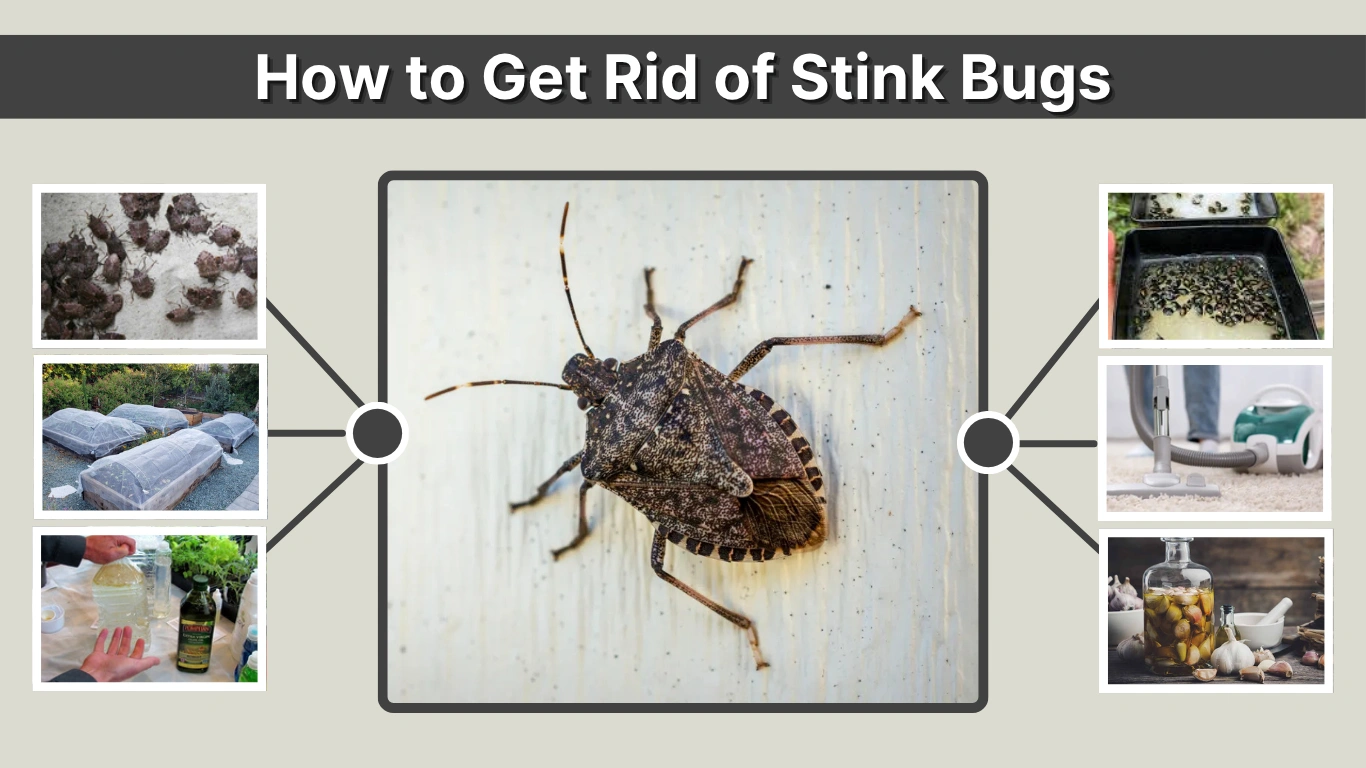
Stink bugs are notorious household and garden pests known for their shield-shaped bodies and the unpleasant odor they release when crushed or threatened. While harmless to humans, they can invade homes during cooler months and destroy garden crops in warmer seasons. This guide explains effective ways to eliminate stink bugs naturally and permanently, while also covering prevention, odor removal, and safe home remedies.
What Are Stink Bugs and Why They Smell
Stink bugs belong to the family Pentatomidae, with the brown marmorated stink bug (Halyomorpha halys) being the most common species in North America. These insects release a pungent odor from glands located on their abdomen as a defense mechanism against predators. The smell resembles rotten cilantro or skunk-like musk and can linger on skin, clothes, or furniture. Though the odor isn’t harmful, it can be very unpleasant indoors.
Common types include brown, green, and red stink bugs, as well as regional species such as the Asian and Japanese stink bugs. All share the same odor-producing trait and feeding habits, making them difficult to manage without preventive strategies.
Why Stink Bugs Invade Homes
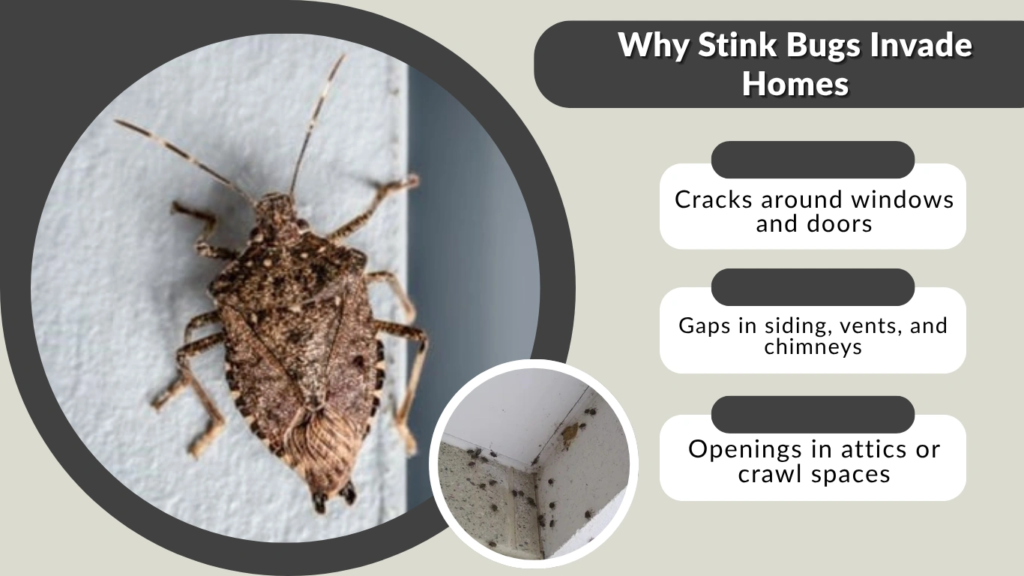
As temperatures drop in autumn, stink bugs begin looking for warm shelters to survive the winter. They easily find their way indoors through:
- Cracks around windows and doors
- Gaps in siding, vents, and chimneys
- Openings in attics or crawl spaces
Once inside, they enter a dormant state called diapause, often clustering behind walls, curtains, or furniture. While they don’t reproduce indoors, they reappear in large numbers when spring arrives. The key to control is blocking entry points before fall and using simple removal methods when they’re found inside.
How to Get Rid of Stink Bugs in the House
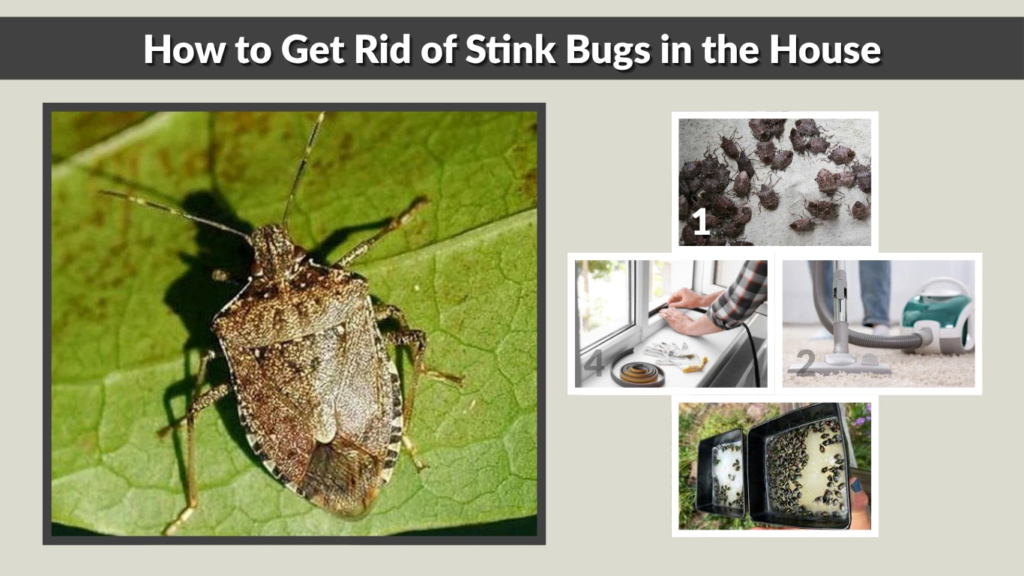
Eliminating stink bugs indoors requires both careful handling and preventive action to stop re-entry.
- Avoid crushing them: This releases their odor and can stain surfaces.
- Use a vacuum: Suck up bugs directly and dispose of the vacuum bag outdoors.
- Set up soapy water traps: Fill a shallow pan with warm water and dish soap, then place it under a light source. The bugs are attracted to light and drown in the solution.
- Seal all gaps: Use caulk or weather stripping around windows, doors, and vents.
- Check curtains and attics: These are common hiding areas during winter.
For apartments or campers, frequent inspection and minimal lighting during night hours help keep infestations under control.
Natural Ways to Get Rid of Stink Bugs
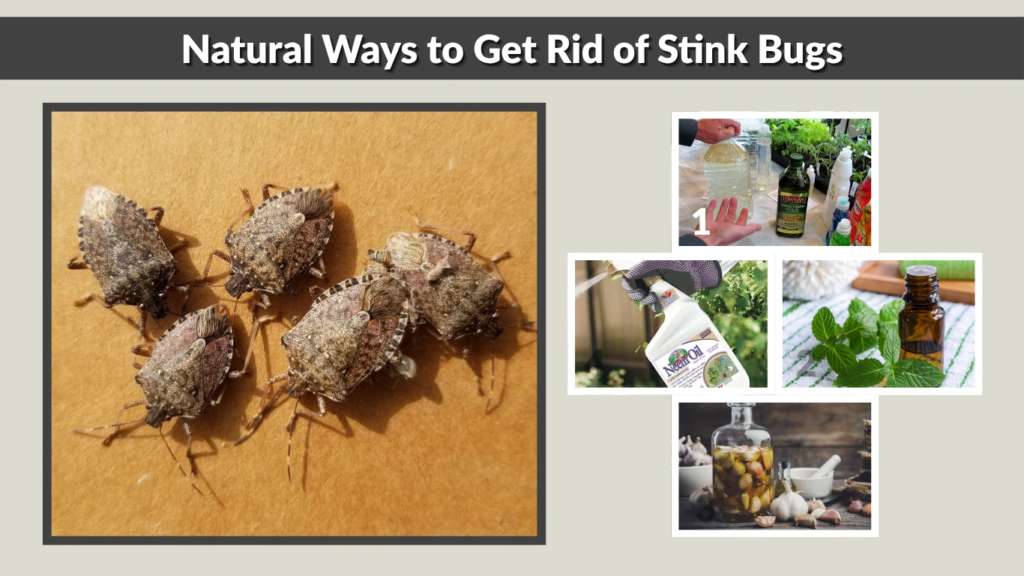
Many homeowners prefer natural remedies to avoid chemical insecticides. Here are some proven, eco-friendly options:
- Vinegar spray: Mix equal parts vinegar, water, and dish soap in a spray bottle. Spray directly on stink bugs to kill them and clean infested surfaces.
- Essential oils: Mint, clove, and tea tree oils act as natural repellents. Dilute with water and spray near entry points.
- Garlic solution: Stink bugs dislike the smell of garlic. Combine crushed garlic or garlic powder with water and spray it around doors, windows, and exterior walls.
- Neem oil: A safe botanical pesticide that disrupts insect feeding and reproduction, effective for gardens and outdoor walls.
Using these natural methods regularly discourages stink bugs from re-entering your home.
How to Get Rid of Stink Bugs Outside the House
Outdoor control is crucial since most infestations begin near gardens or exterior walls.
- Trim vegetation: Keep plants and weeds away from your house foundation.
- Clean outdoor lighting: Replace bright white bulbs with yellow or sodium vapor lights that attract fewer bugs.
- Spray outdoor surfaces: Use neem oil or pyrethrin-based products on siding, windows, and eaves before fall.
- Seal entry points: Apply caulk to cracks and repair torn window screens.
- Install outdoor traps: Pheromone traps attract and capture adult stink bugs before they migrate indoors.
Regular outdoor maintenance ensures fewer bugs find their way inside when the weather cools.
How to Get Rid of Stink Bugs in the Garden
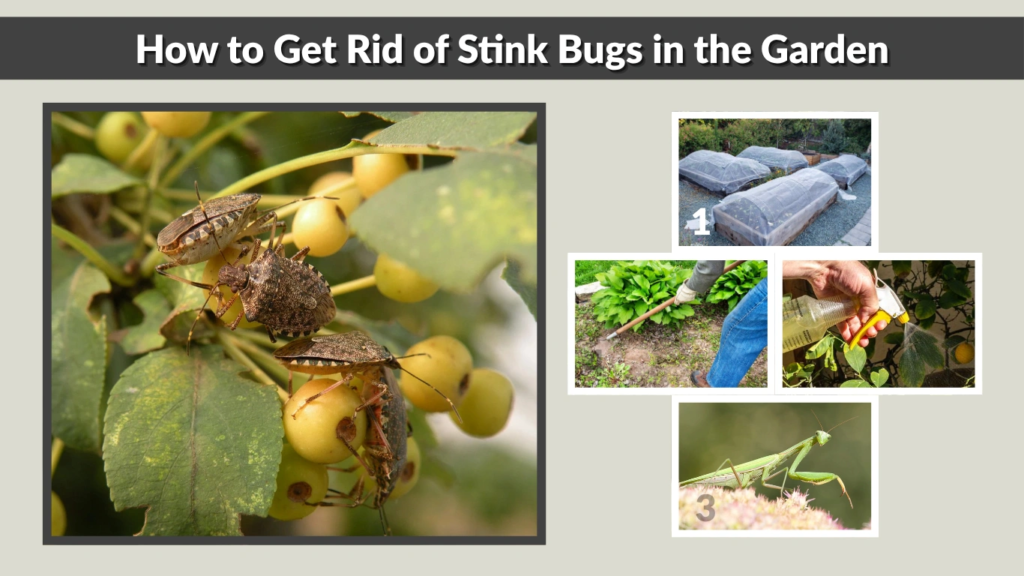
Stink bugs can cause serious damage to vegetables and fruits, especially tomatoes, beans, and peppers. Their piercing-sucking mouthparts create scars, dimples, and deformities in crops.
To control them naturally:
- Handpick bugs early in the morning when they are sluggish.
- Use row covers or mesh to protect plants from adult bugs.
- Spray soapy water or neem oil directly on affected leaves.
- Introduce natural predators such as praying mantises, lady beetles, and parasitic wasps.
- Remove weeds and debris around garden beds to eliminate hiding spots.
For organic gardening, combining physical removal with biological control ensures sustainable results without harming beneficial insects.
How to Get Rid of Stink Bug Eggs and Nymphs
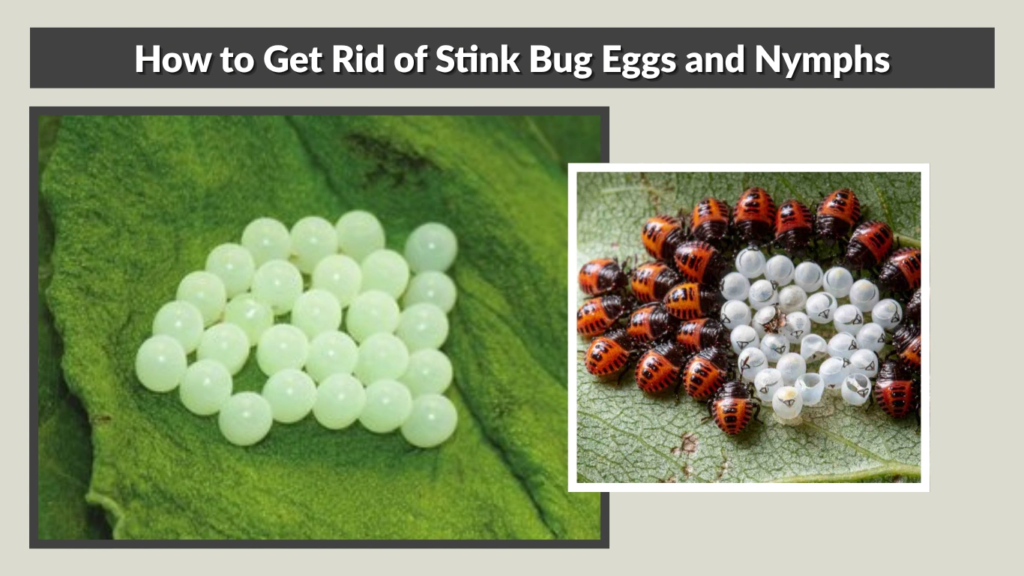
Egg clusters are usually found on the undersides of leaves, appearing pale green and barrel-shaped. Early removal is key to breaking their life cycle.
- Scrape eggs into a container of soapy water.
- Avoid crushing them directly on plants to prevent odor.
- Encourage beneficial insects like the samurai wasp (Trissolcus japonicus) that parasitize stink bug eggs.
- Regularly inspect plants during spring and early summer, when most eggs are laid.
Targeting eggs and young nymphs helps prevent large adult populations later in the season.
How to Get Rid of Stink Bug Smell
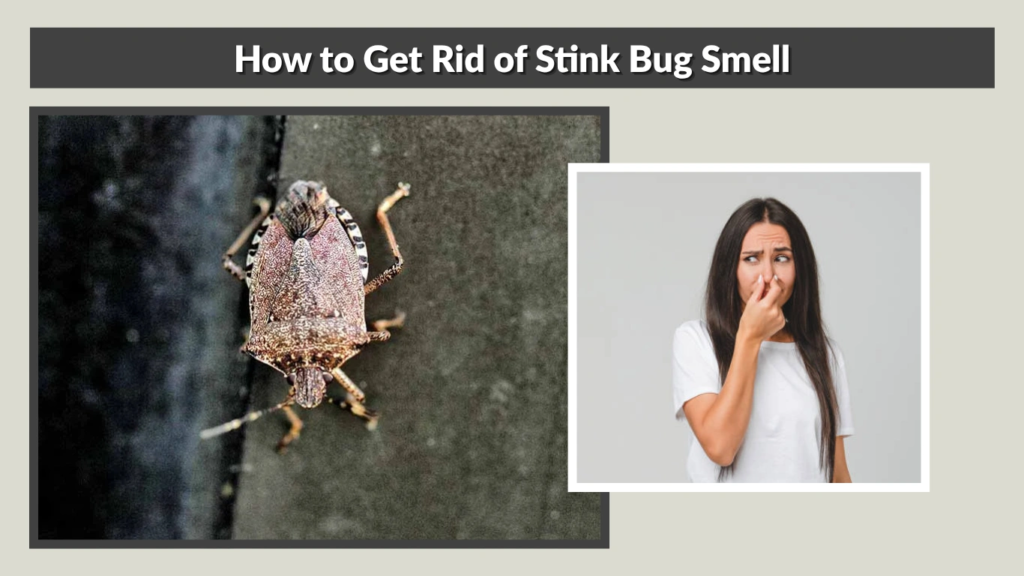
The foul odor released by stink bugs can cling to your skin, clothes, furniture, and even pets. Thankfully, it can be removed with simple cleaning solutions.
- For skin: Wash affected areas with warm water and mild soap, then apply baking soda paste to neutralize the odor.
- For clothes: Add a cup of vinegar or baking soda to your laundry cycle to remove lingering smells.
- For furniture: Wipe surfaces with a vinegar and water mixture or lemon-scented cleaner.
- For pets: Bathe dogs or cats using pet-safe shampoo mixed with baking soda to neutralize the scent.
Avoid using strong chemical sprays indoors, as they can mix with the odor and worsen it.
Preventing Future Infestations
Once stink bugs are eliminated, prevention becomes key. These proactive measures can help keep them from returning:
- Seal cracks and entry points: Inspect windows, doors, vents, and siding every few months.
- Install door sweeps and screens: Ensure screens are intact to block flying bugs.
- Manage lighting: Since stink bugs are attracted to light, use yellow or dim outdoor bulbs.
- Store food properly: Keep fruits and vegetables sealed to prevent attracting bugs.
- Reduce clutter: Declutter attics, basements, and storage areas where bugs could overwinter.
These simple steps greatly reduce the likelihood of stink bugs finding new entry routes into your home.
Permanent Stink Bug Control Solutions
If the infestation persists, long-term control strategies can eliminate them for good:
- Professional pest control: Experts can apply residual insecticides safely along exterior walls, cracks, and vegetation.
- Barrier treatments: Create a chemical or physical barrier around entry points before fall.
- Pheromone monitoring: Use lures to track bug activity and act early before they invade.
- Natural predators: Encourage local bird populations or introduce beneficial insects like parasitic wasps.
- Seasonal inspection: Conduct checks twice a year — in early fall and late spring — to detect new colonies early.
When combined with regular maintenance, these techniques can prevent infestations from recurring.
How to Get Rid of Ladybugs and Stink Bugs Together
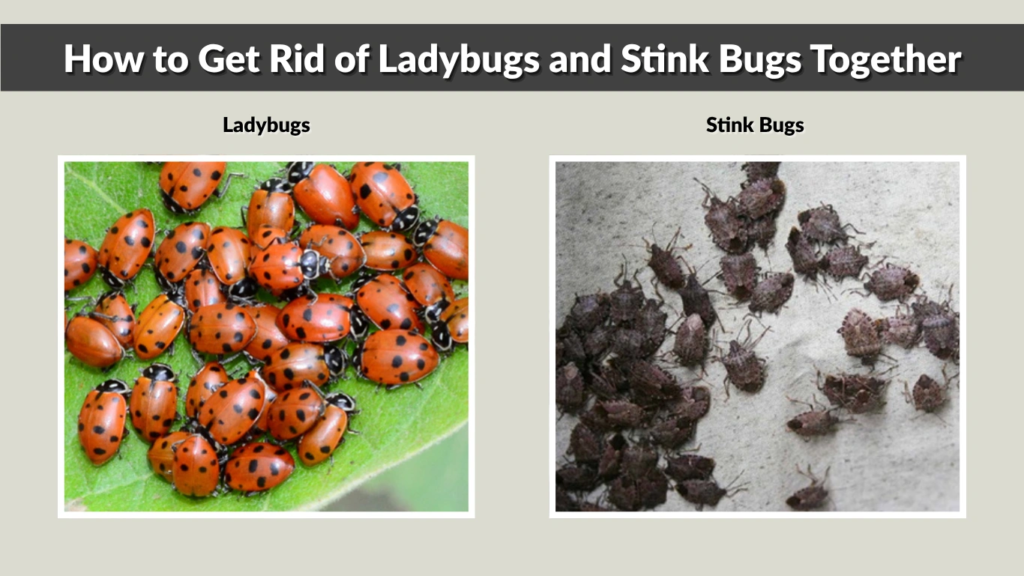
Ladybugs and stink bugs often invade homes at the same time due to similar overwintering habits. To handle both pests effectively:
- Vacuum them without crushing to avoid odor or stains.
- Use sticky traps or light traps near windows.
- Seal cracks and apply essential oil sprays such as peppermint or citrus.
- For gardens, remove decaying leaves and debris where both insects may hide.
While ladybugs are generally harmless and even beneficial outdoors, keeping them out of your home is essential for comfort and cleanliness.
Quick Home Remedies and DIY Tricks
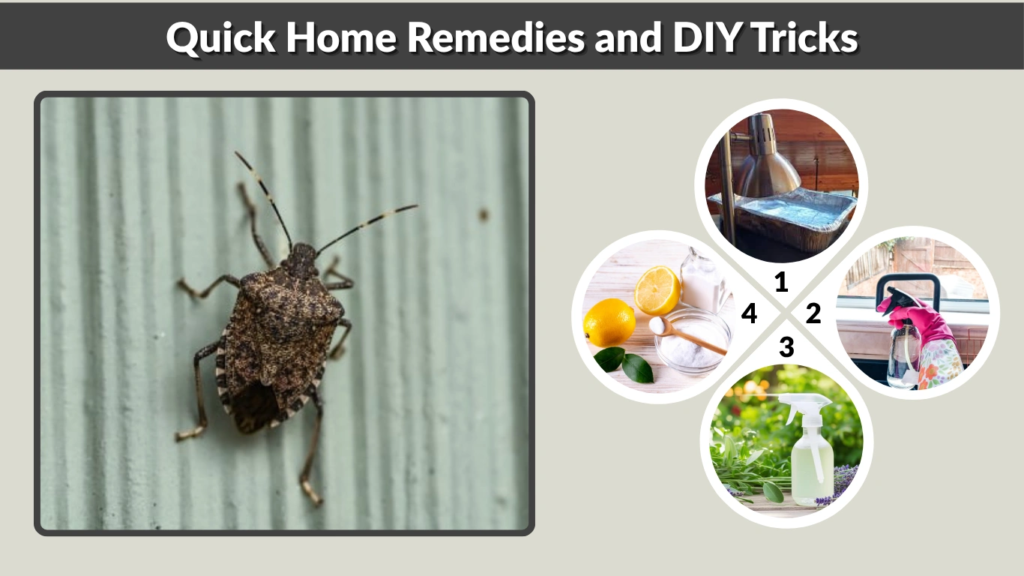
Several home remedies can help you manage minor infestations quickly:
- Soapy water trap: Place a bowl of warm water mixed with dish soap under a lamp to attract and drown bugs overnight.
- Vinegar spray: Works as a natural cleaner and repellent for walls and window sills.
- Essential oil blend: Combine mint, lavender, and eucalyptus oils with water to create a refreshing, bug-repelling mist.
- Lemon and baking soda: Clean infested surfaces with this mix to eliminate odor and deter insects.
These DIY methods are ideal for those seeking eco-friendly, chemical-free pest control.
How to Get Rid of Stink Bugs Without the Smell
The key to odor-free removal is gentle handling:
- Use a paper towel or tissue to capture the bug carefully.
- Drop it into a jar of soapy water instead of squashing it.
- Deploy sticky traps around windows and ceilings to catch flying bugs silently.
- Avoid using aerosols indoors, which can agitate stink bugs and release their odor.
This approach keeps your living spaces clean, odor-free, and safe for pets and children.
Region-Specific Stink Bug Removal
Stink bug behavior varies by region:
- Northern states (Michigan, New York): Peak invasions occur in early fall. Apply preventive sprays in late August.
- Southern states (Georgia, Texas): Active longer due to warm weather; repeat control treatments every few months.
- West Coast (California, Oregon): Focus on garden and fruit crop protection during spring and summer.
- Cooler regions: Seal homes early before the first frost to prevent indoor overwintering.
Understanding regional timing helps optimize your control methods and minimize infestations effectively.
FAQs
How do I permanently get rid of stink bugs?
Seal cracks, use pheromone traps outdoors, and apply residual insecticides on entry points. Combining natural repellents with professional pest control ensures long-term protection and prevents reinfestation during winter months.
What is the fastest home remedy to kill stink bugs?
A dish soap and vinegar spray works instantly. The soapy mixture suffocates bugs on contact, while vinegar cleans and deodorizes affected surfaces. It’s safe, inexpensive, and highly effective indoors and outdoors.
How can I remove the smell of stink bugs from skin or clothes?
Use baking soda paste or vinegar rinse. On clothes, add a cup of white vinegar or lemon juice during washing. On skin, gently scrub with soap and warm water, followed by a light moisturizer.
Why do stink bugs keep coming into my house every year?
They seek warmth and shelter to overwinter. Once they find suitable hiding spots, they often return through the same entry points. Sealing gaps and regular inspection are the best preventive measures.
Are stink bugs harmful to plants, pets, or humans?
Stink bugs aren’t dangerous to humans or pets, but they damage crops and ornamental plants by feeding on juices. The smell can irritate sensitive individuals but poses no serious health risks.
