
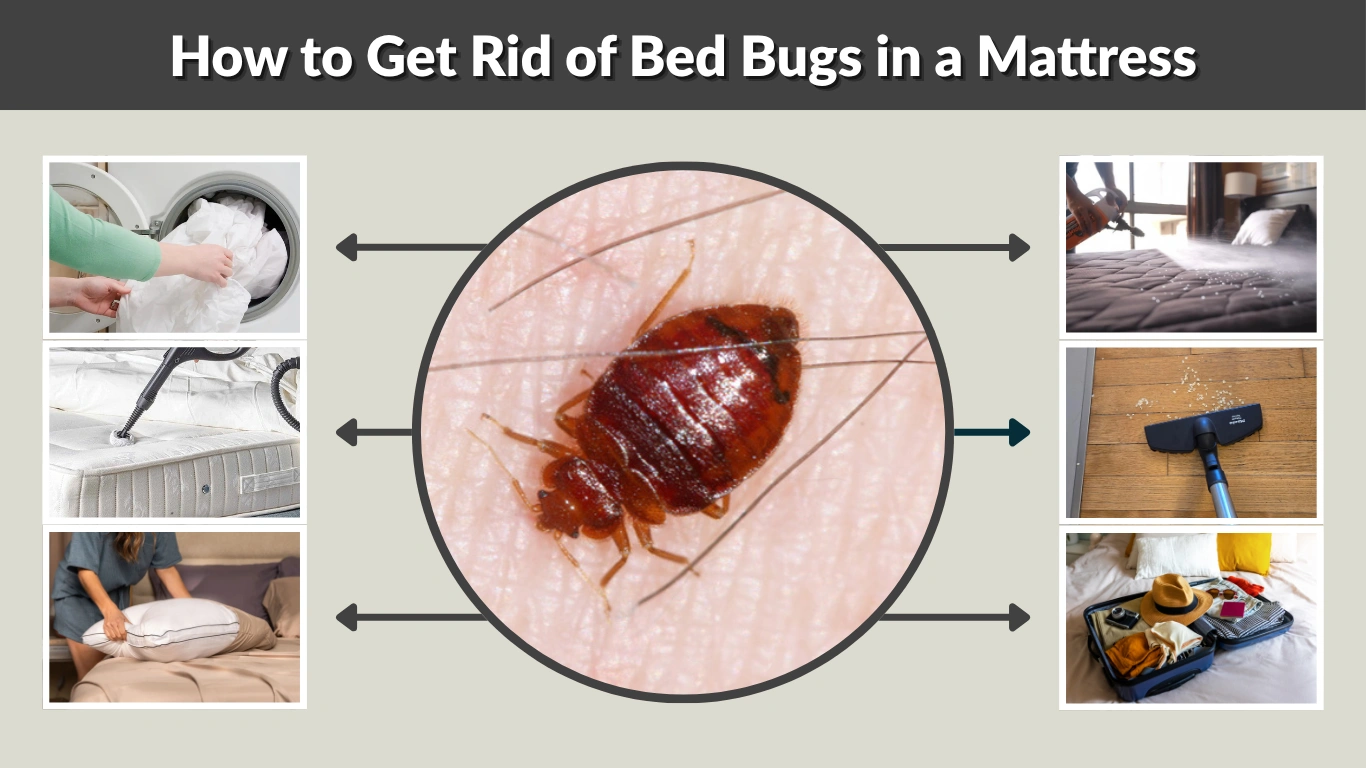
Bed bugs are among the most stubborn household pests, and mattresses are their favorite hiding spot. These tiny insects feed on human blood at night, leaving behind itchy bites and stains. Getting rid of them requires proper cleaning, heat treatment, and preventive care. With the right methods, you can completely eliminate bed bugs from your mattress and prevent them from returning.
Understanding Bed Bugs in Mattresses
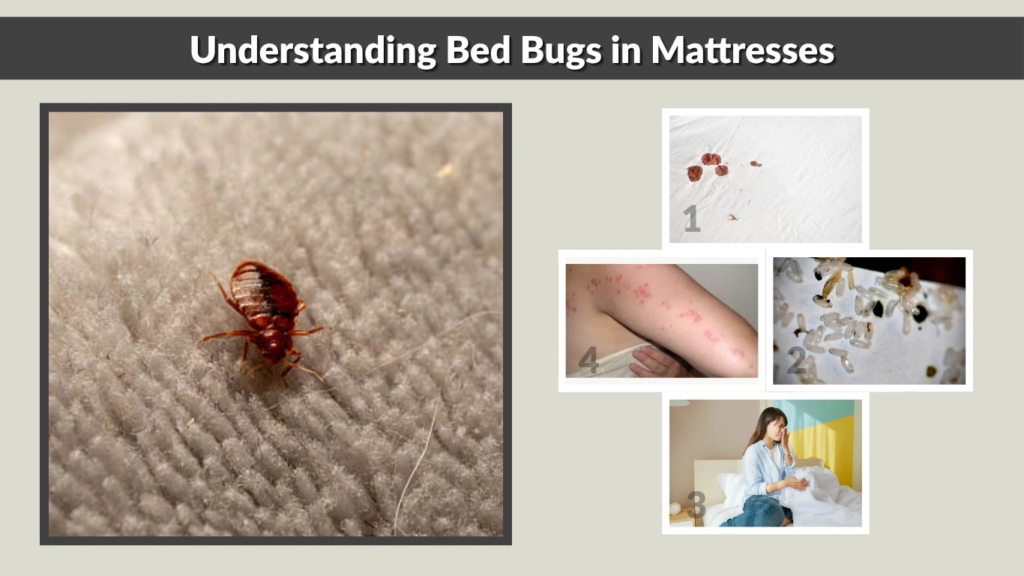
Mattresses provide the perfect environment for bed bugs because they are warm, dark, and close to a steady food source — you. Bed bugs hide in seams, folds, and tiny cracks in both the mattress and box spring. They can go unnoticed for weeks, multiplying quickly before you realize there’s an infestation.
Common signs of mattress bed bugs include:
- Small reddish-brown spots on sheets (from crushed bugs or fecal stains)
- Tiny white eggs or shed skins in mattress seams
- A musty, sweet odor near your bed
- Red, itchy bite marks on your body each morning
If you notice two or more of these signs, it’s time to act quickly before the infestation spreads.
Identifying a Bed Bug Infestation
Key Warning Signs
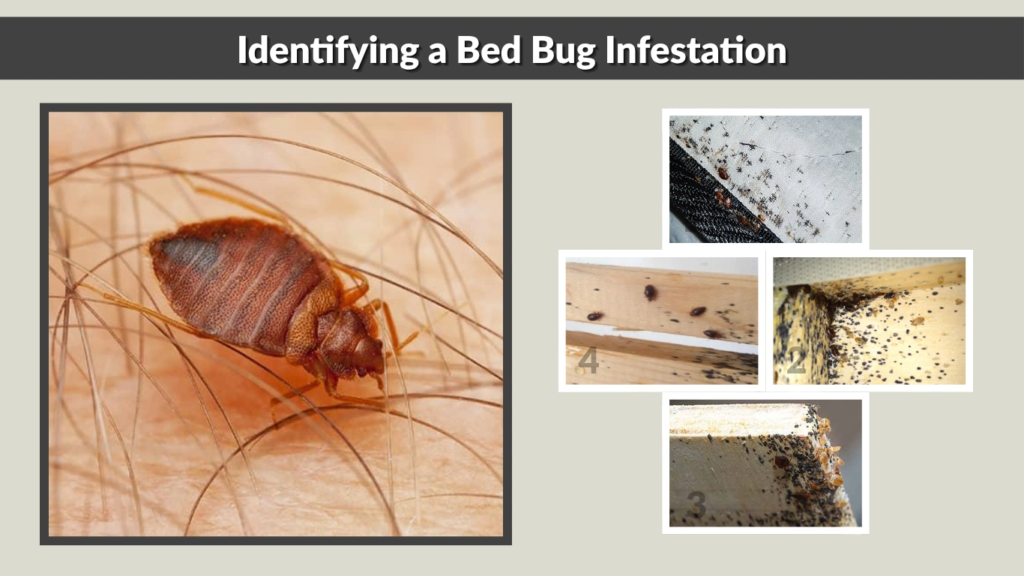
Bed bug infestations begin subtly. Look for dark spots on sheets, tiny blood smears, or shed exoskeletons around the bed frame. Bed bugs are about the size of an apple seed and flat-bodied, which allows them to hide easily in narrow spaces.
Areas to Inspect
- Mattress seams, edges, and under labels
- Box spring corners and the bed frame joints
- Behind the headboard and wall cracks near the bed
- Inside nightstands or nearby furniture
Use a flashlight and a thin card (like an old credit card) to slide into seams and check for bugs or eggs. The earlier you find them, the easier it is to remove them completely.
Preparing the Area Before Treatment
Before starting the cleaning process, prepare the area properly. This helps stop bed bugs from moving to other parts of the house.
- Strip the bed completely — Remove all sheets, blankets, pillowcases, and mattress covers.
- Seal infested items — Place bedding in plastic bags to trap any bugs inside until you wash them.
- Move the bed slightly away from the wall to prevent bugs from escaping during cleaning.
- Vacuum the floor and baseboards around the bed. Dispose of the vacuum bag immediately outside.
- Wear gloves and long sleeves for protection while handling infested items.
Preparation ensures every bug and egg can be reached during treatment, improving your results dramatically.
Washing and Heat-Treating Bedding
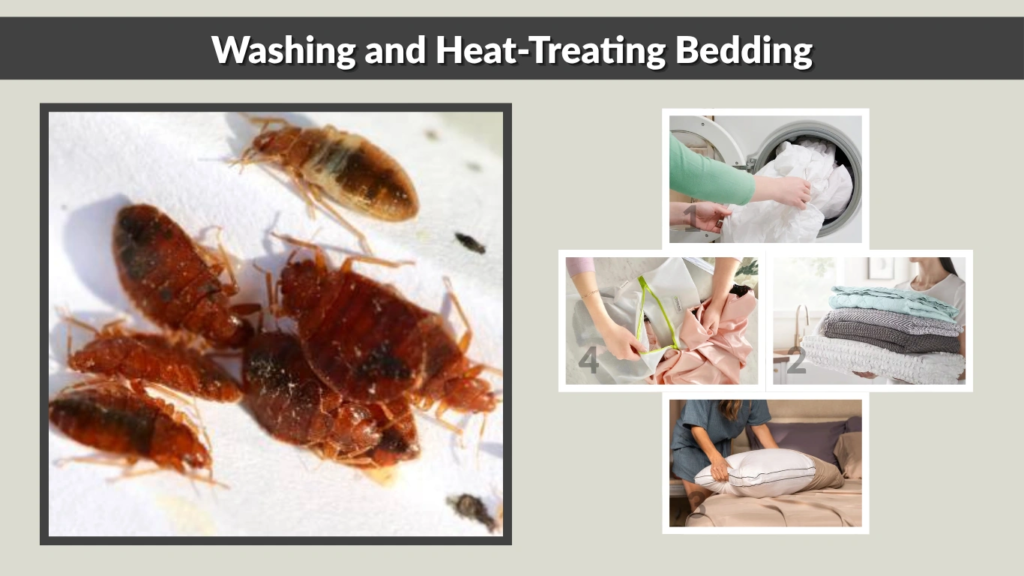
One of the most effective ways to kill bed bugs is through heat treatment. High temperatures destroy both bugs and eggs instantly.
Follow these steps:
- Wash all bedding and linens in hot water — at least 120°F or higher.
- Dry on the highest setting for 30–40 minutes to ensure heat penetrates deep into the fabric.
- Clean pillows, comforters, and curtains separately using the same heat process.
- Use dryer-safe bags or mesh covers for delicate fabrics.
- Store cleaned items in airtight containers or sealed plastic bags until your mattress is completely bed bug-free.
Never place freshly cleaned items back on the bed until you’ve treated the mattress and surrounding areas fully.
Deep Cleaning the Mattress
Vacuuming and steaming are the two most powerful tools for cleaning an infested mattress.
Vacuuming Thoroughly
Use a strong vacuum with a brush attachment to remove eggs, shells, and live bugs from seams and tufts. Pay special attention to the sides, under tags, and under the edges of the mattress. When finished, seal and discard the vacuum bag immediately to prevent re-infestation.
Using Steam Treatment
Bed bugs cannot survive high temperatures. Steam cleaning at over 120°F (49°C) kills both adults and eggs instantly. Move the steamer slowly over seams and folds, allowing the heat to penetrate deeply. Be cautious not to soak the mattress; use dry steam if possible.
Applying Bed Bug Powders and Sprays
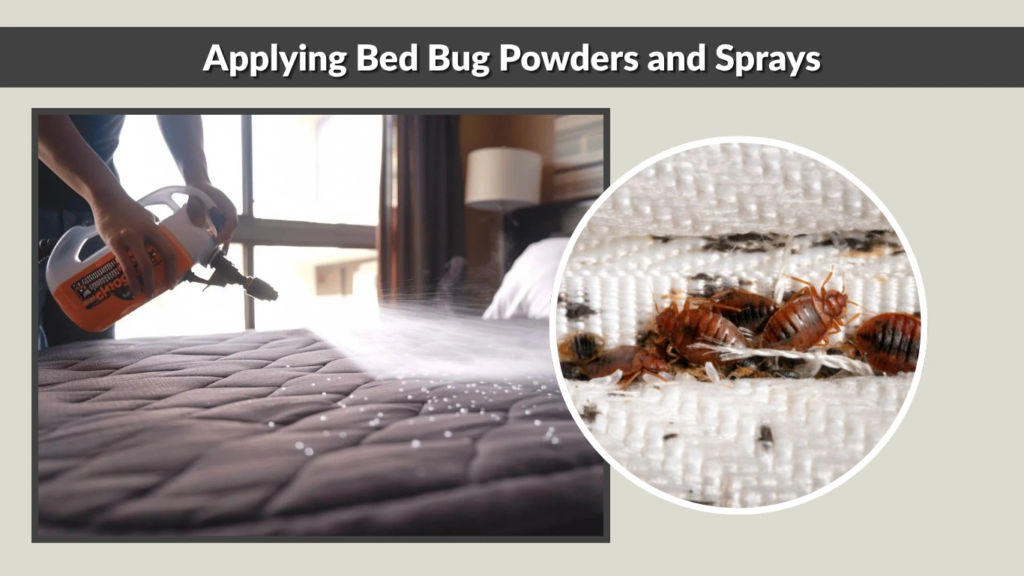
Once your mattress is clean and dry, apply insecticidal powders or sprays to eliminate any hidden bed bugs. The most effective and safe options include diatomaceous earth (DE) and silica gel dust, both of which dehydrate bugs on contact.
Lightly dust the seams, corners, and folds of the mattress, as well as surrounding cracks and crevices. Avoid overusing powder—it works through contact, not volume. If you prefer sprays, choose bed bug–specific insecticides that are labeled safe for indoor use.
After applying the treatment, let your mattress air out completely for several hours before placing clean bedding on it. This ensures all chemicals or powders settle properly while maintaining safety for sleeping.
Encase the Mattress and Box Spring
Why It’s Essential
A bed bug–proof mattress encasement is one of the most effective tools for long-term protection. It locks in any remaining bugs and prevents new ones from entering. Over time, trapped bugs die due to starvation, breaking their life cycle completely.
How to Choose the Right Encasement
- Look for a zippered, bed bug–certified encasement with reinforced seams.
- Ensure it’s breathable, waterproof, and tightly sealed.
- Keep the encasement on for at least six months to guarantee all hidden bugs die inside.
Encasing both the mattress and box spring creates a double barrier, making it almost impossible for bugs to survive or return.
Cleaning and Treating the Bed Frame
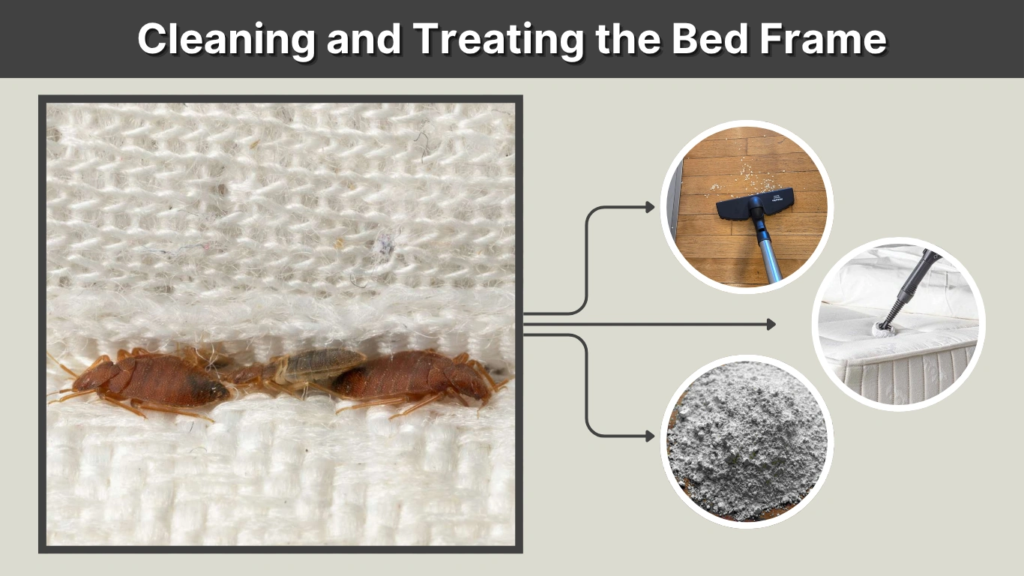
Many people overlook the bed frame, which often houses the very bugs they’re trying to kill. After cleaning the mattress, inspect the frame carefully.
- Vacuum every crevice where wood or metal connects.
- Steam the joints and corners to kill any remaining insects.
- Apply a thin layer of diatomaceous earth around bolt holes and screw joints.
- Wipe metal parts with rubbing alcohol to remove eggs and residue.
If your bed has a fabric headboard, steam it as well—bed bugs often hide in tufted or upholstered sections.
Natural and DIY Remedies for Mattress Bed Bugs
For those who prefer chemical-free solutions, several natural remedies can help manage light infestations.
- Diatomaceous Earth (DE): A fine, natural powder that kills bed bugs by dehydrating them.
- Rubbing Alcohol: Effective for killing bugs on contact, but use sparingly since it evaporates quickly.
- Essential Oils: Lavender, tea tree, and peppermint oils can repel bed bugs when mixed with water and sprayed lightly.
- Baking Soda: Absorbs moisture and discourages bed bug activity when sprinkled in hidden areas.
These remedies work best when combined with vacuuming, steaming, and regular inspection. They’re safe for homes with children and pets when used carefully.
Preventing Future Bed Bug Infestations

The most effective way to avoid another infestation is through consistent cleaning and inspection.
Maintenance Tips
- Vacuum your mattress and bed frame every week.
- Wash bedding, curtains, and pillow covers in hot water at least twice a month.
- Avoid placing luggage or clothes on your bed after travel.
- Keep clutter to a minimum to reduce hiding places.
- Regularly inspect mattress seams, bed legs, and nearby walls for signs of bugs.
Creating a routine cleaning schedule ensures that if bed bugs ever return, you’ll detect and remove them early before they spread.
When to Call a Professional Exterminator
If your efforts fail after several weeks or you notice bites even after multiple treatments, it’s time to call a professional pest control service. Experts use powerful heat chambers and residual insecticides that reach deep into furniture and walls—places DIY methods often can’t.
Professional extermination may cost more, but it guarantees complete elimination and often includes follow-up inspections to ensure the problem doesn’t recur. In severe infestations, heat treatments can sanitize your mattress, making it safe to reuse.
FAQs
How do bed bugs get into mattresses?
Bed bugs travel through luggage, used furniture, and clothing. Once inside your home, they crawl into mattress seams and box springs, where they hide during the day and feed at night.
Can washing sheets remove bed bugs?
Yes. Washing sheets in hot water (at least 120°F) and drying them on the highest setting kills bed bugs and eggs instantly. However, it doesn’t eliminate those inside the mattress, which need heat and encasement treatments.
How long should I keep a mattress encasement on?
Keep it zipped for at least six months. Bed bugs can survive without feeding for several months, so the extended period ensures all trapped bugs die inside.
Do bed bugs die in the dryer?
Yes. High dryer heat kills all life stages of bed bugs within 30–40 minutes. Always dry infested fabrics on the hottest setting possible for complete effectiveness.
Can I save my mattress after an infestation?
Absolutely. With thorough vacuuming, steam treatment, and a quality encasement, your mattress can be completely restored. Only severe infestations with deep structural damage require replacement.
