
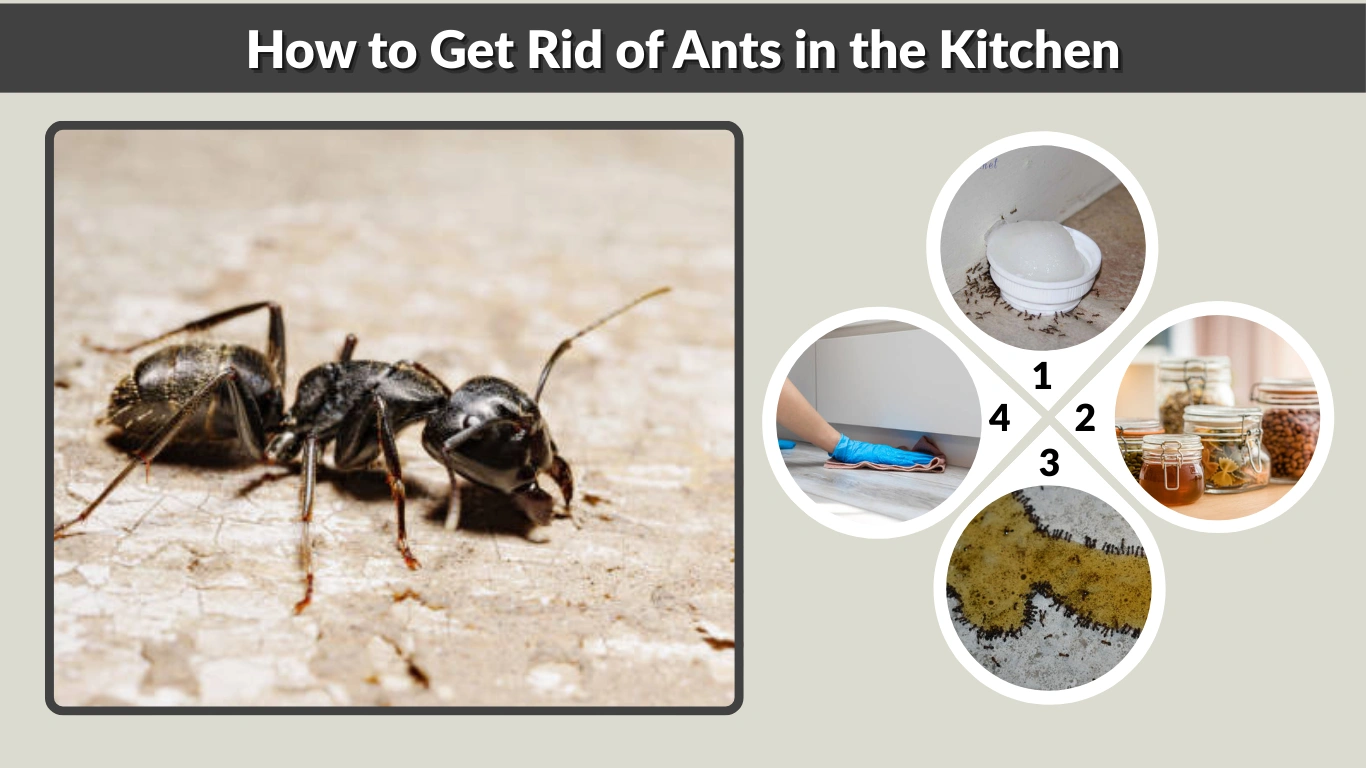
Ants in the kitchen are one of the most common household problems, and once they appear, they tend to multiply quickly. Whether you are dealing with tiny ants, small black ants, sugar ants, or even larger ants, the kitchen provides everything they need—food, water, and shelter. If not treated correctly, the problem can return again and again. This guide explains how to get rid of ants in the kitchen using natural, DIY, and safe methods, while also helping you understand why ants keep coming back and where they hide.
Why Ants Invade the Kitchen
Ants do not randomly enter your kitchen. They are constantly searching for food and moisture, and once one ant finds a source, it leaves a scent trail for others to follow.
Common reasons ants invade kitchens include:
- Crumbs, sugar spills, and uncovered food
- Grease buildup near stoves and cooking areas
- Moisture around sinks, drains, and leaking pipes
- Easy entry points such as wall cracks, cabinet gaps, and window edges
- Seasonal changes that push ants indoors
Even a small amount of food residue can attract hundreds of ants within hours.
Types of Ants Commonly Found in Kitchens
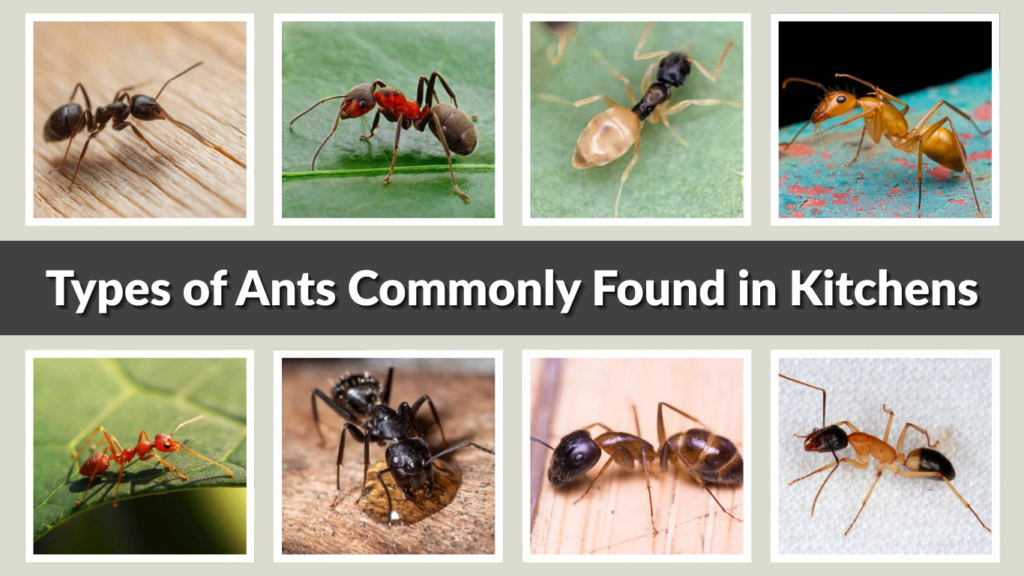
Identifying the type of ant helps determine the most effective solution. Different ants are attracted to different food sources.
- Tiny ants / micro ants: Often appear in long trails and are hard to eliminate
- Small black ants: Common house ants attracted to sweets and crumbs
- Sugar ants / sweet ants: Drawn to sugar, syrup, and fruits
- Ghost ants: Very small and pale, often found near sinks
- Pharaoh ants: Difficult to control, often nest indoors
- Grease ants: Attracted to oily and fatty foods
- Thief ants: Small ants that steal food from other ant colonies
- Little brown ants: Common in cupboards and pantries
- Red ants / tiny red ants: May sting and are aggressive
- Carpenter ants: Larger ants that can damage wood
- Crazy ants: Move erratically and spread quickly
- Flying ants: Usually appear during mating seasons
- Large black ants: Often indicate an outdoor nest nearby
Where Ants Hide in the Kitchen

Ants are experts at hiding in places that are rarely disturbed. If you only kill the visible ants, the colony will survive.
Common hiding and travel areas include:
- Kitchen sinks and sink drains
- Cabinets and cupboards
- Countertops and backsplashes
- Pantry shelves
- Cracks in kitchen walls
- Behind refrigerators, ovens, and dishwashers
Finding and treating these areas is key to stopping an infestation.
How to Get Rid of Ants in the Kitchen Naturally
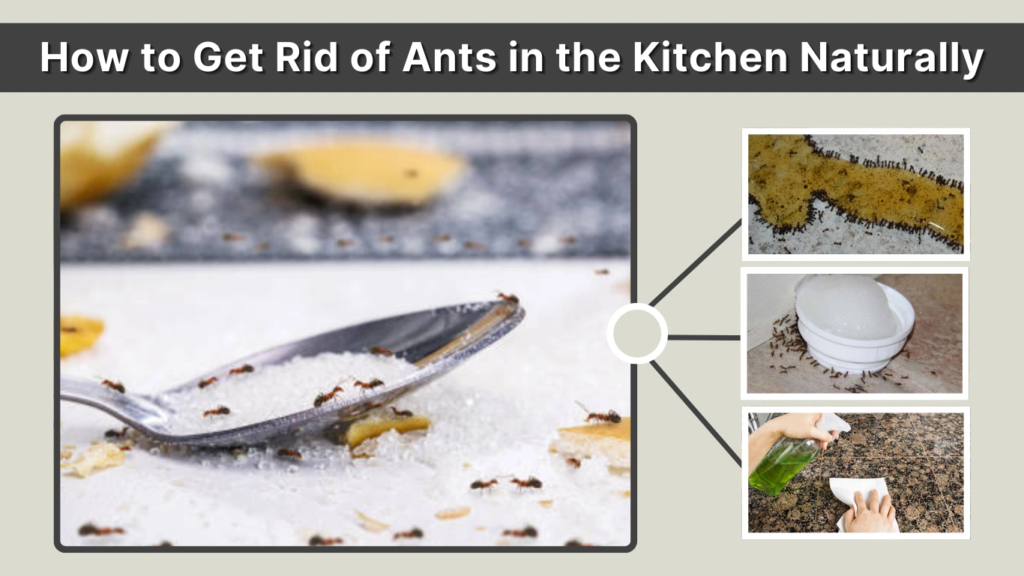
Natural methods are effective, affordable, and safer for homes with children or pets. The goal is to remove scent trails and eliminate ants without harmful chemicals.
Vinegar Method for Ant Trails
White vinegar is one of the most effective natural ant deterrents.
- Mix equal parts white vinegar and water
- Spray directly on ant trails, countertops, and entry points
- Wipe the area clean after spraying
Vinegar removes the pheromone trails ants use to navigate, making it harder for others to follow.
Baking Soda and Sugar Remedy
This method works especially well for tiny ants and small ants.
- Mix baking soda and sugar in equal parts
- Place small amounts near ant trails and entry points
The sugar attracts ants, while the baking soda disrupts their digestive system when taken back to the nest.
Lemon and Citrus Peels
Ants dislike strong citrus scents.
- Wipe surfaces with lemon juice and water
- Place citrus peels near windows, sinks, and cabinets
This method works well for sugar ants and sweet ants.
Diatomaceous Earth (Food Grade)
Food-grade diatomaceous earth is safe and highly effective.
- Sprinkle a thin layer along baseboards, cabinet edges, and cracks
- It damages ants’ outer shells, causing dehydration
Always use food-grade diatomaceous earth in kitchens.
Essential Oils That Repel Ants
Certain essential oils naturally repel ants.
- Peppermint oil
- Tea tree oil
- Eucalyptus oil
Mix a few drops with water and spray around problem areas.
How to Get Rid of Ants Without Chemicals
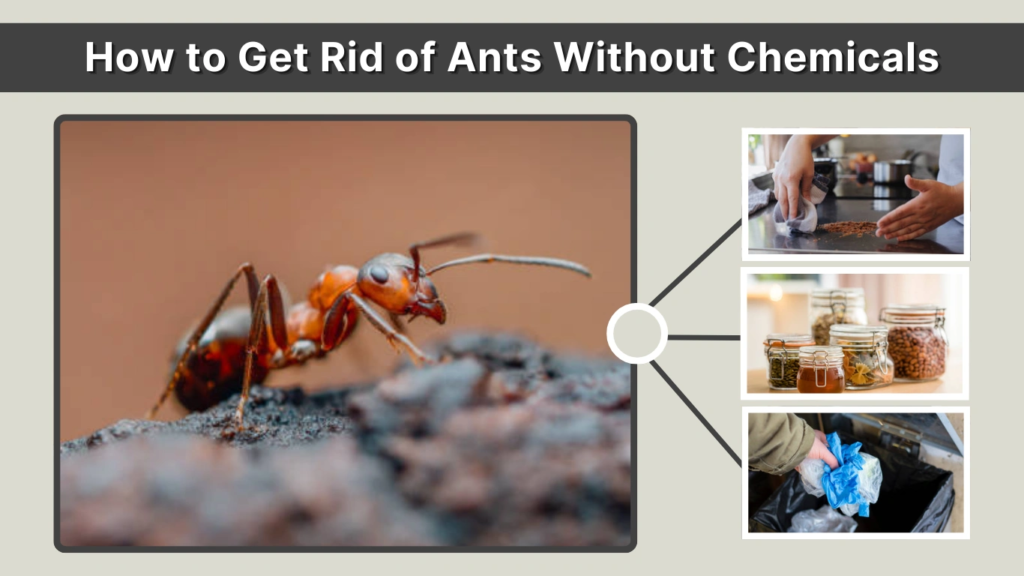
If you prefer chemical-free solutions, consistency is critical.
- Clean surfaces daily to remove food residue
- Store food in airtight containers
- Take out trash regularly
- Keep sinks dry and fix leaks
- Block entry points with caulk or sealant
These steps help prevent ants from returning even after removal.
DIY Ant Control Methods That Work Fast
When ants suddenly appear in large numbers, fast action is important. DIY methods work best when you focus on the entire trail instead of just the visible ants.
Overnight Ant Removal Tips
If you want to reduce ants quickly, start at night when ant activity is lower.
- Wipe all visible ant trails with vinegar or soapy water
- Remove all food from countertops and sinks
- Seal temporary entry points using petroleum jelly or tape
- Place natural baits near entry areas
These steps can significantly reduce ant numbers by morning, though full elimination may take longer.
Homemade Ant Baits
Baits are more effective than sprays because ants carry the poison back to the nest.
- Sugar-based bait: Works best for sugar ants, tiny ants, and black ants
- Protein-based bait: Effective for grease ants and thief ants
Place baits near trails, cabinets, or sink areas and avoid disturbing the ants while they feed.
How to Get Rid of Ants in Kitchen Sink and Drain
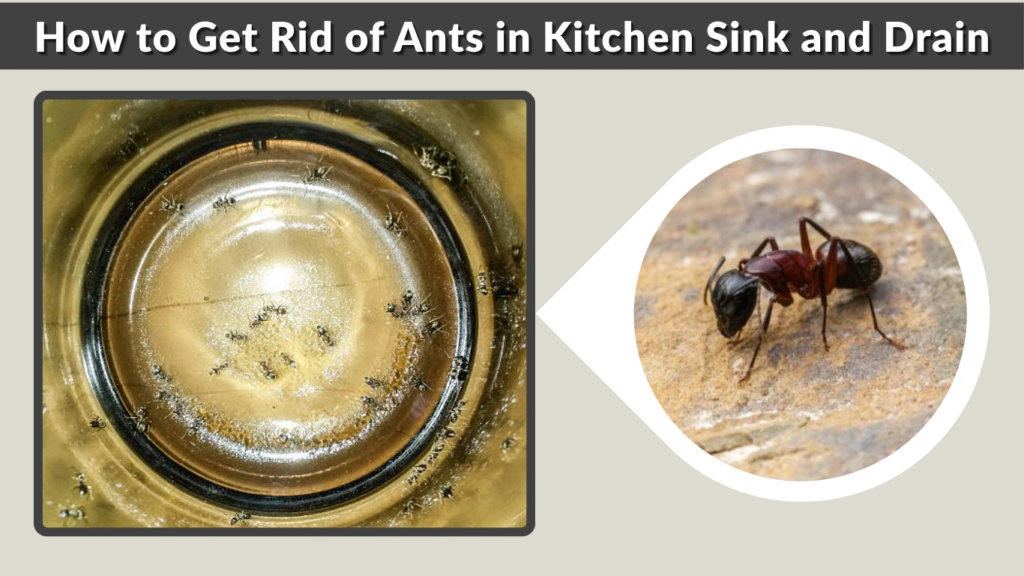
Kitchen sinks attract ants due to moisture and food residue.
Natural Drain Cleaning for Ants
- Pour boiling water slowly down the drain
- Follow with baking soda and vinegar
- Rinse with hot water after 15 minutes
This removes food particles and disrupts ant access points.
Preventing Ants from Returning to the Sink
- Fix leaking faucets and pipes
- Dry the sink completely after use
- Avoid leaving dirty dishes overnight
A dry sink is one of the most effective deterrents for ants.
How to Get Rid of Ants in Kitchen Cabinets and Cupboards
Ants often hide inside cabinets where food smells linger.
- Remove all items and vacuum crumbs
- Wash shelves with vinegar or lemon water
- Store food in sealed containers
- Place bay leaves or diatomaceous earth inside corners
- Seal small cracks and screw holes
Regular cabinet cleaning prevents ants from nesting inside enclosed spaces.
How to Get Rid of Ants in the Kitchen Permanently
Permanent ant control requires both indoor and outdoor prevention.
Seal Entry Points
- Seal cracks in kitchen walls
- Caulk gaps around windows and pipes
- Repair damaged cabinet joints
Store Food Properly
- Use airtight containers
- Clean spills immediately
- Keep pet food sealed
Control Outdoor Ant Nests
- Remove debris near kitchen walls
- Use natural outdoor repellents
- Trim plants touching the house
If outdoor nests remain untreated, ants will continue to return indoors.
Natural vs Chemical Ant Control
Natural methods are ideal for long-term prevention and safety, while chemical solutions may offer quicker results for severe infestations. However, sprays often kill only worker ants and fail to reach the nest. Natural baits, repellents, and prevention strategies are usually more effective over time.
When to Use Borax for Ants in the Kitchen
Borax can be effective for stubborn ant infestations but should be used carefully.
- Mix borax with sugar or honey
- Place bait out of reach of pets and children
- Use only small amounts
Borax works best when ants carry it back to the colony, slowly eliminating the nest.
Common Mistakes That Make Ant Problems Worse
- Spraying ants without removing scent trails
- Ignoring moisture sources
- Leaving food uncovered
- Using too many strong chemicals
- Failing to seal entry points
Avoiding these mistakes improves long-term results.
FAQs
Why are tiny ants suddenly in my kitchen?
Tiny ants usually appear when they detect food or moisture. Seasonal weather changes can also force ants indoors, especially during rain or extreme heat.
How do I get rid of ants in my kitchen overnight?
You can reduce ant activity overnight by removing food sources, cleaning trails with vinegar, and placing bait near entry points. Full elimination may take several days.
Are vinegar and baking soda safe for kitchen ants?
Yes, both are safe and effective when used properly. Vinegar removes scent trails, while baking soda disrupts ants when mixed with sugar.
Why do ants keep coming back after cleaning?
Ants follow pheromone trails left behind by other ants. If trails and nests are not removed, new ants will continue to return.
What is the most pet-friendly way to kill ants?
Food-grade diatomaceous earth and essential oil sprays are among the safest options for homes with pets.
