
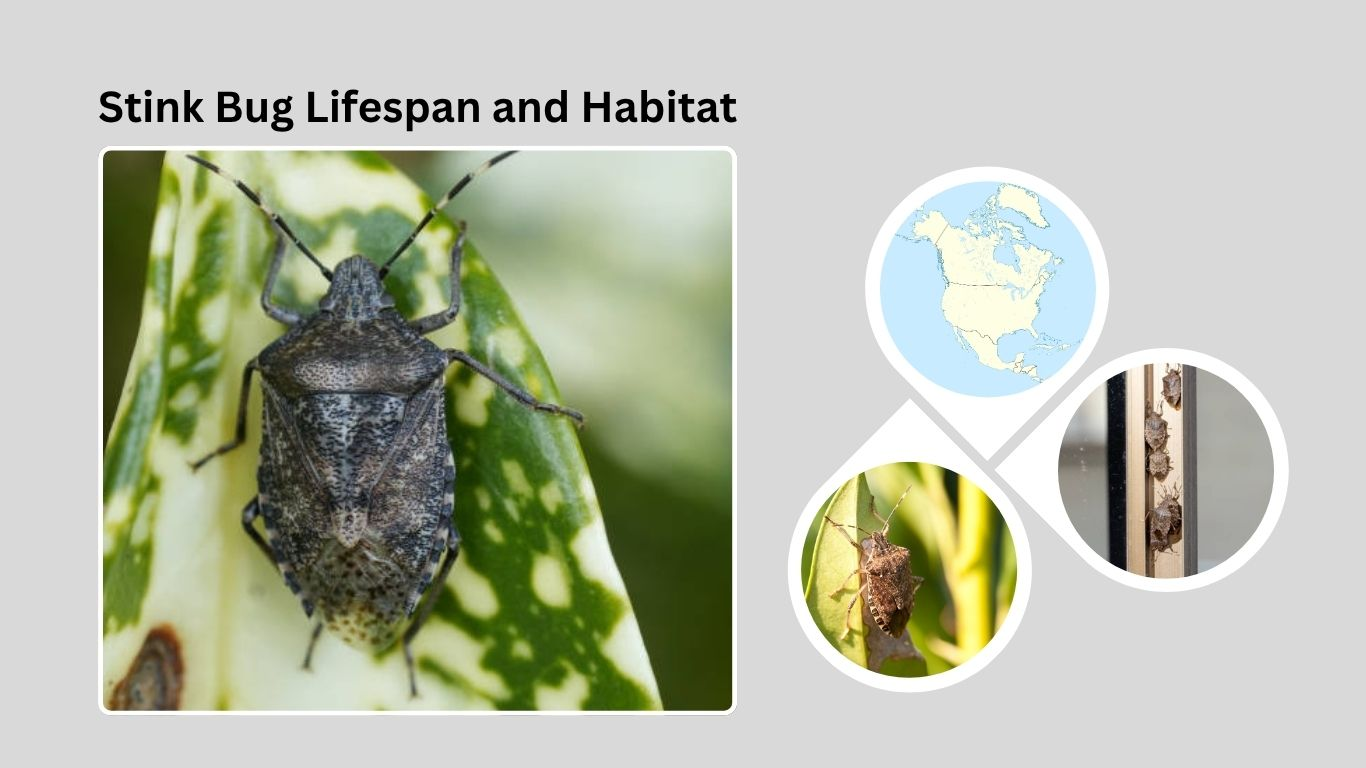
Stink bugs are well-known for their distinctive odor and ability to survive in various conditions. These resilient insects are not only found in gardens and fields but can often invade homes, especially during the colder months. This article explores how long stink bugs live, the factors influencing their lifespan, and the diverse habitats they prefer, both indoors and outdoors.
Lifespan Overview

Average Lifespan
Stink bugs typically live for 6 to 8 months under natural conditions, although their lifespan can be influenced by environmental factors. These bugs go through several life stages, including egg, nymph, and adult, with each stage contributing to their overall survival. During the warm months, they are active and breeding, but their lifespan is typically shorter outdoors due to exposure to predators and the elements.
Factors Affecting Longevity
Several key factors determine the lifespan of a stink bug:
- Temperature: Stink bugs are cold-blooded insects, meaning their metabolism is influenced by external temperatures. In warmer conditions, they are more active and may live longer. Colder temperatures, however, lead to a slowdown in their metabolism, helping them survive during the winter.
- Food Availability: These bugs feed on a wide variety of plants, including fruits, vegetables, and ornamental plants. Access to food can prolong their life, but without it, they can only survive for a limited time.
- Shelter: Stink bugs seek shelter during harsh weather, particularly in winter. Finding a warm and safe place, like inside a home or beneath tree bark, can extend their life significantly.
- Species Differences: Different species of stink bugs, such as the brown marmorated stink bug, may have slight variations in their lifespan. Some species may be more resilient to extreme temperatures or harsher conditions than others.
Lifespan in Different Conditions
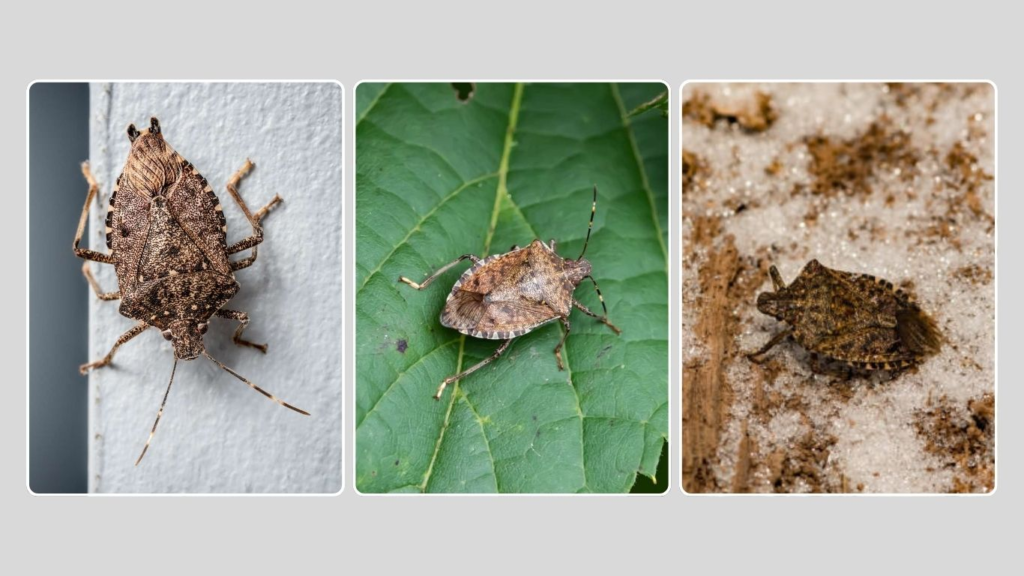
Without Food or Water
While stink bugs are adaptable, they can only survive for a limited time without food and water. If they are deprived of food, they can survive for up to 2 to 3 weeks, depending on the conditions. However, without water, their survival time is significantly reduced, and they may only live for a few days without moisture. In dry conditions, they may enter a state of dormancy to conserve energy.
Indoors
When stink bugs find their way into homes, their lifespan can be significantly longer. Indoors, they are protected from harsh weather and predators, and the constant temperature helps maintain their metabolism. A stink bug can survive up to 6 months indoors, especially if the home provides access to food sources like houseplants or fruits. The warm indoor environment helps them remain active longer than they would in the wild.
Outdoors
Outdoors, the lifespan of stink bugs is generally shorter, as they face more natural threats such as predators (birds, frogs) and adverse weather conditions. Their active season is during the warmer months, typically from spring to fall. During this period, they can be found in gardens, fields, and orchards, feeding on plants. However, the duration of their lifespan outdoors is influenced by the availability of food and shelter. Without these factors, their lifespan is reduced.
In Winter or Cold Weather
Stink bugs are not immune to cold weather. As temperatures drop, they enter diapause, a hibernation-like state where their activity slows down significantly. During this time, they seek shelter to stay protected from freezing temperatures. Stink bugs often hide in walls, attics, or under bark on trees, where they remain dormant until the weather warms up. Their ability to enter diapause allows them to survive the winter months.
Habitat and Living Preferences
Natural Habitats
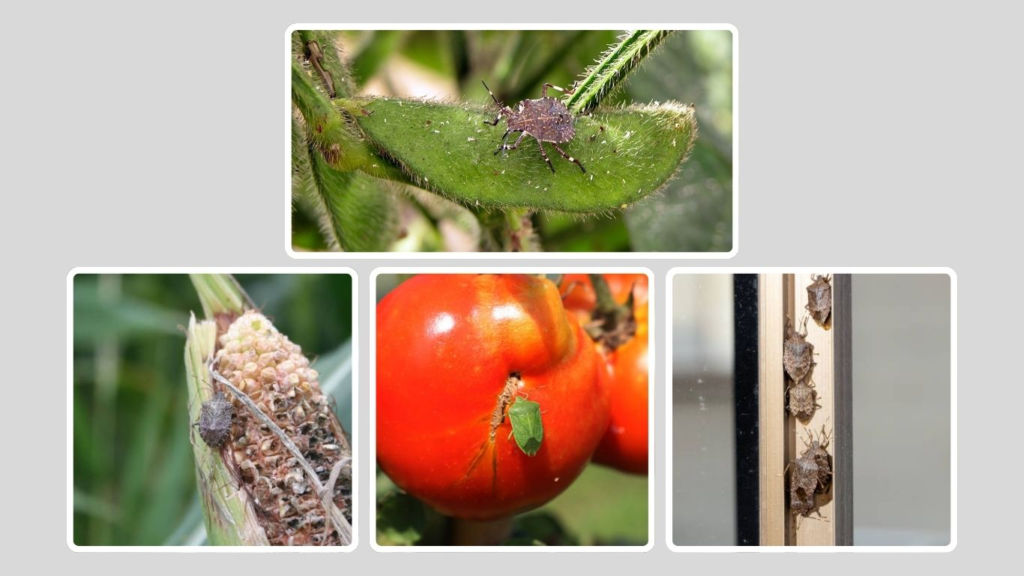
Stink bugs are typically found in gardens, fields, orchards, and wooded areas, where they feed on various plants. They are particularly fond of fruit trees, such as apples, peaches, and pears, and also thrive on crops like soybeans, corn, and tomatoes. These environments provide the nutrients they need to grow and reproduce. Stink bugs can also be found in ornamental plants, making them a common pest in home gardens and landscaping.
Indoor Habitats
When temperatures drop in autumn, stink bugs seek shelter indoors. They are attracted to warm, sunny spots inside homes, including areas like attics, windowsills, behind curtains, and inside walls. They typically enter through small cracks or gaps in the home’s exterior. Once indoors, stink bugs may remain in hiding, seeking areas where the temperature is relatively stable and comfortable.
Seasonal Behavior
Summer
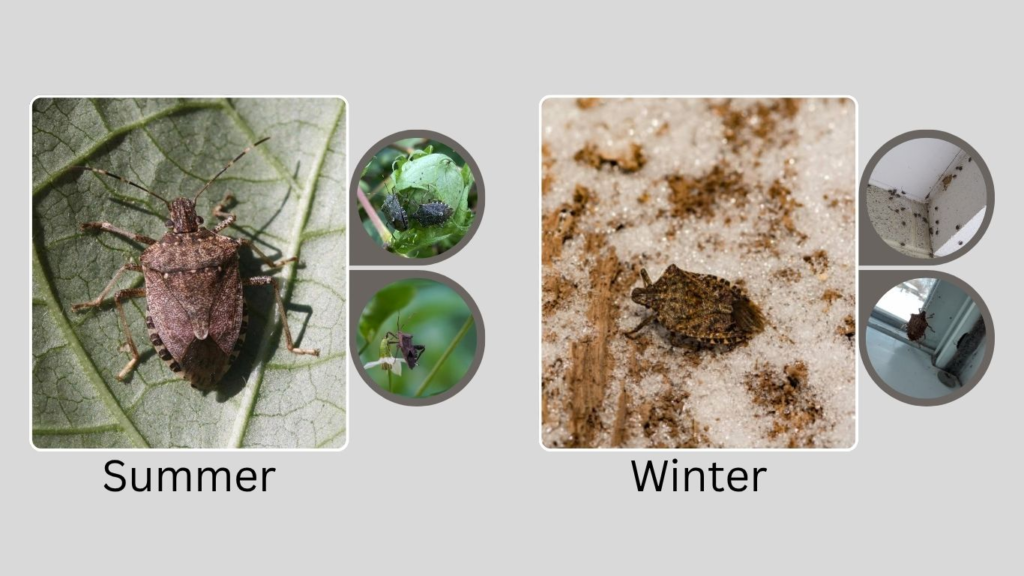
During the summer, stink bugs are in their most active phase. This is their breeding season, and they can be found feeding on a wide variety of plants. They prefer crops like tomatoes, peppers, soybeans, and corn, as well as fruits such as apples and peaches. In these months, stink bugs are busy searching for food and mates. They are particularly common in gardens, fields, and orchards where they can find plenty of sustenance.
In addition to feeding, stink bugs are also busy laying eggs. The egg-laying season typically occurs in late spring to early summer, with the young nymphs emerging shortly thereafter. These nymphs go through several stages of development before becoming adults, ready to begin the cycle again.
Winter
As colder weather sets in, stink bugs begin to seek shelter to avoid freezing temperatures. In winter, they enter a state of diapause, which is a form of hibernation. This dormant state helps them survive the harsh conditions of winter without food or water. They can be found inside homes or buildings, hiding in cracks, crevices, and behind walls. They are most active in late fall when they search for warm spots to spend the winter.
While in diapause, stink bugs do not feed and have a significantly slower metabolism. They rely on their stored fat reserves to survive the winter months. When the temperature rises again in spring, they will become active once more and resume their normal activities of feeding and mating.
Geographical Distribution
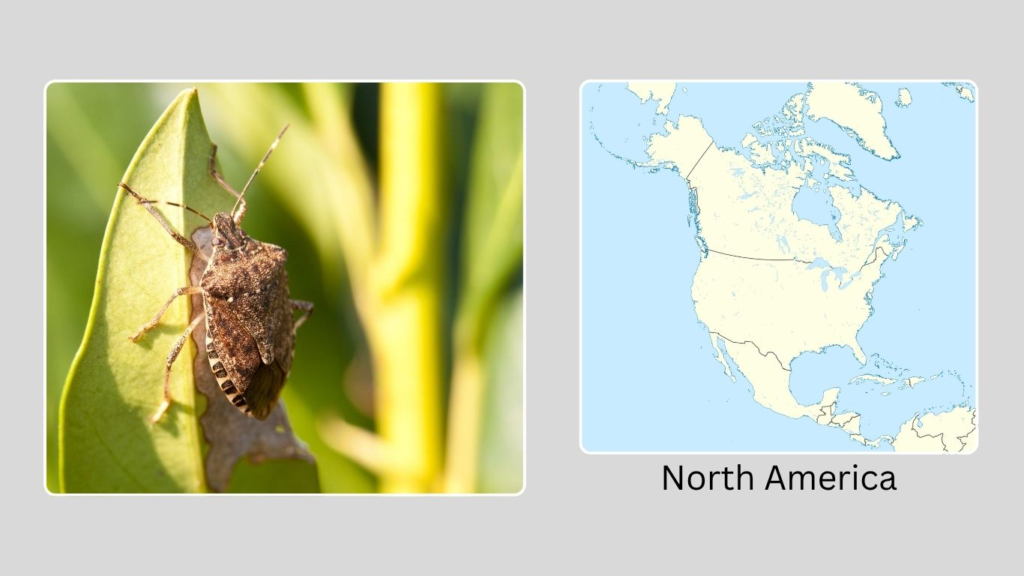
Stink bugs are originally native to Asia, but they have spread to many parts of the world, including North America, Europe, and parts of Australia. In the United States, they are most commonly found in the Midwest, Northeast, and Southeast, although their range has expanded as they adapt to different climates.
- In the United States, stink bugs have become particularly problematic in states like New Jersey, Ohio, Kentucky, and Georgia. They thrive in areas with a temperate climate, making the Midwest and Northeast ideal environments for them to survive and reproduce.
- In Florida, stink bugs are active year-round due to the warmer climate. However, they still seek shelter indoors during the cooler months.
- In Europe, stink bugs have spread across countries like Italy, Germany, and France, where they are considered agricultural pests due to their preference for feeding on crops like tomatoes and apples.
Despite their Asian origins, stink bugs have adapted well to a variety of climates. They are particularly hardy in temperate regions, where they can survive both warm summers and cold winters.
Survival Adaptations
Stink bugs are equipped with several survival adaptations that help them endure challenging conditions:
- Tough Exoskeleton: The exoskeleton of a stink bug is strong and resistant to cold temperatures, helping it survive winter conditions.
- Metabolism Control: When exposed to cold, stink bugs can slow down their metabolism, reducing their need for food and water. This helps them survive when food is scarce and during periods of dormancy.
- Defensive Odor: One of the stink bug’s most well-known adaptations is its ability to release a foul-smelling odor as a defense mechanism. This scent helps deter predators such as birds and mammals, making the stink bug less likely to be eaten.
FAQs
How long do stink bugs live on average?
Stink bugs typically live between six and eight months. Their lifespan is influenced by factors like temperature, food availability, and shelter. Indoors, where conditions are stable, they may live longer than those found outdoors.
Can stink bugs live without food or water?
Yes, but only for a short period. Stink bugs can survive up to two to three weeks without food. However, without water, their survival time is much shorter, typically only a few days, depending on humidity and environmental conditions.
Do stink bugs live through the winter?
Yes, stink bugs survive the winter by entering a dormant state called diapause. During this time, they hide in protected areas such as walls, attics, and tree bark, where they remain inactive until spring.
Where do stink bugs live indoors?
Indoors, stink bugs are often found in attics, behind baseboards, inside walls, and on windowsills. They seek warm, sheltered areas during the colder months to survive the winter, especially as outdoor temperatures drop.
Can stink bugs live underwater or without air?
No, stink bugs cannot survive underwater or without oxygen for long. They are air-breathing insects and can only stay submerged for a few minutes before they drown or suffocate.
