

A wasp sting can come as a nasty surprise, whether you’re gardening, hiking, or just relaxing outdoors. Unlike bees, wasps can sting multiple times, injecting venom that causes sharp pain, redness, swelling, and itching. While over-the-counter medications like antihistamines or topical creams are common treatments, many people prefer safe, accessible, and chemical-free options found right at home. That’s where homemade remedies for wasp stings come in.
This article explores the most effective natural treatments for wasp stings, with a special focus on baking soda for wasp stings, plus other items you likely already have in your kitchen or medicine cabinet.
How Do Wasp Stings Affect the Body?
When a wasp stings, it injects venom that causes an immediate immune response. The venom contains enzymes and peptides that lead to pain, swelling, and sometimes an allergic reaction. Most people experience:
- Sharp, burning pain
- Redness and localized swelling
- Itching and tenderness
- In some cases, a mild allergic reaction
Severe allergic reactions (anaphylaxis) are rare but serious. If you experience difficulty breathing, dizziness, or swelling in the face or throat, seek emergency medical help immediately.
For non-emergency situations, homemade remedies can effectively reduce discomfort and speed healing.
Baking Soda for Wasp Stings: Does It Work?
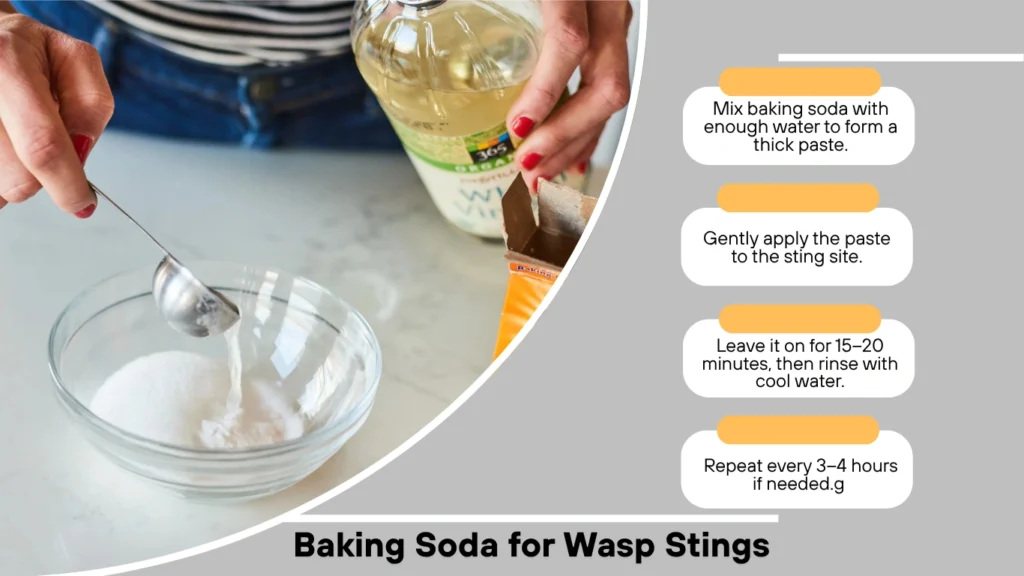
One of the most talked-about natural remedies is baking soda. Many people recommend using baking soda for wasp stings, but does it really help?
Yes—and here’s why.
Baking soda (sodium bicarbonate) is alkaline, which means it can help neutralize the acidic components of wasp venom, reducing inflammation and soothing the sting site. While scientific evidence is limited, it’s a widely trusted remedy and poses little risk when used correctly.
How to Use Baking Soda for a Wasp Sting
Ingredients:
- 1 tablespoon baking soda
- A few drops of water
Steps:
- Mix baking soda with enough water to form a thick paste.
- Gently apply the paste to the sting site.
- Leave it on for 15–20 minutes, then rinse with cool water.
- Repeat every 3–4 hours if needed.
Tip: You can also add a pinch of salt or a few drops of apple cider vinegar to the paste for added anti-inflammatory benefits.
Here is a detailed version of the section “Top 10 Homemade Remedies for Wasp Stings”, with each remedy expanded to around 150+ words:
Top 10 Homemade Remedies for Wasp Stings
1. Cold Compress
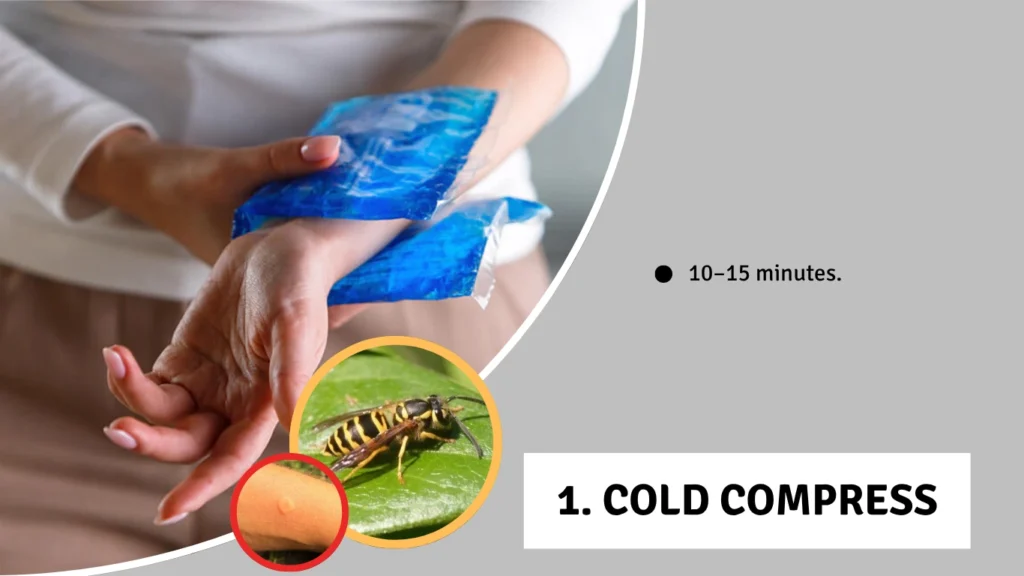
Applying a cold compress is the first and most immediate remedy you should try after a wasp sting. It helps numb the area, reduces pain, and minimizes swelling by slowing down blood flow and limiting venom spread. Cold temperatures constrict blood vessels, which can reduce inflammation and soothe the burning sensation caused by the sting.
How to apply:
Wrap ice cubes in a clean towel or use a store-bought ice pack. Hold it gently over the sting site for about 10–15 minutes. You can repeat this every hour for the first few hours post-sting. Avoid applying ice directly to bare skin, as it may cause frostbite or irritation.
This simple remedy is especially helpful in the first hour after being stung. Even if you plan to use other treatments like baking soda or aloe, starting with a cold compress is highly recommended to reduce initial inflammation.
2. Baking Soda Paste

Baking soda for wasp stings is one of the oldest and most trusted natural remedies. It works because of its alkaline properties, which may help neutralize the acidic venom. More importantly, it provides relief from itching and helps dry out the sting area, reducing the urge to scratch and lowering infection risk.
How to make the paste:
Mix 1 tablespoon of baking soda with a few drops of water to form a thick paste. Gently spread it over the sting site and leave it on for 15–20 minutes, then rinse off with cool water. Reapply every few hours if discomfort returns.
This remedy is safe for most people, including children, and often brings immediate relief from itching and swelling. For added benefit, you can add a few drops of apple cider vinegar or salt to enhance its antimicrobial effects.
3. Apple Cider Vinegar

Apple cider vinegar (ACV) is a popular remedy thanks to its anti-inflammatory and antimicrobial properties. While wasp venom is slightly alkaline, ACV’s acidity can still help neutralize certain proteins in the venom. It also soothes irritation and reduces redness.
How to use:
Soak a clean cotton ball or cloth in undiluted apple cider vinegar and gently press it onto the sting for 5–10 minutes. Repeat as needed every few hours. For larger affected areas, you can mix a tablespoon of ACV in a bowl of cool water and apply it using a washcloth.
ACV may sting slightly on open or scratched skin, so avoid using it if you’ve been itching the sting site too aggressively. If you’re worried about skin sensitivity, dilute it with water before applying. Its natural properties can help prevent bacterial infections and support faster healing.
4. Honey
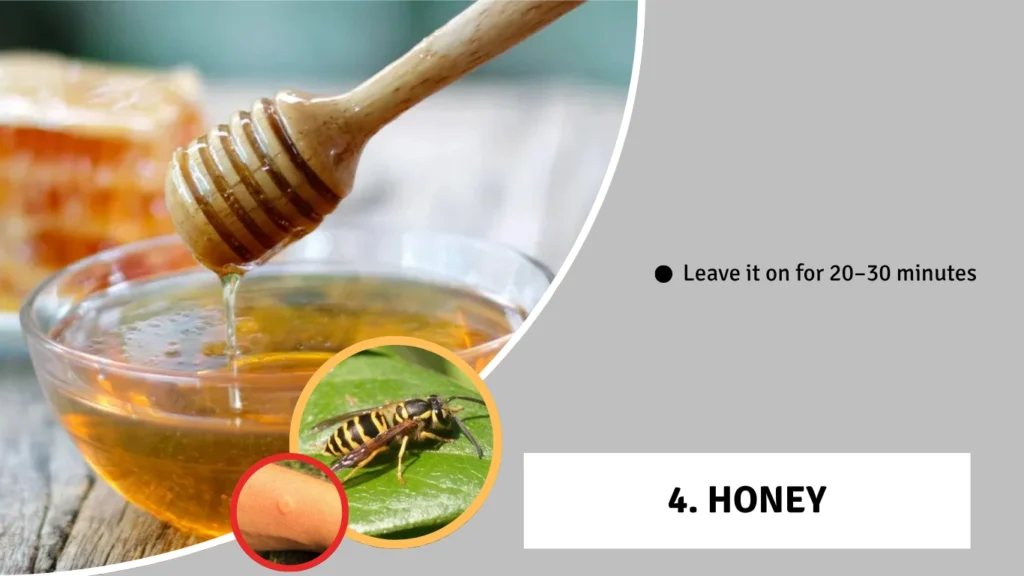
Raw honey is a powerful natural healer. It has natural antibacterial, anti-inflammatory, and moisturizing properties, making it ideal for soothing irritated or inflamed skin. Honey helps reduce swelling, relieves itching, and prevents infection by forming a protective barrier over the sting.
How to apply:
Clean the area gently and apply a small dab of raw (preferably organic) honey directly onto the sting. Cover it lightly with a bandage or gauze to avoid smearing. Leave it on for 20–30 minutes, then rinse off. You can reapply a few times a day for comfort and healing.
Honey is particularly useful when stings become itchy. It calms the skin, prevents scratching, and promotes faster tissue repair. Avoid using it outdoors if you’ll be near more bees or wasps—it may attract them due to its scent.
5. Aloe Vera
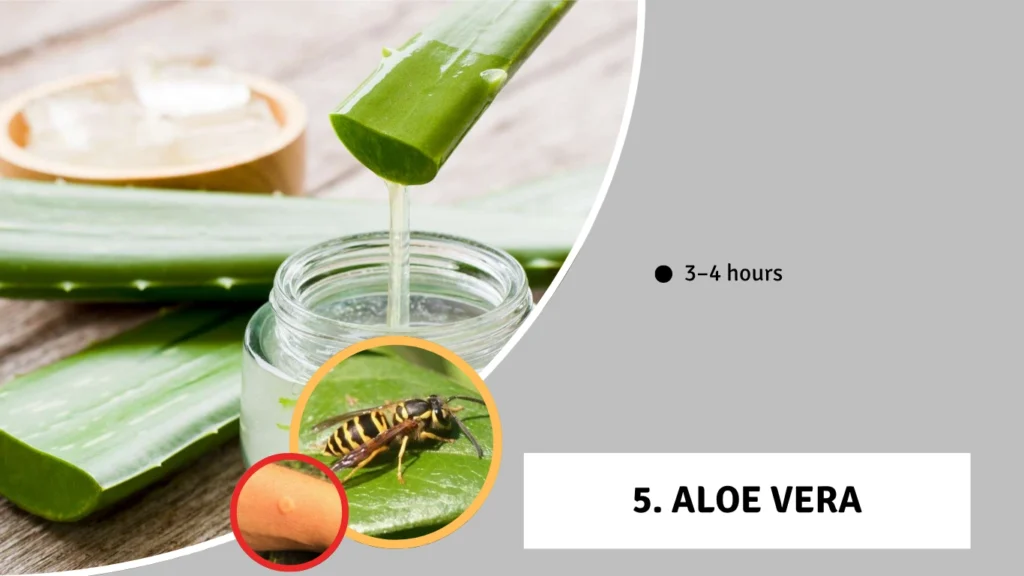
Aloe vera is a go-to remedy for almost all skin irritations, and it works wonders on wasp stings. It offers cooling relief, reduces swelling, and accelerates skin repair due to its high content of vitamins, minerals, and anti-inflammatory compounds.
How to use:
Slice open a fresh aloe vera leaf and scoop out the gel. Apply a generous layer of the gel directly to the sting site. Let it air dry and reapply every 3–4 hours for relief. If using store-bought aloe gel, make sure it’s 100% pure and free of fragrances or added chemicals.
Aloe vera is especially soothing if you’re experiencing both pain and itching. It’s also safe for sensitive skin and children. Refrigerating the gel before applying can enhance its cooling effect and give even more relief from burning or swelling.
6. Toothpaste
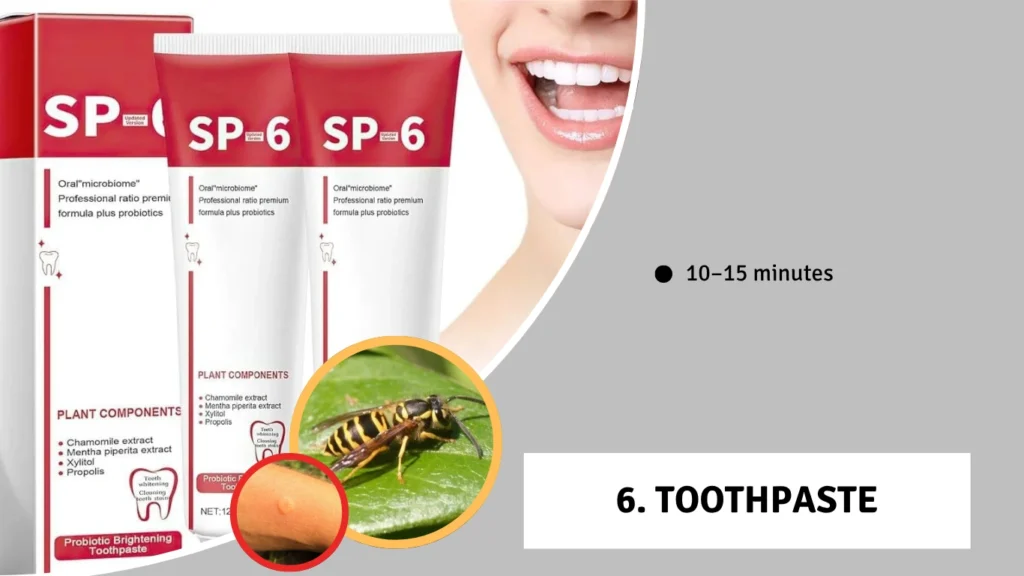
Though unconventional, non-gel, white toothpaste is often recommended as a quick remedy. Its alkaline properties can help neutralize wasp venom, and many formulas contain ingredients like baking soda or menthol that provide a soothing, cooling sensation.
How to use:
Apply a small amount of toothpaste directly onto the sting. Let it sit for 10–15 minutes, then rinse off with cool water. Repeat every few hours as needed. Make sure to use plain white toothpaste, not gel or whitening types which may contain irritants.
This remedy is best used when nothing else is available, as it’s a temporary fix. While not as potent as other natural treatments, it can provide fast relief when you’re outdoors or traveling and don’t have access to more specialized remedies.
7. Calendula Oil or Cream
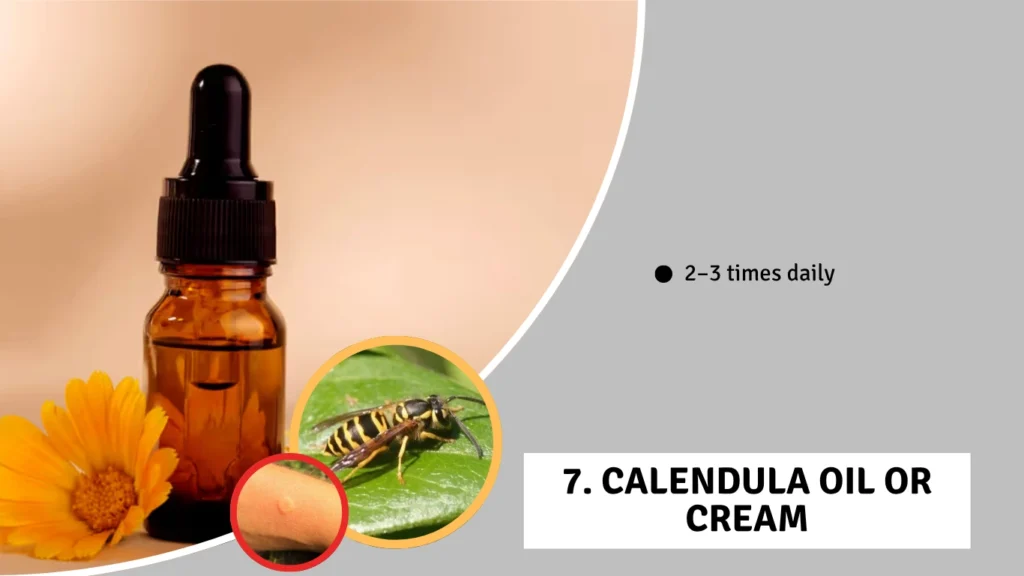
Calendula (also known as marigold) is a natural anti-inflammatory herb that supports wound healing and skin repair. It also has mild antiseptic properties, helping to prevent infection at the sting site.
How to use:
Apply calendula cream or oil directly to the sting area 2–3 times daily. Gently massage it in to promote absorption. You can also use a compress soaked in calendula-infused water for a more intensive application.
This remedy is especially useful if the sting area becomes dry, irritated, or flaky after a few days. Calendula helps soothe the skin and reduce long-term itching or discoloration as the area heals.
8. Witch Hazel
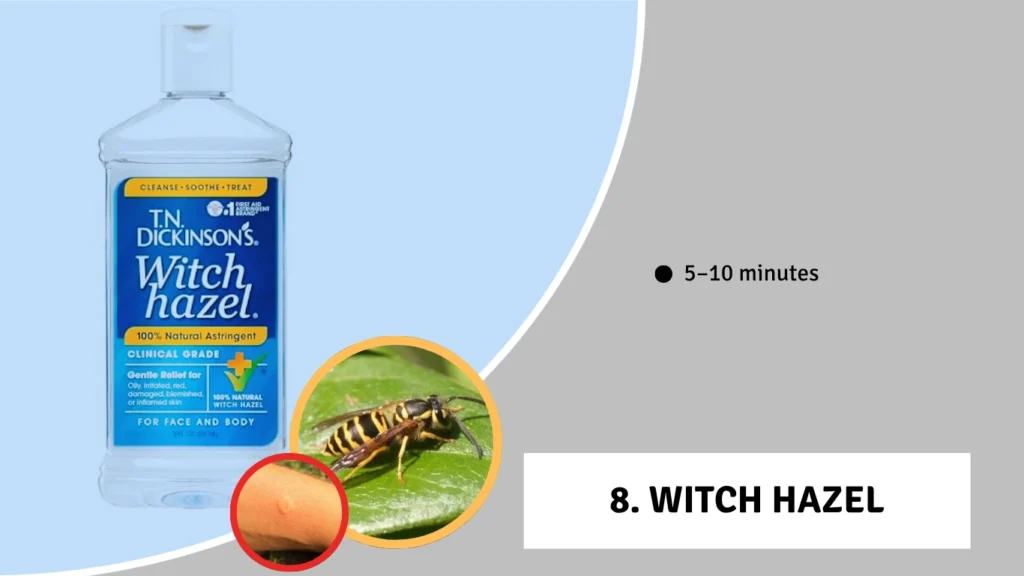
Witch hazel is a natural astringent extracted from the bark and leaves of the witch hazel shrub. It helps tighten skin tissues, reduce swelling, and relieve itching. Its anti-inflammatory properties make it an excellent choice for minor insect stings and bites.
How to apply:
Pour a small amount of witch hazel onto a cotton pad or cloth and apply it to the sting site. Leave it on for 5–10 minutes, then repeat every few hours if needed.
Witch hazel is particularly useful for treating stings on sensitive skin, such as around the neck or face. It also helps dry out the area gently, making it ideal if the sting is weeping or damp. Look for alcohol-free witch hazel to avoid extra skin dryness.
9. Activated Charcoal Paste

Activated charcoal is known for its ability to draw out toxins from the body and is used in many first-aid applications. When applied to a wasp sting, it may help absorb the venom and reduce the body’s inflammatory response.
How to prepare:
Mix 1 capsule or 1 teaspoon of activated charcoal powder with a few drops of water to make a thick paste. Apply it directly to the sting and cover it with a clean bandage. Leave it on for 30 minutes, then rinse off. Repeat 2–3 times daily.
This remedy is especially helpful if you’re dealing with multiple stings or swelling that isn’t going down. Make sure to use only food-grade activated charcoal, and be careful—it can stain fabrics and surfaces.
10. Crushed Basil or Plantain Leaves

These common herbs are loaded with natural anti-inflammatory and antimicrobial compounds, like eugenol (in basil) and allantoin (in plantain). Crushing the leaves releases juices that help soothe skin irritation and reduce venom effects.
How to use:
Crush a few clean basil or plantain leaves until juicy. Apply the mash directly to the sting and secure it with a clean bandage or gauze. Leave it on for 30 minutes to 1 hour. Reapply with fresh leaves as needed.
This remedy is best when you’re outdoors and need something effective and immediate. Plantain leaves grow wild in many areas and can be identified easily. They offer a surprisingly powerful natural solution for calming angry stings.
What to Avoid After a Wasp Sting
While treating the sting at home, also avoid these actions that could worsen symptoms:
- Scratching: This can break the skin and increase the risk of infection.
- Hot compresses: Heat may increase swelling.
- Unapproved creams or ointments: Avoid using scented lotions or creams not meant for insect bites.
If symptoms worsen or fail to improve after 2–3 days, seek medical help.
How to Know if You’re Allergic to Wasp Stings
Mild reactions are common, but watch for the following signs of an allergic reaction:
- Swelling spreading beyond the sting area
- Hives or rash
- Shortness of breath
- Rapid heartbeat
- Dizziness or fainting
These symptoms may require epinephrine and emergency care. If you’ve had a severe reaction before, consult your doctor about carrying an EpiPen.
When Homemade Remedies Are Enough—and When They’re Not
Homemade remedies for wasp stings are effective for:
- Mild to moderate stings
- Redness and localized swelling
- Itching and pain that doesn’t worsen
However, you should consult a doctor if:
- Pain or swelling lasts longer than 3 days
- The site becomes increasingly red, warm, or develops pus
- You were stung near the throat, eyes, or inside the mouth
- You were stung multiple times
FAQs
1. Does baking soda really help with wasp stings?
Yes, baking soda is a commonly used household remedy for wasp stings. It’s alkaline, which may help neutralize the venom’s acidic components. While not scientifically proven, it often brings relief from itching and swelling when applied as a paste.
2. How often can I apply baking soda to a wasp sting?
You can apply a baking soda paste every 3–4 hours as needed, but avoid over-drying the skin. Always rinse thoroughly before reapplying.
3. Can I use vinegar and baking soda together for a sting?
It’s best to use one at a time. Vinegar is acidic and baking soda is alkaline; combining them may neutralize each other and reduce effectiveness.
4. What’s the best immediate homemade remedy after a wasp sting?
A cold compress is the first thing you should use. It reduces pain and swelling quickly. Follow it up with baking soda paste, honey, or aloe vera for continued relief.
5. Is honey safe to use on open stings or broken skin?
Yes, raw honey has antimicrobial properties and can be safely applied to broken skin in small amounts. However, if the sting site is bleeding or weeping, clean it thoroughly before applying anything.
