

Dragonflies are large, flying insects known for their agility and striking appearance. These insects belong to the order Odonata, which includes both dragonflies and damselflies. Dragonflies are commonly found near water, where they lay their eggs and the larvae (nymphs) develop. They are known for their long, slender bodies and four large, transparent wings that allow them to fly with exceptional maneuverability. With their complex behaviors and vibrant colors, dragonflies are not only fascinating to observe but also serve vital ecological roles, such as controlling mosquito populations.
Key Features of Dragonfly Insects
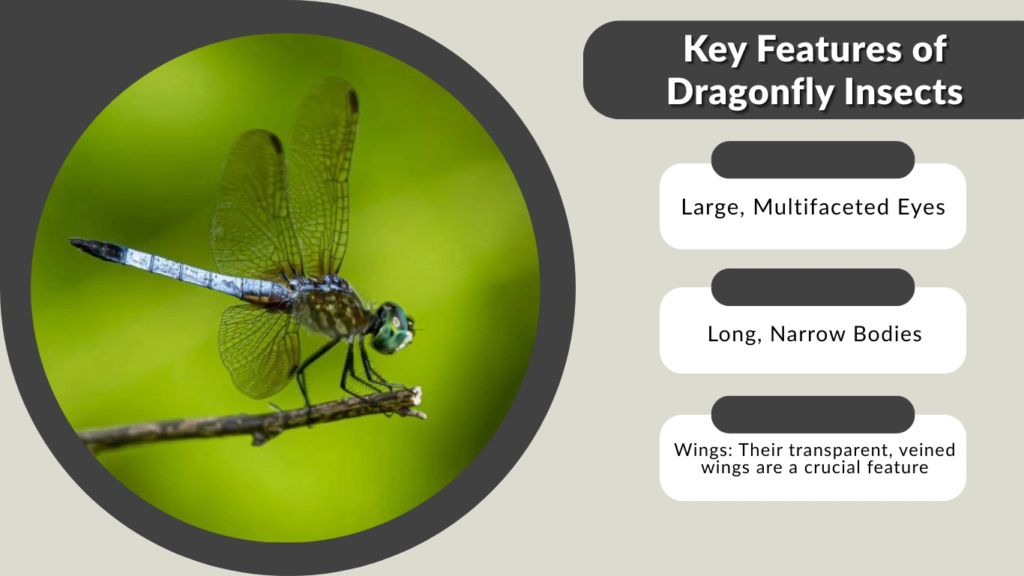
When trying to identify a dragonfly, there are several key features to look for. These insects have specific anatomical traits that make them stand out from other flying insects.
Body Structure
Dragonflies have three distinct body segments: the head, thorax, and abdomen. The head contains large compound eyes that can be almost as large as the rest of the head. The thorax is where the dragonfly’s powerful flight muscles are located, allowing for their agile movements. The abdomen is long and slender, giving dragonflies their characteristic shape. The body is usually brightly colored, often in shades of blue, green, or red.
Wings
One of the most distinctive features of dragonflies is their wings. Unlike other insects, dragonfly wings are not folded over the body when at rest. Instead, they are spread out horizontally. The wings are large, with a characteristic clear, veined structure, although some species may have tinted or patterned wings. The wings of dragonflies allow them to fly in all directions, even hovering or flying backward.
Eyes
Dragonflies are famous for their large, multifaceted eyes. These eyes can take up most of the head and are essential for their exceptional vision. The eyes are placed on the sides of the head, giving them nearly a 360-degree view. Their eyes allow them to spot prey from great distances, which helps them hunt effectively.
Common Identifiable Features:
- Large, Multifaceted Eyes: These distinctive eyes are the first thing you’ll notice when identifying a dragonfly.
- Long, Narrow Bodies: Dragonflies have long and slender bodies, unlike other insects like beetles or flies, which tend to be more compact.
- Wings: Their transparent, veined wings are a crucial feature for identification. These wings help dragonflies hover or fly rapidly.
How to Identify Different Dragonfly Species
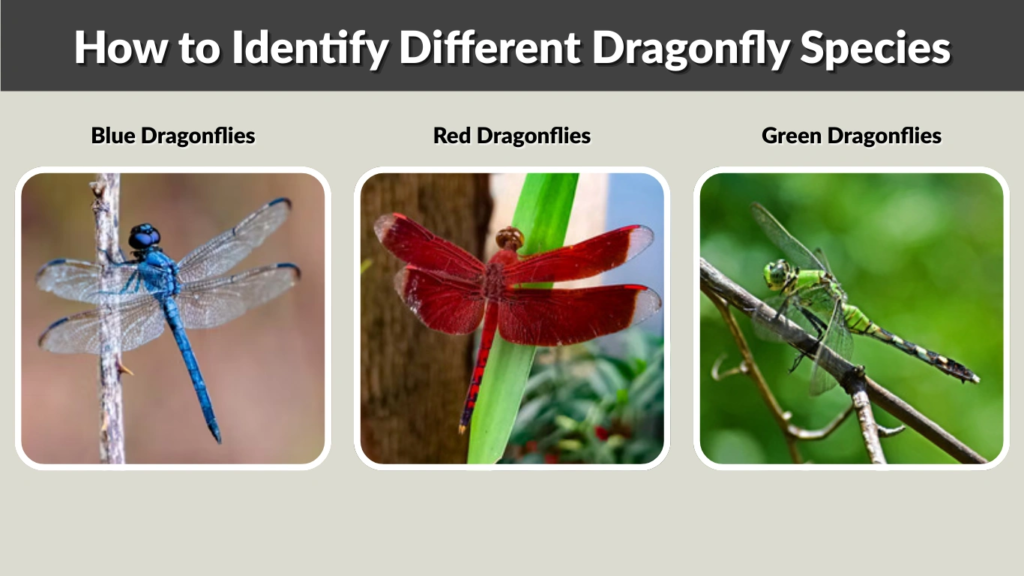
Dragonfly species vary greatly in appearance, and identifying them involves observing several key features, including color, size, and behavior. While dragonflies share many common features, each species has unique characteristics that make them easier to identify once you know what to look for.
Identification by Color
Color is one of the easiest ways to start identifying dragonfly species. Dragonflies can be found in many colors, including blues, greens, reds, and even yellows. Some species, like the Blue Dasher, are primarily blue, while others, like the Scarlet Skimmer, are bright red. The body color often corresponds to the dragonfly’s age or sex, with males often being more brightly colored than females.
For example:
- Blue Dragonflies: Typically, species like the Common Blue Darner are characterized by their bright blue coloring.
- Red Dragonflies: Species like the Scarlet Skimmer are known for their brilliant red bodies and distinctive markings.
- Green Dragonflies: Species such as the Green Darner are easily identified by their green thoraxes and blue abdomens.
Identification by Behavior
Behavior is another important factor in identifying dragonfly species. Dragonflies are often seen flying over water, hovering in place, or darting quickly in search of prey. Some species are more active at dawn or dusk, while others are more commonly seen during the day.
For example, dragonflies from the Aeshnidae family, such as the Mosaic Darner, are known for their powerful flight and tendency to fly long distances. On the other hand, species like the Blue-eyed Darner tend to hover around water sources while hunting.
Types of Dragonfly Species and Their Features
There are many species of dragonflies around the world, each with its own unique traits. Some of the most common species include:
Common Blue Darner
This dragonfly is easily identified by its vibrant blue body and large size. It is one of the most widespread species and can often be found flying over ponds and lakes during the summer months.
Widow Skimmer
The Widow Skimmer has distinctive black markings on its wings, making it easy to recognize. Its broad wings and slender body are key features to look for when identifying this species.
Eastern Pondhawk
This species is known for its bright green color, particularly in males, and its blue abdomen. Eastern Pondhawks are often found near shallow, still waters like ponds or marshes.
Habitat and Distribution
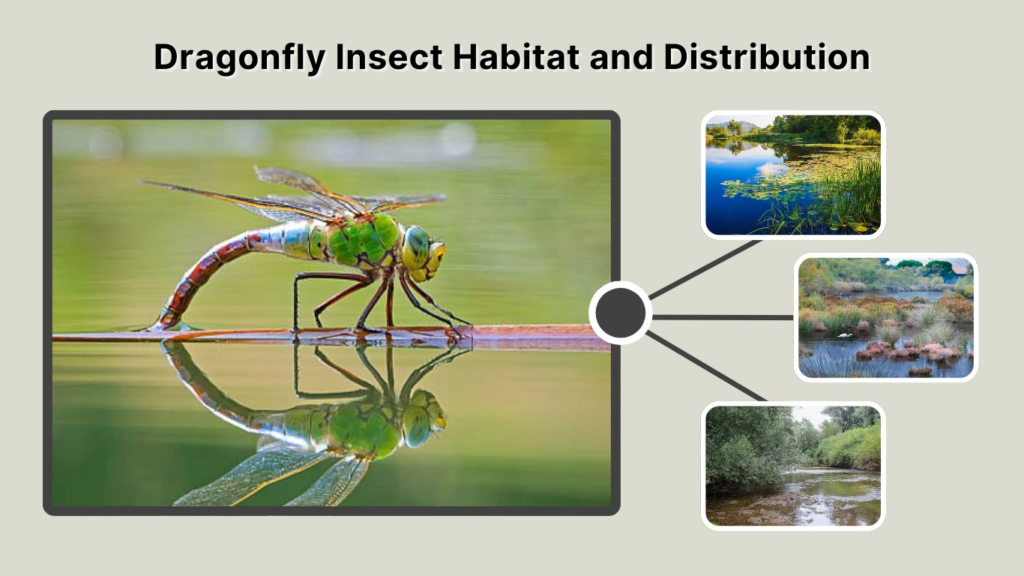
Dragonflies are found all over the world, especially in habitats near water. Understanding where a particular species is found can be an essential clue for identification. Different dragonfly species are adapted to specific environments, such as wetlands, marshes, ponds, and lakes.
Common Environments:
- Ponds and Lakes: These still waters are ideal for many species, including the Common Blue Darner, which can often be spotted near these calm, freshwater habitats.
- Marshes and Wetlands: Dragonflies like the Eastern Pondhawk thrive in these areas due to abundant vegetation and shallow waters.
- Rivers and Streams: Some species prefer flowing water, like the Green Darner, which is often found in slower-moving rivers and streams.
Dragonfly larvae, or nymphs, spend most of their development underwater, so these habitats are crucial for their life cycle. These insects are also sensitive to water quality, and their presence in a habitat is often an indicator of clean, healthy ecosystems.
Role of Dragonflies in Ecosystems
Dragonflies play an important ecological role as both predators and prey. As adults, dragonflies are skilled hunters, preying on mosquitoes, flies, and other insects. Their nymphs are also important predators in aquatic environments, feeding on small organisms like larvae, tadpoles, and even smaller fish.
By controlling insect populations, dragonflies help maintain a balance in the ecosystems they inhabit. Additionally, their presence in an area can be an indicator of good water quality, as dragonfly larvae are sensitive to pollution. This makes dragonflies valuable bioindicators for environmental health.
Dragonflies also serve as food for various animals. Birds, amphibians, and even some fish species feed on dragonflies, particularly in the nymph stage. This places dragonflies as an important part of the food web.
FAQs
How can you tell a dragonfly from a damselfly?
Dragonflies are typically larger, with broader bodies and wings that remain open when resting. In contrast, damselflies have slender bodies and fold their wings together when at rest.
What do dragonfly larvae look like?
Dragonfly larvae, or nymphs, are aquatic and have a short, cylindrical body with large eyes. They often appear brown or green and have a unique jaw structure used to catch prey in the water.
Are dragonflies found worldwide?
Yes, dragonflies are found on every continent except Antarctica. They are particularly abundant in tropical and temperate regions and are commonly found near freshwater habitats like ponds, lakes, and marshes.
Can dragonflies live without water?
No, dragonflies rely on water for their nymph stage. Dragonfly larvae develop in aquatic environments, and adult dragonflies typically lay their eggs near or in water sources, making water essential to their life cycle.
How can I identify a dragonfly in flight?
Dragonflies are easily identifiable in flight due to their fast, agile movements. They often hover in place and are capable of flying backward. Their long, slender bodies and large, transparent wings are key visual features.
