

Wasps are more than just a backyard nuisance—they can pose a real danger to your furry friend. Dogs, especially curious or playful ones, often end up getting stung while sniffing around bushes, gardens, or trash bins. While many wasp stings result in only mild swelling and discomfort, others can trigger serious allergic reactions or even become life-threatening if not treated properly. In this guide, we’ll break down the symptoms to watch for, immediate treatment steps you can take at home, and when it’s crucial to seek veterinary care. Whether your dog was stung on the nose, paw, or inside the mouth, knowing what to do can make all the difference.
Can Wasps Sting Dogs?
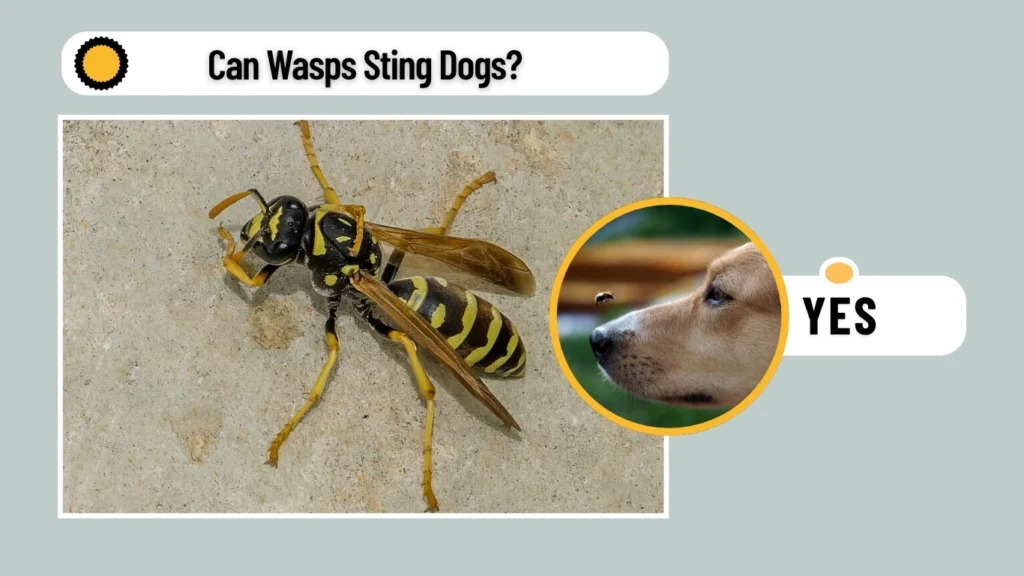
Yes, dogs can definitely be stung by wasps—and it happens more often than you might think. Unlike bees, wasps can sting multiple times without losing their stinger, making them especially dangerous during an encounter. Dogs are naturally curious and tend to investigate buzzing sounds or fluttering insects. If they poke their nose into a wasp nest, they could end up with multiple stings on the face, paws, or even inside the mouth.
Certain dog breeds with short coats or thinner skin may be more sensitive to stings. While one sting might only cause temporary discomfort, multiple stings or allergic reactions can quickly escalate into a medical emergency.
Signs and Symptoms of a Wasp Sting on a Dog

Common Symptoms
- Localized swelling at the sting site
- Redness or a visible welt
- Whining or yelping after being stung
- Licking, scratching, or pawing the affected area
- Limping (if the sting is on a paw)
Severe Allergic Reactions (Anaphylaxis)
While rare, some dogs can have a serious allergic reaction to a wasp sting. This is a medical emergency. Look for:
- Vomiting or diarrhea
- Difficulty breathing or excessive drooling
- Swelling of the face, throat, or tongue
- Pale gums or weakness
- Disorientation or collapse
If any of these symptoms appear, contact your vet or an emergency animal clinic immediately.
Immediate First Aid for a Dog Wasp Sting
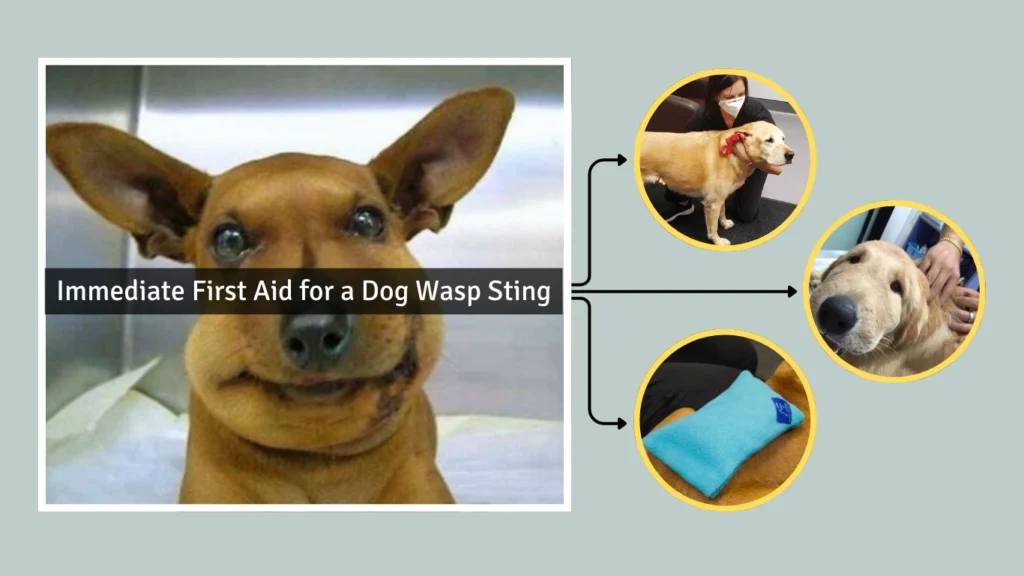
Stay Calm and Restrain the Dog
Your first step is to stay calm so your dog doesn’t panic further. Gently restrain your dog to prevent it from running or licking the sting site excessively. Panicking can elevate their heart rate, potentially spreading venom more quickly.
Remove the Stinger (If Present)
While wasps usually don’t leave their stinger behind, if you see a stinger (more common with bees), scrape it out gently using a credit card or blunt edge. Avoid using tweezers, which can squeeze more venom into the wound.
Apply a Cold Compress
Use a cold pack or a clean cloth with ice wrapped inside. Hold it on the sting site for 10 minutes to reduce swelling and numb pain. Repeat every couple of hours if needed, but don’t apply ice directly to the skin.
Home Treatment for Mild Reactions

If your dog is only showing mild symptoms like localized swelling and discomfort, you can often manage the situation at home. Begin with a cold compress to reduce inflammation and keep your dog calm. Limit their activity and prevent them from licking or scratching the sting site to avoid further irritation or infection.
In some cases, vets may recommend an over-the-counter antihistamine like Benadryl. However, you should never administer any medication without first consulting a veterinarian. The correct dosage will depend on your dog’s weight, age, and health condition.
If swelling increases or you notice any signs of distress, call your vet right away.
Safe Use of Antihistamines for Dogs
Benadryl (diphenhydramine) is commonly used by vets to manage allergic reactions in dogs, including those caused by insect stings. If your vet approves its use, it can help reduce swelling, itching, and prevent the reaction from worsening.
Dosage is typically around 1 mg per pound of body weight, but exact instructions should always come from a licensed vet. Benadryl tablets that contain only diphenhydramine are preferred—avoid any combination products with decongestants or pain relievers.
If your dog is already on other medications, or has conditions like heart disease or glaucoma, antihistamines may not be safe to use.
When to Call the Vet Immediately
Not all wasp stings are harmless. There are specific situations where prompt veterinary attention is crucial:
- Sting on the face, inside the mouth, or near the eyes: These locations can swell rapidly and interfere with breathing or vision.
- Signs of an allergic reaction: Difficulty breathing, vomiting, or collapse require emergency care.
- Multiple stings: Even if there’s no allergic reaction, a large dose of venom can cause systemic symptoms.
- Persistent symptoms: If swelling doesn’t subside within a few hours or worsens, consult a vet.
If you’re unsure whether your dog is having a serious reaction, it’s always better to err on the side of caution and seek professional help.
Diagnosis and Vet Treatment Options
If your dog requires veterinary care, the vet will begin with a physical examination to locate the sting site and assess the reaction. They’ll also check vital signs, such as heart rate, respiratory rate, and gum color, to determine if there’s an allergic or systemic response.
In mild cases, the vet may administer an injectable antihistamine or corticosteroid to quickly reduce inflammation. For more serious reactions, such as difficulty breathing or anaphylaxis, treatment may include IV fluids, oxygen therapy, and epinephrine to stabilize your dog. Pain management may also be prescribed to relieve discomfort during recovery.
Follow-up visits are rarely needed unless complications arise, but your vet may advise monitoring your dog closely for 24–48 hours.
How to Prevent Wasp Stings in Dogs
Prevention is the best way to protect your dog from future stings. Start by inspecting your yard or walking routes for active wasp nests, especially under eaves, bushes, and decks. Remove any food scraps, open trash, or uncovered pet food that might attract wasps.
If your dog is known to chase insects or explore risky areas, keep them on a leash during walks and supervise their outdoor time. You can also consult your vet about using natural, pet-safe insect repellents—chemical sprays meant for humans can be toxic to dogs.
Regular yard maintenance and awareness of wasp activity, especially in warmer months, will greatly reduce the chances of a sting.
FAQs
1. Can a wasp sting kill a dog?
In rare cases, yes—especially if the dog is allergic or suffers multiple stings. Quick veterinary care reduces the risk of serious outcomes.
2. What does a wasp sting look like on a dog?
You’ll typically see a raised red bump or localized swelling. If the sting is on the face or paw, it may be more noticeable due to discomfort or limping.
3. How long does swelling last after a dog wasp sting?
Mild swelling usually improves within a few hours to a day. If swelling worsens or spreads, call your vet.
4. Is Benadryl safe for dogs stung by a wasp?
It can be safe when given under vet supervision. Never self-medicate your dog without proper guidance.
5. Should I always take my dog to the vet after a sting?
Not always. If the sting is minor and your dog isn’t showing serious symptoms, home care is often enough. However, if you’re unsure, it’s safest to call your vet.
