

There’s a common misconception that wasps die after they sting. Unlike bees, which do die after stinging, many species of wasps can sting multiple times without dying. This article explores the question of whether wasps die after they sting, how their stinging behavior varies among species, and the factors behind this phenomenon. Understanding wasp behavior and biology will give us a clearer picture of these often misunderstood insects.
Do Wasps Die After They Sting?
No, wasps do not die after they sting. Unlike bees, which have barbed stingers that get stuck and cause them to die, wasps have smooth stingers. This allows them to withdraw their stinger and sting multiple times without harm. Wasps typically only die under certain circumstances, such as injury or old age.
Stinging Mechanics in Wasps
When a wasp stings, it injects venom through a sharp stinger, which is an extension of its abdomen. The venom serves to paralyze its prey or defend the wasp from threats. Unlike bees, which have barbed stingers that become lodged in their target and result in death when they try to fly away, wasps have smooth stingers. This design allows them to pull their stinger out after stinging, which is why they can sting multiple times without dying.
Do Social Wasps Die After Stinging?
Social wasps, such as Yellowjackets and Paper Wasps, do not die after stinging. These wasps can sting repeatedly because their stingers are not barbed. They can withdraw their stinger from their target and continue to defend their nests or hunt for food. For social wasps, stinging is a defense mechanism used to protect the colony. These wasps are particularly aggressive when they feel their nest is under threat, and their ability to sting multiple times helps them defend their territory effectively.
Do Solitary Wasps Die After Stinging?
Solitary wasps, on the other hand, are less likely to sting humans. These wasps usually sting their prey to paralyze it, allowing them to carry it back to their nests to feed their larvae. Since solitary wasps don’t rely on stinging as a primary form of defense, their stings are less frequent and more targeted. Like social wasps, solitary wasps have smooth stingers that allow them to sting multiple times without dying. They can, therefore, continue using their stinger throughout their lives, especially when hunting or defending their nests.
Why Do Some Wasps Die After Stinging?
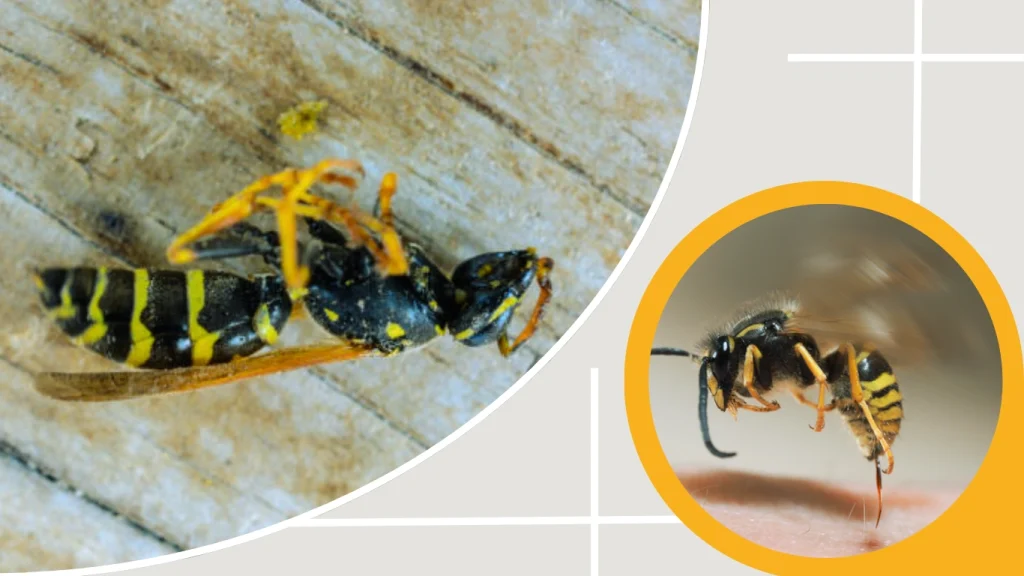
While most wasps don’t die after stinging, there are specific factors that can lead to this outcome in certain species, particularly in bees.
The Anatomy of Stinging
A key difference between wasps and bees lies in the structure of their stingers. In bees, the stinger is barbed, which means it becomes lodged in the skin of the target after stinging. When a bee tries to fly away, its stinger is torn from its body, causing fatal injury. Wasps, however, have smooth stingers that do not get stuck in the skin. This enables them to withdraw their stinger after each use, allowing them to sting multiple times without harming themselves.
Evolutionary Role of Stinging
In bees, the act of stinging and dying is a part of an evolutionary defense mechanism. Bees are often solitary or live in small colonies, and their stinging behavior is a last-ditch defense mechanism to protect the hive. When a bee stings, it sacrifices itself for the greater good of the colony. This is not the case for wasps, as they evolved to be more aggressive defenders of their nests and capable of stinging multiple times. The ability to sting repeatedly allows wasps to fend off threats and protect their colonies without the risk of dying after each sting.
How to Avoid Getting Stung by Wasps

Wasps, while not inherently aggressive, will sting if they feel threatened. Here are a few tips to help avoid a wasp sting:
Preventative Measures
- Avoid Wasp Nests: If you see a wasp nest, whether it’s in your yard or on your property, stay away from it. If you must remove the nest, consider hiring a professional pest control service.
- Wear Protective Clothing: If you’re working near wasp nests or in areas where wasps are common, wearing long sleeves, pants, and gloves can reduce the likelihood of being stung.
- Stay Calm: Wasps are more likely to sting if they feel threatened or provoked. If you encounter a wasp, try to remain calm and avoid swatting at it, as rapid movements can provoke them.
What to Do if You Are Stung
If you are stung by a wasp, follow these steps to minimize the pain and prevent further complications:
- Clean the Sting Site: Wash the area with soap and water to prevent infection.
- Apply a Cold Compress: Use a cold pack or cloth to reduce swelling and pain.
- Take Pain Relievers: Over-the-counter pain relievers like ibuprofen or acetaminophen can help relieve pain and swelling.
- Watch for Allergic Reactions: In rare cases, people may have an allergic reaction to a wasp sting. Symptoms of a severe allergic reaction include difficulty breathing, dizziness, or swelling around the eyes or lips. If you experience any of these symptoms, seek medical attention immediately.
FAQs
Do Wasps Always Sting When They Feel Threatened?
No, not all wasps will sting when they feel threatened. While social wasps are more likely to sting in defense of their colony, solitary wasps are less likely to sting humans. Wasps generally sting to protect themselves or their nests, but they may not sting unless they feel directly threatened.
How Can You Tell If a Wasp is Angry?
A wasp may show signs of aggression when it starts to hover around you or its nest, or if it repeatedly flies toward you. Rapid movements or the appearance of multiple wasps near their nest can also signal aggression. Avoiding sudden movements and backing away slowly can help reduce the chances of being stung.
Can Wasps Sting More Than Once?
Yes, unlike bees, wasps can sting multiple times without dying. Their smooth stingers allow them to pull out the stinger and sting again if necessary.
Are Wasps More Aggressive Than Bees?
Wasps are generally more aggressive than bees. While bees typically only sting in defense of their hive and usually die afterward, wasps can sting repeatedly to defend their nests or hunt for food. Wasps are more likely to chase perceived threats away from their nest.
Conclusion
The idea that wasps die after stinging is largely a misconception. Unlike bees, many wasp species can sting multiple times without harm, thanks to their smooth stingers. Understanding the behavior of social and solitary wasps helps explain the differences in stinging patterns and survival rates. While wasps may sting in defense of their nests, they do not typically die afterward, making them capable of multiple stings throughout their lives. With the right precautions, you can avoid getting stung and enjoy a peaceful coexistence with these fascinating creatures.
