
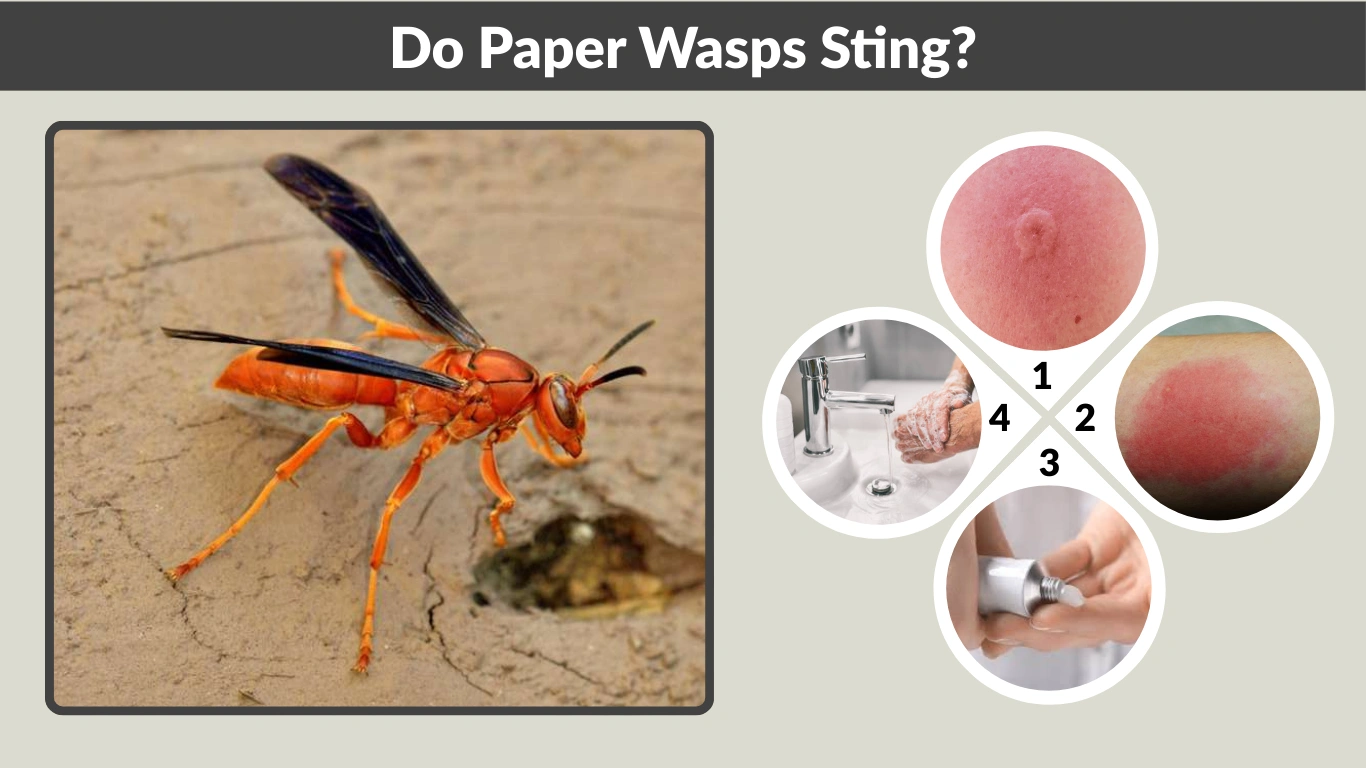
Paper wasps are commonly found around homes, gardens, and outdoor structures, which often leads people to worry about being stung. Questions like do paper wasps sting, how bad does it hurt, and do they die after stinging are extremely common. While paper wasps are not usually aggressive, they are capable of stinging when they feel threatened. Understanding how paper wasps behave, how painful their stings are, and when they are likely to sting can help reduce fear and prevent unnecessary encounters.
Identification of Paper Wasps
Paper wasps are medium-sized wasps with a slim body and a noticeably narrow waist. Their legs are long and often hang down when they fly, which makes them easy to recognize. Coloring varies by species but usually includes combinations of red, brown, yellow, and black.
They build distinctive umbrella-shaped nests made from chewed wood fibers mixed with saliva, giving the nest a paper-like appearance. These nests are commonly found under roof eaves, porch ceilings, fences, and attic edges. Common species include red paper wasps, European paper wasps, and northern paper wasps.
Do Paper Wasps Sting or Bite?
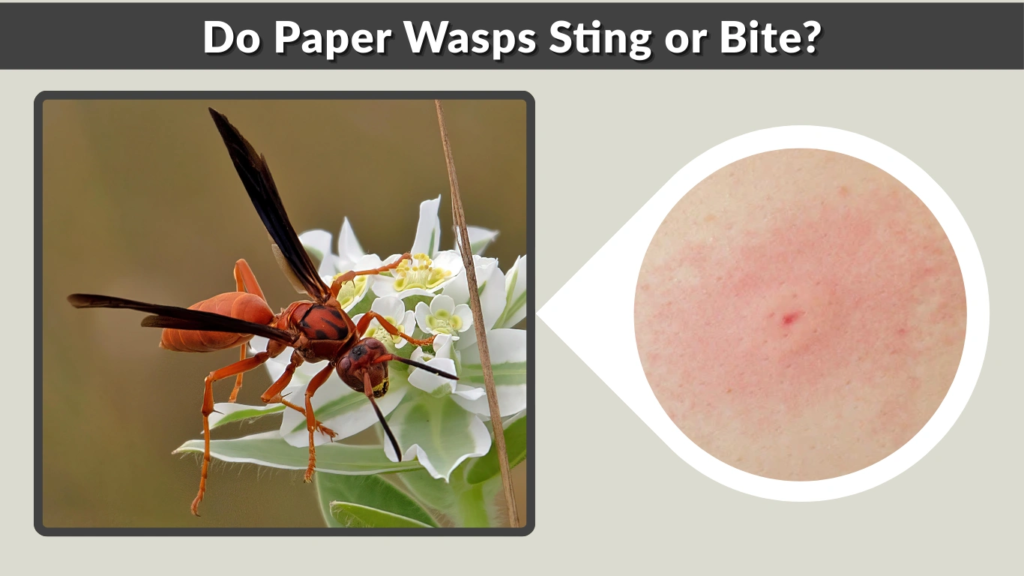
Paper wasps sting, not bite, when defending themselves or their nests. Although they may use their mandibles to grasp prey or building material, bites are not how they defend against humans. The sting is their primary defensive weapon and is used when they feel threatened.
Unlike bees, paper wasps have smooth stingers, which allows them to sting more than once without injury to themselves.
Do Paper Wasps Sting Humans?
Yes, paper wasps can and do sting humans. Most stings occur when someone accidentally gets too close to a nest or disturbs it. Situations like trimming hedges, cleaning gutters, or sitting near an active nest often lead to stings.
Paper wasps are not aggressive hunters of people. They generally ignore humans unless they perceive danger to their colony. When threatened, they can release alarm pheromones that cause other wasps nearby to become defensive as well.
Do Paper Wasps Sting for No Reason?
Paper wasps do not sting randomly or “for no reason.” What feels like an unprovoked sting is usually the result of vibrations, sudden movements, or unknowingly entering their defensive zone. Loud noises, waving arms, or bumping surfaces near a nest can all trigger a sting response.
Can Paper Wasps Sting More Than Once?
Paper wasps are capable of stinging multiple times. Their stingers do not detach from their bodies, allowing them to sting repeatedly if they feel threatened. This makes them more dangerous than honey bees in certain situations, especially when multiple wasps are involved.
Do Paper Wasps Die After They Sting?
No, paper wasps do not die after stinging. This is a common misconception caused by confusion with honey bees, which lose their stinger and die shortly after stinging. Paper wasps survive their stings and can continue to defend their nest.
Do Paper Wasps Leave a Stinger?
Paper wasps do not leave their stinger in the skin. The sting site may still show a small puncture mark, but there is no embedded stinger that needs to be removed.
Do Male and Queen Paper Wasps Sting?
Can Male Paper Wasps Sting?
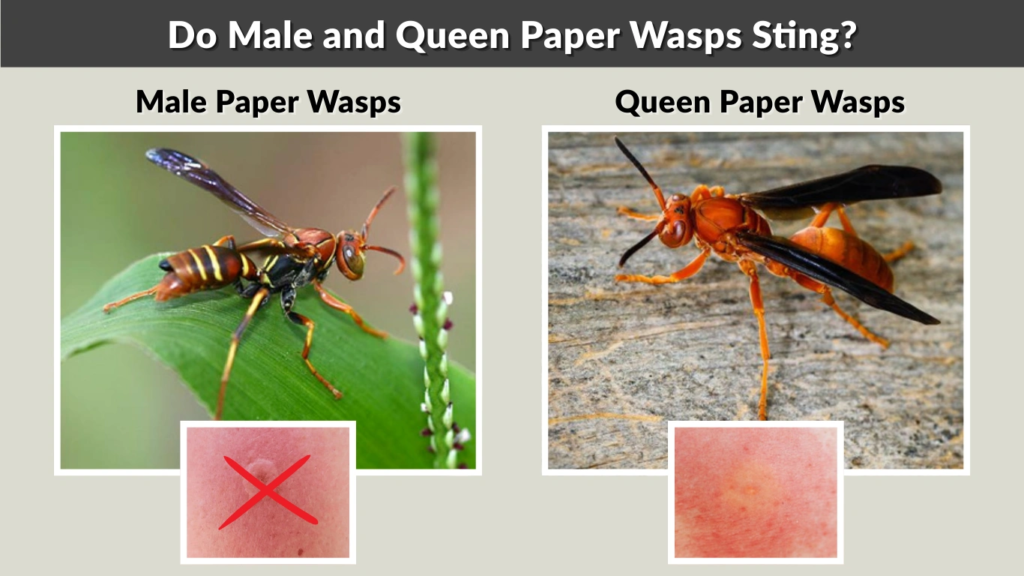
Male paper wasps cannot sting. They lack a stinger entirely and are harmless to humans. Despite sometimes behaving aggressively or hovering nearby, male paper wasps pose no stinging threat.
Do Queen Paper Wasps Sting?
Yes, queen paper wasps can sting. Queens are most likely to sting early in the season while establishing nests or defending young colonies. Their stings are similar in pain to worker wasps.
How Painful Is a Paper Wasp Sting?
A paper wasp sting causes immediate sharp pain, often described as a burning or stabbing sensation. The pain typically peaks within minutes and gradually fades, though lingering soreness or itching may continue for several hours.
Pain severity varies depending on sting location, individual sensitivity, and whether multiple stings occur. Areas with thinner skin, such as the face, neck, or hands, tend to hurt more than thicker areas.
How Bad Is a Red Paper Wasp Sting?
Red paper wasp stings are often considered more painful than other paper wasp stings. Their venom can cause stronger burning sensations and more noticeable swelling. While not medically dangerous for most people, red paper wasp stings are frequently described as intense and uncomfortable.
Is a Paper Wasp Sting Worse Than a Yellow Jacket?
Paper wasp stings are usually less aggressive in nature than yellow jacket stings. Yellow jackets tend to attack in groups and sting repeatedly, while paper wasps are more defensive and focused on nest protection. Pain levels are comparable, but yellow jacket encounters are more likely to result in multiple stings.
What Does a Paper Wasp Sting Feel Like?
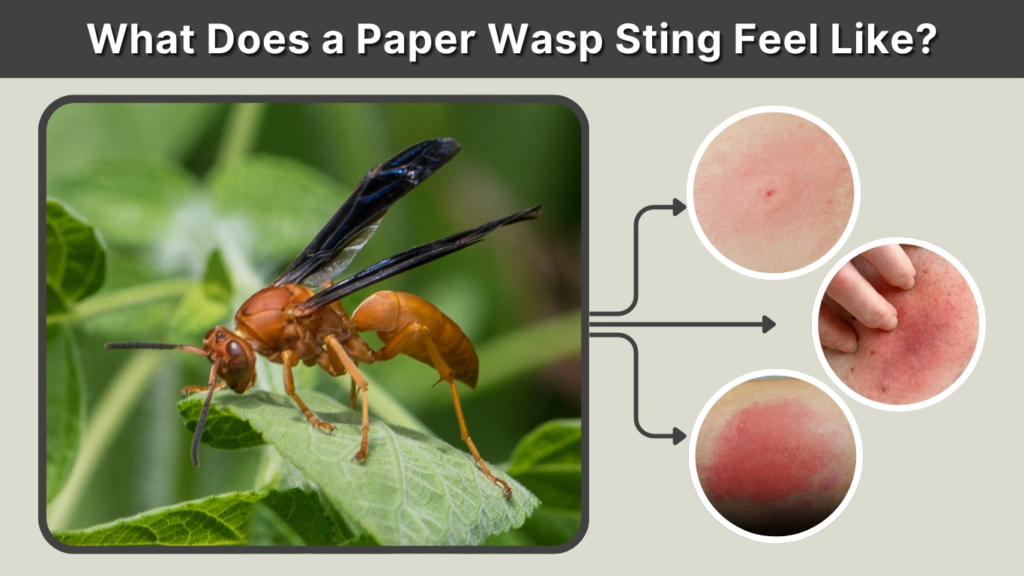
A paper wasp sting is usually felt immediately. Most people describe it as a sharp, sudden pain followed by a burning or stinging sensation. The pain can feel intense at first but typically begins to subside within minutes.
After the initial pain, the area may start to throb or itch as swelling develops. Some people experience warmth or tightness around the sting site. The severity of these sensations depends on where the sting occurs, how sensitive the person is to venom, and whether more than one sting is involved.
What Does a Paper Wasp Sting Look Like?
A paper wasp sting usually appears as a red, raised welt on the skin. Swelling around the sting site is common and may spread outward over several hours. In the center of the welt, a small puncture mark may be visible.
In some cases, the surrounding skin may look shiny or slightly bruised, especially if the sting occurs on the face, hands, or scalp. Unlike bee stings, there is no stinger left behind in the skin.
How Long Does a Paper Wasp Sting Last?
For most people, pain from a paper wasp sting lasts anywhere from a few minutes to a few hours. The burning sensation usually fades first, followed by lingering soreness or itching.
How Long Does Swelling Last?
Swelling often lasts 24 to 72 hours. In sensitive areas, such as the lips, eyelids, or fingers, swelling may appear more dramatic and last longer. Mild redness and tenderness can sometimes persist for several days.
When Symptoms Last Longer Than Normal
If swelling, redness, or pain continues beyond three to four days, it may indicate infection or an allergic reaction. Increasing pain, warmth, pus, or spreading redness are signs that medical care may be needed.
Are Paper Wasp Stings Dangerous?
For most healthy individuals, paper wasp stings are not dangerous. They are painful and uncomfortable but rarely cause serious complications. However, the risk increases for people who are allergic to insect venom.
How Many Paper Wasp Stings Are Dangerous?
Multiple stings can be dangerous, especially for children, older adults, or people with underlying health conditions. A large number of stings can introduce enough venom into the body to cause systemic symptoms such as nausea, dizziness, or weakness.
Are Paper Wasp Stings Poisonous?
Paper wasp venom is not poisonous in the traditional sense, but it does contain toxins that cause pain, swelling, and inflammation. In allergic individuals, venom can trigger a severe immune response known as anaphylaxis.
Can Paper Wasp Stings Cause Other Symptoms?
In rare cases, paper wasp stings can cause symptoms beyond localized pain and swelling. These may include nausea, vomiting, headache, dizziness, or flu-like feelings. Such symptoms are more likely after multiple stings or in people who are sensitive to venom.
Seek immediate medical help if symptoms such as difficulty breathing, swelling of the throat or tongue, rapid heartbeat, or loss of consciousness occur, as these are signs of a severe allergic reaction.
How to Treat a Paper Wasp Sting
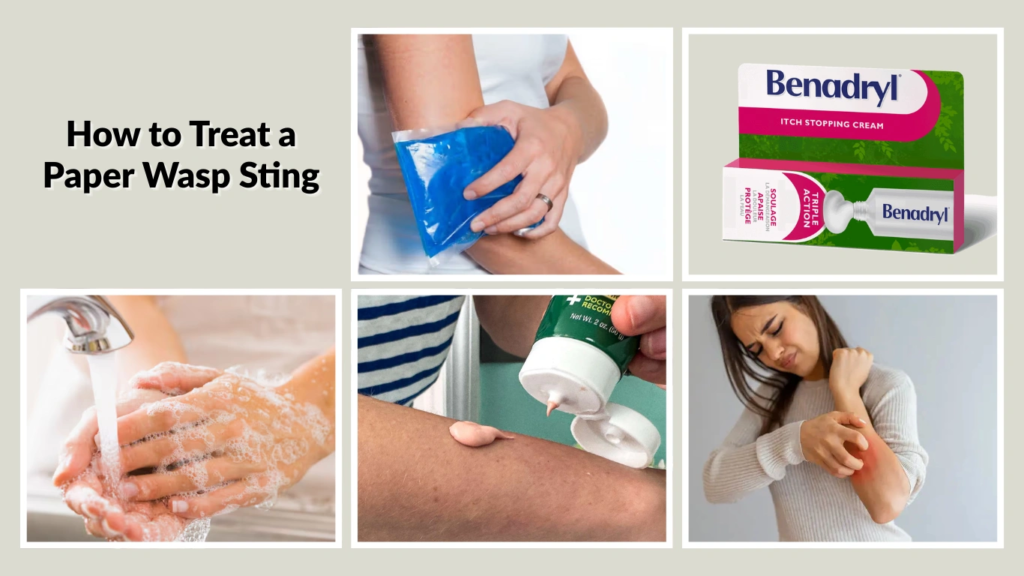
Treating a paper wasp sting promptly can help reduce pain and swelling.
- Wash the area with soap and water to remove venom residue
- Apply a cold compress for 10–15 minutes to reduce swelling
- Take an oral antihistamine to relieve itching
- Apply hydrocortisone cream or calamine lotion
- Avoid scratching the sting site
How to Treat a Red Paper Wasp Sting
Red paper wasp stings are treated the same way as other paper wasp stings. Because pain may be more intense, cold therapy and anti-inflammatory medication may be especially helpful.
What to Put on a Paper Wasp Sting
Common home remedies include baking soda paste, aloe vera gel, and diluted vinegar. These may help soothe irritation, though their effectiveness varies from person to person.
Can Paper Wasps Sting Through Clothes?
Yes, paper wasps can sting through thin or tight clothing. Lightweight fabrics such as T-shirts or athletic wear offer little protection. Thicker fabrics like denim, jackets, or layered clothing reduce the risk of being stung.
How to Stop Paper Wasps From Stinging You
Avoid sudden movements near wasps and never swat at them. Wear light-colored clothing when outdoors, as dark colors can attract wasps. Keep food and sugary drinks covered, and seal potential nesting areas early in the season to prevent colonies from forming.
Paper Wasp Sting vs Yellow Jacket Sting
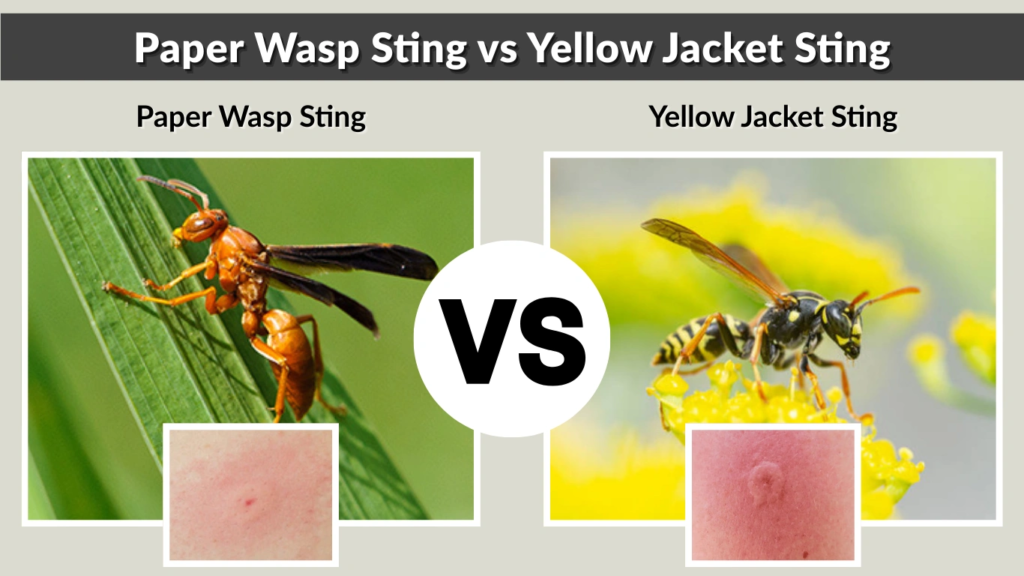
Paper wasps are generally less aggressive than yellow jackets, but both can sting multiple times. Yellow jackets are more likely to attack in groups, while paper wasps usually sting only when defending their nest. Pain levels are similar, but yellow jacket encounters tend to be more severe due to repeated stings.
FAQs
Do paper wasps sting often?
Paper wasps do not sting often unless their nest is disturbed. Most stings occur accidentally when people get too close to active nests.
Will paper wasps sting you if you leave them alone?
In most cases, no. Paper wasps typically ignore humans who keep their distance and avoid sudden movements.
Can a dead paper wasp sting?
A dead paper wasp cannot actively sting. While venom may remain in the stinger, the risk of being stung is extremely low.
Are paper wasp stings worse on the face or scalp?
Yes. Stings on the face or scalp often cause more swelling due to sensitive tissue, making them appear more severe.
When should you see a doctor for a paper wasp sting?
Seek medical attention if symptoms worsen, last several days, or if signs of an allergic reaction appear.
