

Wasps are everywhere—from backyard gardens to forest edges—but the species you’ll see vary by region. In this guide, we’ll explore 20 common wasps you’re likely to encounter across four U.S. states: Michigan, Virginia, Georgia, and Ohio. You’ll learn how to identify them, where they nest, and whether they’re dangerous—so you can stay informed, safe, and maybe even appreciate their role in nature.
Types of Wasps in Michigan
1. Eastern Yellowjacket
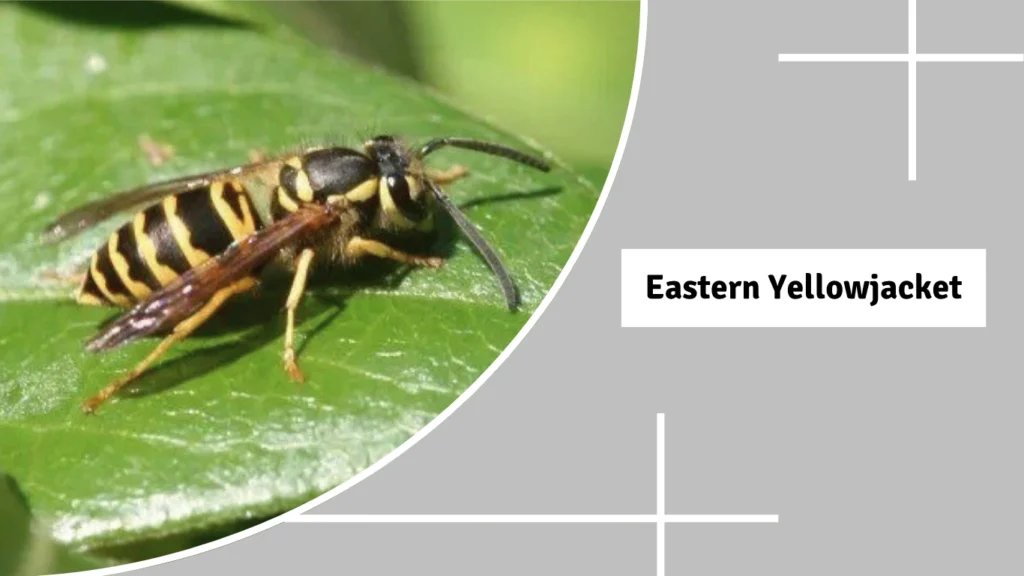
The Eastern Yellowjacket (Vespula maculifrons) is one of the most common and aggressive wasps found in Michigan. It’s easily identified by its black and yellow banded body and rapid, erratic flight pattern. These wasps are typically active during the warmer months, from late spring through early fall. They’re about ½ inch long and are often confused with bees due to their coloration, though their bodies are smoother and more wasp-like.
In Michigan, Eastern Yellowjackets are widespread—thriving in both urban and rural areas. You’ll often find them around parks, gardens, garbage bins, and picnic areas, where they scavenge for sugary foods and proteins. They are attracted to human activity, especially outdoor dining, making them a nuisance in late summer.
These wasps usually build their nests underground or in hidden voids, like wall cavities or rodent burrows. A mature nest can contain thousands of individuals. Disturbing a nest can provoke a very aggressive response, as yellowjackets are known to sting multiple times to defend their colony.
2. Paper Wasp (Polistes fuscatus)

The Paper Wasp, especially the northern species Polistes fuscatus, is commonly found throughout Michigan. It has a slender brown body with yellow markings and long legs that dangle while flying. Less aggressive than yellowjackets, paper wasps generally sting only when their nest is threatened.
They are frequently seen in gardens, woodlands, and near human dwellings. In Michigan, they’re particularly drawn to areas with vegetation since they feed on nectar and hunt caterpillars to feed their young. You might spot them around sheds, eaves, or overhangs in late spring and summer.
Paper wasps construct umbrella-shaped nests from a papery material made by chewing wood fibers. These nests are usually suspended from horizontal surfaces such as branches, porch ceilings, or attic rafters. The nests remain small compared to hornet colonies but still house dozens of individuals. They return to similar nesting spots each year.
3. Bald-Faced Hornet

Despite the name, the Bald-Faced Hornet (Dolichovespula maculata) is technically a type of yellowjacket. These striking black wasps with white facial markings are native to Michigan and are well-known for their large, football-shaped aerial nests and defensive behavior.
They prefer wooded areas and suburban neighborhoods with plenty of trees. In Michigan, they often build nests high in trees, on utility poles, or under eaves. They’re especially active in late summer when the colony is at its peak and food sources become scarce.
Bald-faced hornets chew wood fibers to make their paper-like nests, which can grow to the size of a basketball. These nests house hundreds of wasps. Though they help control insect populations, they become aggressive if disturbed and will defend their nest vigorously, delivering painful stings to intruders.
4. Great Black Wasp
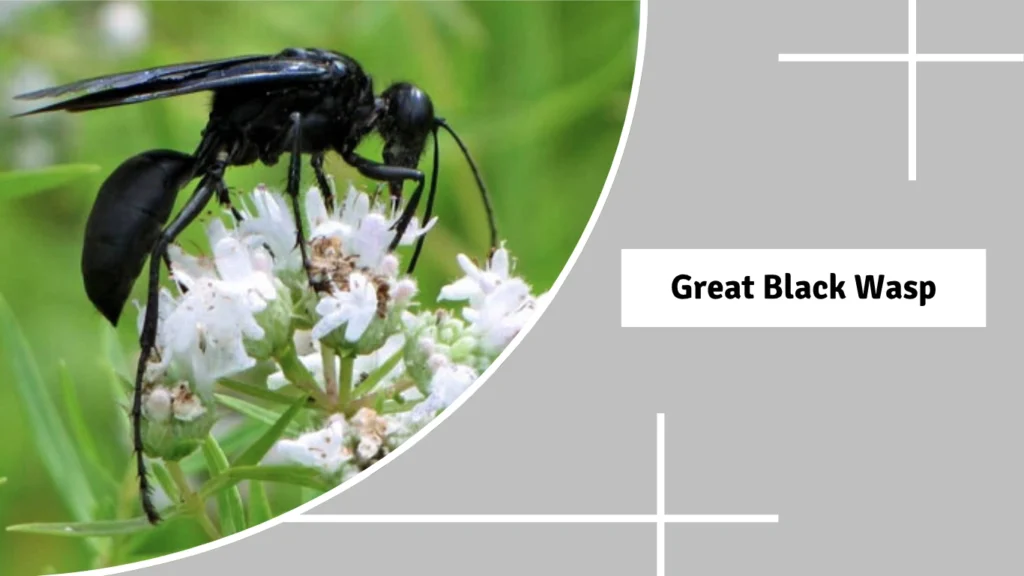
The Great Black Wasp (Sphex pensylvanicus) is a solitary wasp species that thrives across Michigan, particularly in sunny gardens and open meadows. True to its name, this wasp is entirely black, large in size—up to 1.5 inches—and known for its intimidating appearance.
These wasps are commonly seen hovering near flowers during mid to late summer. They’re important pollinators and primarily feed on nectar. Though they look threatening, great black wasps are not aggressive toward humans and rarely sting unless handled.
They don’t build communal nests. Instead, females dig underground burrows in loose, sandy soil, often in garden beds or along sidewalks. They paralyze katydids or grasshoppers and carry them into their tunnels as food for their larvae. Unlike social wasps, great black wasps operate independently, and each female constructs her own nest without worker help.
5. Cicada Killer Wasp
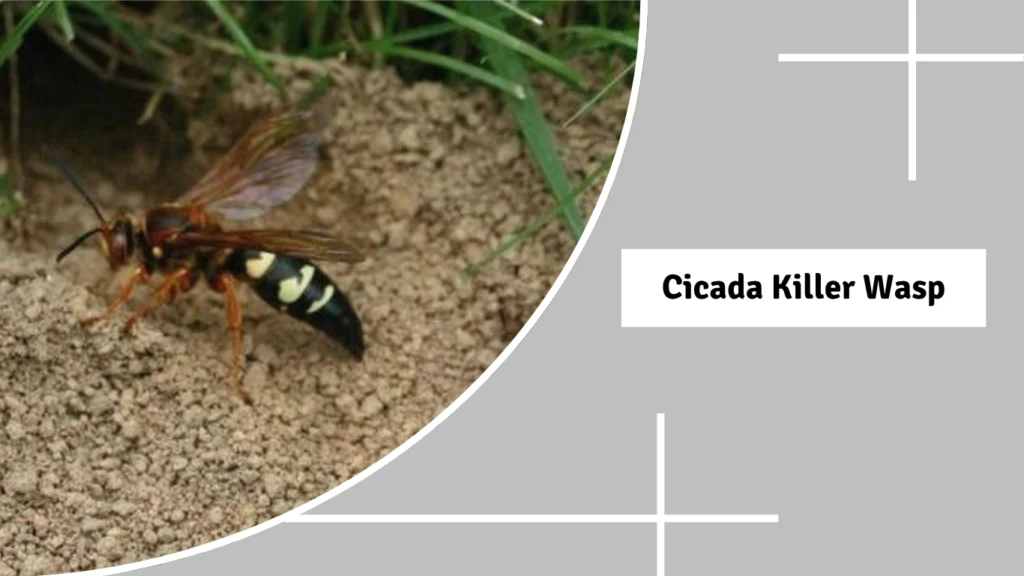
The Cicada Killer Wasp (Sphecius speciosus) is one of the largest wasps found in Michigan, often reaching up to 2 inches in length. It has a reddish-brown thorax, black and yellow-banded abdomen, and transparent amber wings. Despite their size and fierce name, they are not aggressive toward humans.
These wasps are most common in late summer, especially in sandy or loose soils like garden beds, playgrounds, or lawns. In Michigan, they can be found around areas with mature trees—where cicadas are plentiful, as cicadas are their main prey. Males often guard the nesting sites and may dive-bomb humans, but they can’t sting.
Cicada killers are solitary wasps. Females dig deep tunnels in sandy soil and hunt adult cicadas. After stinging and paralyzing the prey, the wasp drags it into the tunnel and lays an egg on it. The larva then feeds on the cicada. Their burrowing can be mistaken for small animal activity, but it’s harmless.
Types of Wasps in Virginia
6. European Paper Wasp

The European Paper Wasp (Polistes dominula) is a non-native species now common in Virginia. It closely resembles a yellowjacket but can be identified by its more slender body and orangish antennae. These wasps are known for their adaptability and aggressive defense of their nests.
They thrive in urban and suburban Virginia landscapes—nesting under roof eaves, in sheds, inside vents, or even under outdoor furniture. You’ll typically spot them from late spring to early fall, especially around flowers or aphid-infested plants, where they hunt small insects.
Their nests are papery and open-celled, often built in protected, above-ground locations. A single nest may house 20–200 individuals. While they help control garden pests, European paper wasps are highly defensive and will sting repeatedly if their nest is disturbed, posing a threat in populated areas.
7. Eastern Cicada Killer
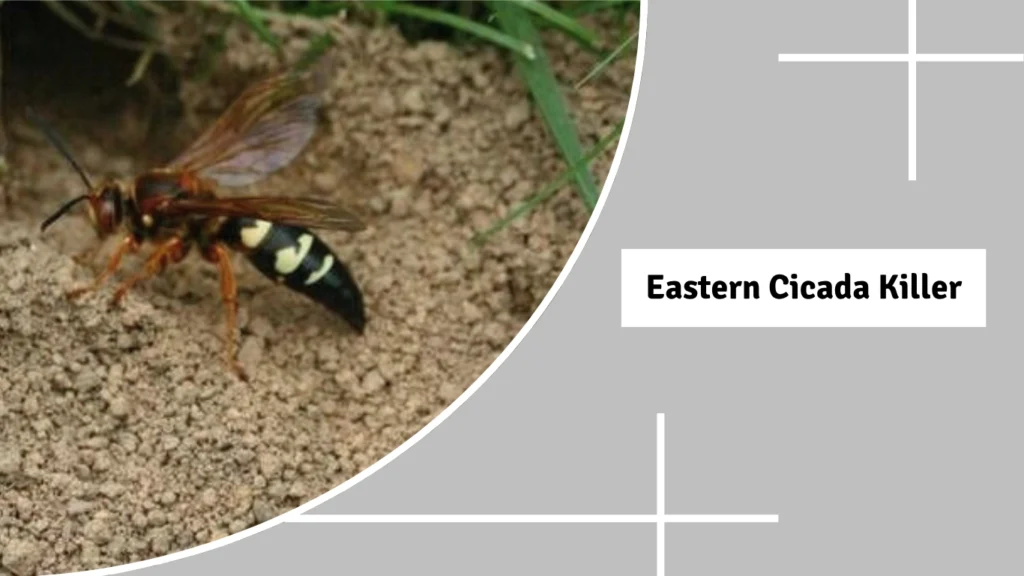
The Eastern Cicada Killer (Sphecius speciosus) is a solitary wasp found throughout Virginia’s fields, lawns, and open woodlands. It is large and intimidating in size—up to 2 inches long—with a reddish-brown body and yellow-and-black striped abdomen.
Cicada killers are common in sandy soils, often nesting in playgrounds, driveways, gardens, and golf courses. In Virginia, they are seen from mid-July through August when cicadas are active. Despite their aggressive appearance, they are generally non-aggressive toward people.
Females dig deep burrows and capture cicadas to use as live food for their larvae. Each burrow can have several chambers, each containing a cicada with a wasp egg. Though their digging can be disruptive to landscaping, they are beneficial in controlling cicada populations and pose little real danger to humans.
8. Bald-Faced Hornet
The Bald-Faced Hornet (Dolichovespula maculata) is widespread in Virginia and recognized by its black body with white face markings. Though commonly called a hornet, it’s a species of aerial yellowjacket. These wasps are highly territorial and will defend their nests fiercely.
They inhabit forest edges, parks, and suburban areas, building large, grey, papery nests often high in trees or under building eaves. In Virginia, their nests are most visible in late summer, hanging from branches or other elevated surfaces.
These wasps feed on nectar and other insects, making them useful predators. However, if their nest is disturbed, they respond aggressively with multiple painful stings. Removal of bald-faced hornet nests should be left to professionals, especially in populated areas.
9. Southern Yellowjacket

The Southern Yellowjacket (Vespula squamosa) is a common and aggressive wasp in Virginia. It has bright yellow and black coloration, and queens may show reddish markings. These wasps are social and can build massive underground colonies.
They favor open grassy areas, wooded trails, and the edges of suburban lawns. Southern yellowjackets often use old rodent burrows or hollow logs to build nests, making them hard to detect until disturbed. Nests can contain thousands of individuals by late summer.
These wasps are scavengers and predators, feeding on sugary substances, meat, and other insects. In Virginia, they often become problematic during picnics or when trash is left outdoors. They are aggressive defenders of their nests and will sting multiple times if they sense a threat nearby.
10. Four-Toothed Mason Wasp

The Four-Toothed Mason Wasp (Monobia quadridens) is a solitary wasp species native to Virginia. It has a striking black body with white bands and a relatively smooth appearance, often mistaken for bald-faced hornets at first glance.
These wasps are frequently seen near wooden fences, sheds, and dead trees. They build nests in pre-existing holes or cracks in wood, such as old beetle tunnels. In Virginia, they’re active during summer and early fall, especially in areas with plenty of caterpillar prey.
Rather than building large colonies, the female wasp seals each chamber with mud after provisioning it with paralyzed caterpillars. These prey serve as food for the developing larva. Though solitary, they can nest in groups if suitable cavities are available. They rarely sting and are not considered dangerous.
Types of Wasps in Georgia
11. Red Paper Wasp

The Red Paper Wasp (Polistes carolina) is one of the most visually distinctive wasps in Georgia, known for its reddish-brown body and smoky-black wings. It’s a large wasp, reaching up to an inch in length, and is generally not aggressive unless provoked.
These wasps prefer the warm, humid climate of Georgia and are often found nesting under porch ceilings, roof overhangs, window ledges, and in barns or sheds. They are most active from late spring to early fall and can often be seen searching for caterpillars or visiting flowers.
Red paper wasps build umbrella-shaped nests made from chewed wood pulp. These nests are exposed, meaning the combs are visible. While their colonies are small (usually fewer than 300 individuals), they will defend the nest if disturbed, delivering painful stings. Their presence helps control garden pests.
12. Southern Yellowjacket
The Southern Yellowjacket (Vespula squamosa) is highly prevalent in Georgia’s cities, suburbs, and rural fields. It is marked with bold black and yellow stripes and has a small, compact body. This wasp is aggressive and will sting repeatedly to defend its nest.
In Georgia, these yellowjackets are commonly found nesting underground—often in abandoned rodent holes, rotted stumps, or wall voids. Because the nests are hidden, people may not realize they’re nearby until a disturbance provokes a swarm.
They are scavengers, feeding on meat, sugary drinks, and other insects. Southern yellowjackets are particularly troublesome in outdoor settings like parks and backyards, especially during late summer when food is scarce. Their colonies can contain thousands of wasps, and stings are very painful.
13. Cicada Killer Wasp

The Cicada Killer Wasp (Sphecius speciosus) is one of the largest wasps in Georgia, easily reaching 1.5 to 2 inches long. Despite their size and intimidating flight patterns, these wasps are solitary and non-aggressive toward humans.
They are active in Georgia during midsummer when cicadas emerge. You’ll most often find them in well-drained, sandy soils—around gardens, lawns, schoolyards, and even cracks in sidewalks. Males guard the area while females dig burrows and hunt for cicadas.
Each female creates a tunnel and stocks it with paralyzed cicadas as food for her young. While the burrowing may be unsightly, cicada killers are harmless unless grabbed or stepped on, and they help keep the cicada population in check.
14. Blue-Winged Wasp
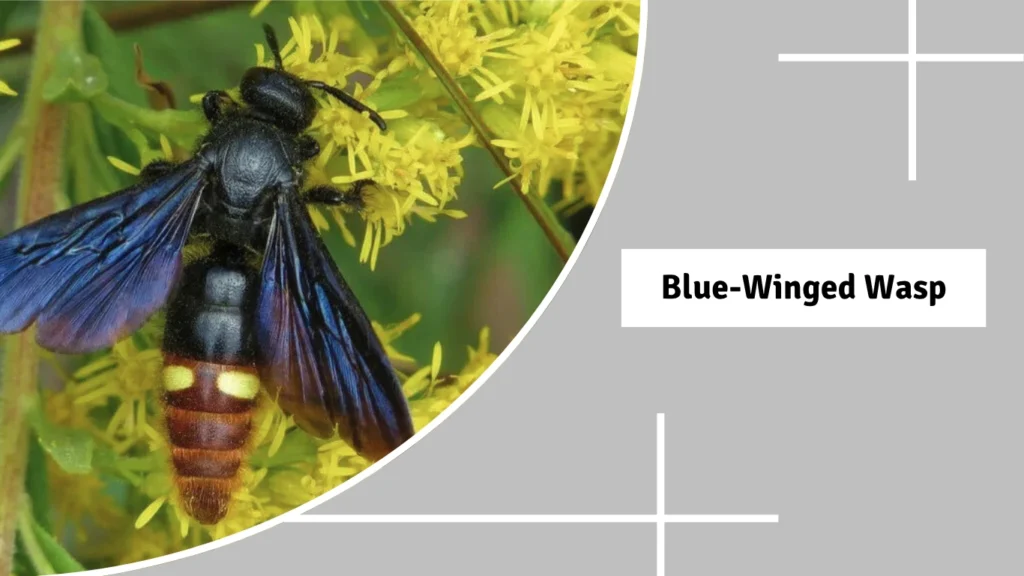
The Blue-Winged Wasp (Scolia dubia) is a striking, solitary wasp found across Georgia. It has a dark, metallic blue body and smoky blue wings with a pair of orange bands on its abdomen. These wasps are large and often seen flying low over lawns and flowerbeds.
They are most active from late summer to early fall. In Georgia, they prefer sandy or disturbed soils where they can locate the underground larvae of scarab beetles, especially June bugs. They are frequently seen visiting flowers like goldenrod and milkweed for nectar.
Blue-winged wasps are beneficial insects. Females burrow into soil to lay eggs on beetle grubs, which the wasp larvae feed on. They are not aggressive and rarely sting, even when approached closely. Their presence helps naturally control lawn pests.
15. Guinea Paper Wasp

The Guinea Paper Wasp (Polistes exclamans) is a native species to the southeastern U.S., including Georgia. It’s a medium-sized wasp with yellow and brown coloring, a thin “waist,” and long legs that dangle during flight.
These wasps commonly build nests in protected outdoor spots like shrubs, attics, porches, and under eaves. In Georgia’s warm climate, their colonies often begin early in the spring and can last into the fall.
Their nests are umbrella-shaped with open combs, typically attached to horizontal surfaces. Guinea paper wasps are less aggressive than yellowjackets but will defend their nest if disturbed. They help gardeners by feeding on caterpillars and other plant pests, making them a natural form of pest control.
Types of Wasps in Ohio
16. Common Paper Wasp
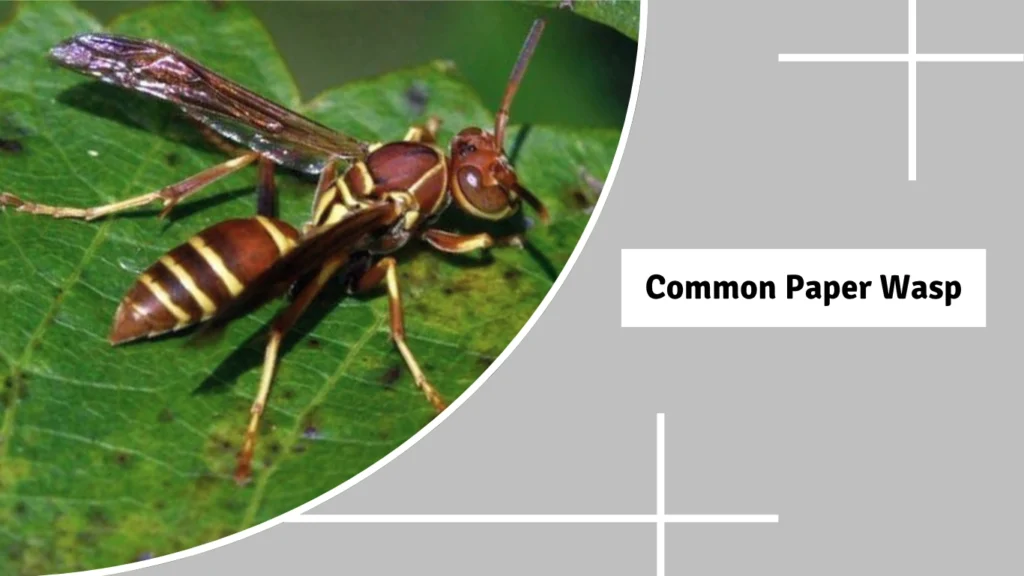
The Common Paper Wasp (Polistes fuscatus) is frequently seen throughout Ohio in warmer months. It’s medium-sized with a dark brown body and yellow or reddish markings. Its long legs and narrow waist make it easy to distinguish from bees.
These wasps are usually found around homes, sheds, and wooden fences. In Ohio, they are active from late spring to early fall. You’ll see them hunting caterpillars in gardens or resting on sunny surfaces. They’re particularly drawn to areas with ample vegetation and wooden structures.
Paper wasps build umbrella-shaped nests made from chewed plant fibers and saliva. These nests are typically attached to eaves, porch ceilings, and branches. Though not aggressive when foraging, they will sting if they feel their nest is threatened. Colonies usually contain fewer than 200 wasps.
17. Eastern Yellowjacket
The Eastern Yellowjacket (Vespula maculifrons) is one of the most aggressive and commonly encountered wasps in Ohio. It’s easily recognized by its black-and-yellow banded body and fast, erratic flying style. These wasps are about half an inch long and often mistaken for bees.
In Ohio, they are widespread in both rural and urban areas, especially near picnic tables, garbage bins, and sugary foods. They are highly active from midsummer through early fall, when their colonies are at their largest.
Eastern yellowjackets usually nest underground or in wall voids, attics, and other hidden cavities. Colonies can grow to thousands of individuals. They are extremely territorial and will sting repeatedly if disturbed, making nest detection and removal important for public safety.
18. Bald-Faced Hornet

The Bald-Faced Hornet (Dolichovespula maculata) is a large, black wasp with distinct white markings on the face and body. Despite the name, it’s technically a type of yellowjacket. It’s widely found across Ohio, especially in forested and suburban areas.
They often build large, gray, football-shaped nests in trees, shrubs, or under roof eaves. In Ohio, you can spot their nests hanging in the open during summer and fall. They prefer shaded, wooded environments but readily adapt to human habitats.
These hornets are beneficial because they prey on flies and other insects, but they become aggressive near their nests. The colony can grow to hundreds of wasps, and stings are painful. Professional removal is recommended when nests are near homes or pathways.
19. Great Golden Digger Wasp

The Great Golden Digger Wasp (Sphex ichneumoneus) is a large, solitary wasp found in Ohio’s gardens, parks, and open grassy areas. It has a black and orange body with iridescent wings and golden hairs on its head and thorax.
In Ohio, this wasp is seen from mid-summer to early fall, often hovering near flowers or crawling along the soil in search of prey. It is not aggressive and rarely stings unless provoked.
Females dig burrows in sandy or loose soil, where they paralyze katydids or crickets to feed their larvae. Each tunnel may hold several prey items and a single egg. Despite its intimidating size, it’s a harmless pollinator and beneficial predator in Ohio ecosystems.
20. Four-Toothed Mason Wasp

The Four-Toothed Mason Wasp (Monobia quadridens) is a solitary, black wasp with a bright white band across the abdomen. It’s a native species to Ohio and can be mistaken for other black-and-white wasps like the bald-faced hornet.
They commonly nest in abandoned beetle tunnels or small crevices in wood. In Ohio, you’ll often find them near wooden fences, old logs, barns, or even in cracks of outdoor furniture. They’re active during summer and fall, searching for caterpillars to provision their nests.
Rather than building paper nests, females reuse pre-existing cavities and seal them with mud. Inside, they place paralyzed caterpillars as food for their developing larvae. These wasps are non-aggressive and play an important role in pest control.
FAQs
1. Are paper wasps in these states aggressive toward humans?
Paper wasps like Polistes fuscatus, Polistes dominula, and Polistes carolina are generally not aggressive unless their nest is disturbed. While they will sting in defense of their colony, they usually avoid human interaction. Their role as pollinators and pest controllers makes them beneficial to have around, as long as their nests aren’t too close to human activity.
2. When are wasps most active in states like Michigan, Georgia, and Ohio?
Wasps are most active from late spring to early fall, typically peaking in late summer (August–September). This is when their colonies are at full size and food becomes scarce, which can make some species like yellowjackets more aggressive as they scavenge for sugary and protein-rich foods.
3. What should I do if I find a wasp nest near my house?
If the nest is in a low-traffic area, it’s often best to leave it alone, especially if it belongs to a solitary or non-aggressive species. For larger or more aggressive nests (like bald-faced hornets or yellowjackets near entrances or patios), contact a professional pest control service. Avoid spraying or disturbing nests without proper protection, as wasps will defend their colony aggressively.
4. Do cicada killer wasps pose any danger to people or pets?
Not really. Despite their large size and alarming appearance, cicada killer wasps are solitary and non-aggressive. Males may appear territorial but cannot sting, and females only sting if physically handled. They are beneficial insects and help control cicada populations. Their burrows in lawns may look messy but cause no serious damage.
5. Can wasps return to the same nest the next year?
No. Most social wasp nests—like those of yellowjackets, hornets, and paper wasps—are abandoned in late fall when the colony dies off. New queens hibernate through the winter and build entirely new nests in the spring. However, paper wasps and mason wasps may return to the same area or structure, which is why nests often reappear in familiar spots each year.
