
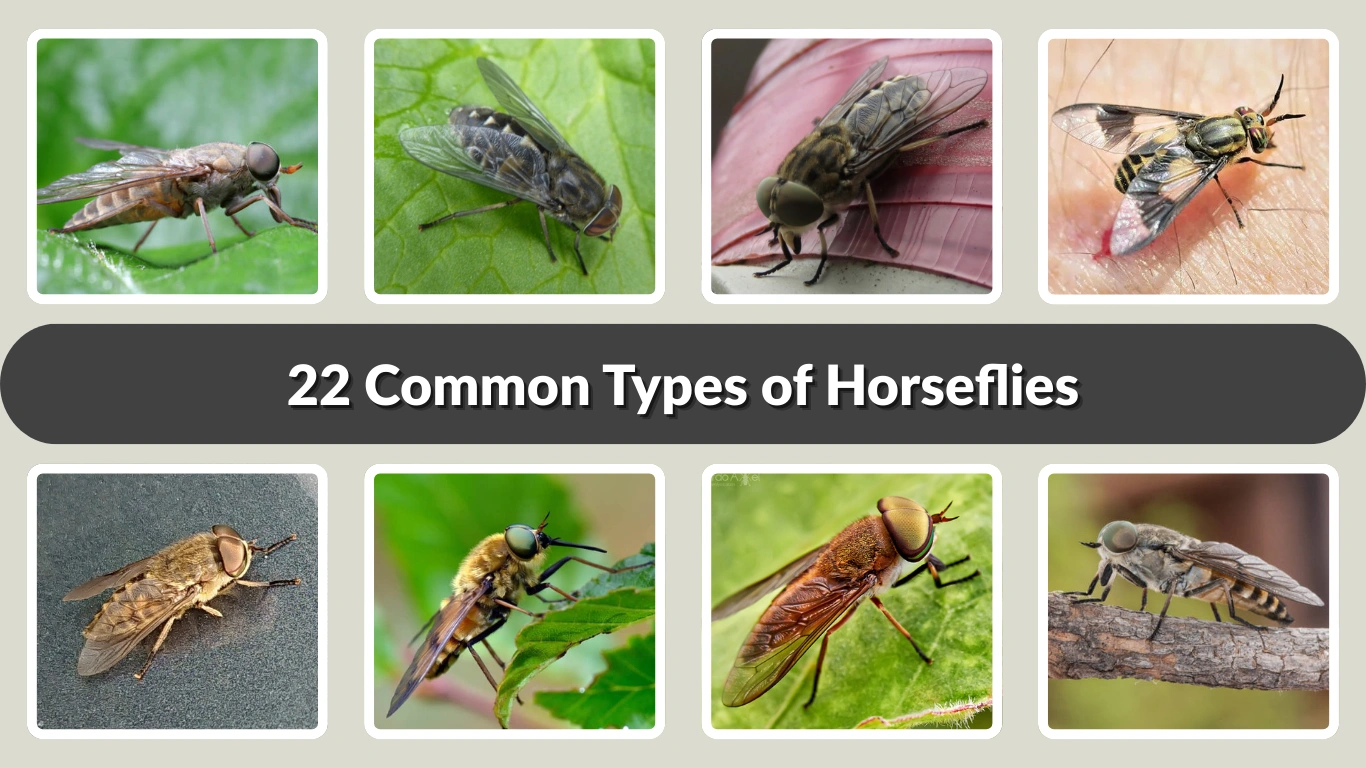
Horseflies are large, aggressive biting insects known for their painful bites and persistent behavior. Found in a wide range of habitats, these flies commonly affect humans, livestock, and wildlife during warm seasons. Different species vary in size, color, and habitat preference, but all share similar feeding habits and life cycles. Understanding the most common types of horseflies helps with identification, prevention, and managing their impact in outdoor and rural environments.
1. Deer Fly
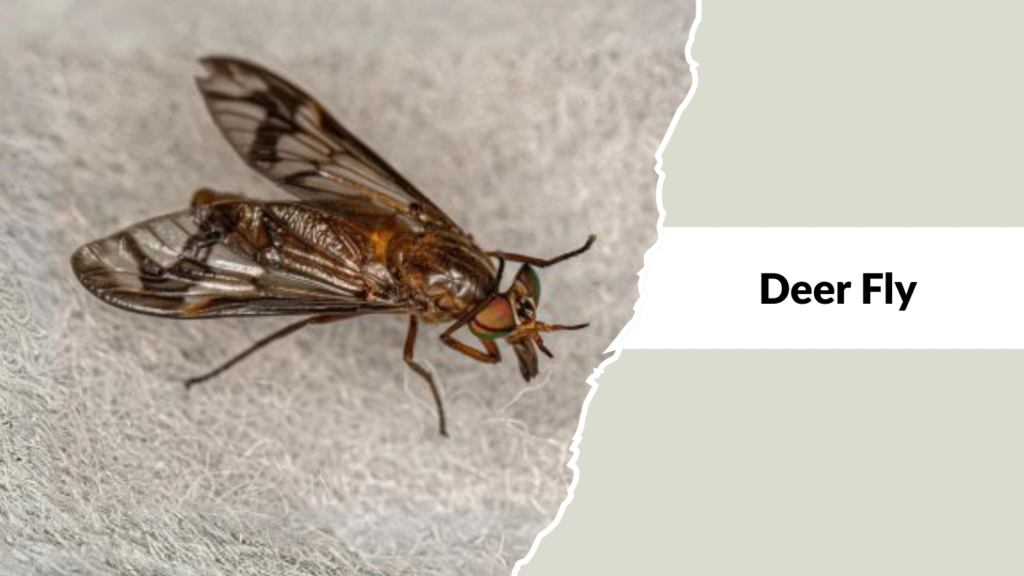
Deer flies are aggressive biting flies commonly found near forests, wetlands, and water sources. They are well known for their painful bites and persistent behavior, especially during warm months. These flies mainly target large mammals but will readily bite humans when given the chance.
Identification
- Medium-sized fly with a stout body
- Brightly colored or iridescent green, gold, or blue eyes
- Dark bands or patterns across transparent wings
- Short antennae and strong mouthparts for biting
Habitat
Deer flies thrive in moist environments. They are most common near marshes, swamps, lakes, streams, and wooded areas. Larvae develop in wet soil or mud, often close to water sources where organic matter is abundant.
Behavior
Deer flies are active during the daytime, especially on sunny, warm days. Females are aggressive biters and often chase hosts for long distances. They are attracted to movement, dark colors, and carbon dioxide released by animals and humans.
Diet and Lifecycle
Adult males feed on nectar and plant juices, while females require blood meals to produce eggs. After mating, females lay eggs near water or damp soil. The larvae feed on organic material and small organisms before pupating and emerging as adults.
2. Greenhead Horsefly
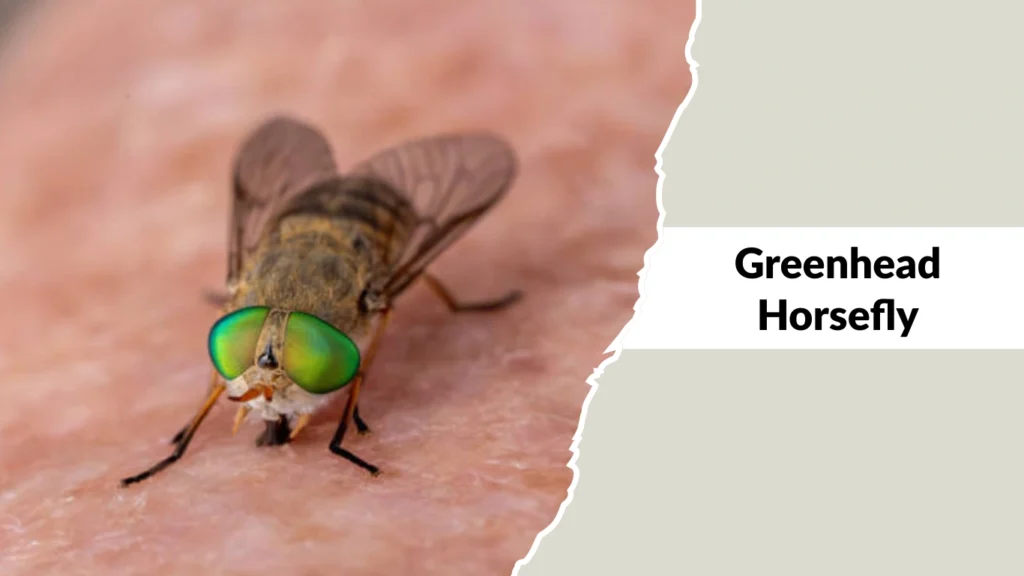
Greenhead horseflies are large, powerful biting flies best known for their intense, painful bites. They are especially notorious in coastal areas during summer and are highly aggressive toward humans and animals alike.
Identification
- Large, robust body compared to most flies
- Bright green eyes with a metallic sheen
- Brownish to dark gray body coloration
- Clear wings with faint dark veins
Habitat
Greenhead horseflies are commonly found in coastal marshes, salt marshes, and nearby grasslands. Their larvae develop in wet, muddy soil, particularly in tidal marsh environments where moisture levels remain high.
Behavior
These flies are active during daylight hours and are relentless biters. Females aggressively pursue hosts and can fly long distances. They are attracted to movement, heat, and carbon dioxide, making humans frequent targets.
Diet and Lifecycle
Male greenhead horseflies feed on nectar and plant fluids, while females require blood meals to lay eggs. Eggs are deposited on vegetation near marshes. Larvae develop in wet soil, feeding on organic matter before pupating and emerging as adults.
3. Black Horsefly
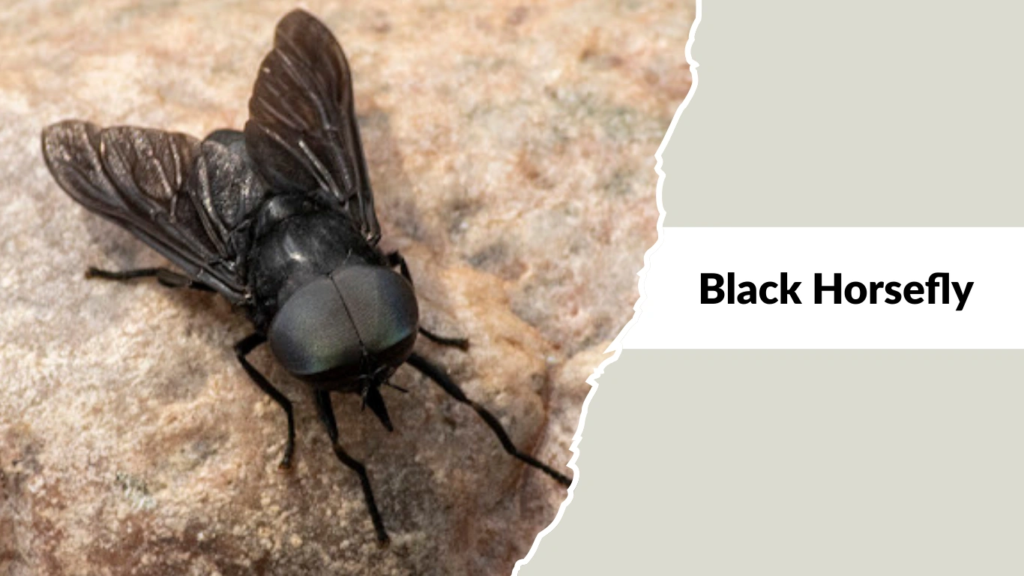
Black horseflies are large, dark-colored biting flies known for their strength and painful bites. They are common in rural and woodland areas and are most active during hot summer days.
Identification
- Large, heavy-bodied fly
- Mostly black or very dark brown coloration
- Dark wings, sometimes smoky in appearance
- Prominent eyes, often dark or slightly iridescent
Habitat
Black horseflies prefer wooded areas, pastures, and regions near ponds, streams, or wetlands. Their larvae develop in moist soil or mud rich in organic material, often close to water sources.
Behavior
These flies are strong fliers and active during daylight, especially in sunny conditions. Females are persistent biters and will repeatedly attack hosts. They are attracted to movement, body heat, and dark-colored clothing.
Diet and Lifecycle
Adult males feed on nectar and plant sap, while females require blood meals for egg production. Eggs are laid near water or damp soil. Larvae feed on decaying organic matter and small organisms before pupating into adults.
4. Western Horsefly
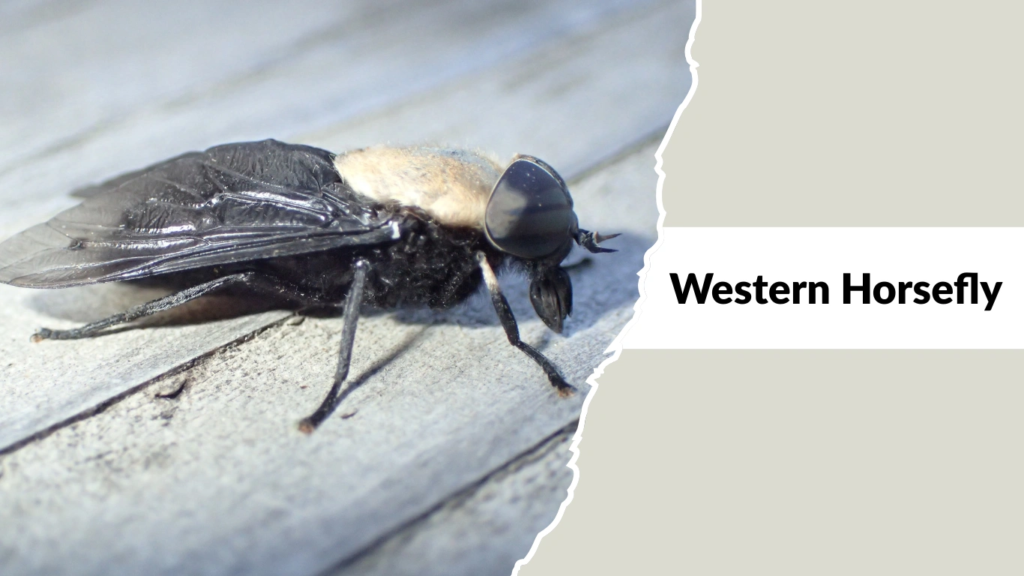
Western horseflies are large biting flies commonly found in open landscapes and rural regions. They are known for their painful bites and strong flight, making them a nuisance to both livestock and humans.
Identification
- Large, sturdy body with a broad head
- Brown to dark gray body coloration
- Clear or slightly tinted wings
- Large compound eyes, sometimes with faint bands
Habitat
Western horseflies inhabit grasslands, rangelands, farmlands, and areas near rivers or lakes. Larvae develop in moist soil, mud, or wet vegetation, often close to freshwater sources.
Behavior
These flies are most active during daylight hours, especially on warm, sunny days. Females aggressively seek blood meals and may chase hosts over long distances. They respond strongly to movement, heat, and carbon dioxide.
Diet and Lifecycle
Male western horseflies feed on nectar and plant fluids. Females require blood to produce eggs, which are laid on vegetation near water. Larvae feed on organic matter and small invertebrates before pupating and emerging as adults.
5. American Horsefly
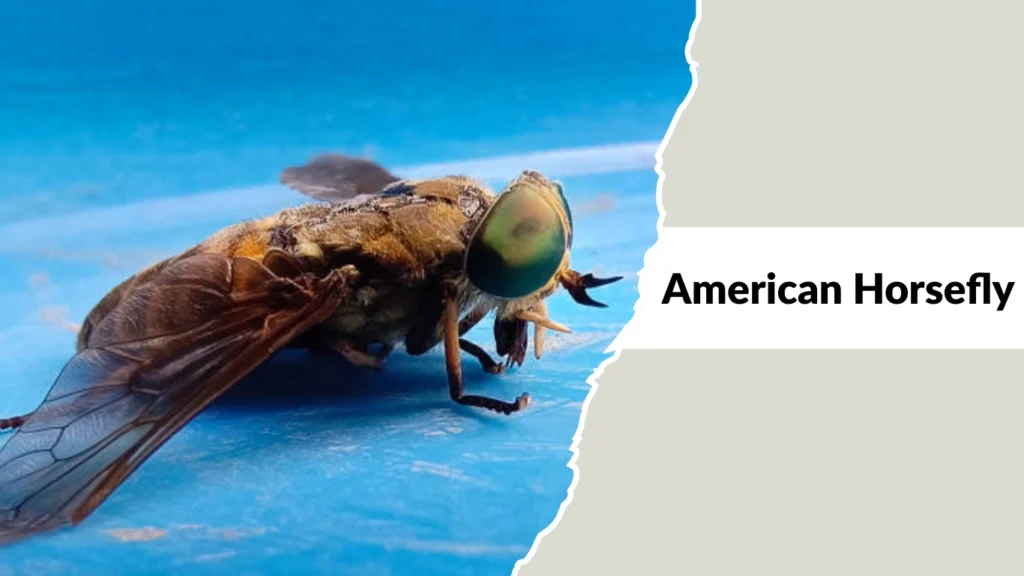
American horseflies are large, powerful biting flies widely distributed across North America. They are well known for their painful bites and their tendency to target livestock, wildlife, and humans during warm seasons.
Identification
- Large, robust body structure
- Brown, black, or dark gray coloration
- Clear to slightly smoky wings
- Large compound eyes, often dark or faintly iridescent
Habitat
American horseflies are commonly found in forests, pastures, fields, and areas near streams, ponds, or wetlands. Their larvae develop in moist soil or mud with high organic content.
Behavior
These flies are active during the day, particularly in hot and sunny weather. Females are aggressive biters and persistent in pursuing hosts. They are attracted to movement, body heat, and carbon dioxide emissions.
Diet and Lifecycle
Male American horseflies feed on nectar and plant juices, while females require blood meals for egg production. Eggs are laid on vegetation near water. Larvae feed on organic matter and small organisms before pupating into adults.
6. Carolina Horsefly
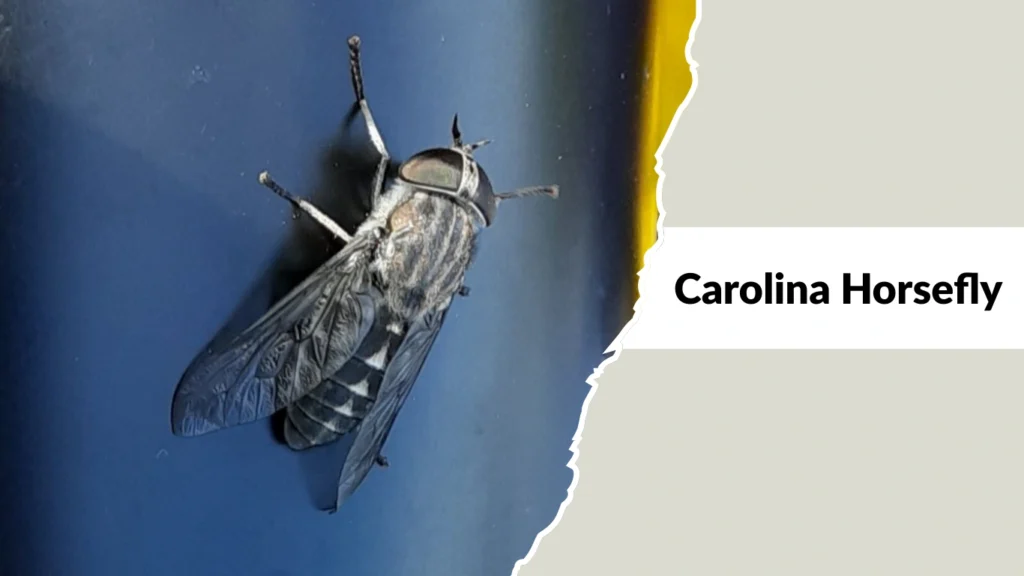
Carolina horseflies are large, dark biting flies most commonly found in the southeastern United States. They are notorious for their painful bites and frequent presence around livestock and wooded areas.
Identification
- Large, thick-bodied fly
- Dark brown to nearly black coloration
- Slightly smoky or dark-tinted wings
- Large compound eyes, sometimes with a dull sheen
Habitat
Carolina horseflies prefer forests, swamps, wetlands, and areas near slow-moving water. Their larvae develop in moist soil, mud, or decaying plant material close to water sources.
Behavior
These flies are active during daylight hours and are particularly aggressive in warm, humid conditions. Females persistently bite and may repeatedly attack the same host. They are drawn to movement, heat, and dark colors.
Diet and Lifecycle
Male Carolina horseflies feed on nectar and plant fluids, while females require blood meals to reproduce. Eggs are laid on vegetation near wet areas. Larvae feed on organic matter and small organisms before pupating and emerging as adults.
7. Plains Horsefly
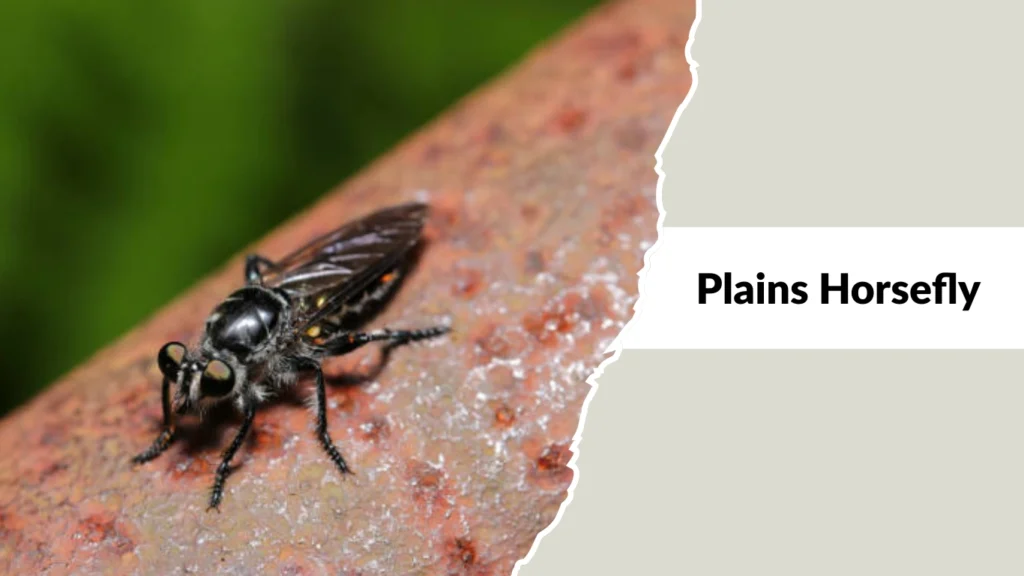
Plains horseflies are large biting flies commonly found in open landscapes and agricultural regions. They are a frequent nuisance to livestock and humans during warm weather due to their painful bites and persistent behavior.
Identification
- Large, broad-bodied fly
- Light brown to dark brown coloration
- Clear or lightly tinted wings
- Large compound eyes, often dark or faintly patterned
Habitat
Plains horseflies inhabit grasslands, prairies, farmland, and areas near ponds or slow-moving streams. Larvae develop in moist soil or mud, especially where organic material is abundant.
Behavior
These flies are most active during sunny daytime hours. Females aggressively pursue hosts and are strong fliers capable of traveling long distances. They are attracted to movement, body heat, and carbon dioxide.
Diet and Lifecycle
Adult males feed on nectar and plant juices, while females require blood meals for egg development. Eggs are laid on vegetation near water or damp soil. Larvae feed on organic matter and small invertebrates before pupating into adults.
8. Giant Horsefly
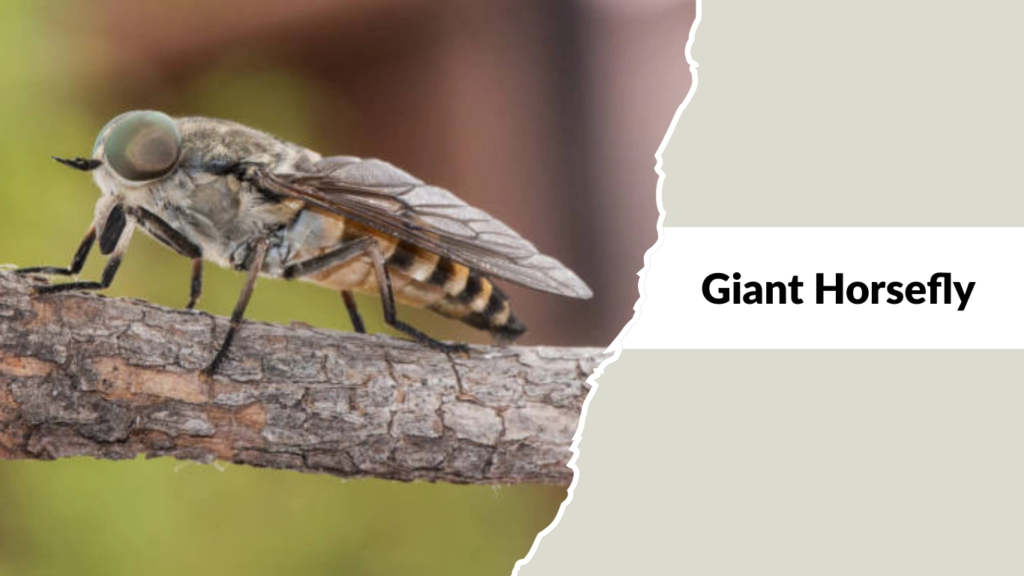
Giant horseflies are among the largest biting flies and are easily recognized by their impressive size and strength. Their bites are extremely painful, making them a serious nuisance to both animals and humans in warm seasons.
Identification
- Very large, heavy-bodied fly
- Dark brown to black coloration
- Broad wings, often slightly smoky
- Large, prominent compound eyes
Habitat
Giant horseflies are typically found in forests, wetlands, and areas near lakes, rivers, or swamps. Larvae develop in moist soil or mud rich in organic material, usually close to water sources.
Behavior
These flies are active during daylight, particularly on hot, sunny days. Females are aggressive and persistent biters, often chasing hosts for extended periods. They respond strongly to movement, heat, and carbon dioxide.
Diet and Lifecycle
Male giant horseflies feed on nectar and plant fluids, while females require blood meals to produce eggs. Eggs are laid on vegetation near water. Larvae feed on organic matter and small organisms before pupating and emerging as adults.
9. Dark Giant Horsefly
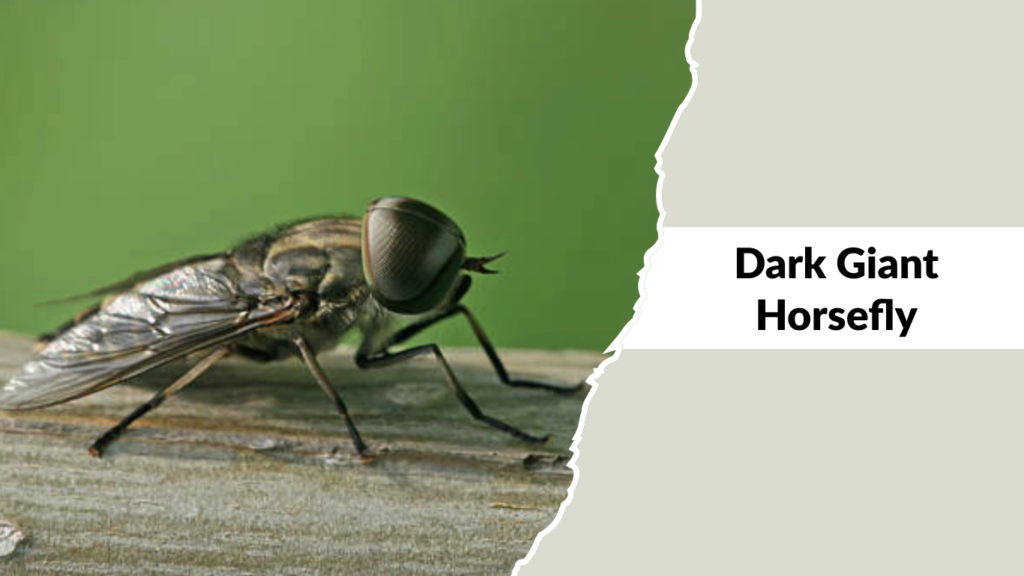
Dark giant horseflies are large, intimidating biting flies closely related to giant horseflies. They are known for their dark appearance, strong flight, and extremely painful bites.
Identification
- Very large, thick-bodied fly
- Dark brown to nearly black coloration
- Dark or smoky wings
- Large compound eyes, usually dark
Habitat
Dark giant horseflies prefer wooded areas, swamps, wetlands, and regions near rivers or lakes. Their larvae develop in moist soil or mud with high organic content.
Behavior
These flies are active during daylight hours, especially in hot weather. Females are highly aggressive and persistent biters, often repeatedly attacking the same host. They are attracted to movement, body heat, and carbon dioxide.
Diet and Lifecycle
Male dark giant horseflies feed on nectar and plant juices. Females require blood meals for egg production. Eggs are laid on vegetation near wet areas. Larvae feed on organic matter and small invertebrates before pupating into adults.
10. Yellow-spotted Horsefly
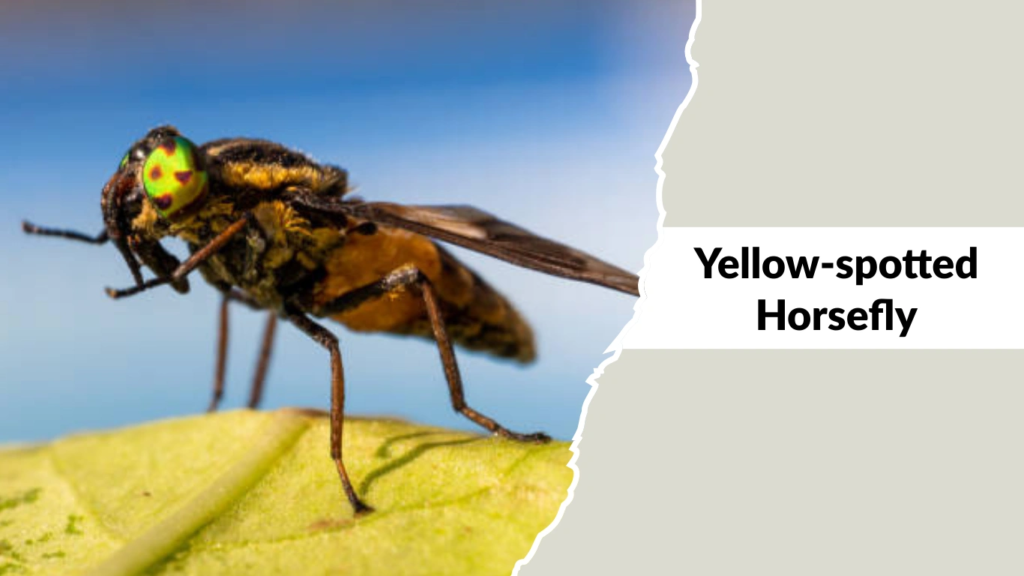
Yellow-spotted horseflies are distinctive biting flies recognized by the pale yellow markings on their bodies. They are strong fliers and are known for their painful bites, especially during warm, sunny days.
Identification
- Large, robust body
- Dark brown or black base color with yellow spots or patches
- Clear to slightly tinted wings
- Prominent compound eyes
Habitat
Yellow-spotted horseflies are commonly found in forests, grasslands, and areas near wetlands, ponds, or streams. Larvae develop in moist soil or mud rich in organic matter.
Behavior
These flies are active during daylight, particularly in bright, sunny conditions. Females are aggressive biters and may chase hosts for long distances. They are attracted to movement, heat, and carbon dioxide.
Diet and Lifecycle
Male yellow-spotted horseflies feed on nectar and plant fluids, while females require blood meals to lay eggs. Eggs are deposited on vegetation near water. Larvae feed on organic material and small organisms before pupating and emerging as adults.
11. Banded Horsefly
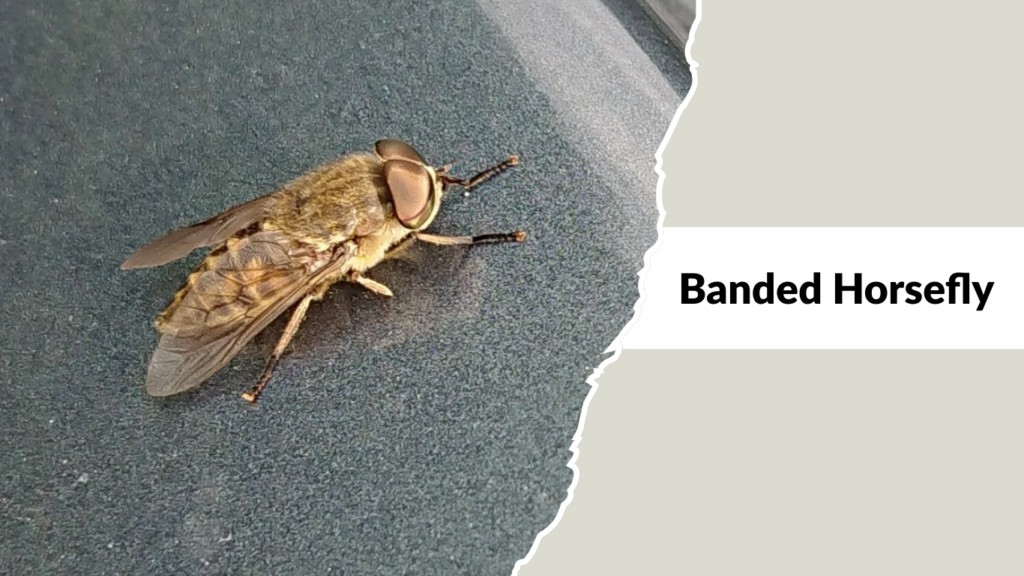
Banded horseflies are named for the distinct bands or stripes on their wings or bodies. They are active, aggressive biters and are commonly encountered in warm, open environments.
Identification
- Medium to large-sized fly
- Noticeable dark bands on wings or abdomen
- Brown to dark gray body coloration
- Large compound eyes, sometimes with banded patterns
Habitat
Banded horseflies are typically found in grasslands, forest edges, wetlands, and areas near ponds or streams. Their larvae develop in moist soil or muddy ground rich in organic matter.
Behavior
These flies are active during the daytime and are particularly aggressive in sunny weather. Females persistently pursue hosts and deliver painful bites. They are attracted to movement, heat, and carbon dioxide.
Diet and Lifecycle
Adult males feed on nectar and plant juices. Females require blood meals to produce eggs, which are laid on vegetation near water. Larvae feed on organic matter and small organisms before pupating into adults.
12. Striped Horsefly
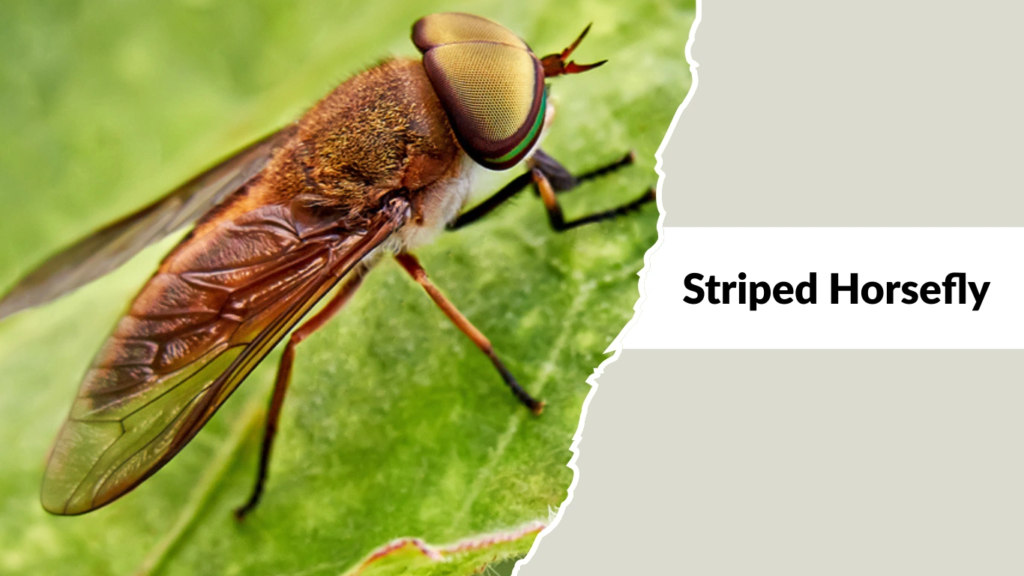
Striped horseflies are easily recognized by the bold striping patterns on their bodies or wings. They are strong fliers and are known for their painful bites, especially during warm daylight hours.
Identification
- Medium to large body size
- Distinct dark and light stripes on the abdomen or wings
- Brown, gray, or black body coloration
- Large compound eyes, sometimes patterned
Habitat
Striped horseflies inhabit forests, grasslands, wetlands, and areas near rivers or lakes. Their larvae develop in moist soil or muddy environments rich in organic material.
Behavior
These flies are most active during sunny daytime hours. Females aggressively seek blood meals and may chase hosts for extended distances. They are attracted to movement, heat, and carbon dioxide.
Diet and Lifecycle
Male striped horseflies feed on nectar and plant juices, while females require blood meals for reproduction. Eggs are laid on vegetation near water. Larvae feed on organic matter and small organisms before pupating and emerging as adults.
13. Brown Horsefly
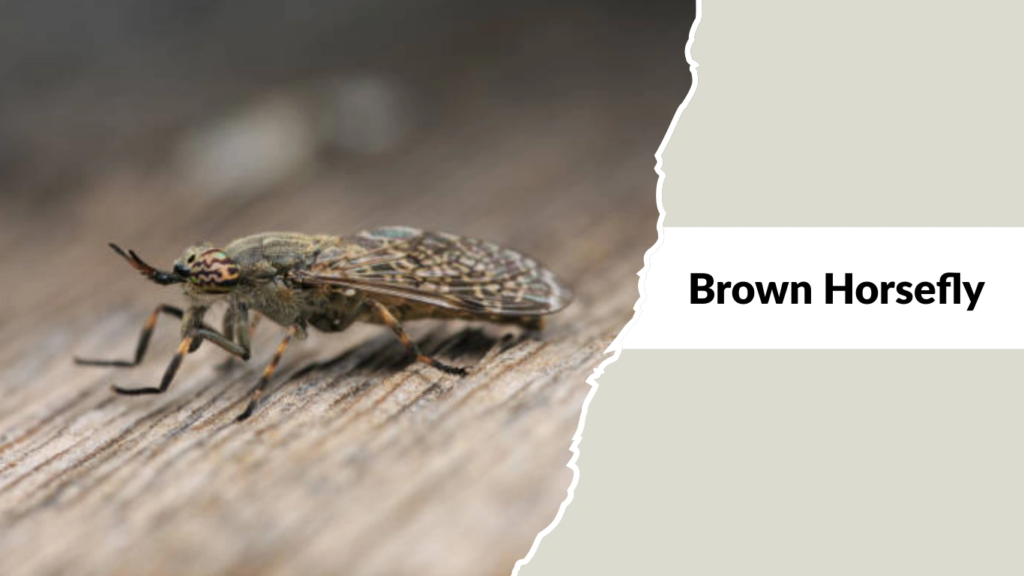
Brown horseflies are common biting flies recognized by their earthy coloration and powerful build. They are frequent pests in rural and semi-natural environments and are known for delivering painful bites to livestock, wildlife, and humans.
Identification
- Large, sturdy body with a broad thorax
- Uniform brown to dark brown coloration
- Clear or lightly smoky wings
- Large compound eyes, sometimes with a faint bronze sheen
Habitat
Brown horseflies are typically found in woodlands, meadows, pastures, and areas near ponds, streams, or marshes. Larvae develop in moist soil, mud, or decaying vegetation where organic matter is plentiful.
Behavior
These flies are active during daylight hours, especially in warm and sunny conditions. Females are persistent biters and will repeatedly attempt to feed if disturbed. They are attracted to movement, dark colors, body heat, and carbon dioxide.
Diet and Lifecycle
Adult males feed on flower nectar and plant juices. Females require blood meals to develop eggs. Eggs are laid on vegetation overhanging water or damp soil. Larvae feed on organic debris and small invertebrates before pupating and emerging as adults.
14. Eastern Horsefly
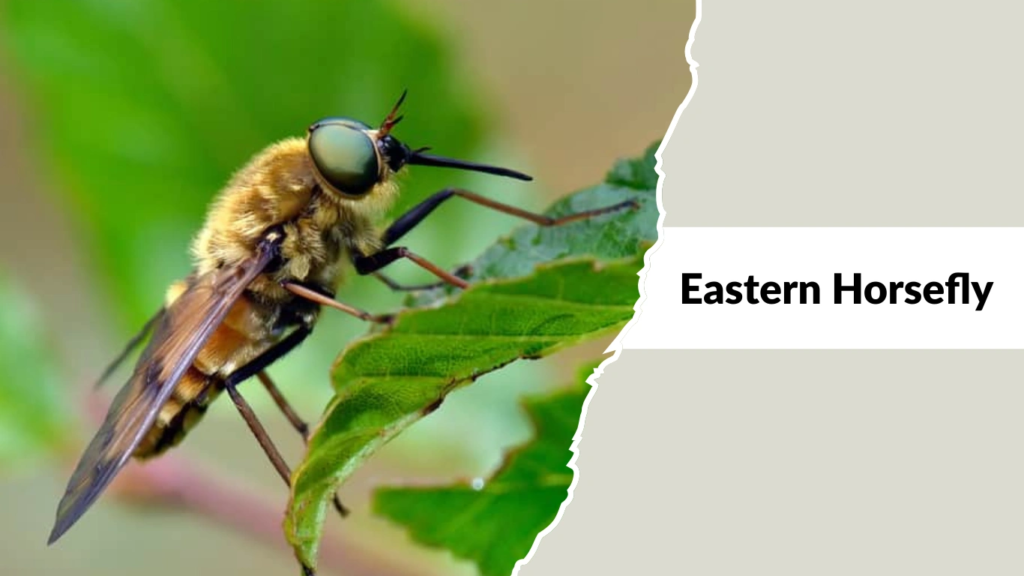
Eastern horseflies are large, aggressive biting flies commonly encountered in the eastern regions of North America. They are known for their strength, persistence, and painful bites during the warmer months.
Identification
- Large, heavy-bodied fly
- Dark brown to black coloration
- Clear to slightly smoky wings
- Prominent compound eyes, often dark or faintly iridescent
Habitat
Eastern horseflies are most often found in forests, wetlands, pastures, and areas near lakes, rivers, or slow-moving streams. Their larvae develop in moist soil or mud rich in organic material.
Behavior
These flies are active during the day, particularly in hot and sunny weather. Females aggressively pursue hosts and can be difficult to deter once attracted. They are drawn to movement, heat, and carbon dioxide.
Diet and Lifecycle
Male eastern horseflies feed on nectar and plant fluids, while females require blood meals to reproduce. Eggs are laid on vegetation near water or damp soil. Larvae feed on organic matter and small organisms before pupating and emerging as adults.
15. Northern Horsefly
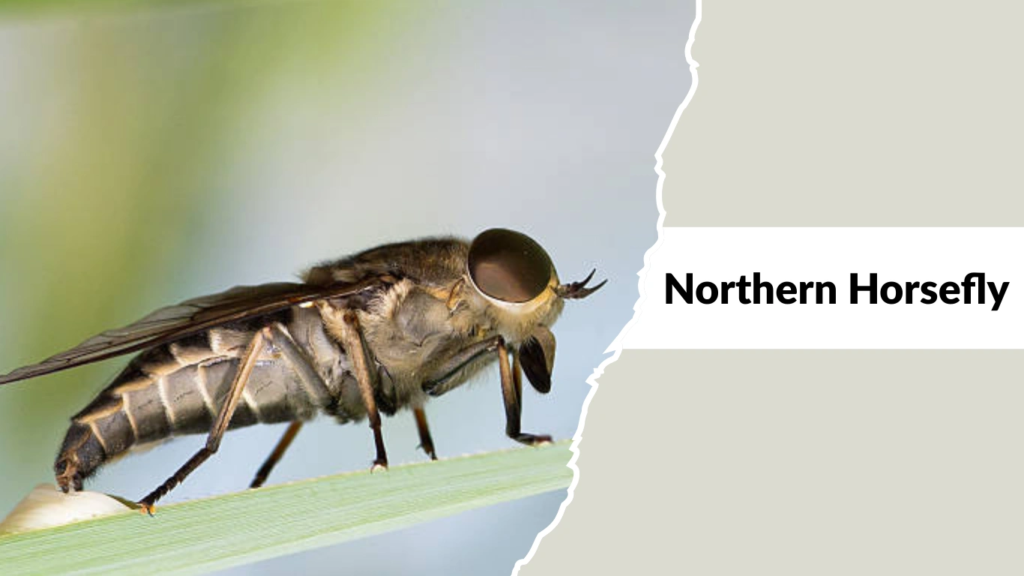
Northern horseflies are hardy, large biting flies adapted to cooler climates. They are commonly encountered in forested and rural areas and are well known for their painful bites and strong flight.
Identification
- Large, solid-bodied fly
- Dark brown to black coloration
- Clear or lightly smoky wings
- Large compound eyes, often dark or dull
Habitat
Northern horseflies are found in woodlands, wetlands, meadows, and areas near lakes or streams, especially in cooler or temperate regions. Larvae develop in moist soil, mud, or decaying vegetation close to water.
Behavior
These flies are active during daylight hours, particularly on warm summer days. Females are aggressive and persistent biters that may chase hosts for long distances. They are attracted to movement, body heat, and carbon dioxide.
Diet and Lifecycle
Adult males feed on nectar and plant juices, while females require blood meals to produce eggs. Eggs are laid on vegetation near wet areas. Larvae feed on organic matter and small invertebrates before pupating and emerging as adults.
16. Southern Horsefly
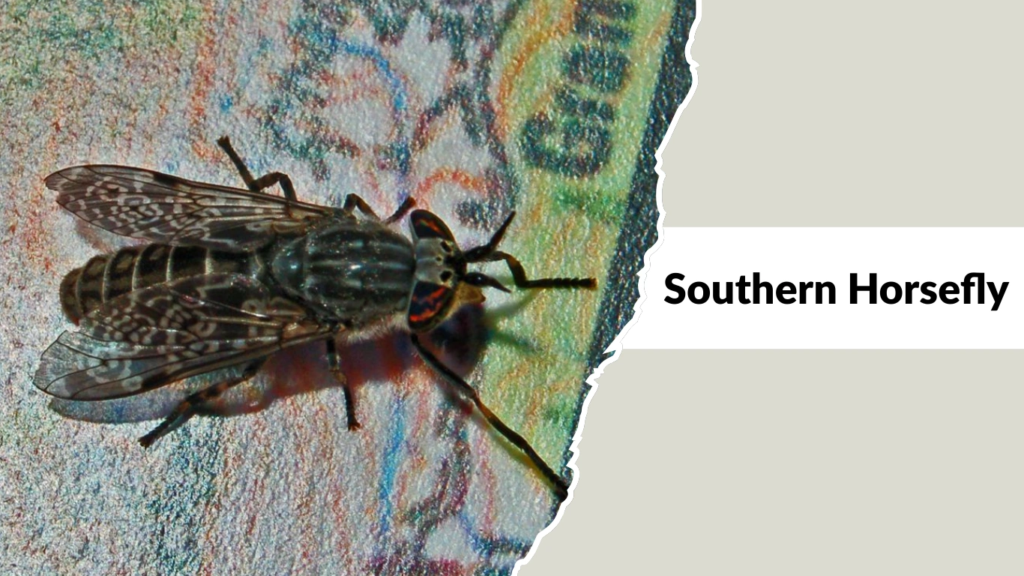
Southern horseflies are large, aggressive biting flies commonly found in warm, humid regions. They are persistent attackers and are especially troublesome to livestock and people during hot weather.
Identification
- Large, thick-bodied fly
- Dark brown to black coloration
- Clear to slightly smoky wings
- Large compound eyes, sometimes with a subtle sheen
Habitat
Southern horseflies thrive in forests, swamps, wetlands, pastures, and areas near slow-moving water. Their larvae develop in moist soil, mud, or decaying plant material with high organic content.
Behavior
These flies are active during daylight hours and are most aggressive in hot, sunny conditions. Females relentlessly pursue hosts and may bite multiple times. They are strongly attracted to movement, heat, and carbon dioxide.
Diet and Lifecycle
Male southern horseflies feed on nectar and plant juices. Females require blood meals to develop eggs, which are laid on vegetation near water or damp soil. Larvae feed on organic matter and small organisms before pupating and emerging as adults.
17. Plains Deer Fly
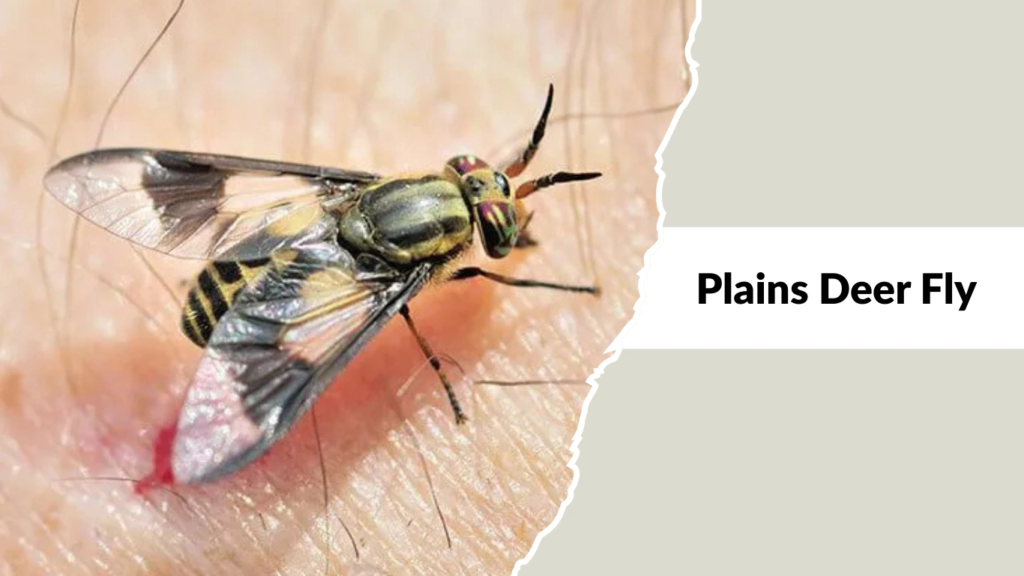
Plains deer flies are fast, aggressive biting flies closely related to horseflies. They are smaller than most horseflies but are known for their sharp, painful bites and persistent behavior in open landscapes.
Identification
- Medium-sized fly with a compact body
- Brightly colored or metallic eyes
- Dark bands or markings on clear wings
- Short antennae and sharp mouthparts
Habitat
Plains deer flies are commonly found in prairies, grasslands, open fields, and areas near wetlands or streams. Their larvae develop in moist soil or muddy ground with abundant organic matter.
Behavior
These flies are active during the day, especially in sunny conditions. Females aggressively pursue hosts and often circle before landing. They are attracted to movement, dark colors, body heat, and carbon dioxide.
Diet and Lifecycle
Adult males feed on nectar and plant juices, while females require blood meals for egg production. Eggs are laid near water or damp soil. Larvae feed on organic material and small organisms before pupating and emerging as adults.
18. Clegg Fly
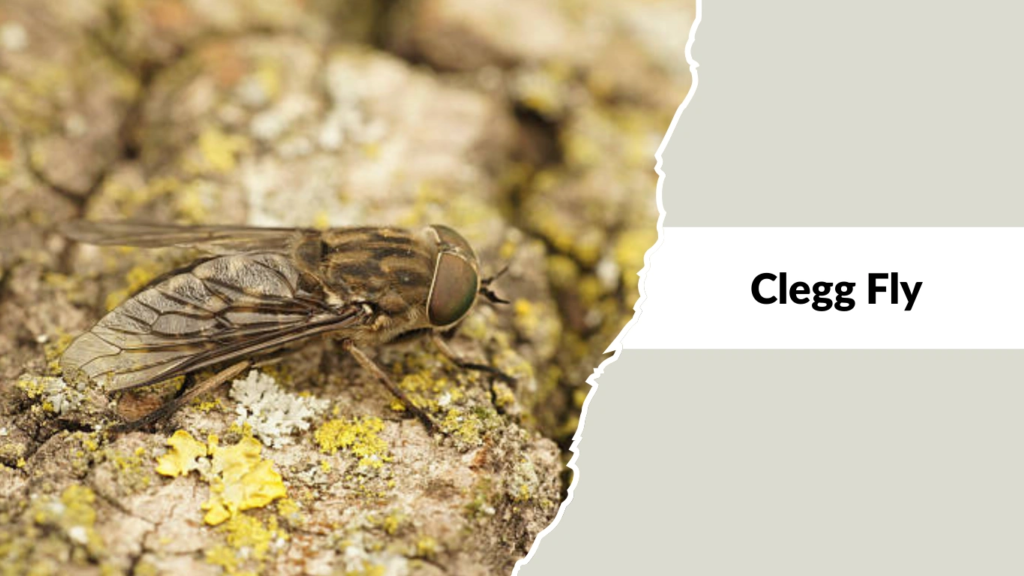
Clegg flies are stout, aggressive biting flies commonly encountered in rural and wooded areas. They are infamous for their painful bites and stubborn persistence when targeting humans or animals.
Identification
- Medium to large, heavy-bodied fly
- Dark brown to black coloration
- Clear wings, sometimes with faint dark shading
- Large compound eyes, usually dark
Habitat
Clegg flies prefer woodlands, fields, wetlands, and areas near ponds, streams, or marshes. Larvae develop in moist soil or mud rich in organic material.
Behavior
These flies are active during daylight hours and are especially aggressive in warm, sunny weather. Females pursue hosts relentlessly and can be difficult to drive away once attracted. They are drawn to movement, heat, and carbon dioxide.
Diet and Lifecycle
Male clegg flies feed on nectar and plant fluids. Females require blood meals to reproduce and lay eggs. Eggs are deposited on vegetation near water. Larvae feed on organic matter and small invertebrates before pupating into adults.
19. Salt Marsh Horsefly
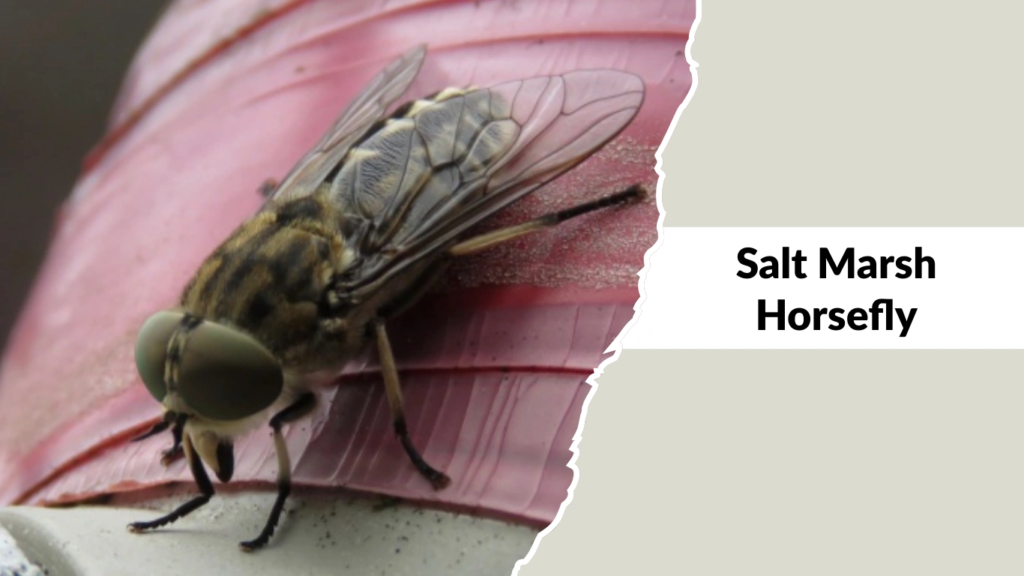
Salt marsh horseflies are aggressive biting flies commonly found in coastal environments. They are especially notorious in seaside regions, where their painful bites can make outdoor activities uncomfortable.
Identification
- Large, sturdy-bodied fly
- Dark brown to black coloration
- Clear to lightly smoky wings
- Prominent compound eyes
Habitat
Salt marsh horseflies inhabit coastal salt marshes, tidal flats, and nearby grassy areas. Their larvae develop in wet, saline mud and soil influenced by tidal water.
Behavior
These flies are active during daylight, particularly in hot and sunny coastal conditions. Females are relentless biters and may swarm in large numbers. They are attracted to movement, body heat, and carbon dioxide.
Diet and Lifecycle
Adult males feed on nectar and plant juices. Females require blood meals to produce eggs. Eggs are laid on marsh vegetation. Larvae develop in salty, muddy environments, feeding on organic matter before pupating and emerging as adults.
20. Woodland Horsefly
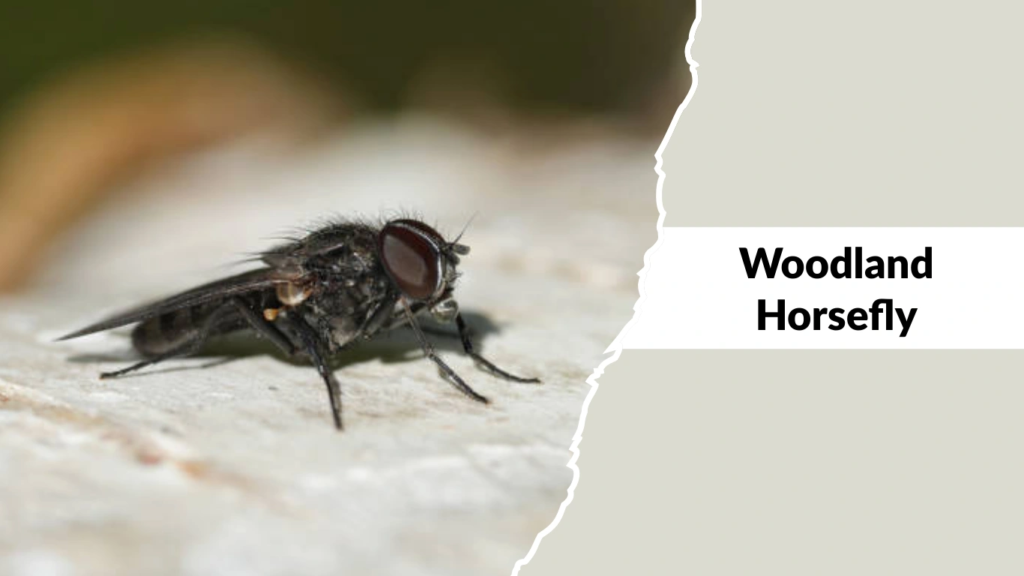
Woodland horseflies are large biting flies commonly encountered in forested environments. They are strong fliers and are known for their painful bites, especially during warm daylight hours.
Identification
- Large, heavy-bodied fly
- Dark brown or black coloration
- Clear or slightly smoky wings
- Large compound eyes, often dark
Habitat
Woodland horseflies prefer forests, wooded trails, wetlands, and areas near streams or ponds. Their larvae develop in moist soil or muddy ground rich in organic matter.
Behavior
These flies are active during the daytime and are particularly aggressive on sunny, warm days. Females persistently pursue hosts and may repeatedly attempt to bite. They are attracted to movement, heat, and carbon dioxide.
Diet and Lifecycle
Male woodland horseflies feed on nectar and plant juices. Females require blood meals to reproduce. Eggs are laid on vegetation near water. Larvae feed on organic matter and small organisms before pupating and emerging as adults.
21. Coastal Horsefly
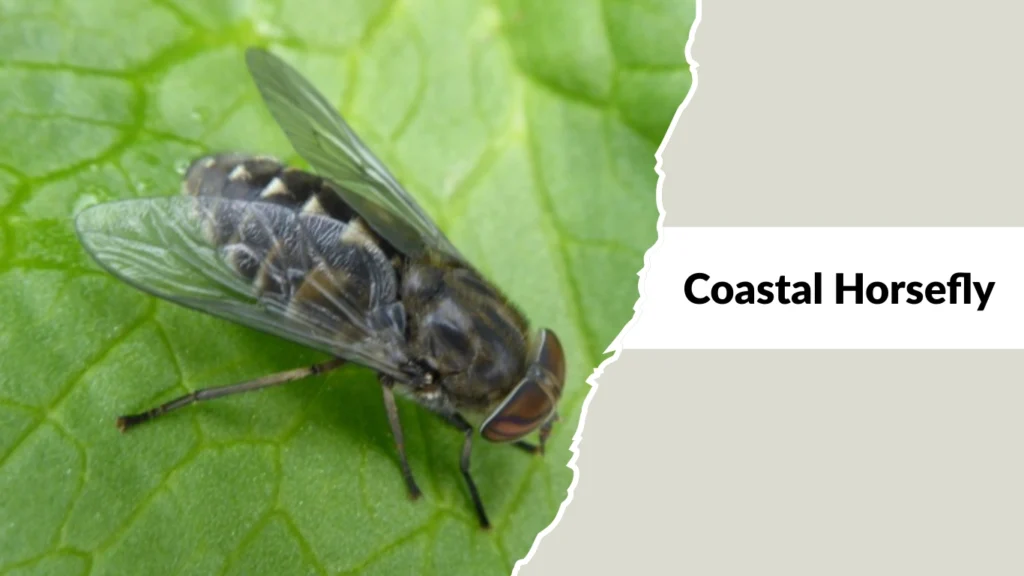
Coastal horseflies are large, aggressive biting flies commonly found near shorelines. They are well known for their painful bites and frequent presence in beachside and coastal environments.
Identification
- Large, robust body
- Dark brown to black coloration
- Clear to lightly tinted wings
- Prominent compound eyes
Habitat
Coastal horseflies inhabit beaches, dunes, coastal grasslands, and nearby wetlands. Their larvae develop in moist sand or soil influenced by saltwater and tidal conditions.
Behavior
These flies are active during daylight hours, especially in warm, sunny coastal weather. Females aggressively pursue hosts and can be difficult to escape once targeted. They are attracted to movement, heat, and carbon dioxide.
Diet and Lifecycle
Adult males feed on nectar and plant juices. Females require blood meals for egg production. Eggs are laid on vegetation or debris near coastal wetlands. Larvae feed on organic matter before pupating and emerging as adults.
22. Prairie Horsefly
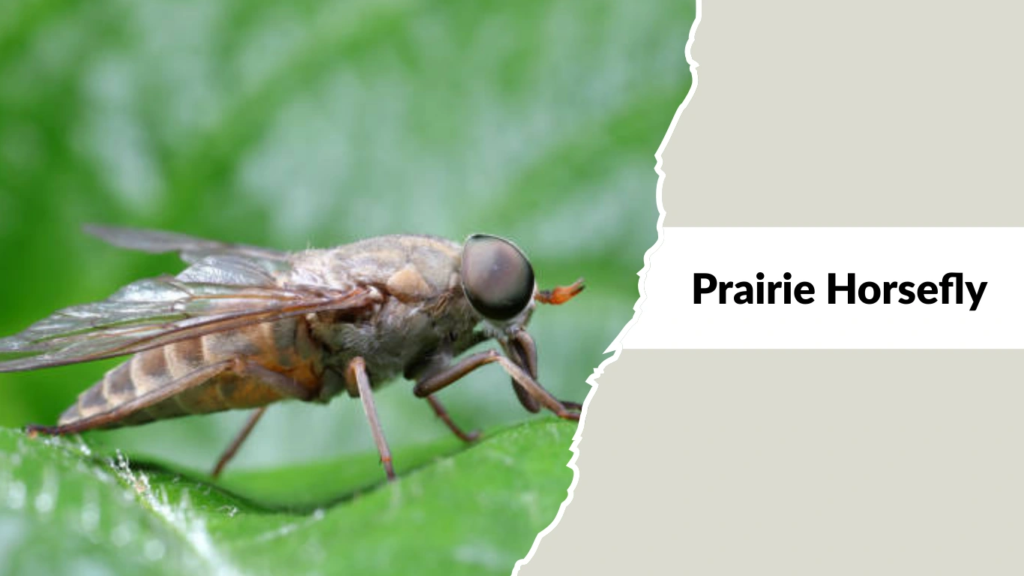
Prairie horseflies are large biting flies commonly found in open grassland environments. They are strong fliers and are known for their painful bites, making them a frequent nuisance in rural areas.
Identification
- Large, solid-bodied fly
- Light brown to dark brown coloration
- Clear or slightly smoky wings
- Large compound eyes, often dark
Habitat
Prairie horseflies inhabit prairies, grasslands, farmland, and areas near ponds or slow-moving streams. Their larvae develop in moist soil or muddy ground rich in organic material.
Behavior
These flies are active during daylight hours, particularly in warm and sunny conditions. Females aggressively pursue hosts and may chase them over long distances. They are attracted to movement, body heat, and carbon dioxide.
Diet and Lifecycle
Male prairie horseflies feed on nectar and plant juices, while females require blood meals to produce eggs. Eggs are laid on vegetation near damp areas. Larvae feed on organic matter and small organisms before pupating and emerging as adults.
FAQs
Are horseflies dangerous to humans?
Horseflies are not usually dangerous, but their bites are painful and can cause swelling, redness, and itching. In rare cases, bites may become infected if scratched excessively. Some people may also experience allergic reactions that require medical attention.
Why do horsefly bites hurt so much?
Horseflies use scissor-like mouthparts that cut the skin instead of piercing it. This causes more tissue damage and bleeding compared to mosquitoes, resulting in sharper pain and longer-lasting irritation.
When are horseflies most active?
Horseflies are most active during warm, sunny days, especially in late spring and summer. They are primarily daytime feeders and are most aggressive in the late morning and early afternoon hours.
What attracts horseflies to humans?
Horseflies are attracted to movement, body heat, carbon dioxide, sweat, and dark-colored clothing. Shiny objects and strong contrasts in color can also draw their attention.
How can horsefly bites be prevented?
Wearing light-colored clothing, using insect repellents, avoiding peak activity hours, and staying away from wetlands or marshy areas can reduce the risk of horsefly bites.
