

Bee stings are a common summertime problem, often occurring during outdoor activities such as gardening, hiking, or picnicking. While the initial sting causes sharp pain, swelling and redness usually follow as the body reacts to bee venom. For most people, these symptoms are temporary, but they can still be uncomfortable. Knowing how to treat swelling properly not only reduces pain but also prevents complications like infection or allergic responses.
Understanding Bee Sting Reactions
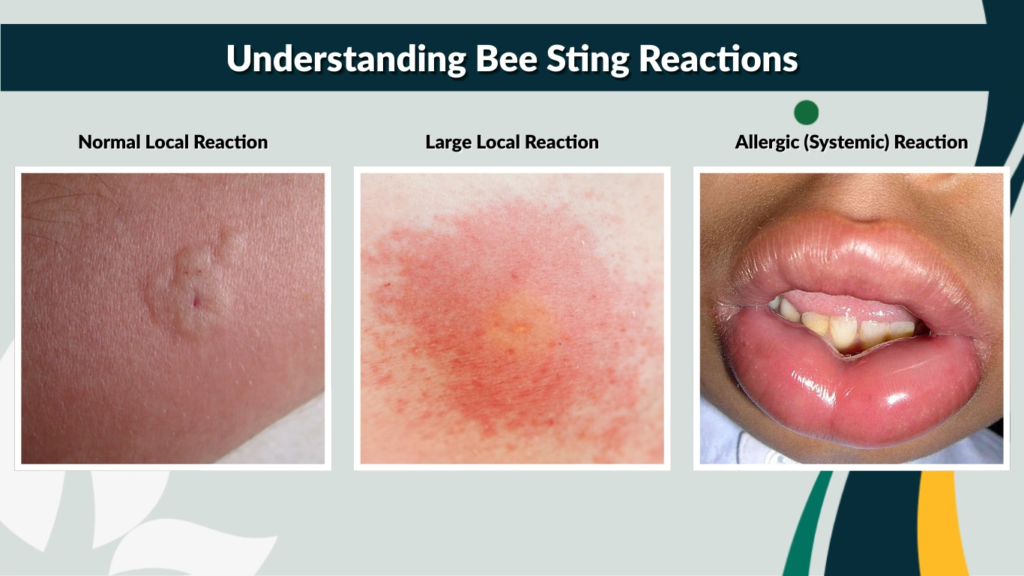
Normal Local Reaction
The majority of bee stings result in localized pain, redness, and swelling. This is a natural immune response to venom proteins and usually resolves within two to three days. Itching and tenderness around the sting site are common but generally mild.
Large Local Reaction
Some individuals experience exaggerated swelling that spreads several inches beyond the sting site. This is known as a large local reaction. While alarming in appearance, it is not life-threatening and typically lasts up to a week. People who experience these reactions may become more sensitive to future stings.
Allergic (Systemic) Reaction
A small percentage of people develop systemic allergic reactions, also known as anaphylaxis. Symptoms include widespread hives, swelling of the lips or throat, difficulty breathing, dizziness, or a rapid heartbeat. These reactions require immediate medical care and can be life-threatening without intervention. Individuals with known bee allergies are usually advised to carry an epinephrine auto-injector.
Immediate First Aid Steps
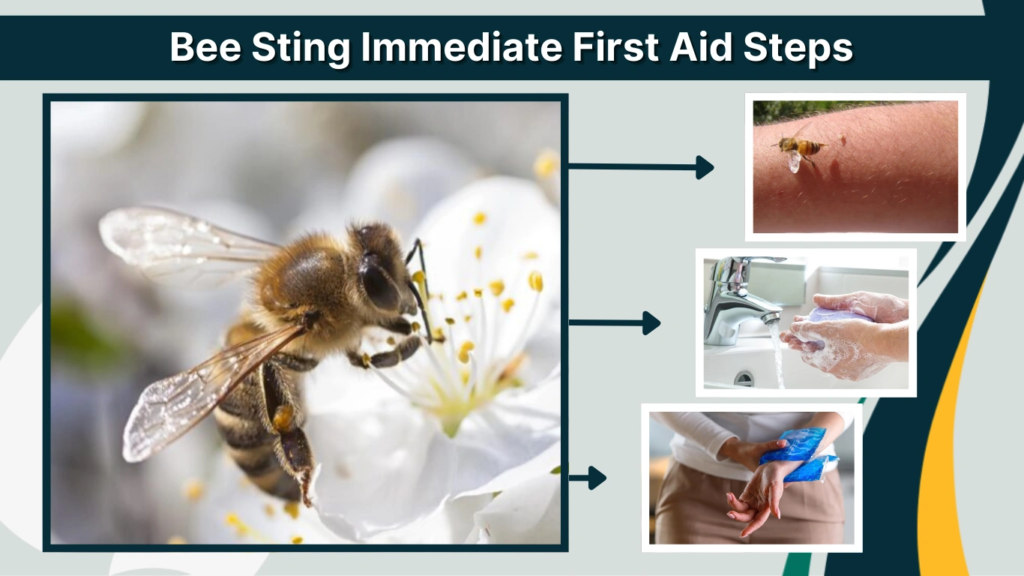
Removing the Stinger
The first and most important step after being stung by a bee is to remove the stinger. Because honeybees leave their barbed stinger behind, it continues to pump venom for several minutes if not removed. Scrape it out gently with a fingernail, credit card, or blunt edge rather than pinching it, which could release more venom.
Cleaning the Area
Once the stinger is out, wash the affected area with soap and water. This reduces the risk of bacteria entering the puncture site and helps prevent infection. Dry the skin gently with a clean cloth before applying any treatment.
Applying Cold Compress
A cold compress or ice pack wrapped in cloth should be applied to the sting site for 10–15 minutes at a time. Cold therapy reduces blood flow, which minimizes swelling and numbs pain. The process can be repeated several times during the first few hours after the sting.
Home Remedies for Bee Sting Swelling

Natural Remedies
Several natural ingredients can soothe irritation and decrease swelling:
- Baking Soda Paste: Mixing baking soda with water into a thick paste and applying it to the sting may help neutralize venom acidity.
- Aloe Vera Gel: Known for its cooling and anti-inflammatory properties, aloe vera provides relief from pain and itching.
- Honey: With its natural antibacterial qualities, honey can reduce swelling while protecting the skin from secondary infection.
Household Items
If natural remedies aren’t available, common household items can be used effectively:
- Vinegar or Lemon Juice: These acidic solutions may help break down bee venom proteins, providing minor relief.
- Cold Packs: A simple bag of frozen vegetables wrapped in cloth works as well as an ice pack.
Effectiveness and Limitations
While home remedies can ease symptoms, they are most effective for mild reactions. If swelling worsens after 24–48 hours or spreads extensively, medical evaluation is recommended. People prone to strong allergic responses should avoid relying solely on home care.
Over-the-Counter (OTC) Treatments
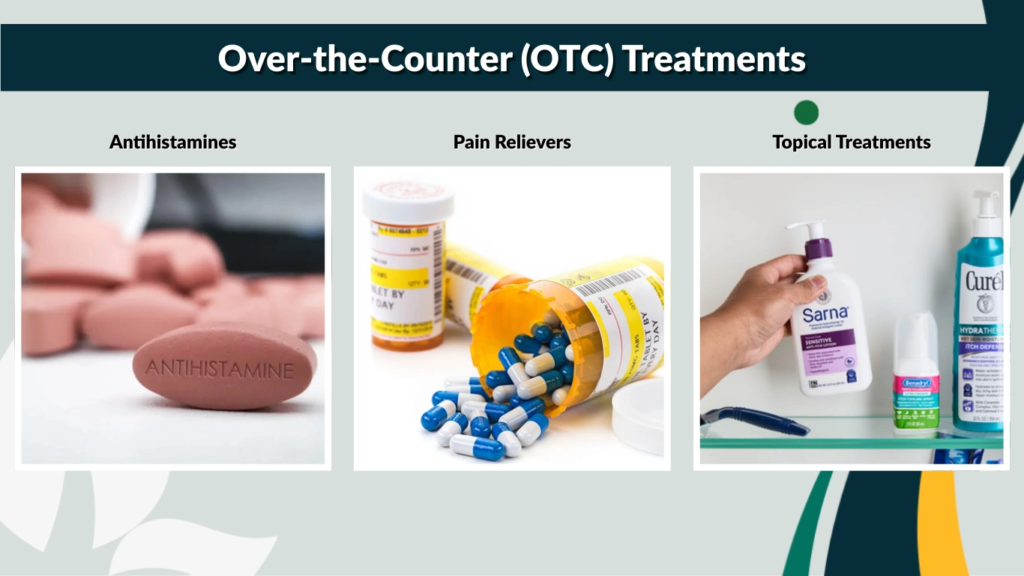
Antihistamines
Over-the-counter antihistamines like diphenhydramine (Benadryl) or loratadine (Claritin) are very effective in reducing itching and swelling. They work by blocking histamine, the chemical responsible for the body’s inflammatory response to venom. Non-drowsy options are suitable for daytime use, while traditional antihistamines may be better for nighttime relief.
Pain Relievers
Pain and tenderness can be managed with common pain relievers such as ibuprofen or acetaminophen. Ibuprofen has the added benefit of reducing inflammation, making it a preferred option for many people.
Topical Treatments
Hydrocortisone cream helps decrease redness and inflammation at the sting site. Calamine lotion is another good option, especially for reducing itching. These topical solutions can be applied several times a day as needed.
Medical Treatments for Severe Swelling
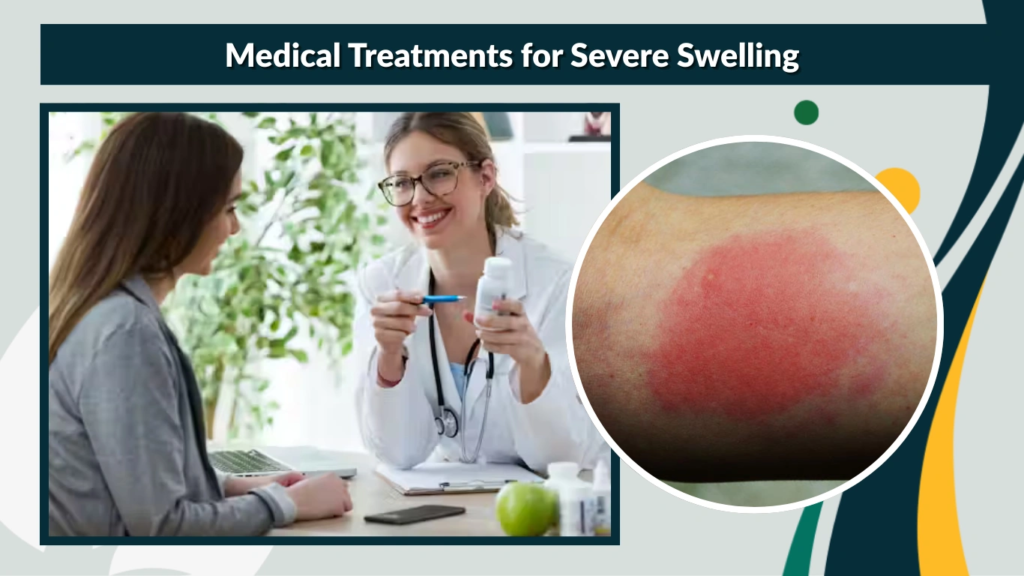
Corticosteroid Creams
Doctors may prescribe stronger corticosteroid creams when swelling is extensive or interferes with movement. These are especially helpful in treating large local reactions that do not respond to basic home care.
Oral Steroids
In cases where swelling is extreme, particularly on the face or neck, oral corticosteroids may be prescribed to quickly reduce inflammation. These treatments are generally short-term and monitored closely by a physician.
Epinephrine Auto-Injectors
For individuals with known bee sting allergies, epinephrine auto-injectors (EpiPens) are life-saving. They deliver a quick dose of adrenaline that counteracts severe allergic reactions such as anaphylaxis. People prescribed epinephrine should always carry it and know how to use it.
When to Seek Medical Help
Most bee stings are manageable at home, but some require professional care. Medical attention is necessary if:
- Swelling continues to worsen after 48–72 hours.
- Symptoms suggest infection: pus, spreading redness, or fever.
- Multiple stings occur, especially in children or older adults.
- Signs of allergic reaction appear: difficulty breathing, dizziness, chest tightness, or swelling of the lips and throat.
Prompt medical treatment ensures safety and prevents complications.
Special Considerations
Children
Children often experience more noticeable swelling because their immune systems react strongly to venom. While this can be alarming, it is usually harmless. Parents should focus on comfort measures such as cold compresses, antihistamines, and close monitoring for allergy symptoms.
Pets
Dogs and cats may also swell after bee stings. Most reactions are mild, but stings near the mouth or face can obstruct breathing. Veterinary attention is essential if pets show difficulty swallowing, drooling, or labored breathing.
Multiple Stings
A single sting is rarely serious, but multiple stings increase the venom load and strain the body’s immune system. Children, older adults, and people with chronic illnesses should always be observed by a medical professional after multiple stings.
Prevention Tips
- Wear shoes outdoors, especially on grass and near flowers.
- Avoid wearing bright clothing or floral patterns that attract bees.
- Refrain from using heavily scented perfumes or lotions when outside.
- Keep food and drinks covered, as sweet scents draw bees.
- Stay calm if a bee approaches—sudden swats increase the chance of being stung.
- Beekeepers and outdoor workers should use protective clothing.
- Individuals with allergies should carry epinephrine and ensure companions know how to help.
FAQs
1. How long does swelling from a bee sting usually last?
Most swelling subsides within 48 hours. In some cases, large local reactions may last up to a week but generally improve with time and basic treatment.
2. What is the fastest way to reduce swelling after a bee sting?
Immediate removal of the stinger, applying a cold compress, and taking an antihistamine are the most effective steps. Elevating the affected area can also speed recovery.
3. Can vinegar or baking soda really help bee sting swelling?
Yes. Vinegar and baking soda are common home remedies. Baking soda paste can neutralize venom acids, while vinegar may reduce irritation. They are not medical cures but provide temporary relief.
4. When should I use antihistamines vs pain relievers?
Use antihistamines for itching and swelling, and pain relievers for discomfort. Many people benefit from using both together, depending on their symptoms.
5. Do children react differently to bee stings than adults?
Children often have more dramatic swelling and redness, but most reactions are not dangerous. Parents should monitor for allergic symptoms and consult a doctor if swelling spreads or worsens.
