
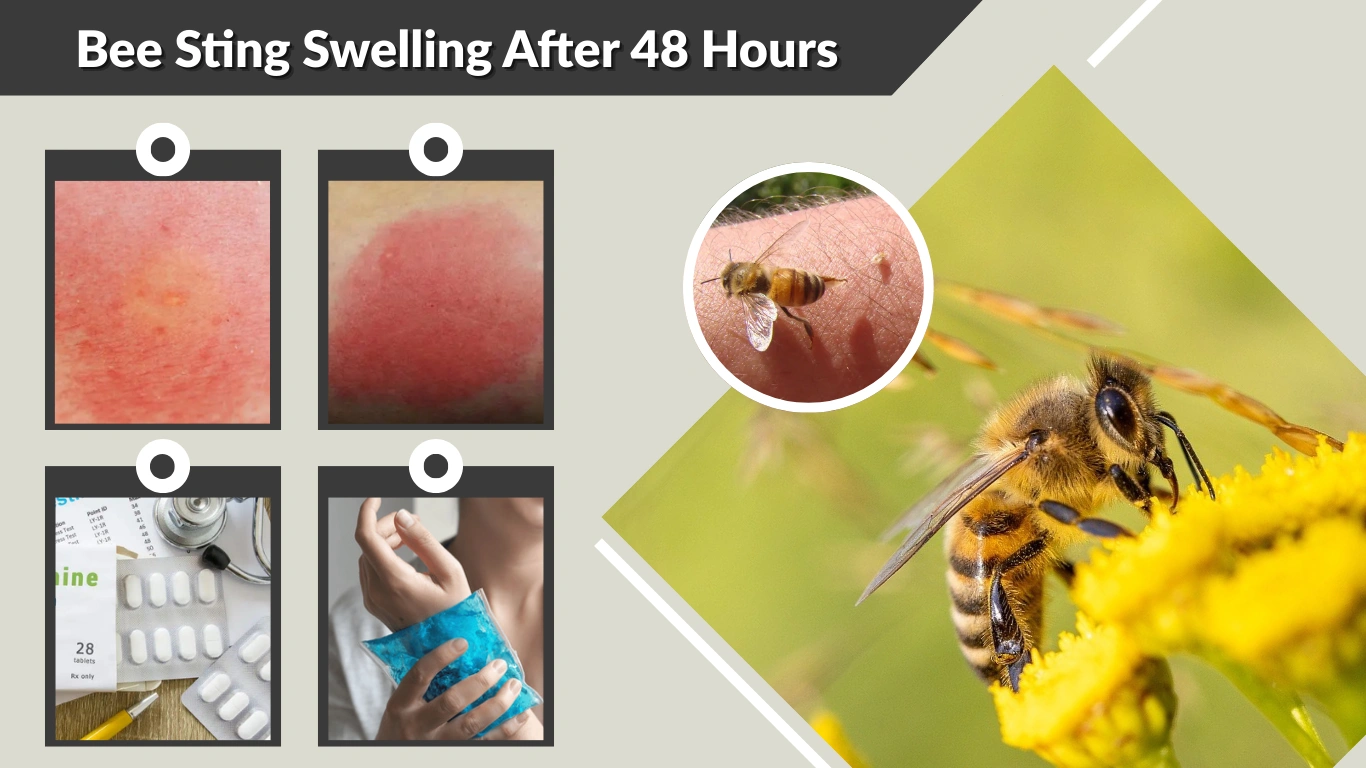
Bee stings are a common outdoor hazard, especially during warm months when these insects are most active. For many people, a sting brings a sharp pain followed by mild redness and swelling that usually fades within a day. However, sometimes the swelling lingers or even worsens after 48 hours, leading to concern. While delayed swelling is not always a sign of a serious problem, understanding why it happens and when to seek medical attention is important for proper care.
Understanding Bee Stings
When a bee stings, it injects venom into the skin through its stinger. This venom contains proteins that affect skin cells and the immune system. Immediately, most people feel sharp pain, burning, and itching at the site. The body reacts by releasing histamine, which causes redness and swelling.
For a typical sting, swelling peaks within a few hours and then gradually subsides within 24 hours. But in some cases, the reaction continues or worsens after two days, which can be confusing and concerning.
Normal vs. Abnormal Reactions
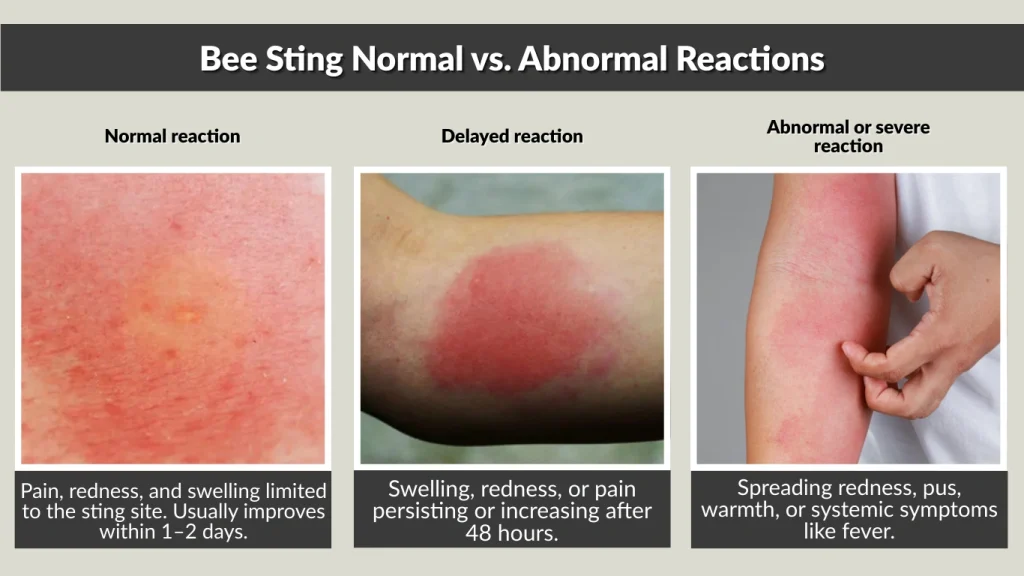
It’s important to distinguish between what’s considered a normal response and what may indicate a complication.
- Normal reaction: Pain, redness, and swelling limited to the sting site. Usually improves within 1–2 days.
- Delayed reaction: Swelling, redness, or pain persisting or increasing after 48 hours. This can be due to a strong immune response or improper care of the sting.
- Abnormal or severe reaction: Spreading redness, pus, warmth, or systemic symptoms like fever. These may point to infection or allergy-related complications.
Why Swelling Can Last Beyond 48 Hours

There are several reasons why swelling doesn’t always disappear quickly after a bee sting:
- Slow Immune Response
Some people’s immune systems take longer to respond to the venom, leading to delayed inflammation that shows up after 48 hours. - Large Local Reaction (LLR)
This is a common reason for prolonged swelling. Instead of staying confined to the sting area, the swelling spreads and can last 2–7 days. - Secondary Infection
Scratching the sting site or not cleaning it properly can introduce bacteria, causing the swelling to worsen rather than improve. - Underlying Health Conditions
People with diabetes, compromised immunity, or poor circulation may experience slower healing and prolonged inflammation.
Large Local Reactions (LLR)

A large local reaction is not the same as a life-threatening allergy, but it can be uncomfortable. In this case, swelling spreads beyond the sting area—sometimes covering an entire arm or leg if the sting occurred there.
Symptoms of LLR include:
- Redness spreading away from the sting site
- Swelling that continues to expand for 2–3 days
- Itchiness and warmth in the affected area
Unlike anaphylaxis, LLR does not usually involve difficulty breathing or throat swelling. However, the discomfort can be intense and mimic an infection, which is why it often causes concern.
When to Worry About Infection
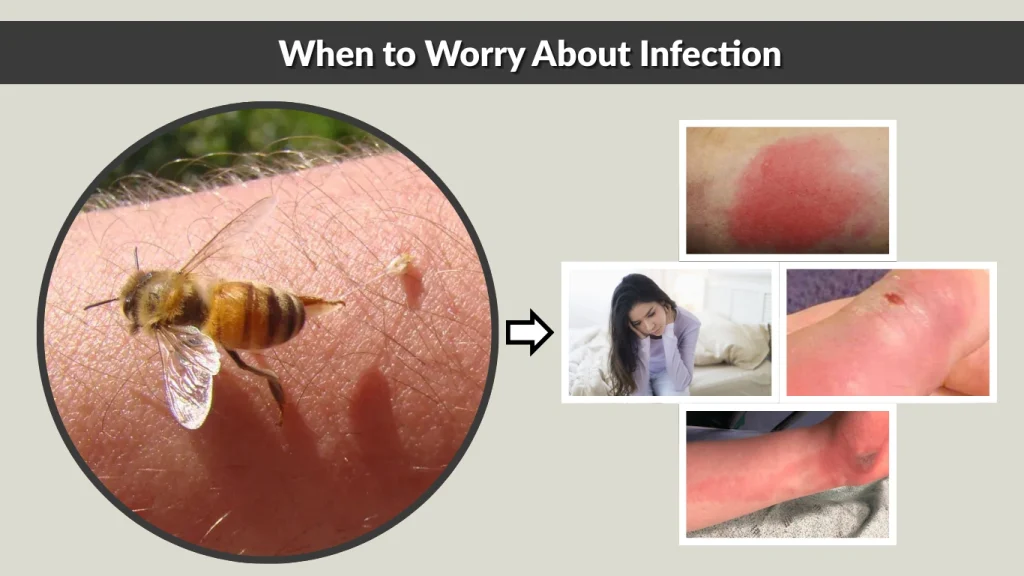
If swelling after 48 hours is accompanied by other changes, infection may be the cause. A bee sting infection typically develops when bacteria enter the wound, either from scratching or not disinfecting the area.
Signs of infection include:
- Increasing pain rather than improvement
- Pus or fluid draining from the site
- Red streaks moving outward from the sting
- Fever, chills, or general malaise
Infections can progress quickly, so seeking medical attention is necessary if these symptoms appear. Antibiotics are often prescribed in such cases.
Delayed Allergic Reactions
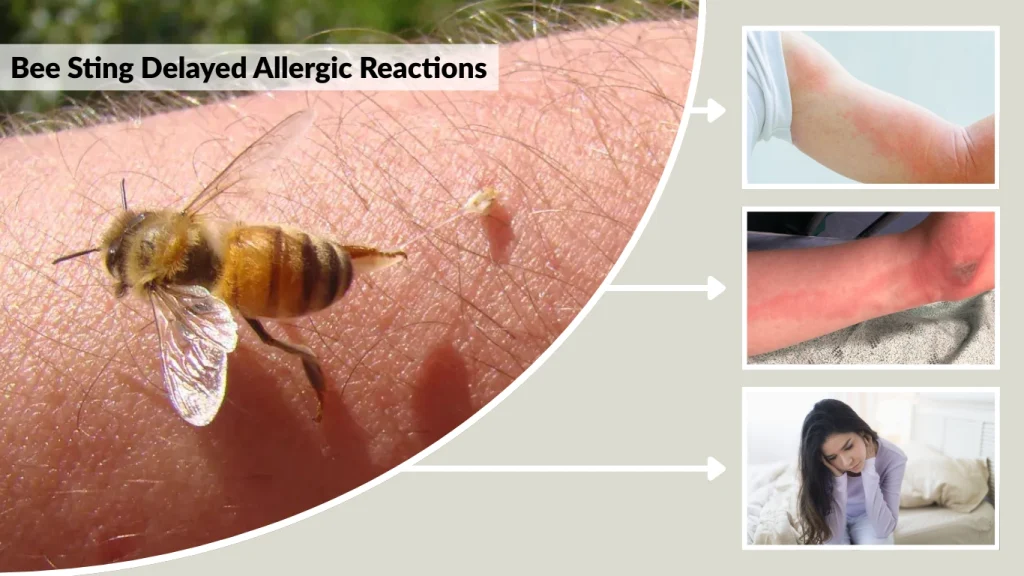
Some people experience delayed allergic responses after a sting. Unlike an immediate reaction, these may show up 24–72 hours later.
Symptoms of delayed allergy can include:
- Widespread hives or rash away from the sting site
- Joint pain or swelling
- Fatigue and general discomfort
Though less common, delayed allergic reactions can still cause significant distress. They usually resolve with antihistamines or corticosteroid treatment, but severe cases require medical supervision.
Home Remedies for Prolonged Swelling
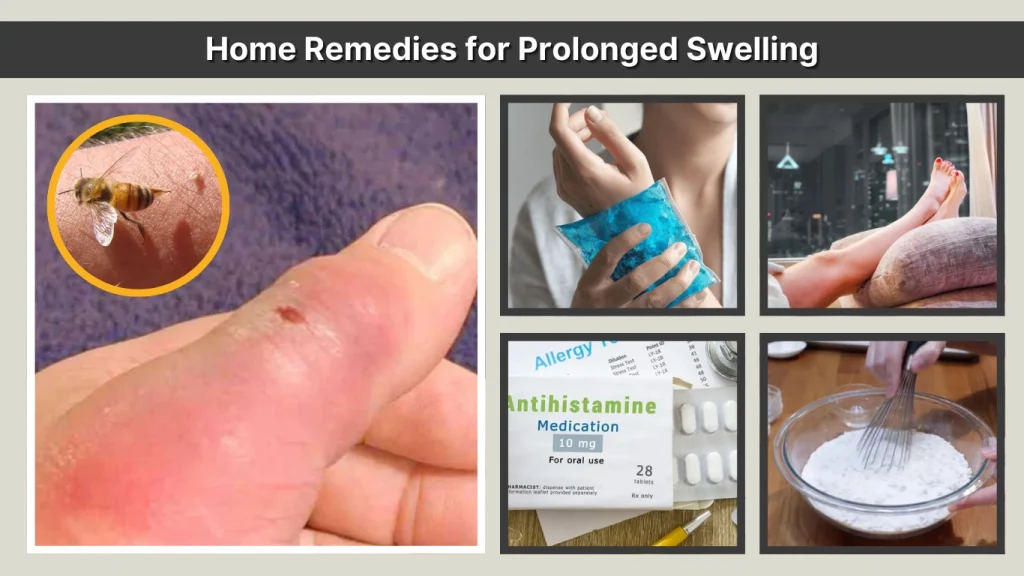
If the swelling after 48 hours is not accompanied by signs of infection or severe allergic reaction, you can often manage it at home. Simple remedies can reduce inflammation, relieve discomfort, and support faster healing.
Cold Compresses
Applying a cold pack or ice wrapped in a cloth for 15–20 minutes at a time helps reduce swelling and numbs pain. This should be repeated several times a day, especially if the swelling continues to feel warm or tight.
Elevation
If the sting is on the hand, arm, or leg, keeping the limb elevated above heart level helps reduce blood flow to the area, which in turn lessens swelling.
Natural Remedies
Some household remedies may provide relief:
- Baking soda paste: Neutralizes bee venom and soothes itching.
- Honey: Known for its antibacterial properties, it can reduce irritation.
- Aloe vera gel: Cools and calms the sting site.
Over-the-Counter Medicines
- Antihistamines (like diphenhydramine or cetirizine) reduce itching and allergic swelling.
- Pain relievers (ibuprofen or acetaminophen) help with discomfort.
- Hydrocortisone cream provides relief from persistent itching and redness.
These remedies are often enough for moderate swelling that persists beyond 48 hours.
Medical Treatments and Professional Care
If swelling doesn’t improve with home care, or if symptoms suggest infection or an unusually severe reaction, medical intervention may be necessary.
Prescription Medications
- Oral antihistamines or stronger corticosteroids may be prescribed for large local reactions that last a week or more.
- Antibiotics are required if the sting becomes infected.
Professional Evaluation
Doctors may order allergy tests if repeated stings cause severe or prolonged reactions. In some cases, immunotherapy (allergy shots) is recommended to reduce sensitivity to bee venom over time.
When to Seek Immediate Medical Help
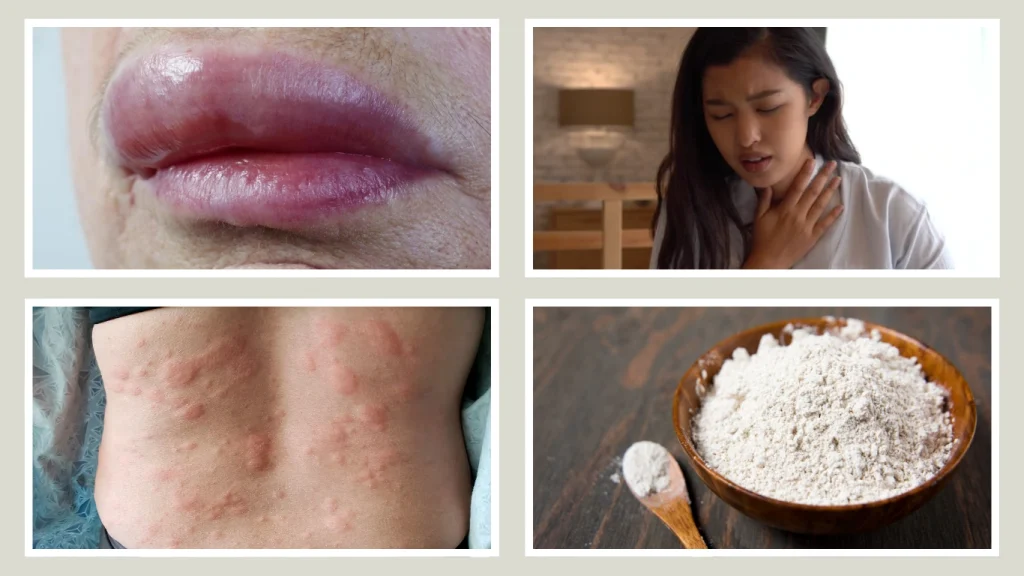
Most swelling is harmless, but certain symptoms signal a medical emergency. If any of these occur, seek care right away:
- Swelling in the lips, tongue, or throat
- Difficulty breathing or swallowing
- Dizziness, fainting, or rapid heartbeat
- Severe whole-body rash or hives
These are signs of anaphylaxis, a life-threatening allergic reaction that requires immediate treatment with epinephrine and emergency medical care.
Prevention of Future Reactions
If you’ve experienced prolonged swelling after a bee sting, taking preventive steps can help reduce the risk of future stings and complications.
Avoiding Bee Encounters
- Stay away from known hives or nests.
- Avoid wearing strong perfumes or brightly colored clothing outdoors.
- Keep food and drinks covered when eating outside.
Protective Clothing
When gardening or hiking, wear long sleeves, gloves, and closed shoes to minimize exposed skin.
Medical Preparedness
- Carry an epinephrine auto-injector if you’ve had a serious allergic reaction in the past.
- Consider venom immunotherapy if stings consistently cause severe reactions.
- Keep antihistamines in your first-aid kit for quick relief of minor reactions.
FAQs
What does it mean if my bee sting is swollen after 48 hours?
It usually means your body is experiencing a large local reaction or delayed immune response to the venom. While uncomfortable, this is often not dangerous unless signs of infection or severe allergy appear.
How do I know if my bee sting is infected or just a large local reaction?
If the swelling is accompanied by pus, red streaks, spreading warmth, or fever, it’s more likely to be infected. If it’s just swollen and itchy but without these signs, it’s usually a large local reaction.
Can swelling get worse after two days?
Yes. Swelling from a large local reaction often peaks between 48–72 hours before gradually improving. This can be mistaken for infection but is usually a normal immune response.
Should I take antibiotics for bee sting swelling?
Not always. Antibiotics are only necessary if there is a confirmed bacterial infection. Most cases of prolonged swelling are immune-related and don’t require antibiotics.
How long can a bee sting stay swollen?
For large local reactions, swelling can last up to 7 days. If swelling doesn’t improve after a week, consult a doctor.
When should I see a doctor for bee sting swelling?
If swelling spreads rapidly, if you develop fever, pus, or red streaks, or if you experience systemic symptoms like dizziness, breathing problems, or facial swelling, seek medical attention immediately.
