

Bed bug bites can cause a range of uncomfortable symptoms, from mild itching to significant allergic reactions. While they don’t transmit diseases, their bites can lead to both physical and psychological effects. Understanding how these bites impact the human body helps in proper treatment, prevention, and recognizing when to seek medical care. Each person’s reaction varies depending on skin sensitivity, the number of bites, and exposure duration.
Bed Bug Bites and Their Immediate Effects
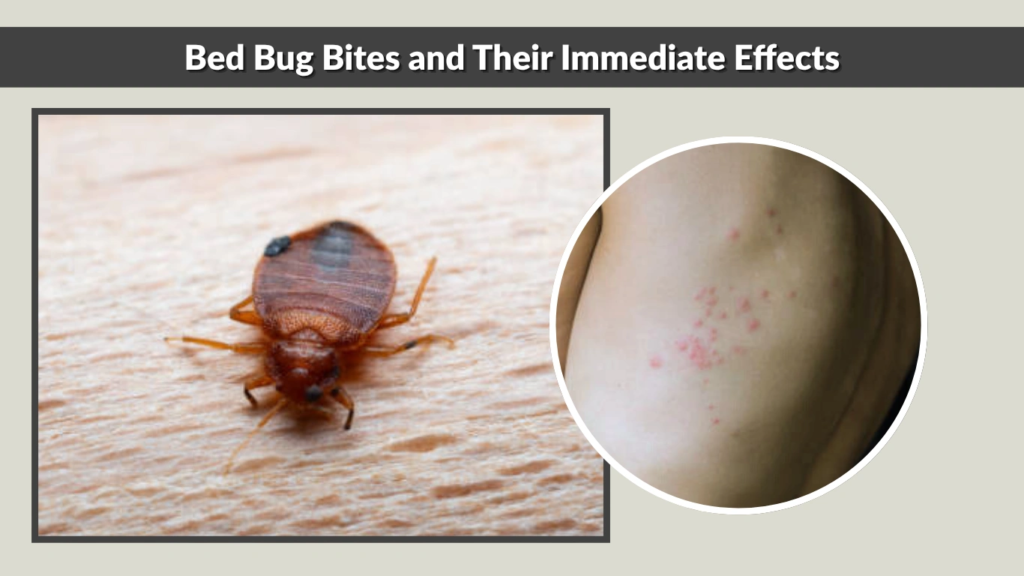
When a bed bug bites, it injects a small amount of anesthetic and anticoagulant into the skin, allowing it to feed without being noticed. The body’s immune system then reacts to the saliva, resulting in visible symptoms. Common immediate effects include:
- Red, itchy welts or bumps.
- Minor swelling or inflammation around the bite.
- Burning or stinging sensation.
- Localized rashes, especially after multiple bites.
These reactions typically appear within a few hours to a day after being bitten and can last several days depending on the individual’s immune response. For some, bites appear in clusters or straight lines, often on exposed skin such as arms, legs, and neck.
Common Physical Effects of Bed Bug Bites

The physical effects of bed bug bites are primarily skin-related but can range from mild to severe. The most frequent symptoms include:
- Redness and Itching – Caused by histamine released as part of the body’s allergic response.
- Swelling – Inflammation around the bite site is common, especially for people with sensitive skin.
- Pain or Burning Sensation – While uncommon, some individuals feel a mild stinging sensation.
- Allergic Reactions – Severe itching, blisters, or hives may occur in allergic individuals.
In extreme cases, multiple bites can lead to secondary skin infections, particularly when scratching breaks the skin barrier. Maintaining proper hygiene and avoiding excessive scratching significantly reduces the risk of infection.
Skin Effects and Secondary Infections
Bed bug bites mainly affect the skin’s upper layers, but constant scratching can cause deeper irritation. The following conditions are often seen in long-term infestations:
- Erythema (skin redness): Commonly appears in clusters of raised bumps.
- Papular urticaria: An allergic rash that forms in response to repeated bites.
- Post-inflammatory hyperpigmentation: Dark or light spots that remain after healing.
- Bacterial infections: Scratched bites may allow bacteria to enter, leading to impetigo or cellulitis.
People who experience repeated exposure often develop heightened sensitivity, meaning future bites cause stronger reactions. Using antiseptic creams and anti-itch ointments can help prevent complications and promote faster healing.
Long-Term Side Effects of Bed Bug Bites

While bed bug bites usually heal within one to two weeks, certain individuals experience long-term side effects. These may persist for several weeks or even months, depending on the person’s health and skin type. Common long-term effects include:
- Chronic itching: Lingering irritation even after visible healing.
- Scarring: Persistent marks caused by scratching or infection.
- Discoloration: Dark patches that take time to fade, especially in darker skin tones.
- Allergic dermatitis: Ongoing allergic reactions due to repeated exposure.
For those with sensitive immune systems, bed bug saliva can trigger hypersensitivity responses, leading to widespread skin irritation and inflammation. In rare cases, excessive bites may cause mild anemia from blood loss, particularly in children or elderly individuals.
Psychological Effects of Bed Bug Bites
Beyond physical symptoms, bed bug infestations can deeply affect mental health. Continuous exposure and sleepless nights often lead to stress, anxiety, and paranoia. People may develop insomnia due to the fear of being bitten again. Over time, this can evolve into chronic anxiety or post-traumatic stress-like symptoms.
Common psychological effects include:
- Sleep disturbance and fatigue from fear of being bitten.
- Anxiety and irritability during nighttime hours.
- Social embarrassment due to visible bite marks.
- Phantom itching, where people feel bites even when none occur.
Research has shown that the psychological impact of bed bugs often lasts longer than the bites themselves. Victims frequently report emotional distress, avoidance of sleeping areas, and even isolation due to shame or fear of spreading bed bugs.
Effects of Bed Bug Bites During Pregnancy
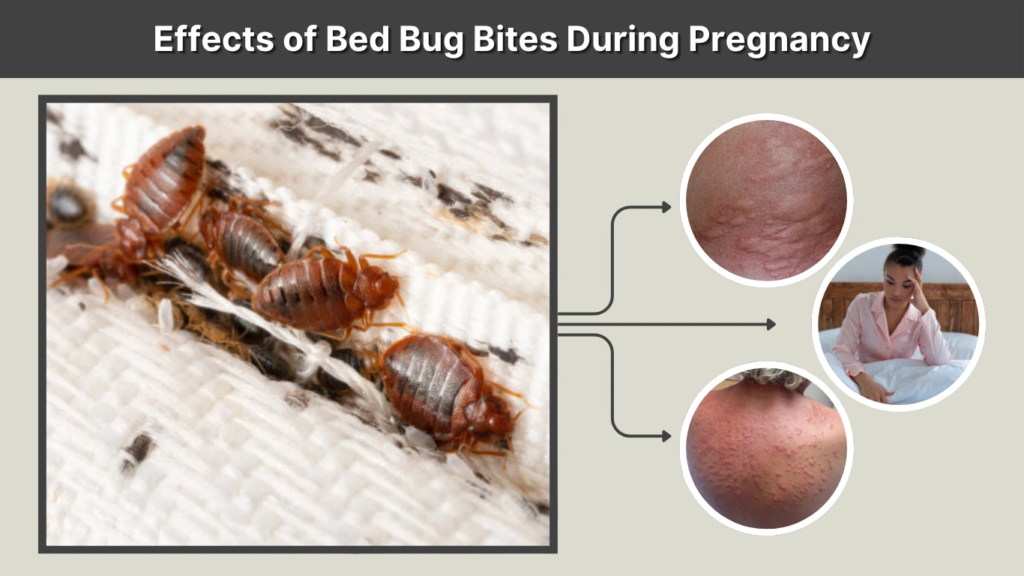
For pregnant women, bed bug bites can be especially stressful. While the insects do not transmit diseases, the physical discomfort and sleep disturbance they cause can indirectly affect maternal well-being. The primary effects include:
- Swelling or allergic reaction leading to discomfort.
- Sleep disruption and anxiety, which can raise stress levels.
- Skin irritation that becomes more intense due to hormonal sensitivity.
Although bed bug bites are not harmful to the unborn baby, untreated bites or infections from scratching can pose secondary health risks. It’s crucial for expectant mothers to consult a healthcare provider for safe topical treatments rather than self-medicating.
Effects of Bed Bug Bites on Babies and Children
Babies and young children are particularly vulnerable to bed bug bites because of their delicate skin and developing immune systems. The reactions are usually more severe and appear as clusters of red, swollen bumps. These bites can cause excessive itching, discomfort, and sleeplessness, leading to irritability and restlessness.
Scratching can quickly lead to skin infections such as impetigo. Parents should clean affected areas with mild antiseptic solutions and apply soothing creams like calamine lotion or aloe vera gel. For persistent or allergic reactions, consulting a pediatrician is essential to prevent scarring and ensure proper healing.
Bed Bug Bite Effects in People with Medical Conditions
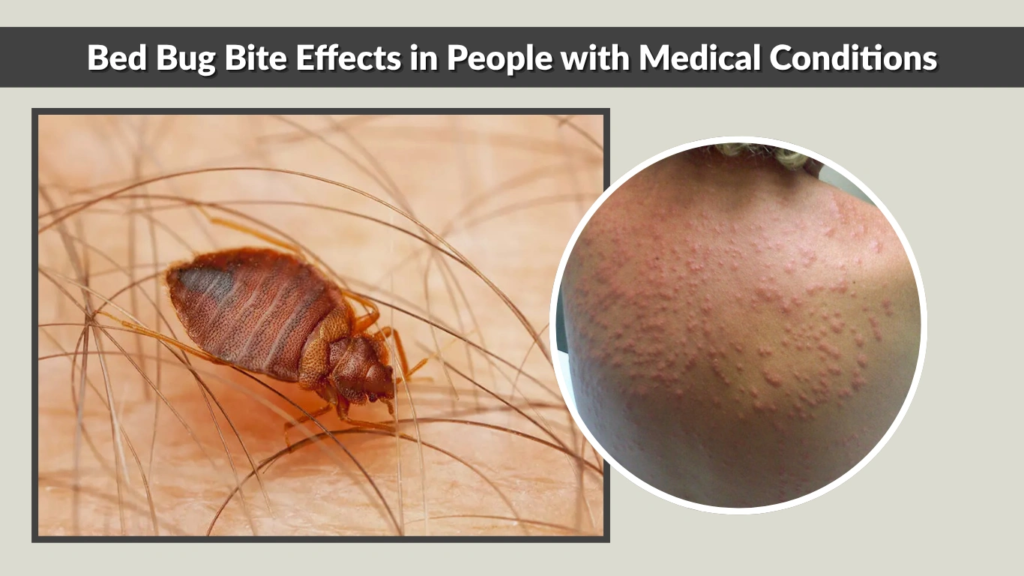
Individuals with underlying health conditions like diabetes or compromised immunity experience stronger and longer-lasting reactions. For example, in type 1 diabetics, poor circulation can slow the healing process, increasing the risk of infection. Similarly, those undergoing treatments that weaken the immune system—such as chemotherapy—may develop severe allergic dermatitis or prolonged inflammation.
People with skin disorders like eczema or psoriasis are also more prone to flare-ups after bites. Maintaining strict hygiene, avoiding scratching, and using prescribed steroid or antihistamine creams can help manage these complications effectively.
Long-Term Psychological and Physical Impact
A prolonged bed bug infestation affects both the mind and body. Over time, physical effects such as scarring, hyperpigmentation, and chronic itching may persist. The psychological consequences, however, can be even more significant. Many individuals develop anxiety disorders, insomnia, or depression after dealing with infestations for months.
In some cases, people continue to feel phantom sensations of crawling or biting even after the pests are gone. This condition, known as delusory parasitosis, occurs when stress and trauma cause the brain to interpret harmless stimuli as bug bites. Counseling or therapy may be necessary to overcome these lingering fears.
Most Effective Treatments for Bed Bug Bites

Treatment depends on the severity of symptoms and the individual’s health. For mild to moderate reactions, over-the-counter remedies work well, while severe cases may require medical attention.
Effective Treatment Methods
- Topical creams: Hydrocortisone, calamine lotion, or aloe vera soothe itching and swelling.
- Antihistamines: Oral or topical forms reduce allergic reactions and inflammation.
- Cold compress: Helps relieve burning and redness.
- Antiseptic washes: Prevent secondary infections from scratching.
- Medical consultation: Necessary for allergic individuals or when bites become infected.
Home Remedies
Natural solutions like tea tree oil, oatmeal paste, apple cider vinegar, or baking soda can help reduce irritation. However, they should be used cautiously to avoid further irritation, especially on sensitive skin or in children.
Preventing Future Bed Bug Bite Effects
Preventing future bites requires eliminating bed bugs completely and maintaining a clean sleeping environment. Key preventive measures include:
- Inspecting mattresses, bed frames, and furniture regularly.
- Washing and drying bedding in hot water (over 60°C / 140°F).
- Using mattress encasements to trap any remaining bugs.
- Sealing wall cracks and floor gaps where bed bugs hide.
- Avoiding second-hand furniture unless it’s properly sanitized.
- Hiring professional pest control services for thorough extermination.
Consistency is crucial because even a few surviving eggs can restart an infestation within weeks.
FAQs
What are the most common side effects of bed bug bites?
Common side effects include itching, redness, swelling, and small raised welts. In some cases, scratching can lead to infections or scarring. The reaction’s intensity depends on the individual’s sensitivity and how many bites they receive.
Can bed bug bites cause long-term health problems?
Yes, frequent or untreated bites can result in lasting skin discoloration, chronic itching, or allergic dermatitis. Long-term psychological issues like anxiety, stress, and insomnia may also develop due to prolonged infestations and poor sleep quality.
Do bed bug bites affect pregnant women or babies?
While bed bug bites do not harm the unborn baby, they can cause discomfort, stress, and sleep deprivation for the mother. Babies are more vulnerable to severe itching and allergic reactions, requiring gentle treatment and careful hygiene.
What psychological effects can bed bug bites cause?
Bed bug bites often lead to mental distress, anxiety, and sleep-related disorders. Many people report paranoia, phantom itching, and persistent fear of reinfestation even after the pests are removed. Professional therapy may help reduce these symptoms.
What are the most effective treatments for bed bug bites?
Topical corticosteroids, antihistamines, and antiseptic creams offer the best relief from itching and inflammation. Natural remedies like aloe vera or oatmeal paste can also soothe irritation. For infected bites or allergic reactions, medical care is essential.
