

When most people spot a wasp nest on their porch or garage, the first instinct is fear. Wasps have a bad reputation for painful stings, aggressive swarms, and uninvited appearances at outdoor meals. However, not all wasps are alike—especially when it comes to mud dauber wasps. Known for their distinctive mud nests and solitary nature, these wasps are often misunderstood.
So, are mud dauber wasps dangerous? In short—no, they are not. But let’s explore in detail why that’s the case and clear up some common myths.
Are Mud Dauber Wasps Dangerous to Humans?
Short Verdict
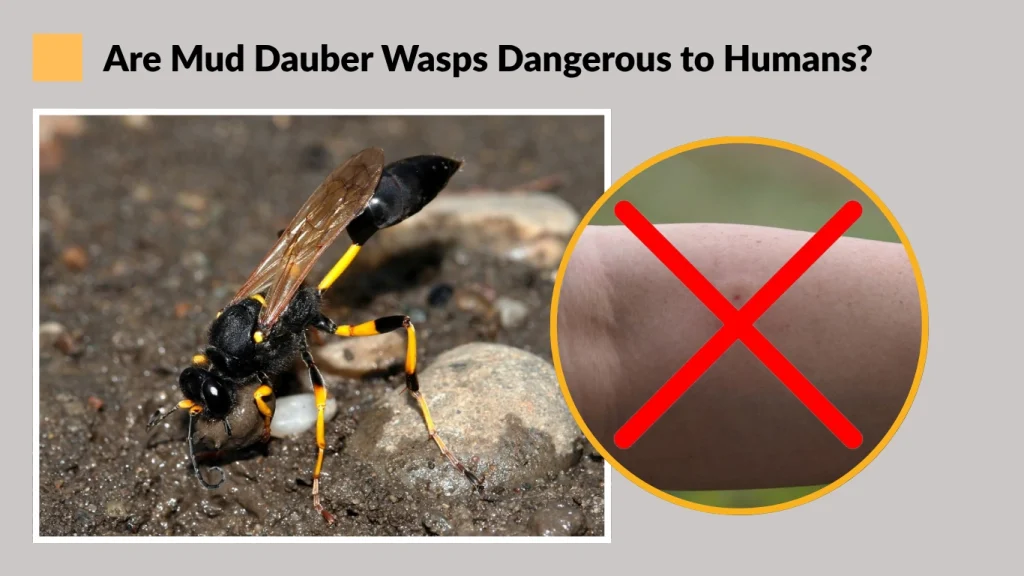
Mud dauber wasps are not dangerous to humans. They are solitary, non-aggressive, and generally uninterested in human activity. They rarely sting, and when they do, the sting is mild compared to other wasp species.
Why People Think They Are
The fear surrounding mud daubers often stems from confusion with more aggressive species like yellow jackets or hornets. Their long, slender bodies and buzzing behavior can be intimidating. Also, the tube-shaped mud nests they build on walls or under eaves can alarm homeowners who associate wasp nests with attacks. But unlike social wasps, mud daubers do not defend their nests or attack in swarms.
Understanding Mud Dauber Behavior
Are Mud Daubers Aggressive?
No. Mud daubers are not aggressive. They do not swarm, guard their nests, or pursue people. Since they live alone rather than in colonies, they have no hive to protect. A mud dauber’s main concern is building nests and hunting spiders to feed their young—not picking fights with humans.
Are Mud Daubers Friendly?
While they aren’t pets, mud daubers could be considered “friendly” by garden standards. They mind their own business and often help reduce spider populations, including venomous spiders like black widows. If left undisturbed, they can coexist peacefully around your home or yard.
Will Mud Daubers Sting You?
Mud daubers can sting, but it’s extremely rare. They only sting if directly handled or trapped, such as being accidentally squeezed in clothing. Even then, their sting is usually mild and not medically significant for most people.
Types of Mud Daubers and Sting Potential

Do Blue Mud Daubers Sting?
Yes, blue mud daubers—like other types—can sting. However, they are not aggressive and generally will not sting unless provoked. They are easily recognizable by their metallic blue bodies and are known for hunting black widow spiders.
Can Blue Mud Daubers Harm People?
The venom of a blue mud dauber is designed to paralyze spiders, not defend against threats. For humans, the sting is usually no worse than a bee sting, and most people do not experience any serious reactions.
Dirt Daubers vs Mud Daubers: Is There a Difference?
No real difference exists—“dirt dauber” is simply a regional name for mud dauber. Both refer to the same solitary wasps that build mud nests and feed their larvae with spiders.
Mud Dauber Venom and Its Effects
What Happens If You Get Stung?
In the rare case that you’re stung by a mud dauber, symptoms may include mild pain, redness, and slight swelling. The sting is not designed for defense and is less painful than that of a hornet or yellow jacket.
Are There Allergic Reactions to Mud Dauber Stings?
Serious allergic reactions are rare but possible in people with insect venom allergies. If you know you’re allergic to wasp or bee stings, it’s wise to exercise caution around all wasp species, even the docile mud dauber.
Comparison With Other Wasps
Mud Daubers vs Yellow Jackets
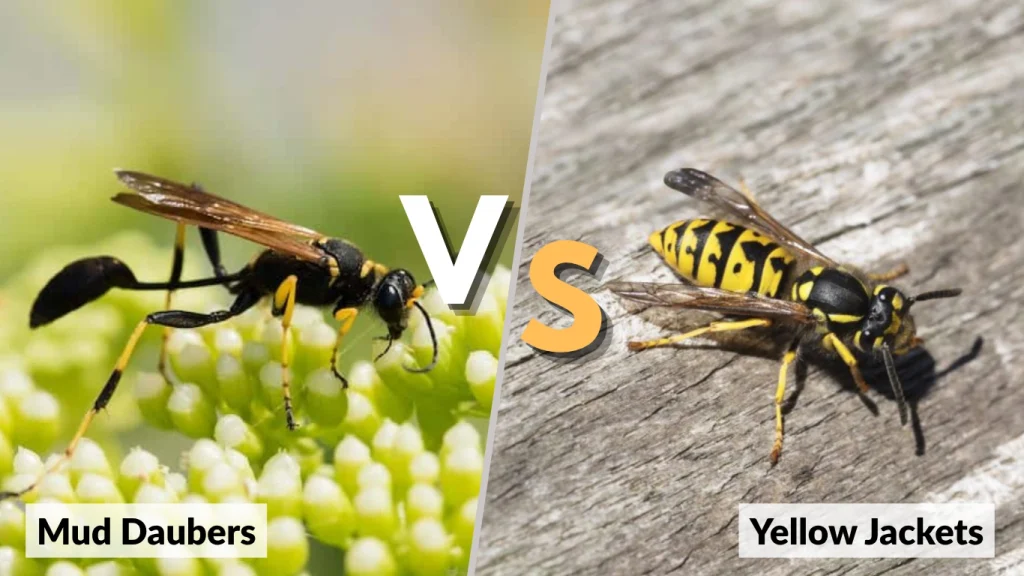
Unlike yellow jackets, which are aggressive and live in colonies, mud daubers are loners. They don’t protect their nests or sting without direct provocation. Yellow jackets may sting repeatedly and chase people away from their nests, while mud daubers typically fly away to avoid confrontation.
Do Mud Daubers Defend Their Nests?
No. Once a female mud dauber seals a mud cell with her egg and paralyzed spider prey, she’s done. She doesn’t guard the nest or defend it like social wasps. This makes them especially non-threatening to humans.
When to Be Cautious Around Mud Daubers
Situations to Avoid
While they are peaceful, mud daubers will defend themselves if trapped, squeezed, or swatted. Avoid:
- Handling live mud daubers
- Tearing down active nests with bare hands
- Accidentally stepping on them barefoot
Should You Remove Mud Dauber Nests?
If the nest is inactive (hardened mud with no wasp activity), it’s safe to remove. However, there’s rarely a need unless it’s in an inconvenient location. Remember, mud daubers do not reuse nests, and they help control spider populations.
Final Verdict: Should You Fear Mud Dauber Wasps?
Absolutely not. Mud dauber wasps are some of the most harmless wasps you’ll encounter. They are non-aggressive, rarely sting, and provide natural pest control around your home. Instead of reaching for the insecticide, consider letting them be—they might be quietly protecting your space from more harmful pests.
FAQs
Are mud daubers aggressive to people?
No, mud daubers are not aggressive to people. They are solitary wasps that do not defend their nests or engage in swarming behavior. Unless you directly provoke or trap one, it will not attempt to sting. In most cases, they fly away and avoid contact with humans altogether.
Can dirt daubers sting humans?
Yes, dirt daubers (another name for mud daubers) can sting, but it is extremely rare. Their sting is used mainly for paralyzing prey, not self-defense. A sting may occur only if the wasp feels trapped or physically threatened. Even then, the sting is mild and not considered medically dangerous.
Is the sting of a blue mud dauber painful?
The sting of a blue mud dauber is generally mild compared to other wasps. Most people report brief pain, minor swelling, and redness at the sting site. It doesn’t cause serious harm unless the person has an insect venom allergy. Blue mud daubers are calm and sting only when mishandled.
Do mud daubers chase or swarm like other wasps?
No, mud daubers do not chase or swarm. Unlike social wasps that guard their colonies aggressively, mud daubers live alone and have no group defense behavior. If disturbed, they typically retreat rather than fight. Their peaceful nature makes them one of the least threatening wasp species found near humans.
What should I do if a mud dauber builds a nest near my door?
If the nest is not bothering you or anyone in the household, it’s best to leave it alone. Mud daubers don’t reuse old nests, and the wasp will move on after completing her life cycle. If removal is needed, wait until it’s inactive and remove it carefully using a tool.
Can mud dauber stings cause allergic reactions?
While it’s uncommon, mud dauber stings can trigger allergic reactions in sensitive individuals. Symptoms may include swelling beyond the sting site, hives, difficulty breathing, or dizziness. If you know you’re allergic to insect stings, treat mud daubers with caution and seek medical help if stung and symptoms appear.
