
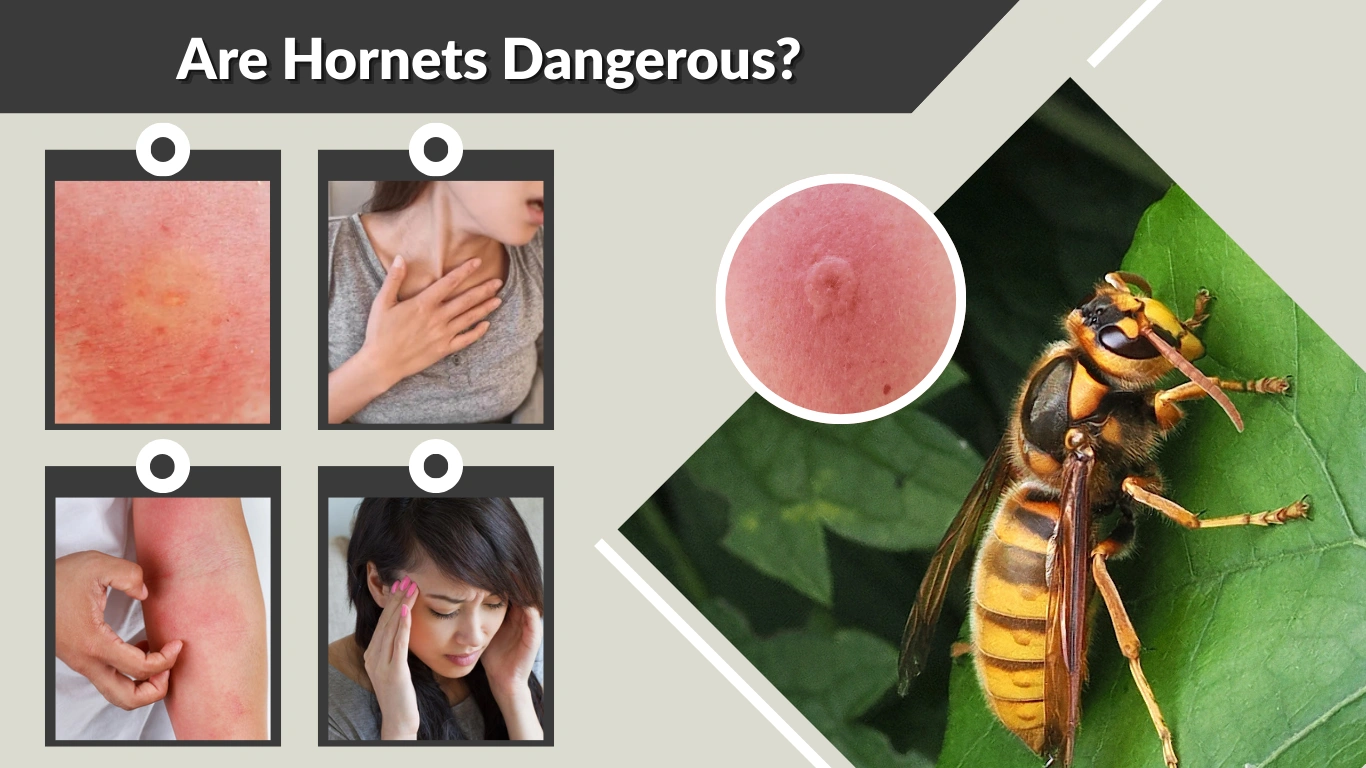
Hornets are some of the most feared stinging insects in the world. With their large bodies, aggressive behavior when threatened, and painful stings, it’s no wonder many people worry about how dangerous they really are. While hornets can indeed pose serious risks, not every species is equally aggressive or harmful. In this guide, we’ll cover everything you need to know about hornets—types that are dangerous, those that are not, what to do if stung, and safe ways to keep them away.
Understanding Hornets
Hornets belong to the genus Vespa, a group of large wasps that differ from bees and other wasps in both size and behavior. They are social insects that live in colonies, often building large paper-like nests in trees, attics, sheds, or underground spaces. Unlike bees, which usually die after stinging, hornets can sting multiple times, making encounters especially painful.
People often confuse hornets with yellowjackets and regular wasps. The key difference is size: hornets are larger and bulkier, with some species growing over two inches long. Their venom also tends to cause more severe pain and reactions compared to smaller wasps.
Are Hornets Dangerous to Humans?
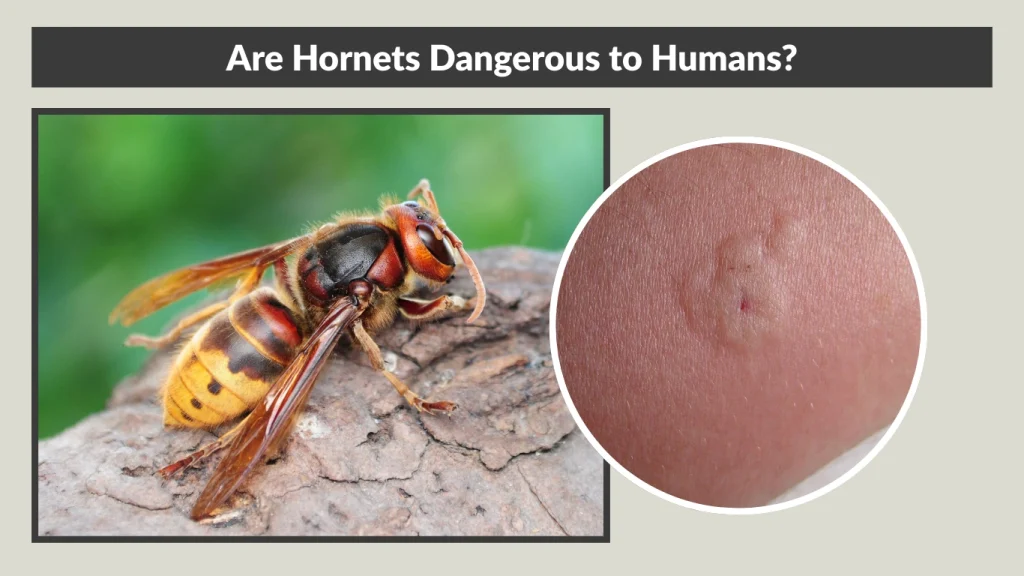
Hornets are not naturally aggressive toward humans unless provoked. They typically sting only when they feel threatened or if their nest is disturbed. However, their danger lies in two factors:
- Venom potency – Hornet venom contains a mix of chemicals that cause pain, swelling, and tissue damage.
- Multiple stings – Since hornets can sting repeatedly and often attack in groups when defending a nest, the risk of multiple stings is high.
For most healthy individuals, a sting is extremely painful but not life-threatening. The real danger occurs when a person is allergic to insect venom or when someone receives dozens of stings at once. In rare cases, hornet stings have caused fatalities.
Types of Hornets: Which Are Dangerous and Which Are Not

Not all hornets pose the same level of risk. Some species are notoriously aggressive, while others are far less likely to attack.
Highly Dangerous Hornets
- Asian Giant Hornet (Vespa mandarinia) – Also called the “murder hornet,” this is the world’s largest hornet, reaching up to 2 inches. Its venom is highly toxic, and multiple stings can be fatal.
- Japanese Giant Hornet – A subspecies of the Asian giant hornet, it has similar size and danger levels, especially notorious for group attacks.
- European Hornet (Vespa crabro) – The only true hornet in North America and Europe. While less deadly than the Asian giant hornet, it can deliver painful stings and become aggressive when its nest is threatened.
Less Dangerous or Mildly Aggressive Hornets
- Oriental Hornet (Vespa orientalis) – Found in the Middle East and Mediterranean. Its sting is painful but rarely life-threatening unless allergic reactions occur.
- Black-Tailed Hornet (Vespa ducalis) – Less aggressive than other hornets, usually attacks only when disturbed.
- Asian Hornet (Vespa velutina) – An invasive species in Europe. It poses ecological threats to honeybees but is moderately aggressive toward humans.
Rarely Aggressive Species
- Yellow Hornet (Vespa simillima) – Typically avoids humans, attacks only if directly provoked.
- Banded Hornet (Vespa analis) – Known to defend its nest but otherwise not dangerous in open environments.
Understanding which hornets live in your region helps you determine the real level of risk.
How Dangerous Are Hornet Stings?
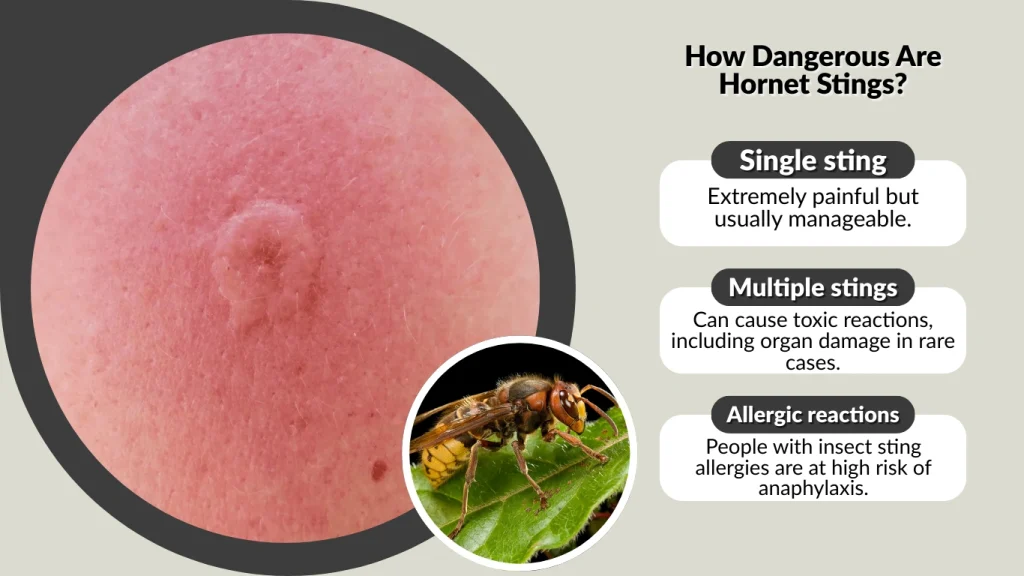
Hornet stings are considered more painful and medically serious than bee stings. The venom contains acetylcholine, histamine, and enzymes that break down cell tissues, causing burning pain and swelling.
- Single sting – Extremely painful but usually manageable.
- Multiple stings – Can cause toxic reactions, including organ damage in rare cases.
- Allergic reactions – People with insect sting allergies are at high risk of anaphylaxis, a potentially life-threatening condition.
In countries like Japan, dozens of deaths occur each year from hornet stings, mostly due to severe allergic reactions or mass stings from giant hornets.
Symptoms of a Hornet Sting
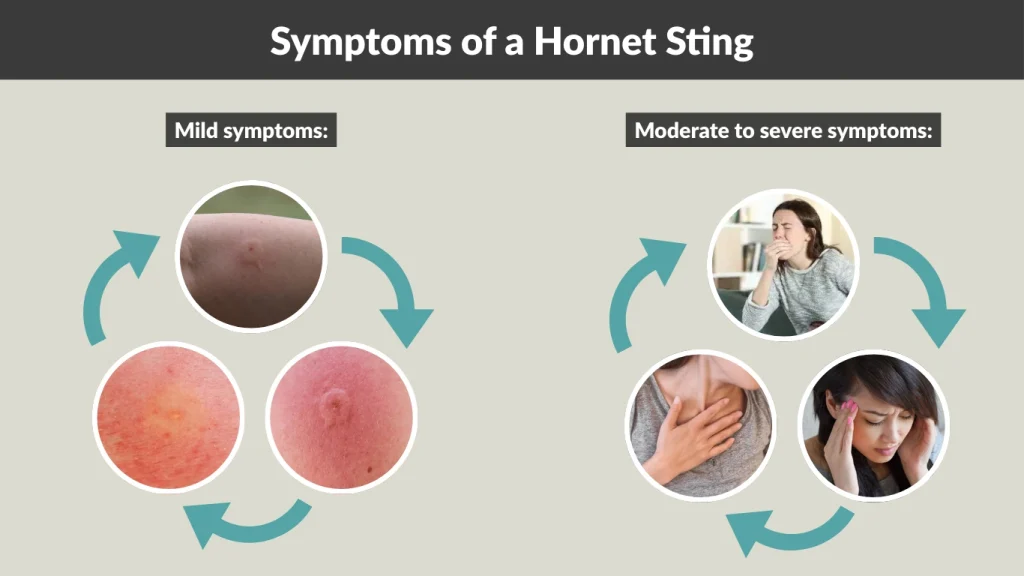
Recognizing the symptoms of a hornet sting is important to know whether it’s a normal reaction or an emergency.
- Mild symptoms:
- Sharp, burning pain at the sting site
- Swelling and redness
- Itching or heat around the area
- Sharp, burning pain at the sting site
- Moderate to severe symptoms:
- Nausea and dizziness
- Headaches or fatigue
- Difficulty breathing or swallowing
- Swelling of the face, lips, or throat
- Nausea and dizziness
If mild symptoms last only a few hours, they’re usually not dangerous. But severe symptoms or allergic reactions require immediate medical attention.
What to Do Immediately After a Hornet Sting
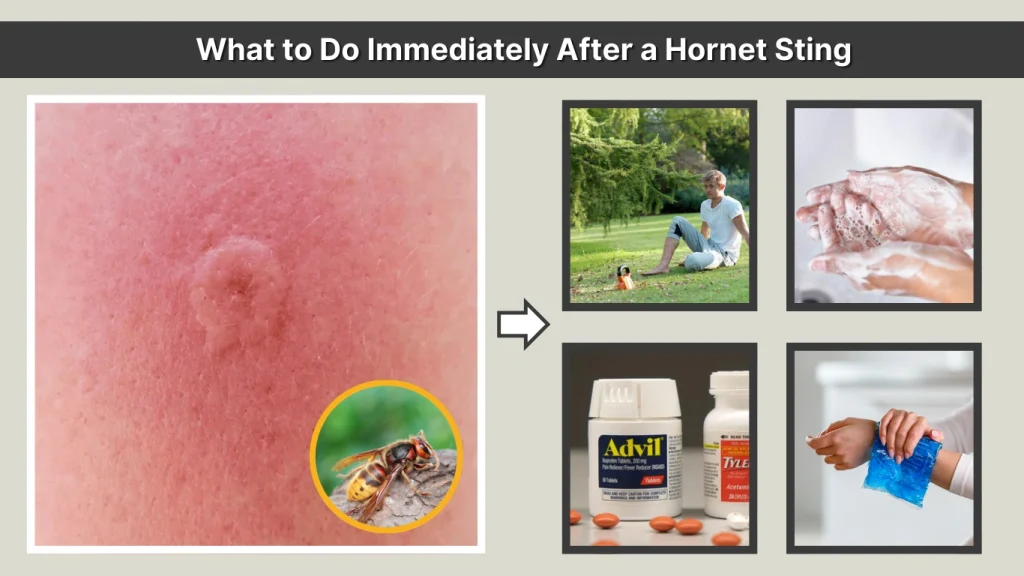
If you’re stung by a hornet, quick action can reduce pain and prevent complications.
- Get away from the nest – Hornets release alarm pheromones that alert others to attack. Moving to safety is the first priority.
- Wash the area – Clean with soap and water to prevent infection.
- Apply a cold compress – Ice or a cool cloth reduces pain and swelling.
- Use medication – Over-the-counter pain relievers and antihistamines can ease discomfort.
- Monitor symptoms – If swelling spreads or breathing becomes difficult, seek emergency care immediately.
First Aid for Severe Reactions
While most hornet stings cause only short-term pain, some situations require immediate emergency action. The most serious risk is anaphylaxis, a severe allergic reaction that can become fatal within minutes.
Signs of anaphylaxis include:
- Swelling of the lips, tongue, or throat
- Difficulty breathing or wheezing
- Rapid heartbeat
- Drop in blood pressure leading to dizziness or fainting
- Nausea, vomiting, or abdominal cramps
What to do immediately:
- If the person has an epinephrine auto-injector (EpiPen), use it right away.
- Call emergency services without delay.
- Keep the victim lying down with legs slightly elevated unless it causes breathing difficulty.
- Do not give food or drink until medical help arrives.
Quick treatment often saves lives in severe sting cases.
Why Hornets Attack
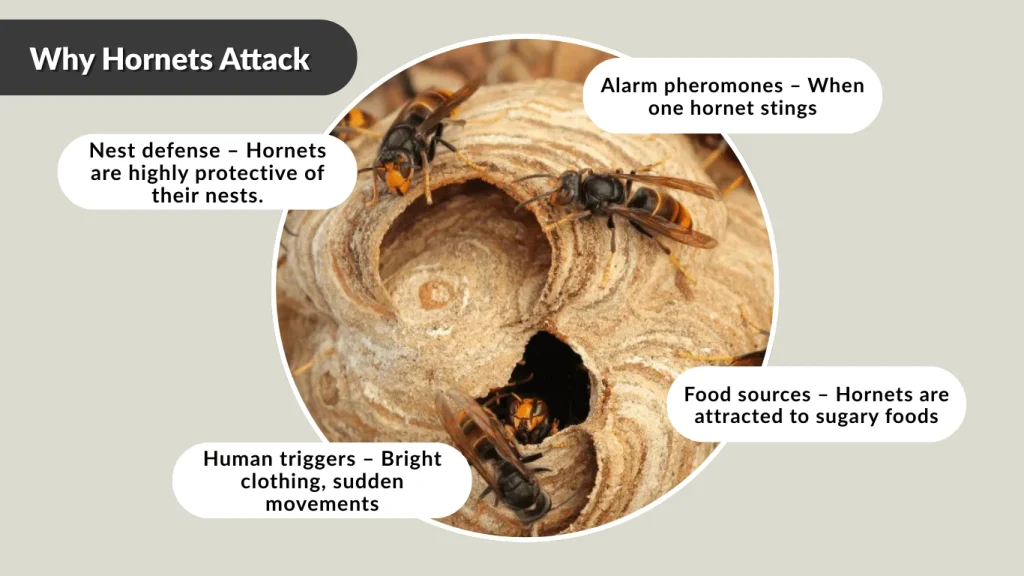
Hornets do not sting humans for sport—they sting to protect themselves or their colony. Understanding why they attack helps you avoid provoking them.
- Nest defense – Hornets are highly protective of their nests. Coming too close or disturbing their habitat often triggers an attack.
- Alarm pheromones – When one hornet stings, it releases chemicals that signal other hornets to join the defense.
- Food sources – Hornets are attracted to sugary foods, open garbage, and outdoor picnics.
- Human triggers – Bright clothing, sudden movements, and strong perfumes may draw their attention.
How to Prevent Hornet Encounters
Prevention is the safest way to avoid painful stings. Simple habits make a big difference.
- Keep food and drinks covered outdoors.
- Avoid wearing bright colors or floral patterns in hornet-prone areas.
- Refrain from swatting—sudden movements can make them more aggressive.
- Remove fallen fruit or sweet liquids from yards that may attract hornets.
- Wear long sleeves and pants if working near trees, sheds, or other possible nesting spots.
How to Get Rid of Hornets Safely

Sometimes prevention isn’t enough, and hornets establish a nest close to human living areas. Here’s how to handle it safely:
DIY Methods (for small infestations)
- Remove early nests – In spring, nests are small and contain only a few hornets. Knocking them down at night (with proper protective clothing) is safer than waiting.
- Hornet traps – Commercial or homemade traps using sweet bait can reduce hornet numbers.
- Nighttime removal – Hornets are less active at night. If attempting removal, always use thick clothing and stay at a safe distance.
Professional Pest Control
Large nests or aggressive species require professional help. Pest control experts have the right equipment and treatments to remove colonies without unnecessary risk. Professional intervention is especially important with invasive or highly dangerous hornet species like the Asian giant hornet.
Hornets’ Role in Nature
Despite their danger, hornets also play an important role in ecosystems.
- Natural pest control – Hornets hunt flies, caterpillars, and other insects, reducing pest populations.
- Pollination – While not as efficient as bees, hornets do transfer pollen while feeding on nectar.
- Ecological balance – They help maintain insect population control, preventing overgrowth of harmful species.
Respecting hornets from a distance acknowledges their ecological role while keeping humans safe.
Are Hornets Dangerous to Pets?
Pets, especially curious dogs and cats, may try to chase or bite hornets, which can lead to painful stings.
- Dogs – Stings around the face, mouth, or throat may cause swelling that blocks airways.
- Cats – Usually more cautious, but if stung, they can suffer from swelling and pain like humans.
What to do:
- Remove the pet from the area immediately.
- Apply a cold compress to the sting site.
- Watch for signs of allergic reactions (excessive drooling, difficulty breathing, vomiting).
- Seek veterinary care if symptoms worsen.
When to Worry and When Not To
Not every hornet sighting is cause for alarm.
- Low risk: A hornet flying through your yard or garden without a nest nearby.
- Moderate risk: A small nest forming on a porch or shed—best to remove early.
- High risk: A large nest close to human activity areas, especially if pets or children are around.
FAQs
What makes hornets more dangerous than bees or wasps?
Hornets are larger, inject more venom per sting, and can sting multiple times without dying. Their defensive swarming behavior also increases the risk of multiple stings at once.
Can hornets sting multiple times?
Yes. Unlike bees, hornets have smooth stingers, allowing them to sting repeatedly. This makes encounters especially painful and dangerous if many hornets attack together.
How many hornet stings are fatal?
For non-allergic individuals, it usually takes dozens of stings to cause fatal reactions. However, even one sting can be life-threatening for people with allergies.
Do hornets die after stinging?
No. Hornets, like most wasps, retain their stinger after attacking, allowing them to sting several times in succession.
What is the best way to keep hornets away from my home?
Keep food sealed outdoors, cover garbage bins, clean up fallen fruit, and inspect for small nests early in the season. Professional pest control is recommended for large or aggressive colonies.
