
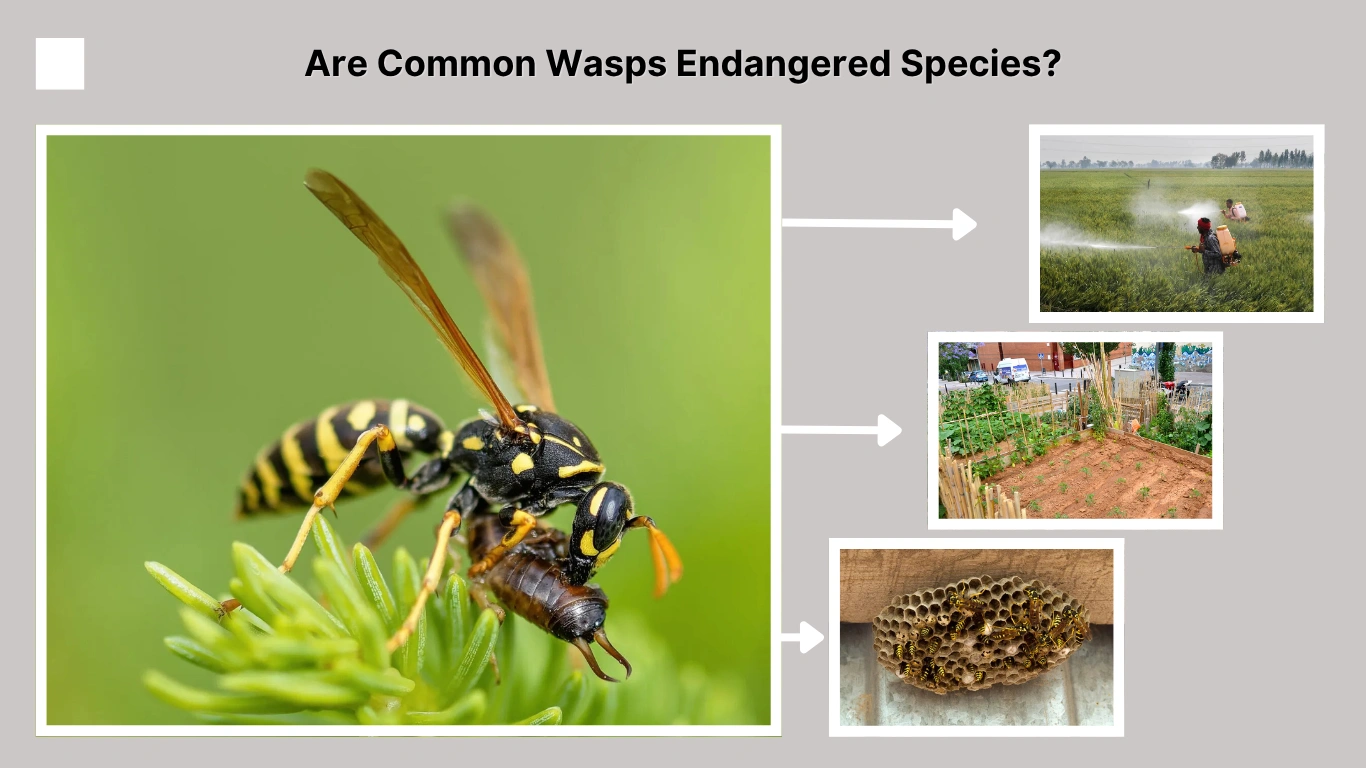
Common wasps are often feared, swatted at, or sprayed with insecticide. Yet, they are among the most misunderstood insects in the natural world. With increasing concern about the global decline of pollinators, people are asking an important question: Are common wasps endangered species? The answer isn’t straightforward. While many species are thriving, others face challenges due to habitat loss, climate shifts, and public perception. In this article, we’ll explore the conservation status of common wasps, population trends, threats, and why they matter more than most people think.
What Are Common Wasps?
Common wasps are social insects belonging to the family Vespidae, often found buzzing around garbage bins, gardens, and picnics. They are recognizable by their striking yellow and black coloring and aggressive defense of their nests. The most frequently encountered species are:
Identification of Common Wasps
- Yellow and black striped abdomen
- Narrow waist connecting thorax and abdomen
- Two pairs of transparent wings
- Lance-like stinger capable of multiple stings
Species Commonly Referred to as “Common Wasps”
- Vespula vulgaris (European wasp)
- Vespula germanica (German wasp)
- Dolichovespula maculata (Bald-faced hornet – technically a wasp)
These wasps build papery nests, often in wall cavities, tree branches, sheds, or underground burrows.
Global Population Trends of Wasps
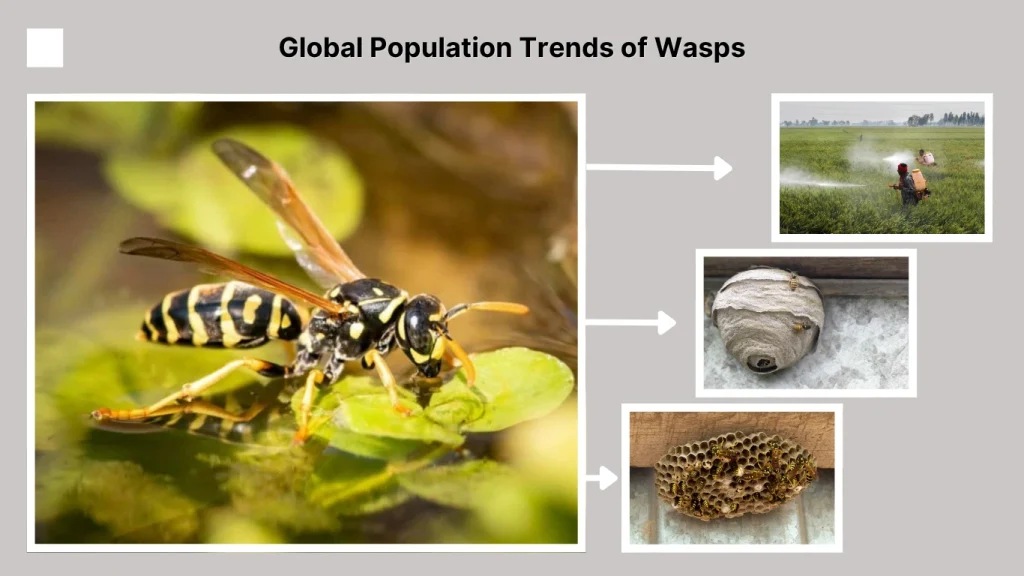
Wasp populations vary widely by region. In many areas, common wasps remain abundant. However, in some places, especially in agricultural zones or urban centers, population changes have been noted.
Are Populations Declining?
There is no widespread global decline in common wasp numbers. However, some localized surveys have reported reduced sightings. This has been linked to:
- Overuse of pesticides
- Loss of nesting sites
- Extreme weather disrupting colony cycles
Areas Where They Are Increasing
Interestingly, in suburban environments with ample garbage and shelter, some common wasp species are flourishing. Warmer climates and human activities often create perfect nesting conditions.
Are Common Wasps Listed as Endangered?

This is the crux of the article. Are these insects officially endangered?
IUCN Red List Status
According to the IUCN Red List, the most well-known species of common wasps (Vespula vulgaris and Vespula germanica) are not endangered. They fall under the category Least Concern, meaning there is no immediate risk to their survival globally.
Local or Regional Threats
Although not globally endangered, in some parts of Europe and North America, conservationists are monitoring local insect diversity and noting changes. Wasps are often excluded from pollinator protection efforts, but regional ecosystem disruptions could affect their numbers over time.
What Threatens Wasp Populations?
While not officially endangered, wasps are not immune to environmental pressures.
Habitat Loss
Urban sprawl and agricultural expansion destroy natural nesting habitats like hollow trees or underground spaces. Landscaping, constant mowing, and clearing of brush can reduce nesting opportunities.
Climate Change
Rising temperatures can confuse wasp life cycles. Colonies may emerge too early or fail to establish at all in disrupted climates. Sudden freezes or heatwaves can destroy developing nests.
Public Misconceptions and Human Actions
Most people kill wasps on sight due to fear of stings. Exterminators often destroy nests without considering the ecological impact. Fear-driven actions, combined with mass use of insecticides, take a toll on populations.
Importance of Wasps in Ecosystems
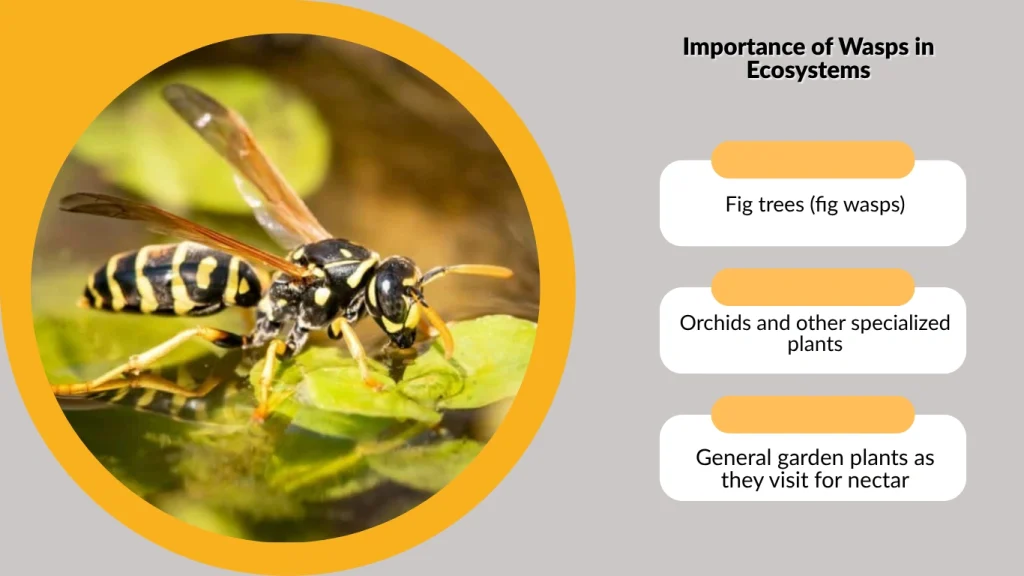
Whether you like them or not, wasps are essential to ecological balance.
Pollination Role
Wasps are less efficient than bees in pollination due to their smooth bodies, but they still play a role, especially in:
- Fig trees (fig wasps)
- Orchids and other specialized plants
- General garden plants as they visit for nectar
Natural Pest Control
Wasps are voracious predators of pests like:
- Caterpillars
- Aphids
- Flies
- Spiders
In agriculture, they act as natural biocontrol agents, reducing the need for harmful pesticides.
Should We Be Concerned About Common Wasp Decline?
Just because they aren’t endangered doesn’t mean we can ignore potential declines.
Potential Domino Effects on Biodiversity
Wasps regulate insect populations. A decrease in wasp numbers could lead to explosions of pests, affecting crops and gardens. Their removal from ecosystems could disrupt natural predator-prey dynamics.
Importance of Monitoring Populations
Even though they’re considered pests, wasps aren’t being monitored as closely as bees. Conservationists argue that we need more data, especially for solitary and lesser-known wasp species that may be at risk.
What You Can Do to Support Wasp Conservation
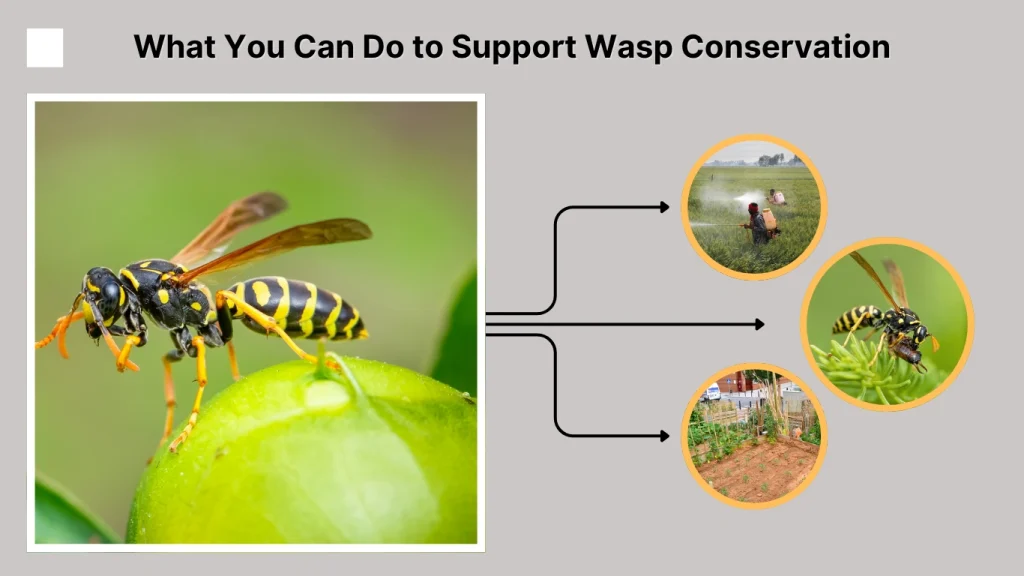
Instead of immediately reaching for insect spray, consider more sustainable actions.
Avoid Harmful Chemicals
- Use organic pest control methods
- Allow natural predators like wasps to do their job
- Reduce chemical treatments around gardens and compost areas
Educate Others
Fear often comes from misunderstanding. By learning and sharing facts about wasps, you can:
- Help others avoid unnecessary extermination
- Encourage schools and communities to value insect diversity
- Promote pollinator-friendly gardening
Common Misconceptions About Wasps Being Pests Only
Not all wasps are aggressive or dangerous.
Not All Wasps Sting Unprovoked
Wasps sting when threatened or defending their nests. Avoid sudden movements and stay calm around them. They’re more interested in scavenging food than attacking humans.
Not All Wasps Are Pests
Some wasp species are solitary, shy, and rarely interact with people. Many provide garden services like pollination and pest control. They don’t deserve their bad reputation.
FAQs
Are common wasps endangered?
No, common wasps like Vespula vulgaris are not endangered. They are listed as “Least Concern” by the IUCN and are still found in many regions worldwide.
Why are wasps not protected like bees?
Bees receive more protection due to their major role in pollination and agriculture. Wasps, though helpful, are less appreciated and often seen as pests, despite their ecological value.
Do wasps have any ecological importance?
Yes. Wasps help control pest populations and assist in pollination. Their presence indicates a healthy ecosystem, and they play an important role in natural food chains.
Can I remove a wasp nest legally?
Yes, but local laws may apply in conservation zones. It’s always better to contact pest control professionals or conservation authorities, especially if the nest is large or in a sensitive area.
What’s the difference between population decline and endangerment?
A population decline means a species is decreasing in numbers. Endangerment is an official status given when a species is at risk of extinction. Wasps may face local declines but are not endangered globally.
Conclusion
Common wasps are not endangered, but that doesn’t mean they’re invincible. They face a growing list of challenges — from habitat loss to public fear. Instead of viewing them as pests, we should recognize their vital role in maintaining ecological balance. With better awareness and sustainable practices, we can ensure that wasps, like bees, continue to thrive in our shared environment.
