

Bed bugs and their close relatives in the Cimicidae family include more than just the common household species. This collection of 20 types covers human-biting bed bugs, bat bugs, bird bugs, and rare regional species. Each one has unique features, habitats, and behaviors. This guide breaks them down individually to help with proper identification, understanding where they live, and how they interact with humans and animals.
1. Common Bed Bug
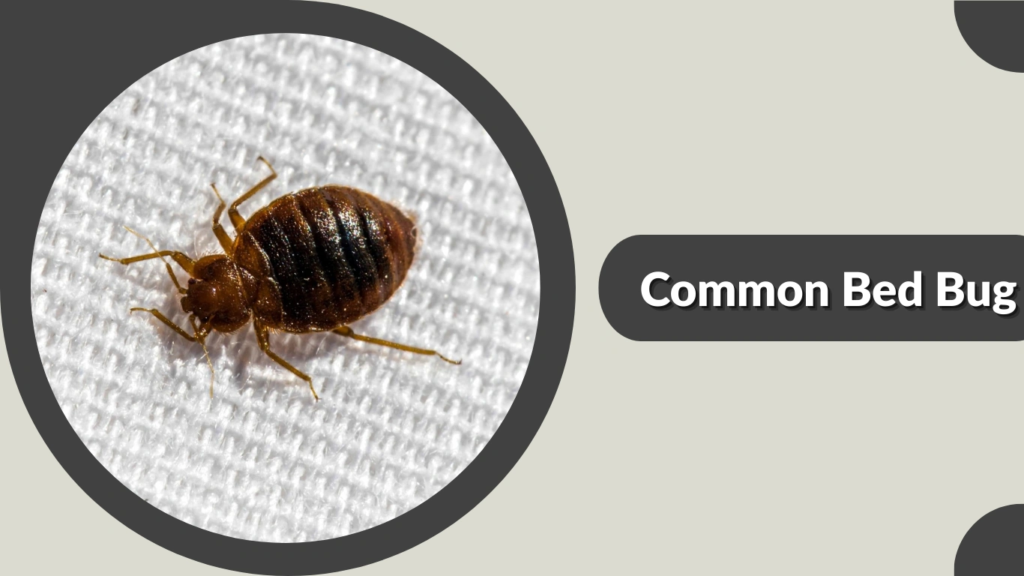
The common bed bug (Cimex lectularius) is the most widespread species affecting homes worldwide. Known for its flattened, reddish-brown body and nocturnal feeding habits, it thrives in human environments and can reproduce quickly, making infestations difficult to control.
Identification
- Reddish-brown, oval, and flat body
- Size 4–7 mm long
- Six legs and short, segmented antennae
- Wingless with visible horizontal body ridges
- Apple-seed shape when unfed, balloon-like when fed
Habitat
Common bed bugs prefer warm environments close to sleeping areas. They often hide in mattress seams, bed frames, cracks, upholstered furniture, and even electrical outlets during the day.
Behavior
They are nocturnal insects that emerge at night to feed on human blood. Bed bugs are attracted to carbon dioxide and warmth. They do not jump or fly but move quickly across surfaces.
Bite & Effects
Bites usually appear as small, red, itchy welts in clusters or lines. While bed bugs do not transmit diseases, their bites can cause allergic reactions, discomfort, anxiety, and sleep disturbances.
2. Tropical Bed Bug
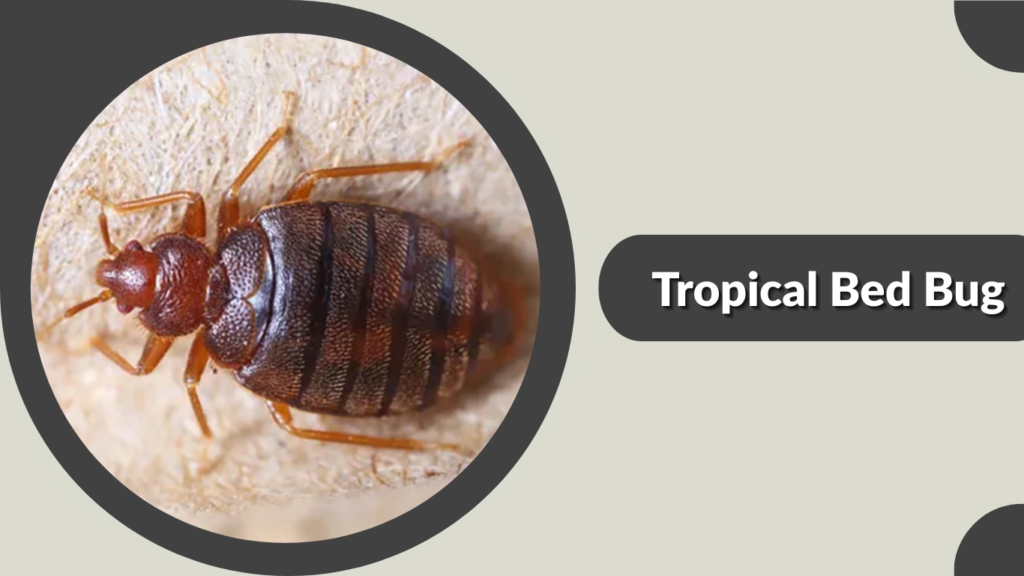
The tropical bed bug (Cimex hemipterus) is a close relative of the common bed bug but thrives in warm, humid climates. It is increasingly spreading worldwide due to global travel and its ability to infest homes, hotels, and crowded living spaces.
Identification
- Reddish-brown, slightly narrower body than common bed bug
- Size 4–6 mm long
- Pronotum more elongated and less rounded
- Wingless with short antennae
- Similar apple-seed shape when unfed
Habitat
This species prefers tropical and subtropical regions. It hides in bedding, furniture joints, wall cracks, and travel luggage, often thriving in high-humidity indoor environments.
Behavior
Tropical bed bugs are nocturnal and feed on human blood. They reproduce rapidly in warm climates and often cause faster-spreading infestations compared to common bed bugs.
Bite & Effects
Bites appear as itchy red welts, often clustered. Reactions vary but may include swelling, irritation, or allergic responses. Persistent infestations can lead to insomnia and anxiety.
3. European Bat Bug
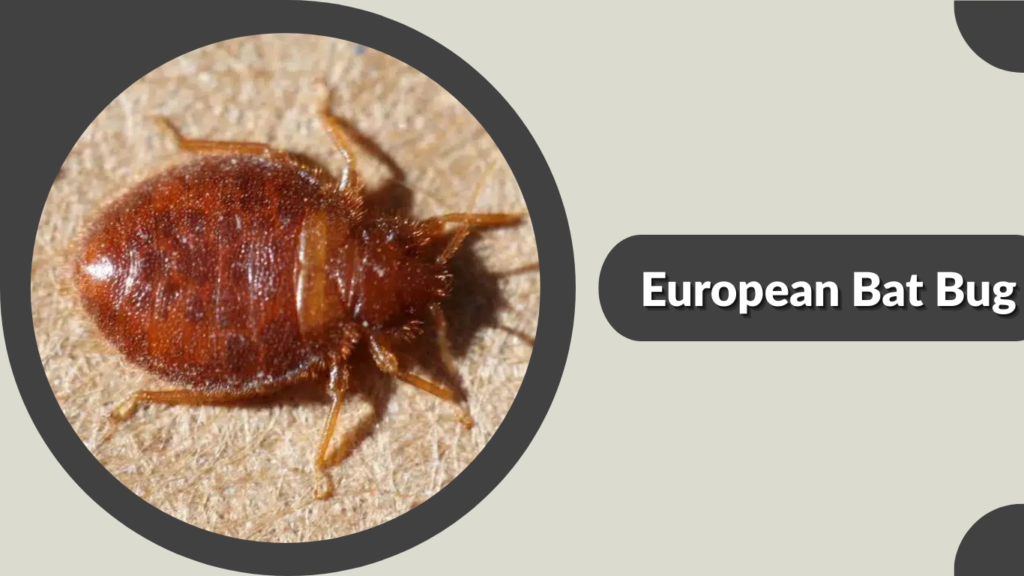
The European bat bug (Cimex pipistrelli) is a parasitic species primarily associated with bats. It occasionally enters human living spaces, especially when bat colonies roost in attics, chimneys, or wall voids.
Identification
- Light to dark brown body
- Size 4–6 mm, similar to common bed bugs
- Longer body hairs compared to human-biting bed bugs
- Oval, flattened shape with wingless structure
- Slightly wider thorax relative to tropical and common bed bugs
Habitat
European bat bugs live near bat roosts such as attics, barns, old buildings, and roof cavities. When bats vacate, these bugs may wander into human areas in search of new hosts.
Behavior
They feed mainly on bats and only bite humans when deprived of their natural hosts. They move quickly and hide in cracks, crevices, insulation, and wooden structures around bat nests.
Bite & Effects
Human bites are uncommon but can produce red, itchy welts similar to other bed bugs. Infestations typically decline once bats are removed and entry points are sealed.
4. Eastern Bat Bug
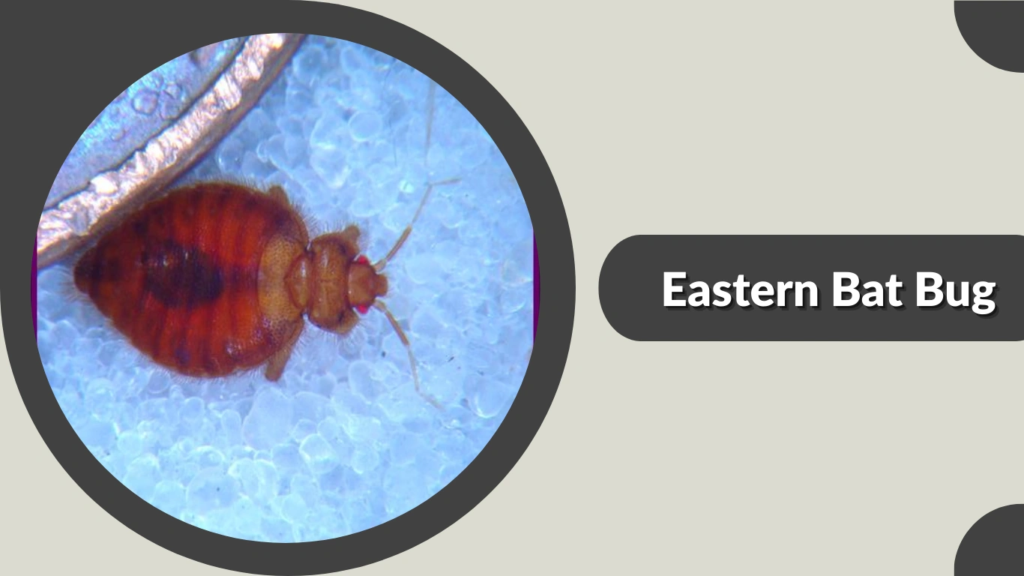
The eastern bat bug (Cimex adjunctus) is a bat-associated species commonly found in North America. It closely resembles human-biting bed bugs but is distinguished by its longer body hairs and preference for bat hosts.
Identification
- Brown to dark brown flattened body
- Size 4–6 mm long
- Longer fringe hairs than common bed bugs
- Oval, wingless form with segmented antennae
- Slightly broader pronotum compared to some Cimex species
Habitat
Eastern bat bugs inhabit areas close to bat roosts such as attics, wall voids, chimneys, abandoned buildings, and barns. They may enter homes when bats leave or when roosting sites are disturbed.
Behavior
This species feeds primarily on bats and only bites humans when their usual hosts are absent. They hide deeply in cracks and crevices, emerging at night to feed.
Bite & Effects
Bites on humans are rare but can cause red, itchy welts. These bugs generally do not establish long-term infestations unless bats continue to access the structure.
5. Western Bat Bug
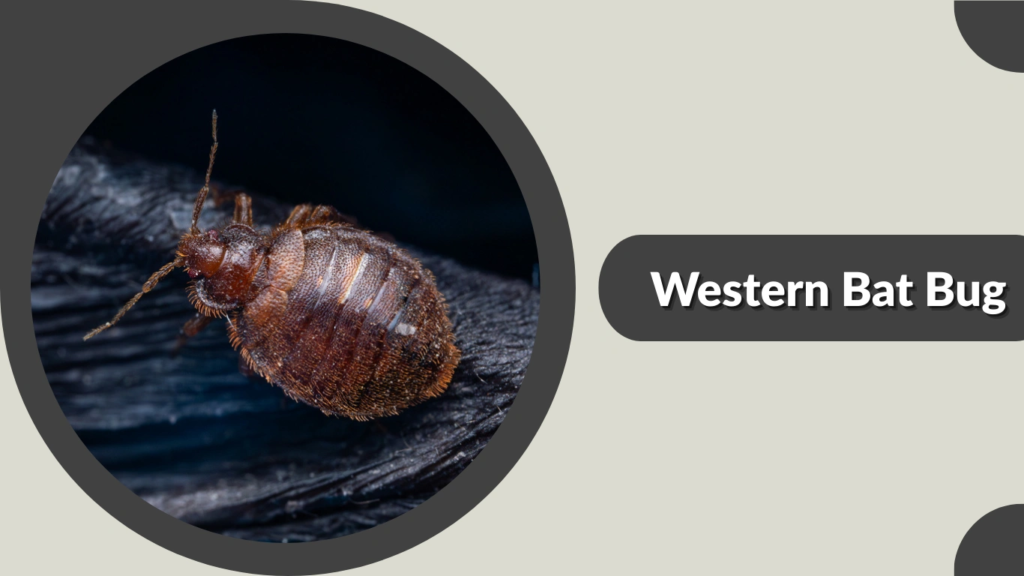
The western bat bug (Cimex pilosellus) is most common in western North America and is strongly associated with bat colonies. It resembles other bat bugs but can be identified by specific body hair patterns and regional distribution.
Identification
- Brown, oval, and flattened body
- Size 4–6 mm
- Distinctively long body hairs, longer than common bed bugs
- Wingless with short antennae
- Slightly narrower abdomen compared to eastern bat bug
Habitat
Western bat bugs live in or near bat roosts within attics, barns, old houses, wall voids, and tree hollows. They may wander indoors when bats are removed or displaced.
Behavior
They feed almost exclusively on bats and rarely target humans. Activity increases at night, and they hide in tight cracks around roosting sites during the day.
Bite & Effects
Human bites are uncommon but may result in red, itchy bumps similar to bed bug bites. Infestations usually subside once bats are excluded and entry points sealed.
6. Japanese Bat Bug
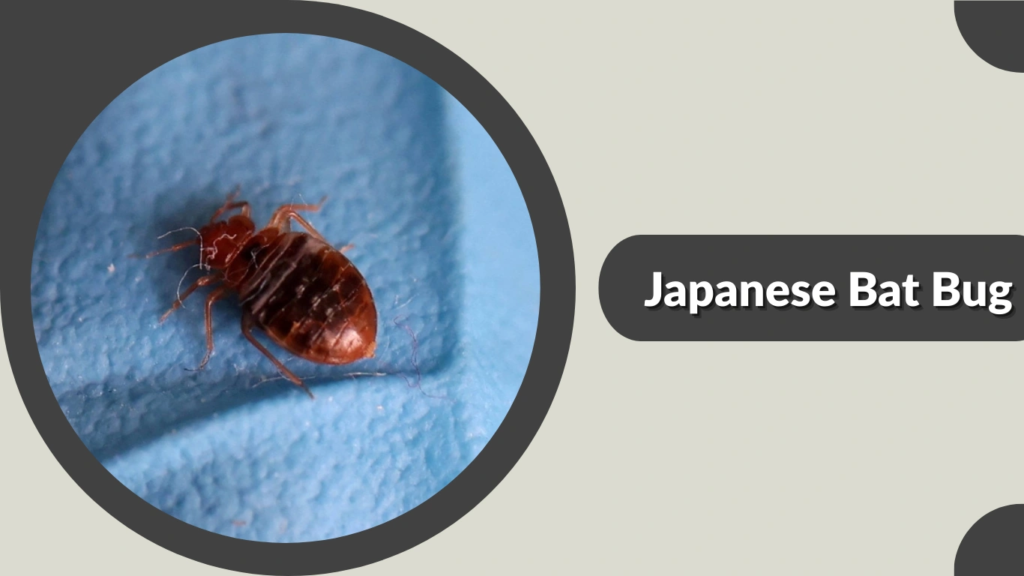
The Japanese bat bug (Cimex japonicus) is found mainly in East Asia and is closely linked to bat colonies. It resembles other members of the Cimicidae family but has subtle physical traits that set it apart.
Identification
- Brown to reddish-brown flattened body
- Size 4–6 mm
- Noticeably long body hairs compared to human-biting species
- Wingless with short antennae
- Slightly elongated pronotum shape
Habitat
This species inhabits bat roosting areas such as attics, caves, wall voids, and abandoned buildings. It may enter human structures when bats migrate or are displaced.
Behavior
The Japanese bat bug primarily feeds on bats and occasionally bites humans when deprived of their natural hosts. It is nocturnal and hides deeply in cracks during daylight hours.
Bite & Effects
Although rare, bites can cause red, itchy welts similar to other bed bug species. Removing bats and sealing access points typically resolves infestations.
7. Antenna Bed Bug
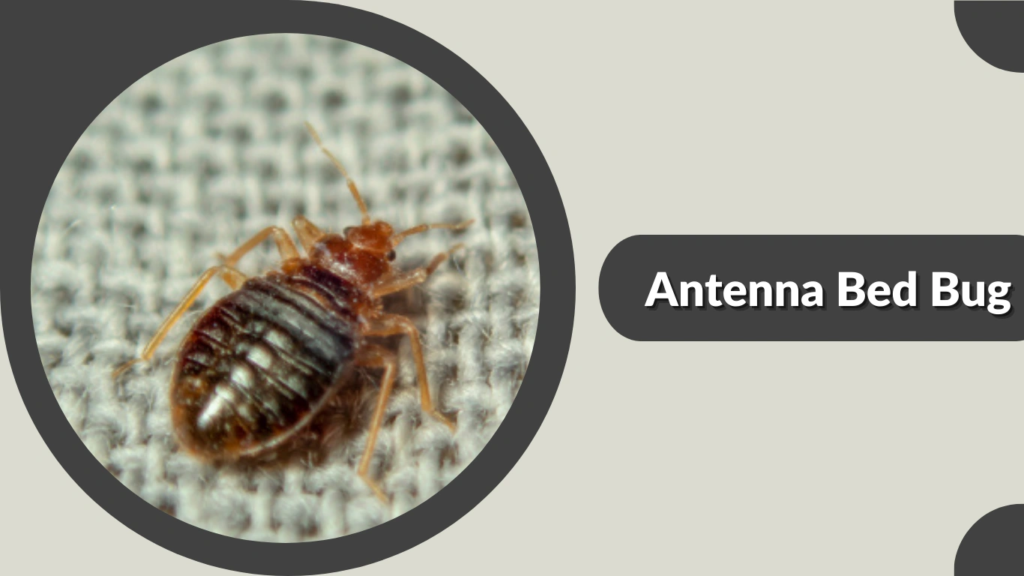
The antenna bed bug (Cimex antennatus) is a lesser-known Cimex species associated mainly with bats. It is rarely encountered by humans and is identified through its distinct antennal structure.
Identification
- Brown, oval, and flattened body
- Size 4–6 mm
- Notable elongated segments on the antennae
- Wingless with visible body ridges
- Longer body hairs than human-biting bed bugs
Habitat
This species resides in bat roosts including attics, roof spaces, caves, and abandoned buildings. It occasionally enters human dwellings attached to bat colonies.
Behavior
Antenna bed bugs feed primarily on bats. They emerge at night to feed and remain hidden in cracks and crevices during the day, following typical Cimicidae nocturnal patterns.
Bite & Effects
Human bites are extremely rare but may cause red, itchy welts. Infestations usually resolve once bats are removed and structural entry points are sealed.
8. Short Bed Bug
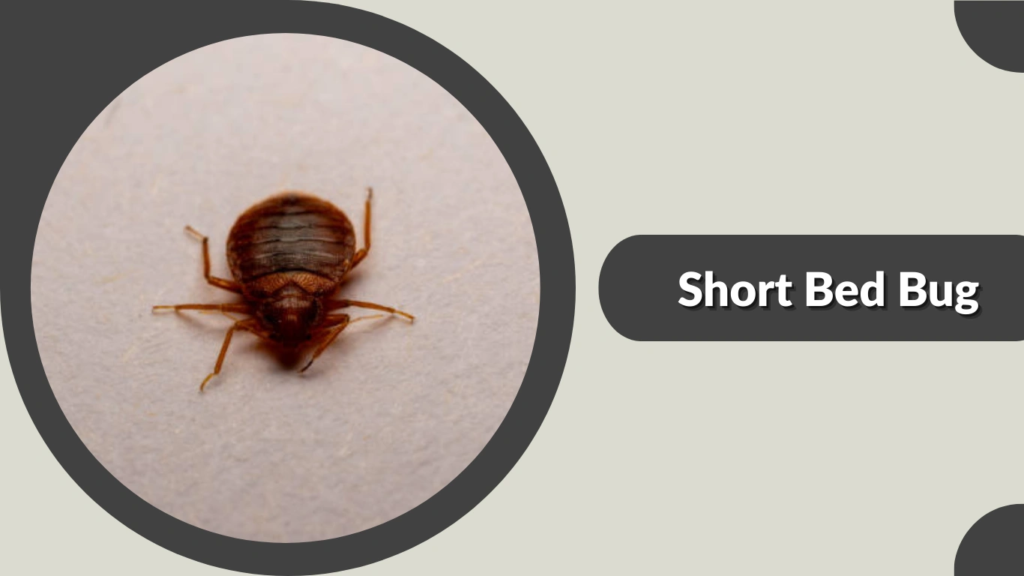
The short bed bug (Cimex brevis) is a rarely encountered species within the Cimicidae family. It is primarily associated with bats and is distinguished by its compact body shape.
Identification
- Brown, oval, and slightly shorter body than related species
- Size around 4–5 mm
- Wingless with short antennae
- Noticeably long body hairs compared to human-biting bed bugs
- Distinctively compact, rounded abdomen
Habitat
Short bed bugs live in bat roosting areas such as attics, caves, barns, and wall voids. They may enter human structures when bats are displaced or migrate.
Behavior
They feed almost exclusively on bats and follow a nocturnal feeding cycle. During the day, they hide in deep cracks near roosting sites, emerging only when host activity is minimal.
Bite & Effects
Human bites are rare but can cause red, itchy welts similar to other Cimex species. Eliminating bat access and sealing entry points typically ends infestations.
9. Pigeon Bug

The pigeon bug (Cimex columbarius) is a bird-associated species most commonly found near pigeon nests. Although it prefers avian hosts, it may invade human spaces when displaced from its natural environment.
Identification
- Brown, oval, and flattened body
- Size 4–6 mm
- Short antennae with segmented structure
- Wingless with fine body hairs
- Slightly more slender appearance than common bed bugs
Habitat
Pigeon bugs inhabit bird nesting areas such as rooftops, ledges, attics, barns, and window crevices. They may enter homes when nests are removed or abandoned.
Behavior
This species feeds primarily on pigeons and other birds. It may bite humans only when deprived of avian hosts. Pigeon bugs hide around nesting materials and in nearby cracks.
Bite & Effects
Bites can result in red, itchy welts but are less common than those from human-targeting bed bugs. Removing nests and sealing access points usually resolves infestations.
10. Thick Bed Bug
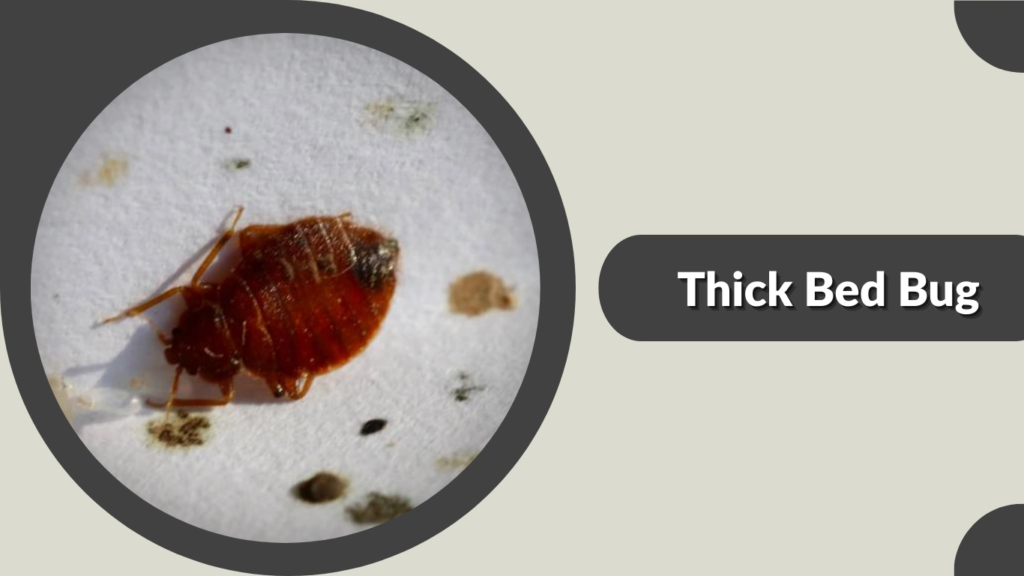
The thick bed bug (Cimex incrassatus) is an uncommon Cimex species known for its slightly broader and more robust body shape. It is typically associated with bat roosts rather than human dwellings.
Identification
- Brown, noticeably thicker and more rounded body
- Size 4–6 mm
- Wingless with short, segmented antennae
- Longer body hairs than human-biting bed bugs
- Pronotum slightly wider and more curved
Habitat
Thick bed bugs live in bat roosting sites such as attics, wall voids, abandoned buildings, and caves. They prefer warm, sheltered areas where bats congregate.
Behavior
They feed mainly on bats, emerging at night to feed and hiding during the day in deep cracks and crevices. They rarely migrate into human spaces unless bats shift or leave the roost.
Bite & Effects
Bites on humans are uncommon but may produce red, itchy bumps. Infestations usually disappear once bats are removed and entry points are properly sealed.
11. Broad Bed Bug
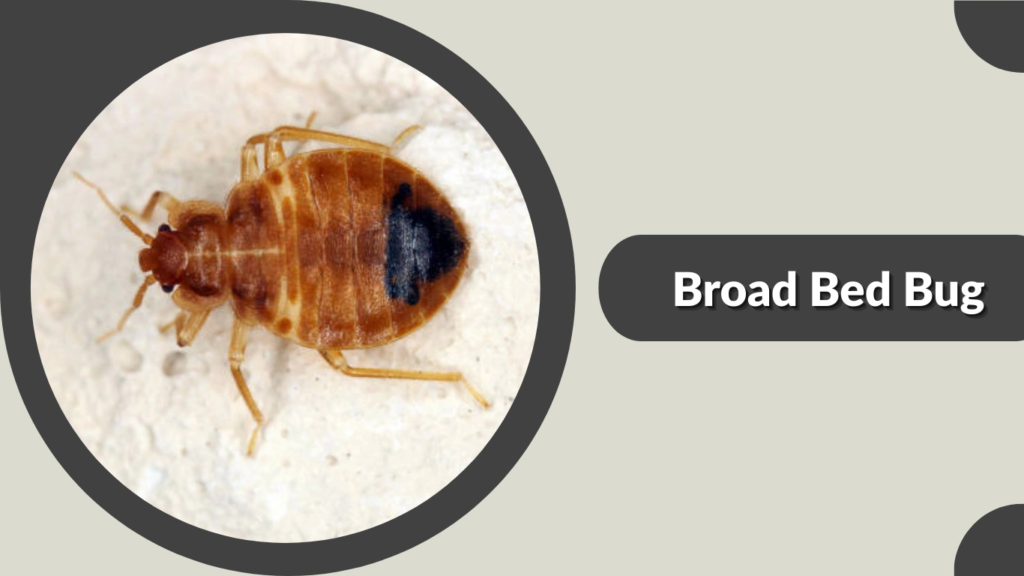
The broad bed bug (Cimex latipennis) is a lesser-known species within the Cimex genus, characterized by its wider, flattened body. It is strongly associated with bat habitats and is rarely found in direct contact with humans.
Identification
- Brown, wide, and flattened body
- Size 4–6 mm
- Wingless with short antennae
- Longer body hairs than human-biting species
- Pronotum broader than many related Cimex species
Habitat
Broad bed bugs inhabit bat roosting locations such as attics, caves, barns, and roof voids. They enter human structures only when bats migrate, leave, or are disturbed.
Behavior
They feed primarily on bats and follow nocturnal feeding habits. These insects hide in narrow cracks close to bat roosts during the day and emerge at night to feed.
Bite & Effects
Human bites are rare but can cause red, swollen, and itchy welts. Removing bats and sealing openings usually eliminates the infestation quickly.
12. Notched Bed Bug
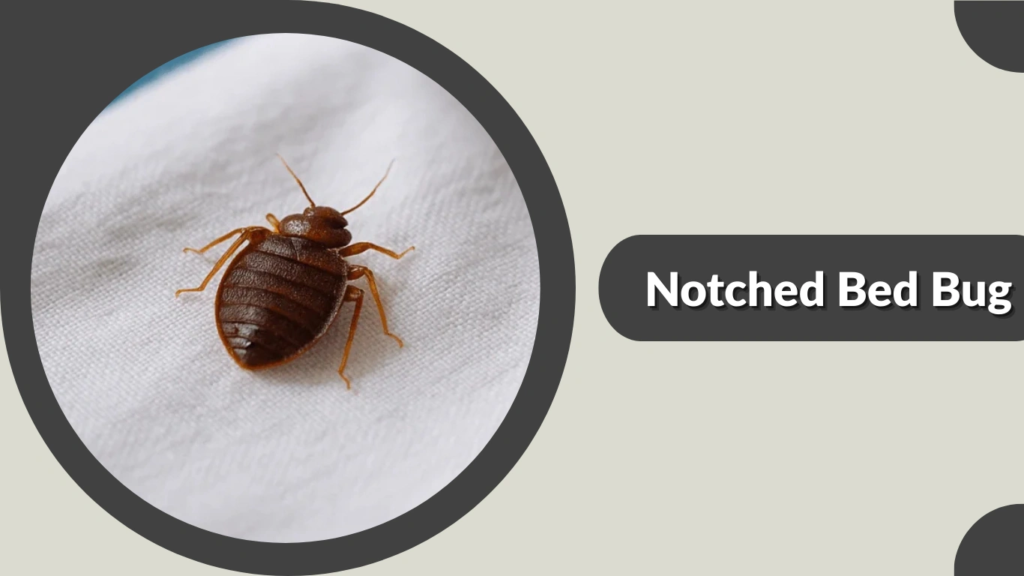
The notched bed bug (Cimex emarginatus) is a rare Cimex species known for a slight indentation or “notch” in its pronotum. It is associated mainly with bats and seldom encountered by humans.
Identification
- Brown, oval, and flattened body
- Size 4–6 mm
- Wingless with short antennae
- Distinct pronotal notch or indentation
- Longer body hairs than human-biting bed bugs
Habitat
Notched bed bugs inhabit bat roost areas such as attics, lofts, wall voids, and abandoned buildings. They may enter human dwellings only when bats relocate or are disturbed.
Behavior
They feed primarily on bats and stay hidden in deep cracks and crevices near roosting sites. Their nocturnal activity is similar to other Cimex species.
Bite & Effects
Human bites are uncommon but may cause red, itchy swelling. Infestations usually resolve once bats are excluded from the structure and entry points are sealed.
13. Bouet’s Bed Bug
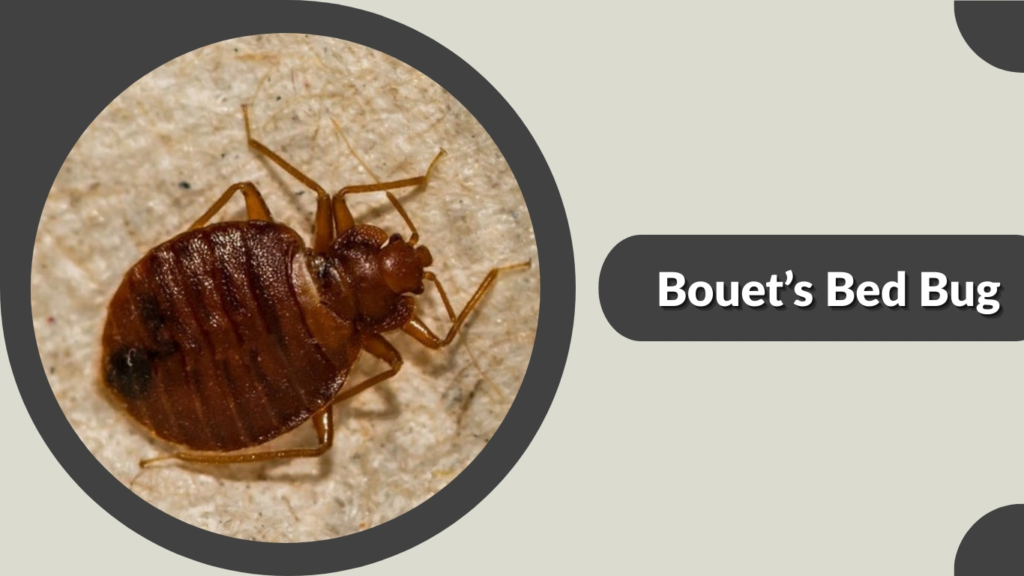
Bouet’s bed bug (Leptocimex boueti) is a parasitic species found primarily in tropical regions of Africa. It feeds on bats but may occasionally bite humans when natural hosts are unavailable.
Identification
- Brown to reddish-brown body
- Size 4–7 mm, slightly larger than many Cimex species
- Wingless with elongated body shape
- Short antennae with visible segmentation
- Longer legs compared to common bed bugs
Habitat
Bouet’s bed bug lives in bat colonies located in caves, attics, hollow trees, and abandoned buildings. It can enter human dwellings when bats roost nearby or migrate.
Behavior
This species feeds mostly on bats and hides in small crevices during the day. It emerges at night to feed and may bite humans if deprived of bat hosts for extended periods.
Bite & Effects
Human bites can cause red, itchy welts and mild irritation. Infestations generally subside once bat access points are removed or sealed.
14. Duplicated Bed Bug
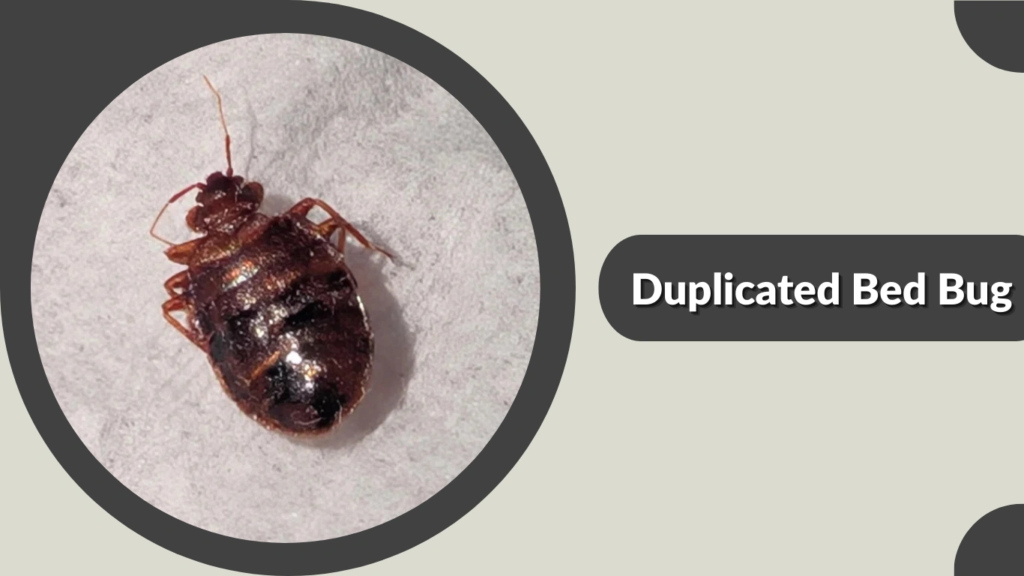
The duplicated bed bug (Leptocimex duplicatus) is a rare member of the Cimicidae family, primarily associated with bat colonies. Because of its limited distribution, it is seldom encountered by humans.
Identification
- Brown, elongated, and slightly flattened body
- Size 4–7 mm
- Wingless with short, segmented antennae
- Noticeably long legs compared to Cimex species
- Fine body hairs across the abdomen
Habitat
Duplicated bed bugs live in bat roosts found in caves, attics, roof voids, and abandoned structures. They typically remain close to bat colonies and only enter human dwellings when bats relocate.
Behavior
They feed primarily on bats and are nocturnal. During the day, they hide in tight crevices near roosting sites. Movement into human areas is usually accidental or due to host displacement.
Bite & Effects
Bites on humans are rare but may produce redness, swelling, and mild itching. Eliminating bat access and sealing gaps generally resolves infestations.
15. Swallow Bug
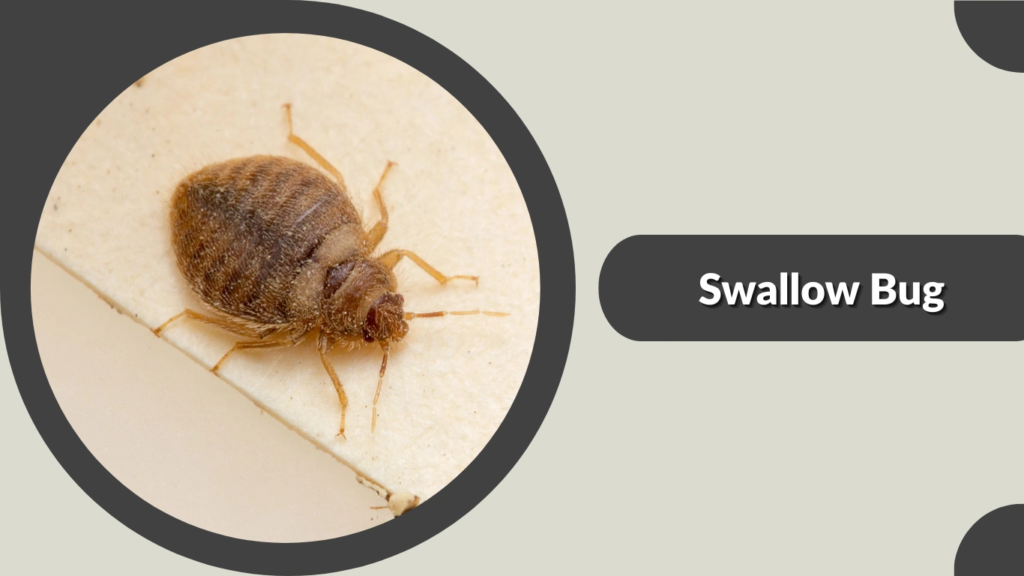
The swallow bug (Oeciacus vicarius) is a parasitic insect commonly associated with cliff swallows. It is well known for infesting bird nests and occasionally invading human structures when nests are nearby.
Identification
- Grayish-brown, oval, and flattened body
- Size 4–5 mm
- Wingless with short antennae
- Longer body hairs than human-biting bed bugs
- Slightly more rounded abdomen compared to Cimex species
Habitat
Swallow bugs live in and around swallow nests found on buildings, bridges, cliffs, barns, and eaves. When nests are abandoned or disturbed, these bugs may enter nearby human spaces.
Behavior
They feed primarily on cliff swallows and remain close to nesting materials. They hide in cracks, crevices, and debris near nests and are active mainly at night.
Bite & Effects
Although they prefer birds, swallow bugs may bite humans when deprived of avian hosts. Bites cause red, itchy welts resembling bed bug reactions. Removing nests and sealing entry points typically eliminates the problem.
16. European Swallow Bug

The European swallow bug (Oeciacus hirundinis) is a bird-associated parasitic insect commonly found near swallow nests throughout Europe and parts of Asia. It resembles the North American swallow bug but has slight structural differences.
Identification
- Grayish-brown, oval, and flattened body
- Size 4–5 mm
- Wingless with short, segmented antennae
- Longer body hairs than human-biting bed bugs
- Slightly narrower thorax than Oeciacus vicarius
Habitat
This species is closely associated with swallow nests located on buildings, cliffs, barns, attics, and roof ledges. They may enter human spaces when nests are abandoned or disturbed.
Behavior
European swallow bugs feed primarily on swallows and stay hidden in nest materials, cracks, and crevices during the day. They emerge at night to feed and may temporarily wander into human dwellings.
Bite & Effects
Human bites are infrequent but can cause red, itchy swelling. Controlling the issue typically involves removing nests and blocking access points to prevent reentry.
17. Cavern Bat Bug
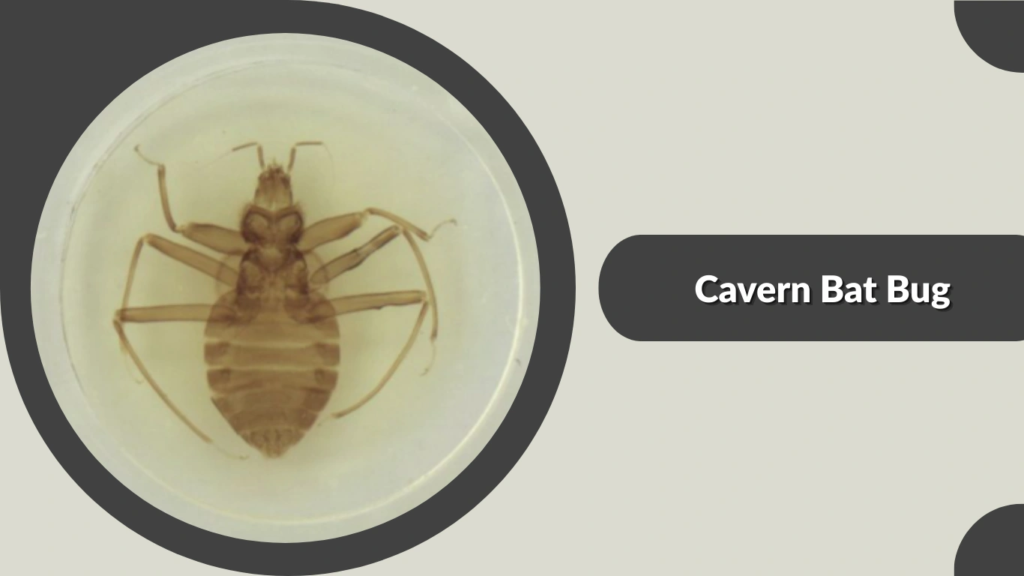
The cavern bat bug (Primicimex cavernis) is a large, rare member of the Cimicidae family. It primarily inhabits caves and bat roosts and is seldom encountered in human homes.
Identification
- Reddish-brown, elongated body
- Size 6–10 mm, larger than most Cimex species
- Wingless with prominent body segmentation
- Long, sturdy legs adapted for movement in rough environments
- Sparse but noticeable body hairs
Habitat
Cavern bat bugs live in caves, mines, hollow trees, and other natural bat roosting sites. They rarely enter human structures unless bat colonies are extremely close.
Behavior
They feed exclusively on bats and hide in cracks and crevices within cave walls during the day. Their nocturnal feeding patterns follow the activity cycles of bat hosts.
Bite & Effects
Human bites are extremely rare but may cause red, itchy welts. Infestations are usually resolved by managing bat populations and sealing entry points.
18. Wellington Bed Bug
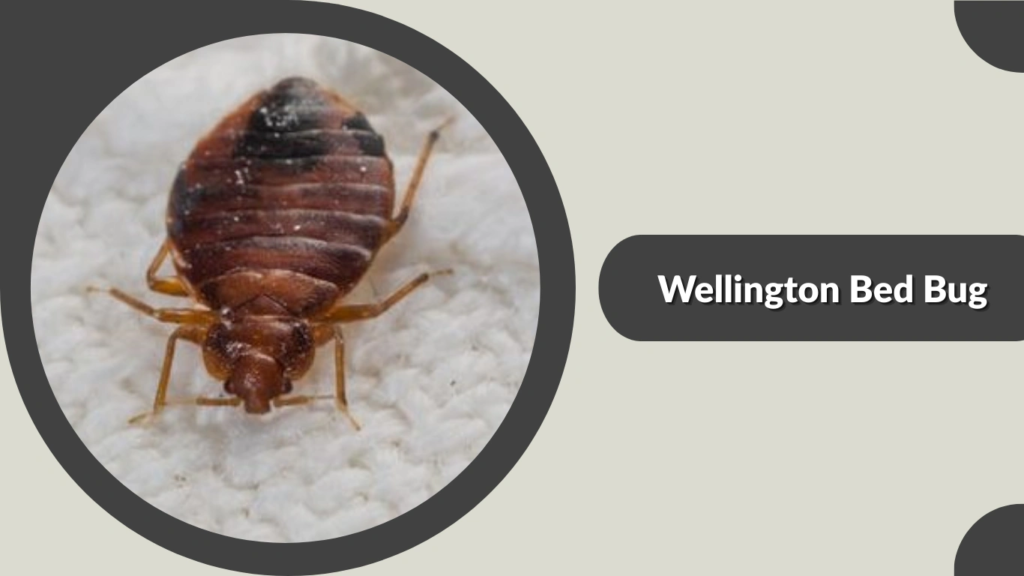
The Wellington bed bug (Primicimex wellingtonensis) is a rare species found in limited regions and is closely associated with bat populations. It is larger than many typical Cimex species and rarely interacts with humans.
Identification
- Brown to reddish-brown elongated body
- Size 6–10 mm
- Wingless with clearly segmented abdomen
- Long legs adapted for movement around roosting sites
- Sparse but visible body hair
Habitat
This species lives in bat roosts within caves, hollow trees, attics, and abandoned buildings. It seldom enters homes unless bats migrate or roost in nearby structures.
Behavior
The Wellington bed bug feeds mainly on bats, emerging at night to feed and hiding during the day in deep cracks. It shows strong host preference and minimal interest in humans.
Bite & Effects
Bites on humans are rare but may cause mild itching and redness. Addressing bat access and sealing gaps typically resolves any infestation.
19. Mexican Chicken Bug
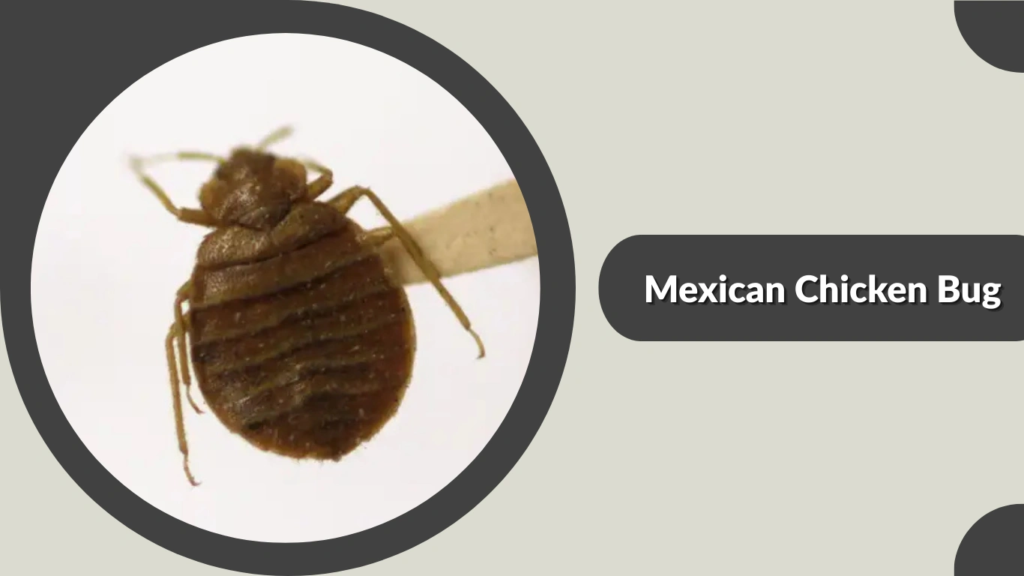
The Mexican chicken bug (Haematosiphon inodorus) is a poultry-associated species commonly found in bird habitats, particularly around chickens and other domestic fowl. It is larger than typical bed bugs and can cause significant irritation to birds.
Identification
- Brown to reddish-brown elongated body
- Size 6–10 mm, noticeably larger than Cimex species
- Wingless with long legs
- Narrow head and more tapered abdomen
- Sparse body hairs compared to bat bugs
Habitat
This species inhabits poultry farms, coops, bird nests, and roosting areas. It hides in cracks, nesting materials, and wood structures near bird populations.
Behavior
The Mexican chicken bug feeds on chickens and other birds. It emerges primarily at night and may cause stress or reduced productivity in poultry. It rarely enters human living spaces unless poultry areas are nearby.
Bite & Effects
Human bites are uncommon but can cause irritation, redness, and mild swelling. Controlling infestations typically involves treating poultry environments and improving sanitation.
20. Toledo Bird Bug
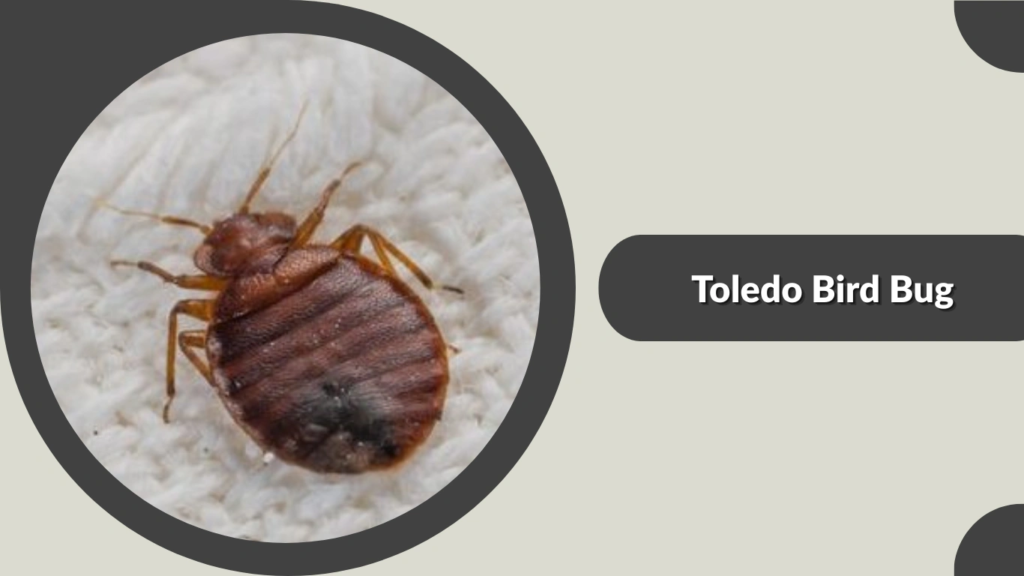
The Toledo bird bug (Ornithocoris toledoi) is a rare, bird-associated species within the Cimicidae family. It is primarily linked to wild bird nests and is seldom encountered by humans.
Identification
- Brown, oval, and slightly elongated body
- Size around 4–6 mm
- Wingless with short, segmented antennae
- Fine body hairs across the abdomen
- Slightly narrower profile than common bed bugs
Habitat
Toledo bird bugs inhabit bird nests found in attics, roof edges, barns, and tree cavities. They typically remain close to avian hosts and only enter human spaces when nests are disturbed or abandoned.
Behavior
They feed mainly on birds and hide in nesting materials and nearby cracks during daylight hours. Their nocturnal activity increases when birds are inactive.
Bite & Effects
Human bites are very uncommon but may cause mild itching, redness, and irritation. Removing or relocating bird nests usually eliminates the infestation.
