

A wasp sting can happen in seconds and it hurts! Whether you’re in the garden, out for a walk, or just minding your own business, getting stung is never fun. But don’t panic. There are a few simple steps you can take right away to feel better and stay safe. This guide will walk you through what to do as soon as you’re stung, how to ease the pain, and when to call a doctor.
Recognize the Symptoms of a Wasp Sting
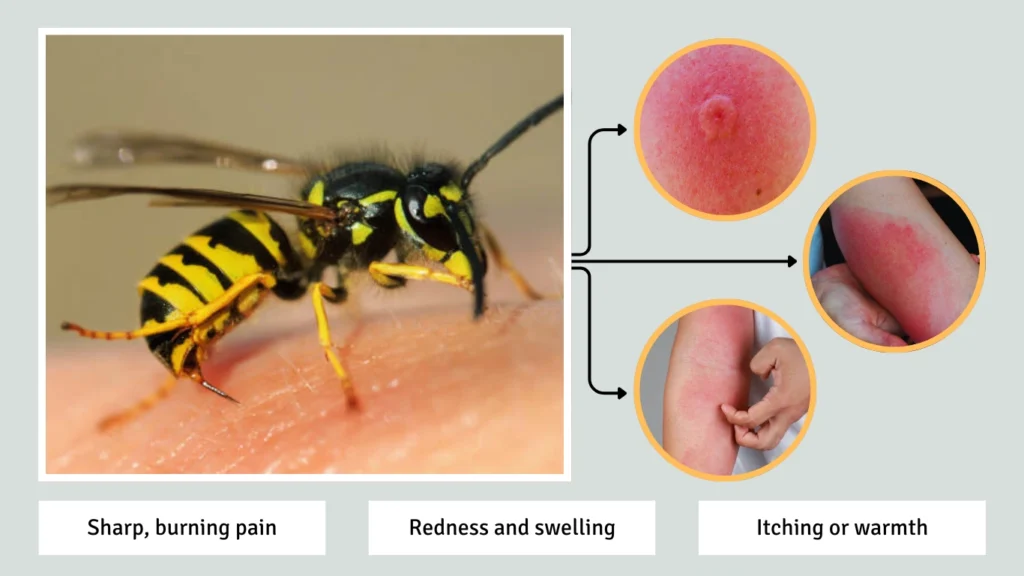
Before you do anything else, it’s important to understand how your body is reacting to the sting. Some people have mild symptoms, while others may have a stronger or even dangerous allergic reaction. Knowing what’s normal and what’s not can help you take the right steps quickly.
Common Symptoms (Normal Reaction)
Most wasp stings cause pain and swelling, but these usually go away in a few hours or a couple of days. Here’s what you might notice:
- Sharp, burning pain: Right after the sting, you’ll feel a quick, sharp pain—like a pinch or needle prick.
- Redness and swelling: The area around the sting may turn red and swell up. This is your body’s natural response to the venom.
- Itching or warmth: You may feel itchy or notice the area getting a bit warm. This is also normal and usually goes away on its own.
Signs of an Allergic Reaction (Needs Quick Action)
Some people are allergic to wasp venom. Even if you’ve been stung before without a problem, a serious reaction can still happen. Watch for these signs:
- Trouble breathing
- Swelling of the face, lips, tongue, or throat
- Hives or a red, itchy rash all over the body
- Dizziness or fainting
- Fast heartbeat or chest tightness
- Nausea or vomiting
If you or someone else has these symptoms, call emergency services right away. This could be a life-threatening condition called anaphylaxis, and it needs quick treatment.
Immediate First Aid for a Wasp Sting
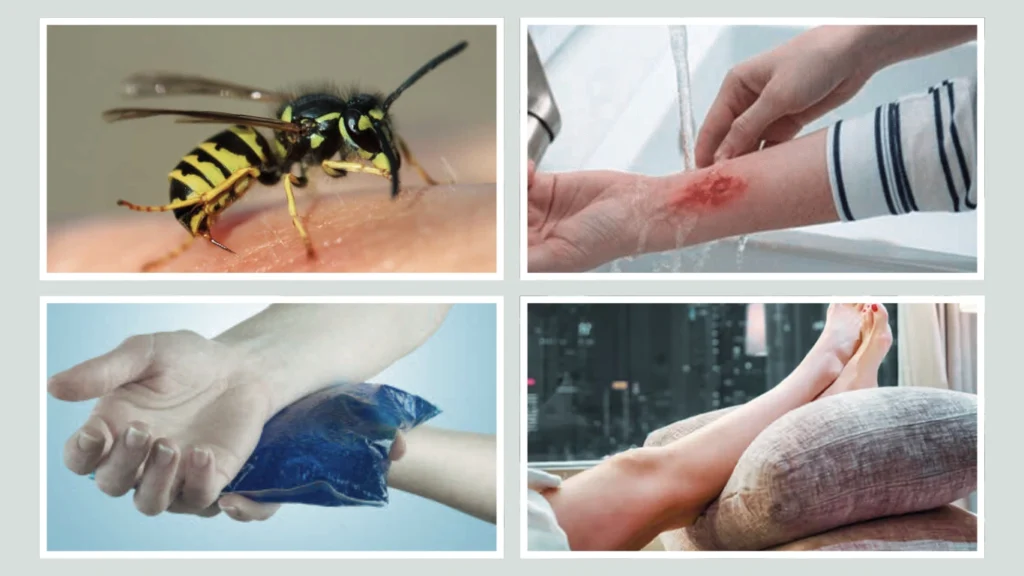
If you’ve been stung by a wasp, the faster you act, the better you’ll feel. These simple first aid steps can help reduce pain, swelling, and the chance of infection. Here’s what to do right away:
Step 1 – Move Away from the Wasp
After getting stung, walk away from the area calmly but quickly. Wasps can sting more than once and may call other wasps to join. Getting to a safe spot helps prevent more stings.
Step 2 – Wash the Sting Area
Once you’re safe, clean the sting site with soap and water. This helps remove any dirt or venom on the skin and lowers the chance of infection.
- Use mild soap and lukewarm water.
- Gently rinse and pat dry with a clean towel.
Step 3 – Apply a Cold Pack
To reduce swelling and numb the pain, use a cold pack or a clean cloth with ice:
- Wrap the ice in a towel—don’t apply it directly to the skin.
- Hold it on the sting for 10–15 minutes.
- Take a break, then reapply if needed.
This helps with pain, redness, and puffiness.
Step 4 – Keep the Area Elevated (If Possible)
If you were stung on your arm, hand, leg, or foot, raise that part of your body above your heart level. This can help reduce swelling.
Step 5 – Don’t Scratch or Rub
Even though it might itch, try not to scratch. Scratching can break the skin, make the irritation worse, and lead to infection.
What to Avoid After a Wasp Sting
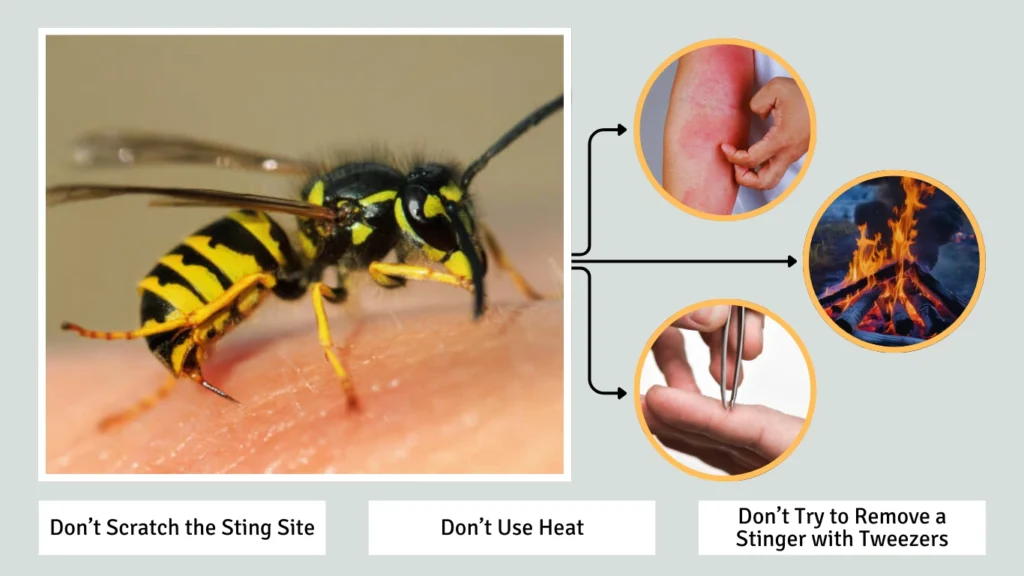
When you’re stung, it’s easy to panic or try home remedies without thinking. But some actions can actually make things worse. Here’s what not to do after a wasp sting:
Don’t Scratch the Sting Site
The area might feel itchy, but scratching can break the skin and lead to infection. It also makes the swelling and redness worse. If the itch is bothering you, use a cold pack or anti-itch cream instead.
Don’t Use Heat
Some people think heat can help, but it’s the opposite. Applying heat can increase swelling and make the pain worse. Stick with cold compresses only.
Don’t Try to Remove a Stinger with Tweezers (Unless You See One)
Unlike bees, wasps usually don’t leave their stinger behind. If there’s nothing sticking out of your skin, don’t dig around or squeeze the area—that can push more venom in and cause more irritation.
If you do see something that looks like a stinger (which is rare), gently scrape it off with a clean card or your fingernail—don’t pinch it with tweezers.
Avoid Home Remedies Without Proof
Things like toothpaste, butter, or mud are often mentioned online, but they can cause more harm than good. Stick to proven methods like cold packs, antihistamines, and clean skin.
Use of Over-the-Counter Treatments
If the pain or swelling is bothering you, there are a few safe and easy-to-find medicines that can help. These over-the-counter (OTC) treatments can make you feel more comfortable while your body heals.
Pain Relievers
If the sting is painful, you can take a common painkiller to help.
- Ibuprofen (Advil, Nurofen) – reduces both pain and swelling.
- Acetaminophen (Paracetamol or Tylenol) – helps with pain but not swelling.
Always follow the instructions on the label, and don’t take more than the recommended dose.
Antihistamines for Itching and Swelling
These are helpful if the sting site becomes itchy, puffy, or red.
- Diphenhydramine (Benadryl)
- Loratadine (Claritin)
- Cetirizine (Zyrtec)
They reduce your body’s reaction to the wasp venom and help calm the skin. Some might make you feel sleepy, so read the label carefully.
Anti-Itch Creams and Lotions
To calm the skin where you were stung, try:
- Hydrocortisone cream (1%) – helps reduce itching and swelling.
- Calamine lotion – soothes and cools the skin.
- Antihistamine gels – relieve itching directly on the sting spot.
Apply a small amount 2–3 times a day, or as directed on the package.
These simple treatments can make a big difference. If you don’t feel better after a couple of days or if things get worse, it’s time to speak with a doctor.
Natural Remedies That May Help
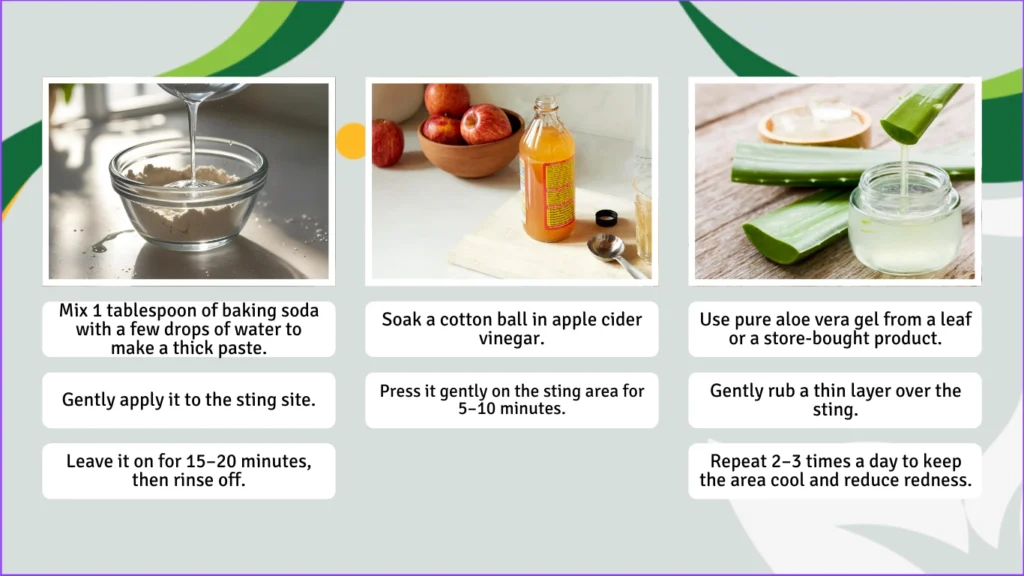
If you prefer to try natural methods before using medicine, a few gentle home remedies can ease the pain and swelling of a wasp sting. These options are easy to find in most kitchens and are safe for mild reactions.
Baking Soda Paste
Baking soda can help neutralize the wasp venom and reduce irritation.
- Mix 1 tablespoon of baking soda with a few drops of water to make a thick paste.
- Gently apply it to the sting site.
- Leave it on for 15–20 minutes, then rinse off.
You can reapply every few hours if needed.
Apple Cider Vinegar
Apple cider vinegar may help reduce pain and break down some of the venom.
- Soak a cotton ball in apple cider vinegar.
- Press it gently on the sting area for 5–10 minutes.
If your skin feels too sensitive, stop using it and rinse with cool water.
Aloe Vera Gel
Aloe vera is well known for calming inflamed or irritated skin.
- Use pure aloe vera gel from a leaf or a store-bought product.
- Gently rub a thin layer over the sting.
- Repeat 2–3 times a day to keep the area cool and reduce redness.
Honey
Honey has natural healing and antibacterial properties.
- Dab a small amount of honey onto the sting.
- Let it sit for 20–30 minutes, then rinse gently.
Only try this if you’re indoors and not near other insects, as the sweet smell may attract more wasps or bees.
When to Seek Emergency Medical Attention

Most wasp stings are not dangerous, but some people may have serious allergic reactions that need urgent medical care. If you or someone else shows any of the signs below, don’t wait—call emergency services immediately.
Call for Help If You Notice:
- Trouble breathing or shortness of breath
- Swelling of the face, lips, throat, or tongue
- Feeling lightheaded, dizzy, or faint
- Tightness in the chest or rapid heartbeat
- Hives or a rash spreading across the body
- Nausea, vomiting, or stomach cramps
- Loss of consciousness
These are symptoms of a serious allergic reaction called anaphylaxis, which can be life-threatening without quick treatment. People who know they’re allergic to wasps often carry an EpiPen (epinephrine injector). Use it if available and get medical help right away.
How to Prevent Future Wasp Stings
It’s not always possible to avoid wasps completely, but a few small habits can lower your chances of getting stung again.
Simple Safety Tips:
- Avoid sweet drinks and foods outdoors. Cover them when not in use.
- Stay calm around wasps. Don’t swat or wave your arms—they may see it as a threat.
- Wear shoes outside. Especially in grassy areas where wasps might be on the ground.
- Use unscented lotion and avoid strong perfumes. Wasps are attracted to floral scents.
- Cover trash bins and clean up food spills. These attract hungry wasps.
- Seal cracks or holes around your home. Wasps may build nests in walls, attics, or eaves.
FAQs
Can you be allergic even if it’s your first sting?
Yes, it’s possible to have an allergic reaction even if it’s your first time being stung. While most people develop allergies after repeated stings, some can react severely right away. Watch closely for symptoms like trouble breathing or swelling in the face or throat, and seek medical help immediately if you notice any signs.
How long does swelling last?
Swelling from a wasp sting usually lasts 1 to 3 days for most people. It may start off small and get a bit worse before it begins to improve. Applying ice and using anti-inflammatory medicines can help reduce it faster. If the swelling keeps growing after 24 hours, it’s a good idea to contact a doctor.
Is a wasp sting worse than a bee sting?
For many people, yes—a wasp sting feels sharper and can cause more pain. Unlike bees, wasps don’t leave their stinger behind and can sting multiple times. Their venom can also cause more redness and swelling. However, pain levels vary depending on where you’re stung and how sensitive your skin is to insect venom.
Should I take antibiotics after a sting?
Not unless there’s a sign of infection. A wasp sting doesn’t usually need antibiotics unless the skin becomes red, hot, or develops pus. Infections can happen if you scratch the area too much or don’t keep it clean. If it gets worse instead of better after a few days, ask your doctor for advice.
Can a wasp sting cause a delayed reaction?
Yes, some people may notice symptoms like itching, swelling, or a rash hours after the sting. These delayed reactions are usually mild and not dangerous. However, if you start having trouble breathing or experience swelling in your face or throat later on, you could be having a delayed allergic reaction and should get help right away.
