

Collecting honey has always been more than just a hobby for me—it’s a part of my life. I’ve spent many days in the fields and forests with my team, carefully taking honey from natural hives. It’s a job that comes with many sweet rewards, but also a few painful moments. The most painful part? Getting stung. And yes, I’ve been stung by both bees and wasps. They may look similar to many people, but their stings feel very different.
This is my story—what I felt, how I treated the stings, and what I learned from all these years in the honey business.
My Life with Honey Collection
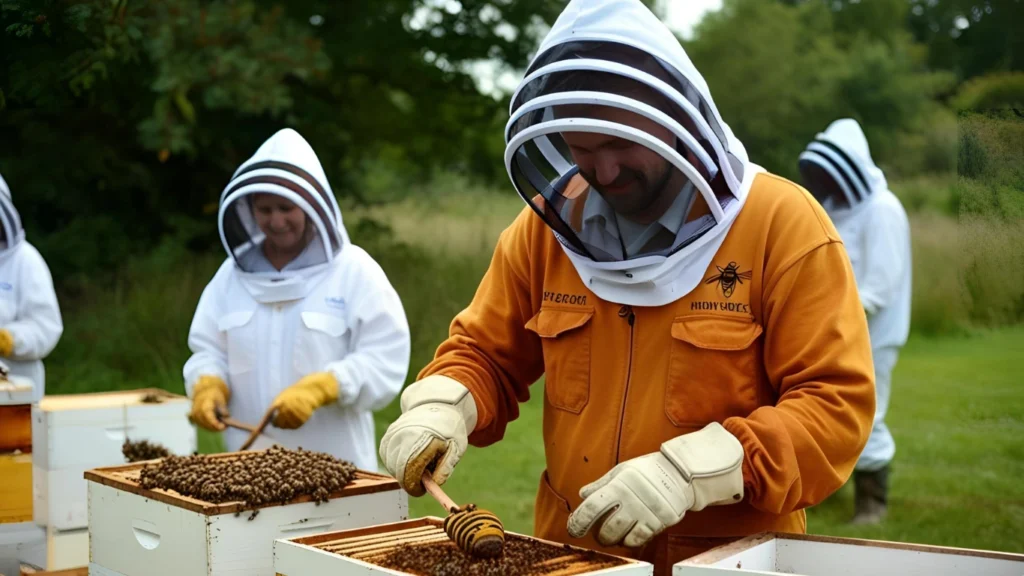
I started collecting honey a few years ago. At first, I joined a local team just out of curiosity. I never thought I’d enjoy it so much. We usually work early in the morning or late in the afternoon when the bees are calm. We wear protective clothes, but sometimes, accidents still happen.
During this time, I’ve had many encounters with stings—both from bees and wasps. Some were small and easy to treat at home. Others were serious, and we had to call a doctor.
The First Time a Bee Stung Me

I still remember my first bee sting. We were collecting honey from a wild hive deep in the forest. One bee got under my gloves and stung me right on my wrist.
At first, it felt like a sharp prick. Then the pain grew, like a small fire burning under my skin. My wrist started to swell, and it turned red quickly. The pain stayed for a while, but it was bearable. I used a cold cloth and a homemade mix of turmeric and mustard oil. After a few hours, it started to feel better.
What surprised me most was that the bee died after stinging me. I later learned that honey bees have a barbed stinger. Once they sting, it stays in your skin, and the bee pulls part of its body out trying to escape—causing it to die. That made me feel a bit sorry for the bee.
Then Came the Wasp Sting
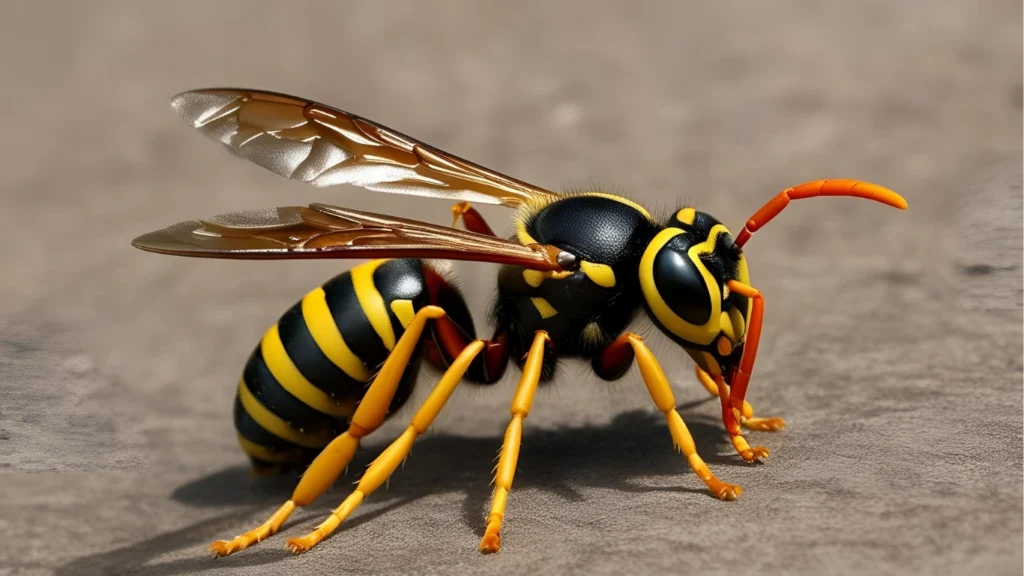
A few months later, I got stung by a wasp. This time, it was during a summer afternoon. We were done collecting honey and were just resting when a wasp came out of nowhere. I didn’t even see the nest. Before I knew it, it stung me on my upper arm.
The pain was sharp and instant. But unlike the bee sting, the pain kept getting worse. It felt hotter, deeper, and more uncomfortable. The swelling was also bigger. It even started to itch badly after a while. That time, my team helped me clean the spot and we applied onion juice—a trick passed down from older honey collectors.
But that was not enough. The swelling got worse, and I started feeling dizzy. That’s when we decided to call a doctor. The doctor gave me medicine and told me that wasp stings can sometimes be more dangerous because wasps can sting more than once and inject more venom.
What I Felt Was Different
After being stung by both bees and wasps, I clearly felt the difference. Here’s how I would explain it in simple words:
- Pain level: Wasp stings hurt more and for longer. Bee stings hurt too, but not as much once the stinger is removed.
- Swelling: Wasp stings caused more swelling on my body. Bee stings were smaller and healed faster.
- Reaction: I felt more itching and irritation from wasp stings. Bee stings were painful but didn’t cause as much itching.
- Sting style: The bee stung me once and died. The wasp tried to sting more than once before flying away.
Signs I Noticed After a Bee or Wasp Sting

Over time, I’ve learned how to notice the signs after getting stung. Bee and wasp stings don’t feel the same. Below are the 6 signs I often see with each sting, based on my real experience.
Bee Sting: 6 Signs I Often Felt
- Quick Sharp Pain: Right after the sting, I feel a sharp, needle-like pain. It fades after some minutes.
- Small Swelling: The area swells up a little but not too much. It usually stays in one spot.
- Mild Redness: The skin turns slightly red around the sting. It doesn’t spread too far.
- Mild Itching: After the pain settles, light itching begins. It’s not too annoying.
- Cooler Skin: Compared to wasps, the skin doesn’t feel too warm. It stays mostly normal.
- Stinger Left in Skin: The bee often leaves the stinger behind. I have to remove it carefully.
Wasp Sting: 6 Signs I Often Felt
- Strong Burning Pain: The pain hits quickly and stays for a long time. It feels deeper than a bee sting.
- Bigger Swelling: The sting area swells more and can grow in size if not treated.
- More Redness: The skin turns red quickly and sometimes spreads wider.
- Heavy Itching: Wasp stings make me itch a lot. It can last for hours.
- Warm or Hot Skin: The area feels hot when I touch it. It stays warm for a while.
- No Stinger Left: Wasps don’t leave a stinger, so they can sting more than once.
My Treatment Methods
Over the years, I’ve tried many ways to treat stings. Sometimes we used home remedies, and other times we called a doctor. Here are some things that worked for me:
- For bee stings:
- Removed the stinger quickly using a flat card (never pinch it with fingers).
- Applied turmeric paste or mustard oil.
- Used cold cloths to reduce swelling.
- Removed the stinger quickly using a flat card (never pinch it with fingers).
- For wasp stings:
- Washed the area with soap and water right away.
- Used onion juice or baking soda paste to reduce pain.
- Took allergy medicine or painkillers when swelling was strong.
- Called a doctor if I felt dizzy or had trouble breathing.
- Washed the area with soap and water right away.
We always check the sting condition. If it looks serious or the person feels weak, we don’t wait—we call a doctor immediately.
The Main Differences I Noticed
Here’s a simple table showing the main differences I felt:
| Thing | Bee Sting | Wasp Sting |
| Pain Level | Sharp but short | Sharp and long-lasting |
| Swelling | Small and goes down quickly | Bigger and lasts longer |
| Itching | Mild | Strong itching later |
| How many times it stings | Only once (then dies) | Can sting multiple times |
| What I Did | Removed stinger, used turmeric | Cleaned with water, used onion juice |
| Needed Doctor? | Not always | Sometimes yes |
What I’ve Learned from All These Years
After getting stung many times and learning from each experience, I now follow some important tips:
- Always wear full protective clothes during honey collection.
- Stay calm around bees and wasps. Sudden moves can make them attack.
- Don’t go near a wasp nest without knowing.
- Keep basic first-aid items like antiseptic, cold cloth, onion, turmeric, and allergy tablets ready.
- Know your body’s reaction. If you ever feel dizzy, swollen in the face, or find it hard to breathe, get medical help fast.
Final Thoughts
Being in nature and collecting honey has taught me a lot. Not just about bees and wasps, but about staying calm, treating pain, and respecting wildlife. Bee stings and wasp stings may seem similar, but my experience says otherwise. They feel different, react differently, and must be handled carefully.
If you work outdoors like me or spend time in gardens or forests, remember—stings can happen, but knowing what to do makes all the difference.
