

The green stink bug (Nezara viridula), also called the southern green stink bug, is one of the most common and damaging agricultural pests. Recognized by its bright green color and strong odor, this insect feeds on fruits, vegetables, and field crops. While harmless to humans, it poses a major threat to gardens and farms, making early identification and management essential for control.
What Is a Green Stink Bug?
The green stink bug belongs to the Pentatomidae family, the same group as the brown marmorated stink bug. Native to Africa, it has spread across North America, South America, Europe, Asia, and Australia through trade and travel. Its ability to thrive in warm climates has made it one of the most widespread stink bug species in the world.
These bugs release a foul-smelling odor from glands on their abdomen when threatened. The scent is their main defense against predators, such as birds and lizards. Although this odor can be unpleasant, the insect itself is not poisonous or dangerous to people or pets.
Appearance and Identification
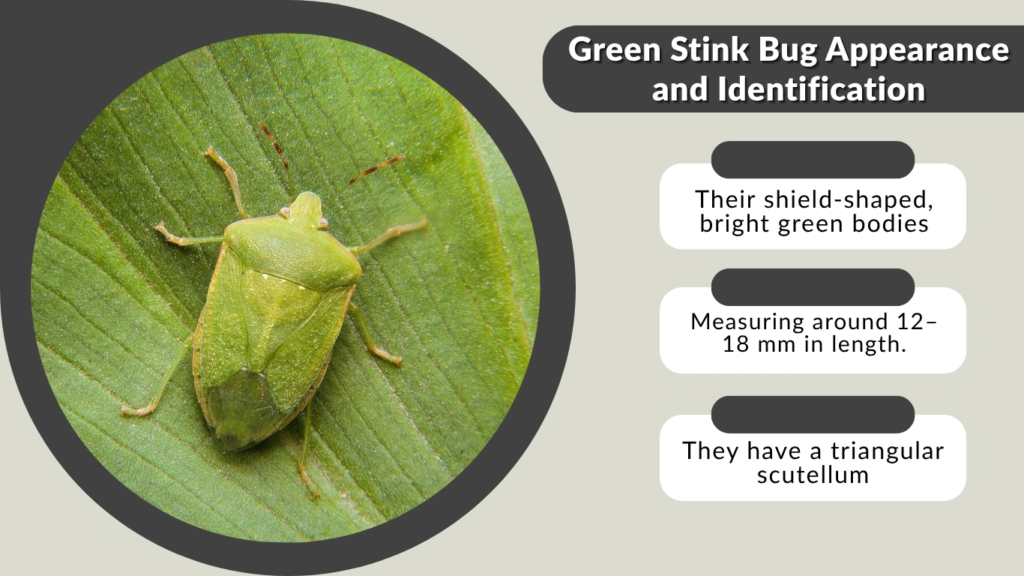
Adult green stink bugs are easily recognized by their shield-shaped, bright green bodies, measuring around 12–18 mm in length. They have a triangular scutellum (the hard plate on their back) and short, yellowish antennae. Their legs are also green, blending with leaves and stems, making them difficult to spot in gardens.
In addition to the pure green species, some individuals show yellowish or lime-green shades, especially after molting. In late fall, they can even turn brownish-green as they prepare for overwintering.
You can differentiate green stink bugs from brown marmorated stink bugs by their solid green color, while brown stink bugs have mottled brown or gray patterns and white bands on their antennae.
Green Stink Bug Life Cycle

The life cycle of a green stink bug consists of three main stages — egg, nymph, and adult.
- Egg stage: Females lay clusters of 20–30 pale green, barrel-shaped eggs on the undersides of leaves.
- Nymph stage: After hatching, nymphs go through five instars (growth phases). They start black or orange with red spots, then gradually turn green.
- Adult stage: Adults reach maturity in about 35–45 days, depending on temperature.
In warmer climates, they can produce up to four generations per year, leading to rapid infestations during summer and early fall.
Green Stink Bug Eggs and Nymphs
The eggs of green stink bugs are smooth, round, and light green, resembling tiny pearls. They are commonly found on the leaves of crops such as soybeans, cotton, beans, and tomatoes. Eggs hatch within 5–7 days during warm weather.
Newly hatched nymphs (juveniles) remain clustered around the egg mass for several hours before dispersing. Their early stages feature vibrant colors — black with red or yellow spots — which later fade into green. Unlike adults, nymphs cannot fly, so they feed on soft plant tissue, often leaving small puncture marks or blemishes on fruits.
Green Stink Bug Habitat and Distribution

Green stink bugs prefer warm, humid environments, thriving in tropical and subtropical regions. In the United States, they are most common in Florida, Georgia, Texas, and California, but they can also be found in the Midwest and Pacific Coast states during summer.
Their habitats include:
- Crop fields: Soybeans, corn, and cotton.
- Vegetable gardens: Tomatoes, peppers, beans, and cucumbers.
- Fruit orchards: Peaches, citrus, and berries.
- Yards and greenhouses: They sometimes move indoors to overwinter.
Because of their adaptability, they can survive short cold spells by hiding under leaf litter or inside sheds and barns.
What Do Green Stink Bugs Eat?
Green stink bugs are piercing-sucking plant feeders. Using needle-like mouthparts, they puncture plant surfaces to extract sap and nutrients. Their preferred diet includes:
- Fruits: peaches, oranges, and strawberries.
- Vegetables: tomatoes, beans, corn, and peppers.
- Field crops: soybeans, rice, cotton, and peanuts.
The feeding damage they cause leads to discolored spots, shriveled seeds, and premature fruit drop. In agricultural fields, infestations can reduce yields significantly, especially when nymphs feed on pods or developing fruits.
Are Green Stink Bugs Harmful?

Green stink bugs are not harmful to humans or pets, as they do not bite or sting. However, they are highly destructive to plants. Their feeding weakens crops and fruits, leading to economic losses for farmers and gardeners alike.
If a pet accidentally eats one, the bug’s odor-producing chemicals can cause mild drooling, vomiting, or temporary irritation, but no lasting harm. These bugs are not venomous or poisonous — their main defense is the strong, lingering smell they release when handled or crushed.
Are Green Stink Bugs Beneficial?
Although most green stink bugs are considered agricultural pests, a few predatory species within the stink bug family feed on harmful insects such as caterpillars and beetle larvae. However, the typical southern green stink bug (Nezara viridula) is a plant feeder, not a predator. This means it contributes to crop damage rather than providing pest control benefits.
In balanced ecosystems, green stink bugs do have a small ecological role — serving as food for birds, spiders, and beneficial parasitic wasps. Still, their negative impact on farms and gardens far outweighs any minor ecological benefit.
Green Stink Bug Smell and Defense Mechanism
Like other stink bugs, green stink bugs produce a strong, unpleasant odor from glands located on their thorax. When disturbed, crushed, or threatened, they release this chemical as a defense mechanism to deter predators.
The smell is often described as pungent and cilantro-like, while some people compare it to skunk spray. Although harmless, the scent can linger on skin, clothes, and furniture for hours. Washing affected areas with soap, vinegar, or lemon juice quickly removes the odor.
Green Stink Bug Control Methods

Dealing with green stink bugs requires a mix of natural, chemical, and cultural control methods depending on infestation size.
Natural Control
- Neem oil: Acts as a repellent and disrupts insect feeding.
- Soapy water traps: A bowl of soapy water placed under a light attracts and drowns bugs.
- Garlic spray: The strong scent deters adults from laying eggs.
- Vacuum removal: For indoor infestations, gently vacuum them and dispose of the bag outdoors.
Biological Control
- Encourage natural predators like parasitic wasps (Trissolcus japonicus), ladybugs, praying mantises, and birds. These predators help keep populations in check without chemical pesticides.
Chemical Control
For large infestations, especially on farms, use pyrethroid-based insecticides labeled for stink bugs. Apply early in the morning or late evening when bugs are less active. Avoid overuse, as chemical treatments may harm beneficial insects.
Cultural Control
- Remove weeds and debris: They serve as breeding grounds.
- Crop rotation: Reduces the risk of recurring infestations.
- Use floating row covers or fine mesh nets: Prevent females from accessing crops.
- Seal home entry points: Prevents them from overwintering indoors.
Regular monitoring and early action are crucial to preventing widespread damage.
How to Get Rid of Green Stink Bugs in the House
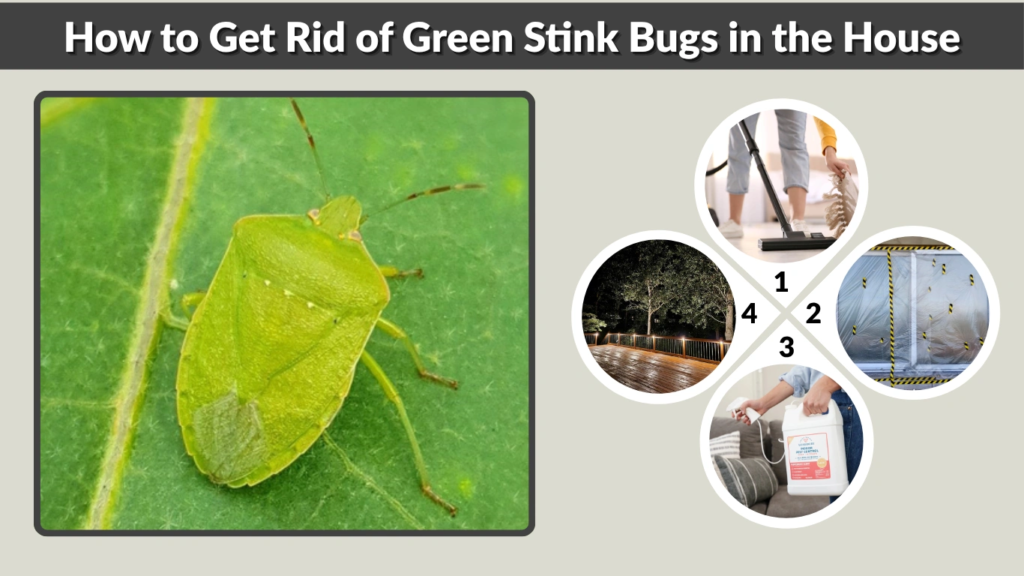
Green stink bugs occasionally enter homes during cooler weather. To remove or prevent them:
- Vacuum them carefully without crushing.
- Seal cracks and window gaps to block entry.
- Spray peppermint or clove oil near doorways and windows.
- Reduce outdoor lighting at night since they are attracted to light.
- Avoid using bug sprays indoors, as they can be ineffective and cause lingering odors.
If infestations persist, professional pest control services can treat entry points with safe, residual insecticides.
Predators and Natural Enemies
Several natural enemies help reduce green stink bug populations:
- Samurai wasp (Trissolcus japonicus) parasitizes stink bug eggs, preventing hatching.
- Assassin bugs feed on nymphs and adults.
- Spiders and lacewings eat both eggs and juveniles.
- Birds such as swallows and wrens hunt adult bugs outdoors.
Maintaining biodiversity in your garden encourages these beneficial predators, offering an eco-friendly pest control solution.
Green Stink Bug vs Brown Marmorated Stink Bug
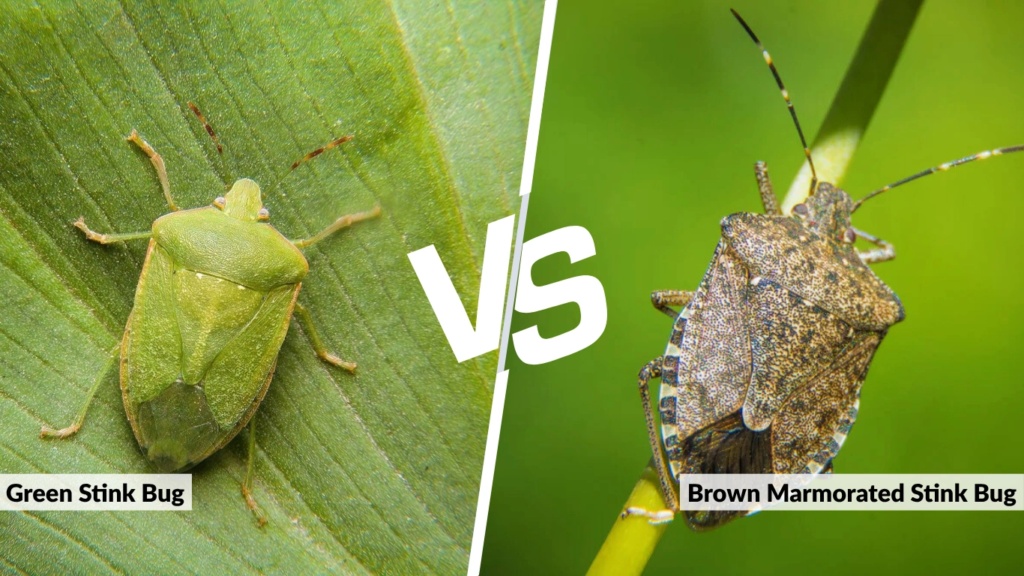
Though both species share the same family, their features and habits differ significantly:
| Feature | Green Stink Bug | Brown Marmorated Stink Bug |
| Color | Bright green | Mottled brown or gray |
| Habitat | Prefers warm, humid regions | Thrives in temperate zones |
| Feeding Type | Plant sap feeder | Plant sap feeder |
| Odor | Sharp and pungent | Musty and sweet |
| Behavior | Common in southern climates | Often invades homes during fall |
| Host Plants | Beans, cotton, tomatoes | Fruits, soybeans, ornamental plants |
Understanding these differences helps identify which species you’re dealing with, especially when planning pest control strategies.
Green Stink Bug Facts
- Adult females lay up to 300 eggs per season.
- They can fly short distances but prefer walking across plants.
- Their population peaks in late summer and early autumn.
- They can survive mild winters by hiding under bark, leaves, or debris.
- Despite their odor, they play a minor role in the ecosystem’s food chain.
FAQs
Do green stink bugs bite humans or pets?
No, green stink bugs do not bite or sting. They feed exclusively on plants. If pets eat them, they may experience mild drooling or nausea due to the odor.
Are green stink bugs poisonous or dangerous?
They are not poisonous. The odor they release is unpleasant but harmless. It may cause temporary irritation if it comes in contact with skin or eyes.
How do I get rid of green stink bugs naturally?
Use neem oil, garlic spray, or soapy water traps. Encourage natural predators like birds, spiders, and parasitic wasps to control populations outdoors.
What plants do green stink bugs damage most?
They damage soybeans, corn, cotton, tomatoes, and beans. Their feeding causes discoloration, scarring, and premature fruit drop.
Why do some stink bugs turn green while others are brown?
Color variation depends on the species and environment. Green stink bugs thrive in warm regions, while brown marmorated species prefer cooler, temperate areas.
