
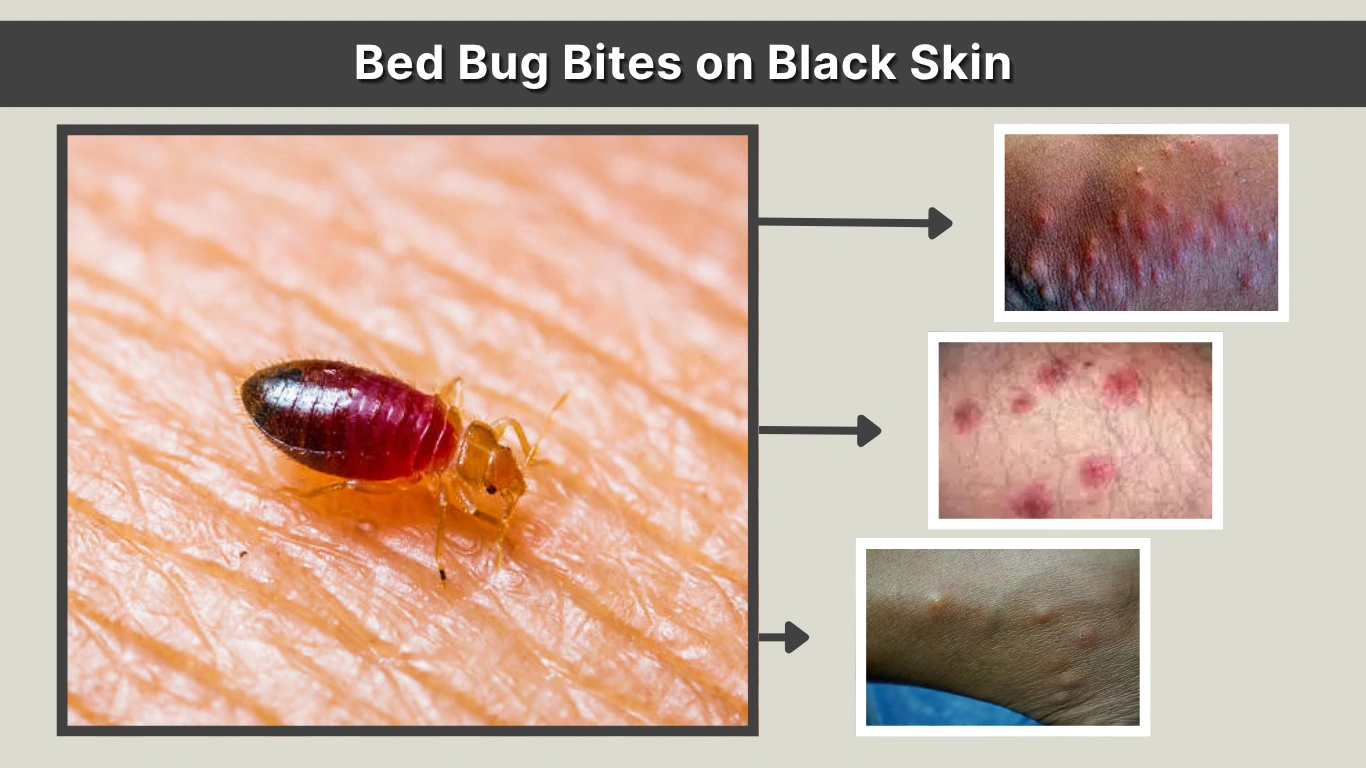
Bed bug bites on black skin can appear differently than on lighter tones, often showing as small, darker, or reddish marks that may blend into the surrounding skin. Understanding these differences helps identify bites early and prevents further irritation or scarring. Bed bugs are nocturnal pests that feed on human blood, leaving itchy, inflamed bumps that can cause discomfort and cosmetic concerns, especially on visible areas like the face, arms, and legs.
Understanding Bed Bug Bites on Black Skin
Bed bugs are tiny insects that hide in mattresses, furniture, and clothing, emerging at night to feed. When they bite, they inject a small amount of saliva containing anesthetics and anticoagulants. On black skin, the reaction often looks slightly different because of melanin variation. Instead of bright red welts, the bites can appear as raised dark bumps, purplish spots, or tiny hyperpigmented marks that worsen with scratching.
People with darker skin may not always notice the initial redness, but swelling, itching, and discoloration tend to become more visible over time. Recognizing the early signs of bites can help in detecting infestations before they spread.
What Do Bed Bug Bites Look Like on Black Skin?

Bed bug bites on black skin typically appear as small, itchy bumps or clustered spots that may be darker than the surrounding area. These bumps can range from pinkish-brown to deep red or purple, depending on the person’s complexion and the severity of the reaction.
Fresh bites often look slightly raised, like mosquito bites, but they tend to form in a straight line or group of three—often called the “breakfast, lunch, and dinner” pattern. As they heal, they may leave dark marks or patches of post-inflammatory hyperpigmentation that last for weeks or even months.
In some cases, individuals with sensitive skin may also experience blistering or thickened scars, especially if they scratch the bites repeatedly.
Common Locations of Bed Bug Bites on Black Skin
Bed bugs prefer exposed areas of the body while sleeping. The most common locations for bites include:
- Face and neck: Often visible as small grouped marks, especially around the cheeks or jawline.
- Arms and hands: Because these are frequently uncovered during sleep.
- Legs and feet: Bed bugs crawl easily onto lower extremities through sheets or mattress seams.
- Back and shoulders: These areas may develop clusters of bites if bed bugs hide in the bed frame or headboard.
The distribution of bites can help identify whether bed bugs are the culprit, as opposed to other insects like fleas or mosquitoes, which tend to bite randomly.
Pictures and Visual Identification
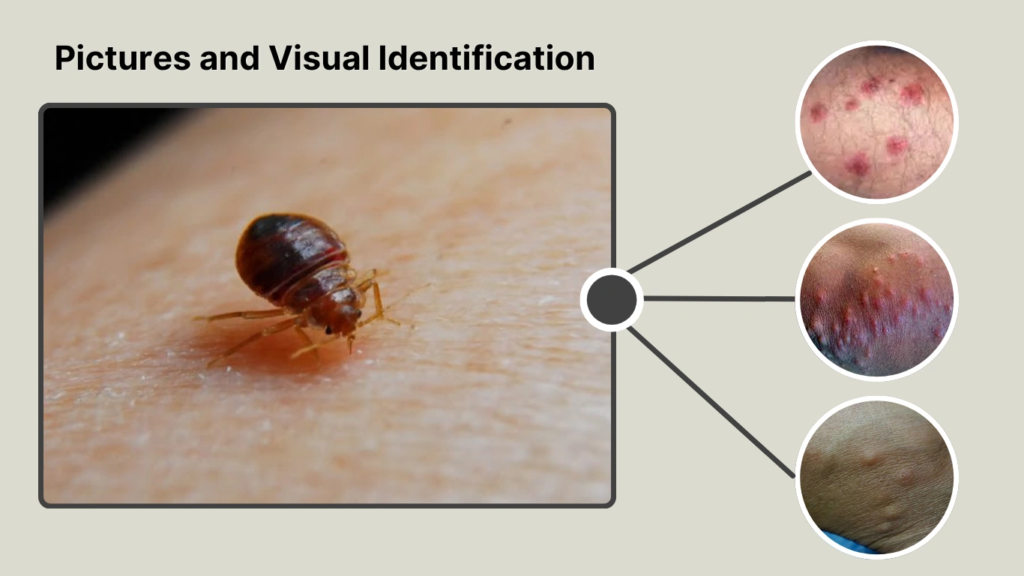
Pictures of bed bug bites on black skin often show small, round, or clustered bumps that vary in shade from reddish-brown to dark purple. In fresh cases, the surrounding area might be slightly swollen or shiny. Close-up images reveal a puncture mark at the center of each bump—an indication of where the bug fed.
Over time, healing bites can turn into small dark patches or scabs, sometimes mistaken for acne or eczema. Comparing pictures of fresh and healing bites can help track recovery and identify whether new bites are still appearing.
When searching for “bed bug bites on black skin pictures” or “close-up images of bed bug bites on dark skin,” you’ll notice how the texture and color variation make them different from the typical bright red welts seen on lighter skin.
Bed Bug Bites vs. Mosquito and Flea Bites on Black Skin
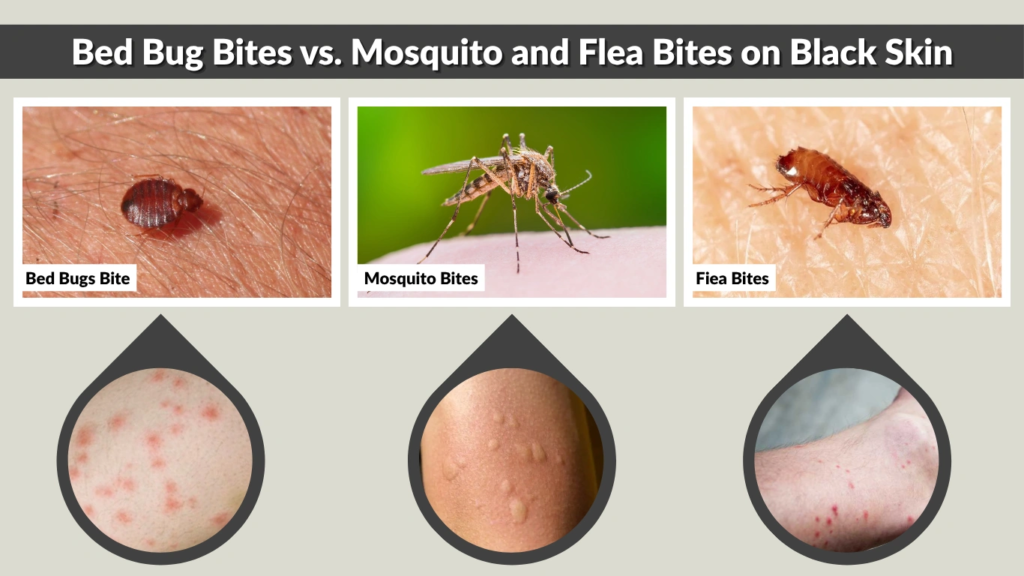
Bed bug bites are often confused with mosquito or flea bites. However, several characteristics can help tell them apart.
Bed bug bites usually appear in clusters or straight lines and are more likely to occur at night. The bites are flat or slightly raised and may develop into dark or purple marks after healing.
Mosquito bites, in contrast, are often random, more swollen, and fade faster. They also tend to itch immediately after being bitten.
Flea bites are smaller, intensely itchy, and often appear around the ankles or waistline.
| Type of Bite | Pattern | Itch Intensity | Common Location | Healing Effect |
| Bed Bug | Clustered or linear | Moderate to severe | Arms, face, legs | Dark marks or scars |
| Mosquito | Random | Immediate and strong | Any exposed area | Fades quickly |
| Flea | Random, near ankles | Severe | Feet, waist | Small red spots |
Understanding these visual and symptomatic differences can help in confirming bed bug activity before seeking treatment or pest control assistance.
Symptoms and Skin Reactions
On black or brown skin, bed bug bites often appear as small raised bumps accompanied by itching and tenderness. In severe cases, they can lead to inflammation or blister-like lesions. Due to increased melanin, the healing process may result in post-inflammatory hyperpigmentation, leaving dark spots that linger long after the bite heals.
Repeated exposure can make the skin more reactive, causing thicker, more persistent lesions. People with sensitive or allergic skin types might also experience mild burning or secondary infections if the skin barrier is damaged.
Fresh Bed Bug Bites on Black Skin
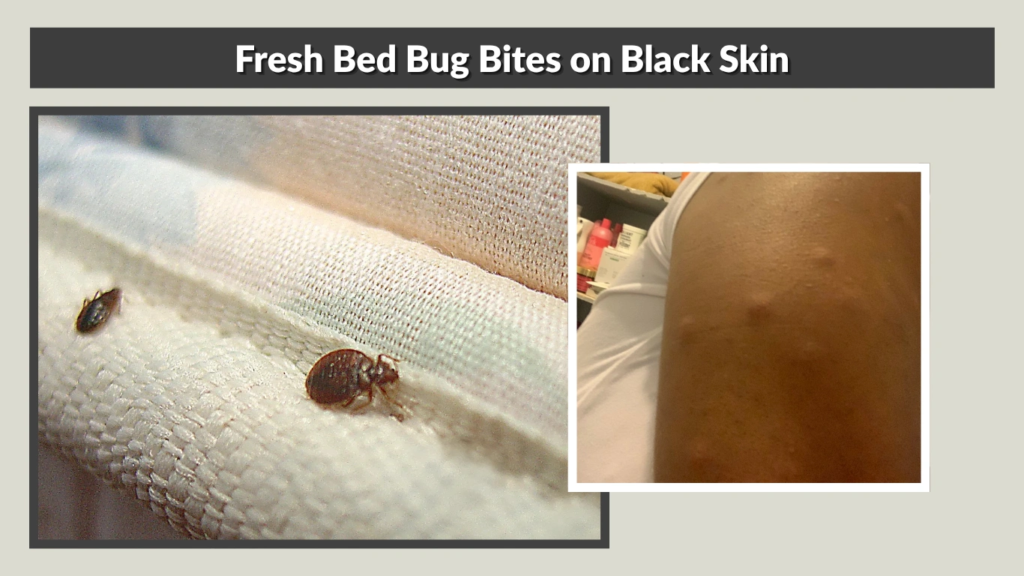
Fresh bed bug bites appear within hours of being bitten, often during sleep. On black skin, they may start as faint pinkish or reddish bumps that darken over time. These new bites are typically itchy and tender to touch. Some may have a tiny puncture mark in the center, while others resemble small pimples. Identifying fresh bites early is crucial because ongoing infestations often cause new clusters each night. If you notice new marks appearing daily, it’s a clear sign that the bed bugs are still active.
Bed Bug Bites on Babies and Children with Black Skin
Children and infants with dark skin can develop stronger reactions to bed bug bites because their skin is thinner and more sensitive. These bites might appear as slightly swollen, darker spots or small blisters, especially around the arms, legs, or face. Babies may become restless during sleep and scratch the affected areas, which can lead to infections. Parents should wash the bites gently with mild soap, apply soothing creams like aloe vera, and ensure bedding is cleaned in hot water to prevent further bites.
Treatment for Bed Bug Bites on Black Skin

Treating bed bug bites on black skin focuses on easing the itching and preventing discoloration. Home remedies and over-the-counter solutions can significantly speed up healing:
- Cold compress: Applying ice packs helps reduce swelling and irritation.
- Aloe vera or witch hazel: Both soothe itching and minimize dark spots.
- Antihistamine creams: Hydrocortisone or calamine lotion can relieve itching.
- Coconut oil or shea butter: These natural moisturizers prevent dryness and promote even-toned healing.
- Avoid scratching: Scratching worsens inflammation and increases pigmentation, leading to longer-lasting scars.
If the bites become infected, or if you experience large blisters or allergic swelling, consult a dermatologist. Medical treatments such as topical steroids, antibiotics, or chemical peels can help reduce scarring and even out skin tone.
How to Fade Dark Marks After Bed Bug Bites
After the initial bites heal, many people with black or brown skin experience post-inflammatory hyperpigmentation (PIH)—dark patches that linger for weeks. To fade these marks:
- Use creams containing vitamin C, niacinamide, or glycolic acid to brighten the skin.
- Apply sunscreen daily, as UV exposure can darken healing spots.
- For persistent scars, dermatologists may recommend chemical exfoliation or laser therapy for tone correction.
Consistency is key, and most dark marks fade naturally within two to three months when properly treated.
Preventing Bed Bug Bites
Prevention is just as important as treatment. Bed bugs spread easily through travel, used furniture, or shared spaces. To keep your home safe:
- Wash and dry bedding and clothes at high temperatures weekly.
- Inspect mattresses, headboards, and corners regularly for small black droppings or shed skins.
- Use bed bug-proof covers for mattresses and pillows.
- Avoid secondhand furniture unless it’s been carefully inspected and sanitized.
- When traveling, check hotel beds, seams, and furniture before unpacking your luggage.
If you confirm an infestation, it’s best to hire professional pest control. DIY sprays or home remedies may kill some bugs but rarely remove eggs hidden in cracks and furniture joints.
Dust Mite or Scabies vs. Bed Bug Bites
Sometimes, bed bug bites are mistaken for other skin conditions like scabies or dust mite allergies.
- Scabies causes burrow-like rashes, often between fingers and wrists, and itches intensely at night.
- Dust mite allergies usually cause general itchiness and redness, not distinct bites.
- Bed bug bites, on the other hand, appear as visible raised spots in rows or clusters with a central puncture point.
Knowing these differences helps you choose the right treatment and avoid unnecessary medication.
Signs of Bed Bug Bites on Black Skin
Recognizing the early signs helps stop infestations before they spread. Key indicators include:
- Repeated bites in a line or cluster on exposed skin
- Tiny blood spots or dark fecal stains on sheets
- Sweet, musty odor near bedding
- Unexplained nighttime itching
These warning signs combined often confirm a bed bug issue that needs quick action.
FAQs
What does a bed bug bite look like on black skin?
On black skin, bed bug bites usually appear as small, dark bumps or clusters with mild swelling and itching. They can range in color from red to purple or brown, often leaving darker spots as they heal. These marks may take weeks to fade completely.
How do I know if I have bed bug bites or mosquito bites?
Bed bug bites often appear in straight lines or small groups, while mosquito bites are random and more swollen. Bed bug bites also develop slower and itch more at night, while mosquito bites itch immediately. The pattern and timing are key indicators.
Do bed bug bites leave dark spots on black skin?
Yes, bed bug bites frequently cause dark spots or post-inflammatory hyperpigmentation due to melanin overproduction during healing. These marks are harmless but may last several months. Gentle exfoliation, moisturizing, and brightening creams can help reduce their appearance faster.
How long do bed bug bites take to heal on dark skin?
Most bed bug bites heal within one to two weeks, but on dark skin, the dark marks may linger for several months. Proper care—like avoiding scratching, applying soothing ointments, and using sunscreen—can speed up the healing and prevent long-term discoloration.
What’s the best treatment for bed bug bites on black skin?
The best treatment involves combining natural soothing agents with medicated creams. Aloe vera, witch hazel, or shea butter reduce irritation, while hydrocortisone and antihistamines relieve itching. For pigmentation, vitamin C serums or dermatologist-approved brightening products are effective for faster recovery.
