
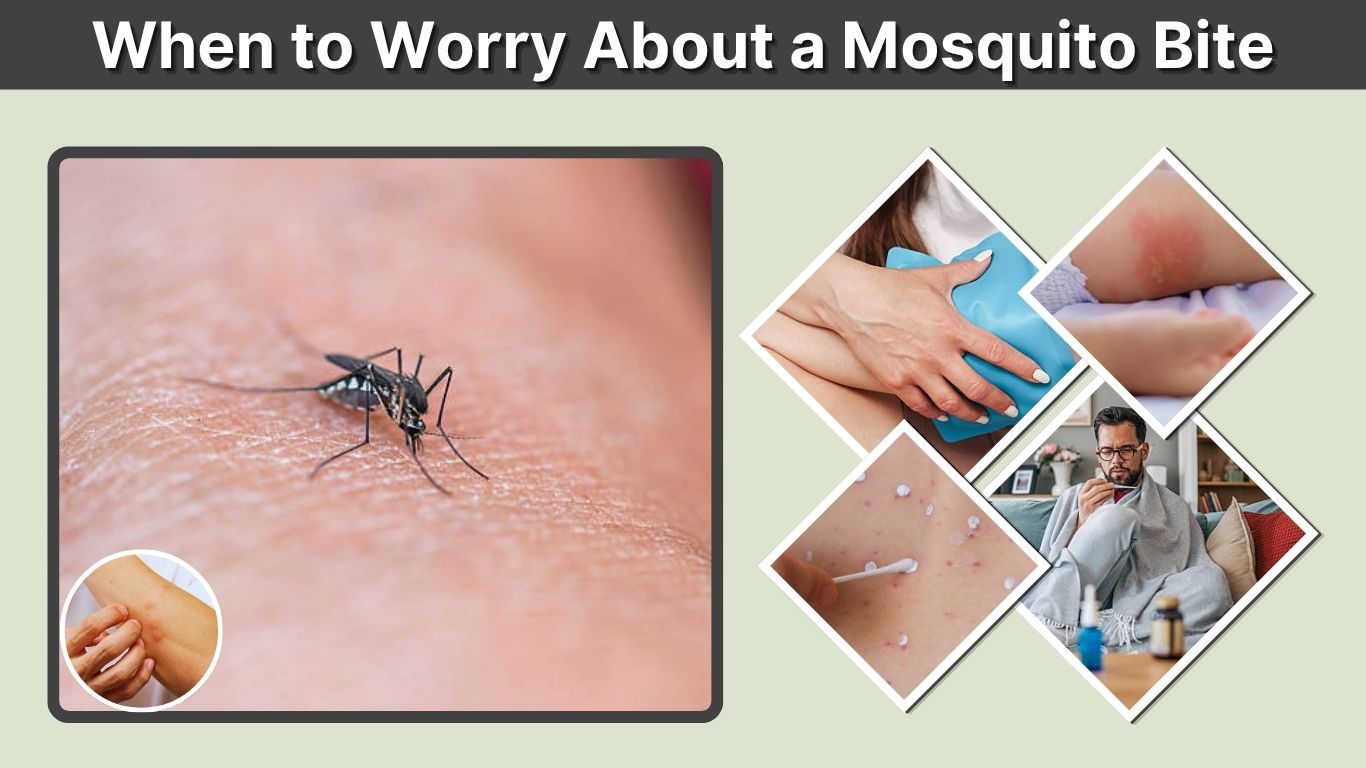
Mosquito bites are usually harmless, causing temporary itching, redness, and mild swelling. However, certain reactions may indicate an infection, severe allergy, or mosquito-borne illness. Knowing when to worry about a mosquito bite can help you recognize unusual symptoms before they become serious. Large swollen bites, spreading redness, fever, and persistent pain deserve particular attention, especially in babies and toddlers. This guide explains normal mosquito bite reactions, nine important warning signs, Skeeter syndrome, and when you should seek medical care for yourself or your child.
What Does a Normal Mosquito Bite Look Like?
A normal mosquito bite usually appears as a small, raised bump surrounded by mild redness or discoloration. It develops because your immune system reacts to proteins in mosquito saliva, producing itching and localized inflammation.
Common Symptoms of a Normal Bite
Most uncomplicated mosquito bites cause mild itching, temporary swelling, and slight tenderness. The bump may appear within minutes or develop several hours after the bite.
Some people develop small blisters or darker marks, particularly if their skin reacts strongly to mosquito saliva.
How Long Should a Mosquito Bite Last?
Most mosquito bites improve within three to four days. However, swelling can occasionally remain noticeable for about a week.
A healing bite should gradually become less itchy and swollen. Redness that continues spreading or pain that increases after several days is more concerning.
9 Warning Signs of a Serious Mosquito Bite
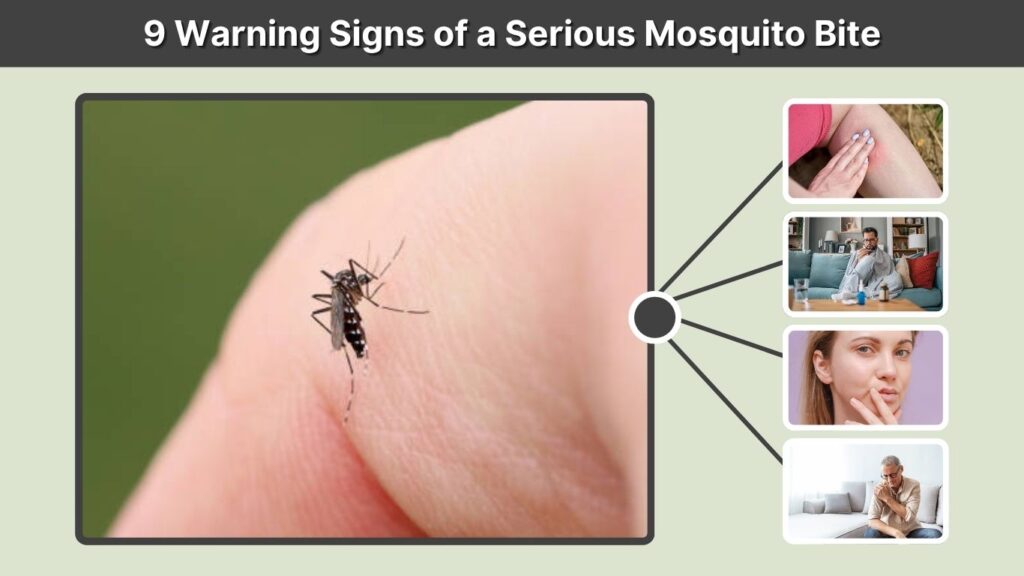
Although most mosquito bites heal naturally, certain changes suggest that medical evaluation may be necessary. These symptoms can indicate bacterial infection, an unusually strong allergic response, or an illness transmitted by mosquitoes.
Watch for these nine warning signs:
- Spreading redness: Redness that expands significantly after 48 hours may indicate an infection, particularly when accompanied by pain.
- Increasing swelling: Swelling that continues worsening rather than stabilizing deserves medical attention.
- Severe pain: Increasing tenderness or intense pain is unusual for an uncomplicated mosquito bite.
- Pus or discharge: Yellowish fluid or pus may indicate a bacterial skin infection.
- Red streaks: Red lines extending away from the bite can indicate a spreading infection and require prompt evaluation.
- Fever or chills: Fever after mosquito exposure may suggest infection or a mosquito-borne illness.
- Widespread hives: Hives appearing away from the bite may indicate a more extensive allergic reaction.
- Severe facial swelling: Swelling affecting the eyes, mouth, or normal facial functions needs urgent assessment.
- Severe systemic symptoms: Confusion, persistent vomiting, severe abdominal pain, or unusual bleeding may indicate serious illness.
Difficulty breathing, throat swelling, confusion, or collapse requires emergency care.
When to Worry About a Swollen Mosquito Bite
Swelling is a natural response to mosquito saliva. Some people experience larger reactions than others, particularly children and individuals who have not previously encountered certain mosquito species.
However, swelling that progressively worsens may need medical evaluation.
Normal Swelling vs. Infected Mosquito Bite
Normal swelling usually begins soon after the bite and may increase during the first day. The area can feel warm, but symptoms should gradually stabilize.
An infected mosquito bite may become increasingly painful, hot, and swollen after two or three days. Pus, spreading redness, or fever makes infection more likely.
How Much Swelling Is Too Much?
A large swollen area does not automatically indicate infection. Some allergic reactions produce swelling several inches across.
Contact a healthcare professional if the swelling is unusually severe, continues expanding, or interferes with movement, vision, or daily activities.
Skeeter Syndrome: When Should You Worry?
Skeeter syndrome is a pronounced local allergic reaction to proteins in mosquito saliva. It causes significantly more swelling and inflammation than an ordinary mosquito bite.
Although it can resemble a bacterial infection, Skeeter syndrome is an inflammatory reaction rather than an infection.
Symptoms of Skeeter Syndrome
People with Skeeter syndrome may develop large, warm, swollen patches accompanied by intense itching, redness, and tenderness.
Symptoms commonly develop within hours of the bite and may last approximately three to ten days. Young children are particularly susceptible.
When Does Skeeter Syndrome Need Treatment?
Consult a healthcare professional when swelling is extensive, painful, or difficult to distinguish from an infection.
Treatment may include cold compresses, appropriate antihistamines, or corticosteroid medications. Severe reactions sometimes require prescription treatment.
Breathing difficulties or swelling involving the throat require emergency medical care.
When to Worry About a Mosquito Bite on a Baby or Toddler
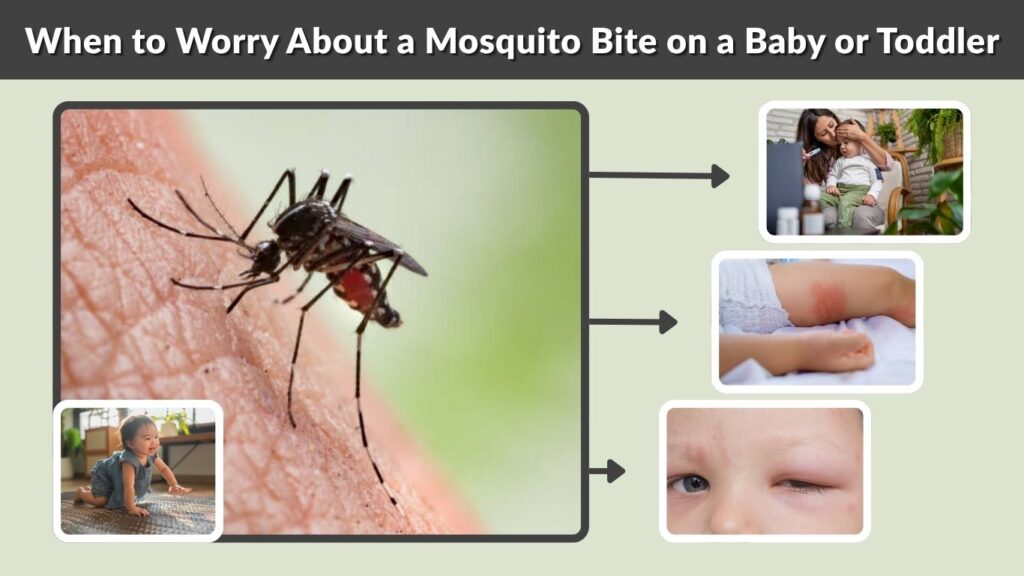
Babies and toddlers can develop larger mosquito bite reactions because their immune systems respond differently from those of many adults. Significant swelling may occur even when the bite is not infected.
Nevertheless, young children require closer observation because they cannot always explain their symptoms.
Warning Signs in Babies and Toddlers
Contact a healthcare professional if your child experiences:
- Fever: A baby younger than three months with a temperature of 38°C (100.4°F) or higher needs immediate medical assessment.
- Rapidly spreading redness: Increasing redness accompanied by warmth or pain may indicate infection.
- Unusual behavior: Persistent crying, poor feeding, extreme sleepiness, or difficulty waking requires prompt evaluation.
- Severe swelling: Swelling that prevents normal eye opening, movement, feeding, or urination requires urgent assessment.
- Pus or red streaks: These symptoms may indicate an infection requiring treatment.
How to Care for a Child’s Mosquito Bite
Gently wash the bite with mild soap and water. Apply a cool, damp cloth to reduce discomfort and discourage scratching.
Avoid using adult-strength medications or medicated creams without checking the product’s age restrictions. Consult a pediatrician before giving antihistamines or applying hydrocortisone to very young children.
Can a Mosquito Bite Cause a Serious Disease?
Some mosquitoes transmit infections such as dengue, malaria, chikungunya, and West Nile virus. However, an ordinary itchy bump does not mean that a mosquito has transmitted a disease.
These infections typically cause symptoms beyond the bite itself, sometimes days or weeks after exposure.
Symptoms of Mosquito-Borne Illnesses
Fever accompanied by headache, muscle aches, joint pain, rash, or vomiting may indicate a mosquito-borne infection, depending on geographic exposure.
Seek medical evaluation if these symptoms develop in an area where mosquito-borne diseases occur.
Severe abdominal pain, repeated vomiting, or unusual bleeding can be warning signs of severe dengue and require immediate medical attention, even after the fever improves.
How to Treat a Mosquito Bite at Home
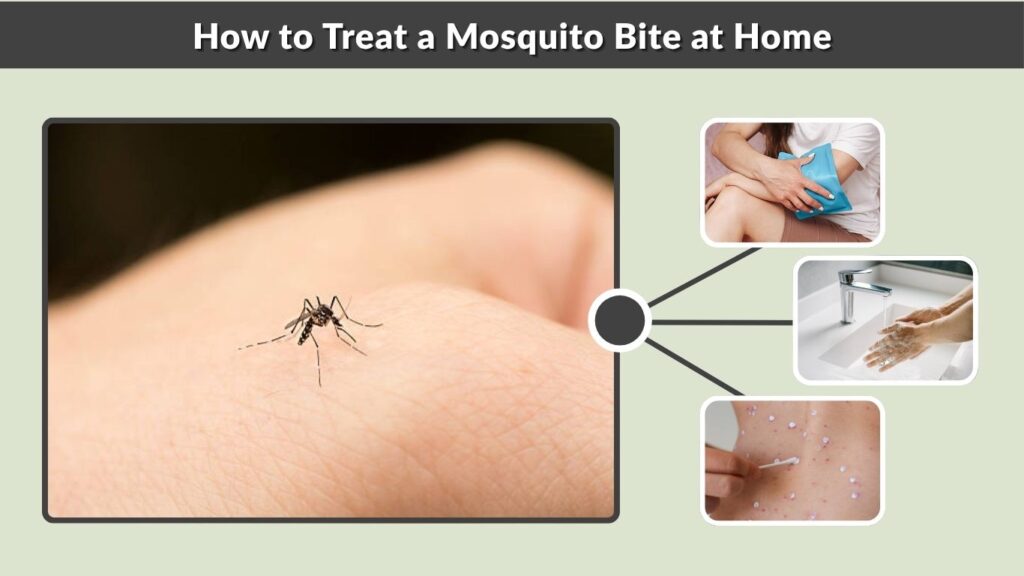
Most uncomplicated mosquito bites respond well to simple home care. Reducing itching and avoiding scratching can help protect the skin from further irritation.
The following measures may provide relief:
- Wash the bite: Clean the affected area gently with mild soap and water.
- Apply a cold compress: Hold a cloth-wrapped cold pack against the bite for approximately 10 minutes.
- Use an anti-itch product: Calamine lotion or appropriate hydrocortisone cream may reduce discomfort.
- Avoid scratching: Keep fingernails short to minimize skin damage and secondary infection.
- Monitor symptoms: Seek medical advice if pain, redness, or swelling continues worsening.
If dengue is suspected, avoid aspirin and ibuprofen until a healthcare professional advises otherwise.
FAQs
When Should I Be Concerned About a Mosquito Bite?
You should be concerned when a mosquito bite becomes increasingly painful, produces pus, develops spreading redness, or causes significant swelling. Fever or other unusual symptoms also deserve medical attention. Breathing difficulties or throat swelling require emergency care.
Is It Normal for a Mosquito Bite to Swell a Lot?
Yes, some mosquito bites cause considerable swelling because of a strong local immune response. Children are particularly prone to larger reactions. However, swelling that keeps worsening, becomes extremely painful, or interferes with normal activities should be medically evaluated.
When Is a Mosquito Bite Dangerous for a Baby?
A baby’s mosquito bite may require medical attention if there is spreading redness, pus, severe swelling, or unusual behavior. Babies younger than three months with a fever of 38°C (100.4°F) or higher require immediate medical evaluation.
How Can You Tell if a Mosquito Bite Is Infected?
An infected mosquito bite may develop increasing warmth, pain, swelling, spreading redness, or pus. Symptoms often become worse after the first 48 hours rather than gradually improving. Red streaks or fever require prompt medical assessment.
How Long Is Too Long for a Mosquito Bite to Last?
Most mosquito bites improve within several days, although swelling can occasionally persist for a week. A bite that remains painful, continues enlarging, or shows no improvement after about a week should be assessed by a healthcare professional.
