
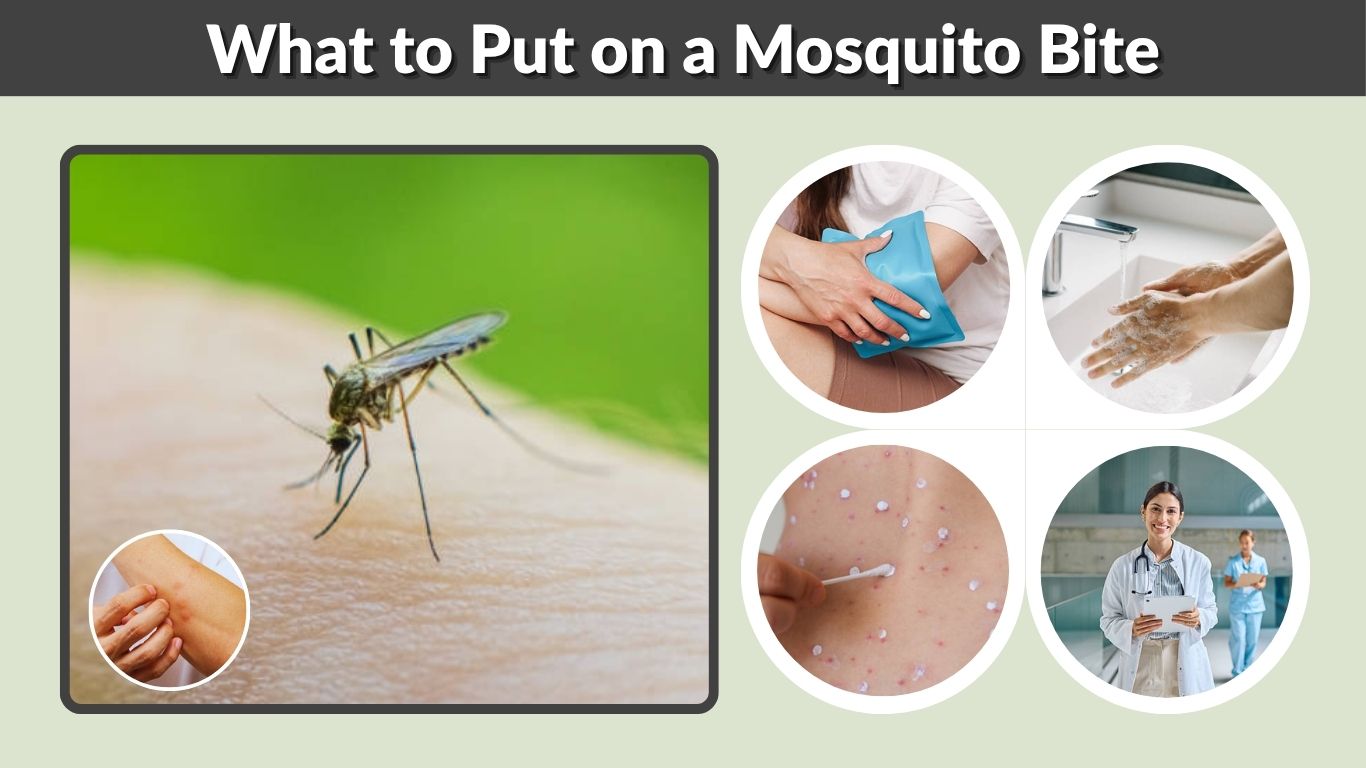
A mosquito bite may look small, but the itching and swelling can become surprisingly uncomfortable. If you are wondering what to put on a mosquito bite, several simple treatments can calm irritated skin and help you avoid scratching. Cold compresses, calamine lotion, hydrocortisone cream, and colloidal oatmeal are among the most useful options. You can also try a soothing bath when multiple bites affect your body. This guide explains which remedies to use, how to apply them safely, and when a bite needs medical attention.
Why Do Mosquito Bites Itch and Swell?
Mosquito bites trigger an immune response when mosquito saliva enters your skin. Your body releases histamine and other inflammatory chemicals, causing itching, redness, and swelling around the affected area.
Some people develop small, itchy bumps, while others experience larger swollen patches. Children and individuals with stronger sensitivities may have more noticeable reactions.
Scratching can worsen inflammation and damage the protective skin barrier. Fortunately, most mosquito bites heal naturally within several days when properly cared for.
What to Put on a Mosquito Bite for Fast Relief
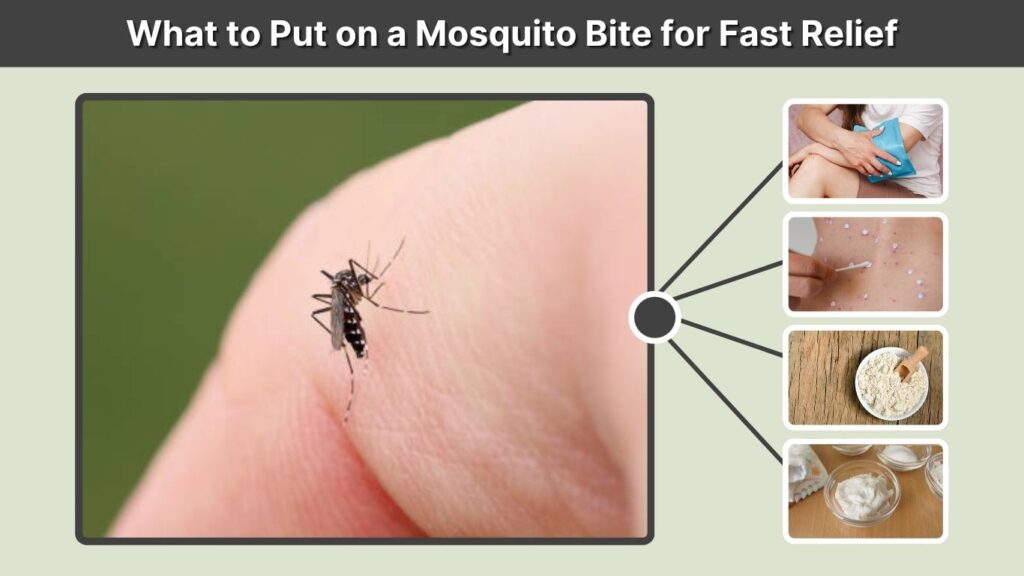
Several treatments can reduce mosquito bite itching and discomfort. Some provide immediate cooling, while others help control inflammation or protect irritated skin.
Choosing the right remedy depends on your symptoms and skin sensitivity. The following options are generally suitable for uncomplicated mosquito bites when used correctly.
1. Cold Compress
A cold compress is one of the quickest ways to soothe an itchy mosquito bite. Cold temperatures temporarily numb nerve endings and reduce swelling.
Wrap an ice pack in a clean towel and apply it for approximately 10 minutes. Repeat as needed, allowing your skin to return to its normal temperature between applications. Never place ice directly against your skin.
2. Hydrocortisone Cream
Over-the-counter 1% hydrocortisone cream helps reduce inflammation, redness, and itching.
Apply a thin layer to the affected area according to the package instructions. Avoid using it on broken or infected skin. Consult a healthcare professional before treating young children or applying it to sensitive areas.
3. Calamine Lotion
Calamine lotion can temporarily relieve itching and minor irritation caused by mosquito bites.
Clean and dry the affected skin before applying a thin layer. Allow the lotion to dry naturally.
Calamine is particularly useful for mild bites that cause persistent itching without significant swelling.
4. Colloidal Oatmeal
Colloidal oatmeal contains finely ground oats that help soothe irritated skin and maintain moisture.
Apply an appropriate colloidal oatmeal cream or lotion according to the product directions. It can be particularly helpful when mosquito bites leave the surrounding skin dry or sensitive.
5. Baking Soda Paste
Baking soda paste is a commonly suggested home remedy for itchy insect bites, although scientific evidence supporting its effectiveness is limited.
Mix one tablespoon of baking soda with enough water to create a paste. Apply briefly, leave for approximately 10 minutes, and rinse thoroughly.
Avoid this remedy on broken or highly sensitive skin, and discontinue use if irritation develops.
What to Put in a Bath for Mosquito Bites
Taking a soothing bath may provide temporary comfort when multiple mosquito bites affect your arms, legs, or body. Lukewarm water is preferable because hot water may increase skin irritation and dryness.
Colloidal oatmeal is among the better-supported bath ingredients for relieving minor itching associated with insect bites.
Colloidal Oatmeal Bath
A colloidal oatmeal bath can soothe widespread itching and help protect irritated skin.
Follow these steps:
- Fill your bathtub with comfortably lukewarm water.
- Add a commercial colloidal oatmeal bath treatment according to the package instructions.
- Stir the water to distribute the oatmeal evenly.
- Soak for approximately 15–20 minutes, or follow the product’s recommended duration.
- Pat your skin dry gently with a soft towel.
Be careful when exiting because oatmeal products may make the bathtub slippery.
Plain Lukewarm Bath
A plain lukewarm bath is another gentle option, especially for sensitive skin.
Avoid heavily fragranced soaps, bubble baths, and harsh cleaning products. After bathing, apply a fragrance-free moisturizer if your skin feels dry.
Although bathing will not eliminate mosquito bites, it may temporarily reduce discomfort.
How to Treat a Mosquito Bite Immediately
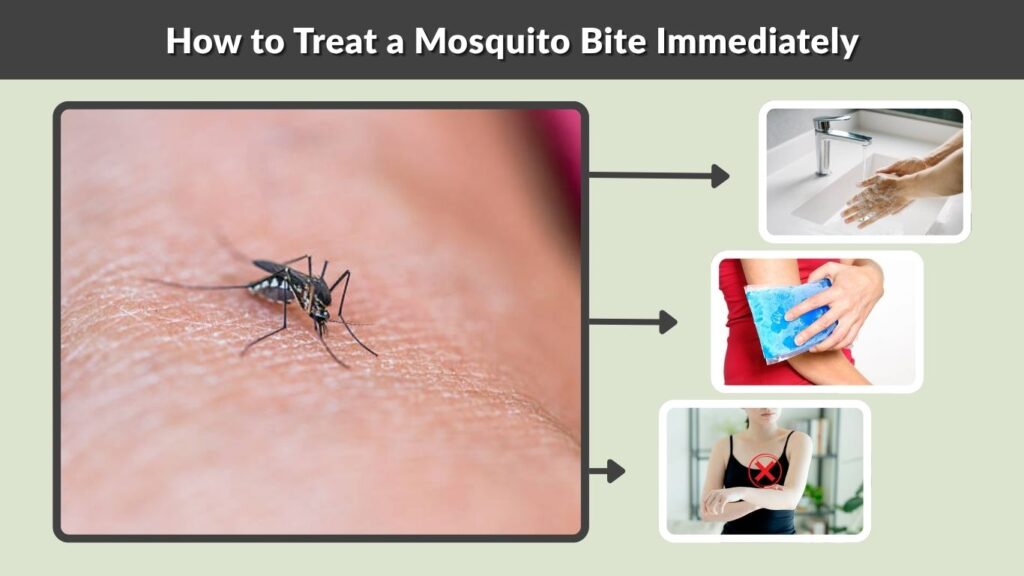
Proper first aid can help minimize irritation and reduce the chance of scratching-related infection. You do not need complicated products or expensive treatments to manage most uncomplicated mosquito bites.
The following steps are useful immediately after noticing a bite.
- Wash the affected area: Gently clean the skin with mild soap and water to remove dirt and other contaminants.
- Apply a cold compress: Use a cloth-wrapped ice pack for approximately 10 minutes to relieve swelling and itching.
- Use an anti-itch product: Apply calamine lotion or hydrocortisone cream according to the label when additional relief is necessary.
- Avoid scratching: Keep your fingernails short and consider covering the bite with a clean dressing if necessary.
- Monitor your skin: Watch for increasing redness, pain, warmth, or discharge that could indicate an infection.
Most uncomplicated bites gradually improve without additional medical treatment.
What Should You Avoid Putting on Mosquito Bites?
Not every popular home remedy is suitable for irritated skin. Certain household products can cause dryness, burning, or allergic reactions.
Avoid applying these substances to mosquito bites:
- Toothpaste: Flavorings and detergents may irritate skin rather than reduce inflammation.
- Rubbing alcohol: Alcohol can cause dryness and stinging, especially when the bite has been scratched.
- Undiluted essential oils: Concentrated oils may trigger irritation or allergic contact dermatitis.
- Lemon juice: Citrus juice can irritate skin and may cause a reaction when exposed to sunlight.
- Very hot water: Excessive heat may temporarily distract from itching but can worsen irritation or cause burns.
Gentle treatments specifically intended for irritated skin are generally more reliable than harsh household ingredients.
How to Reduce Mosquito Bite Itching Naturally
Mosquito bites usually heal without complications, but persistent scratching can prolong irritation. Maintaining healthy skin and reducing exposure to additional mosquitoes can make recovery more comfortable.
Simple changes in your daily routine may also help prevent itching from becoming worse.
Keep Your Skin Clean and Moisturized
Wash mosquito bites gently and avoid excessive rubbing. Use a fragrance-free moisturizer when the surrounding skin becomes dry.
Protecting the skin barrier helps prevent cracking and additional irritation. Avoid applying unfamiliar skincare products directly to inflamed areas.
Control Itching at Night
Itching may feel more noticeable at bedtime because there are fewer distractions.
Apply a cool compress before sleeping and wear loose, breathable clothing. If itching remains troublesome, ask a pharmacist whether an oral antihistamine is appropriate for your age and medical circumstances.
When Should You See a Doctor for a Mosquito Bite?
Most mosquito bites disappear within a few days, although larger reactions may take longer. Mild redness and itching are common, but worsening symptoms deserve attention.
Recognizing unusual reactions is important because mosquito bites can sometimes lead to skin infections or transmit certain illnesses.
Signs of an Infected Mosquito Bite
A scratched mosquito bite can occasionally develop a bacterial infection.
Increasing pain, spreading redness, unusual warmth, pus, or worsening swelling may indicate infection. Seek medical advice if these symptoms occur rather than repeatedly applying home remedies.
Signs of a Serious Reaction
Seek prompt medical evaluation if mosquito exposure is followed by fever, severe headache, body aches, or unusual weakness, particularly in areas where mosquito-borne illnesses occur.
Difficulty breathing, throat swelling, or fainting requires emergency medical care.
FAQs
What Is the Best Thing to Put on a Mosquito Bite?
A cold compress is an excellent first option for reducing itching and swelling. Calamine lotion and 1% hydrocortisone cream can provide additional symptom relief. The most suitable treatment depends on your skin sensitivity, age, and the severity of your reaction.
Can I Put Vaseline on a Mosquito Bite?
Petroleum jelly can help protect dry or irritated skin by maintaining moisture. However, it does not directly reduce the inflammatory reaction responsible for itching. Calamine lotion or an appropriate anti-itch cream may provide more targeted relief.
Does a Baking Soda Bath Help Mosquito Bites?
There is limited scientific evidence that baking soda baths effectively treat mosquito bites. Baking soda may also irritate sensitive skin. A colloidal oatmeal bath is generally a better-supported option for temporarily soothing widespread itching and minor skin irritation.
How Long Do Mosquito Bites Take to Heal?
Most uncomplicated mosquito bites improve within several days. Some people experience itching, redness, or swelling for a week or longer. Avoiding scratching and using gentle treatments can improve comfort while the skin heals naturally.
Can You Put Hydrocortisone Cream on a Child’s Mosquito Bite?
Hydrocortisone cream may relieve mosquito bite itching in children, but product instructions and age restrictions vary. Ask a healthcare professional before using it on young children, particularly those under two. Avoid broken skin and follow recommended application limits.
