

Dragonfly eggs are the first critical stage in the life cycle of these fascinating insects. Laid by female dragonflies in or near water, these eggs will eventually hatch into nymphs, which develop into adult dragonflies. Understanding the process of egg development offers insights into their life cycle, habitat preferences, and ecological role. This article will explore the stages of dragonfly egg development, the factors affecting them, and their significance in the lifecycle of these stunning insects.
What are Dragonfly Eggs?
Dragonfly eggs are the starting point of a dragonfly’s life cycle. They are small, oval-shaped, and typically laid in or near water, often clinging to submerged vegetation or floating at the water’s surface. Unlike many other insects, dragonfly eggs have a tough, protective coating that helps to shield them from predators and environmental hazards. The eggs are often transparent and vary in color, depending on the species.
Unlike some species that lay eggs on land, dragonflies depend on water for the next stages of their development. This reliance on water is essential as it provides the aquatic nymph stage, which is crucial for the dragonfly’s growth before it can emerge as an adult.
Where Do Dragonflies Lay Their Eggs?
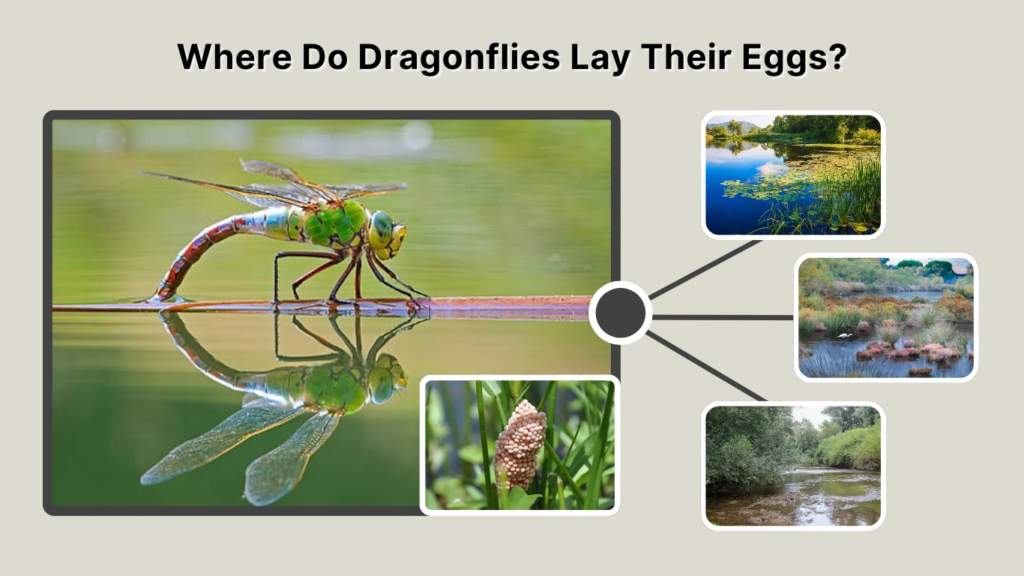
Dragonflies are drawn to bodies of water when it’s time to lay their eggs. The ideal location for egg-laying is a calm, freshwater environment with abundant vegetation, as the eggs will attach to submerged plants or float on the surface. These habitats are often found in ponds, lakes, marshes, or slow-moving rivers.
Common Habitats:
- Ponds and Lakes: The stillness of water in ponds and lakes provides a safe environment for dragonfly eggs to develop.
- Marshes and Wetlands: These areas offer rich aquatic vegetation, perfect for egg attachment.
- Slow-Moving Streams: Dragonflies prefer areas of slow-moving water where eggs can rest safely.
The vegetation in these habitats plays a crucial role in providing support for the eggs. Plants like cattails, reeds, and water lilies act as anchors for the eggs, offering both stability and protection.
How Long Do Dragonfly Eggs Last?
The duration of the egg stage can vary significantly depending on several factors, including water temperature, the species of dragonfly, and environmental conditions. On average, dragonfly eggs take between several days to a few weeks to hatch.
Warmer water temperatures tend to speed up the development process, while cooler temperatures can prolong the egg stage. Additionally, the presence of pollutants or changes in water conditions (such as decreased oxygen levels) can impact the rate at which the eggs hatch.
In some species, eggs may undergo a period of dormancy, where they remain inactive for months or even up to a year, waiting for favorable conditions to trigger hatching. This ability to survive through fluctuating conditions is crucial for the survival of the species, especially in unpredictable environments.
The Development of Dragonfly Eggs
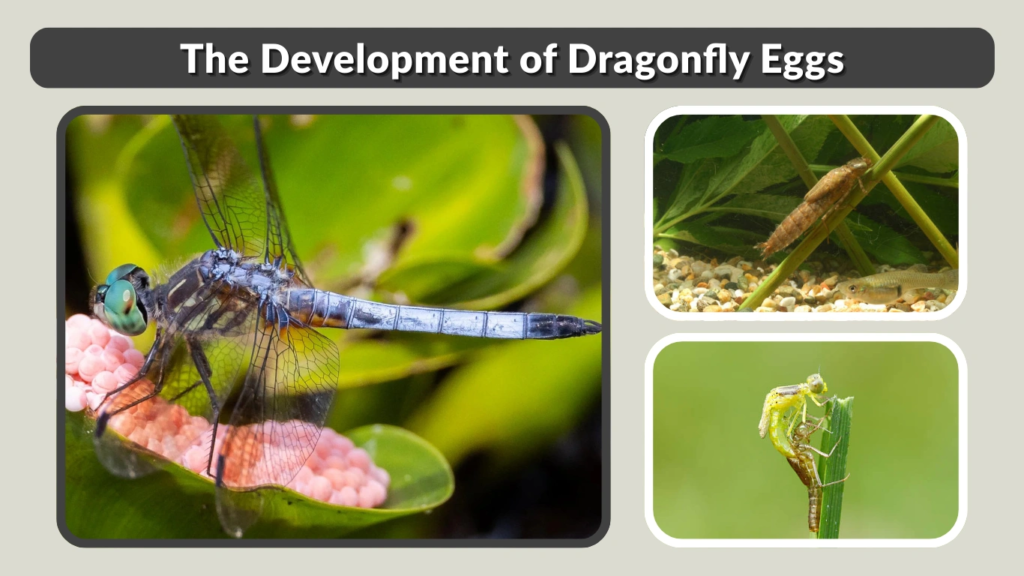
Once laid, the dragonfly egg undergoes several stages of development before hatching. The eggs are initially fertilized by the male dragonfly and then laid by the female. The fertilized egg is encased in a hard protective shell that shields the developing embryo from external threats.
Development Process:
- Early Development: In the early stages, the fertilized egg begins to form a developing embryo, which grows within the protective shell.
- Hatching Process: After the eggs have matured, they will hatch, and a tiny nymph will emerge. The nymph is fully aquatic and will begin its life in the water, where it will continue to grow and undergo several molts before reaching the adult stage.
The hatching process is a critical moment for dragonfly eggs. The nymph must emerge from the egg and enter the water to begin its life. Any disturbance in the egg’s environment, such as sudden changes in water level or temperature, can impact the success of hatching.
Factors Affecting Egg Development
Several environmental factors can influence the development of dragonfly eggs. Water quality, temperature, and the availability of food sources play a significant role in the survival and development of the eggs. For instance, water that is too warm or too polluted can slow down the hatching process or result in the death of the eggs.
In contrast, clean, well-oxygenated water with plenty of submerged plants helps ensure that the eggs have the right conditions to develop. The presence of predators, such as fish or amphibians, can also affect egg survival, as they may consume the eggs if they are not adequately protected.
Types of Dragonfly Eggs
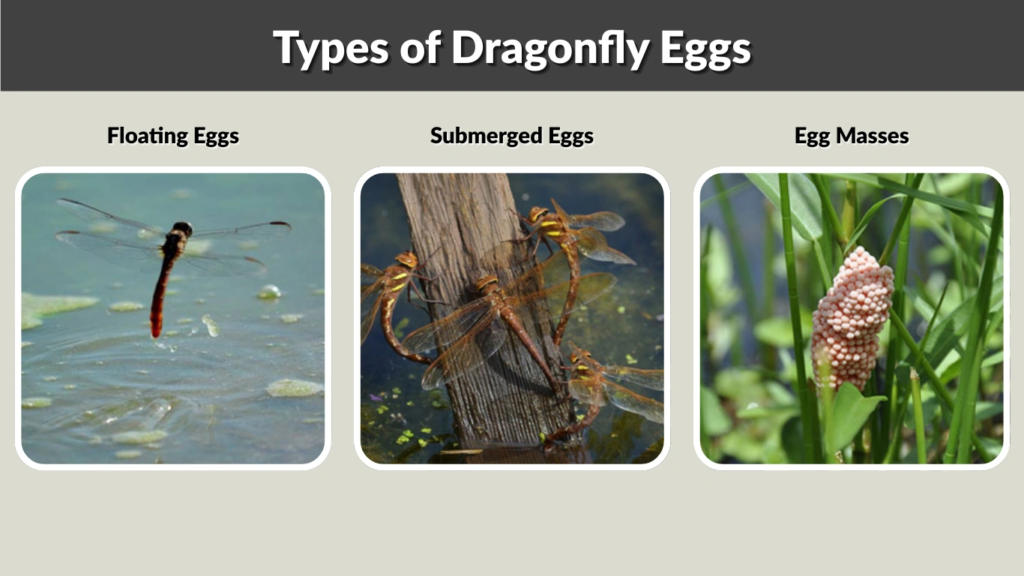
Different species of dragonflies have unique characteristics when it comes to their eggs. The size, shape, and color of the eggs can vary, and these differences can help scientists identify specific species. For example, some species lay eggs that float on the water’s surface, while others prefer to deposit them on submerged plants.
Common Egg Variations:
- Floating Eggs: Some dragonfly species, like those in the Libellulidae family, lay their eggs on the surface of the water, where they are exposed to the elements.
- Submerged Eggs: Other species, such as those in the Aeshnidae family, lay their eggs on submerged vegetation or in the mud beneath the water.
- Egg Masses: In some cases, dragonfly eggs are deposited in clusters or masses, providing more protection and increasing the chances of survival.
These different egg-laying techniques are adaptations to the species’ environments. For instance, species that lay floating eggs are often found in calm, still water, while those laying submerged eggs are more commonly found in moving water with dense vegetation.
The Role of Eggs in the Dragonfly Life Cycle
Dragonfly eggs play a crucial role in the overall life cycle of these insects. As the first stage, they represent the beginning of a dragonfly’s journey from an aquatic nymph to a flying adult. The health and survival of the eggs directly impact the population of dragonflies.
Eggs are the foundation of the life cycle, providing the first critical steps toward the transformation that leads to an adult dragonfly. Their development depends heavily on environmental factors, which makes them vulnerable to changes in the ecosystem.
The hatching of dragonfly eggs marks the transition to the next phase—the nymph stage, which is the longest phase in a dragonfly’s life cycle. The nymphs, which live in the water, feed on small organisms, continuing to grow and molt until they reach maturity.
How Do Dragonfly Eggs Contribute to Ecosystem Health?
Dragonfly eggs contribute to the health of aquatic ecosystems in several ways. As they hatch and develop into nymphs, dragonflies help control mosquito populations, which are a common pest in many wetland areas. The nymphs feed on mosquito larvae, helping to maintain balance in the ecosystem.
Additionally, dragonfly nymphs are an important food source for other predators, including fish, amphibians, and birds. Their presence indicates a healthy, biodiverse environment, as dragonflies are sensitive to changes in water quality and pollution levels.
FAQs
How long do dragonfly eggs take to hatch?
Dragonfly eggs typically take several days to a few weeks to hatch, depending on environmental conditions like water temperature and quality. In cooler water, this process may take longer.
What factors influence the survival of dragonfly eggs?
Water temperature, quality, and the presence of predators are key factors that influence egg survival. Clean, oxygen-rich water increases the chances of successful egg development.
Do all dragonflies lay eggs in water?
Yes, most dragonfly species lay their eggs in or near water. The eggs hatch into aquatic nymphs, which rely on water to grow and eventually transform into adult dragonflies.
Can dragonfly eggs survive in different water types?
Dragonfly eggs thrive in clean, well-oxygenated water. Polluted or stagnant water can reduce egg survival rates, as dragonfly larvae need good water quality to develop successfully.
How many eggs does a dragonfly lay at once?
A female dragonfly can lay several hundred eggs throughout her life, depending on the species. The eggs are deposited in water, where they eventually hatch into nymphs.
