
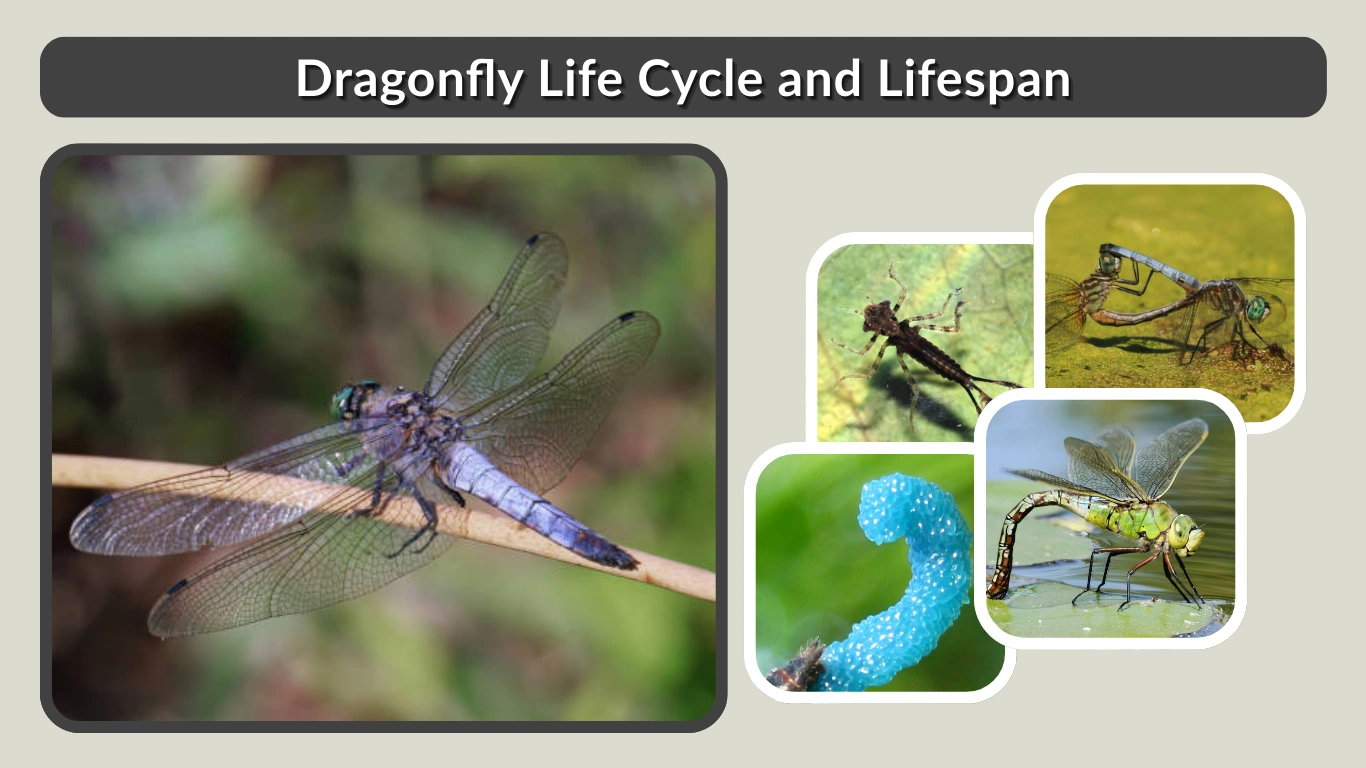
Dragonflies are remarkable insects that go through a fascinating life cycle. From the time they are tiny eggs to their emergence as agile, colorful adults, dragonflies undergo multiple stages that involve drastic transformations. Understanding the life cycle of a dragonfly not only reveals how these insects grow and evolve but also sheds light on their behavior and ecological significance. In this article, we will explore the stages of the dragonfly life cycle and delve into the factors that influence their lifespan.
Dragonfly Life Cycle Overview
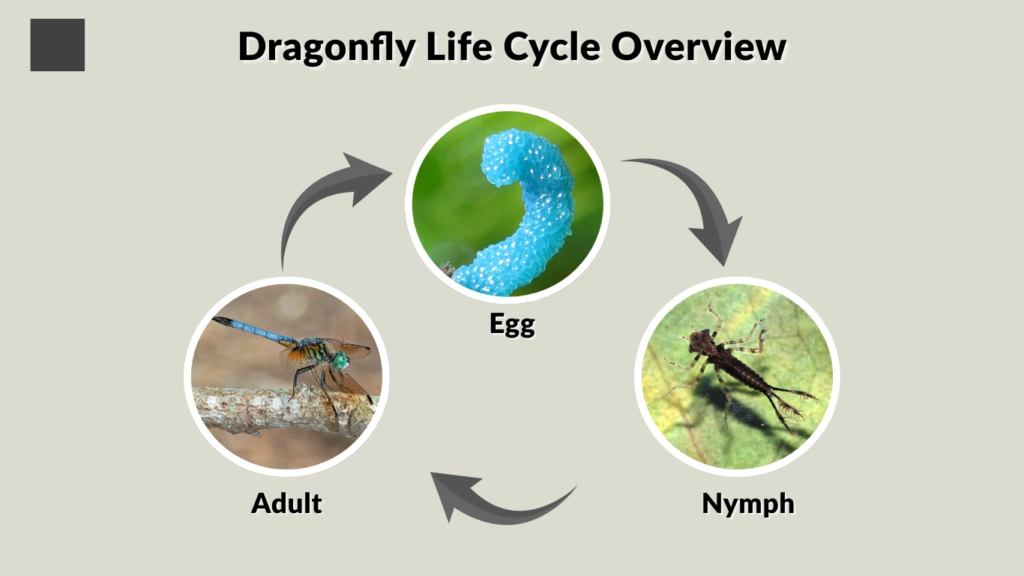
Stages of the Dragonfly Life Cycle
The life cycle of a dragonfly consists of three main stages:
- Egg
- Nymph
- Adult
Each stage is marked by distinct developmental processes, with the most dramatic changes occurring between the nymph and adult stages. Dragonflies spend the majority of their life in the nymph stage, which takes place in water. The transformation from nymph to adult is also called emergence.
How Long Each Stage Lasts
The length of time dragonflies spend in each life cycle stage can vary significantly based on species and environmental factors like temperature, water conditions, and food availability.
- Egg Stage: Dragonfly eggs generally last between several days to several weeks before hatching, depending on the species and water conditions.
- Nymph Stage: The nymph stage is the longest, often lasting from several months to several years. This is when dragonflies undergo most of their development.
- Adult Stage: Once they emerge, adult dragonflies typically live for a few weeks to several months. This is the final phase of their life cycle, during which they reproduce.
Dragonfly Egg Stage
Egg Laying Process
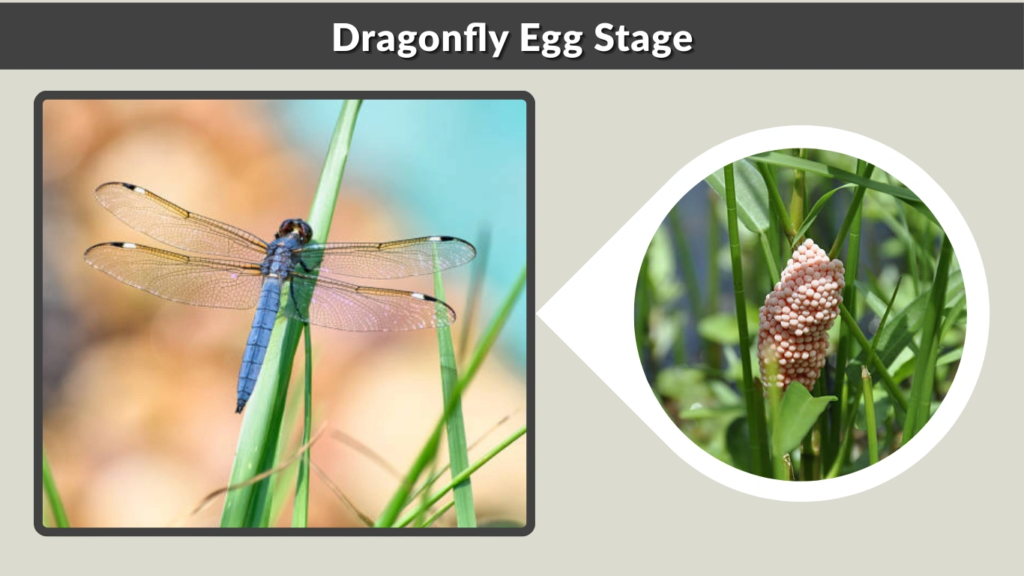
Dragonflies lay their eggs in or near water, typically in ponds, lakes, marshes, or slow-moving streams. Depending on the species, some dragonflies may lay their eggs directly in the water, while others deposit them on submerged vegetation or other surfaces. The eggs are small and usually transparent, allowing the developing larvae to be seen through the shell.
Dragonfly eggs are typically laid in clusters or singly, and they hatch once the appropriate environmental conditions are met—primarily water temperature and quality. The eggs require moisture to develop, but they are also vulnerable to drying out if the water level drops.
How Long Dragonfly Eggs Last
The length of time it takes for dragonfly eggs to hatch varies depending on species, environmental conditions, and water temperature. On average, dragonfly eggs take several days to several weeks to hatch. The warmer the water, the faster the eggs will hatch, but colder conditions can delay the process.
Dragonfly Nymph Stage
Nymph Development and Behavior
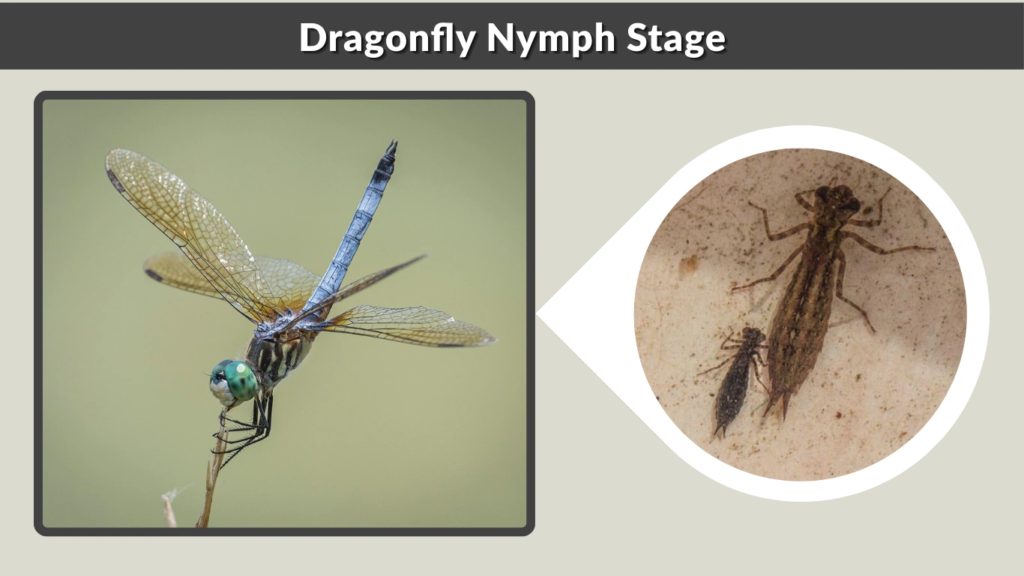
Once the eggs hatch, the dragonfly enters the nymph stage, which is the longest phase of its life. Dragonfly nymphs live entirely in the water and can be found in aquatic environments where they hide among plants and sediment. They are aquatic larvae with gills that allow them to breathe underwater.
During the nymph stage, dragonflies undergo a series of molts, growing larger and more developed with each shedding of their exoskeleton. This phase is where the majority of the dragonfly’s physical development occurs, including the formation of its wings and body structure.
Nymphs are voracious predators, feeding on a variety of small aquatic organisms, including tadpoles, small fish, and other insect larvae. Their diet helps them grow, and they develop into formidable hunters. Nymphs are equipped with a specialized mask-like structure (labium) that they extend to capture prey, making them efficient hunters even at this early stage.
How Long the Nymph Stage Lasts
The duration of the nymph stage can vary widely depending on the species, but it generally lasts anywhere from several months to several years. Dragonflies in cooler climates may spend more time as nymphs to grow larger, while those in warmer environments may mature more quickly. Factors like food availability, water quality, and temperature significantly affect how quickly the nymph reaches maturity.
Nymph Diet and Predation
Dragonfly nymphs are aggressive predators, feeding on insects, small fish, and even other aquatic nymphs. Their hunting ability is crucial for their survival and growth. However, nymphs also face threats from predators, including fish and other water-dwelling animals. Despite being at the bottom of the food chain, nymphs have few natural predators due to their ability to hide and ambush prey.
Dragonfly Emergence: From Nymph to Adult
How the Nymph Transforms
The final step in the dragonfly’s life cycle is emergence, the dramatic transformation from nymph to adult. This process occurs when the nymph leaves the water and climbs up a plant stem, rock, or other surface above the waterline. Once the nymph reaches a safe spot, it begins to shed its exoskeleton, a process known as molting.
During the emergence process, the adult dragonfly’s wings begin to expand, and it takes its first flight. This transition from nymph to adult can take several hours. The newly emerged adult is soft and vulnerable, but within hours, its exoskeleton hardens, and the wings become fully functional. At this point, the dragonfly can take flight and begin its adult life.
Adult Dragonfly Behavior
Upon emerging, adult dragonflies are fully capable of flight and immediately begin their search for food and mates. They primarily feed on flying insects, such as mosquitoes, flies, and moths, and are excellent aerial hunters. Adult dragonflies live a relatively short time compared to their nymph stage—usually a few weeks to several months, depending on species.
Dragonfly Lifespan
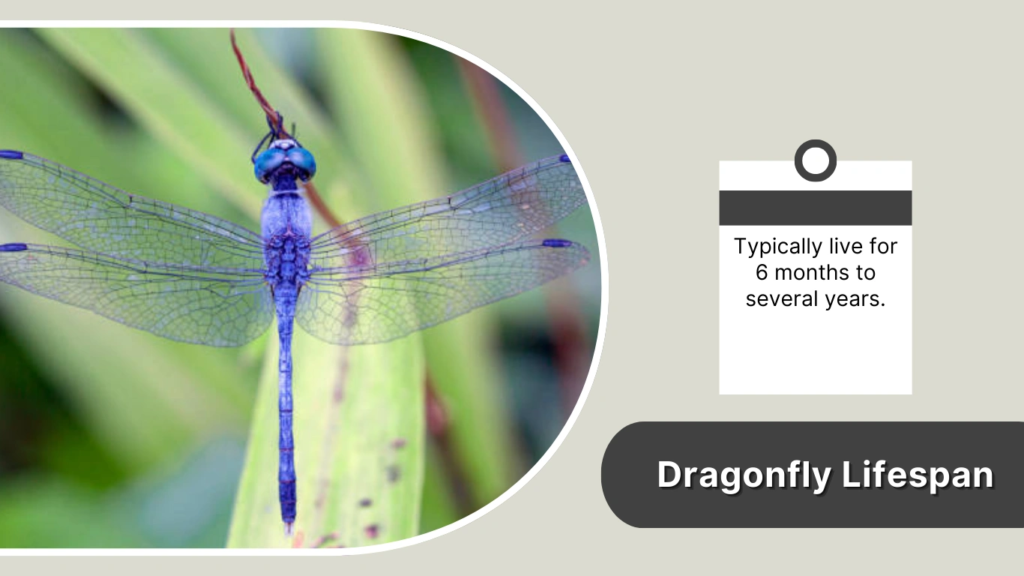
Typical Lifespan of a Dragonfly
The total lifespan of a dragonfly is the sum of its time spent in the egg, nymph, and adult stages. From egg laying to death, dragonflies typically live for 6 months to several years. However, the adult phase itself is short, usually lasting only a few weeks to a few months.
Factors Affecting Lifespan
The lifespan of a dragonfly can be affected by several factors, including:
- Predation: Birds, fish, and larger insects can all pose threats to dragonflies at various stages of their life cycle.
- Environmental Conditions: Temperature, water quality, and food availability can all influence how long a dragonfly lives.
- Species Variation: Some species may live longer as nymphs and shorter as adults, while others may thrive in short life spans.
Dragonfly Reproduction and Mating Habits
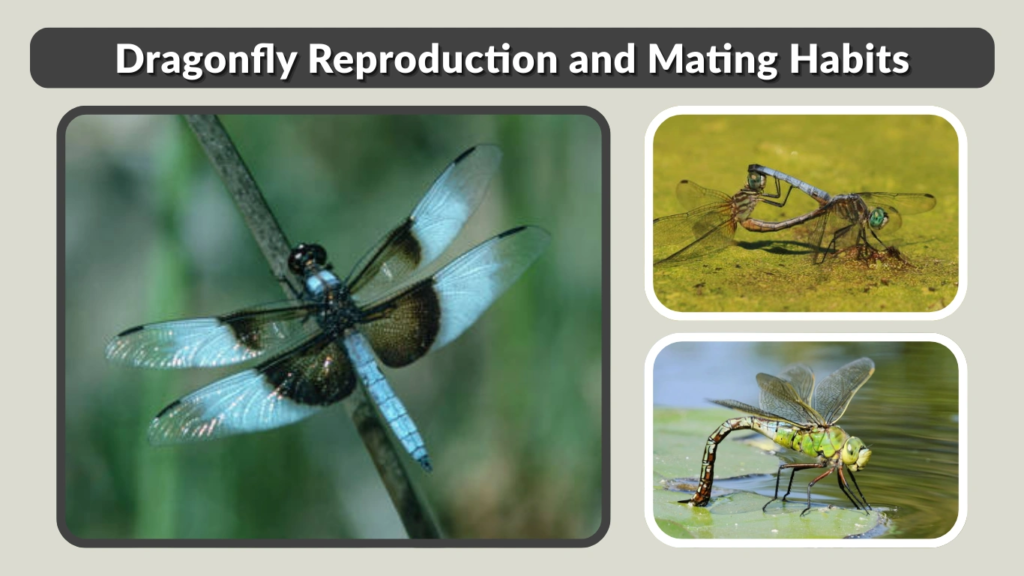
Mating Rituals and Courtship
Mating typically occurs shortly after dragonflies emerge as adults. During courtship, male dragonflies often engage in elaborate behaviors to attract females. These can include flying displays, territorial defense, and the offering of food. Some species are known to engage in a “mating wheel” formation, where the male grabs the female by the head or thorax while she grasps his abdomen. This distinctive position facilitates the transfer of sperm.
Once mating occurs, the female lays eggs, often in a location that is suitable for the development of the nymphs, such as ponds, streams, or wetlands.
Egg Laying Locations and Timing
After mating, the female dragonfly deposits her eggs in or near water. Depending on the species, some females drop their eggs directly into the water, while others may deposit them on submerged vegetation or floating debris. Egg laying usually happens in the late summer or early fall, and the eggs will overwinter until they hatch the following spring.
Environmental Factors and Dragonfly Development
Water Quality and Habitat Preferences
Dragonfly development is closely tied to the quality of the water where their eggs hatch. Clean, shallow water with plenty of vegetation is essential for the survival of nymphs. The water should be free from pollutants and other contaminants to ensure healthy growth. The quality of the habitat significantly affects how quickly dragonfly nymphs mature.
Some species of dragonflies are particularly sensitive to changes in water quality, making them useful bioindicators for environmental monitoring. When dragonfly populations decline due to water pollution, it can signal larger environmental issues.
Temperature, Precipitation, and Dragonfly Growth
Temperature plays a crucial role in the development of dragonflies, especially during their nymph stage. In warmer climates, dragonflies tend to mature more quickly, while in cooler environments, the process may take longer. Precipitation is another important factor—consistent rainfall helps maintain the water levels and habitat conditions that dragonfly nymphs require.
Climate change and temperature fluctuations are potential threats to dragonfly populations, particularly if they affect the timing of egg hatching and nymph development. Warmer temperatures may lead to earlier emergence, which could disrupt seasonal synchronization with food availability.
Dragonfly Life Cycle and Humans
Role in Ecosystem
Dragonflies play a vital role in controlling insect populations. Both nymphs and adults are predators, feeding on a wide variety of insects. Nymphs prey on aquatic organisms, while adult dragonflies are skilled hunters of flying insects such as mosquitoes, flies, and moths. In many regions, dragonflies are considered natural pest controllers, helping to reduce the population of nuisance insects, especially mosquitoes that can carry diseases like malaria and West Nile virus.
Their role in ecosystems is crucial for maintaining a balance between different species, ensuring the health of aquatic and terrestrial food webs.
Importance in Agriculture and Gardens
Dragonflies are also beneficial to gardeners and farmers because they help control pest insects. In organic farming and gardening, where pesticides are often avoided, dragonflies offer an eco-friendly form of pest management. Their ability to consume large quantities of flying insects makes them a natural and efficient solution for reducing the need for chemical insecticides.
FAQs
How long does it take for a dragonfly to grow?
The growth time of a dragonfly can vary greatly, with the nymph stage lasting anywhere from several months to several years, depending on the species and environmental conditions. Once they reach adulthood, dragonflies typically live for a few weeks to a few months.
How many stages are in a dragonfly’s life cycle?
A dragonfly undergoes three stages in its life cycle: egg, nymph, and adult. Each stage represents a significant transformation, with the most dramatic change occurring between the nymph and adult stages.
How long do adult dragonflies live?
Adult dragonflies usually live for a few weeks to a few months. Their primary goal during this time is to reproduce. The lifespan of an adult dragonfly can vary depending on environmental factors and species.
Can dragonflies live for several years?
Dragonflies can live for several years in their nymph stage, but as adults, they typically live only for a short period. The nymph stage is where the majority of their life cycle is spent.
Do dragonflies live in water?
Yes, dragonflies live in water during their nymph stage. The nymphs are aquatic and depend on clean, shallow water to grow and mature. After emerging as adults, dragonflies spend most of their time flying and hunting for insects, but they often return to the water to lay eggs.
