
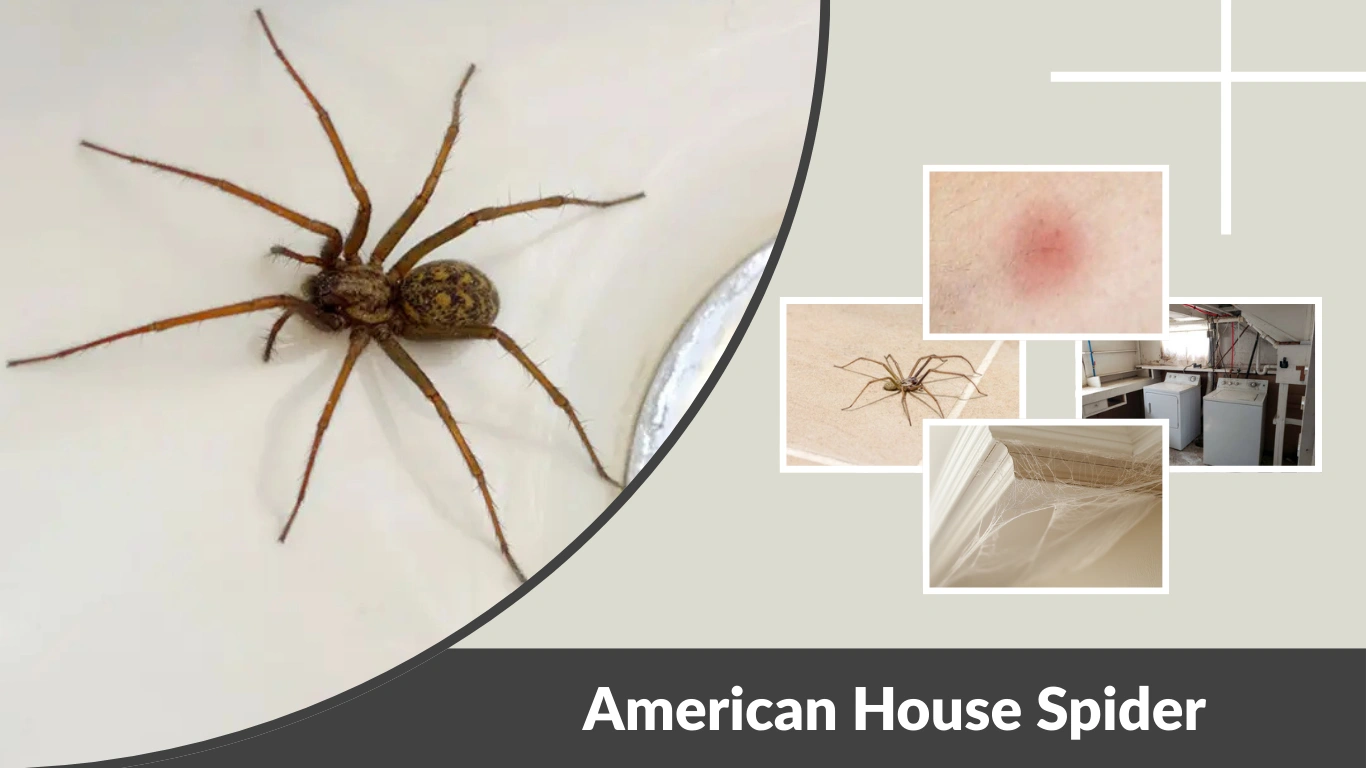
The American house spider (Parasteatoda tepidariorum) is one of the most common spiders found inside homes across North America. Despite its frequent appearance, it is often misunderstood and confused with dangerous species like the brown recluse or widow spiders. This confusion leads many people to believe it is poisonous or aggressive. In reality, the American house spider is mostly harmless. Understanding its identification, size, web behavior, and bite facts can help reduce unnecessary fear and improve proper identification.
Identification of the American House Spider
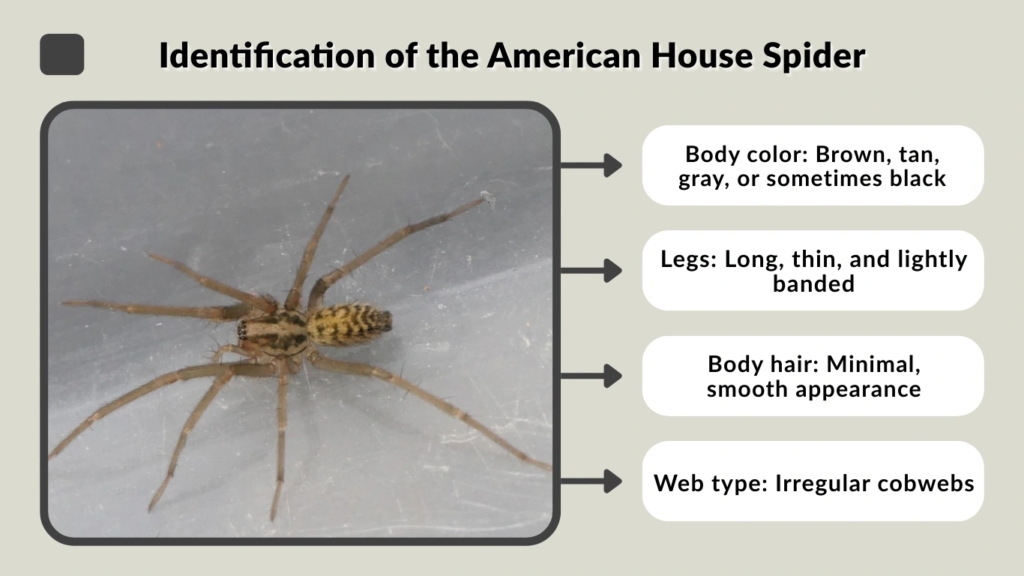
- Scientific name: Parasteatoda tepidariorum
- Common names: American house spider, common house spider
- Body color: Brown, tan, gray, or sometimes black
- Abdomen shape: Rounded or oval with mottled patterns
- Legs: Long, thin, and lightly banded
- Body hair: Minimal, smooth appearance
- Web type: Irregular cobwebs
- Female vs male: Females are larger and darker than males
The American house spider has a soft-bodied appearance with a bulbous abdomen and slender legs. Its coloring can vary widely, which is one reason it is frequently misidentified as other spiders.
Common Color Variations and Names
Brown American House Spider
The brown American house spider is the most commonly seen variation. Its brown or tan body blends easily with walls, wood, and furniture, allowing it to go unnoticed for long periods. This coloration is often mistaken for more dangerous brown spiders.
Black American House Spider
Some individuals appear dark brown or nearly black, especially mature females. These darker spiders are sometimes confused with widow spiders, but they lack the widow’s shiny body and distinctive markings.
American Common or North American House Spider
The terms “American common house spider” and “North American house spider” generally refer to the same species. Regional naming differences often cause confusion, but they all describe Parasteatoda tepidariorum.
Size and Physical Characteristics
The American house spider is relatively small compared to many other household spiders. Adult females typically measure about 5 to 8 millimeters in body length, while males are slightly smaller. When legs are fully extended, the spider may appear larger, which often leads people to overestimate its size.
Despite occasional claims of a “giant American house spider,” this species does not reach large dimensions. Its thin legs and rounded abdomen can make it look bigger than it actually is, especially when seen in dim lighting or against a wall. Compared to wolf spiders or fishing spiders, the American house spider is noticeably smaller and less robust.
Habitat and Distribution in North America
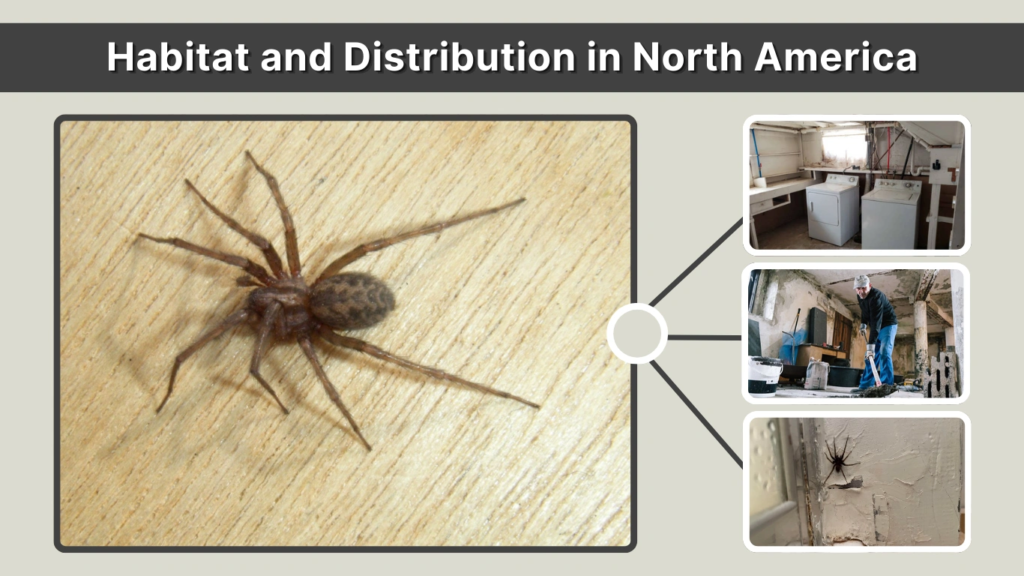
The American house spider is found throughout North America, including the United States and parts of Canada. It is especially common in temperate regions and populated areas.
These spiders prefer indoor environments such as:
- Basements
- Garages
- Attics
- Window corners
- Ceiling edges
They may also live outdoors near buildings, sheds, and fences. Homes provide warmth, shelter, and a steady supply of insects, making them ideal habitats. In states like Virginia and California, American house spiders are frequently encountered year-round indoors.
Web Structure and Behavior
Web Type and Placement
The American house spider builds irregular cobwebs rather than neat, circular orb webs. These webs appear messy and tangled and are usually found in corners, along ceilings, behind furniture, or in undisturbed areas.
Cobwebs are designed to trap crawling and flying insects rather than to be visually symmetrical. The spider often waits quietly in the web’s corner rather than sitting in the center.
Daily Behavior
American house spiders are nocturnal and shy by nature. They rarely leave their webs and prefer to retreat rather than confront threats. Bites are extremely rare and usually occur only when the spider is accidentally pressed against skin.
Lifespan and Reproduction
American House Spider Lifespan
Female American house spiders can live for over a year under favorable conditions, while males usually live for a much shorter period. Females remain in their webs for most of their lives, steadily feeding and reproducing.
Eggs and Egg Sacs
Females produce multiple egg sacs throughout their lifespan. Each egg sac is light brown and papery in texture and may contain dozens to over a hundred eggs. These sacs are commonly attached to webs or hidden in protected corners.
Baby American House Spiders
When the eggs hatch, tiny baby spiders disperse from the web. Most do not survive to adulthood, which keeps indoor populations naturally controlled.
American House Spider Bite
Do American House Spiders Bite?
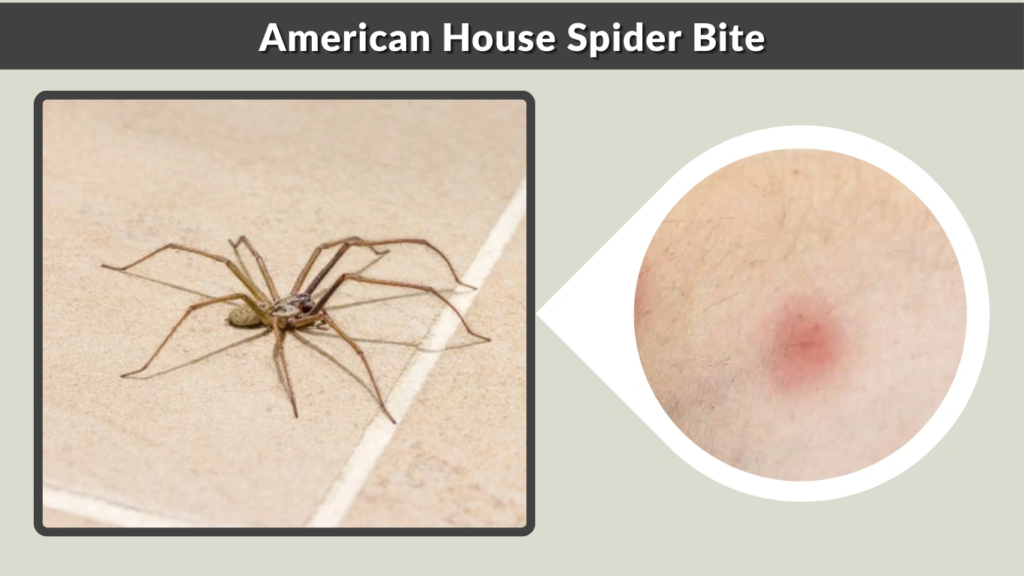
American house spiders are not aggressive and almost never bite humans. Most bites occur only when the spider is accidentally trapped against the skin, such as inside clothing or bedding. Even in these rare cases, the spider’s small fangs make it difficult to break human skin.
Many suspected “bites” attributed to American house spiders are actually caused by other insects or minor skin irritations.
American House Spider Bite Symptoms
When a bite does occur, symptoms are usually mild and short-lived. Common symptoms may include:
- Slight redness at the bite site
- Mild swelling
- Itching or a light burning sensation
- Minor irritation lasting a few hours to a day
American house spider bites do not cause necrotic wounds, severe pain, or long-term damage.
American House Spider Bite Pictures and Misidentification
Photos labeled as American house spider bites online are often misleading. Skin reactions are frequently misidentified and may actually be caused by allergic reactions, fleas, bed bugs, or bacterial infections. There is no unique visual marker that definitively identifies a spider bite without observing the spider itself.
Is the American House Spider Poisonous or Dangerous?
The American house spider is venomous, like most spiders, but it is not poisonous and not dangerous to humans. Its venom is designed to immobilize small insects and is too weak to cause harm to people or pets.
For healthy adults, children, and pets, the American house spider poses no medical risk. Unlike brown recluse or widow spiders, it does not have medically significant venom and does not cause serious reactions.
American House Spider Venom Explained
Venom plays an important role in how spiders capture and digest prey. The American house spider uses its venom to subdue insects caught in its web. However, the venom is extremely mild and ineffective against large mammals.
Even if a bite occurs, the amount of venom injected is minimal. This is why reactions are usually limited to minor skin irritation and why medical treatment is almost never required.
Comparison With Similar Spiders
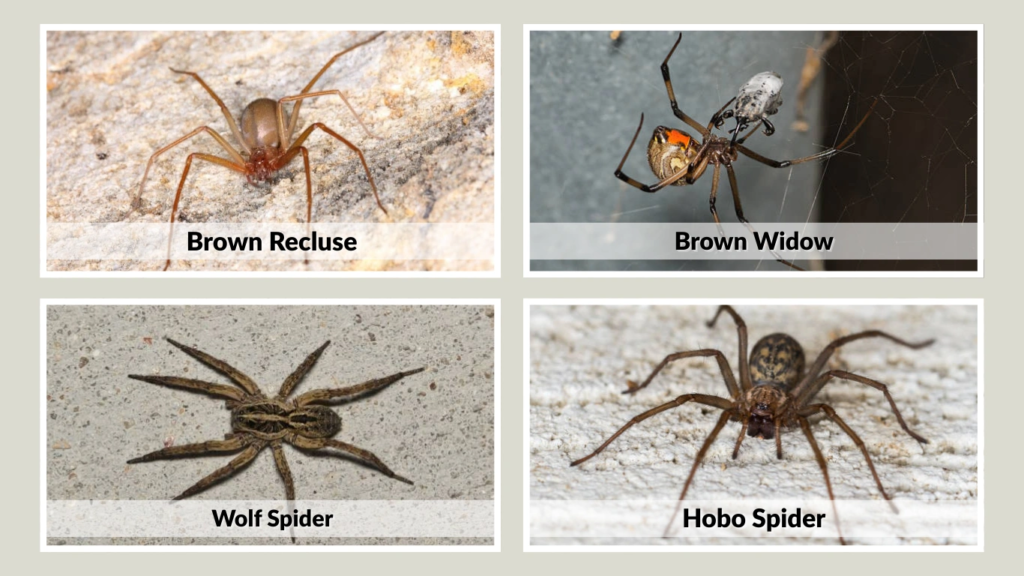
American House Spider vs Brown Recluse
The brown recluse is often confused with the American house spider, but the two species differ greatly. Brown recluses have a violin-shaped marking, six eyes arranged in pairs, and do not build cobwebs. Their bites can cause serious tissue damage, unlike the harmless bite of the American house spider.
American House Spider vs Brown Widow
Brown widows have glossy bodies, distinct markings, and stronger venom. They also build more structured webs. American house spiders lack widow markings and are significantly less dangerous.
American House Spider vs Wolf Spider
Wolf spiders are larger, hairy, and actively hunt rather than building webs. While wolf spiders may look intimidating, they are also generally harmless. American house spiders are smaller and rely entirely on cobwebs to catch prey.
Hobo Spider vs American House Spider
Hobo spiders are ground-dwelling funnel weavers and do not live in messy cobwebs. Misidentification between these species is common, but American house spiders are not associated with aggressive behavior or harmful bites.
Common Misidentifications
American house spiders are frequently mistaken for:
- Brown recluse spiders
- Brown widow spiders
- Wolf spiders
- Hobo spiders
- False widow spiders
Correct identification helps prevent unnecessary fear and improper pest control measures.
How to Get Rid of American House Spiders

Natural Prevention Methods
- Remove webs regularly
- Reduce indoor clutter
- Seal cracks and entry points
- Lower indoor insect populations
- Keep storage areas clean
These spiders generally do not infest homes in large numbers and often disappear on their own.
When to Use Pest Control
Professional pest control is rarely necessary unless spiders become a persistent nuisance or indicate a larger insect problem. Removing food sources is usually the most effective long-term solution.
Interesting Facts About the American House Spider
- One of the most common house spiders in North America
- Helps control flies, mosquitoes, and other insects
- Females live longer than males
- Can live peacefully indoors without being noticed
FAQs
Is the American house spider dangerous?
No, the American house spider is not dangerous to humans or pets. It has weak venom and rarely bites. Even when a bite occurs, symptoms are mild and short-lived.
Is an American house spider poisonous?
The American house spider is venomous but not poisonous. Its venom is harmless to humans and is only effective against small insects.
Can an American house spider bite humans?
Yes, but bites are extremely rare. They usually occur only when the spider is accidentally pressed against the skin.
How do you tell an American house spider from a brown recluse?
American house spiders build cobwebs and have patterned abdomens. Brown recluses lack webs, have violin markings, and pose a medical risk.
Should you kill American house spiders in your home?
Killing is unnecessary. These spiders help control insects and can be removed gently if needed.
Conclusion
The American house spider is a harmless and beneficial species commonly found in homes across North America. Although its appearance often causes concern, it poses no real danger to humans. By understanding its identification, behavior, and differences from dangerous spiders, homeowners can make informed decisions and avoid unnecessary fear or extermination.
