
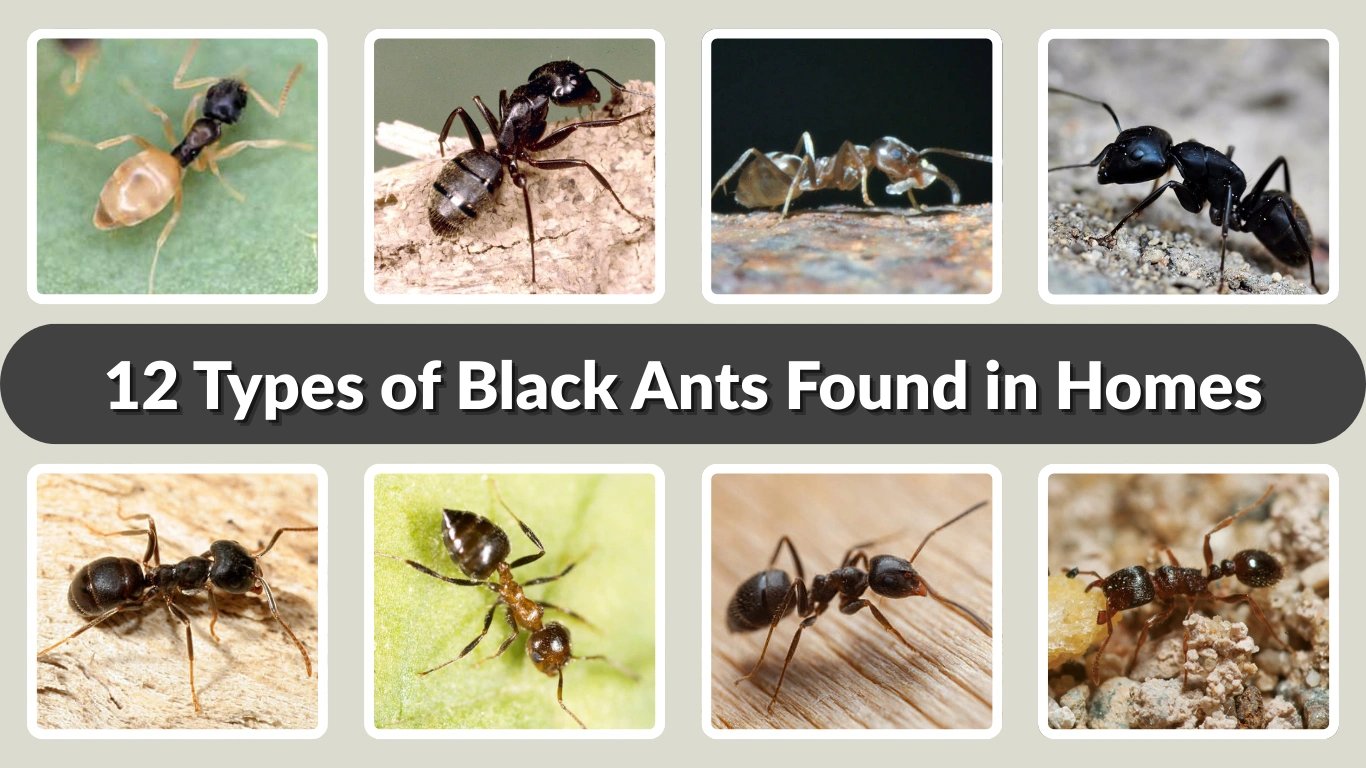
Black ants are among the most common household pests, ranging from very small species to large, easily noticeable ones. Some black ants live outdoors and enter homes for food, while others prefer nesting inside walls, wood, or damp areas. Knowing the different types of black ants found in houses helps with correct identification, understanding their behavior, and choosing the most effective control methods.
1. Black Garden Ant
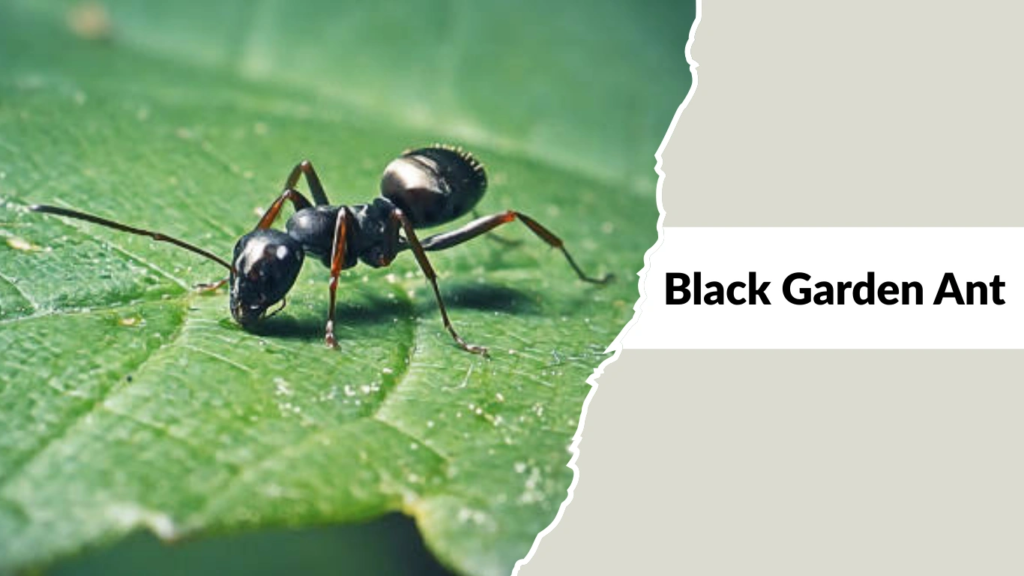
Black garden ants are one of the most common black ants found in and around homes. They are small in size and often enter houses in search of sugary foods, especially during warm months.
Identification
- Small size (3–5 mm)
- Shiny black body
- Elbowed antennae
- Narrow waist with one node
- Smooth, hairless appearance
Habitat
They usually nest outdoors in soil, lawns, gardens, under stones, and along walls. Colonies may also form near building foundations.
Behavior
Black garden ants follow scent trails and often appear in long lines indoors when foraging for food. They are most active during warm weather.
Risk to Humans
They do not sting and rarely bite. While harmless, they can be a nuisance when they invade kitchens and food storage areas.
2. Little Black Ant
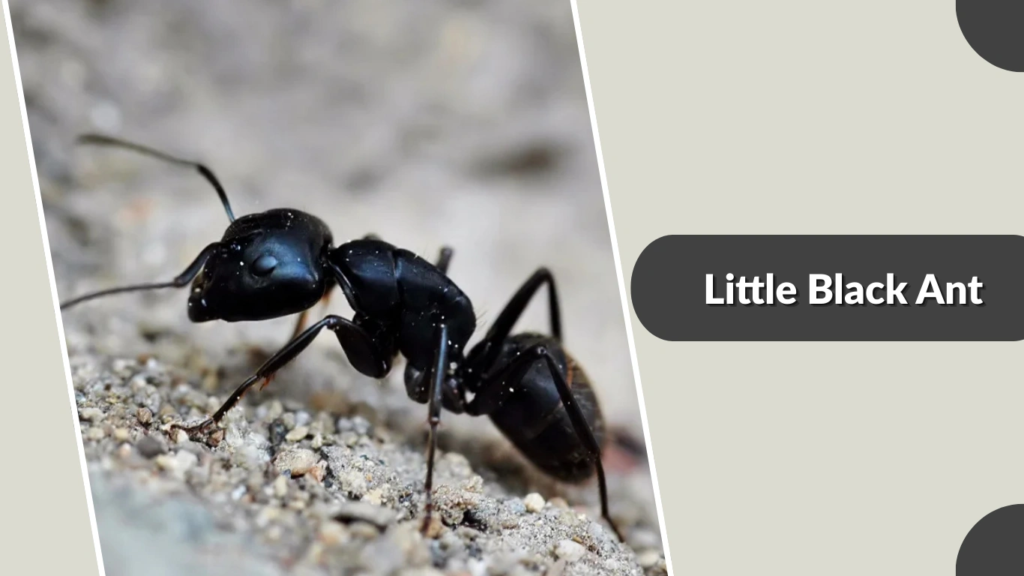
Little black ants are tiny black ants commonly found inside houses. Because of their small size, they can easily enter through cracks and gaps in walls, windows, and floors.
Identification
- Very small size (1.5–2 mm)
- Shiny jet-black body
- Elbowed antennae
- Narrow waist with two nodes
- Smooth body surface
Habitat
They nest outdoors in soil, wood, and masonry, but often move indoors to nest in wall voids, under floors, and behind baseboards.
Behavior
Little black ants move slowly in trails and are attracted to sweet and greasy foods. Large numbers may appear suddenly inside homes.
Risk to Humans
They do not sting and rarely bite. They are harmless but can be persistent household pests once established indoors.
3. Large Black Carpenter Ant
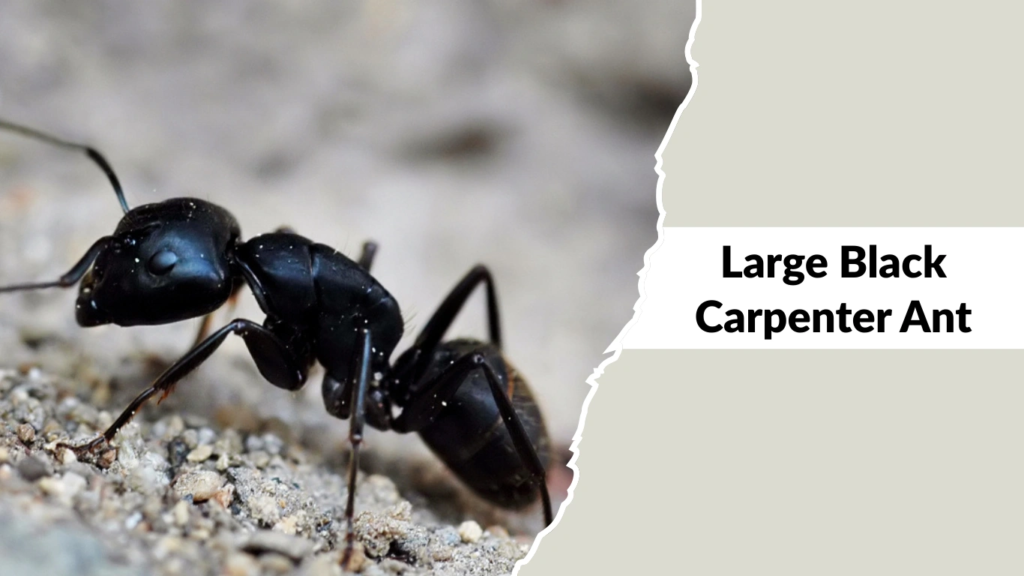
Large black carpenter ants are among the biggest black ants found in houses. Unlike termites, they do not eat wood but can cause damage by nesting inside it.
Identification
- Large size (6–25 mm)
- Shiny black body
- Elbowed antennae
- Narrow, pinched waist
- Strong mandibles
Habitat
They prefer moist or decaying wood and commonly nest in wooden beams, window frames, roofs, and tree stumps near homes.
Behavior
Carpenter ants are mostly active at night. Seeing large ants indoors often indicates a nearby nest or hidden moisture problem.
Risk to Humans
They do not sting but can bite if disturbed. Structural damage may occur over time due to tunneling in wood.
4. Odorous House Ant
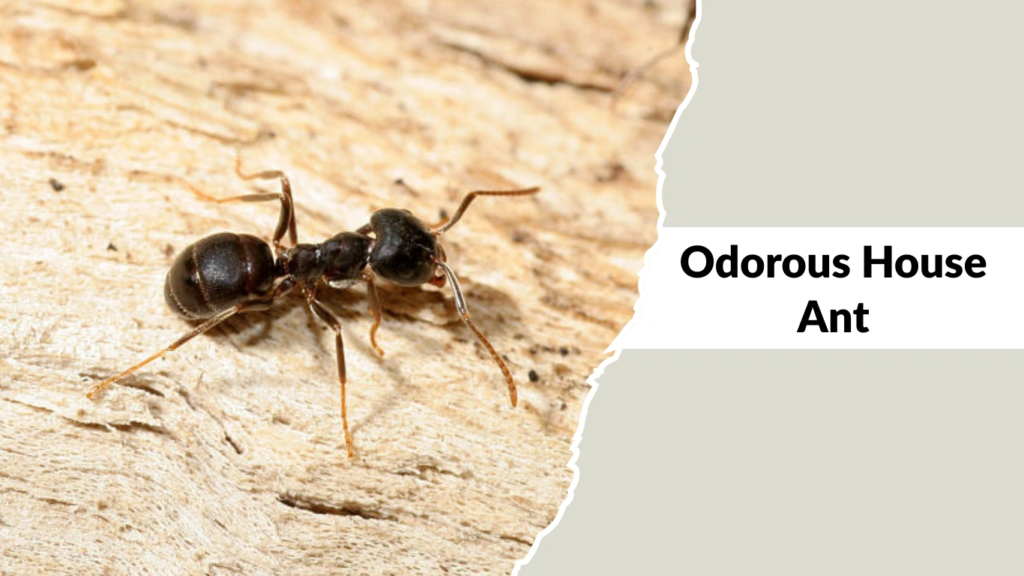
Odorous house ants are small black ants commonly found inside homes. They get their name from the strong, rotten-coconut smell released when they are crushed.
Identification
- Small size (2–3 mm)
- Dark brown to black body
- Elbowed antennae
- Narrow waist with one node
- Strong odor when crushed
Habitat
They nest outdoors in soil and under objects, but frequently move indoors to nest in wall voids, under floors, and near moisture sources.
Behavior
Odorous house ants form long foraging trails and are especially attracted to sugary foods. Colonies can relocate quickly if disturbed.
Risk to Humans
They do not sting and rarely bite. While harmless, they are a common nuisance pest due to their strong smell and large numbers indoors.
5. Argentine Ant
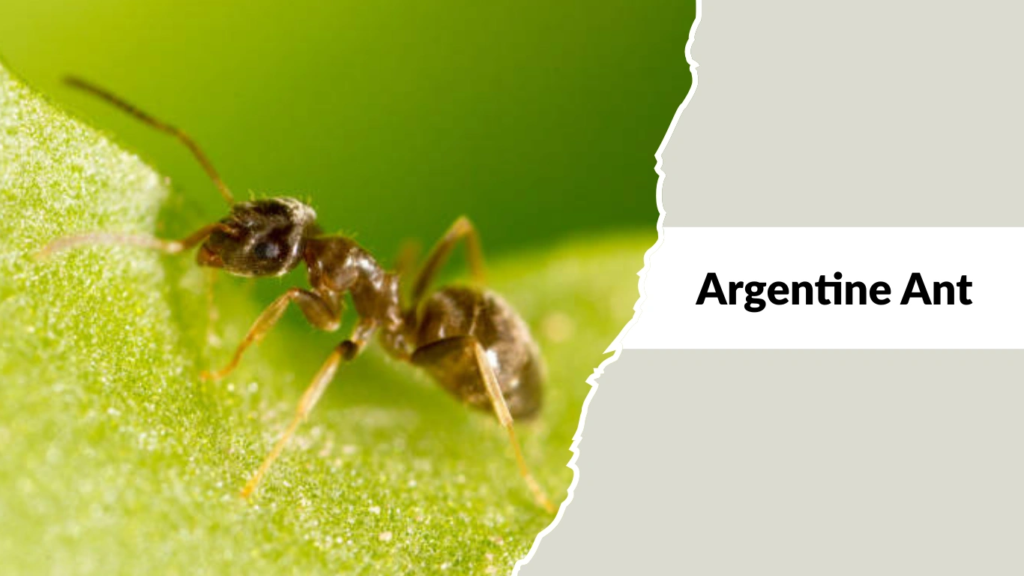
Argentine ants are small black to dark brown ants that frequently invade homes in large numbers. They are known for forming massive colonies that spread quickly.
Identification
- Small size (2–3 mm)
- Light to dark brown body
- Elbowed antennae
- Narrow waist with one node
- Smooth, uniform appearance
Habitat
They nest in soil, under debris, along foundations, and inside wall voids. Argentine ants commonly enter homes in search of food and water.
Behavior
These ants form supercolonies with multiple queens. They follow strong scent trails and can rapidly overtake food sources indoors.
Risk to Humans
They do not sting and rarely bite. Although harmless physically, they are invasive and difficult to eliminate once established.
6. Pavement Ant
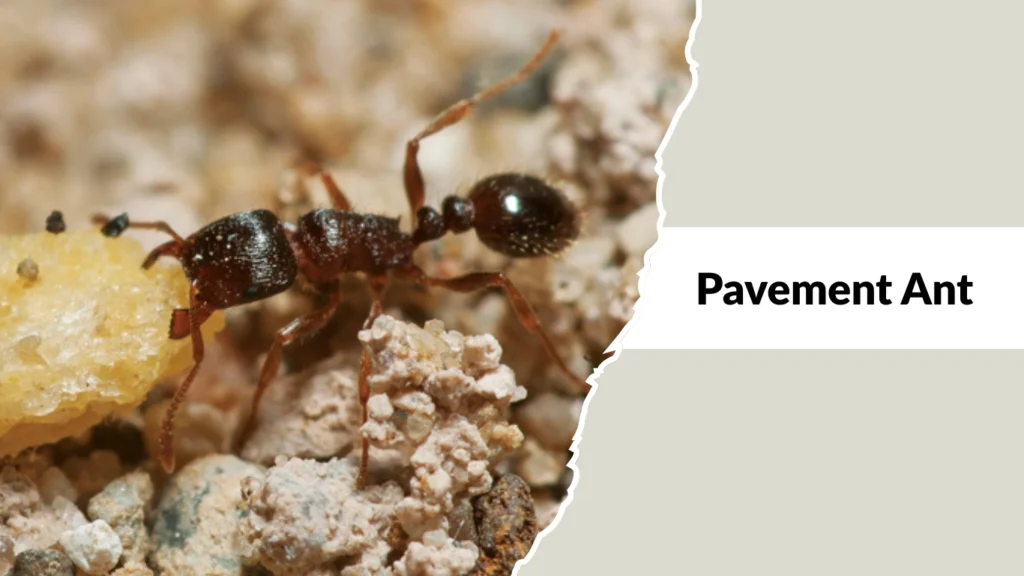
Pavement ants are small dark ants often seen inside houses, especially near kitchens and basements. They get their name from nesting under sidewalks and concrete slabs.
Identification
- Small size (2.5–4 mm)
- Dark brown to black body
- Fine grooves on head and thorax
- Elbowed antennae
- Two-node waist
Habitat
They nest under pavement, stones, and building foundations. Indoors, they are commonly found near walls, cracks, and floors.
Behavior
Pavement ants form visible trails and are attracted to greasy and sugary foods. Swarms may appear indoors during warm weather.
Risk to Humans
They do not sting and rarely bite. They are mostly a nuisance pest when they invade homes in large numbers.
7. Crazy Ant
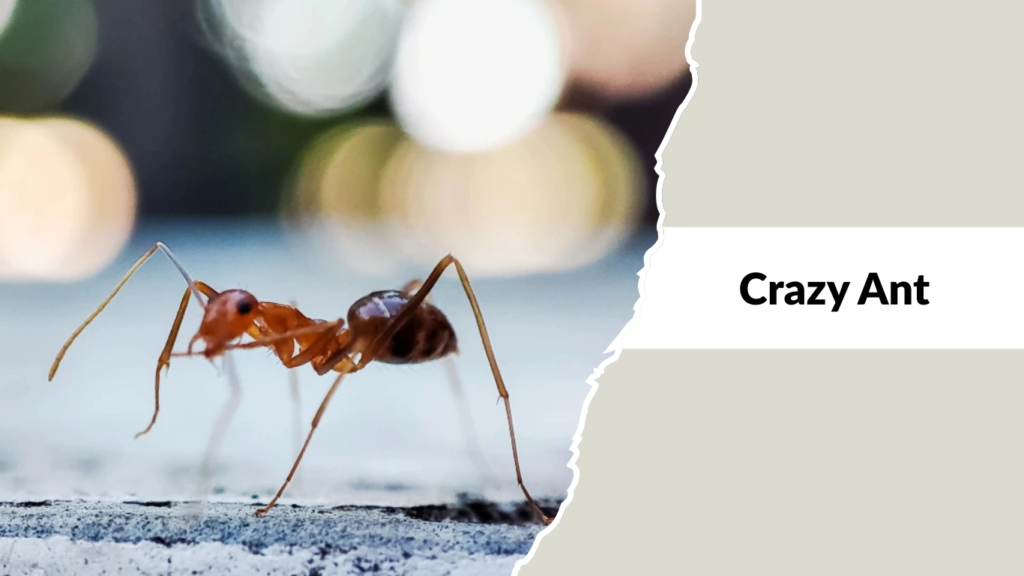
Crazy ants are small black ants known for their fast, erratic movement. They are common indoor ants and can be difficult to control once established.
Identification
- Small to medium size (2–4 mm)
- Dark brown to black body
- Long legs and antennae
- Narrow waist with one node
- Erratic, rapid movement
Habitat
They nest in soil, leaf litter, under objects, and inside buildings. Indoors, they are often found near moisture and electrical equipment.
Behavior
Crazy ants do not follow straight trails and move unpredictably. Colonies can spread quickly and may relocate often.
Risk to Humans
They do not sting but may bite lightly. While not dangerous, they can become serious household pests.
8. Black Crazy Ant
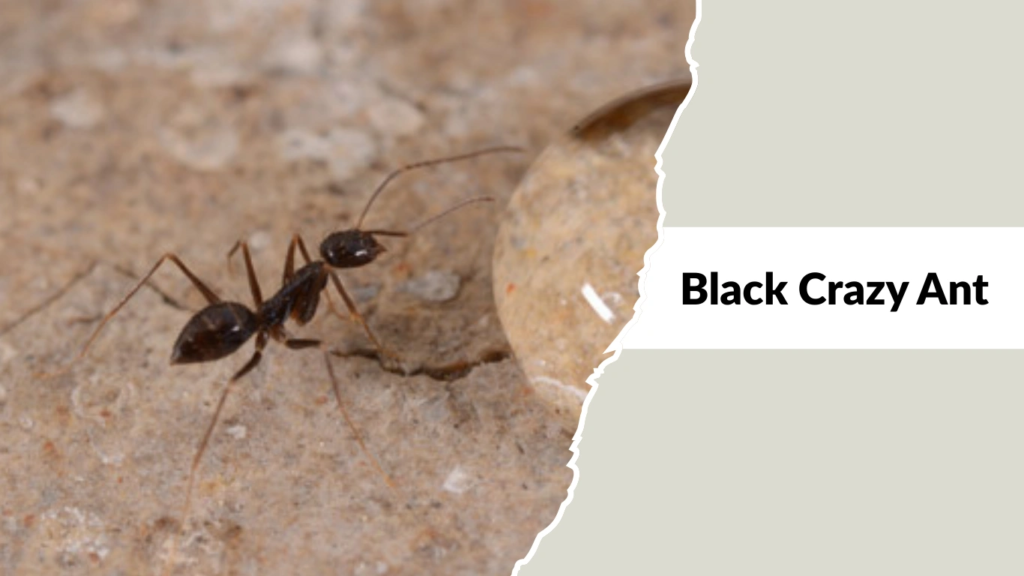
Black crazy ants are a darker variety of crazy ants and are commonly found indoors. They are easily recognized by their shiny black color and fast, irregular movement.
Identification
- Small to medium size (2–4 mm)
- Shiny black body
- Long legs and antennae
- One-node waist
- Rapid, erratic running pattern
Habitat
They nest outdoors in soil and debris but frequently invade homes, nesting in wall voids, potted plants, and near moisture sources.
Behavior
Black crazy ants move unpredictably and do not form straight trails. Large numbers may suddenly appear indoors.
Risk to Humans
They do not sting and rarely bite. They are harmless to humans but can be difficult to eliminate once established inside homes.
9. Pharaoh Ant
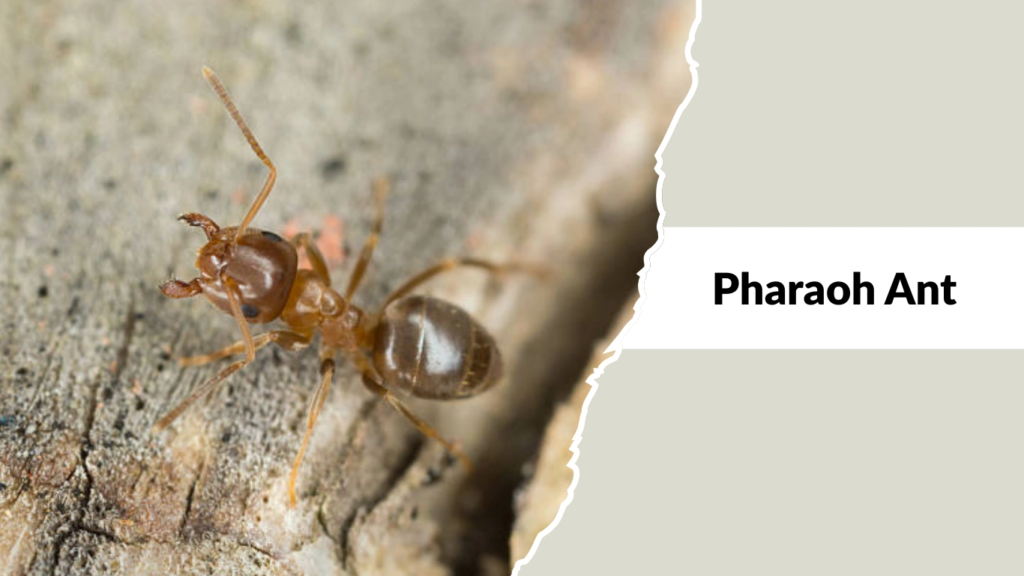
Pharaoh ants are very small black to yellowish ants commonly found inside houses. They are notorious indoor pests, especially in kitchens and bathrooms.
Identification
- Very small size (1.5–2 mm)
- Light brown to dark brown body
- Darker abdomen
- Elbowed antennae
- Two-node waist
Habitat
They prefer warm indoor environments and nest in wall voids, behind baseboards, inside cabinets, and near appliances.
Behavior
Pharaoh ants spread quickly by forming multiple colonies. They are attracted to sweets, proteins, and greasy foods and often forage in long trails.
Risk to Humans
They do not sting, but they can contaminate food and spread bacteria, making them a serious household pest.
10. Thief Ant
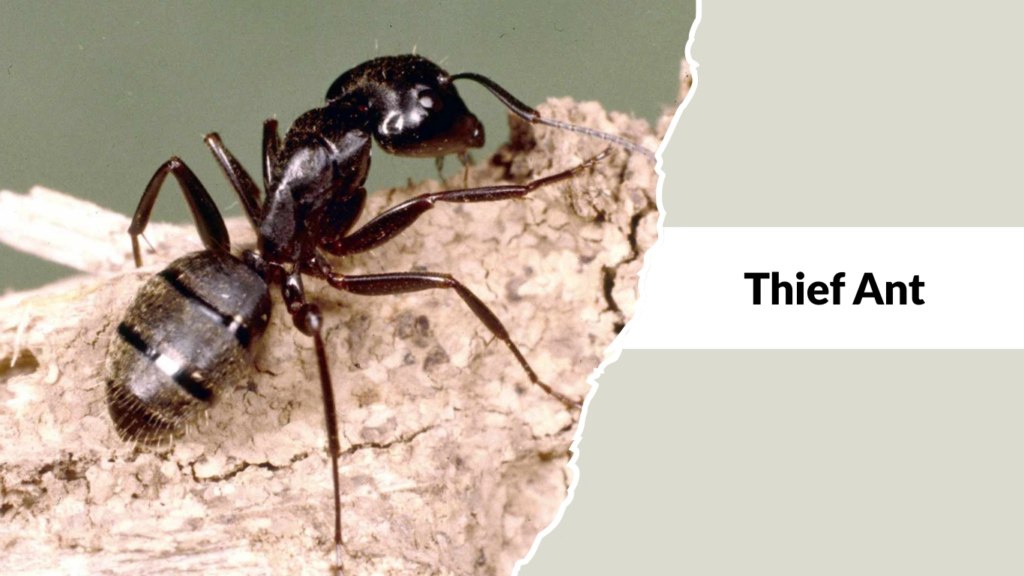
Thief ants are tiny black to brown ants that often go unnoticed inside homes due to their extremely small size. They are named for stealing food and larvae from other ant nests.
Identification
- Very small size (1–2 mm)
- Pale brown to dark brown body
- Elbowed antennae with a club
- Two-node waist
- Shiny appearance
Habitat
They nest in soil, wall cracks, and inside cupboards. Indoors, they are commonly found near food storage areas.
Behavior
Thief ants are attracted to greasy and protein-rich foods. Their small size allows them to enter sealed containers and tiny openings.
Risk to Humans
They do not sting and rarely bite. While harmless, they are difficult to control once they infest kitchens.
11. Acrobat Ant
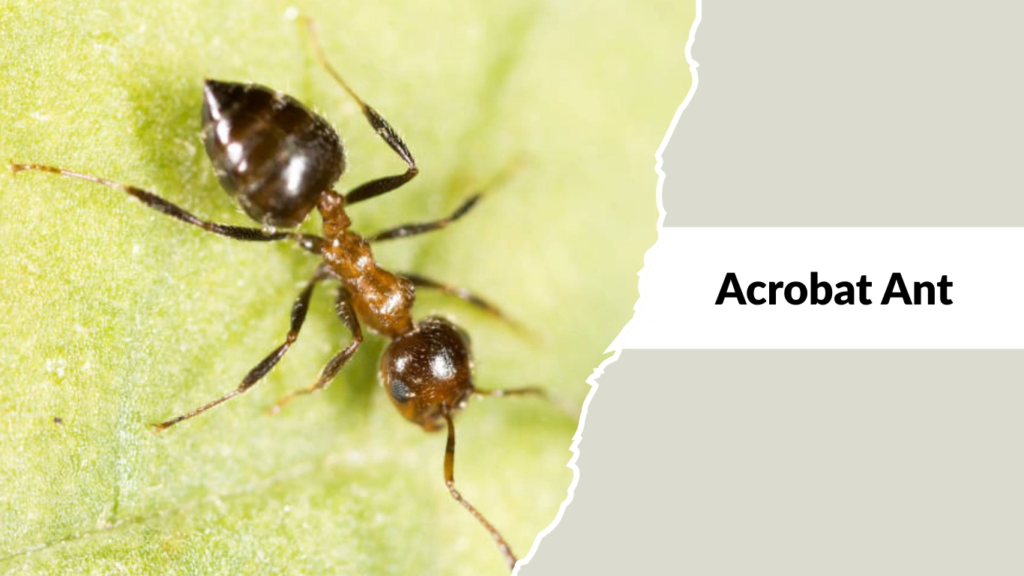
Acrobat ants are small black ants often found inside houses, especially in areas with moisture or damaged wood. They are named for their habit of lifting their abdomen over their head when disturbed.
Identification
- Small size (2–5 mm)
- Dark brown to black body
- Heart-shaped abdomen
- Elbowed antennae
- Two-node waist
Habitat
They nest in decaying wood, tree cavities, wall voids, and insulation. Indoors, they are commonly found near leaky pipes and damp wood.
Behavior
Acrobat ants are active foragers and may form trails indoors. Colonies can relocate quickly if their nest is disturbed.
Risk to Humans
They can sting mildly and may bite if handled. While not dangerous, their presence often indicates moisture or wood damage in the home.
12. Ghost Ant
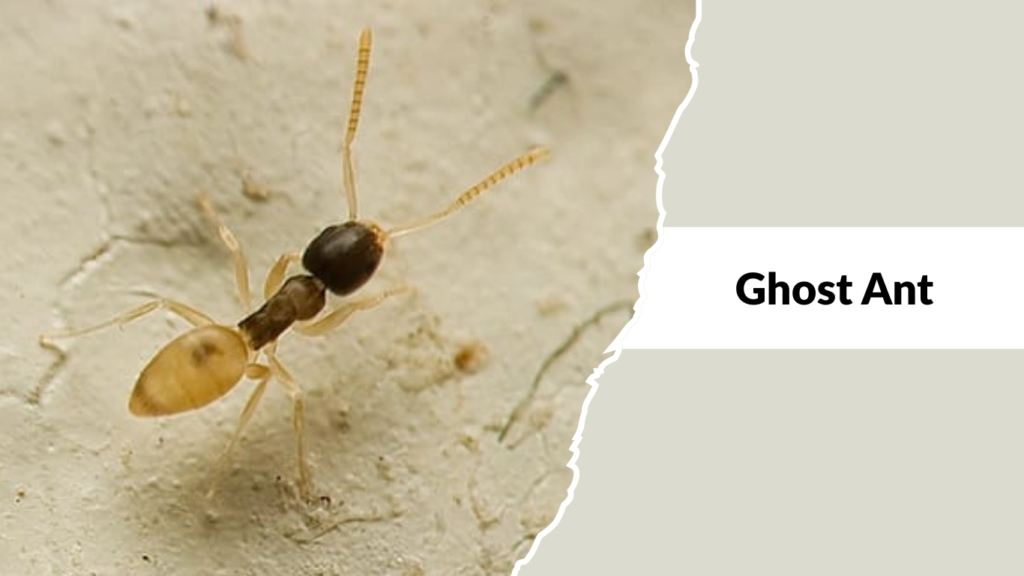
Ghost ants are very small ants that appear dark in the head but pale on the rest of the body, making them hard to see indoors. They are common household ants in warm climates.
Identification
- Very small size (1.3–1.5 mm)
- Dark head with pale, translucent body
- Elbowed antennae
- Two-node waist
- Almost invisible legs and abdomen
Habitat
They nest indoors in wall voids, potted plants, behind baseboards, and near moisture sources. Outdoor nests are found under debris and in soil.
Behavior
Ghost ants form long trails and are attracted to sweets. Colonies can split easily, making infestations persistent.
Risk to Humans
They do not sting and rarely bite. While harmless, they are a nuisance pest and difficult to eliminate once established indoors.
FAQs
Why do black ants come into houses?
Black ants usually enter homes in search of food, water, or shelter. Sweet foods, greasy leftovers, moisture, and small crumbs can easily attract them, especially during warm weather.
Are black ants dangerous to humans?
Most black ants are harmless and do not sting. Some larger species may bite if disturbed, but serious health risks are rare. The main concern is food contamination.
How can I tell small black ants from big black ants?
Small black ants are usually under 3 mm and move in thin trails, while big black ants, like carpenter ants, are much larger and easier to notice. Size and nesting location help identify them.
Do black ants damage houses?
Most black ants do not cause damage. However, carpenter ants can weaken wooden structures by nesting inside wood, especially if there is moisture or rot.
How can I prevent black ants indoors?
Keep food sealed, clean spills quickly, fix moisture problems, seal cracks, and remove outdoor nests near the house. These steps help reduce black ant infestations effectively.
