

Flying ants are not a separate species but the winged reproductive forms of many ant types. They appear during specific seasons for mating flights, often after warm or rainy weather. Although commonly mistaken for termites, flying ants can be identified by their body shape, antennae, and wing size. Understanding the different types of flying ants helps with proper identification, pest control, and knowing whether they pose any risk to humans or property.
1. Carpenter Ant (Flying Ant)
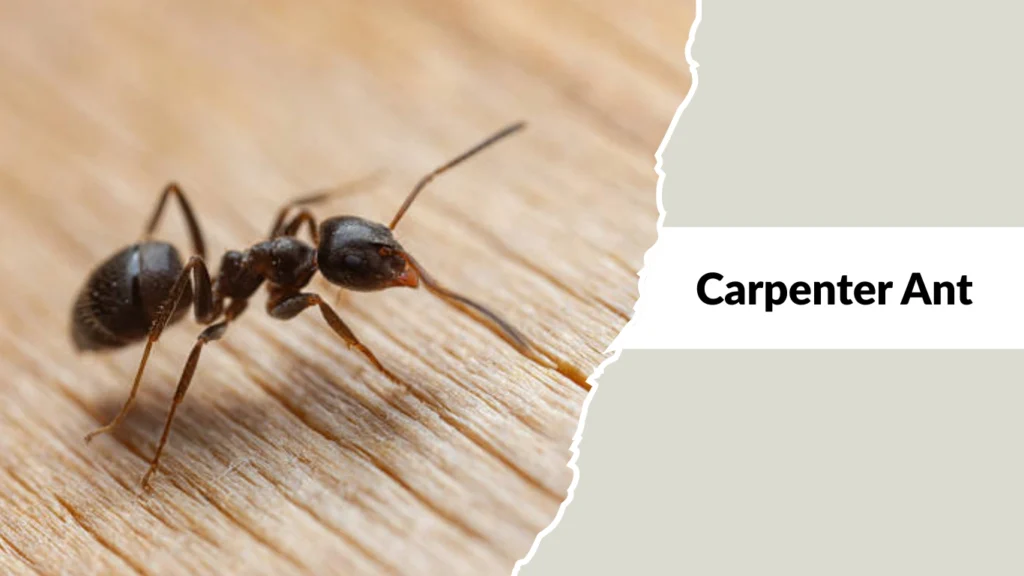
Carpenter ants are one of the most common flying ants seen during warm seasons. The winged forms are reproductive males and queens that emerge for mating flights, often mistaken for termites due to their size and wings.
Identification
- Large body size (6–25 mm)
- Elbowed antennae
- Narrow, pinched waist
- Two pairs of wings, with front wings longer than back wings
- Usually black, red, or a mix of both
Habitat
Carpenter ants prefer moist or decaying wood and are commonly found in forests, old trees, wooden structures, and damp areas of homes. They do not eat wood but excavate it to build nests.
Behavior
Flying carpenter ants appear mainly during nuptial flights, typically in spring or early summer. Seeing winged ants indoors often indicates a nearby mature colony.
Risk to Humans
They do not sting and rarely bite, but large infestations can cause structural damage over time by weakening wooden structures through nesting.
2. Fire Ant (Flying Ant)
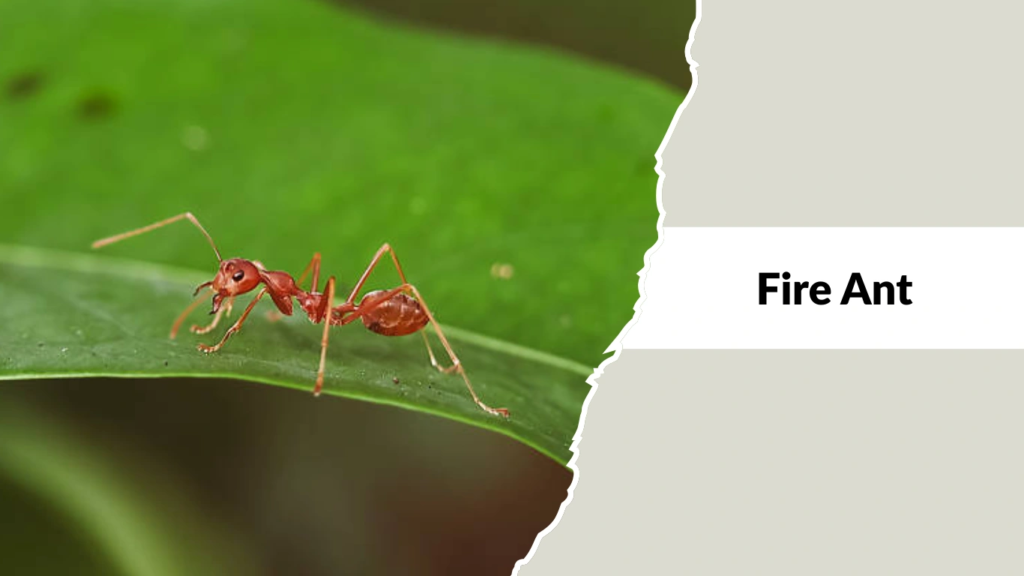
Flying fire ants are the reproductive males and queens that emerge from mature colonies for mating flights. They are commonly seen after rain and are known for forming large colonies quickly.
Identification
- Small to medium size (2–6 mm)
- Reddish-brown to dark brown body
- Elbowed antennae
- Narrow waist with two distinct nodes
- Two pairs of wings during mating season
Habitat
Fire ants live in soil and build dome-shaped mounds in open, sunny areas such as lawns, fields, roadsides, and gardens. Some species may also nest near building foundations.
Behavior
Winged fire ants swarm during warm, humid weather, usually after rainfall. After mating, males die while fertilized queens shed their wings and start new colonies.
Risk to Humans
Fire ants are aggressive and can sting repeatedly. Their stings cause burning pain, itching, and sometimes allergic reactions, making them a significant pest where populations are dense.
3. Black Garden Ant (Flying Ant)
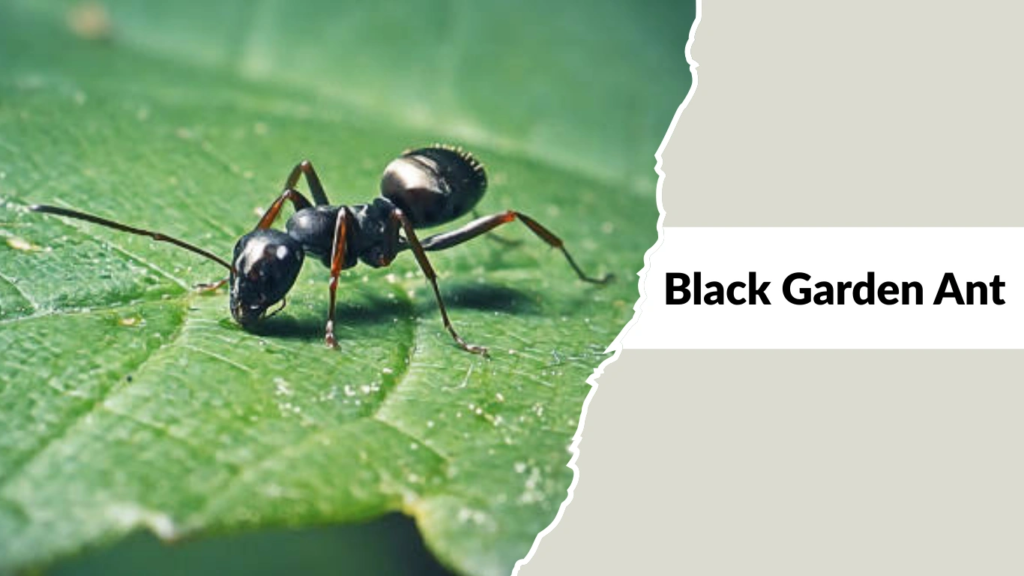
Black garden ants are commonly seen during seasonal mating flights, often referred to as “flying ant day.” The winged ants are reproductive adults that leave the nest to mate and establish new colonies.
Identification
- Small to medium size (3–5 mm)
- Shiny black body
- Elbowed antennae
- Narrow waist with one node
- Two pairs of clear wings during flight season
Habitat
These ants usually nest in soil, under stones, along sidewalks, and at the base of walls. They are common in gardens, lawns, and urban areas, especially in temperate regions.
Behavior
Flying black garden ants appear in large swarms during warm, humid days in summer. After mating, queens drop their wings and search for nesting sites.
Risk to Humans
They do not sting and rarely bite. While harmless to people, they can become a nuisance when they enter homes in large numbers.
4. Red Garden Ant (Flying Ant)
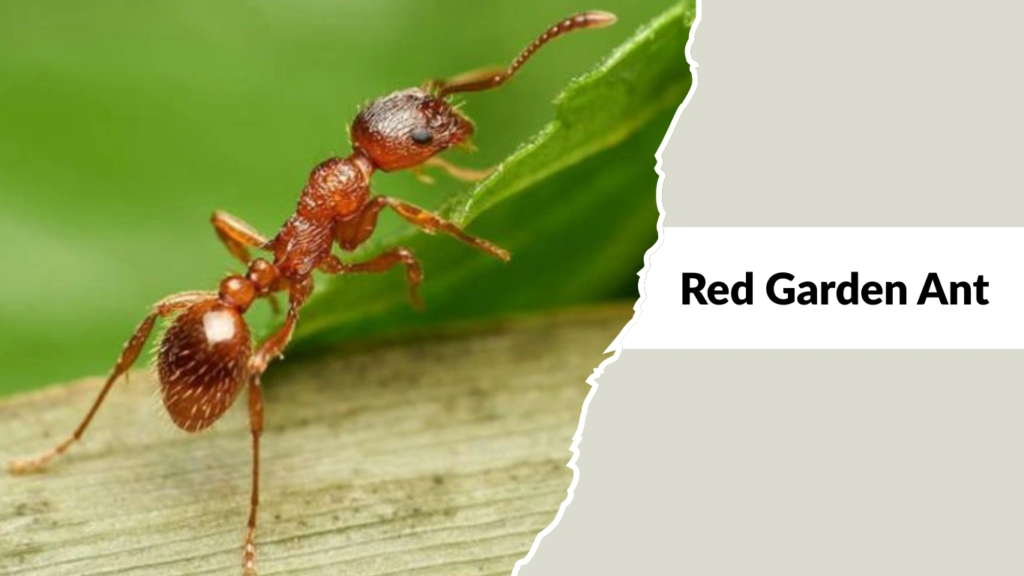
Red garden ants produce winged males and queens that emerge during mating flights, usually in warm weather. These flying forms are often confused with other small red ants.
Identification
- Small size (3–5 mm)
- Reddish or yellow-brown body
- Elbowed antennae
- Narrow waist with one node
- Two pairs of transparent wings
Habitat
They commonly nest in soil, gardens, grassy areas, under stones, and along paths. Colonies are often found in sunny outdoor locations but may forage indoors for food.
Behavior
Flying red garden ants swarm during summer, especially after rain. Once mating is complete, males die and queens shed their wings to establish new nests.
Risk to Humans
They are generally harmless and do not sting. Bites are rare and mild, making them more of a nuisance than a threat.
5. Pharaoh Ant (Flying Ant)

Pharaoh ants produce winged reproductive ants that emerge from established colonies for mating. These flying ants are much smaller than many other species and often go unnoticed until infestations grow.
Identification
- Very small size (1.5–2 mm)
- Yellow to light brown body
- Darker abdomen
- Elbowed antennae
- Two pairs of wings during mating phase
Habitat
Pharaoh ants prefer warm, indoor environments such as homes, hospitals, and offices. They nest in wall voids, behind baseboards, near appliances, and in other hidden indoor spaces.
Behavior
Flying pharaoh ants are less commonly seen outdoors. Colonies spread quickly by budding, and mating may occur inside structures rather than in large outdoor swarms.
Risk to Humans
They do not sting, but they are considered serious pests because they contaminate food and can spread bacteria, especially in medical facilities.
6. Argentine Ant (Flying Ant)
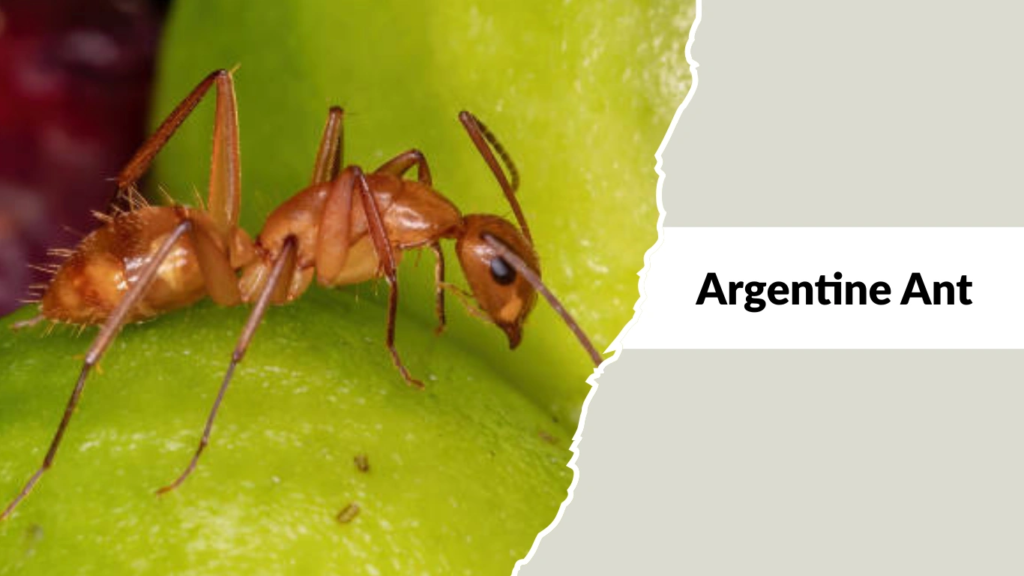
Argentine ants develop winged males and queens that appear during reproductive periods. Although massive outdoor swarms are rare, flying individuals may still be seen near established colonies.
Identification
- Small size (2–3 mm)
- Light to dark brown body
- Elbowed antennae
- Narrow waist with one node
- Two pairs of wings on reproductive ants
Habitat
They nest in soil, under debris, along sidewalks, and near building foundations. Argentine ants commonly invade homes in search of food and moisture, especially in warm climates.
Behavior
Unlike many ants, Argentine ants form supercolonies with multiple queens. Flying reproductives are less noticeable because colonies often expand by budding rather than long mating flights.
Risk to Humans
They do not sting and rarely bite. While harmless physically, they are invasive pests that can displace native ants and cause persistent household infestations.
7. Pavement Ant (Flying Ant)
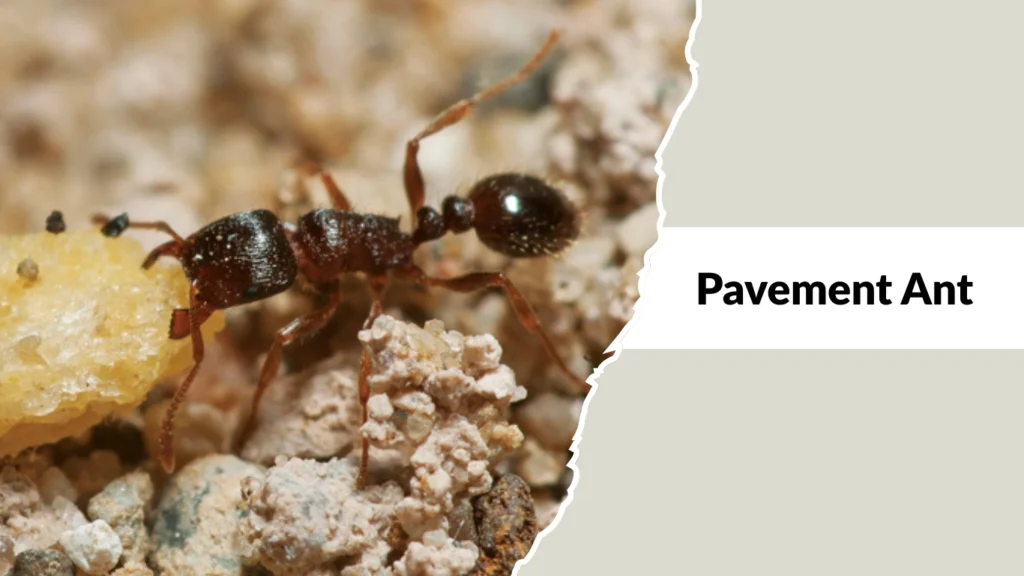
Pavement ants produce winged reproductive ants that emerge from mature colonies during mating season. These flying ants are often seen near sidewalks and building edges.
Identification
- Small size (2.5–4 mm)
- Dark brown to black body
- Fine grooves on head and thorax
- Elbowed antennae
- Two pairs of wings during flight period
Habitat
They commonly nest under pavement slabs, driveways, stones, and building foundations. Pavement ants are frequent invaders of homes, especially kitchens.
Behavior
Flying pavement ants swarm in summer, usually during warm evenings. After mating, queens shed their wings and establish new nests in cracks or soil.
Risk to Humans
They do not sting and rarely bite. Pavement ants are mainly a nuisance pest, attracted to sugary and greasy foods indoors.
8. Acrobat Ant (Flying Ant)
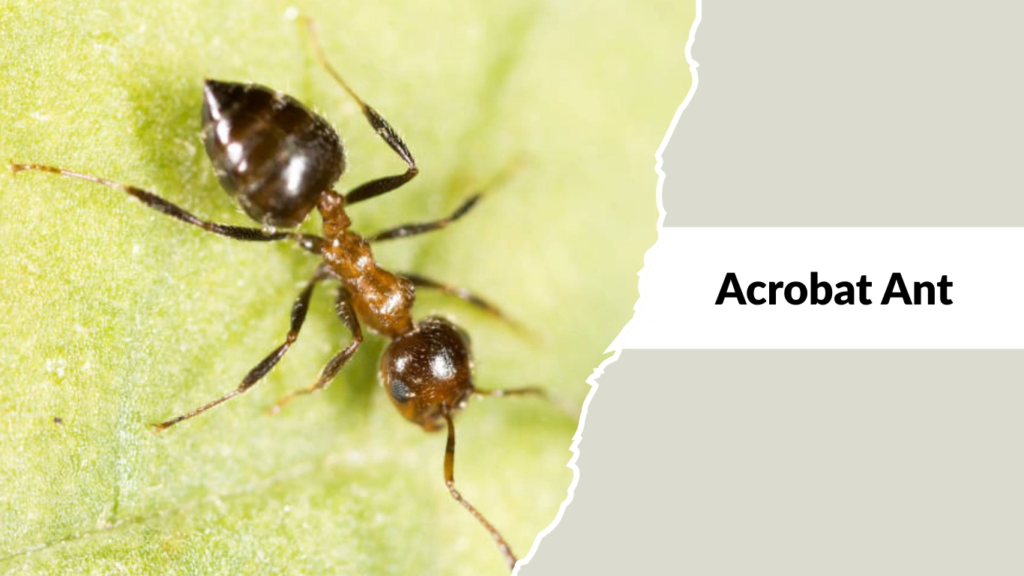
Acrobat ants produce winged males and queens that take part in seasonal mating flights. They get their name from their distinctive habit of raising the abdomen over the head when disturbed.
Identification
- Small to medium size (2–5 mm)
- Light brown to dark brown body
- Heart-shaped abdomen
- Elbowed antennae
- Two pairs of wings during reproductive stage
Habitat
They nest in decaying wood, tree cavities, and sometimes inside wall voids or insulation. Acrobat ants are often found in wooded areas and near damaged wooden structures.
Behavior
Flying acrobat ants appear during warm months, usually in late spring or summer. Colonies may move frequently, especially if disturbed.
Risk to Humans
They can sting mildly and may bite if handled. While not dangerous, their presence indoors can indicate moisture or wood damage problems.
9. Leafcutter Ant (Flying Ant)
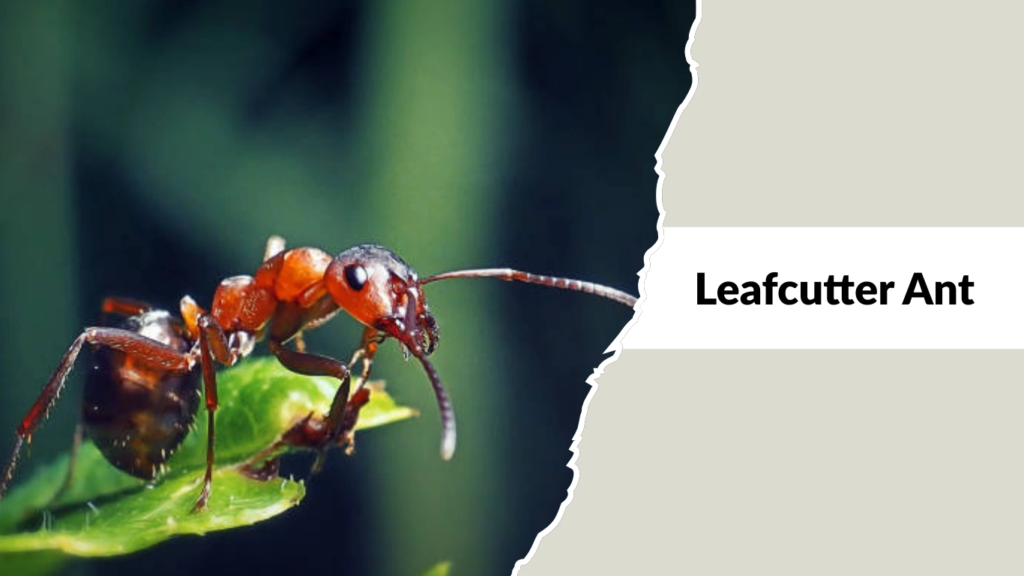
Leafcutter ants produce winged queens and males that emerge in large mating flights, especially after heavy rainfall. These flying ants are part of one of the most organized ant societies in the world.
Identification
- Medium to large size (7–12 mm)
- Reddish-brown body
- Strong jaws
- Elbowed antennae
- Two pairs of long wings during mating season
Habitat
They live in large underground nests in tropical and subtropical regions. Colonies are commonly found in forests, farmlands, and grassy areas.
Behavior
Flying leafcutter ants swarm during warm, humid conditions. After mating, queens shed their wings and start new colonies by cultivating fungus.
Risk to Humans
They do not sting aggressively and rarely bite. While not dangerous to people, they can cause significant damage to crops and vegetation.
10. Crazy Ant (Flying Ant)
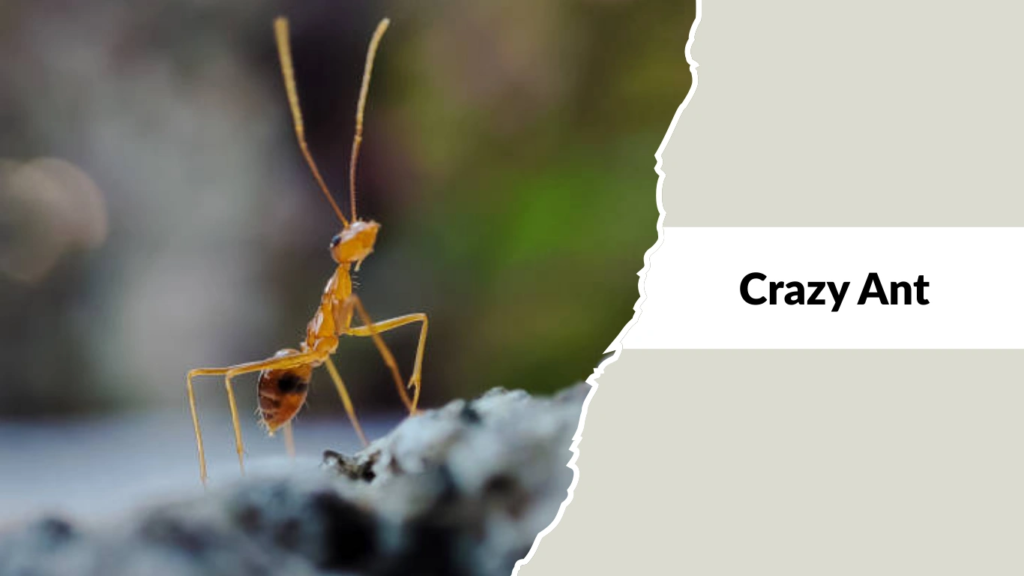
Crazy ants produce winged reproductive ants that appear during mating periods. They are named for their fast, erratic running pattern, which helps distinguish them from other ant species.
Identification
- Small to medium size (2–4 mm)
- Dark brown to black body
- Long legs and antennae
- Narrow waist with one node
- Two pairs of wings during reproductive stage
Habitat
They nest in soil, leaf litter, under logs, and inside buildings. Crazy ants adapt easily and are often found in homes, gardens, and urban areas.
Behavior
Flying crazy ants appear seasonally, usually in warm weather. Workers move rapidly and unpredictably, especially when disturbed.
Risk to Humans
They do not sting but may bite lightly. While not dangerous, large infestations can be difficult to control and may invade electrical equipment and homes.
