
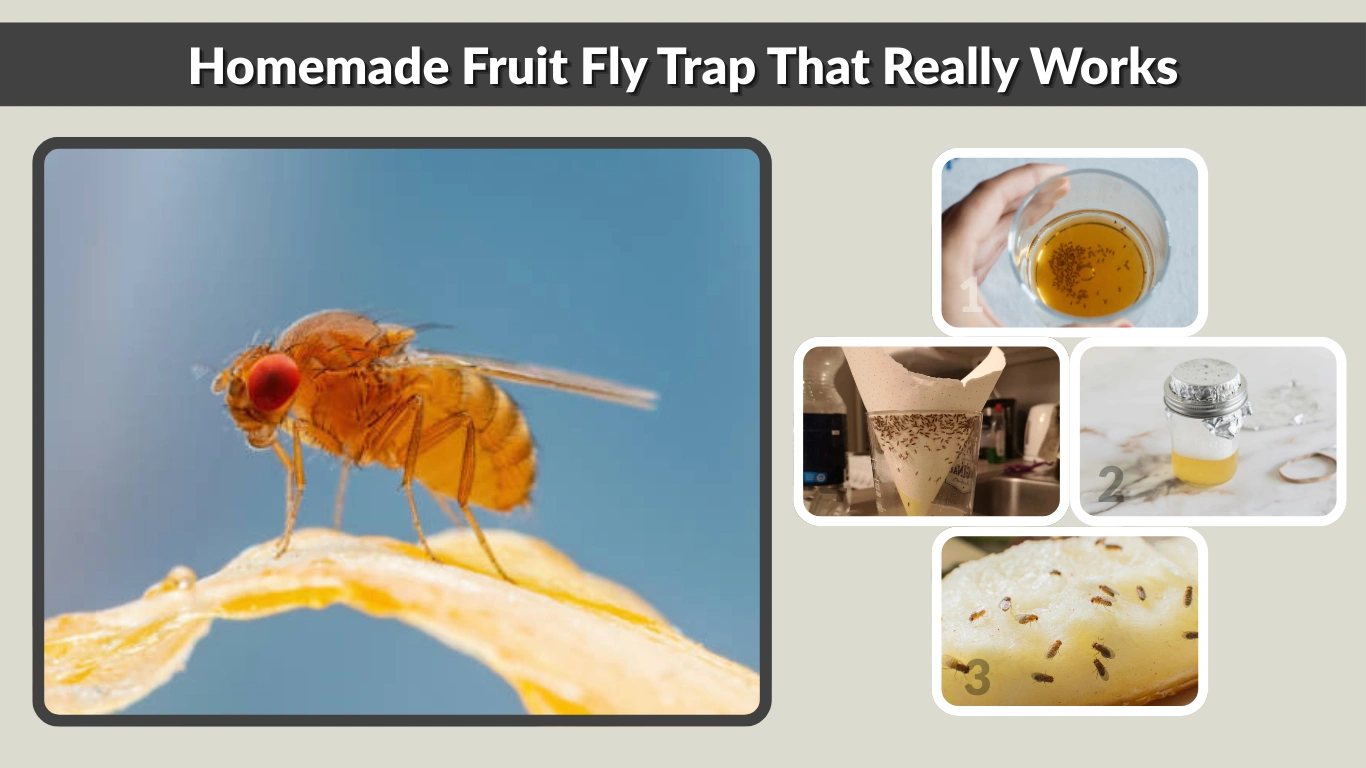
Fruit flies can seem to appear overnight, swarming your kitchen, sink, and fruit bowl with no warning. Store-bought traps often promise quick results but rarely deliver, leaving many people frustrated. The good news is that a homemade fruit fly trap that really works can be made in minutes using common household items. These methods are affordable, safe, and proven to reduce fruit fly populations fast when used correctly.
Why Fruit Flies Invade Your Home
Fruit flies are attracted to fermenting sugars and moisture. Even slightly overripe fruit, spilled juice, or residue in drains can become a breeding ground. Once inside, fruit flies reproduce rapidly, laying eggs on damp organic material.
Common sources that attract fruit flies include:
- Ripening or rotting fruits and vegetables
- Open trash cans or compost bins
- Dirty drains and garbage disposals
- Empty bottles, cans, or wine glasses
Kitchens are the most common hotspot, but bathrooms and laundry areas can also attract fruit flies if moisture and organic residue are present.
How Homemade Fruit Fly Traps Work
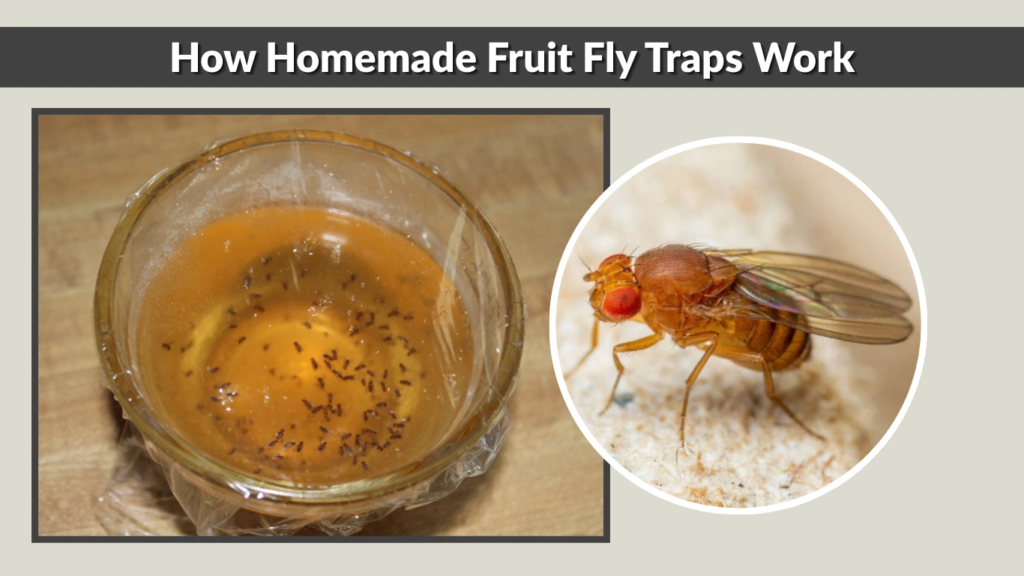
Homemade fruit fly traps work by luring flies with scents they naturally seek, especially fermented smells. Once attracted, the flies enter the trap but are unable to escape.
Most traps rely on one of these principles:
- Fermentation attraction: Vinegar, wine, or fruit releases odors fruit flies love
- Surface tension reduction: Soap prevents flies from floating and escaping
- Physical barriers: Funnels or plastic wrap trap flies inside
When properly set up and placed, homemade traps can be just as effective as commercial products.
Best Homemade Fruit Fly Traps That Really Work
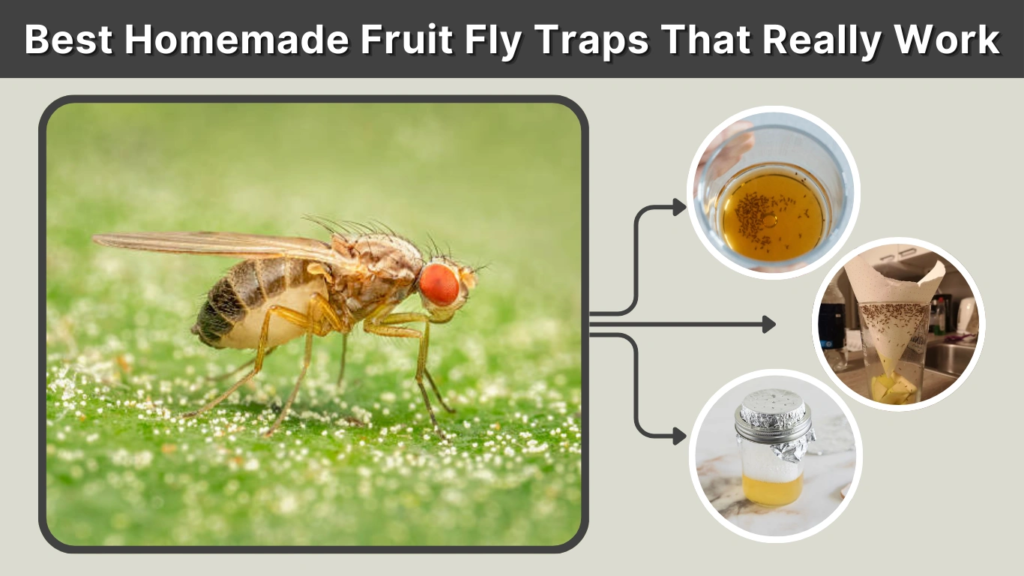
Apple Cider Vinegar + Dish Soap Trap (Most Effective)
This is the most reliable and widely proven fruit fly trap. Apple cider vinegar closely mimics the scent of fermenting fruit, making it irresistible to fruit flies. Dish soap breaks the surface tension of the liquid, causing flies to sink instead of landing safely.
This method works quickly and requires minimal effort. It is especially effective for kitchens with heavy fruit fly activity.
Wine or Beer Trap
Fermented alcohol, especially red wine or beer, attracts fruit flies for the same reason vinegar does. This method works well if you already have leftover wine or beer.
It can be slightly slower than apple cider vinegar but is still effective. The stronger the fermented smell, the better the results.
Fruit Bait Funnel Trap
This trap uses real fruit as bait and a funnel-shaped entrance to trap flies inside a container. Fruit flies enter easily but struggle to find their way back out.
Best fruits for this method include:
- Banana peels
- Apple slices
- Mango or peach scraps
This method works well for mild infestations and can be reused.
Plastic Wrap Trap
This variation involves covering a container of bait liquid with plastic wrap and poking small holes in the top. Fruit flies enter through the holes but cannot escape easily.
It works best when hole size is very small and the wrap is tightly sealed. Larger holes or loose wrap reduce effectiveness.
Sticky Paper Trap (Chemical-Free Option)
Sticky traps can be made using paper coated with a sweet attractant like honey or sugar syrup. These traps are useful in areas where liquids may spill.
They work best as a supplemental method rather than a primary solution.
Step-by-Step Instructions for the Most Effective Trap
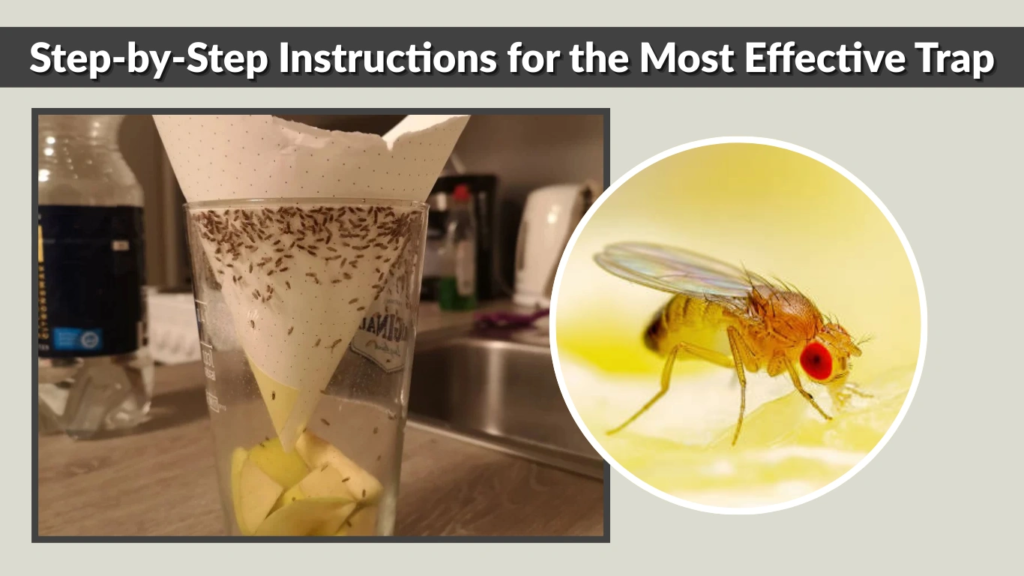
To make the most effective fruit fly trap, you only need:
- A small bowl or jar
- Apple cider vinegar
- Liquid dish soap
Add about ½ cup of apple cider vinegar to the container. Mix in 2–3 drops of dish soap gently without creating bubbles. Place the trap near areas where fruit flies are most active, such as fruit bowls or sinks.
Within a few hours, fruit flies should begin collecting in the trap, with noticeable reduction in activity within one to two days.
Where to Place Fruit Fly Traps for Maximum Results
Placement is just as important as the trap itself. Even the most effective homemade fruit fly trap will fail if it’s placed too far from the source.
Best locations include:
- Next to fruit bowls or produce baskets
- Near trash cans or compost bins
- Beside kitchen sinks and garbage disposals
- Close to drains where flies gather
If fruit flies are visible in multiple areas, use more than one trap. Spreading traps across problem zones helps reduce the population faster.
Common Mistakes That Make Fruit Fly Traps Fail
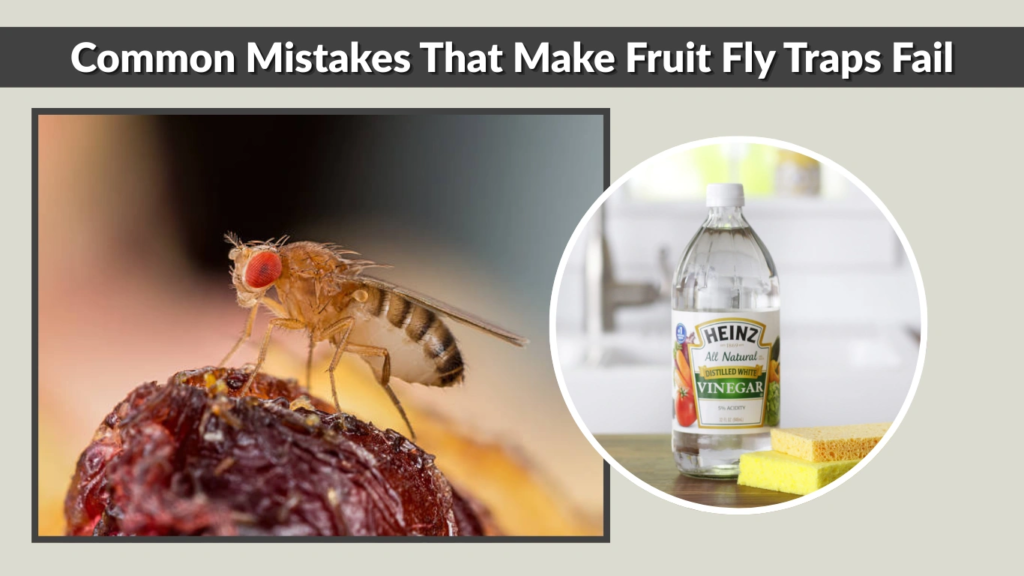
Many homemade fruit fly traps fail not because the method is bad, but because of small mistakes.
Avoid these common errors:
- Using white vinegar, which lacks the fruity scent fruit flies prefer
- Adding too much dish soap, which weakens the bait’s smell
- Placing traps too far from breeding areas
- Leaving ripe fruit exposed nearby
- Not cleaning drains and surfaces
Removing competing food sources significantly increases trap effectiveness.
How Long It Takes to Get Rid of Fruit Flies
Results vary depending on infestation size, but most people notice improvement quickly.
Typical timeline:
- First 24 hours: Flies begin collecting in the trap
- 2–3 days: Visible population reduction
- 5–7 days: Most infestations eliminated
Severe infestations may require multiple traps and repeated cleaning.
How to Prevent Fruit Flies From Coming Back
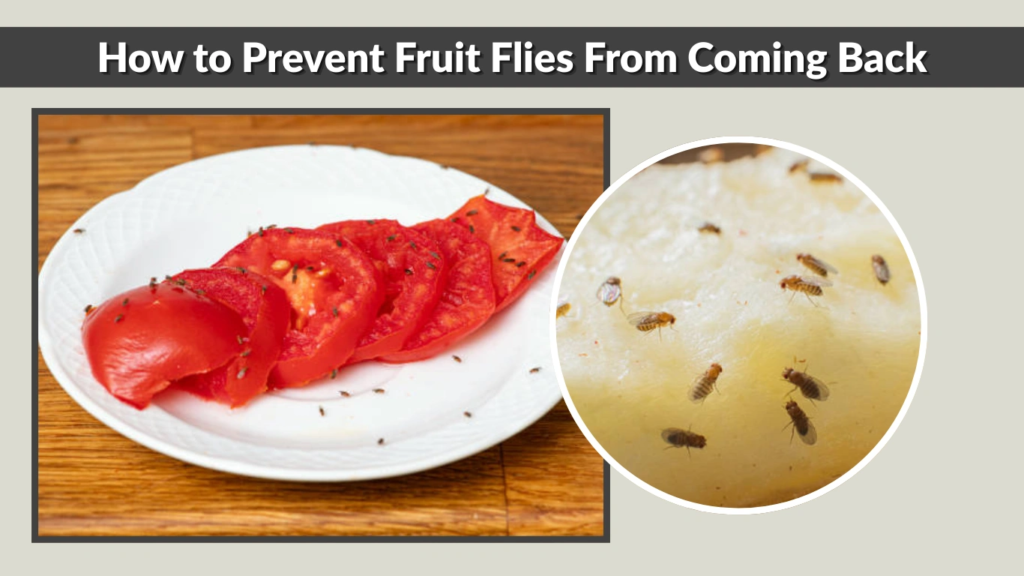
Eliminating fruit flies is only half the solution. Prevention keeps them from returning.
Helpful prevention steps include:
- Store fruit in the refrigerator when possible
- Rinse produce as soon as it’s brought home
- Empty trash and compost daily
- Clean drains weekly with hot water and vinegar
- Wipe counters and sinks each night
Consistency is key. Small habits prevent future outbreaks.
Homemade vs Store-Bought Fruit Fly Traps
Homemade traps offer several advantages over store-bought options.
| Feature | Homemade Traps | Store-Bought Traps |
| Cost | Very low | Moderate to high |
| Ingredients | Household items | Chemical attractants |
| Effectiveness | High when placed correctly | Varies by brand |
| Safety | Pet- and kid-friendly | Some contain toxins |
| Customization | Easy to adjust | Fixed design |
For most households, homemade traps provide better value and faster results.
FAQs
Does white vinegar work for fruit flies?
White vinegar can kill fruit flies on contact, but it is not very effective as a trap. Fruit flies prefer fruity, fermented scents like apple cider vinegar or wine, which attract them more reliably.
Can I use sugar instead of fruit?
Sugar alone is less effective because it does not ferment quickly. Using ripe fruit or vinegar creates stronger scents that fruit flies are naturally drawn to, making traps work faster.
Are homemade fruit fly traps safe for pets?
Yes, most homemade traps are safe when placed out of reach. Avoid essential oils or toxic additives, and keep liquid traps where pets cannot spill or ingest them.
Why do fruit flies keep coming back?
Recurring fruit flies usually indicate hidden breeding sources. Drains, trash bins, or forgotten produce can continue attracting flies even after traps are working.
What is the fastest fruit fly solution?
The apple cider vinegar and dish soap trap combined with cleaning drains and removing exposed food provides the fastest and most reliable results.
